
 English
 Chinese
 Dutch
 Arabic
 Spanish
 Portuguese
 Russian
 French
 Italian
 German
 Japanese
Anthony is not in the Bible. It comes from Antonius, the name of a Roman family, probably of Etruscan origin, and what it first meant is unknown. It became a Christian name through two saints, Anthony the Great of Egypt and Anthony of Padua. Antonio in Spanish and Italian, Antoine in French and António in Portuguese are the same name.
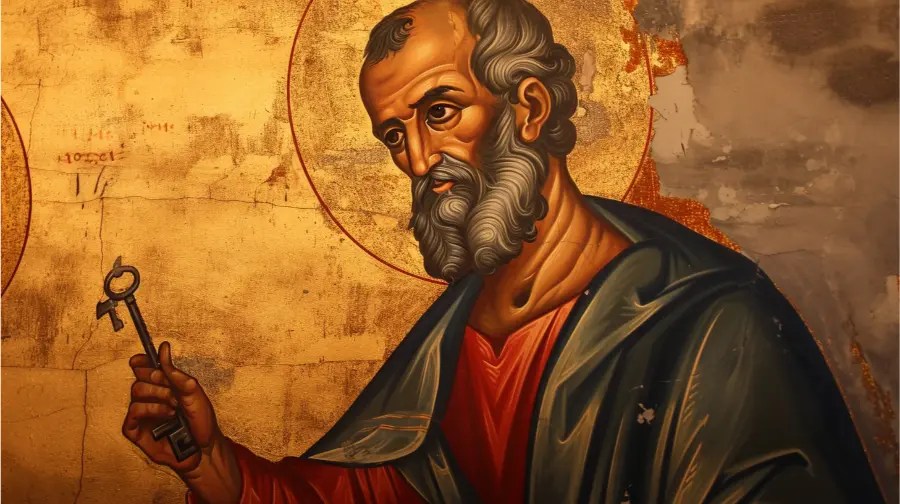
What does Anthony mean?
No one knows. Anthony is the English form of Antonius, a Roman family name of unknown Etruscan origin. The family’s most famous member was Marcus Antonius, Mark Antony, who for a time in the first century BC ruled the Roman world jointly with Augustus.
Meanings often given for Anthony, such as “priceless,” are guesses, since the origin of the name is lost. It was also linked, wrongly, with the Greek anthos, “flower,” and that mistake is why English added an h to the spelling in the seventeenth century.
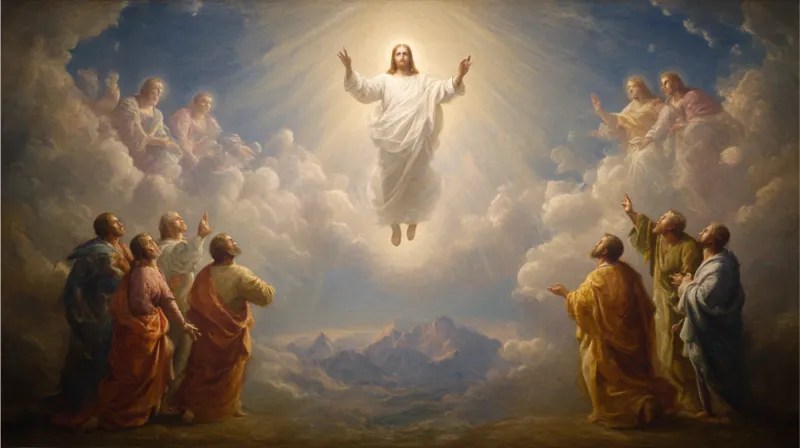
Is Anthony in the Bible?
No one in Scripture is named Anthony or Antonius, and the name has no Hebrew form. The nearest it comes to the Bible is a building. When a crowd seized Paul in the temple in Jerusalem, Roman soldiers took him from the rioters to their barracks, and at the steps “the violence of the mob was so great he had to be carried by the soldiers” (Acts 21:35). From those steps, with the commander’s permission, he spoke to the crowd (Acts 21:40). The barracks are usually identified with the Antonia Fortress, which Herod the Great built at the northwest corner of the temple and named for his patron, Mark Antony. Acts does not use that name.
A name does not have to be in the Bible to be a Christian name. Two of the twelve apostles, Andrew and Philip, had Greek names.
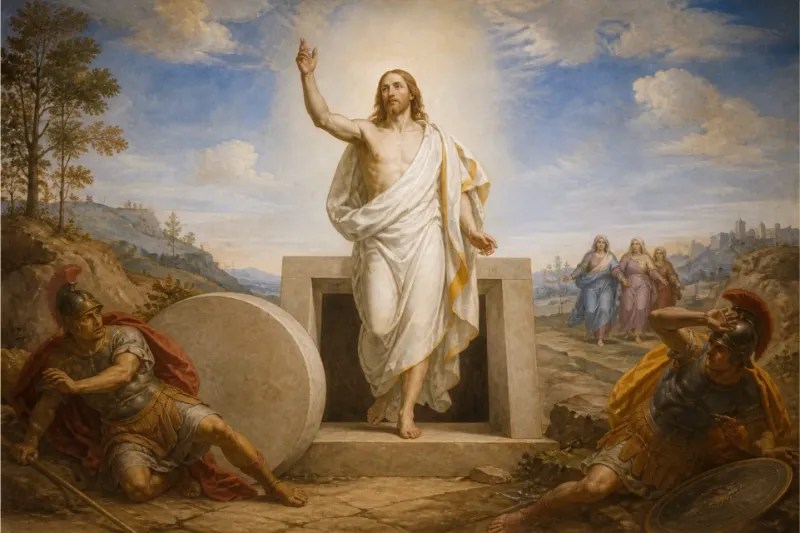
Anthony the Great
Anthony of Egypt, also called Anthony the Great or Anthony the Abbot (about 251–356), made the name Christian. According to the Life of Anthony by Athanasius of Alexandria, written around 360, Anthony was about eighteen or twenty when his parents died and left him to care for a younger sister. Less than six months later he went into church as the Gospel was being read and heard the words of Jesus to a rich young man: “If you want to be perfect, go, sell your possessions and give to the poor, and you will have treasure in heaven. Then come, follow me” (Matthew 19:21). He gave away part of his family’s land, sold the rest and gave the money to the poor, placed his sister with a community of Christian virgins, and began a life of solitude, first near his village, then in a tomb, then in the desert.
For nearly twenty years he lived alone in a deserted fort across the river. When admirers finally forced the door, Athanasius writes, he came out “neither fat, like a man without exercise, nor lean from fasting,” and many then followed him until “the desert was colonised by monks.” He is honored as the Father of All Monks, and his feast is kept on 17 January. Another monk of the name, Anthony of Kiev (about 983–1073), trained on Mount Athos and founded the monastic tradition of Kievan Rus’, co-founding the Monastery of the Caves in Kyiv.
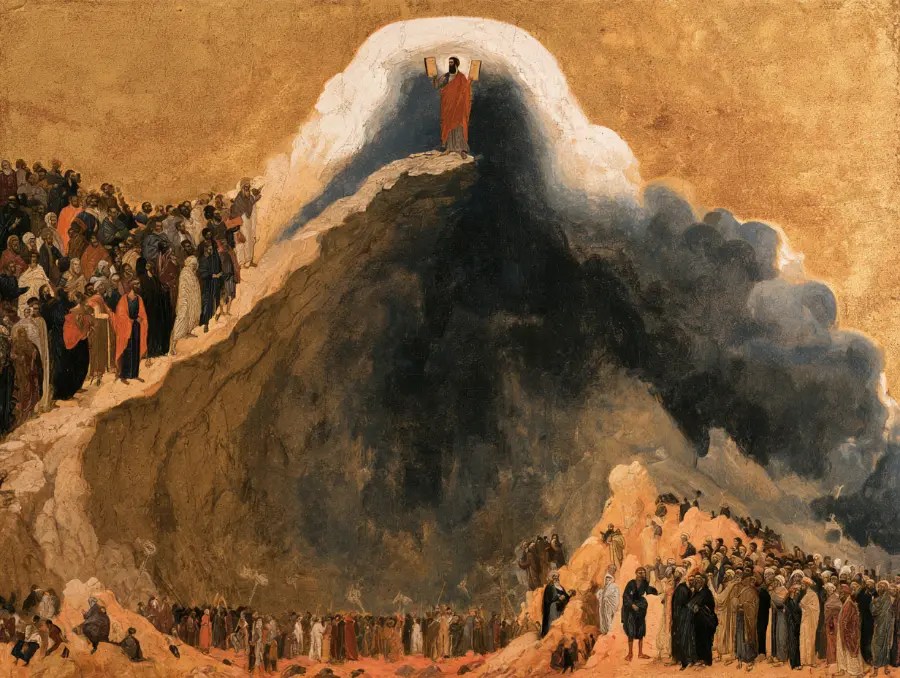
Anthony of Padua
Anthony of Padua was born Fernando Martins de Bulhões in Lisbon in 1195. After five Franciscan friars were killed in Morocco, he joined the Franciscans, taking the name Anthony from their chapel, which was dedicated to Anthony the Great. He set out for Morocco himself, fell seriously ill there, and on the voyage home his ship was driven off course to Sicily. In Italy he became a celebrated preacher. He died on the way back to Padua on 13 June 1231, aged thirty-five, and was canonized less than a year later, one of the fastest canonizations in the Church’s history. Pius XII named him a Doctor of the Church in 1946.
He is the saint Catholics ask for help in finding lost things. The custom is traced to a story from Bologna: a novice leaving the order took Anthony’s psalter, which held his notes for teaching, and after Anthony prayed, the novice brought the book back and returned to the order.


Leave a Reply