
 English
 Chinese
 Dutch
 Arabic
 Spanish
 Portuguese
 Russian
 French
 Italian
 German
 Japanese
Adrian is not in the Bible. It is Latin — Hadrianus, “from Hadria” — and Hadria was an Etruscan port on the north Italian coast, the town that also gave its name to the Adriatic Sea. The name says nothing about virtue. It says where a family came from.
And that, dear friends, turns out to be exactly how Scripture names most of the people we love.
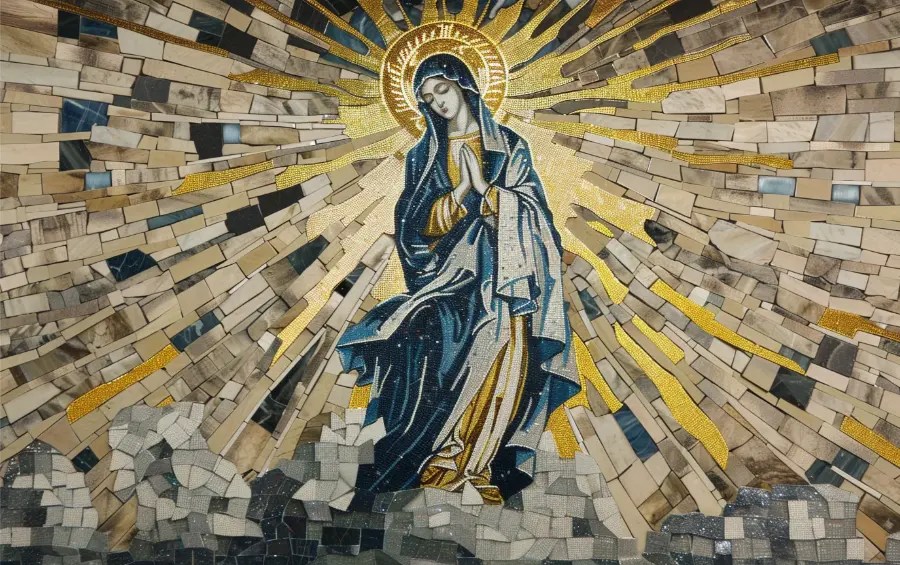
What does the name Adrian mean?
“From Hadria.” The Romans used it as a cognomen, a family tag, and it passed to the emperor Publius Aelius Hadrianus — our Hadrian, who built the wall across northern Britain — whose people came from Atri in central Italy.
From there it became a Christian name and stayed one. Several saints have carried it, and six popes, including the only English pope and the only Dutch one. It is a plain name with a long memory.
A blessing card for Adrian
Adrian
means from Hadria
Latin, from Hadrianus
Not in the Bible
“Can anything good come from Nazareth?” Nathanael asked. “Come and see,” said Philip.
John 1:46 Berean Standard Bible
Adrian, may the LORD bless you and keep you. Numbers 6:24
The card is on its way
Look for an email from Christian Pure in the next few minutes.
Is Adrian in the Bible?
No — not in Hebrew, Greek or Latin Scripture, and there is no Hebrew form of it. We will find pages offering one. They are inventing it, and we do not need the invention.
Because the Bible does something better with place-names than hide them. It hands them to people as half their identity.
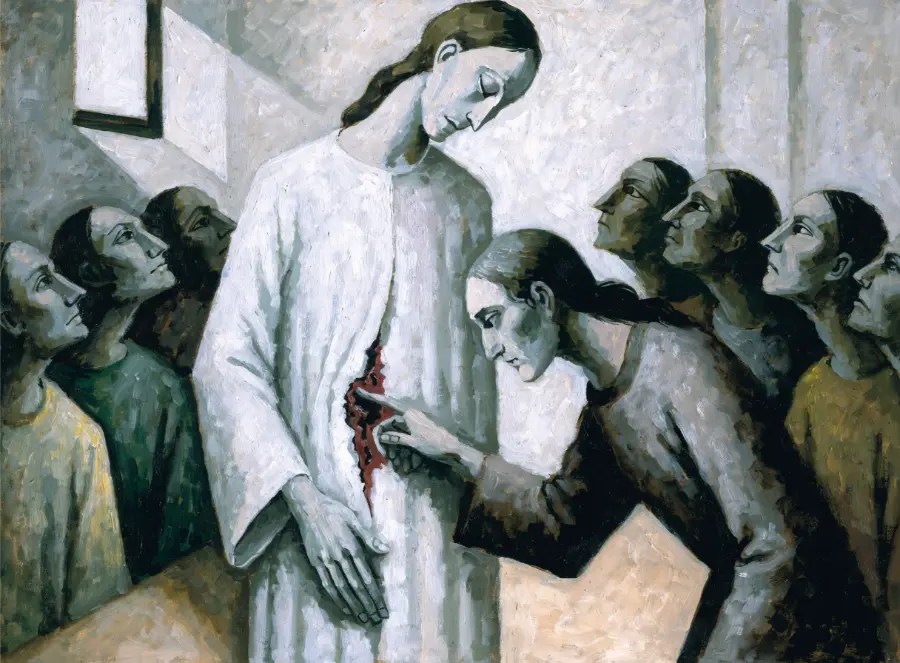
The people in Scripture named by where they came from
Consider how often it happens, once we start counting.
Jesus of Nazareth — a town so unpromising that Nathanael asked whether anything good could come out of it. Saul of Tarsus. Mary Magdalene, of Magdala. Simon of Cyrene, pulled out of a crowd on a road in a city that was not his. Joseph of Arimathea, who gave away the tomb he had cut for himself. Judas Iscariot, whose second name may simply mark a village.
Philip did not argue with the question; he gave an invitation: “Can anything good come from Nazareth?” Nathanael asked. “Come and see,” said Philip (John 1:46).
Scripture is unembarrassed about this. It tells us where people were from, and then it tells us what they did, and the two are never quite the same thing. Nathanael’s question gets its answer four verses later, when he meets the man from the town nothing good comes out of.
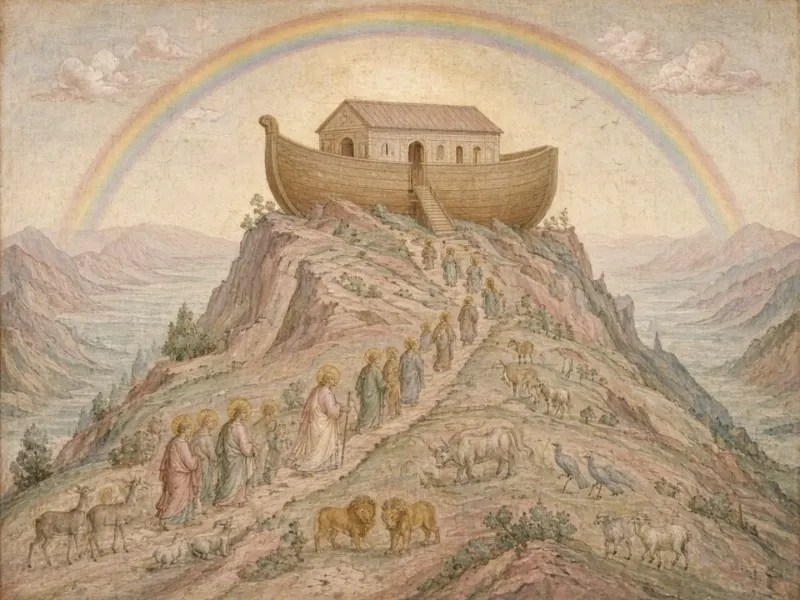
Adrian of Nicomedia
The saint most often remembered under this name was a Roman officer in Nicomedia at the turn of the fourth century, whose job was to guard Christians awaiting execution.
He watched them. That is the whole of the account: he watched how they endured it, asked what they were expecting to receive, and declared himself one of them on the spot. He was imprisoned with those he had been guarding, and died with them. His wife Natalia went into the prison to care for the condemned, and she is remembered beside him.
We do not know the shape of his faith before that day. We know he was converted by watching people suffer well, which is a sobering thought for any of us who are being watched without knowing it.

Where we are from, and where we are going
A name that means “from somewhere” is a good name for a Christian, because Scripture keeps insisting that where we are from is not the final word about us.
Abraham was told to leave his. The whole Church is described as people on the way somewhere, carrying a citizenship they have not seen. And on the last page the crowd before the throne is drawn from every nation, tribe, people and language — all of them still from somewhere, none of them defined by it any longer.

For everyone who carries the name
Adrian: from Hadria. A port town, a sea, an emperor’s wall, and a guard who changed sides.
May we hold our origins lightly — not despising them, for God gave us the town and the family and the accent, but not imprisoned by them either.
And may someone, someday, be converted by watching how we bear something hard. That is how it happened at Nicomedia. It is usually how it happens.
Related reading
- Is William a Biblical Name? Meaning, Origin, and Christian Significance
- Brian Is Not in the Bible: An Irish Name Meaning “Noble”
- Kenneth Is Not in the Bible: A Scottish Name Meaning “Born of Fire”
- Is Your Name in the Bible? A Directory of 231 Names


Leave a Reply