
 English
 Chinese
 Dutch
 Arabic
 Spanish
 Portuguese
 Russian
 French
 Italian
 German
 Japanese
No, they are separate churches. Adventists grew from the Millerites of the 1840s; the Witnesses’ founder was drawn back to the Bible by an Adventist preacher around 1870. Both teach the dead sleep until the resurrection. Adventists believe in the Trinity, keep a Saturday Sabbath and accept blood transfusions. Witnesses reject the Trinity, keep no Sabbath and refuse whole-blood transfusions.
| Question | Jehovah’s Witnesses | Seventh-day Adventists |
|---|---|---|
| God | One God, Jehovah; no Trinity | One God: Father, Son and Holy Spirit |
| Jesus | Son of God, not Almighty God | “Forever truly God,” and truly human |
| Holy Spirit | God’s active force | A Person, as the Father and Son are |
| Sabbath | Not required of Christians | Saturday, sunset to sunset |
| Death | The dead cease to exist until raised | Unconscious sleep until Christ returns |
| Hell | No torment; the wicked destroyed | No torment; the lost destroyed |
| Future home | 144,000 in heaven; most on a paradise earth | All the saved: heaven for 1,000 years, then a new earth |
| Guidance | The Bible, with direction from the Governing Body | Scripture, with Ellen G. White’s gift of prophecy |
| Blood | Whole blood refused; components a personal choice since 2026 | Transfusions accepted when needed |
| Food and drink | Moderate drinking allowed | No unclean meats, alcohol or tobacco |
| Christmas | Not celebrated | Most celebrate; no church rule |
| Size | 9,205,326 publishers (2025) | 24,372,139 members (end of 2025) |
Where Jehovah’s Witnesses and Seventh-day Adventists differ
Each answer is quoted from the church’s own documents or from one of our articles.
Trinity
Jehovah’s Witnesses
However, we take Jesus at his word when he said: “The Father is greater than I am.” (John 14:28) So we do not worship Jesus, as we do not believe that he is Almighty God.
Seventh-day Adventist
There is one God: Father, Son, and Holy Spirit, a unity of three coeternal Persons. God is immortal, all-powerful, all-knowing, above all, and ever present.
Revelation today
Jehovah’s Witnesses
“The faithful and discreet slave”: A small group of anointed brothers who are directly involved in preparing and dispensing spiritual food during Christ’s presence. Today, these anointed brothers make up the Governing Body
Seventh-day Adventist
One of the most prominent co-founders of the Seventh-day Adventist church, Ellen G. White, demonstrated the gift of prophecy and also met the criteria of the above tests of a prophet. Her writings speak with prophetic authority and provide comfort, guidance, instruction, and correction to the church. She also made clear that the Bible is the standard by which all teaching and experience must be tested.
Creation
Jehovah’s Witnesses
For that reason, Jehovah’s Witnesses have no objection to credible scientific research that indicates the earth may be billions of years old. Although Jehovah’s Witnesses believe in creation, we are not antiscience.
From Jehovah’s Witnesses, FAQ: Do Jehovah’s Witnesses Believe in Creationism? (jw.org)
Seventh-day Adventist
God has revealed in Scripture the authentic and historical account of His creative activity. He created the universe, and in a recent six-day creation the Lord made “the heavens and the earth, the sea, and all that is in them” and rested on the seventh day.
Old Testament law
Jehovah’s Witnesses
God gave his Law, including the Ten Commandments, specifically to the ancient nation of Israel. (Deuteronomy 5:2, 3; Psalm 147:19, 20) The Mosaic Law is not binding on Christians, and even Jewish Christians were “released from the Law.” (Romans 7:6)
From jw.org, Bible Questions Answered: What Are the Ten Commandments of God?
Seventh-day Adventist
The great principles of God’s law are embodied in the Ten Commandments and exemplified in the life of Christ. They express God’s love, will, and purposes concerning human conduct and relationships and are binding upon all people in every age.
Communion
Jehovah’s Witnesses
The purpose of the Lord’s Evening Meal is to remember Jesus, showing our gratitude for his sacrifice in our behalf. (Matthew 20:28; 1 Corinthians 11:24) The observance is not a sacrament, or a religious practice that imparts merit such as grace or the forgiveness of sins.
From jw.org, FAQ: Why Do Jehovah’s Witnesses Observe the Lord’s Supper Differently?
Seventh-day Adventist
The Lord’s Supper is a participation in the emblems of the body and blood of Jesus as an expression of faith in Him, our Lord and Saviour. In this experience of communion Christ is present to meet and strengthen His people.
Day of worship
Jehovah’s Witnesses
Christians are not required to observe a weekly sabbath. Christians are under “the law of the Christ,” which does not include keeping the Sabbath. (Galatians 6:2; Colossians 2:16, 17)
From jw.org, Bible Questions Answered: Must Christians Keep the Sabbath?
Seventh-day Adventist
The fourth commandment of God’s unchangeable law requires the observance of this seventh-day Sabbath as the day of rest, worship, and ministry in harmony with the teaching and practice of Jesus, the Lord of the Sabbath.
The rapture
Jehovah’s Witnesses
We do not use the word “rapture” here to describe this event because of its connection to Christendom’s false teaching. However, the faithful anointed still on earth will be gathered together instantly.
Seventh-day Adventist
The Saviour’s coming will be literal, personal, visible, and worldwide. When He returns, the righteous dead will be resurrected, and together with the righteous living will be glorified and taken to heaven, but the unrighteous will die.
From Fundamental Belief 25, The Second Coming of Christ (adventist.org)
Alcohol
Jehovah’s Witnesses
It is not a sin to drink alcohol in moderation. The Bible describes wine as a gift from God that can make life more enjoyable. (Psalm 104:14, 15; Ecclesiastes 3:13; 9:7)
From jw.org, Bible Questions Answered: What Does the Bible Say About Alcohol? Is Drinking It a Sin?
Seventh-day Adventist
Since alcoholic beverages, tobacco, and the irresponsible use of drugs and narcotics are harmful to our bodies, we are to abstain from them as well.
The two churches share a longing older than either of them. In the 1840s many American Christians studied Bible prophecy and waited for Christ to come on a date they believed the Bible had set. Jesus had told his disciples, “Watch therefore: for ye know not what hour your Lord doth come” (Matthew 24:42). The date passed, and the watching did not end. Adventists inherited it directly, and the Witnesses’ founder caught it from an Adventist preacher a generation later. Both churches still carry it, as all of us do who pray “Thy kingdom come” (Matthew 6:10), and they read what it asks of them very differently.
To see what Jehovah’s Witnesses teach beside what Seventh-day Adventists teach on 55 questions, open our free tool, Compare Christian Denominations.
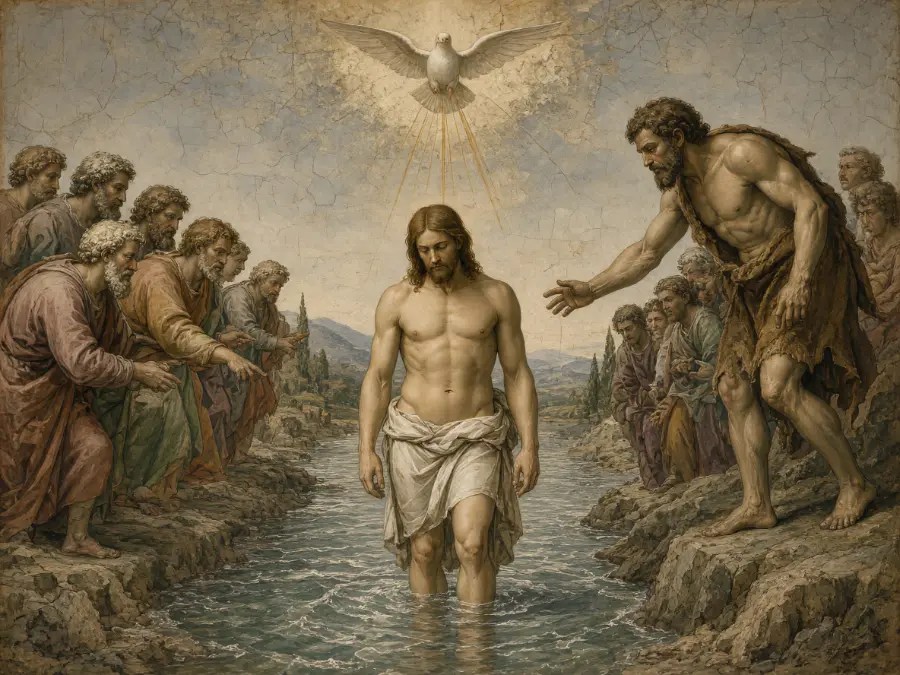
Are Jehovah’s Witnesses and Seventh-day Adventists the same?
No, though their roots touch. The Adventist Church tells its own story from William Miller, a farmer and devout Baptist who set out in the 1830s to deepen his Bible study. His followers took his reading of prophecy as a literal prediction, and a date was set: October 22, 1844. When the day passed, “That day became known as ‘The Great Disappointment.’” Some of those believers kept studying, came to keep the seventh-day Sabbath, and in 1860 took the name “Seventh-day Adventists.” In May 1863 their congregations formed the General Conference of Seventh-day Adventists.
What those believers concluded about that day still marks Adventist teaching. Daniel had written, “Unto two thousand and three hundred days; then shall the sanctuary be cleansed” (Daniel 8:14), and they came to teach that the date had been right and that the event was a different one from the one they had waited for. On that day, they believe, Jesus entered the most holy place of the sanctuary in heaven. Their Fundamental Belief 24 says, “In 1844, at the end of the prophetic period of 2300 days, He entered the second and last phase of His atoning ministry,” and that “It is a work of investigative judgment.” The year the Witnesses watch is 1914, and we will come to it.
The Witnesses’ story begins about 1870 in Allegheny, Pennsylvania, with a young man named Charles Taze Russell, whose faith in the Bible had been shaken. As the Witnesses’ own 1975 Yearbook tells it, he walked into “a dusty, dingy hall” and heard a sermon by “Jonas Wendell, a Second Adventist.” Russell later said it was “sufficient, under God, to reestablish my wavering faith in the Divine inspiration of the Bible.” He went on to study the Bible with a small group, the Bible Students, and in 1879 began the magazine now called The Watchtower. In 1931 the Bible Students took the name Jehovah’s Witnesses. Their roots touch the Adventist preaching of those years, but the two churches have never been one body.
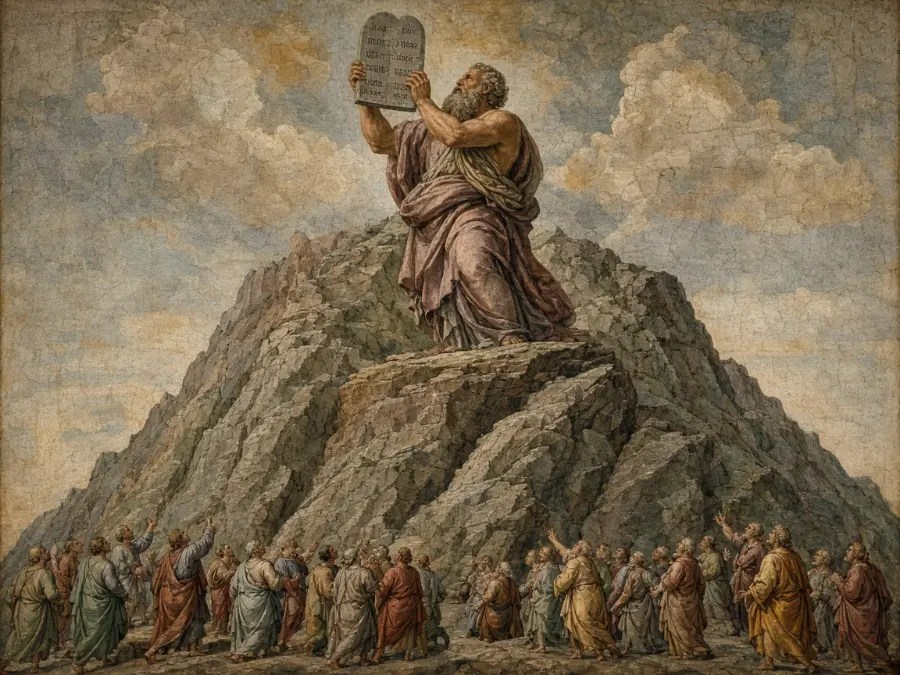
How does each church describe itself?
“Seventh-day Adventists accept the Bible as their only creed,” their church says, and they set out what they believe in 28 Fundamental Beliefs, which may be revised at a General Conference Session “whenever the church is led by the Holy Spirit to a fuller understanding of Bible truth.” They call their church “a worldwide Christian protestant denomination,” and they believe that the gift of prophecy “was manifested in the ministry of Ellen G. White,” whose writings, they add, “make clear that the Bible is the standard by which all teaching and experience must be tested.”
White said so herself in 1903, and she set her own work below the Bible’s: “Little heed is given to the Bible, and the Lord has given a lesser light to lead men and women to the greater light.”
Jehovah’s Witnesses say, “we strive to adhere to the form of Christianity that Jesus taught and that his apostles practiced.” They call Jesus the founder of their organization, not Russell. They are guided by “a small group of elders—the Governing Body of Jehovah’s Witnesses,” which they identify with the “faithful and discreet slave” of Matthew 24:45. Both churches believe God brought back to light truths the wider church had lost. They disagree on what those truths are.
The two churches settle things in opposite ways. Witnesses, as we have just heard, look to those few elders. Adventists look to the membership and the people it elects: “The Seventh-day Adventist form of governance is representative, which recognizes that authority rests in the membership and is expressed through duly elected representatives at each level of organization, with executive responsibility delegated to representative bodies and officers for the governing of the Church at each separate level,” their Church Manual says.
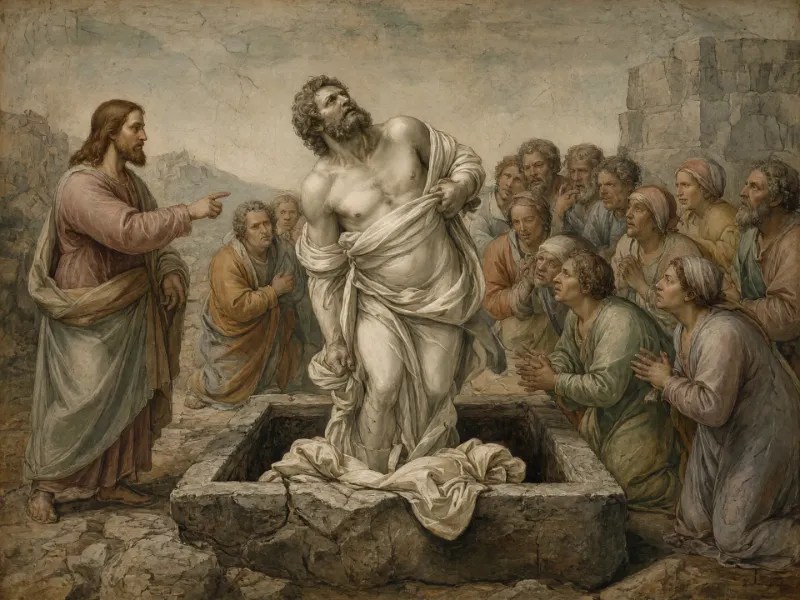
Do both believe in the Trinity and that Jesus is God?
This is the deepest difference between them. Adventists believe, with Catholic, Orthodox and most Protestant Christians, that “There is one God: Father, Son, and Holy Spirit, a unity of three coeternal Persons.” Of Jesus their statement says, “Forever truly God, He became also truly human.” Of the Spirit, “He is as much a person as are the Father and the Son.”
Adventists came to this confession slowly. Joseph Bates and James White, two of the principal founders, had belonged to the Christian Connexion and rejected the doctrine of the Trinity. Bates wrote, “Respecting the trinity, I concluded that it was an impossibility for me to believe that the Lord Jesus Christ, the Son of the Father, was also the Almighty God.” It took decades for the church’s mind to change. The turn came with the 1931 Statement of Fundamental Beliefs, the book Questions on Doctrine anchored the teaching in 1957 with hardly a voice raised against it, and the statement on the Trinity that Adventists use today was voted in 1980.
Witnesses believe that the Trinity is not taught in Scripture. They worship “the one true and Almighty God, the Creator, whose name is Jehovah.” They honour Jesus as Saviour and Son of God, and they say plainly, “Jesus is not Almighty God.” The holy spirit, in their teaching, “is God’s power in action, his active force.” What Witnesses believe about Jesus is set out in full in what Jehovah’s Witnesses believe about Jesus.
Witnesses teach that Jesus was created. Where Paul calls him “the firstborn of all creation” (Colossians 1:15), their study Bible explains, “That is, the first creation by Jehovah God.” They also teach that Michael “is evidently a name given to Jesus before and after his life on earth,” so that Jesus is the archangel. Adventists, as it happens, also call Christ Michael, and the Adventist writer Ty Gibson says where the difference lies: “The Adventist Church does not believe that Jesus is a created angel.” Both churches use the one name, and one means an angel by it and the other means God.
The Witnesses’ own translation carries this into the text, and they give their reasons. Where the King James Bible has “the Word was God” (John 1:1), the New World Translation has “the Word was a god.” Their study note points out that John says the Word was “with God” on either side of that phrase, and that the Greek word for God has no definite article there, which they take to describe what the Word is like. In Colossians 1:16–17 they have “all other things” four times, and the note says why: “A literal rendering of the Greek text would be ‘all things,’” but such a rendering “could give the impression that Jesus was not created but was the Creator himself.” Adventists read those verses as Catholic, Orthodox and most Protestant Christians do.
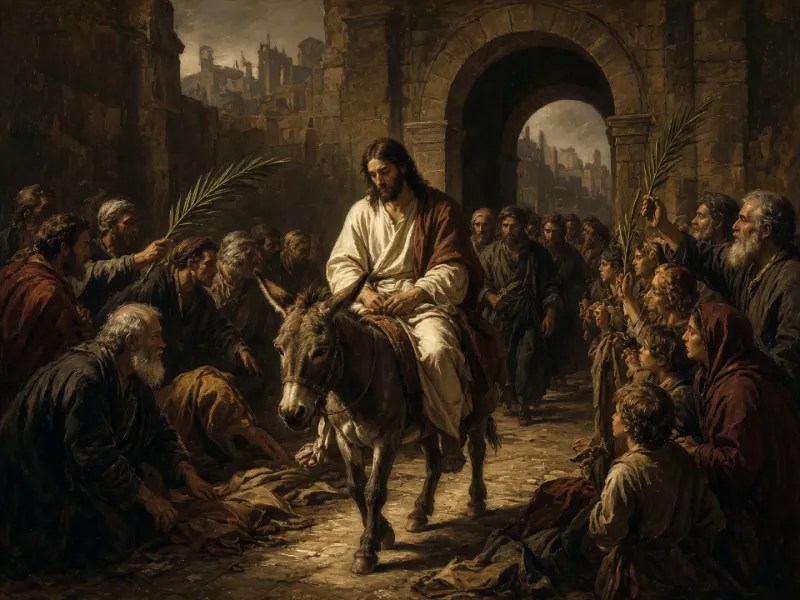
Do they agree about the cross and the resurrection?
Both churches teach that Jesus died to save us. Witnesses speak of “the ransom sacrifice of Jesus,” and Adventists say he “suffered and died voluntarily on the cross for our sins.” Where they part is that one word, cross. “One reason is that the Bible indicates that Jesus did not die on a cross but rather on a simple stake,” jw.org says, and it adds Paul’s warning against idolatry. On images of every kind it says: “Since God requires “exclusive devotion,” he is not pleased if we praise or worship images, pictures, idols, icons, statues, or symbols.”
They part as well over how he rose. Adventists confess “The bodily resurrection of Christ.” The Witnesses’ study Bible says his resurrection was “in the spirit” (1 Peter 3:18), “to a higher position than the one he held in the heavens before coming to earth.”
Why do Adventists keep the Sabbath and Witnesses do not?
Adventists believe the fourth commandment still binds every Christian. “Remember the sabbath day, to keep it holy,” God told Israel. “Six days shalt thou labour, and do all thy work: But the seventh day is the sabbath of the Lord thy God” (Exodus 20:8–10). Their Fundamental Belief calls the Sabbath “a day of delightful communion with God and one another,” kept “from evening to evening, sunset to sunset.” The day gave the church half its name.
Adventists also want us to hear that they keep the day for Jesus’ sake as well as for Moses’, and their belief ends with him: “The fourth commandment of God’s unchangeable law requires the observance of this seventh-day Sabbath as the day of rest, worship, and ministry in harmony with the teaching and practice of Jesus, the Lord of the Sabbath.”
Witnesses believe the Sabbath law belonged to Israel and ended with the Law of Moses. “Christians are not required to observe a weekly sabbath,” jw.org says, and it points to Paul: “Let no man therefore judge you in meat, or in drink, or in respect of an holyday, or of the new moon, or of the sabbath days” (Colossians 2:16). They add that the Bible gives no command to make Sunday a Sabbath either, and leave the matter where Paul left it: “Let every man be fully persuaded in his own mind” (Romans 14:5).
Witnesses have no holy day of the week, and they gather faithfully all the same. They “hold meetings for worship twice each week,” open to anyone who comes.
What do they believe about death, hell and heaven?
Here the two stand closest. Neither church teaches that a soul lives on, aware, after death. Adventists believe that “death is an unconscious state for all people” until Christ appears. Witnesses teach that “when we die, we cease to exist” until God raises us. Both reject the eternal torment of the lost. The Adventist page on the second death says the lost “are destroyed forever, not forever burning.” Witnesses teach that people who will not change are “destroyed forever,” and that hell in the Bible means the common grave.
They part over where the saved will live. Adventists believe that at Christ’s coming all the righteous dead are raised and, with the righteous living, “taken to heaven.” They reign with Christ in heaven for a thousand years, and then God makes a new earth, “an eternal home for the redeemed.” Witnesses believe that only 144,000 are raised to heaven to rule with Christ, while billions of others will be raised to live forever on a paradise earth. The Witnesses’ teaching on death is set out in what Jehovah’s Witnesses believe happens when you die.
What does each expect at the end of the world?
Both churches have read Jesus’ saying that “of that day and hour knoweth no man” (Matthew 24:36), and they keep it differently. Adventists, who carry the memory of 1844, say of Christ’s coming, “The time of that event has not been revealed, and we are therefore exhorted to be ready at all times.” Witnesses also say that nobody knows the day or the hour, and they do hold a date. They read the “seven times” of Daniel 4 as 2,520 years, running from October 607 B.C.E. to 1914, and so they say of Jesus, “He began ruling in 1914.” What they wait for now is the great tribulation and the war of Armageddon, when “evil men will be done away with,” in the words of Psalm 37 as they quote it, and good people live on the earth.
Each church also says plainly what it believes has gone wrong with the rest of Christendom, and we should hear it as they say it. Adventists teach, “The universal church is composed of all who truly believe in Christ, but in the last days, a time of widespread apostasy, a remnant has been called out to keep the commandments of God and the faith of Jesus.” Witnesses speak of Babylon the Great, the woman of Revelation 17, who “represents the world’s collective body of false religions,” and they teach that “God will put an end to all false religion.” Among the beliefs they trace to ancient Babylon they name “a trinity,” which Adventists confess.

Can Seventh-day Adventists have blood transfusions?
Yes. Adventists, who run one of the largest networks of hospitals and clinics in the world, “support the use of blood transfusions when necessary,” their news service said in 2014, and the church promotes blood drives “from its own world headquarters to local churches.” Their health director at the time, Dr Peter Landless, put it this way: “Donating blood could save the life of someone you love, but it could also save the life of someone who can give life.”
Jehovah’s Witnesses still refuse transfusions of whole blood, on the command to “abstain from blood” in Acts 15. On September 18, 2026, their Governing Body announced that “the decision to accept red cells, white cells, plasma or platelets from another person’s blood is a matter of personal conscience.” So the gap between the two churches is narrower than it was, though it has not closed. The details are in why Jehovah’s Witnesses refuse blood transfusions.
Do Adventists and Witnesses have food rules?
Adventists do. Their belief on Christian behaviour asks members to “abstain from the unclean foods identified in the Scriptures,” the meats forbidden in Leviticus 11, and to abstain from alcohol and tobacco. Adventist health teaching has also favoured a vegetarian diet since the church’s health reforms began in the 1860s. Witnesses believe Jesus’ death ended the Law of Moses, Sabbath included, and in the words of The Watchtower “brought to an end the Law with its dietary restrictions about clean and unclean food.” The command they keep is the one in Acts, to abstain from blood. “It is not a sin to drink alcohol in moderation,” jw.org says, though it condemns drunkenness.
If we ask why an Adventist turns down a glass of wine, the reason given is the body: “Since alcoholic beverages, tobacco, and the irresponsible use of drugs and narcotics are harmful to our bodies, we are to abstain from them as well.”
Do Jehovah’s Witnesses and Adventists celebrate Christmas?
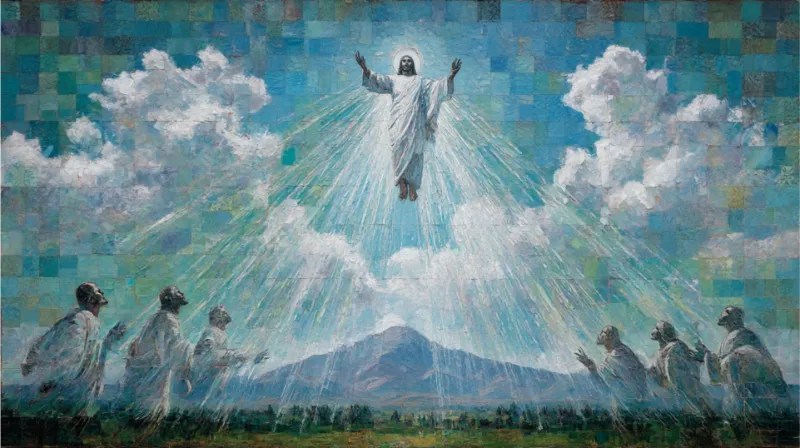
Adventists usually do; Witnesses do not. Ask an Adventist Friend, a site written by Adventists, says that “most Seventh-day Adventists do celebrate Christmas,” and that “The Seventh-day Adventist Church doesn’t have any specific rules about celebrating Christmas.” Each member decides by conscience. Witnesses do not celebrate Christmas or Easter, which they believe are rooted in the worship of other gods, and they do not celebrate birthdays. Once a year they keep the Memorial of Christ’s death instead.
Do they take part in war and politics?
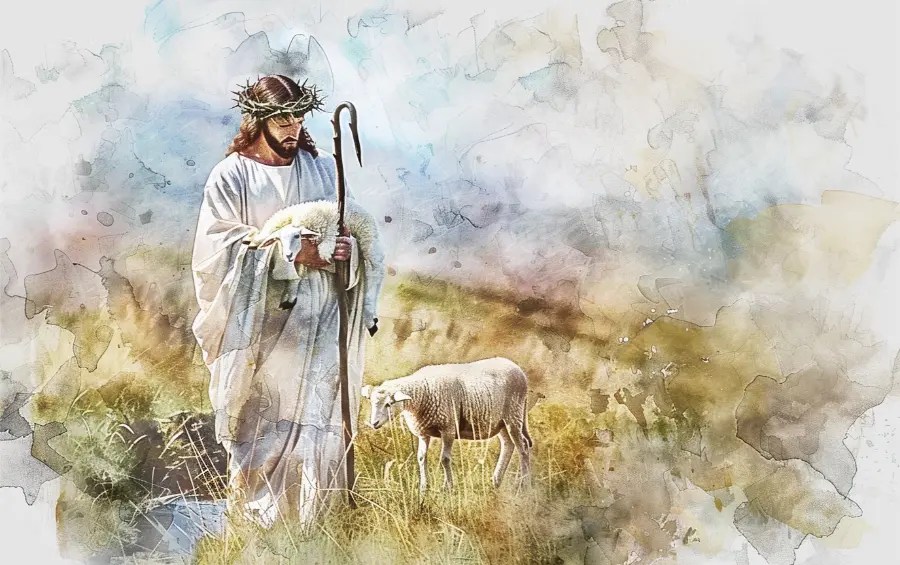
Witnesses “do not lobby, vote for political parties or candidates, run for government office, or participate in any action to change governments,” and they do not go to war, pointing to Jesus’ word to Peter to put away his sword. The Adventist Church takes a different line on war. Its position, voted in 1954 and reaffirmed in 1972, begins with “good citizenship and loyalty to civil government” and advocates “a noncombatant position, following their divine Master in not taking human life, but rendering all possible service to save it.” It is guidance, “not a rigid position binding church members.” Its best-known example is Desmond Doss, an Adventist who served in the US Army in the Second World War but “refused to purposely kill others or carry a weapon into combat,” and who received the Medal of Honor as a combat medic.
Which church is larger?
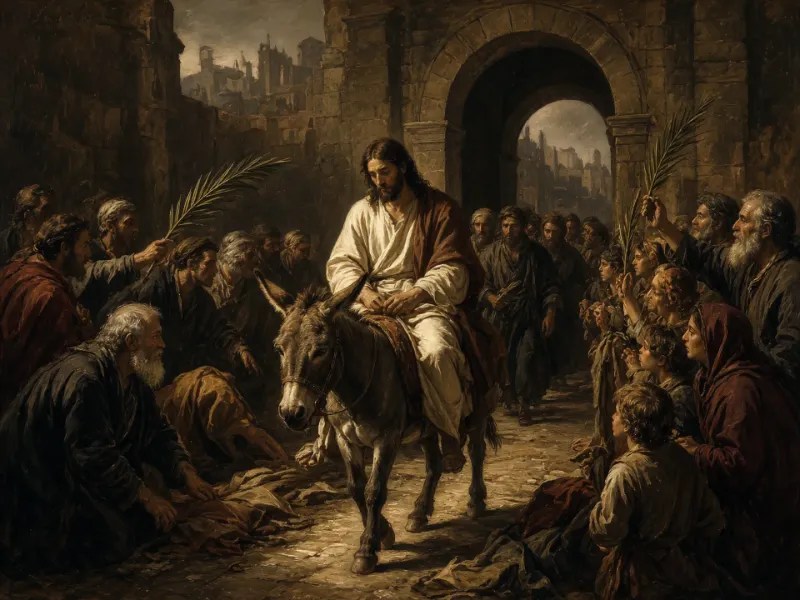
The Adventist Church is larger, though the two count differently. At the end of 2025 the Adventist Church reported 24,372,139 members in 106,936 churches. Jehovah’s Witnesses reported a peak of 9,205,326 publishers in their 2025 service year. Adventists count baptized members. Witnesses count only those who preach and report it each month, and their Memorial that year drew 20,635,015 people.
Both churches were born in a season of watching for the Lord, and both still watch. The Bible they share ends on the prayer they both can pray: “He which testifieth these things saith, Surely I come quickly. Amen. Even so, come, Lord Jesus” (Revelation 22:20).
Related reading
- What Do Jehovah’s Witnesses Believe Happens After Death?
- Why Do Jehovah’s Witnesses Refuse Blood Transfusions?
- Seventh-Day Adventist vs. Catholic Beliefs
- How Many Jehovah’s Witnesses Are There?
- What Are the Origins of Jehovah’s Witnesses?
- What Do Jehovah’s Witnesses Believe?


Leave a Reply