Почему в некоторых Залах Царства нет окон?


  • Many Kingdom Halls of Jehovah’s Witnesses have windows, contrary to the belief that all are windowless; design varies based on location, budget, and building practices.
  • Practical reasons for fewer or no windows include security concerns, cost efficiency, and faster construction using volunteer labor.
  • The simplicity in design reflects Jehovah’s Witnesses’ values of modesty and functionality, focusing on worship rather than architectural grandeur.
  • Recent trends show a shift towards standardized designs that may incorporate more windows and environmentally friendly features, showcasing an evolution in Kingdom Hall architecture.
Эта запись является частью 34 из 38 в серии Понимание Свидетелей Иеговы

Shining a Light: Understanding Why Some Kingdom Halls Don’t Have Windows

Have you ever driven past a Kingdom Hall of Jehovah’s Witnesses and felt a little nudge of curiosity, thinking, “Isn’t that interesting… Where are the windows?” Believe me, you are not alone! It’s a question that pops into the minds of many good people, especially those of us who know and love churches filled with glorious stained glass. It makes you wonder, doesn’t it? As fellow Christians, we naturally notice these differences in how places of worship look and feel. Maybe you’ve thought, “Is there a special reason, something deeper, or just a practical choice behind that design?”

Well, get ready to be encouraged! We’re about to go on an uplifting journey together, exploring the почему behind the way Kingdom Halls are designed. And let me tell you a little secret right up front: while it’s true some halls are built without a lot of windows, that’s not the whole story! Many wonderful factors come into play, from everyday practical things to beliefs held close to the heart. The truth is richer and more interesting than a simple yes or no.¹

Let’s dive into 10 key questions that will shine a bright light on this topic, bringing clarity and maybe even blessing you with a fresh perspective. Prepare to have your understanding expanded as we explore the thoughtful choices behind these unique places of worship!

Do All Kingdom Halls Really Lack Windows? (Let’s Talk Myth vs. Reality!)

Alright, let’s tackle the biggest question right out of the gate! Is it really true that every single Kingdom Hall is built without windows? Let me tell you, the simple, encouraging answer is: no, that’s actually something of an “urban legend”.² While that picture of a windowless Kingdom Hall might be strong in some people’s minds, the reality you see when you look around is much more diverse and interesting!

Many, many Kingdom Halls across this beautiful world действительно have windows, and sometimes they’re quite noticeable and lovely. Just look online, and you’ll find pictures showcasing a whole spectrum of Kingdom Hall designs, many featuring different styles and sizes of windows.³ Even official sources from Jehovah’s Witnesses often show halls with windows in places like Great Britain, Mexico, and Central America – clear proof that windows aren’t forbidden or missing everywhere.² You know, some halls are even admired for their unique architecture, включая their windows! There’s a wonderful example of a Kingdom Hall built way back in the 1950s in Golden Valley, Minnesota. It was designed by someone who studied under the famous architect Frank Lloyd Wright! This special building had large, beautiful wood-framed windows and was praised for its unique, nature-inspired design.¹

And think about this: not every Kingdom Hall starts from a bare piece of ground. Sometimes, congregations find an existing building – maybe an old theater, a former or another kind of building – and they renovate it with loving care.⁵ Often, these buildings already have windows, and they’re kept as part of the transformation.

So, why do some people still think all Kingdom Halls are windowless? Well, it seems this is something people notice more in certain areas, maybe specific cities or suburbs, especially in the United States.¹⁶ And the reasons for которые often come down to practical things, like wanting to keep the building safe or the way buildings were constructed during certain times. Plus, some older halls might have had windows removed or covered up during updates, maybe to save money or make upkeep easier, or perhaps they only had small windows high up or with bars that weren’t very easy to see.²

So, while you might definitely come across a Kingdom Hall with just a few windows, or maybe none at all, it’s so important to realize this isn’t how всех of them are built. Whether a hall has windows or not really depends on where it is, when it was built, the specific design chosen, and whether it was built new or beautifully adapted from an older structure. Isn’t that interesting?

What Are the Down-to-Earth Reasons Some Halls Don’t Have Windows? (Thinking Practically: Security, Cost, Building Speed)

Okay, so we know not всех halls lack windows for the ones that do, what are the practical, everyday reasons for that design choice? It often boils down to some very sensible thinking about keeping things safe, being good stewards of resources, and building efficiently. These are important considerations, especially when you think about how many Kingdom Halls are built all over the world and how they get the job done!

One big factor is keeping things secure and safe. In some areas, especially in cities, there are real concerns about things like vandalism – broken windows, graffiti – or even break-ins.¹⁴ Windows can sometimes be seen as weak spots on a building. So, building solid walls without windows simply removes that risk. It can save on repair costs down the road and helps keep the building and everything inside secure. You see, unlike some traditional churches that might have a pastor living right next door to keep an eye on things, Kingdom Halls often stand alone and might be empty for parts of the week, making security a very practical thought.¹⁷ Also, some modern building methods used for Kingdom Halls, like using special Insulated Concrete Forms (ICFs), are chosen because they prioritize safety and make the building stronger against things like tornadoes in areas prone to them. Simpler, solid walls can just make the whole building sturdier and more resilient.¹⁹

Another key reason is being wise with finances. Let’s be honest, building and taking care of windows costs money. The materials themselves, especially energy-saving ones like double-pane glass, usually cost more than basic wall materials like brick or concrete blocks.¹⁷ Putting them in also takes more time and might need specialized workers compared to building a solid wall.¹⁶ Plus, windows generally don’t insulate as well as a well-insulated wall (they have a lower “R” rating), which means heating and cooling costs can be higher over the years.¹⁷ Jehovah’s Witnesses fund their building projects through voluntary donations, given from the heart, and they aim to be careful and responsible with those funds.¹⁴ By keeping construction and long-term running costs down, more resources can go towards what they see as their main purpose: their worldwide ministry and sharing their message.²â° As some folks have noted, sometimes the number and size of windows can give you a clue about the budget they were working with.²

Наконец, way they build and how quickly they do it is a huge part of the picture. A really special thing about Kingdom Hall construction is the amazing use of volunteer workers and often very fast building schedules. You might have heard of “quick-builds,” where the main part of the building goes up incredibly fast, sometimes just over a weekend after the foundation is ready! 5 These volunteers, members of the congregation and others from nearby areas, generously give their time and skills, often juggling this work with their regular jobs and families.¹⁷ To make this speedy, volunteer-powered process work smoothly, they often use standardized building plans and simpler designs.¹⁴ Designs that have fewer or no complex window installations make the building process faster and easier for a volunteer team, needing less detailed finishing work.¹⁶

Let’s quickly recap these practical points:

Reason Category Key Points Поддерживающие источники
Security & Safety Preventing vandalism, break-ins (esp. in cities); lack of onsite caretaker; sometimes disaster resistance. 14
Cost Efficiency Lower material costs (glass vs. wall); lower installation labor; reduced long-term maintenance; energy savings (heating/cooling). 2
Building Process Faster construction with volunteer labor (“quick-builds”); simpler standardized plans; less finishing work needed. 14

So, for those Kingdom Halls built with fewer or no windows, the decision often comes from these very practical places: protecting the property, managing donated funds wisely, and making it possible for their efficient, volunteer-based building approach to flourish. It’s about being sensible and focused!

Is There a Deeper, Faith-Based Reason for Simpler Designs?

beyond just the practical side of things like security and cost, the way Kingdom Halls are designed – that characteristic simplicity – is beautifully connected to the core beliefs and values held dear by Jehovah’s Witnesses. Their approach to their places of worship isn’t accidental; it’s a deliberate choice that flows right from their understanding of the Bible and their mission in the world.

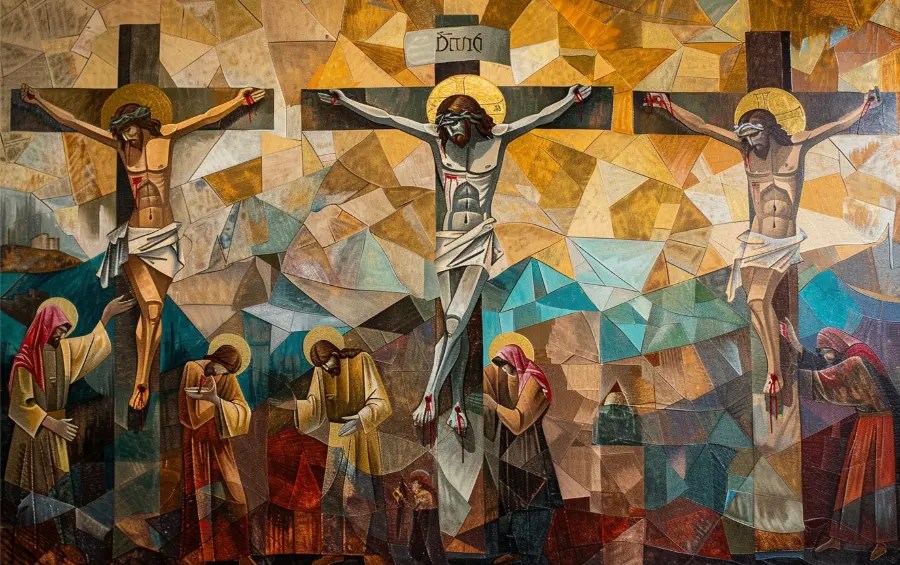
A foundational principle is their focus on functionality and modesty. Kingdom Halls are intentionally designed to be practical, humble buildings. They purposefully avoid the very elaborate or showy styles you might see in many traditional religious buildings.¹² The idea isn’t to impress people with grand architecture to create a space that works well for what happens inside: teaching from the Bible, holding meetings together, and organizing their extensive work of sharing their message.¹ They see this simplicity as a way to be different from what they sometimes call “Christendom,” which they feel can have overly elaborate buildings and focus too much on symbols.¹³ Because of this, they consciously choose not to use religious symbols like crosses, statues, or icons in their halls. They believe using these things goes against Bible commands about idolatry and might have roots in non-Christian traditions.¹²

The design also powerfully reflects their deep focus on teaching and the message of God’s Kingdom. Think about the name itself: “Kingdom Hall.” That name points directly to their central belief – telling people about God’s Kingdom as the answer to the world’s problems, a message they believe Jesus himself focused on.¹² So, the hall is like a home base for learning about this Kingdom and coordinating how they share this “good news” with everyone around them.¹² If you look inside, the typical setup often looks like a classroom or lecture hall, which really highlights this emphasis on education.¹⁵

Could the lack of windows in some halls also be about staying separate and avoiding distractions? Some people who have observed the faith, including some who used to be members, have suggested this. The thought is that a more enclosed space might help people focus better during meetings, tuning out the hustle and bustle of the outside world and concentrating fully on the spiritual program.² This idea fits with the broader Jehovah’s Witness principle of being separate from the world – you know, being “in the world not part of the world” 26 – and steering clear of what they see as negative “worldly” influences.²⁷ Some former members feel that the plainness, especially in the newer, very standardized halls, creates a kind of controlled, maybe less outwardly inviting, or even “ark-like” feeling, meant to reinforce a sense of being protected or insulated from outside influences.²

So, to bring it all together, the simplicity you often see in Kingdom Halls, which sometimes includes having fewer or no windows, isn’t just about being practical. It’s deeply connected to their core beliefs about worshipping modestly, the absolute importance of Bible education and sharing the Kingdom message, and their desire to have a distinct identity, separate from other religious traditions. While practical things like cost and security definitely play a big role, the simple, functional look that results fits hand-in-glove with their fundamental spiritual values and how they see the world.

Why “Kingdom Hall” and Not “Church”? (Explaining Their Special Name and Focus)

have you ever noticed that Jehovah’s Witnesses call their meeting place a “Kingdom Hall” instead of a “church”? That choice of words is very intentional and full of meaning for them. It’s not just a different label; it reflects how they understand words in the Bible, shines a spotlight on their core message, and gently highlights their unique identity in the world of faith. This distinction is rooted in their interpretation of biblical texts, particularly those found in the King James Bible, which emphasizes the concept of God’s Kingdom. A Обзор Библии короля Якова reveals that the term “Kingdom” signifies a government ruled by Christ, which is central to their beliefs. By using “Kingdom Hall,” they affirm their focus on the establishment of God’s Kingdom and their role in witnessing to it. This emphasis on God’s Kingdom is further reinforced through their literature and teachings, which are grounded in a unique perspective on scripture. Understanding Jehovah’s Witnesses translation history is essential to grasping how their interpretations differ from mainstream Christianity, particularly in their use of the New World Translation of the Holy Scriptures. This translation reflects their doctrinal beliefs and highlights their commitment to promoting the message of God’s Kingdom as central to their faith.

Their main reason comes from the original meaning of the Greek word ekklesia, which often gets translated as “church” in our English Bibles. Jehovah’s Witnesses emphasize that ekklesia really means the group or gathering of people who come together to worship, not the actual building they meet in.¹⁴ They point to examples in the Bible, like when the Apostle Paul sent greetings not to a building to “the church that meets in their home” (you can find that in Romans 16:5), to show this is how the word was used.²⁵ So, they feel that calling a building a “church” is moving away from how the Bible originally used the term.

The name “Kingdom Hall” was specifically chosen to put the focus squarely on their central message. This name came about back in the 1930s, suggested by their president at the time, Joseph F. Rutherford. It points directly to their core belief and the main thing they talk about and share: Царство Божье.¹² They believe God’s Kingdom is the heavenly government that will bring wonderful solutions to all the problems we see in the world, a theme they see as central to what Jesus himself taught.¹² So, the Kingdom Hall is perfectly named as the place where they learn about and share the “good news of the Kingdom”.¹² It signifies a place dedicated to worshipping Jehovah God and learning about and telling others about His Kingdom.²⁵

Using this unique name also helps to set their places of worship apart from those of mainstream Christianity, which Witnesses often refer to collectively as “Christendom.” This fits with their belief that they are restoring the true way Christians worshipped in the first century, which they feel was changed over time by other groups.¹⁵ The special name reinforces their distinct identity and their choice not to follow traditions they believe aren’t based on the Bible.

Unlike many churches or temples in other faiths that are considered sacred or holy ground, the Kingdom Hall building itself is generally not seen as inherently sacred.¹⁵ While it’s a dedicated place used only for worship services, Bible study, and related activities (they don’t use it for social parties or business 12), the real emphasis is on the people gathering together – the congregation – and the spiritual activities happening there, rather than on the holiness of the building itself. They might have a dedication service when it’s built it’s not a consecration in the way many other traditions understand it.¹⁵

So, you see, the term “Kingdom Hall” is chosen with great care. It reflects a specific understanding of Bible language, puts their main message about God’s Kingdom front and center, and distinguishes their functional meeting places from the buildings and traditions of other Christian groups. It’s a name with a purpose!

What Did Early Christian Leaders (Church Fathers) Say About Light and Buildings for Worship?

Early Christian thinking was deeply touched by the powerful symbolism of light. Drawing inspiration straight from the Bible, where light represents God’s glory, His presence, truth, salvation, and Jesus himself as the “Light of the World” (John 8:12), early theologians and worship texts often used light as a beautiful metaphor for the divine.⁴¹ And this wasn’t just talk; it actually influenced how they built their places of worship! Even before they built grand churches, the design of meeting spaces considered how light would enter. Early basilicas, which were adapted from Roman public buildings, were often built facing east. This allowed the morning sun’s light to stream in and illuminate the apse (the curved area at the front) and the altar, beautifully symbolizing Christ’s resurrection.⁴⁰ They used clerestory windows (windows high up above the side aisles) to bring light into the main central area, the nave, representing God’s divine presence filling the space where people worshipped.⁴⁰ Similarly, baptisteries (places for baptism), often round or octagonal with a dome, frequently had an oculus (an opening at the very top) or a lantern structure. This let light shine straight down onto the baptismal font, symbolizing spiritual enlightenment and new birth.⁴⁰ Even in the underground catacombs where early Christians sometimes met and buried their dead, they cleverly created light wells – shafts that brought down natural light. This light was seen as connecting the earthly resting place of the departed with the heavenly world, reinforcing themes of hope and resurrection.⁴⁰ The beautiful idea was that God’s light touches and transforms creation, just like the light of understanding brightens the soul.⁴²

The early Christian view on using images and having dedicated sacred buildings was a bit more complex and changed over time. In the very beginning, for the first few centuries, many Christian leaders were quite cautious about using images in worship.⁴⁴ This hesitation came partly because they wanted to be clearly different from the surrounding pagan cultures that used lots of idols, and partly from how they interpreted the Bible’s commands against making graven images. Some early writers argued strongly that any worship directed at an image stopped right there at the physical object and couldn’t actually reach the divine being it represented.⁴⁴

But even during this early time, Christians did use символы as a kind of visual shorthand for their faith and a quiet way to identify each other, especially when facing persecution. Symbols like the Fish (Ichthys – which was an acronym in Greek for “Jesus Christ, Son of God, Savior”), the Anchor (representing hope, based on Hebrews 6:19), and the Good Shepherd (showing Christ’s loving care) were used frequently in places like the catacombs.³¹ These weren’t usually worshipped themselves they served as powerful visual reminders of their core beliefs.

As Christianity became legal and eventually the main religion of the Roman Empire, the building of dedicated church buildings really took off. Influenced by the theology of the Incarnation—the belief that God actually entered our physical world in the person of Jesus Christ—a view grew that God could use tangible, physical things, including art and architecture, to communicate His grace and make His presence felt.⁴³ Magnificent churches like the Hagia Sophia in Constantinople were built. They used stunning designs, shimmering mosaics, precious materials, and a masterful use of light and space to inspire awe, teach spiritual truths, and create an atmosphere that lifted hearts in worship.⁴³ While they still understood that God’s presence isn’t limited to just one place (remember Jesus’ words in John 4:21-24), the church building itself increasingly came to be seen as a special, set-apart space designed to help worshippers focus their hearts and minds on God’s glory.⁴³

Later on, architectural styles like the Gothic style fully embraced the incredible potential of light. Amazing innovations like pointed arches, ribbed vaults, and flying buttresses allowed builders to create thinner walls and fill them with vast expanses of stained glass windows. These windows didn’t just let light in; they flooded the interiors with vibrant color, transforming the space and telling elaborate stories from the Bible and the lives of saints. They became like beautiful, illuminated textbooks for the faithful.³⁰

So, Although the early views were varied, the path historic Christianity generally took was towards embracing architecture, art, and especially light as meaningful ways to express faith and enhance worship and teaching. This long and rich tradition, rooted in the symbolic power of light and the belief in the Incarnation, provides a major point of contrast to the functional, non-symbolic, and sometimes minimally lit approach we see in the design of Kingdom Halls. It helps us appreciate the different paths taken in expressing devotion through buildings.

Are Kingdom Hall Designs Changing Today? (Modern Styles, Standardization, and Maybe More Windows?)

The look and feel of Kingdom Halls isn’t set in stone; it’s actually been evolving over the years and continues to show signs of change, sometimes in ways that might seem to go in different directions at the same time!

One major shift, especially noticeable since around 2015 in places like the United States, has been a big move towards making designs more standard.¹⁴ The organization shifted away from a system where local or regional building teams had a lot of freedom in how halls looked, moving towards a more centralized approach.¹³ specific departments (like Local Design/Construction Departments), working under the main branch offices, oversee the projects. They often use standardized architectural plans and materials that are chosen to work well in the local area.¹⁴ The reasons given for this change are all about achieving greater efficiency in building, controlling costs better, making sure buildings have a consistent quality and appearance no matter where they are, and generally making the whole process smoother.¹⁹ This standardization definitely helps with the rapid building model that relies on volunteers. But this move hasn’t been without its critics. Some observers, especially former members, feel it’s led to designs that aren’t very inspiring, calling them “cookie-cutter”.¹³ These critics sometimes describe the newer halls as feeling a bit impersonal, maybe “boring” or “cold,” lacking the unique charm or warmth that older, more individually designed halls might have had.¹³ The resulting look is sometimes compared to practical commercial buildings, like maybe a budget store or a basic office building.¹³

But here’s where it gets interesting! At the same time as this trend towards uniformity, there are also hints that newer Kingdom Hall designs might actually be bringing back more windows.¹⁶ Some people have noticed and reported that halls built very recently seem to have more glass than those built during the peak era of “quick-builds,” which sometimes resulted in windowless designs. When people describe newer halls looking like “diners” or “Family Dollar stores,” it suggests they might be adopting more contemporary commercial styles, which usually do include storefront-type windows.¹³ Why this potential shift? It could be due to several things: maybe updated building codes in some areas now require a certain amount of natural light or emergency exits, perhaps the organization wants to present a more modern or maybe more welcoming look, or it could simply be the nature of the specific standard plans they are using right now. If you look at official photo galleries showing recent construction projects by Jehovah’s Witnesses, you often see modern-looking buildings with quite a bit of glass.¹â°

Another thing influencing modern designs is a growing focus on being environmentally friendly and energy-efficient. Some new Kingdom Hall projects have been specifically designed with “green” building ideas in mind, even aiming for certifications like LEED (Leadership in Energy and Environmental Design).¹⁹ Using modern, energy-saving materials and building techniques, like the ICFs (Insulated Concrete Forms) used in a project in Yazoo City, Mississippi, shows this trend.¹⁹ This focus on up-to-date building standards might also affect decisions about windows – perhaps leading them to install high-performance, energy-efficient windows instead of getting rid of them altogether.

So, to sum it up, the design of Kingdom Halls is definitely evolving. Although the main trend recently has been towards central planning and standard designs focused on efficiency and saving money (which might have led to fewer windows in some cases), there are also signs that the very latest designs might be bringing windows back, possibly reflecting changes in building norms, rules, or what look they’re going for. But it seems the days of highly unique, locally designed Kingdom Halls are mostly behind us, replaced by a more consistent approach across the globe.¹³ It’s always interesting to see how things develop, isn’t it?

Заключение: поиск общих точек соприкосновения в вере

So, the mystery of the sometimes-windowless Kingdom Hall? It turns out it wasn’t such a deep mystery after all! We’ve walked this path together and discovered that the reasons are often a thoughtful mix of practical, down-to-earth choices about safety, being wise with resources, and building efficiently, blended beautifully with deeply held religious beliefs about keeping worship simple, focused on teaching God’s Word, and distinct from other traditions. And, so importantly, we learned that the idea of всех Kingdom Halls being windowless is more of a myth than the reality!

This exploration is such a wonderful reminder that things aren’t always just as they seem on the surface. What might look unusual often has very sensible, heartfelt reasons behind it when we take a moment to look closer with an open mind and an open heart.

Isn’t it amazing how people express their devotion and seek to connect with God in so many different ways? Whether worship happens in a magnificent cathedral where light streams through ancient stained glass, filling the space with color and history, or in a modest, functional hall designed specifically for teaching and fellowship, the desire underneath is often the very same: to honor God and draw closer to Him.

Let’s make a choice today to celebrate the sincerity we see in these diverse expressions of faith. Let’s encourage each other on our own unique spiritual journeys, choosing understanding over judgment. By seeking to understand, even in something like the design of a building, we build bridges of respect. Let’s keep shining our own lights brightly, respecting the paths others walk in their relationship with God, and always, always looking for that beautiful common ground of faith, hope, and love. Be blessed!


Больше на Christian Pure

Оформите подписку, чтобы продолжить чтение и получить доступ к полному архиву.

Читать дальше

Поделиться...