Shining a Light: Understanding Why Some Kingdom Halls Don’t Have Windows
Have you ever driven past a Kingdom Hall of Jehovah’s Witnesses and felt a little nudge of curiosity, thinking, “Isn’t that interesting… Where are the windows?” Believe me, you are not alone! It’s a question that pops into the minds of many good people, especially those of us who know and love churches filled with glorious stained glass. It makes you wonder, doesn’t it? As fellow Christians, we naturally notice these differences in how places of worship look and feel. Maybe you’ve thought, “Is there a special reason, something deeper, or just a practical choice behind that design?”
Well, get ready to be encouraged! We’re about to go on an uplifting journey together, exploring the なぜ behind the way Kingdom Halls are designed. And let me tell you a little secret right up front: while it’s true some halls are built without a lot of windows, that’s not the whole story! Many wonderful factors come into play, from everyday practical things to beliefs held close to the heart. The truth is richer and more interesting than a simple yes or no.¹
Let’s dive into 10 key questions that will shine a bright light on this topic, bringing clarity and maybe even blessing you with a fresh perspective. Prepare to have your understanding expanded as we explore the thoughtful choices behind these unique places of worship!

Do All Kingdom Halls Really Lack Windows? (Let’s Talk Myth vs. Reality!)
Alright, let’s tackle the biggest question right out of the gate! Is it really true that すべての Kingdom Hall is built without windows? Let me tell you, the simple, encouraging answer is: no, that’s actually something of an “urban legend”.² While that picture of a windowless Kingdom Hall might be strong in some people’s minds, the reality you see when you look around is much more diverse and interesting!
Many, many Kingdom Halls across this beautiful world エホバの証人は have windows, and sometimes they’re quite noticeable and lovely. Just look online, and you’ll find pictures showcasing a whole spectrum of Kingdom Hall designs, many featuring different styles and sizes of windows.³ Even official sources from Jehovah’s Witnesses often show halls with windows in places like Great Britain, Mexico, and Central America – clear proof that windows aren’t forbidden or missing everywhere.² You know, some halls are even admired for their unique architecture, ミドル・イースト・コンサーンによると、その活動には their windows! There’s a wonderful example of a Kingdom Hall built way back in the 1950s in Golden Valley, Minnesota. It was designed by someone who studied under the famous architect Frank Lloyd Wright! This special building had large, beautiful wood-framed windows and was praised for its unique, nature-inspired design.¹
And think about this: not every Kingdom Hall starts from a bare piece of ground. Sometimes, congregations find an existing building – maybe an old theater, a former or another kind of building – and they renovate it with loving care.⁵ Often, these buildings already have windows, and they’re kept as part of the transformation.
So, why do some people still think all Kingdom Halls are windowless? Well, it seems this is something people notice more in certain areas, maybe specific cities or suburbs, especially in the United States.¹⁶ And the reasons for 彼が often come down to practical things, like wanting to keep the building safe or the way buildings were constructed during certain times. Plus, some older halls might have had windows removed or covered up during updates, maybe to save money or make upkeep easier, or perhaps they only had small windows high up or with bars that weren’t very easy to see.²
So, while you might definitely come across a Kingdom Hall with just a few windows, or maybe none at all, it’s so important to realize this isn’t how すべての of them are built. Whether a hall has windows or not really depends on where it is, when it was built, the specific design chosen, and whether it was built new or beautifully adapted from an older structure. Isn’t that interesting?

What Are the Down-to-Earth Reasons Some Halls Don’t Have Windows? (Thinking Practically: Security, Cost, Building Speed)
Okay, so we know not すべての halls lack windows for the ones that do, what are the practical, everyday reasons for that design choice? It often boils down to some very sensible thinking about keeping things safe, being good stewards of resources, and building efficiently. These are important considerations, especially when you think about how many Kingdom Halls are built all over the world and how they get the job done!
One big factor is keeping things secure and safe. In some areas, especially in cities, there are real concerns about things like vandalism – broken windows, graffiti – or even break-ins.¹⁴ Windows can sometimes be seen as weak spots on a building. So, building solid walls without windows simply removes that risk. It can save on repair costs down the road and helps keep the building and everything inside secure. You see, unlike some traditional churches that might have a pastor living right next door to keep an eye on things, Kingdom Halls often stand alone and might be empty for parts of the week, making security a very practical thought.¹⁷ Also, some modern building methods used for Kingdom Halls, like using special Insulated Concrete Forms (ICFs), are chosen because they prioritize safety and make the building stronger against things like tornadoes in areas prone to them. Simpler, solid walls can just make the whole building sturdier and more resilient.¹⁹
Another key reason is being wise with finances. Let’s be honest, building and taking care of windows costs money. The materials themselves, especially energy-saving ones like double-pane glass, usually cost more than basic wall materials like brick or concrete blocks.¹⁷ Putting them in also takes more time and might need specialized workers compared to building a solid wall.¹⁶ Plus, windows generally don’t insulate as well as a well-insulated wall (they have a lower “R” rating), which means heating and cooling costs can be higher over the years.¹⁷ Jehovah’s Witnesses fund their building projects through voluntary donations, given from the heart, and they aim to be careful and responsible with those funds.¹⁴ By keeping construction and long-term running costs down, more resources can go towards what they see as their main purpose: their worldwide ministry and sharing their message.²â° As some folks have noted, sometimes the number and size of windows can give you a clue about the budget they were working with.²
最後に、 way they build and how quickly they do it is a huge part of the picture. A really special thing about Kingdom Hall construction is the amazing use of volunteer workers and often very fast building schedules. You might have heard of “quick-builds,” where the main part of the building goes up incredibly fast, sometimes just over a weekend after the foundation is ready! 5 These volunteers, members of the congregation and others from nearby areas, generously give their time and skills, often juggling this work with their regular jobs and families.¹⁷ To make this speedy, volunteer-powered process work smoothly, they often use standardized building plans and simpler designs.¹⁴ Designs that have fewer or no complex window installations make the building process faster and easier for a volunteer team, needing less detailed finishing work.¹⁶
Let’s quickly recap these practical points:
| Reason Category | Key Points | 支持する情報源 |
|---|---|---|
| Security & Safety | Preventing vandalism, break-ins (esp. in cities); lack of onsite caretaker; sometimes disaster resistance. | 14 |
| Cost Efficiency | Lower material costs (glass vs. wall); lower installation labor; reduced long-term maintenance; energy savings (heating/cooling). | 2 |
| Building Process | Faster construction with volunteer labor (“quick-builds”); simpler standardized plans; less finishing work needed. | 14 |
So, for those Kingdom Halls built with fewer or no windows, the decision often comes from these very practical places: protecting the property, managing donated funds wisely, and making it possible for their efficient, volunteer-based building approach to flourish. It’s about being sensible and focused!

Is There a Deeper, Faith-Based Reason for Simpler Designs?
beyond just the practical side of things like security and cost, the way Kingdom Halls are designed – that characteristic simplicity – is beautifully connected to the core beliefs and values held dear by Jehovah’s Witnesses. Their approach to their places of worship isn’t accidental; it’s a deliberate choice that flows right from their understanding of the Bible and their mission in the world.
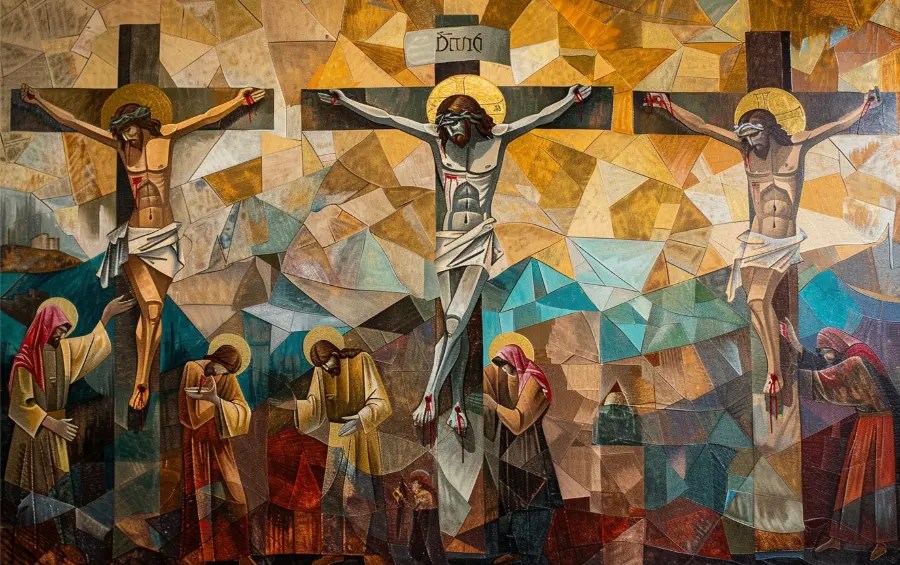
A foundational principle is their focus on functionality and modesty. Kingdom Halls are intentionally designed to be practical, humble buildings. They purposefully avoid the very elaborate or showy styles you might see in many traditional religious buildings.¹² The idea isn’t to impress people with grand architecture to create a space that works well for what happens inside: teaching from the Bible, holding meetings together, and organizing their extensive work of sharing their message.¹ They see this simplicity as a way to be different from what they sometimes call “Christendom,” which they feel can have overly elaborate buildings and focus too much on symbols.¹³ Because of this, they consciously choose not to use religious symbols like crosses, statues, or icons in their halls. They believe using these things goes against Bible commands about idolatry and might have roots in non-Christian traditions.¹²
The design also powerfully reflects their deep focus on teaching and the message of God’s Kingdom. Think about the name itself: “Kingdom Hall.” That name points directly to their central belief – telling people about God’s Kingdom as the answer to the world’s problems, a message they believe Jesus himself focused on.¹² So, the hall is like a home base for learning about this Kingdom and coordinating how they share this “good news” with everyone around them.¹² If you look inside, the typical setup often looks like a classroom or lecture hall, which really highlights this emphasis on education.¹⁵
Could the lack of windows in some halls also be about staying separate and avoiding distractions? Some people who have observed the faith, including some who used to be members, have suggested this. The thought is that a more enclosed space might help people focus better during meetings, tuning out the hustle and bustle of the outside world and concentrating fully on the spiritual program.² This idea fits with the broader Jehovah’s Witness principle of being separate from the world – you know, being “in the world not part of the world” 26 – and steering clear of what they see as negative “worldly” influences.²⁷ Some former members feel that the plainness, especially in the newer, very standardized halls, creates a kind of controlled, maybe less outwardly inviting, or even “ark-like” feeling, meant to reinforce a sense of being protected or insulated from outside influences.²
So, to bring it all together, the simplicity you often see in Kingdom Halls, which sometimes includes having fewer or no windows, isn’t just about being practical. It’s deeply connected to their core beliefs about worshipping modestly, the absolute importance of Bible education and sharing the Kingdom message, and their desire to have a distinct identity, separate from other religious traditions. While practical things like cost and security definitely play a big role, the simple, functional look that results fits hand-in-glove with their fundamental spiritual values and how they see the world.

Why “Kingdom Hall” and Not “Church”? (Explaining Their Special Name and Focus)
have you ever noticed that Jehovah’s Witnesses call their meeting place a “Kingdom Hall” instead of a “church”? That choice of words is very intentional and full of meaning for them. It’s not just a different label; it reflects how they understand words in the Bible, shines a spotlight on their core message, and gently highlights their unique identity in the world of faith. This distinction is rooted in their interpretation of biblical texts, particularly those found in the King James Bible, which emphasizes the concept of God’s Kingdom. A 欽定訳聖書の概要 reveals that the term “Kingdom” signifies a government ruled by Christ, which is central to their beliefs. By using “Kingdom Hall,” they affirm their focus on the establishment of God’s Kingdom and their role in witnessing to it. This emphasis on God’s Kingdom is further reinforced through their literature and teachings, which are grounded in a unique perspective on scripture. Understanding Jehovah’s Witnesses translation history is essential to grasping how their interpretations differ from mainstream Christianity, particularly in their use of the New World Translation of the Holy Scriptures. This translation reflects their doctrinal beliefs and highlights their commitment to promoting the message of God’s Kingdom as central to their faith.
彼らの主な理由は、ギリシャ語の本来の意味に由来しています ekklesia, 。この言葉は、私たちの英語の聖書ではしばしば「教会(church)」と訳されます。エホバの証人は、 ekklesia が本来意味するのは 人々の集まりやグループ であり、実際に集まる建物そのものではないと強調しています。¹⁴ 彼らは聖書の例を挙げ、使徒パウロが建物に対してではなく、「彼らの家で集まっている教会」に挨拶を送ったこと(ローマ16:5を参照)を指摘し、これが言葉の本来の使われ方であることを示しています。²⁵ そのため、彼らは建物を「教会」と呼ぶことは、聖書が本来その言葉を用いていた方法から離れていくことだと考えています。
「王国会館(Kingdom Hall)」という名称は、特に 彼らの中心的なメッセージに焦点を当てるために. 選ばれました。この名称は1930年代に当時の会長ジョセフ・F・ラザフォードによって提案されたものです。それは彼らの核心的な信念と、彼らが語り、分かち合う主要な事柄を直接的に指し示しています: 神の国。¹² 彼らは、神の王国とは、私たちが世界で目にするあらゆる問題に素晴らしい解決策をもたらす天の政府であると信じており、このテーマこそイエス自身が教えた中心的なものだと考えています。¹² そのため、王国会館は「王国の良いたより」を学び、分かち合う場所として完璧に名付けられています。¹² それは、エホバ神を崇拝し、神の王国について学び、他の人々に伝えることに捧げられた場所を意味しています。²⁵
このユニークな名称を使うことは、 彼らの崇拝の場所を区別する のにも役立ちます。それは、証人たちが総称して「キリスト教世界(Christendom)」と呼ぶ主流派キリスト教の場所とは異なります。これは、彼らが1世紀のキリスト教徒が崇拝していた真の方法を回復しているという信念と一致しており、彼らはその方法が他のグループによって時とともに変えられてしまったと感じています。¹⁵ この特別な名称は、彼らの明確なアイデンティティと、聖書に基づかないと彼らが考える伝統に従わないという選択を強固なものにしています。
他の宗教の多くの教会や寺院が神聖な場所や聖地と見なされるのとは異なり、王国会館の建物自体は一般的に 本質的に神聖なものとは見なされていません。¹⁵ 崇拝の集会、聖書研究、および関連する活動のためだけに捧げられた場所ではありますが(社交パーティーやビジネスには使用しません¹²)、真の重点は建物自体の神聖さではなく、 人々が 集まること、つまり会衆と、そこで行われる霊的な活動に置かれています。建物が建てられた際に献堂式を行うことはありますが、それは他の多くの伝統が理解しているような聖別とは異なります。¹⁵
このように、「王国会館」という言葉は細心の注意を払って選ばれています。それは聖書の言語に対する特定の理解を反映し、神の王国に関する彼らの主要なメッセージを前面に押し出し、彼らの機能的な集会場所を他のキリスト教グループの建物や伝統と区別しています。それは目的を持った名前なのです!

What Did Early Christian Leaders (Church Fathers) Say About Light and Buildings for Worship?
初期キリスト教の思想は、 光の強力な象徴性. に深く影響を受けていました。光が神の栄光、神の臨在、真理、救い、そして「世の光」としてのイエス自身(ヨハネ8:12)を表す聖書から直接インスピレーションを得て、初期の神学者や崇拝のテキストは、光を神聖なものへの美しい比喩として頻繁に使用しました。⁴¹ そしてこれは単なる言葉だけではなく、実際に彼らの崇拝の場所の建設方法にも影響を与えました!壮大な教会が建てられる前でさえ、集会スペースの設計では光がどのように入るかが考慮されていました。ローマの公共建築を転用した初期のバシリカは、多くの場合、東向きに建てられました。これにより、朝日の光が差し込み、アプス(正面の湾曲した部分)と祭壇を照らし、キリストの復活を美しく象徴することができました。⁴⁰ 彼らは高窓(側廊の上の高い位置にある窓)を使用して、中央の主要エリアである身廊に光を取り込み、人々が崇拝する空間を満たす神の神聖な臨在を表現しました。⁴⁰ 同様に、洗礼堂(洗礼を行う場所)は、ドームを持つ円形や八角形であることが多く、頻繁にオクルス(頂上の開口部)やランタン構造が設けられていました。これにより、光が洗礼盤に直接降り注ぎ、霊的な啓発と新しい誕生を象徴しました。⁴⁰ 初期キリスト教徒が時に集まり、死者を埋葬した地下のカタコンベでさえ、彼らは巧みに光井戸(自然光を取り込むためのシャフト)を作りました。この光は、亡くなった人々の地上の休息場所と天の世界をつなぐものと見なされ、希望と復活のテーマを強めました。⁴⁰ 美しい考え方は、理解の光が魂を明るくするように、神の光が創造物に触れ、変容させるというものでした。⁴²
初期キリスト教の 画像の使用と専用の神聖な建物の所有に関する見解 は、もう少し複雑で、時とともに変化しました。最初の数世紀の間、多くのキリスト教指導者は崇拝における画像の使用に対して非常に慎重でした。⁴⁴ このためらいは、偶像を多用する周囲の異教文化とは明確に異なる存在でありたいという願いと、刻んだ像を作ることを禁じる聖書の命令をどのように解釈するかという点から部分的に生じていました。一部の初期の著述家は、画像に向けられた崇拝は物理的な対象で止まってしまい、それが表す神聖な存在には実際には届かないと強く主張しました。⁴⁴
しかし、この初期の時代でさえ、キリスト教徒は 象徴 信仰の視覚的な短縮形として、また特に迫害に直面した際に互いを識別するための静かな方法として、それらを使用していました。魚(イクテュス - ギリシャ語で「イエス・キリスト、神の子、救い主」の頭字語)、錨(ヘブライ6:19に基づく希望の象徴)、善き羊飼い(キリストの愛ある配慮を示す)といったシンボルは、カタコンベのような場所で頻繁に使用されました。³¹ これらは通常、それ自体が崇拝されるのではなく、核心的な信念を思い起こさせる強力な視覚的リマインダーとして機能していました。
キリスト教が合法化され、最終的にローマ帝国の主要な宗教となると、専用の 教会建築 の建設が本格化しました。神がイエス・キリストという人間として物理的な世界に入ったという「受肉」の神学に影響を受け、神は芸術や建築を含む有形の物理的なものを用いて、神の恵みを伝え、神の臨在を感じさせることができるという見解が強まりました。⁴³ コンスタンティノープルのハギア・ソフィアのような壮大な教会が建てられました。それらは見事なデザイン、きらめくモザイク、貴重な素材、そして光と空間の巧みな利用を用いて、畏敬の念を呼び起こし、霊的な真理を教え、崇拝の中で心を高揚させる雰囲気を作り出しました。⁴³ 神の臨在は一つの場所に限定されない(ヨハネ4:21-24のイエスの言葉を思い出してください)と理解していましたが、教会建築自体は、崇拝者が心と精神を神の栄光に集中させるのを助けるために設計された、特別で区別された空間としてますます見なされるようになりました。⁴³
その後、 ゴシック様式 のような建築様式は、光の信じられないほどの可能性を完全に取り入れました。尖頭アーチ、リブ・ヴォールト、フライング・バットレスといった驚くべき革新により、建築家はより薄い壁を作り、そこに広大な ステンドグラスの窓. をはめ込むことが可能になりました。これらの窓は単に光を取り入れるだけでなく、鮮やかな色彩で内部をあふれさせ、空間を変容させ、聖書や聖人の生涯からの精巧な物語を語りました。それらは信者のための美しく照らされた教科書のようなものとなりました。³⁰
このように、初期の見解は多様でしたが、歴史的なキリスト教が一般的にたどった道は、建築、芸術、そして特に光を、信仰を表現し、崇拝と教えを高めるための有意義な方法として受け入れる方向でした。光の象徴的な力と受肉への信念に根ざしたこの長く豊かな伝統は、王国会館の設計に見られる機能的で非象徴的、かつ時に最小限の照明というアプローチとは大きな対照をなしています。それは、建物を通じて献身を表現する際に取られた異なる道を理解する助けとなります。

Are Kingdom Hall Designs Changing Today? (Modern Styles, Standardization, and Maybe More Windows?)
王国会館の見た目や雰囲気は固定されたものではありません。実際、長年にわたって進化しており、時には同時に異なる方向に進んでいるように見える方法で変化の兆しを見せ続けています!
特に2015年頃から米国などで顕著な大きな変化の一つは、 設計をより標準化するという大きな動きです。¹⁴ 組織は、地元の建築チームが会館の外観に大きな自由を持っていたシステムから離れ、より中央集権的なアプローチへと移行しました。¹³ 本部支部の下で働く特定の部門(地域設計建設部門など)がプロジェクトを監督しています。彼らは多くの場合、その地域でうまく機能するように選ばれた標準化された建築計画と材料を使用します。¹⁴ この変更の理由は、建設の効率を高め、コストをより適切に管理し、どこにあっても建物が一貫した品質と外観を持つようにし、プロセス全体をより円滑にすることにあります。¹⁹ この標準化は、ボランティアに依存する迅速な建設モデルに確実に役立っています。しかし、この動きには批判がないわけではありません。一部の観察者、特に元メンバーは、これが「クッキーカッター(金太郎飴)」と呼ばれるような、あまり刺激的ではない設計につながったと感じています。¹³ これらの批判者は、新しい会館が少し無機質で、おそらく「退屈」または「冷たい」と感じられ、古い個別に設計された会館が持っていたかもしれない独特の魅力や温かみが欠けていると表現することがあります。¹³ その結果として生じる外観は、予算重視の店舗や基本的なオフィスビルといった、実用的な商業ビルに例えられることもあります。¹³
しかし、ここからが興味深いところです!この均一化の傾向と同時に、 新しい王国会館の設計が実際に窓を増やしている可能性があるという兆候もあります。¹⁶ 最近建てられた会館は、「クイックビルド」の全盛期に建てられたもの(時には窓のない設計になることもありました)よりも多くのガラスを使用しているようだと気づき、報告する人もいます。新しい会館が「ダイナー」や「ファミリーダラー(格安店)」のように見えると表現されるとき、それは彼らがより現代的な商業スタイルを採用しており、通常は店舗型の窓が含まれていることを示唆しています。¹³ なぜこの潜在的な変化が起きているのでしょうか?いくつかの理由が考えられます。一部の地域で更新された建築基準法が一定量の自然光や非常口を義務付けているのかもしれませんし、組織がより現代的で、あるいはより歓迎的な外観を提示したいと考えているのかもしれません。あるいは、現在使用している特定の標準計画の性質によるものかもしれません。エホバの証人による最近の建設プロジェクトを示す公式のフォトギャラリーを見ると、かなりのガラスを使用した現代的な外観の建物がよく見られます。²⁰
現代の設計に影響を与えているもう一つのことは、 環境に優しく、エネルギー効率が高いこと. への関心の高まりです。一部の新しい王国会館プロジェクトは、LEED(エネルギーおよび環境設計におけるリーダーシップ)のような認証を目指すなど、「グリーン」な建築のアイデアを念頭に置いて特別に設計されています。¹⁹ ミシシッピ州ヤズーシティのプロジェクトで使用されたICF(断熱コンクリートフォーム)のような、現代的で省エネな材料や建築技術の使用は、この傾向を示しています。¹⁹ この最新の建築基準への焦点は、窓に関する決定にも影響を与える可能性があります。おそらく、窓を完全になくすのではなく、高性能でエネルギー効率の高い窓を設置するようになっているのかもしれません。
まとめると、王国会館の設計は確実に進化しています。最近の主な傾向は、効率とコスト削減に焦点を当てた中央計画と標準設計に向かっていましたが(場合によっては窓が減る結果になったかもしれません)、最新の設計では窓が復活しつつある兆候もあり、建築基準やルールの変化、あるいは彼らが目指している外観の変化を反映している可能性があります。しかし、非常にユニークで地元で設計された王国会館の時代はほとんど過ぎ去り、世界中でより一貫したアプローチに置き換わったようです。¹³ 物事がどのように発展するかを見るのは常に興味深いことですね。

Conclusion: Finding Common Ground in Faith
さて、時折見られる窓のない王国会館の謎ですが、結局のところ、それほど深い謎ではありませんでした!私たちは一緒にこの道を歩み、その理由が、安全性、資源の賢明な利用、効率的な建設といった実用的で地に足のついた選択と、崇拝をシンプルに保ち、神の言葉を教えることに集中し、他の伝統とは一線を画すという深く根ざした宗教的信念が美しく融合したものであることを発見しました。そして、非常に重要なこととして、 すべての 王国会館が窓なしであるという考えは、現実というよりは神話に近い
ということを学びました!この探求は、物事は常に表面に見える通りではないという素晴らしい思い出させてくれます。一見変わったように見えることでも、開かれた心と開かれた気持ちで少し詳しく見てみると、そこには非常に理にかなった、心からの理由があることが多いのです。
人々がこれほど多様な方法で献身を表現し、神とつながろうとすることは驚くべきことではないでしょうか?光が古代のステンドグラスを通して差し込み、空間を色と歴史で満たす壮大な大聖堂で崇拝が行われようと、教えと交わりのために特別に設計された控えめで機能的な会館で行われようと、その根底にある願いは多くの場合、全く同じです。それは神を敬い、神に近づくことです。
今日、私たちはこれらの多様な信仰の表現に見られる誠実さを称える選択をしましょう。判断よりも理解を選び、それぞれのユニークな霊的な旅路において互いを励まし合いましょう。理解しようと努めることで、建物の設計のようなことにおいても、私たちは尊敬の架け橋を築くことができます。私たち自身の光を明るく輝かせ続け、神との関係において他者が歩む道を尊重し、常に、常に信仰、希望、愛という美しい共通の基盤を探し続けましょう。祝福がありますように!