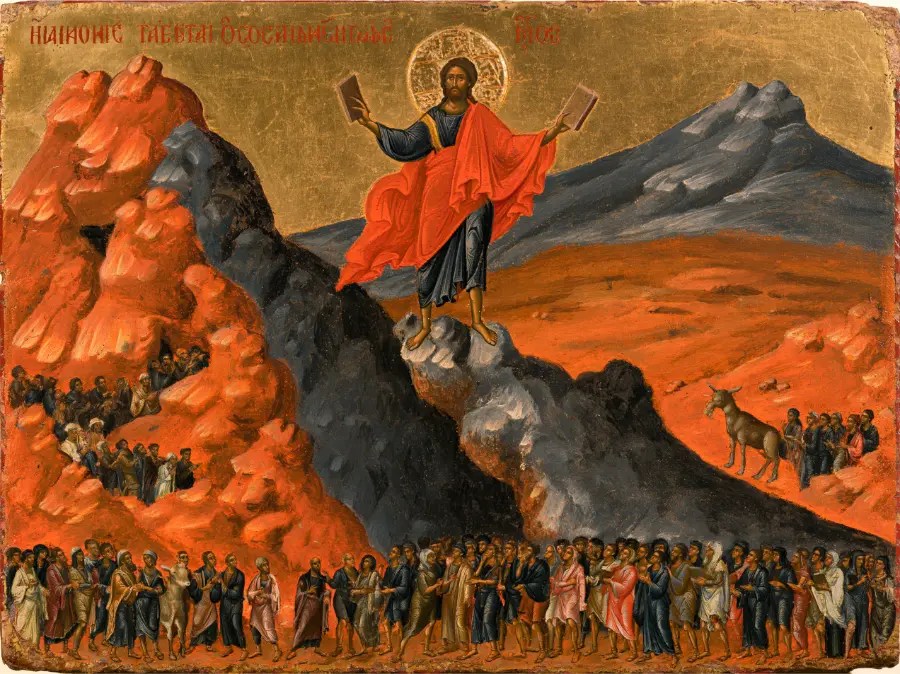
—
参考书目:
Abelowitz, N., & Meltzer, A. (2018). Laughter is the Best Medicine.
Bibler, T. M. (2019). Choosing Between Practicing Good Medicine and Following the Law in Texas. American Journal of Respiratory and Critical Care Medicine.
Burk, C. D. (2014). We are alive: (Mis)Reading Joy Harjo’s Noni Daylight as a Yellow Woman. The Iowa Journal of Cultural Studies, 16, 82–100.
Chaudhary, O., Mattapalli, S., & Miller, M. (2023). The Use of PBA in Joker 2019 Contradicts Idealogy that Laughter is Beneficial to One’s Health. Journal of Student-Scientists’ Research.
Christ, C. (1987). Laughter of Aphrodite: Reflections on a Journey to the Goddess.
Craig, W. (2012). Laughter: Good Medicine. 104, 7.
Denzey, N. (2016). Biblical Allusions, Biblical Illusions: Hollywood Blockbuster and Scripture. Journal of Religion and Film, 8, 11.
Erber, E. (2020). Private Anarchy: Impossible Community and the Outsider’s Monologue in German Experimental Fiction by Paul Buchholz (review). Monatshefte, 112, 346–348.
Ezigbo, V. I. (2018). Violent Christians, the Nigerian Public Square, and the Utility of Jesus’ Forgiveness Sayings for Tackling Religious Violence. International Journal of Public Theology.
Foster, P. (2023). The Jesus Handbook. Expository Times, 134, 518–518.
Furstenberg, Y. (2021). Jesus against the Laws of the Pharisees: The Legal Woe Sayings and Second Temple Intersectarian Discourse. Journal of Biblical Literature, 139, 769–788.
Gammal, M. (2021). Humor and Laughter in Modern Karaite Literature on the Example of the Comedy Akhyr Zeman (the End of Time / Apocalypses) by Aaron J. Levy. Laughter and Humor in the Slavic and Jewish Cultural Traditions.
Gutiérrez, B. B. (2022). EL PAYASO Y LA RISA, UN CAMINO DE APRENDIZAJES SENSIBLES: EL USO DEL PAYASO. Revista Digital de Educación Discimus.
Hajar, R. (2019). Laughter Is the Best Medicine. Heart Views, 20, 128–128.
Howes, L. (2013). The sayings gospel Q within the contexts of the third and renewed quests for the historical Jesus¯: wisdom and apocalypticism in the first century.
Ivanova, O. (2024). Systematization and justification of recreational mechanisms of laughter in the system of personality. Bulletin of Taras Shevchenko National University of Kyiv. Psychology.
Kramer, C., & Leitão, C. (2023). Laughter as medicine: A systematic review and meta-analysis of interventional studies evaluating the impact of spontaneous laughter on cortisol levels. PLoS ONE, 18.
Monta, S. (2003). The Book of Sir Thomas More and Laughter of the Heart. The Sixteenth Century Journal, 34, 107–121.
Nasr, S. (2013a). Laughter can be helpful for treating mood disorders and other conditions No laughing matter: Laughter is good psychiatric medicine.
Nasr, S. (2013b). No Laughing Matter: Laughter Is Good Psychiatric Medicine: Laughter Can Be Helpful for Treating Mood Disorders and Other Conditions. Current Psychiatry, 12, 20.
Okpako, G. (2018). The ‘I-AM’ sayings of Jesus in the gospel of John and questions of history: two case studies (John 6 and 8).
Petukhova, E. A. (2022). The Era of Joy. Advertising Poster of the 1860s-1890s as a Continuation of the Laughter Culture of the European Middle Ages. Scientific and Analytical Journal Burganov House. The Space of Culture.
Recker, N. (2007). Laughter Is Really Good Medicine.
Reysen, S. (2006). A New Predictor of Likeability: Laughter. North American Journal of Psychology, 8, 373.
Rollens, S. E. (2014). Framing Social Criticism in the Jesus Movement: The Ideological Project in the Sayings Gospel Q.
Ryoo, J. J. (2019). Laughter is the Best Medicine. Deeper Learning, Dialogic Learning, and Critical Thinking.
Savage, B. M., Lujan, H., Thipparthi, R. R., & DiCarlo, S. (2017). Humor, laughter, learning, and health! A brief review. Advances in Physiology Education, 41 3, 341–347.
Schor, J. (2010). Emotions and Health: Laughter Really Is Good Medicine.
Screech, M. (2019). The Laughter of Jesus and the Laughter of the Father in the New Testament. Laughter at the Foot of the Cross.
Silvestri, K. V. T. (2018). A alegria paradoxal: o riso carnavalesco como filosofia trágica. 15, 178–194.
Strickland, D. (1993). Seriously, laughter matters. Today’s OR Nurse, 15 6, 19–24.
The History of Easter Laughter. (2024).
V, L. (2023). From Laughter to Medicine, from Clowning to Therapy. Mental Health & Human Resilience International Journal.
Votaw, C. W. (1904). The Newly Discovered Sayings of Jesus. The Biblical World, 24, 261–277.
Zion, M. N. (2014). New Testament Studies¯: The Sayings of Jesus. 22, 65–85.
Zion, M. N. (2018). Triumph in Defeat:Lost Origins of Jesus’ Sayings. 26, 1–29.
Ã…dna, J. (2024). Two Testaments in One Bible: How do the Old and New Testaments Interrelate? Global South Theological Journal.
Branch, R. G. (2024). Gender balance: A new lens for reading and studying the Bible, Part 2. In Die Skriflig/In Luce Verbi.
Bruin, T. D. (2020). Seeing is Believing: The Digital Bible and Bible Verses Online. 31, 123–152.
布鲁诺,C. R. (2015)。《圣经全书:16节经文概览》。
Chinweuba, R. E., Ajunwa, E., & Dennis, T. J. (2020). 保真度侵蚀:对《圣经》NSO译本部分选定经文的回译分析。
Darshan, G. (2014). The Origins of the Foundation Stories Genre in the Hebrew Bible and Ancient Eastern Mediterranean. Journal of Biblical Literature, 133, 689–709.
Domoney-Lyttle, Z. (2023). The Bible and Comics.
Heal, K. (2022). The Bible, Mormon Scripture, and the Rhetoric of Allusivity. Journal of Book of Mormon Studies.
Jabat, I. S., Gurning, B., & Santoso, D. (2018). 圣经路加福音中隐喻的认知功能。14。
Kessler, E. (2004). Bound by the Bible: Verses 6–8: Abraham and Isaac’s journey to Moriah.
Levy, S., & Stukalin, Y. (2022). Introducing Statistics to Ultra-Orthodox Jewish Students by Examples From the Bible. Bridging the Gap: Empowering and Educating Today’s Learners in Statistics. Proceedings of the Eleventh International Conference on Teaching Statistics.
Murashko, A. (2021). Laughter, carnival and religion in ancient Egypt. The European Journal of Humour Research.
Negadi, C. (2022). ARCHAEOLOGICAL DOCUMENTATION OF HISTORICAL EVENTS IN THE HOLY QURAN – STORIES OF THE PROPHETS AS A MODEL-. RIMAK International Journal of Humanities and Social Sciences.
Ng, G. A. W.-I. (2004a). Beyond Bible Stories: The Role of Culture-Specific Myths/stories in the Identity Formation of Nondominant Immigrant Children. Religious Education, 99, 125–136.
Ng, G. A. W.-I. (2004b). BEYOND BIBLE STORIES: THE ROLE OF CULTURE-SPECIFIC MYTHS/STORIES IN THE IDENTITY FORMATION OF NONDOMINANT IMMIGRANT CHILDREN. Religious Education, 99, 125–136.
Permana, S., Juanda, D., Lontoh, F. O., Noertjandranata, H., & Eveline, S. (2019). 使用量子学习联想法背诵主日学圣经经文。《Didaskalia》期刊。
Phillips, P. (2019). 社交媒体上的热门圣经经文。《圣经、社交媒体与数字文化》。
Saragih, E., Lubis, S., Saragih, A., & Silalahi, M. (2017). 印度尼西亚语版《圣经》教义经文中的概念语法隐喻。《语言研究理论与实践》,7,847–854。
Shamir, A. (2023). Rabbi Jesus in Martin Luther’s Bible Translations. Journal of the Bible and Its Reception, 10, 123–150.
Silitonga, R. E. (2016). 圣经约翰福音经文中的词汇隐喻。
Stachowiak, L. (2020). 我们应如何解读圣经中关于人的经文。《华沙神学研究》(Studia Theologica Varsaviensia)。
Syukri, M., Rahman, A., Muhajir, M., Ghazali, M., & Harwanto, A. P. (2024). The Seven Sleepers (Ashabul Kahf ) in the Holy Bible and Qur’an. Peradaban Journal of Religion and Society.
Trout, B. (2021). The (mis)interpretation of the Bible in South Africa: Towards a better hermeneutic. In Die Skriflig / In Luce Verbi.
Ulummudin, U., & Su’di, M. (2019). MEMBACA ALQURAN SEBAGAI HOMILI: Mendialogkan Antara Alquran Dan Bibel. 7, 257–268.
Verbi, L. (2021). The ( mis ) interpretation of the Bible in South Africa¯: Towards a better hermeneutic.