
 Arabic
 English
 Chinese
 Dutch
 Spanish
 Portuguese
 Russian
 French
 Italian
 German
 Japanese
Seventh-day Adventists believe what Christians have confessed through the centuries: one God who is Father, Son and Holy Spirit, Jesus Christ truly God and truly human, a Bible that is the written Word of God, and a salvation that comes to us as a gift. What sets them apart is written in their name. “Seventh-day” is the Sabbath God blessed at creation, which they keep from sunset on Friday to sunset on Saturday, and “Adventist” is the advent, the return of Christ, which they believe is near. The church says so itself: “The name of the Seventh-Day Adventist Church was chosen because of their belief in keeping the seventh day, as well as their belief in the literal second coming of Christ.” Around those two words they hold the rest of what is theirs. They believe the dead rest unconscious until the resurrection. They believe Christ has ministered for us in a sanctuary in heaven since he ascended, and that in 1844 he began the last phase of that work. They believe the gift of prophecy was at work in Ellen G. White. And they believe our bodies are temples of the Holy Spirit, to be cared for down to what we eat and drink.
Adventists have no creed but the Bible, and the 28 Fundamental Beliefs are what they find in it: “Seventh-day Adventists accept the Bible as their only creed and hold certain Fundamental Beliefs to be the teaching of the Holy Scriptures.” Only the General Conference Session, which meets every five years, can change those beliefs. In putting Scripture first they hold, as their website puts it, “the Protestant conviction of Sola Scriptura.” Their eighth belief sets the whole history of the world inside one conflict: “All humanity is now involved in a great controversy between Christ and Satan regarding the character of God, His law, and His sovereignty over the universe.” It began in heaven, they say, when a created being “in self-exaltation became Satan, God’s adversary,” and it ends when “the God of love will ultimately be vindicated.”
Their story begins with a day that did not turn out as they had hoped. In the 1800s, the church tells us, a revival among Protestant Christians “was led by a group of Baptist and Methodist ministers. They proclaimed the soon coming of Jesus,” and many came to expect him on the Day of Atonement, which by their reckoning fell that year on 22 October. “As the day of October 22, 1844 dawned, the hope of the Advent believers was palpable.” The day passed without him, and “they were greatly saddened.” They went back to their Bibles, and out of that study came the Sabbath, the sanctuary in heaven and the hope that still gives them their name. The church was “Officially organized in 1863 during the height of the United States’ Civil War,” and at its General Conference Session in 2025 its statistics office reported 23.684 million members around the world.

God, grace and the law
The Trinity and Jesus Christ
Adventists confess the Trinity, and their second belief does it in one sentence: “There is one God: Father, Son, and Holy Spirit, a unity of three coeternal Persons.” Of the Son they say, “Forever truly God, He became also truly human, Jesus the Christ. He was conceived of the Holy Spirit and born of the virgin Mary.” When their fourth belief tells what Jesus did for us, it runs straight on into the part of the story that is most their own: “He suffered and died voluntarily on the cross for our sins and in our place, was raised from the dead, and ascended to heaven to minister in the heavenly sanctuary in our behalf.”
من شهود يهوه مقابل السبتيين: ليسا متطابقين
Saved by grace, and the Ten Commandments
On how a sinner is made right with God, Adventists start where Paul does: “For by grace are ye saved through faith; and that not of yourselves: it is the gift of God: Not of works, lest any man should boast” (Ephesians 2:8–9). Faith itself, they say, “is the gift of God’s grace,” and those who abide in Christ “have the assurance of salvation now and in the judgment.”
Grace comes first, and obedience grows out of it: “Salvation is all of grace and not of works, and its fruit is obedience to the Commandments.” “The great principles of God’s law are embodied in the Ten Commandments and exemplified in the life of Christ,” the nineteenth belief says, and those commandments are “binding upon all people in every age.” Catholics, Presbyterians and many Baptists also hold the Ten Commandments binding. What is the Adventists’ own is keeping the fourth of them on the seventh day of the week. Taking up the words of Revelation 14:12, they believe that in the last days “a remnant has been called out to keep the commandments of God and the faith of Jesus.” The same belief begins with the whole church, though: “The universal church is composed of all who truly believe in Christ.” Other churches read the law differently, and our page on whether Christians must keep the Old Testament law sets their answers side by side.
من السبتيون مقابل الكاثوليك: السبت، الموت والسلطة

The seventh day
يوم السبت
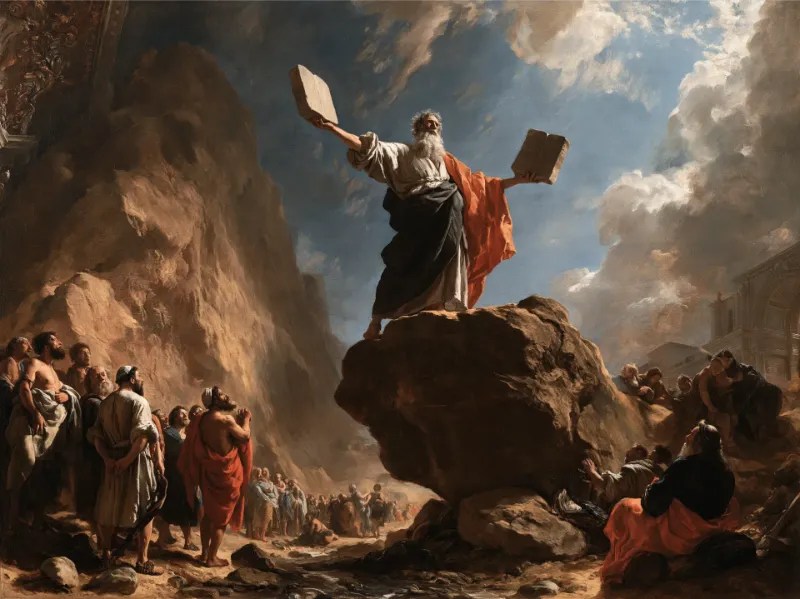
For Adventists the Sabbath is as old as the world. “And on the seventh day God ended his work which he had made; and he rested on the seventh day from all his work which he had made. And God blessed the seventh day, and sanctified it” (Genesis 2:2–3). They believe God made the world in six literal days, “in a recent six-day creation,” and that the week we live by is the week he made, so when the fourth commandment asks us to keep the day, it points back to creation: “Remember the sabbath day, to keep it holy. … For in six days the Lord made heaven and earth, the sea, and all that in them is, and rested the seventh day: wherefore the Lord blessed the sabbath day, and hallowed it” (Exodus 20:8, 11).
So their twentieth belief says that “The fourth commandment of God’s unchangeable law requires the observance of this seventh-day Sabbath as the day of rest, worship, and ministry in harmony with the teaching and practice of Jesus, the Lord of the Sabbath,” kept “from evening to evening, sunset to sunset.” They do not speak of it as a weight to carry. “The Sabbath is a day of delightful communion with God and one another,” the belief says, and the church’s page calls it “a day of rest, reflection, enjoyment and worship for God’s people,” with Jesus’ own words beside it: “The sabbath was made for man, and not man for the sabbath” (Mark 2:27). Churches that worship on Sunday keep it as the “Lord’s Day,” in honour of the resurrection. Adventists answer them on the same page: “Nowhere in the Bible does it say the Sabbath day was changed.”
من The Sabbath, Fundamental Belief 20 (adventist.org)
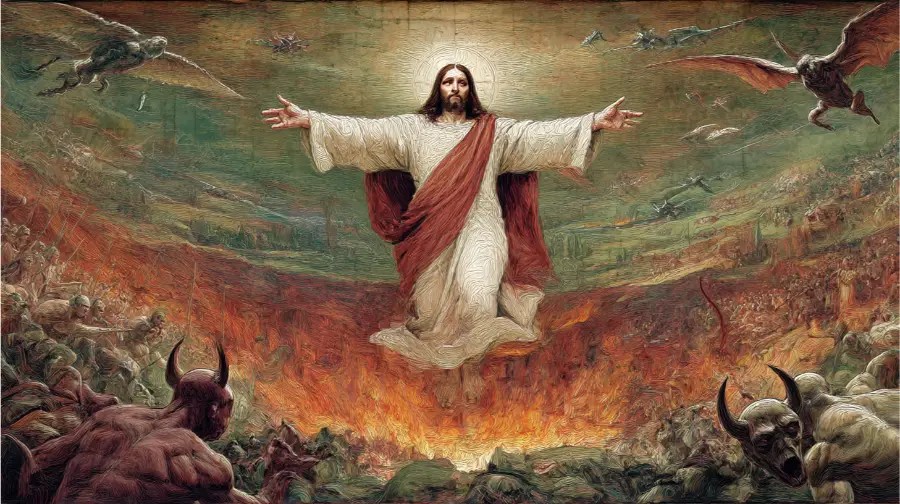
Christ in the heavenly sanctuary
The sanctuary and 1844
The believers of 1844 had built their hope on a verse of Daniel: “Unto two thousand and three hundred days; then shall the sanctuary be cleansed” (Daniel 8:14). They read the days as years running to 1844, and they took the sanctuary to be the earth, cleansed when Christ came back. When he did not come, the church says, “through more prayer and Bible study, it was found the Bible didn’t teach that the earth was the sanctuary.” The letter to the Hebrews calls Christ our high priest, “A minister of the sanctuary, and of the true tabernacle, which the Lord pitched, and not man” (Hebrews 8:2), and Adventists believe that sanctuary is real and that Christ has served there for us since he ascended. So they came to see 1844 as a day in heaven rather than on earth, as the twenty-fourth belief says: “In 1844, at the end of the prophetic period of 2300 days, He entered the second and last phase of His atoning ministry, which was typified by the work of the high priest in the most holy place of the earthly sanctuary.”
من Christ’s Ministry in the Heavenly Sanctuary, Fundamental Belief 24 (adventist.org)
The investigative judgment
That second phase the church calls “a work of investigative judgment,” and it reads it in the Day of Atonement of Leviticus 16, when the earthly sanctuary was cleansed. Before Christ returns, Adventists believe, this judgment shows the beings of heaven who among the dead and the living belong to Christ. “This judgment vindicates the justice of God in saving those who believe in Jesus,” the belief says. When that work is finished, they believe, human probation closes, and then Christ comes.
من Fundamental Beliefs of Seventh-day Adventists, Belief 24, in the Seventh-day Adventist Church Manual
The Second Coming and the thousand years
The hope of that October morning never went out. “The second coming of Christ is the blessed hope of the church, the grand climax of the gospel,” Adventists say, and “The Saviour’s coming will be literal, personal, visible, and worldwide.” No one is given its date: “The time of that event has not been revealed, and we are therefore exhorted to be ready at all times.” The church’s own page says, “The Second Coming will not be something anyone can miss!” On that day, the twenty-fifth belief goes on, “the righteous dead will be resurrected, and together with the righteous living will be glorified and taken to heaven, but the unrighteous will die.”
People often ask whether Adventists believe in the rapture. Their beliefs do speak of the saved being “caught up to meet their Lord,” but at this one coming, which the whole world will see, and not at a hidden one before it.
Then come the thousand years of Revelation 20, which Adventists place in heaven, “between the first and second resurrections.” In that time, they believe, “the earth will be utterly desolate, without living human inhabitants, but occupied by Satan and his angels,” and at its close Christ and his people come down to earth with the Holy City.
من ما هي الطوائف التي تؤمن بالاختطاف؟
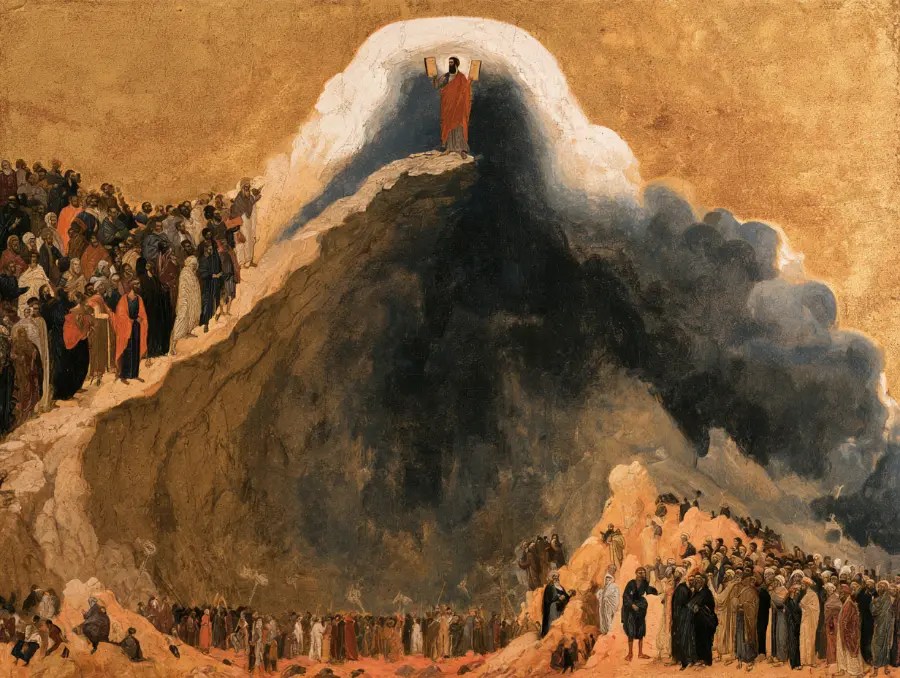
الموت وما بعده
The state of the dead
Adventists believe that those who have died are not yet in heaven or in hell, but asleep until Christ wakes them. “The wages of sin is death. But God, who alone is immortal, will grant eternal life to His redeemed. Until that day death is an unconscious state for all people,” the twenty-sixth belief says. They find it in Ecclesiastes, “the dead know not any thing” (Ecclesiastes 9:5), and in what Jesus said on his way to Bethany: “Our friend Lazarus sleepeth; but I go, that I may awake him out of sleep,” and then, so the disciples could not mistake him, “Lazarus is dead” (John 11:11, 14). Jehovah’s Witnesses also teach that the dead are unconscious, while the Catholic, Orthodox, Lutheran and Reformed churches do not, and our page on which churches teach that the dead sleep lets each speak for itself.
The church means this as comfort for anyone standing at a grave. “Death is like a deep sleep,” its page says. “There is no need to worry about a loved one who has passed away. They are resting peacefully in the grave. They are not in pain.”
من Death and Resurrection, Fundamental Belief 26 (adventist.org)
Hell and the end of sin
Adventists believe, too, that the lost will be destroyed rather than suffer for ever. At the end of the thousand years, the twenty-seventh belief says, the lost “will surround the city; but fire from God will consume them and cleanse the earth. The universe will thus be freed of sin and sinners forever.” The church ties this to who God is: “it’s reassuring to know God isn’t vindictive,” its page says. “He’s a God of mercy.” The Catholic, Orthodox, Lutheran and Reformed churches teach that hell is eternal, and our page asking whether hell is eternal gives each side in its own words.
من شهود يهوه مقابل السبتيين: ليسا متطابقين
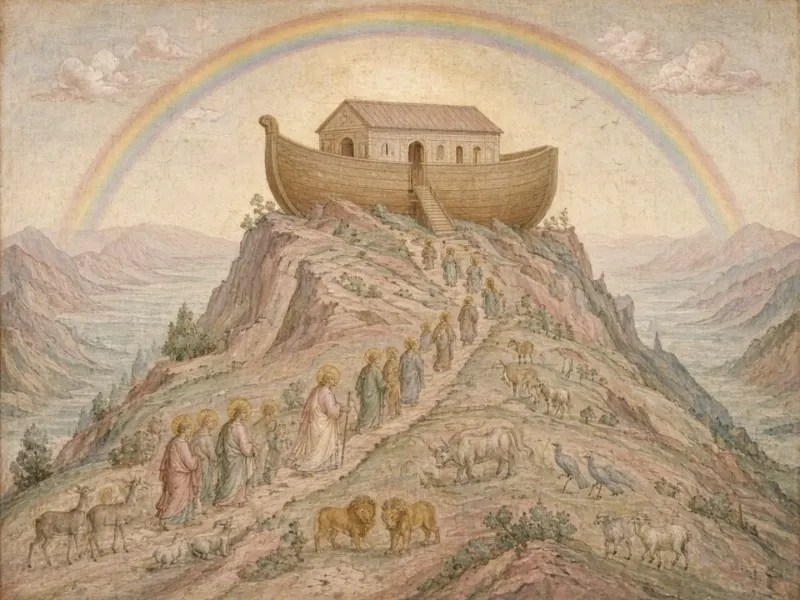
Ellen G. White and the gift of prophecy
How the church describes her gift
Ellen G. White was born in Maine in 1827, and as a girl of sixteen she was among the believers who waited for Christ in October 1844. The church’s page names her “One of the most prominent co-founders of the Seventh-day Adventist church.” By her death in 1915 she had written 40 books and more than 5,000 articles, and the Ellen G. White Estate says the best known of them, Steps to Christ, on the Christian life, has been published in more than 140 languages.
Adventists believe God gave her the gift of prophecy that Paul names among the gifts of the Spirit, and their eighteenth belief says so: “This gift is an identifying mark of the remnant church and we believe it was manifested in the ministry of Ellen G. White. Her writings speak with prophetic authority and provide comfort, guidance, instruction, and correction to the church. They also make clear that the Bible is the standard by which all teaching and experience must be tested.” In the church’s words, “Her role was to point people back to the Bible—never to replace it or supercede it.”
من The Gift of Prophecy, Fundamental Belief 18 (adventist.org)
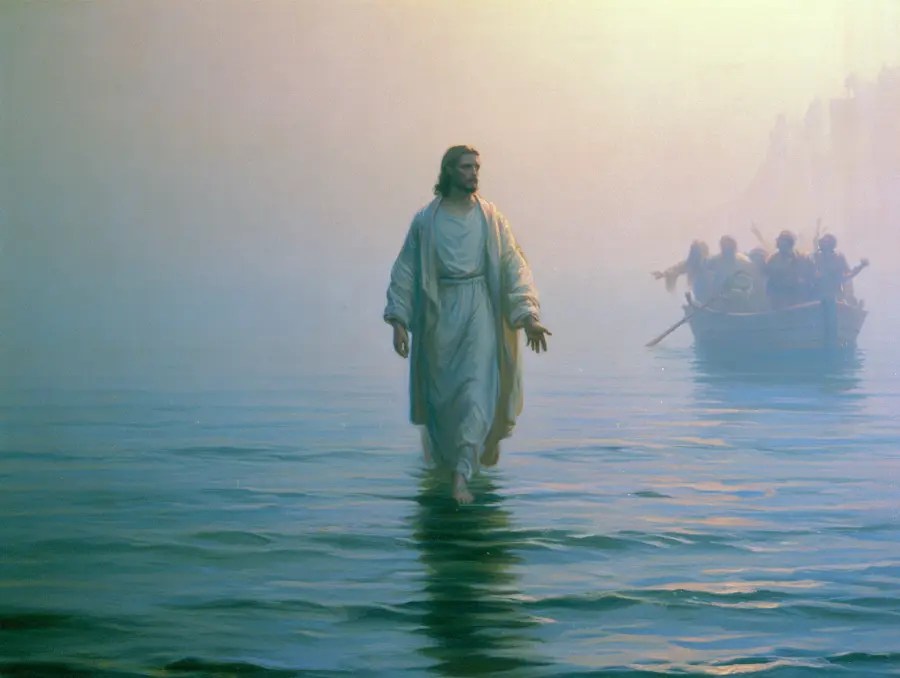
Baptism, foot washing and the Lord’s Supper
Baptism by immersion
Like Baptists, Adventists baptize believers, and they take them right under the water, acting out Paul’s picture: “Therefore we are buried with him by baptism into death: that like as Christ was raised up from the dead by the glory of the Father, even so we also should walk in newness of life” (Romans 6:4). “Baptism is a symbol of our union with Christ, the forgiveness of our sins, and our reception of the Holy Spirit,” the fifteenth belief says. “It is by immersion in water and is contingent on an affirmation of faith in Jesus and evidence of repentance of sin. It follows instruction in the Holy Scriptures and acceptance of their teachings.” So babies are not baptized; children come to the water once they have been taught and can make that commitment for themselves.
من السبتيون مقابل الكاثوليك: السبت، الموت والسلطة
Foot washing and Communion
At the Last Supper Jesus washed his disciples’ feet and told them, “If I then, your Lord and Master, have washed your feet; ye also ought to wash one another’s feet. For I have given you an example, that ye should do as I have done to you” (John 13:14–15). Adventists still do it, every time they come to the table, which is usually four times a year. “The service includes the ordinance of foot-washing followed by the Lord’s Supper,” says the Church Manual, and the sixteenth belief says the Master “ordained the service of foot-washing to signify renewed cleansing, to express a willingness to serve one another in Christlike humility, and to unite our hearts in love.”
Then come the bread and the cup. “In this experience of communion Christ is present to meet and strengthen His people,” the belief says, and the table is open: “The communion service is open to all believing Christians.” The bread is unleavened and the cup holds grape juice, because “only unfermented grape juice and unleavened bread are appropriate for use in the communion service.”
من Seventh-day Adventist Church Manual, chapter 10, Communion Service

الجسد كهيكل
Health and diet
Paul asked the Corinthians, “What? know ye not that your body is the temple of the Holy Ghost which is in you, which ye have of God, and ye are not your own?” (1 Corinthians 6:19), and Adventists have built a whole way of life on that question. Their twenty-second belief says that “because our bodies are the temples of the Holy Spirit, we are to care for them intelligently. Along with adequate exercise and rest, we are to adopt the most healthful diet possible and abstain from the unclean foods identified in the Scriptures,” pointing among its texts to Leviticus 11. “Since alcoholic beverages, tobacco, and the irresponsible use of drugs and narcotics are harmful to our bodies, we are to abstain from them as well.”
The Church Manual goes a step further: “Where possible, members shall be encouraged to follow a primarily vegetarian diet.” So the meat of clean animals is allowed, but the church leans away from it, because, as its page on the belief puts it, “Keeping our bodies and minds healthy and fit are acts of service to God and a visible testimony in this world.”
من Christian Behavior, Fundamental Belief 22 (adventist.org)
Church and conscience
How the church is led, and women’s ordination
“The Seventh-day Adventist form of governance is representative, which recognizes that authority rests in the membership,” says the Church Manual, and whether women may be ordained as pastors came to the delegates of the General Conference Session in San Antonio, Texas, on 8 July 2015. They were asked whether each region of the world church could “make provision for the ordination of women to the gospel ministry,” and “By a margin of 1,381-977, with five abstentions,” the delegates voted no. When the result was read, the chairman, Michael L. Ryan, said, “There are no winners or losers.”
The vote still stood three years later. In October 2018 the General Conference restated the decision: “In 2015 the General Conference Session voted against allowing regions of the world to choose whether to ordain women to the gospel ministry.” It asked the church’s elected leaders to uphold it, while saying that “Every individual is left free to follow God’s leading as he or she understands it.”
من Delegates Vote ‘No’ on Issue of Women’s Ordination (Adventist News Network, 2015)
Noncombatants in time of war
Born in the middle of the American Civil War, the church had to decide at once how its members would answer the call to arms. It chose noncombatancy, “the conscientious objection to bearing arms,” and a statement first approved in 1954 still gives the reason: “This partnership with God through Jesus Christ who came into this world not to destroy men’s lives but to save them causes Seventh-day Adventists to advocate a noncombatant position, following their divine Master in not taking human life, but rendering all possible service to save it.” The words are Jesus’ own, from the day James and John wanted fire from heaven on a Samaritan village: “For the Son of man is not come to destroy men’s lives, but to save them” (Luke 9:56).
The church “encourages its members not to join the military. Nevertheless, it is not a test of church membership.” Its best-known noncombatant is Desmond Doss, an army medic in the Second World War, remembered “for saving the lives of 75 of his fellow soldiers during a fierce battle on the island of Okinawa,” for which he received the Medal of Honor.
من To Save Life, Rather Than Take It (Adventist World, 2018)
The last of the 28 beliefs looks to the end of the great controversy, when “God Himself will dwell with His people, and suffering and death will have passed away.” John heard a great voice out of heaven say it: “Behold, the tabernacle of God is with men, and he will dwell with them, and they shall be his people, and God himself shall be with them, and be their God. And God shall wipe away all tears from their eyes; and there shall be no more death, neither sorrow, nor crying, neither shall there be any more pain: for the former things are passed away” (Revelation 21:3–4).

How Adventists differ from their neighbours
- السبتيون مقابل المعمدانيين: السبت والروح
- السبتيون مقابل الكاثوليك: السبت، الموت والسلطة
- شهود يهوه مقابل السبتيين: ليسا متطابقين
- معتقدات السبتيين مقابل المورمون
- أي المسيحيين يحفظون السبت في يوم السبت؟
See every answer for Adventists and compare with another church
المزيد من هذه السلسلةمقارنة بين الطوائفشاهد جميع الـ 163 مقالات

اترك تعليقاً