
 Japanese
 English
 Chinese
 Dutch
 Arabic
 Spanish
 Portuguese
 Russian
 French
 Italian
 German
In the Bible, hope means waiting for what God has promised and has not yet given. A psalmist tells his own soul to hope in God (Psalm 42:11), Peter calls it “a living hope” through the resurrection of Jesus (1 Peter 1:3), and Hebrews calls it an “anchor of the soul” resting on God’s oath (Hebrews 6:17-19).
ヘブライ語の動詞 qavah means to wait for, look for or hope, and the English Standard Version translates it “wait” in Isaiah 40:31 and Psalm 130:5. Its noun, tiqvah, is the “hope” of Jeremiah 29:11, and Strong’s lists the same word for the scarlet cord the spies tell Rahab to tie in her window (Joshua 2:18).
Hoping in God in trouble
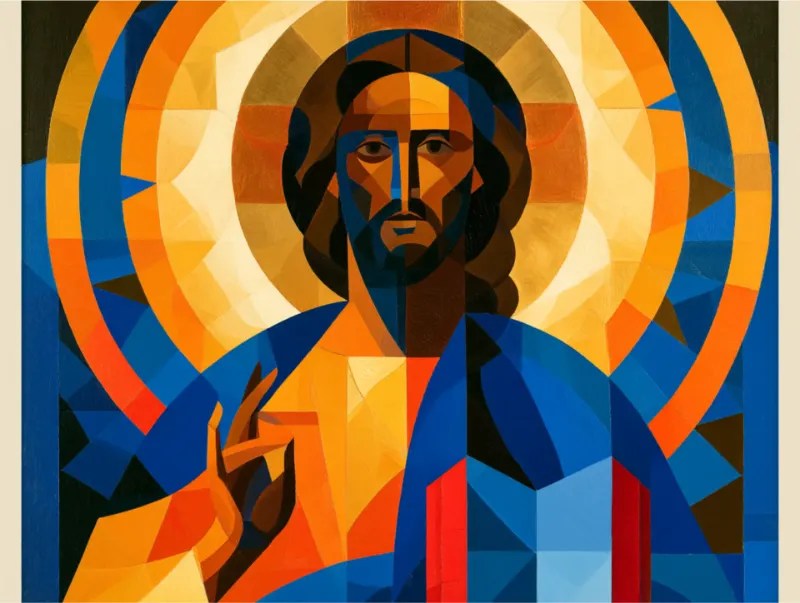
詩篇 42篇11節
「わが魂よ、なぜうなだれるのか。なぜ私の中で騒ぎ立てるのか。神を待ち望め。私は再び彼をほめたたえるだろう。私の救い、私の神を。」
考察: The psalm’s heading assigns it to the Sons of Korah, and the same refrain comes earlier at verses 5-6. Before and between the two refrains, the singer says his tears have been his food, while his enemies keep asking, “Where is your God?” (verses 3 and 10). He addresses the command “Hope in God” to his own soul, and the reason he gives is still in the future: “I shall again praise him.”
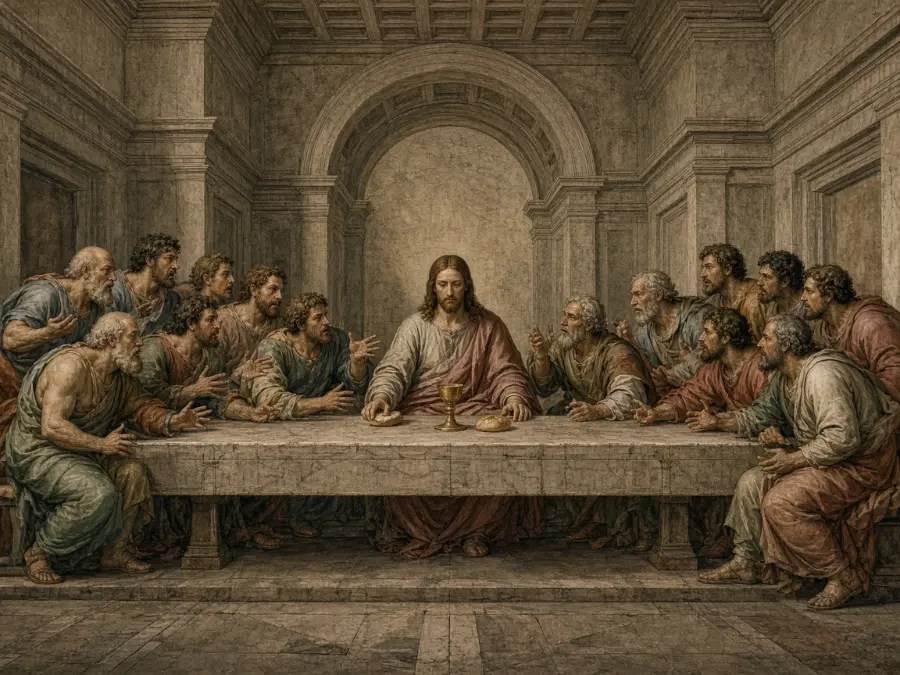
哀歌 3:22-23
「主の変わらぬ愛は決して絶えることがなく、その憐れみは尽きることがない。それは毎朝新しく、あなたの誠実は大きい。」
考察: Four verses earlier the poet says the opposite: “My endurance has perished; so has my hope from the Lord” (verse 18). He then calls God’s steadfast love to mind, “and therefore I have hope” (verse 21), and goes on, “The Lord is my portion… therefore I will hope in him” (verse 24). Verse 26 adds, “It is good that one should wait quietly for the salvation of the Lord.”
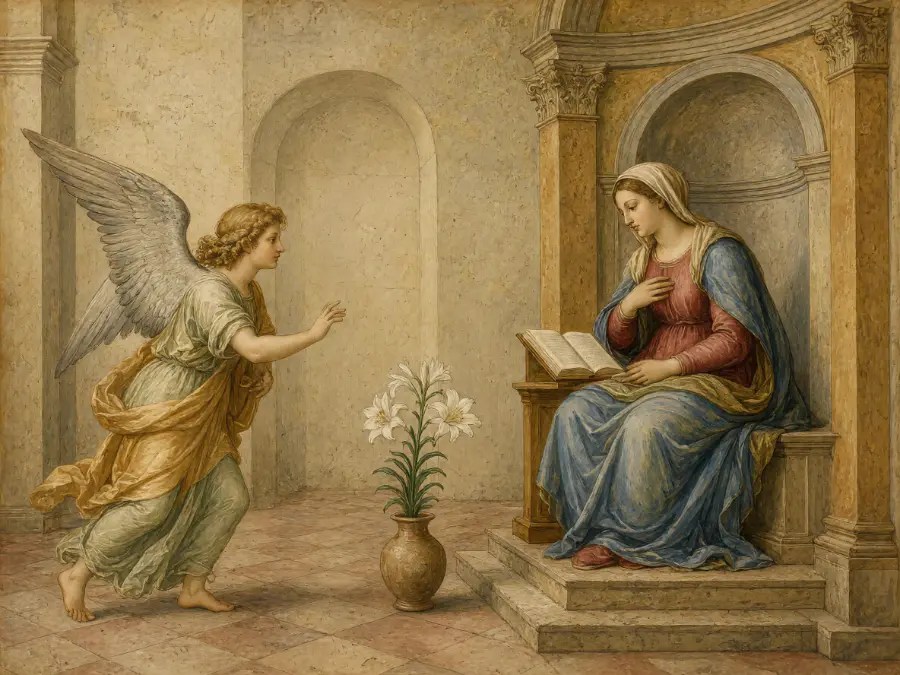
Psalm 130:5-6
「私は主を待ち望む。私のたましいは待ち望む。私は御言葉を待ち望む。見張りが朝を待つにもまさって、私のたましいは主を待ち望む。見張りが朝を待つにもまさって。」
考察: The psalm is headed “A Song of Ascents” and opens “Out of the depths I cry to you.” The psalmist has asked for mercy and said that with God “there is forgiveness” (verse 4); now he waits, with his hope fixed on God’s word, and compares himself twice to watchmen waiting for the morning. Verse 7 turns to the nation: “O Israel, hope in the Lord! For with the Lord there is steadfast love, and with him is plentiful redemption.”
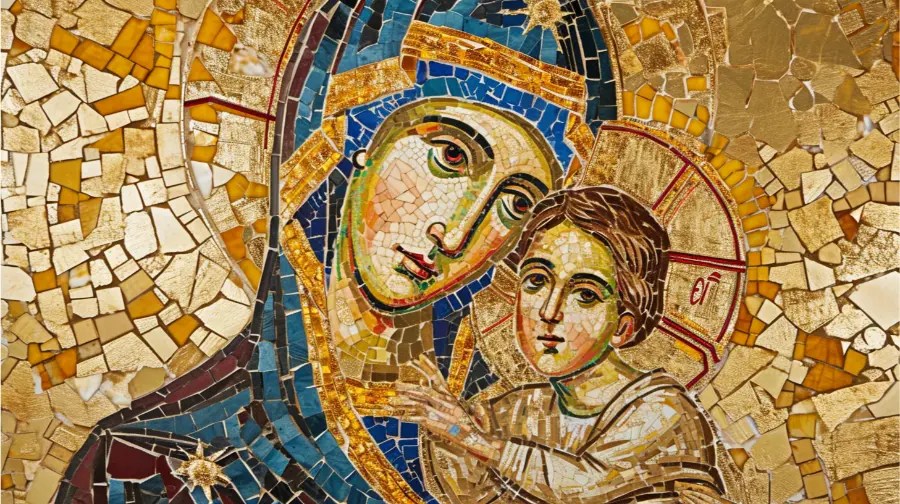
詩編 39:7
「主よ、今、私は何を待ち望むのか。私の望みはあなたにあります。」
考察: Verses 4 to 6 are a prayer about how short life is: “you have made my days a few handbreadths,” and a man “heaps up wealth and does not know who will gather.” After that, the psalmist asks what there is left to wait for, and his answer is God himself.
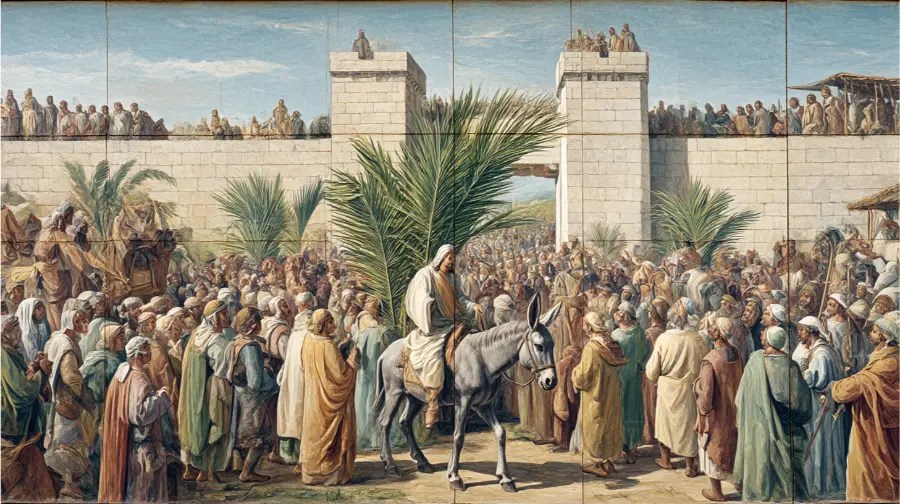
イザヤ書 40:31
「しかし、主を待ち望む者は新しく力を得、鷲のように翼を張って上ることができる。走っても弱らず、歩いても疲れない。」
考察: The promise replies to a complaint in verse 27: “My way is hidden from the Lord, and my right is disregarded by my God.” Isaiah answers that the everlasting God “does not faint or grow weary” and “gives power to the faint” (verses 28-29), while even young men “fall exhausted” (verse 30).
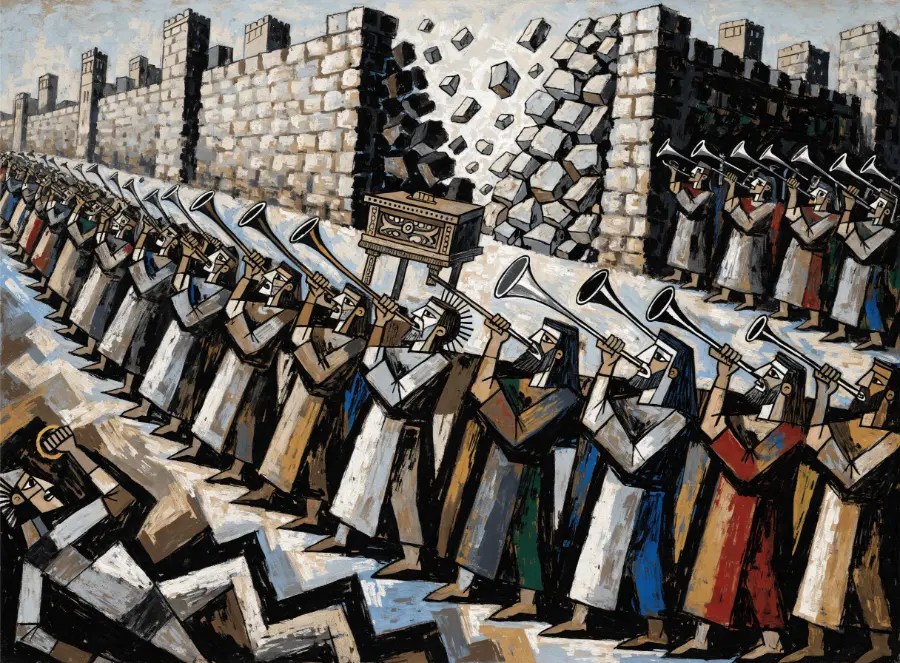
エレミヤ書 29:11
「わたしはあなたがたのために立てている計画をよく知っているからだ。――主の御告げ。――それはわざわいではなくて、平安を与える計画であり、あなたがたに将来と希望を与えるためのものだ。」
考察: The Lord addresses these words to “all the exiles whom I have sent into exile from Jerusalem to Babylon” (verse 4). They are told to build houses, plant gardens and seek the welfare of the city, and verse 10 sets the promise “when seventy years are completed for Babylon.” The hope promised includes being gathered and brought back “to the place from which I sent you into exile” (verse 14).
What Christian hope rests on
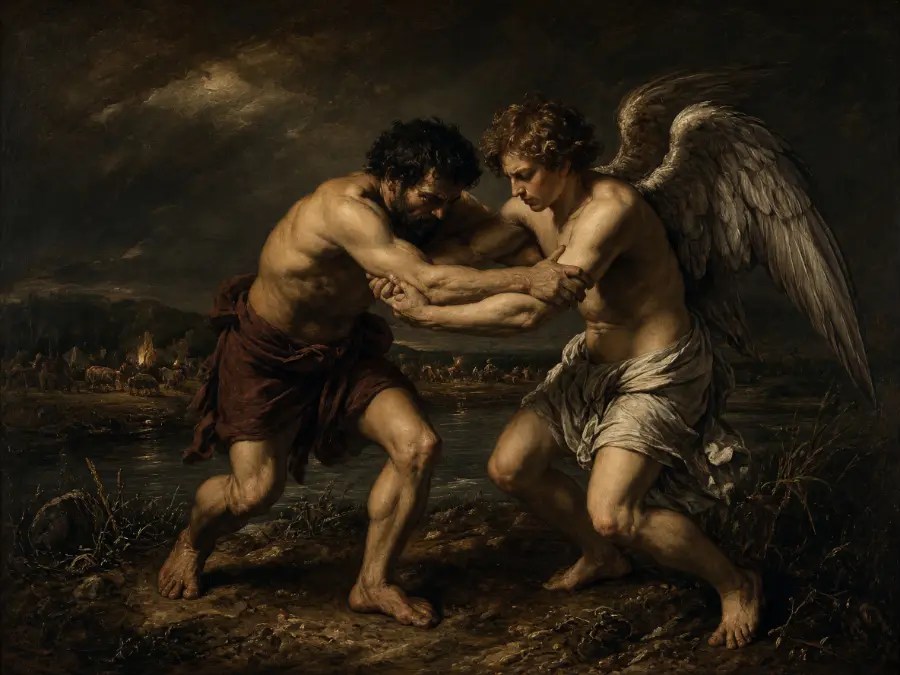
ペテロの手紙第一 1章3節
「わたしたちの主イエス・キリストの父である神がほめたたえられますように。神は豊かな憐れみにより、イエス・キリストを死者の中から復活させ、わたしたちを新しく生まれさせ、生ける希望を与えてくださいました。」
考察: Peter praises God for a new birth “to a living hope” and ties that hope to one event, the resurrection of Jesus. The next verse names what is hoped for: “an inheritance that is imperishable, undefiled, and unfading, kept in heaven for you.” Verse 5 adds that believers are themselves “being guarded through faith” until that salvation is revealed.
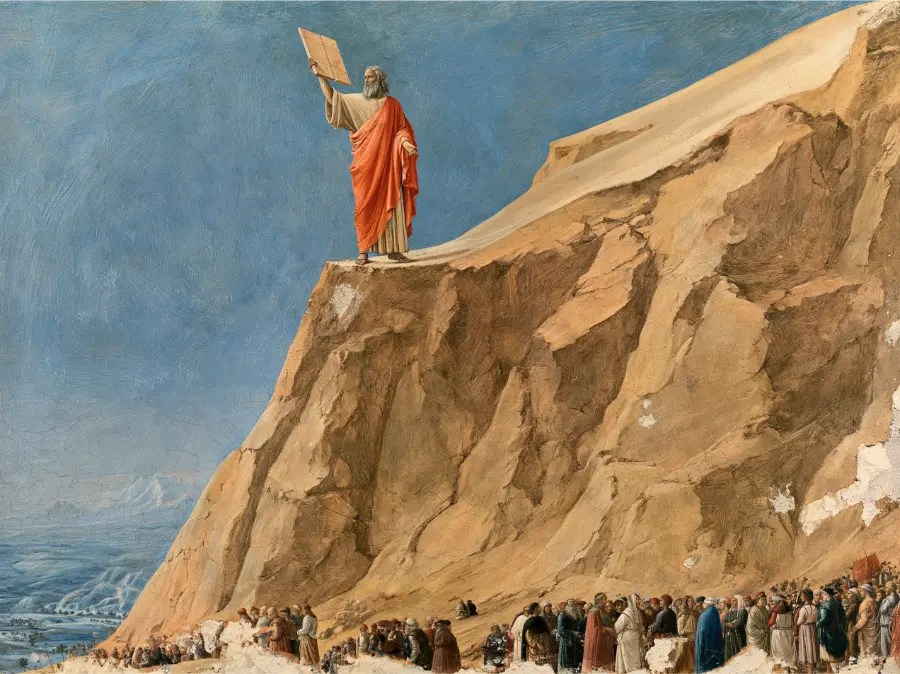
コリント人への手紙第一 15:19-20
「もし、キリストに希望を抱いているのがこの世の生活だけだとしたら、わたしたちはすべての人の中で最も惨めな者です。しかし、実際、キリストは死者の中から復活し、眠りについた人たちの初穂となられました。」
考察: Some in Corinth were saying “there is no resurrection of the dead” (verse 12), and Paul sets out what follows if that were true: Christ has not been raised, faith is futile, sins are unforgiven, and those who have died in Christ have perished (verses 13-18). Verse 20 states the fact the argument turns on and calls the risen Christ “the firstfruits of those who have fallen asleep.”
ヘブル人への手紙 6:19
「私たちはこの希望を、魂の錨として持っています。それは確実で揺るぎないものであり、幕の内側の奥の所に入るものです。」
考察: The “this” is “the hope set before us” in verse 18. Hebrews grounds that hope in God’s promise to Abraham, which God confirmed with an oath (verses 13-17); the promise and the oath are “two unchangeable things, in which it is impossible for God to lie” (verse 18). The anchor reaches “the inner place behind the curtain,” where Jesus has gone “as a forerunner on our behalf” (verse 20).
ヘブル人への手紙 11:1
「信仰は、望んでいる事柄を保証し、目に見えないものを確信させるものです。」
考察: Verse 13 says of the people the chapter goes on to name, “These all died in faith, not having received the things promised, but having seen them and greeted them from afar.” Verse 16 names what they wanted: “a better country, that is, a heavenly one.”
ローマ人への手紙 8:24-25
“For in this hope we were saved. Now hope that is seen is not hope. For who hopes for what he sees? But if we hope for what we do not see, we wait for it with patience.”
考察: Paul has just described creation “groaning together in the pains of childbirth” and believers groaning as they wait for “the redemption of our bodies” (verses 22-23). Hope, he says, is directed at what is not yet seen, and so it waits with patience. Verse 18 sets the scale: present sufferings “are not worth comparing with the glory that is to be revealed to us.”
What believers hope for
テトスへの手紙 2:13
“waiting for our blessed hope, the appearing of the glory of our great God and Savior Jesus Christ,”
考察: In verses 11-12 the grace of God trains believers to live “self-controlled, upright, and godly lives in the present age,” and verse 13 describes that age as a time of waiting. The “blessed hope” is an event, the appearing of Jesus Christ in glory. Verse 14 adds what he gave himself to do: “to purify for himself a people for his own possession who are zealous for good works.”
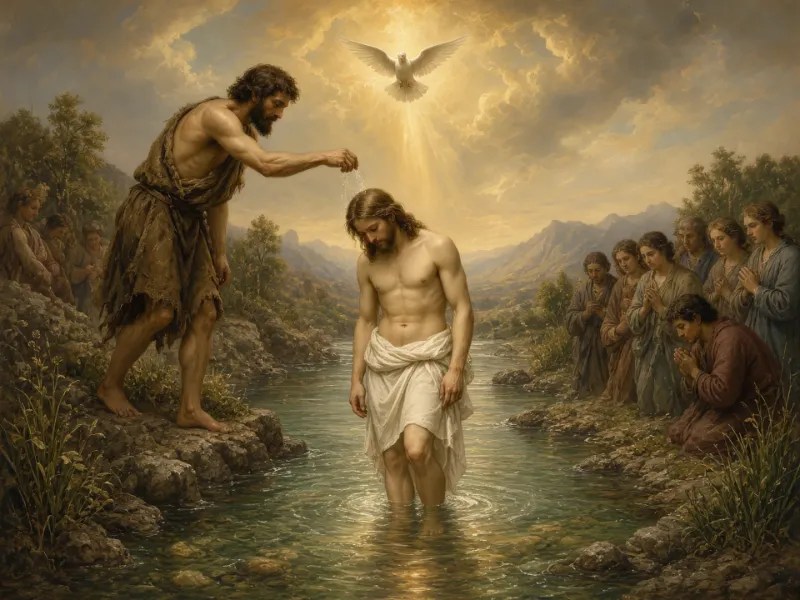
ヨハネの手紙第一 3:2-3
「愛する者たちよ、今私たちは神の子です。やがてどうなるのかは、まだ明らかにされていません。しかし、キリストが現れるとき、私たちはキリストに似た者となることを知っています。なぜなら、そのとき私たちは、ありのままのキリストを見るからです。キリストにこのような望みを抱いている者は皆、キリストが清いように、自分を清めます。」
考察: Verse 1 gives the ground for the claim: “See what kind of love the Father has given to us, that we should be called children of God.” The appearing in verse 2 picks up 1 John 2:28, where readers are told to “abide in him, so that when he appears we may have confidence and not shrink from him in shame at his coming.”
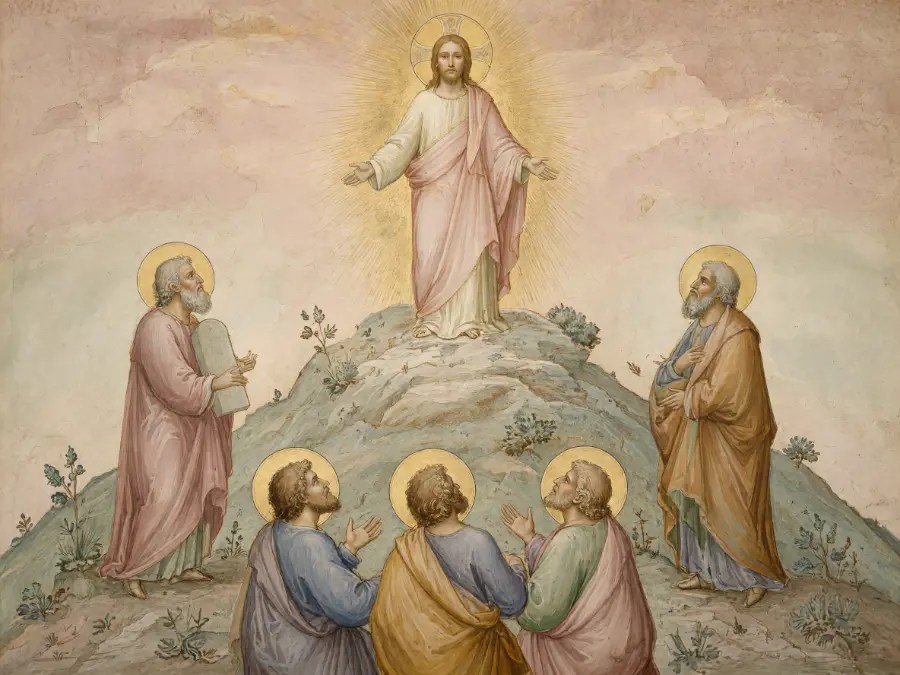
テサロニケ人への手紙第一 4:13-14
「兄弟たち、眠りについている人たちについては、希望を持たないほかの人々のように嘆き悲しむことがないように、ぜひ次のことを知っておいてほしい。わたしたちは、イエスが死んで復活されたと信じています。それなら、神はイエスによって眠りについた人たちをも、イエスと一緒に導き出してくださるでしょう。」
考察: Paul writes about members of the church who have died. He does not forbid grief; he tells the Thessalonians not to grieve “as others do who have no hope.” The hope rests on the resurrection: as Jesus died and rose, “God will bring with him those who have fallen asleep.” The passage ends with an instruction: “Therefore encourage one another with these words” (verse 18).
ヨハネの黙示録 21:4
「神は彼らの目から涙をことごとくぬぐい取ってくださる。もはや死もなく、悲しみも、叫びも、苦しみもない。以前のものが過ぎ去ったからである。」
考察: In the vision a new heaven and a new earth appear, and a voice from the throne announces that “the dwelling place of God is with man” (verses 1-3). The end of tears, death, mourning, crying and pain comes in the same announcement. The one seated on the throne then says, “Behold, I am making all things new,” and orders the words written down because they “are trustworthy and true” (verse 5).
Hope in the life of a church
ローマ人への手紙 5:3-4
「そればかりでなく、苦難さえも喜んでいます。苦難が忍耐を生み出し、忍耐が練られた品性を生み出し、練られた品性が希望を生み出すと知っているからです。」
考察: The paragraph opens with what is already true: “since we have been justified by faith, we have peace with God” (verse 1), and believers “rejoice in hope of the glory of God” (verse 2). Paul then adds sufferings as a second cause for rejoicing. Verse 5 says why that hope is safe: it “does not put us to shame, because God’s love has been poured into our hearts through the Holy Spirit.”
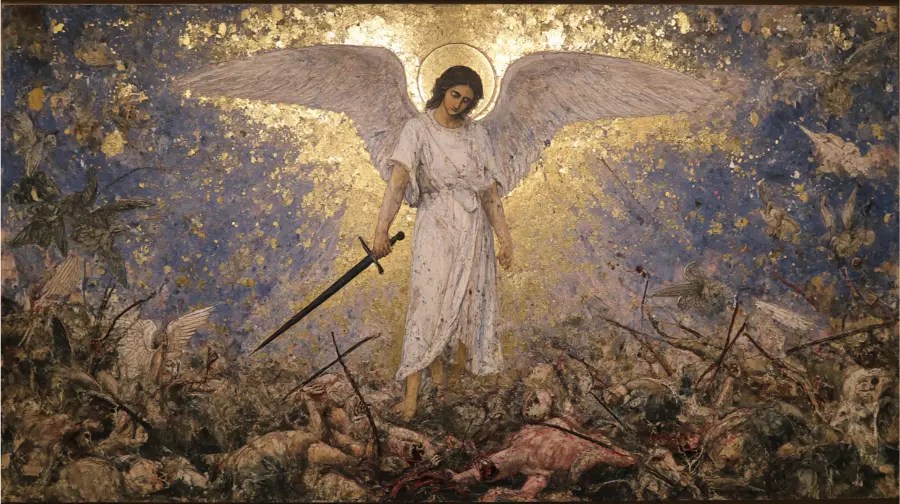
ローマ人への手紙 12:12
「希望をもって喜び、苦難を耐え抜き、絶えず祈りなさい。」
考察: The line belongs to a run of short commands in Romans 12:9-13 about life in a congregation: genuine love, brotherly affection, honour and zeal. Hope is paired with patience in tribulation and constant prayer, and the next verse turns to practical care: “Contribute to the needs of the saints.”
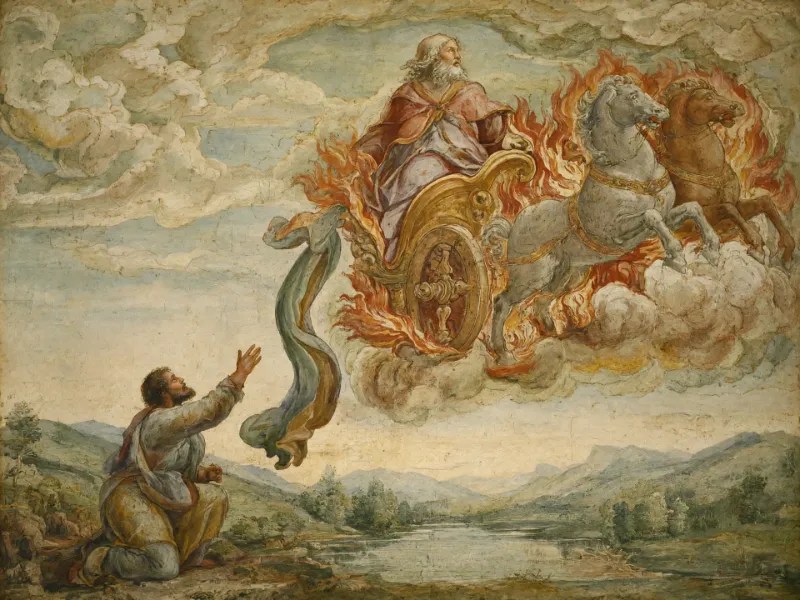
ローマ人への手紙 15:13
「希望の神が、信仰によって、あなたがたをすべての喜びと平安で満たし、聖霊の力によって、希望にあふれさせてくださるように。」
考察: Paul’s wish for the Roman church closes a passage in which he quotes four Old Testament texts about the Gentiles and God; the last, from Isaiah, says “in him will the Gentiles hope” (verse 12). He calls God “the God of hope” and says hope abounds “by the power of the Holy Spirit.” Verse 4 has already said how hope is fed: “through endurance and through the encouragement of the Scriptures.”
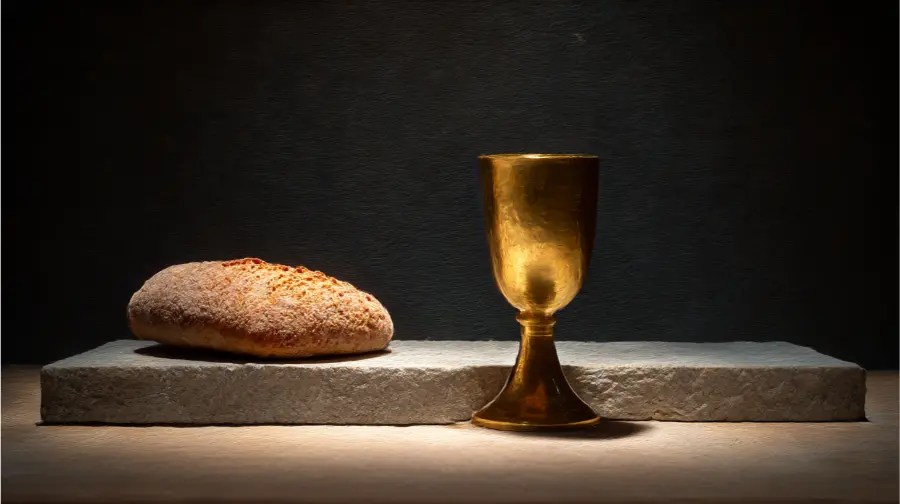
テサロニケの信徒への手紙一 5:8
「しかし、私たちは昼に属しているので、信仰と愛を胸当てとして着け、救いの希望を兜としてかぶり、身を慎んでいましょう。」
考察: Paul describes faith and love as a breastplate and the hope of salvation as a helmet, for “children of the day” who stay awake and sober (verses 5-6). The next verse gives the ground for that hope: “God has not destined us for wrath, but to obtain salvation through our Lord Jesus Christ.”
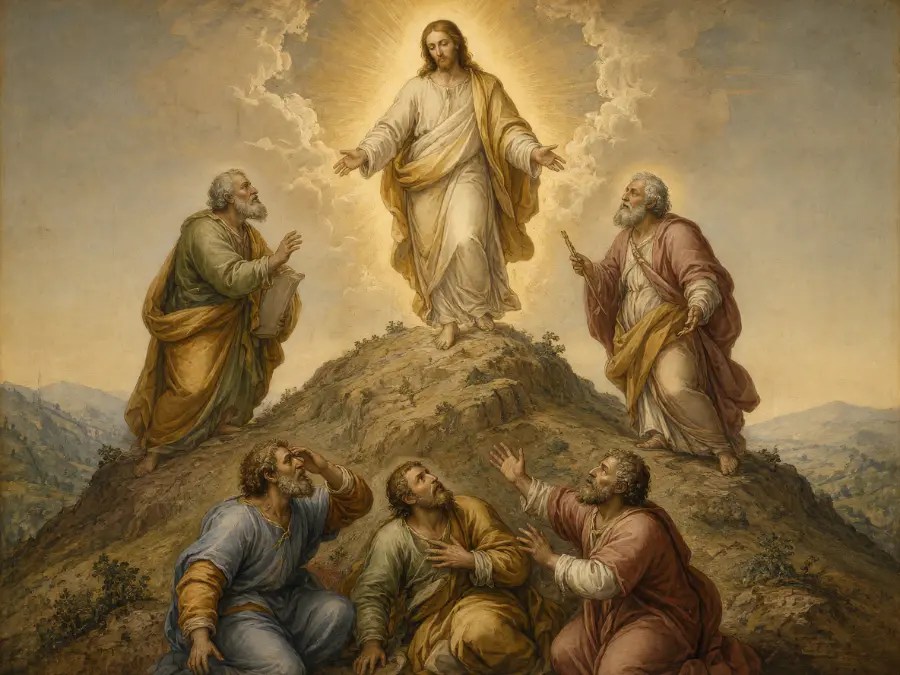
ペトロの手紙一 3:15
「心の中でキリストを主としてあがめなさい。あなたがたのうちにある希望について説明を求める人には、いつでもだれにでも答えられる用意をしていなさい。ただし、優しく、敬意をもって答えなさい。」
考察: Peter writes to believers who may “suffer for righteousness’ sake” (verse 14) and tells them, “Have no fear of them.” The defence he asks for is of “the hope that is in you,” given to anyone who asks, and verse 16 adds that it comes from people “having a good conscience.”


コメントを残す