
 English
 Chinese
 Dutch
 Arabic
 Spanish
 Portuguese
 Russian
 French
 Italian
 German
 Japanese
Baptists and Pentecostals share much: both baptize believers by immersion, preach salvation by grace through faith in Christ, and hold the Bible as their final authority. They part ways over the Holy Spirit. Most Pentecostal churches teach a baptism in the Spirit after conversion, usually shown by speaking in tongues. Baptists teach that every believer receives the Spirit at conversion.
Many Southern Baptists and Pentecostals also part over a second question: whether a true Christian can lose salvation. The Southern Baptist Convention says no; the Assemblies of God, one of the largest Pentecostal denominations in the United States, says a believer can forfeit it by turning away from Christ.
The two families are closer than their arguments suggest. Charles Harrison Mason was baptized by a Baptist preacher and licensed by a Missionary Baptist church before he went to the Azusa Street revival and organized the Church of God in Christ as a Pentecostal church. Baptists and Pentecostals open the same Bible and go down into the same water. Where they differ, they differ over how the one Spirit comes.
| Topic | Baptist | Pentecostal |
|---|---|---|
| Began | About 1609, John Smyth’s congregation in Amsterdam | 1901 in Topeka, Kansas; spread from the Azusa Street revival in Los Angeles, 1906 |
| Main US bodies | Southern Baptist Convention; National Baptist Convention, USA; American Baptist Churches USA; Free Will Baptists | Assemblies of God; Church of God in Christ; Church of God (Cleveland, Tennessee); United Pentecostal Church International |
| Water baptism | Believers only, by immersion | Believers only, by immersion |
| Receiving the Holy Spirit | At conversion (regeneration) | At conversion, then a separate baptism in the Spirit |
| Speaking in tongues | Not expected; many Baptists doubt the gift continues | The first sign of baptism in the Spirit |
| Divine healing | No article on healing in the Southern Baptist confession | “An integral part of the gospel” (Assemblies of God) |
| Can salvation be lost? | No, in the Southern Baptist confession; Free Will Baptists say it can | Yes, by willfully turning from Christ (Assemblies of God) |
| The Trinity | Trinitarian | Most are Trinitarian; Oneness Pentecostals are not |
| Church government | Each congregation governs itself | Varies: fellowships of churches, or bishops and overseers |
To see what Baptists teach beside what Pentecostals teach on 55 questions, open our free tool, Compare Christian Denominations.
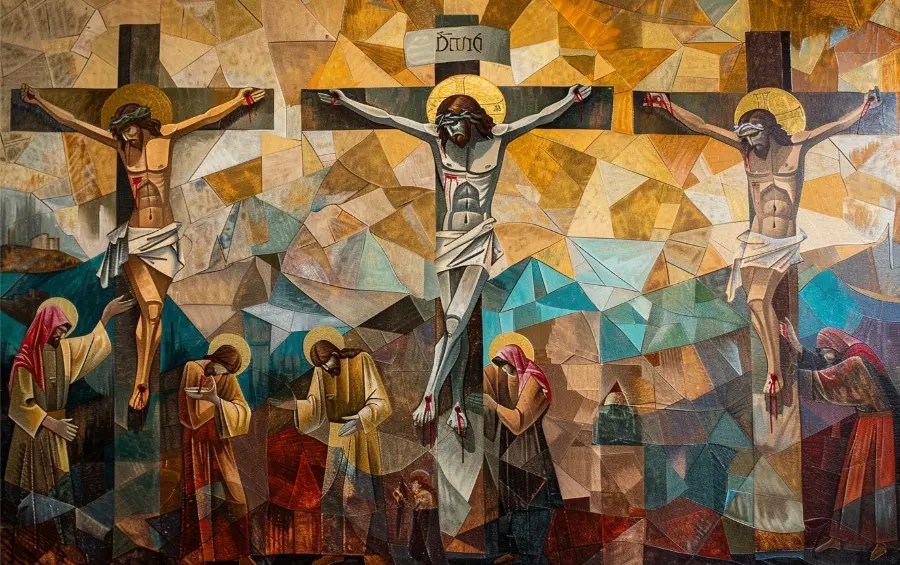
When the Holy Spirit comes: conversion or a second baptism
The Southern Baptist Convention’s confession, the Baptist Faith and Message 2000, places the Spirit’s baptism at the start of the Christian life: “At the moment of regeneration He baptizes every believer into the Body of Christ.” Baptists read Paul this way: “For in one Spirit we were all baptized into one body—Jews or Greeks, slaves or free—and all were made to drink of one Spirit” (1 Corinthians 12:13). On this reading there is no second step to seek. The Spirit who gives new birth is the same Spirit who seals the believer and gives the gifts for service.
Pentecostals agree that the Spirit comes into every believer at new birth. They add a further experience. The Assemblies of God’s Statement of Fundamental Truths says that “All believers are entitled to and should ardently expect and earnestly seek” the baptism in the Holy Spirit, and that “This experience is distinct from and subsequent to the experience of the new birth.” Its purpose is power: “the enduement of power for life and service.”
Pentecostals point to passages in Acts where believers received the Spirit after they had believed. In Samaria, people had accepted the gospel and been baptized, yet the Spirit “had not yet fallen on any of them, but they had only been baptized in the name of the Lord Jesus. Then they laid their hands on them and they received the Holy Spirit” (Acts 8:16–17). Many Baptists read these episodes as special moments in the church’s founding, when the gospel first reached new peoples, and take 1 Corinthians 12:13 as the rule for every believer since.
Pentecostal churches word the doctrine in their own ways. For the Church of God in Christ and the Church of God (Cleveland, Tennessee), sanctification comes before Spirit baptism. The Church of God in Christ teaches that “the Baptism of the Holy Ghost is an experience subsequent to conversion and sanctification,” and adds, “We believe that we are not baptized with the Holy Ghost in order to be saved”; it calls sanctification “that gracious and continuous operation of the Holy Ghost, by which He delivers the justified sinner from the pollution of sin.” The Church of God (Cleveland) believes “In sanctification subsequent to the new birth” and “In the baptism with the Holy Ghost subsequent to a clean heart.” The Assemblies of God does not make sanctification a stage on the way to Spirit baptism; its article on the subject calls it “an act of separation from that which is evil, and of dedication unto God.”
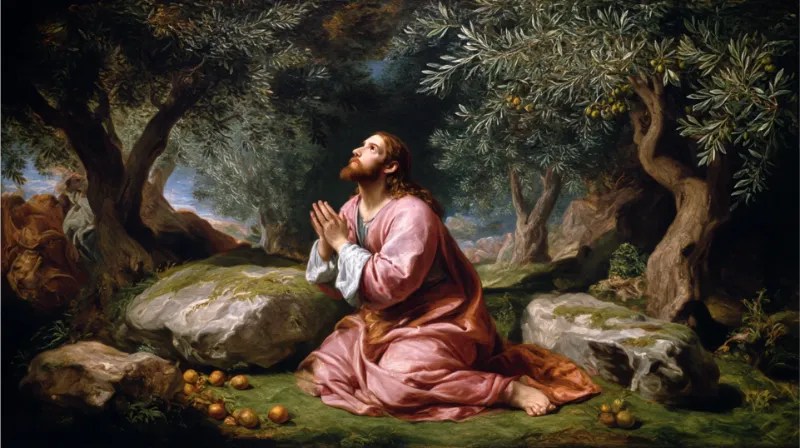
Speaking in tongues
For most Pentecostals, tongues are how a person knows the Spirit baptism has come. The Assemblies of God’s eighth article says that Spirit baptism “is witnessed by the initial physical sign of speaking with other tongues as the Spirit of God gives them utterance,” taking its words from Acts 2:4: “And they were all filled with the Holy Spirit and began to speak in other tongues as the Spirit gave them utterance.” The Church of God (Cleveland) calls tongues “the initial evidence of the baptism in the Holy Ghost.” The idea goes back to Charles Parham, whose students in Topeka began speaking in tongues on January 1, 1901, and who called tongues the “Bible evidence” of Spirit baptism.
Baptists often answer with Paul’s own question: “Do all possess gifts of healing? Do all speak with tongues? Do all interpret?” (1 Corinthians 12:30). The expected answer is no, so they see no reason to make tongues the sign of anything every believer should have. The Assemblies of God draws a distinction that meets this objection. It holds that the tongues accompanying Spirit baptism are “the same in essence as the gift of tongues (1 Corinthians 12:4-10,28), but different in purpose and use.” On this view the sign is for every Spirit-baptized believer, while the gift, as Paul’s question implies, is not given to all.
Baptists do not speak with one voice here. Some, especially Reformed Baptists, are cessationists: they hold that miraculous gifts such as tongues and prophecy ended with the apostles. The Second London Baptist Confession of 1689, which Reformed Baptists follow, teaches that God’s earlier ways of revealing his will ended once Scripture was written. The Southern Baptist confession says only that the Spirit “bestows the spiritual gifts by which they serve God through His church,” without listing which gifts continue.
The Southern Baptist Convention’s International Mission Board shows how the question has moved. In 2005 its trustees barred missionary candidates who practiced a private prayer language, meaning tongues used in private prayer. They removed that rule in May 2015. The board’s policy now says that a person who has spoken in tongues “is not disqualified as a potential IMB missionary,” but that its missionaries “in no way promote speaking in tongues or a private prayer language.”

Healing and the other gifts
Pentecostal churches pray for the sick as part of the gospel itself. The Assemblies of God teaches that “Divine healing is an integral part of the gospel. Deliverance from sickness is provided for in the Atonement, and is the privilege of all believers.” The United Pentecostal Church International says that “The supernatural gifts of the Spirit, including healing, are for the church today.” Pentecostal services leave room for those gifts to be used.
Baptist churches pray for the sick too. The Baptist Faith and Message has no article on healing, and it does not teach, as the Assemblies of God does, that healing is provided for in the atonement.
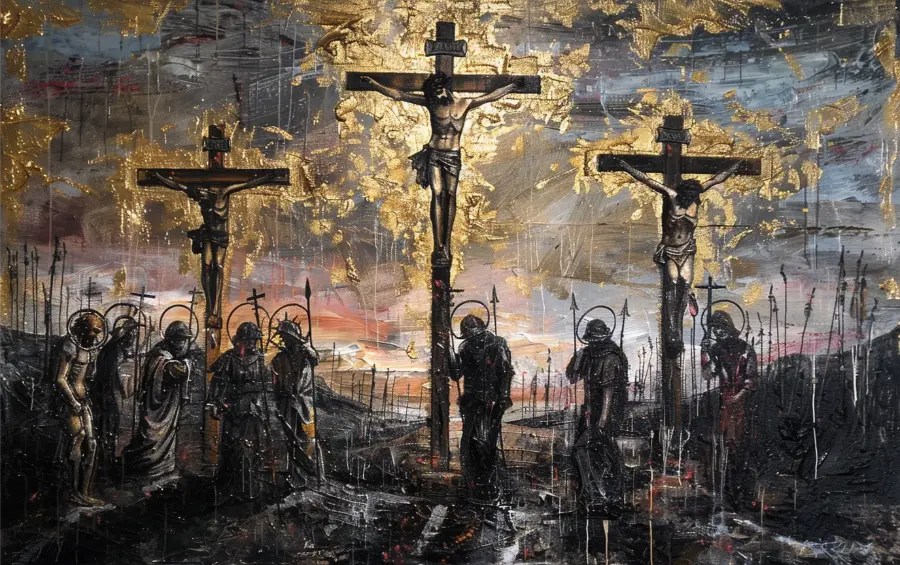
Can a believer lose salvation?
The Southern Baptist confession says: “All true believers endure to the end. Those whom God has accepted in Christ, and sanctified by His Spirit, will never fall away from the state of grace, but shall persevere to the end.” It cites John 10:27–29, where Jesus says of his sheep: “I give them eternal life, and they will never perish, and no one will snatch them out of my hand.” This is the doctrine many Baptists call “once saved, always saved.”
The Assemblies of God rejects that position. Its bylaws say that its General Council “disapproves of the unconditional security position which holds that it is impossible for a person once saved to be lost,” and its 2017 paper on assurance of salvation says that “The believer’s salvation may be forfeited or abandoned by willfully turning away from Christ.” The same paper insists that believers “are not in a revolving door, moving in and out of the grace of God,” and it describes loss of salvation as the end of a road: believers who “repeatedly disregard the teachings of Scripture, continue to resist the conviction of the Holy Spirit, and finally reach the point where they have turned away from their Savior.” It cites Hebrews 6:4–6, which speaks of people who “have shared in the Holy Spirit” and “then have fallen away.”
Not every Baptist holds eternal security. The Free Will Baptists’ Treatise says the final salvation of believers is “neither determined nor certain,” and that believers “ought, therefore, to watch and pray lest they make shipwreck of their faith and be lost.” On this point Free Will Baptists stand closer to the Assemblies of God than to the Southern Baptists. The disagreement tracks the older one between Calvinism and Arminianism.
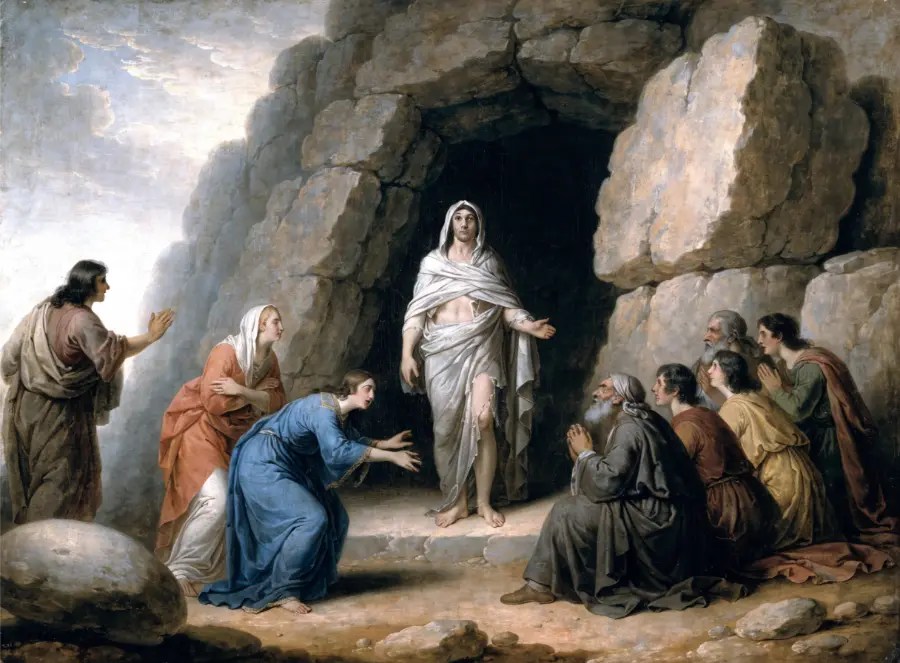
Oneness Pentecostals and the Trinity
Baptists are Trinitarian. Their confession speaks of “The eternal triune God” who “reveals Himself to us as Father, Son, and Holy Spirit.” So are the Assemblies of God, the Church of God in Christ and the Church of God (Cleveland). The Assemblies of God faced the question almost at once: two years after its founding, it adopted its Statement of Fundamental Truths in 1916 to affirm the Trinity against what was called the “New Issue,” or Oneness theology.
Oneness Pentecostals, such as the United Pentecostal Church International, teach instead that “There is one God, who has revealed Himself as Father; through His Son, in redemption; and as the Holy Spirit, by emanation.” They baptize “in the name of Jesus Christ,” and they treat Spirit baptism with tongues as part of obeying the gospel itself. On God and on baptism, they differ from Baptists more than other Pentecostals do. More on this in what Pentecostals believe about the Trinity.
Where each tradition came from
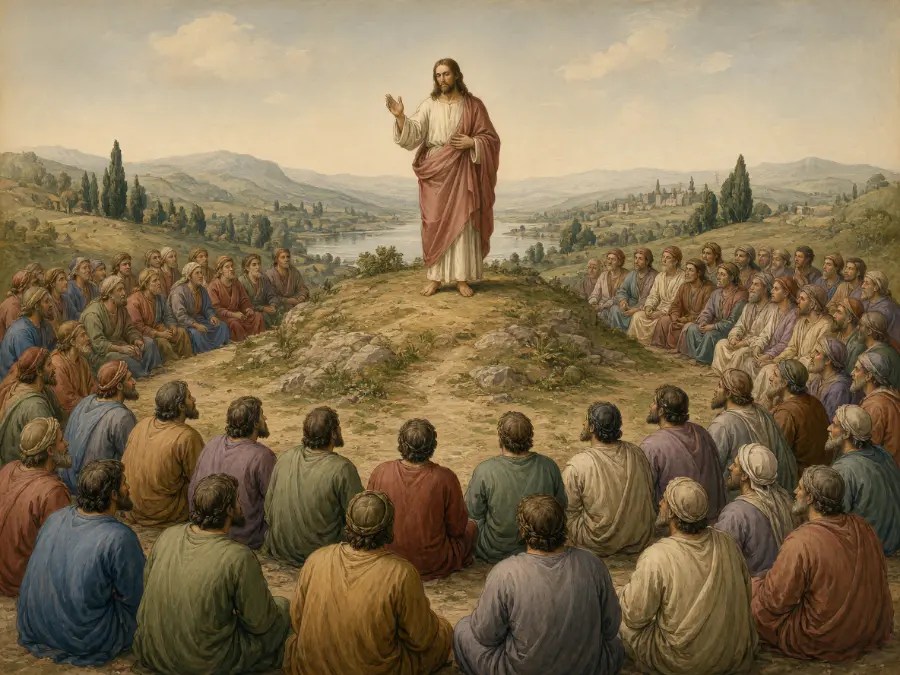
Most historians trace the first Baptists to English Separatists who fled to Holland. John Smyth and Thomas Helwys formed a congregation in Amsterdam in 1608 or 1609 that baptized believers rather than infants, and Helwys brought the first Baptist church to England in 1611 or 1612.
Pentecostals came three centuries later, out of the Holiness movement. After Parham’s Topeka meeting, the revival at the Apostolic Faith Mission at 312 Azusa Street in Los Angeles, led by the African American Holiness preacher William J. Seymour from 1906 to 1909, drew visitors from around the world. The Assemblies of God organized in Hot Springs, Arkansas, in April 1914.
The two histories touch. Charles Harrison Mason, who organized the Church of God in Christ as a Pentecostal church, was converted in 1878 and baptized by a Baptist preacher, and his parents belonged to a Missionary Baptist church. In 1893 he took a ministerial license from a Missionary Baptist church in Preston, Arkansas. When his teaching on holiness spread, “church doors within the Baptist association” closed to him. In 1907 he traveled to Seymour’s revival in Los Angeles and received Spirit baptism there; when his fellow leaders rejected tongues, he organized the Church of God in Christ’s first Pentecostal General Assembly. A small denomination even carries both names: the Pentecostal Free Will Baptist Church, founded in 1959 and based in Dunn, North Carolina, which has “a definite commitment to proclaim the doctrine of Christian holiness and the baptism of the Holy Spirit.”

Can a Baptist attend a Pentecostal church?
Yes. Pentecostal churches welcome visitors, and a Baptist will recognize much of what happens: the Bible preached as God’s Word, a call to repent and believe, and believers baptized by immersion. Worship style varies widely within Baptist churches, from quiet hymn-singing to loud and joyful praise, so some Baptists will find a Pentecostal service more familiar than others. Differences will show in the service itself, where people may pray aloud together, speak in tongues or ask for prayer for healing. A Baptist visiting a United Pentecostal church will also meet a different teaching on God and baptism.
Baptist churches set their own rules for Communion and membership, since each congregation governs itself. The Southern Baptist confession makes baptism “prerequisite to the privileges of church membership and to the Lord’s Supper,” and both traditions baptize believers by immersion. Whether a Baptist church accepts a baptism done in a church that teaches differently is for that church to decide. The Southern Baptist mission board once drew a line for its own missionaries: from 2005 to 2015 it would not appoint candidates baptized in a church that did not teach eternal security. Since the Assemblies of God rejects unconditional security, that rule would by its own terms have ruled out baptisms from Assemblies of God churches.
Joining is a larger step than visiting. A Baptist who joins an Assemblies of God church is joining a fellowship that expects its members to seek Spirit baptism, and a Pentecostal who joins a Southern Baptist church is joining one that teaches believers cannot fall away; the differences with the Assemblies of God in particular are set out in Baptist vs Assemblies of God. Whichever way someone walks through the door, there are brothers and sisters on the other side. Paul’s words belong to both families: “in one Spirit we were all baptized into one body” (1 Corinthians 12:13).
Related reading
- Baptist vs. Assemblies of God: A Detailed Comparison
- Baptist vs Southern Baptist: The SBC Is One Branch of the Baptist Family
- What Does It Mean to Be Baptized in the Holy Spirit?
- 20 Bible Verses About Speaking in Tongues
- Is “Once Saved, Always Saved” Biblical?
- Methodist vs Baptist


Leave a Reply