
 English
 Chinese
 Dutch
 Arabic
 Spanish
 Portuguese
 Russian
 French
 Italian
 German
 Japanese
None of the passages below names abortion; they speak to it through God forming people in the womb, the ban on shedding human blood, and mercy after sin. Psalm 139:13-14 and Jeremiah 1:5 describe God forming and knowing a person in the womb.
Luke 1:41-44 records the unborn John leaping when Mary arrives, Exodus 20:13 and Genesis 9:6 forbid shedding human blood, and Exodus 21:22-25 sets out the law for a pregnant woman struck in a fight. Psalm 51:1-2 asks for mercy after David’s sin, which included bloodshed, and 1 John 1:9 promises forgiveness to those who confess.
God’s work in the womb
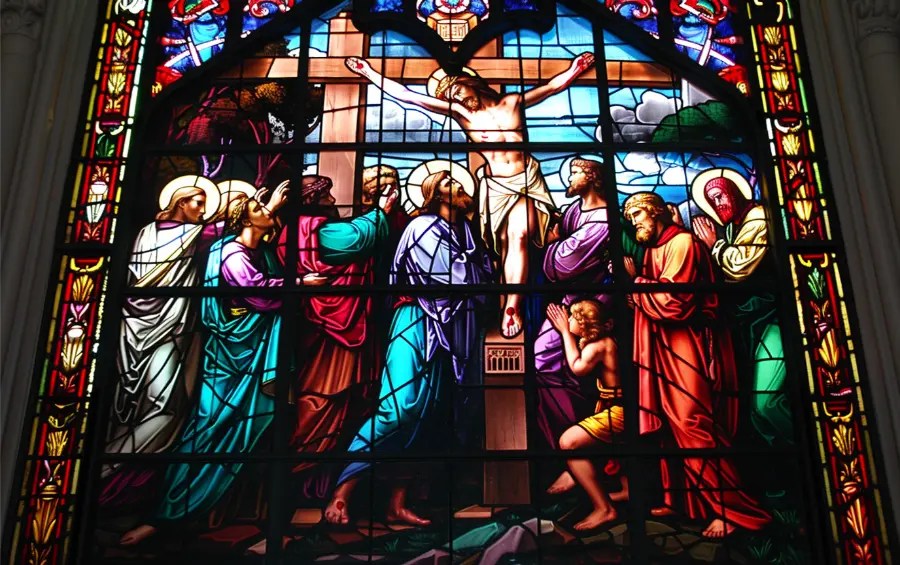
Psalm 139:13-14
“For you created my inmost being; you knit me together in my mother’s womb. I praise you because I am fearfully and wonderfully made; your works are wonderful, I know that full well.”
Reflection: The psalm is headed “Of David,” and it credits God with making the psalmist before birth: “you knit me together in my mother’s womb.” The next verses carry the same thought further: “My frame was not hidden from you when I was made in the secret place… Your eyes saw my unformed body; all the days ordained for me were written in your book before one of them came to be” (139:15-16). The Catechism of the Catholic Church cites verse 15 in paragraph 2270, which teaches that human life must be protected “from the moment of conception.”
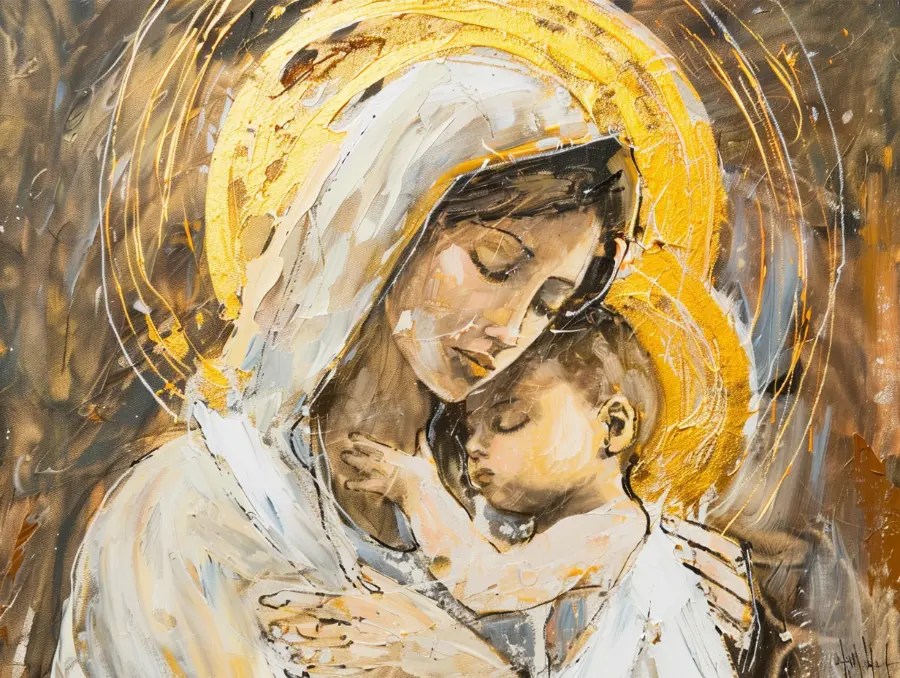
Jeremiah 1:5
“Before I formed you in the womb I knew you, before you were born I set you apart; I appointed you as a prophet to the nations.”
Reflection: The Lord speaks these words when he calls Jeremiah, who answers, “I do not know how to speak; I am too young” (1:6). God says he knew Jeremiah before forming him and set him apart before birth for the work of a prophet to the nations. The Catechism of the Catholic Church cites Jeremiah 1:5 in the same paragraph, 2270.
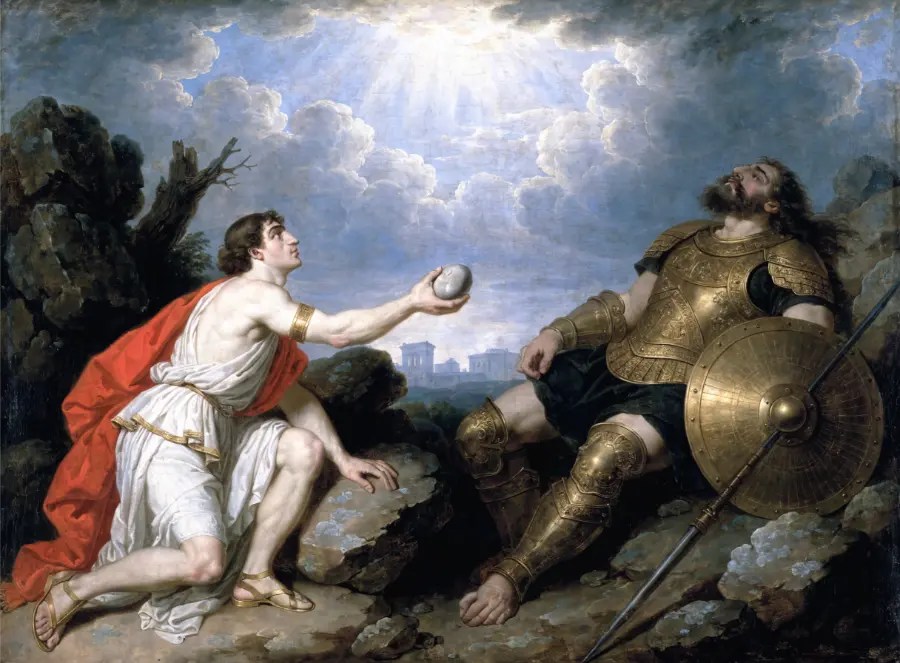
Isaiah 49:1
“Listen to me, you islands; hear this, you distant nations: Before I was born the LORD called me; from my mother’s womb he has spoken my name.”
Reflection: The speaker is the servant of the Lord, whom verse 3 calls “my servant, Israel.” He says the Lord called him before birth and named him from the womb, and verse 5 repeats that the Lord “formed me in the womb to be his servant.” The calling reaches past Israel: “I will also make you a light for the Gentiles” (49:6).
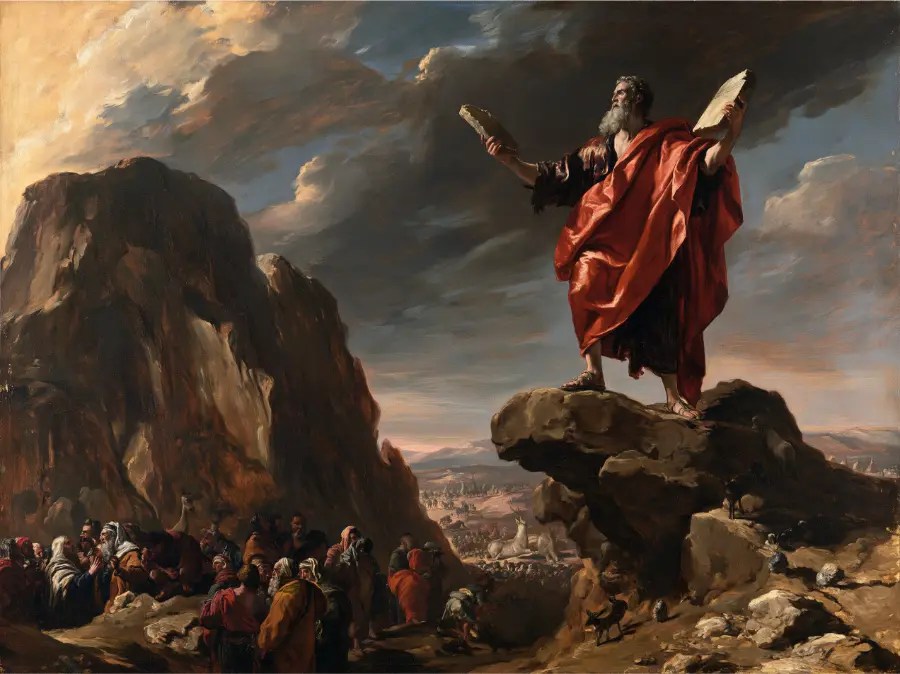
Galatians 1:15
“But when God, who set me apart from my mother’s womb and called me by his grace, was pleased”
Reflection: Paul has just reminded the Galatians how “intensely I persecuted the church of God and tried to destroy it” (1:13). He says God set him apart from his mother’s womb, called him by grace, and was pleased “to reveal his Son in me so that I might preach him among the Gentiles” (1:16). The phrases “set apart” and “from my mother’s womb” also appear in Jeremiah 1:5 and Isaiah 49:1.
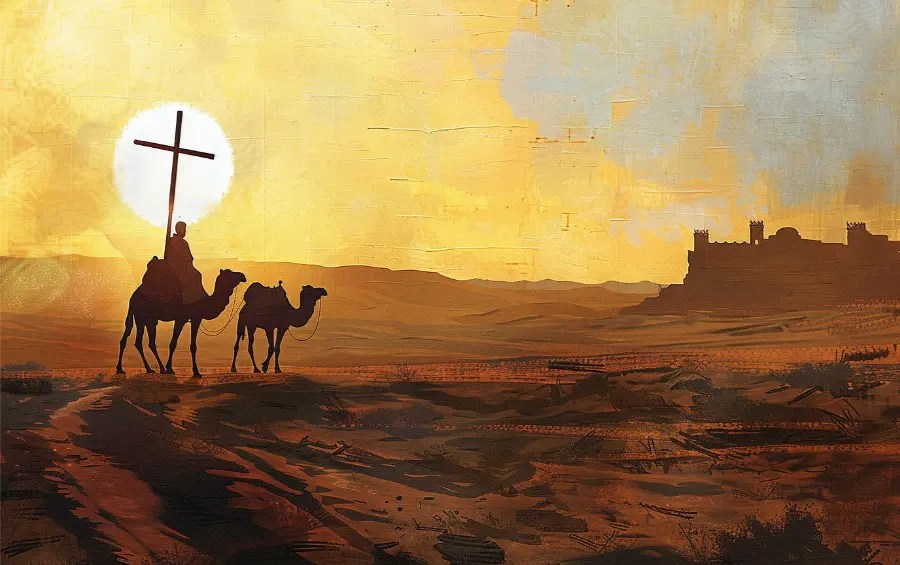
Luke 1:41-44
“When Elizabeth heard Mary’s greeting, the baby leaped in her womb, and Elizabeth was filled with the Holy Spirit. In a loud voice she exclaimed: ‘Blessed are you among women, and blessed is the child you will bear! But why am I so favored, that the mother of my Lord should come to me? As soon as the sound of your greeting reached my ears, the baby in my womb leaped for joy.’”
Reflection: Elizabeth was in her sixth month when the angel came to Mary (Luke 1:36), and Mary “hurried” to her (1:39). At Mary’s greeting the child in Elizabeth’s womb, John, leaps, and Elizabeth, filled with the Holy Spirit, says he “leaped for joy” and calls Mary “the mother of my Lord” before Jesus is born. Luke’s Greek word for the unborn John, brephos, is the word he uses for the newborn Jesus lying in the manger (Luke 2:12, 16).
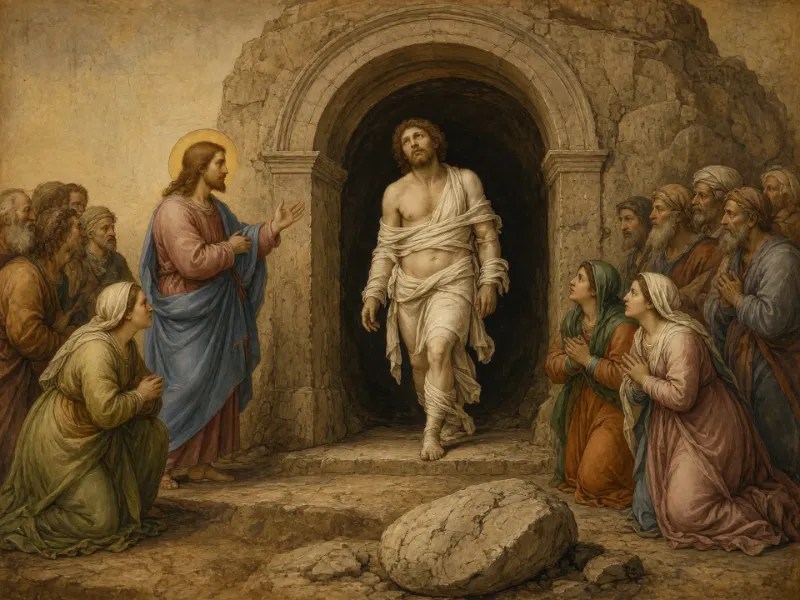
Job 31:15
“Did not he who made me in the womb make them? Did not the same one form us both within our mothers?”
Reflection: Job is defending his conduct and swears he has not denied justice to his servants, male or female, when they had a grievance against him (31:13). His reason is this verse: the same God formed master and servant alike “within our mothers.” Job argues from a shared making in the womb to equal treatment afterward.
Taking human life
Exodus 20:13
“You shall not murder.”
Reflection: God speaks the Ten Commandments to Israel at Sinai (“And God spoke all these words,” 20:1). The commandment forbids murder without defining who is covered, so how it bears on abortion depends on how the unborn are regarded, the question the womb passages above address.
Genesis 9:6
“Whoever sheds human blood, by humans shall their blood be shed; for in the image of God has God made mankind.”
Reflection: After the flood, God speaks to Noah and his sons (9:1). Verse 5 says God will “demand an accounting for the life of another human being,” and verse 6 gives the reason: humankind is made “in the image of God.”
Exodus 21:22-25
“If people are fighting and hit a pregnant woman and she gives birth prematurely but there is no serious injury, the offender must be fined whatever the woman’s husband demands and the court allows. But if there is serious injury, you are to take life for life, eye for eye, tooth for tooth, hand for hand, foot for foot, burn for burn, wound for wound, bruise for bruise.”
Reflection: This law comes in the case laws given after the Ten Commandments (“These are the laws you are to set before them,” 21:1). It is the passage that deals with harm to a pregnant woman and her child, and translations differ on what happens to the child: the NIV says she “gives birth prematurely,” the New Revised Standard Version Updated Edition says “there is a miscarriage,” and the ESV says “her children come out.” The text does not say whether the “serious injury” that brings “life for life” is to the woman, the child, or either, which is why the translation chosen changes how the law is read.
Children and those who cannot speak

Psalm 127:3
“Children are a heritage from the LORD, offspring a reward from him.”
Reflection: The psalm is headed “Of Solomon” and opens, “Unless the Lord builds the house, the builders labor in vain” (127:1). Children are called a heritage and a reward from the Lord, and the next verses compare children born in youth to arrows in a warrior’s hand: “Blessed is the man whose quiver is full of them” (127:5).
Proverbs 31:8
“Speak up for those who cannot speak for themselves, for the rights of all who are destitute.”
Reflection: King Lemuel records what his mother taught him (31:1). She warns that a king who drinks may “deprive all the oppressed of their rights” (31:5), and tells him instead to speak for those who cannot speak for themselves. Verse 9 continues, “Speak up and judge fairly; defend the rights of the poor and needy.” The charge is given to a ruler.
Proverbs 24:11-12
“Rescue those being led away to death; hold back those staggering toward slaughter. If you say, ‘But we knew nothing about this,’ does not he who weighs the heart perceive it? Does not he who guards your life know it? Will he not repay everyone according to what they have done?”
Reflection: One of the sayings of the wise, it commands rescuing “those being led away to death” without naming who they are. The second verse answers the excuse “But we knew nothing about this”: the God who “weighs the heart” knows what a person knew, and “will repay everyone according to what they have done.”
Mercy after sin
Psalm 51:1-2
“Have mercy on me, O God, according to your unfailing love; according to your great compassion blot out my transgressions. Wash away all my iniquity and cleanse me from my sin.”
Reflection: The heading places the psalm after the prophet Nathan confronted David over Bathsheba. David had also arranged the death of her husband Uriah (2 Samuel 11:14-15), and later in the psalm he prays, “Deliver me from the guilt of bloodshed, O God” (51:14). He asks for mercy on the ground of God’s “unfailing love” and “great compassion.”
1 John 1:9
“If we confess our sins, he is faithful and just and will forgive us our sins and purify us from all unrighteousness.”
Reflection: John writes to believers and includes himself: “If we claim to be without sin, we deceive ourselves” (1:8). The promise to those who confess is both forgiveness and cleansing “from all unrighteousness,” and it rests on God being “faithful and just.”
What the passages leave to the reader
Jeremiah 1:5, Isaiah 49:1 and Galatians 1:15 each speak of one person called before birth, and Psalm 139:13-16 is one person’s praise for being made in the womb. Exodus 21:22-25 is the law that speaks of a pregnant woman struck in a fight, and its meaning turns on a translation choice.
The Catechism of the Catholic Church draws on Jeremiah 1:5 and Psalm 139:15 for its teaching, and in paragraph 2271 states, “Since the first century the Church has affirmed the moral evil of every procured abortion,” citing the Didache: “You shall not kill the embryo by abortion.” Psalm 51:1-2 is itself a prayer and can be prayed as written.


Leave a Reply