
 Dutch
Dutch  English
  Chinese
  Arabic
  Spanish
  Portuguese
  Russian
  French
  Italian
  German
  Japanese
 Geen van de onderstaande passages noemt abortus; ze spreken erover door middel van God die mensen vormt in de schoot, het verbod op het vergieten van menselijk bloed en genade na de zonde. Psalm 139:13-14 en Jeremia 1:5 beschrijven hoe God een persoon vormt en kent in de schoot.
Lucas 1:41-44 vermeldt dat de ongeboren Johannes opspringt wanneer Maria arriveert, Exodus 20:13 en Genesis 9:6 verbieden het vergieten van menselijk bloed, en Exodus 21:22-25 stelt de wet vast voor een zwangere vrouw die in een gevecht wordt geslagen. Psalm 51:1-2 vraagt om genade na Davids zonde, die bloedvergieten omvatte, en 1 Johannes 1:9 belooft vergeving aan degenen die belijden.
Gods werk in de schoot
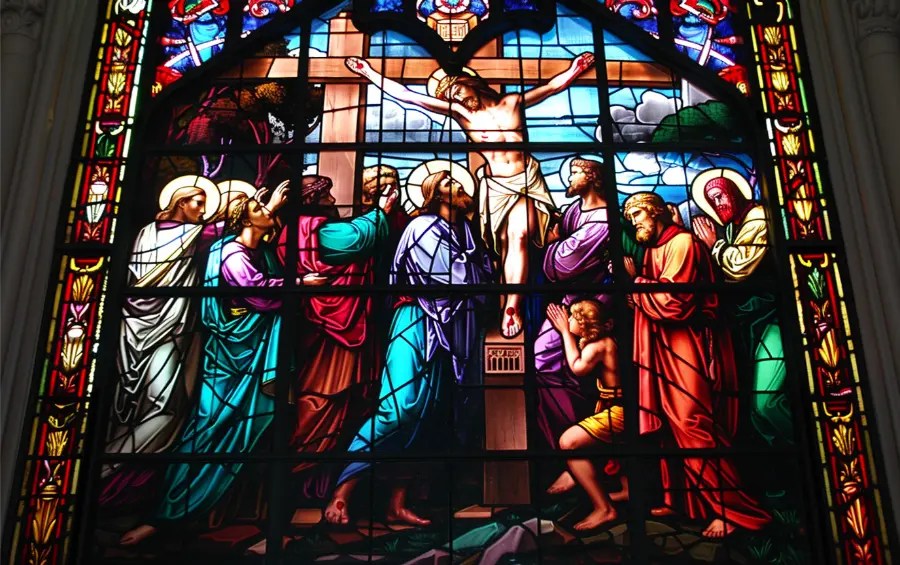
Psalm 139:13-14
“Want U hebt mijn binnenste geschapen; U hebt mij in de schoot van mijn moeder geweven. Ik loof U omdat ik ontzagwekkend en wonderbaarlijk ben gemaakt; Uw werken zijn wonderbaarlijk, dat weet ik maar al te goed.”
Reflectie: De psalm heeft het opschrift “Van David” en schrijft aan God toe dat Hij de psalmist vóór de geboorte heeft gemaakt: “U hebt mij in de schoot van mijn moeder geweven.” De volgende verzen werken die gedachte verder uit: “Mijn beenderen waren voor U niet verborgen toen ik in het verborgene gemaakt werd... Uw ogen zagen mijn ongevormd lichaam; al de dagen die voor mij bestemd waren, werden in Uw boek geschreven voordat er één van bestond” (139:15-16). De Catechismus van de Katholieke Kerk citeert vers 15 in paragraaf 2270, die leert dat het menselijk leven beschermd moet worden “vanaf het moment van de conceptie.”
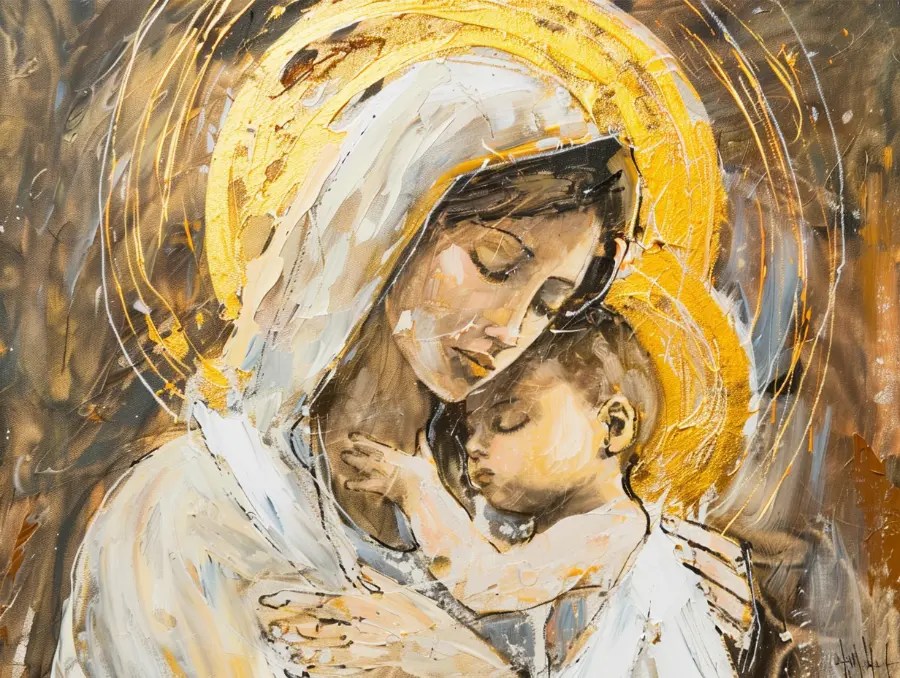
Jeremia 1:5
“Voordat Ik u in de schoot vormde, kende Ik u, voordat u werd geboren, heb Ik u apart gezet; Ik heb u aangesteld als profeet voor de volken.”
Reflectie: De Heer spreekt deze woorden wanneer Hij Jeremia roept, die antwoordt: “Ik weet niet hoe ik moet spreken; ik ben te jong” (1:6). God zegt dat Hij Jeremia kende voordat Hij hem vormde en hem vóór de geboorte afzonderde voor het werk van een profeet voor de volken. De Catechismus van de Katholieke Kerk citeert Jeremia 1:5 in dezelfde paragraaf, 2270.
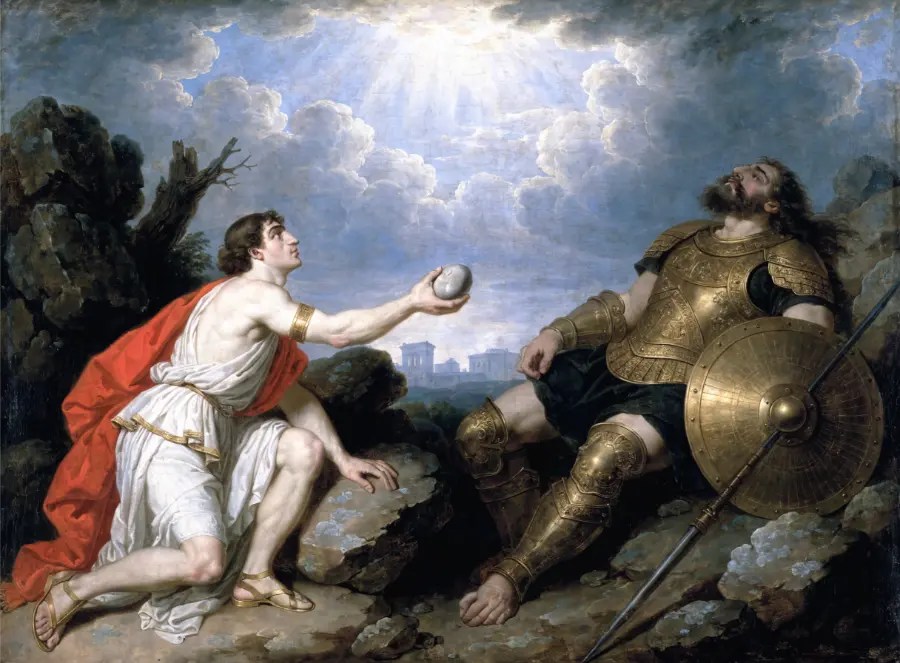
Jesaja 49:1
“Luister naar mij, eilanden; hoor dit, verre volken: Vóór mijn geboorte heeft de HEERE mij geroepen; vanuit de schoot van mijn moeder heeft Hij mijn naam genoemd.”
Reflectie: De spreker is de dienaar van de Heer, die vers 3 “mijn dienaar, Israël” noemt. Hij zegt dat de Heer hem vóór de geboorte riep en hem vanuit de schoot bij zijn naam noemde, en vers 5 herhaalt dat de Heer “mij in de schoot vormde om zijn dienaar te zijn.” De roeping reikt verder dan Israël: “Ik zal u ook tot een licht voor de heidenen maken” (49:6).
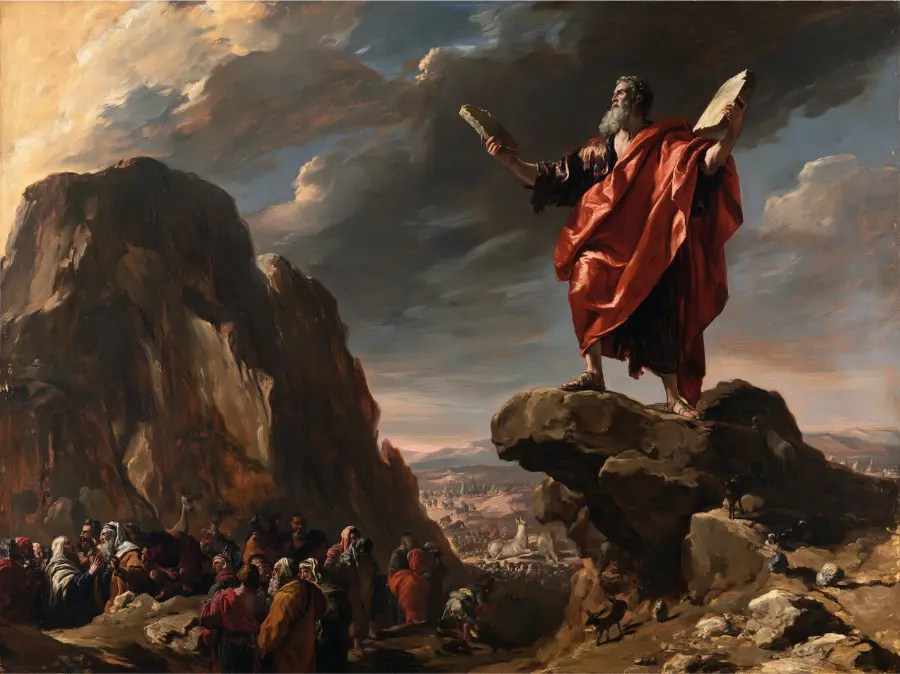
Galatians 1:15
“Maar toen het God, die mij vanaf de schoot van mijn moeder heeft afgezonderd en door zijn genade heeft geroepen, behaagde”
Reflectie: Paulus heeft de Galaten er net aan herinnerd hoe “ik de gemeente van God hevig vervolgde en probeerde haar te vernietigen” (1:13). Hij zegt dat God hem vanaf de schoot van zijn moeder afzonderde, hem door genade riep en het behaagde “zijn Zoon in mij te openbaren, opdat ik Hem onder de heidenen zou verkondigen” (1:16). De zinsneden “afgezonderd” en “vanaf de schoot van mijn moeder” komen ook voor in Jeremia 1:5 en Jesaja 49:1.
Lucas 1:41-44
“Toen Elisabeth de groet van Maria hoorde, sprong het kind in haar schoot, en Elisabeth werd vervuld met de Heilige Geest. Met luide stem riep ze uit: ‘Gezegend ben jij onder de vrouwen, en gezegend is het kind dat je zult dragen! Maar hoe komt het dat mij dit overkomt, dat de moeder van mijn Heer naar mij toe komt? Zodra het geluid van je groet mijn oren bereikte, sprong de baby in mijn schoot van vreugde.’”
Reflectie: Elisabet was in haar zesde maand toen de engel naar Maria kwam (Lucas 1:36), en Maria “haastte zich” naar haar (1:39). Bij de groet van Maria springt het kind in de schoot van Elisabet, Johannes, op, en Elisabet, vervuld met de Heilige Geest, zegt dat hij “opsprong van vreugde” en noemt Maria “de moeder van mijn Heer” voordat Jezus geboren is. Lucas’ Griekse woord voor de ongeboren Johannes, brephos, is het woord dat hij gebruikt voor de pasgeboren Jezus die in de kribbe ligt (Lucas 2:12, 16).
Job 31:15
“Heeft Hij die mij in de baarmoeder maakte, hen niet gemaakt? Heeft niet dezelfde ons beiden in onze moeders gevormd?”
Reflectie: Job verdedigt zijn gedrag en zweert dat hij zijn dienaren, mannelijk of vrouwelijk, het recht niet heeft ontzegd wanneer zij een klacht tegen hem hadden (31:13). Zijn reden is dit vers: dezelfde God vormde meester en dienaar op dezelfde wijze “in onze moeders.” Job redeneert vanuit een gedeeld maakproces in de schoot naar een gelijke behandeling daarna.
Het nemen van een mensenleven
Exodus 20:13
“Gij zult niet moorden.”
Reflectie: God spreekt de Tien Geboden tot Israël bij de Sinaï (“En God sprak al deze woorden,” 20:1). Het gebod verbiedt moord zonder te definiëren wie eronder valt, dus hoe het betrekking heeft op abortus hangt af van hoe de ongeborenen worden beschouwd, de vraag die de bovenstaande passages over de schoot adresseren.
Genesis 9:6
“Wie het bloed van de mens vergiet, door de mens zal zijn bloed vergoten worden; want naar het beeld van God heeft Hij de mens gemaakt.”
Reflectie: Na de zondvloed spreekt God tot Noach en zijn zonen (9:1). Vers 5 zegt dat God “rekenschap zal eisen voor het leven van een ander mens,” en vers 6 geeft de reden: de mensheid is gemaakt “naar het beeld van God.”
Exodus 21:22-25
“Wanneer mensen vechten en een zwangere vrouw raken en zij vroegtijdig bevalt, maar er is geen ernstig letsel, dan moet de overtreder een boete betalen die de echtgenoot van de vrouw eist en de rechter toestaat. Maar als er ernstig letsel is, dan moet u leven voor leven geven, oog voor oog, tand voor tand, hand voor hand, voet voor voet, brandwond voor brandwond, wond voor wond, kneuzing voor kneuzing.”
Reflectie: Deze wet komt voor in de casuïstiek die na de Tien Geboden werd gegeven (“Dit zijn de wetten die u hun moet voorleggen,” 21:1). Het is de passage die handelt over schade aan een zwangere vrouw en haar kind, en vertalingen verschillen over wat er met het kind gebeurt: de NIV zegt dat zij “vroegtijdig bevalt,” de New Revised Standard Version Updated Edition zegt “er is een miskraam,” en de ESV zegt “haar kinderen komen naar buiten.” De tekst zegt niet of het “ernstig letsel” dat “leven voor leven” met zich meebrengt, de vrouw, het kind of een van beiden betreft, wat de reden is dat de gekozen vertaling verandert hoe de wet wordt gelezen.
Kinderen en zij die niet kunnen spreken

Psalm 127:3
“Zie, kinderen zijn een erfdeel van de Heere, de vrucht van de schoot is een beloning.”
Reflectie: De psalm heeft het opschrift “Van Salomo” en opent met: “Als de Heer het huis niet bouwt, zwoegen de bouwers tevergeefs” (127:1). Kinderen worden een erfdeel en een beloning van de Heer genoemd, en de volgende verzen vergelijken kinderen die in de jeugd zijn geboren met pijlen in de hand van een krijger: “Gelukkig is de man wiens pijlkoker vol is van hen” (127:5).
Proverbs 31:8
“Spreek voor hen die niet voor zichzelf kunnen spreken, voor de rechten van allen die hulpbehoevend zijn.”
Reflectie: Koning Lemuël legt vast wat zijn moeder hem leerde (31:1). Zij waarschuwt dat een koning die drinkt “alle onderdrukten hun rechten kan ontnemen” (31:5), en zegt hem in plaats daarvan op te komen voor degenen die niet voor zichzelf kunnen spreken. Vers 9 vervolgt: “Spreek en oordeel rechtvaardig; verdedig de rechten van de armen en behoeftigen.” De opdracht wordt aan een heerser gegeven.
Proverbs 24:11-12
“Red hen die naar de dood worden geleid; houd hen tegen die wankelend naar de slachtbank gaan. Als u zegt: ‘Maar wij wisten hier niets van’, ziet Hij die de harten weegt het dan niet? Kent Hij die uw leven bewaakt het niet? Zal Hij niet ieder vergelden naar wat hij heeft gedaan?”
Reflectie: Een van de spreuken van de wijzen, het beveelt om “hen die naar de dood worden geleid” te redden zonder te benoemen wie zij zijn. Het tweede vers beantwoordt het excuus “Maar wij wisten hier niets van”: de God die “het hart weegt” weet wat een persoon wist, en “zal ieder vergelden naar wat hij heeft gedaan.”
Genade na de zonde
Psalm 51:1-2
“Wees mij genadig, o God, naar uw onfeilbare liefde; wis mijn overtredingen uit naar uw grote barmhartigheid. Was al mijn ongerechtigheid weg en reinig mij van mijn zonde.”
Reflectie: Het opschrift plaatst de psalm nadat de profeet Nathan David confronteerde over Batseba. David had ook de dood van haar echtgenoot Uria geregeld (2 Samuël 11:14-15), en later in de psalm bidt hij: “Bevrijd mij van de schuld van bloedvergieten, o God” (51:14). Hij vraagt om genade op grond van Gods “onfeilbare liefde” en “grote barmhartigheid.”
1 Johannes 1:9
“Als wij onze zonden belijden: Hij is getrouw en rechtvaardig om ons de zonden te vergeven en ons te reinigen van alle ongerechtigheid.”
Reflectie: Johannes schrijft aan gelovigen en rekent zichzelf daartoe: “Als wij beweren dat wij zonder zonde zijn, misleiden wij onszelf” (1:8). De belofte aan degenen die belijden is zowel vergeving als reiniging “van alle ongerechtigheid,” en deze rust op het feit dat God “getrouw en rechtvaardig” is.
Wat de passages aan de lezer overlaten
Jeremia 1:5, Jesaja 49:1 en Galaten 1:15 spreken elk over één persoon die vóór de geboorte geroepen is, en Psalm 139:13-16 is de lofzang van één persoon omdat hij in de moederschoot gevormd is. Exodus 21:22-25 is de wet die spreekt over een zwangere vrouw die in een gevecht wordt geraakt, en de betekenis ervan hangt af van een vertaalkeuze.
De Catechismus van de Katholieke Kerk baseert zich voor haar leer op Jeremia 1:5 en Psalm 139:15, en stelt in paragraaf 2271: “Sinds de eerste eeuw heeft de Kerk het morele kwaad van elke opgewekte abortus bevestigd,” onder verwijzing naar de Didache: “Gij zult het embryo niet doden door abortus.” Psalm 51:1-2 is op zichzelf een gebed en kan gebeden worden zoals het geschreven staat.


Een reactie plaatsen