
 English
 Chinese
 Dutch
 Arabic
 Spanish
 Portuguese
 Russian
 French
 Italian
 German
 Japanese
The Bible tells people to settle and seek the good of the place they are in, even one they did not choose. Jeremiah told the exiles in Babylon to build houses, plant gardens and pray for the city (Jeremiah 29:5-7), and Paul told each believer to remain in the situation they were in when called (1 Corinthians 7:20).
The picture of a person planted and bearing fruit comes from trees planted by streams or water (Psalm 1:3; Jeremiah 17:8) or in the house of the Lord (Psalm 92:13). Paul’s contentment “in any and every situation” (Philippians 4:12) and the master’s praise for being “faithful with a few things” (Matthew 25:21) describe how a person lives in that place.
Settling in a place you did not choose
Jeremiah 29:5-7
“Build houses and settle down; plant gardens and eat what they produce. Marry and have sons and daughters; find wives for your sons and give your daughters in marriage, so that they too may have sons and daughters. Increase in number there; do not decrease. Also, seek the peace and prosperity of the city to which I have carried you into exile. Pray to the Lord for it, because if it prospers, you too will prosper.”
Reflection: Jeremiah sent these words from Jerusalem as a letter to the people Nebuchadnezzar had carried into exile in Babylon (Jeremiah 29:1). They are told to build, plant, marry and raise families there, and to pray for Babylon, “because if it prospers, you too will prosper.” The letter goes on to warn against the prophets and diviners who are “prophesying lies” (29:8-9) and says the people will be brought back “when seventy years are completed for Babylon” (29:10), so the instruction to settle comes with a long stay in view.
1 Corinthians 7:20
“Each person should remain in the situation they were in when God called them.”
Reflection: Paul calls this “the rule I lay down in all the churches” (7:17), and he applies it to circumcision and to slavery: a believer does not need to change their outward position to belong to the Lord. He states the rule three times in the passage (7:17, 7:20, 7:24). In the NIV, verse 21 adds an exception for a slave: “Don’t let it trouble you—although if you can gain your freedom, do so.”

Genesis 50:20
“You intended to harm me, but God intended it for good to accomplish what is now being done, the saving of many lives.”
Reflection: Joseph speaks to the brothers who had sold him to traders bound for Egypt (Genesis 37:28), after their father Jacob has died and they fear his revenge. He does not deny the harm they intended; he says God used it for “the saving of many lives.” He then tells them, “I will provide for you and your children” (50:21), and “he reassured them and spoke kindly to them.”
Psalm 16:5-6
“Lord, you alone are my portion and my cup; you make my lot secure. The boundary lines have fallen for me in pleasant places; surely I have a delightful inheritance.”
Reflection: The psalmist describes his place in life in the language of land: a lot, boundary lines, an inheritance. Before any of those, he names the Lord himself as his portion and cup. The “pleasant places” of verse 6 come after the psalmist names the Lord as the one who makes his lot secure.
Planted and bearing fruit
Psalm 1:1-3
“Blessed is the one who does not walk in step with the wicked or stand in the way that sinners take or sit in the company of mockers, but whose delight is in the law of the Lord, and who meditates on his law day and night. That person is like a tree planted by streams of water, which yields its fruit in season and whose leaf does not wither—whatever they do prospers.”
Reflection: The psalm opens with what the blessed person avoids and then what he delights in: the law of the Lord, meditated on “day and night.” The tree in verse 3 is planted by streams and “yields its fruit in season.” The psalm sets the picture against the wicked, who “are like chaff that the wind blows away” (1:4).
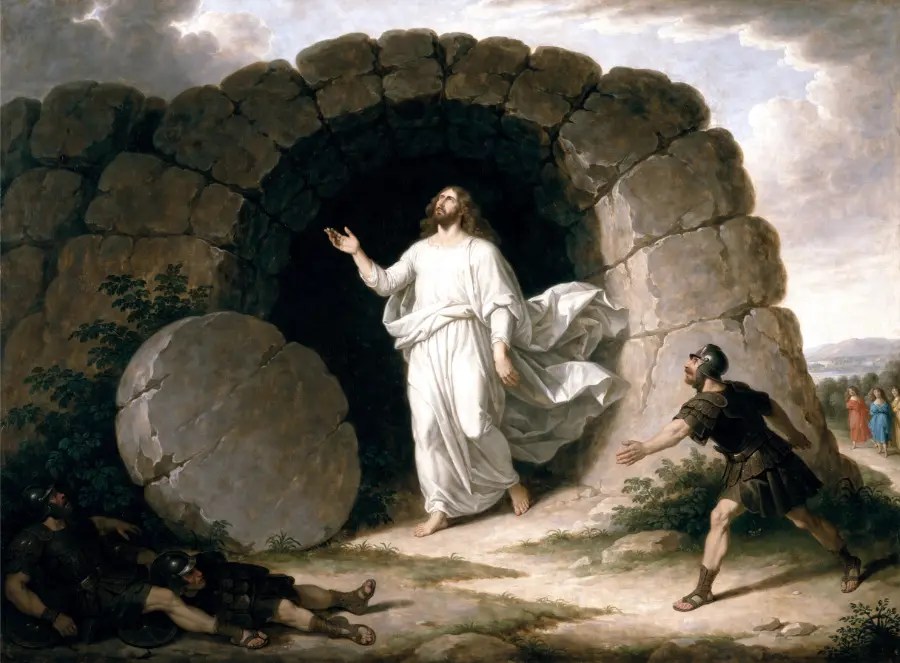
Jeremiah 17:7-8
“But blessed is the one who trusts in the Lord, whose confidence is in him. They will be like a tree planted by the water that sends out its roots by the stream. It does not fear when heat comes; its leaves are always green. It has no worries in a year of drought and never fails to bear fruit.”
Reflection: Jeremiah sets two plants side by side. The one who trusts in man is “like a bush in the wastelands,” living “in a salt land where no one lives” (17:5-6); the one who trusts in the Lord is a tree whose roots reach the stream. The heat and the year of drought still come to that tree. What changes is that it “does not fear” them and “never fails to bear fruit.”
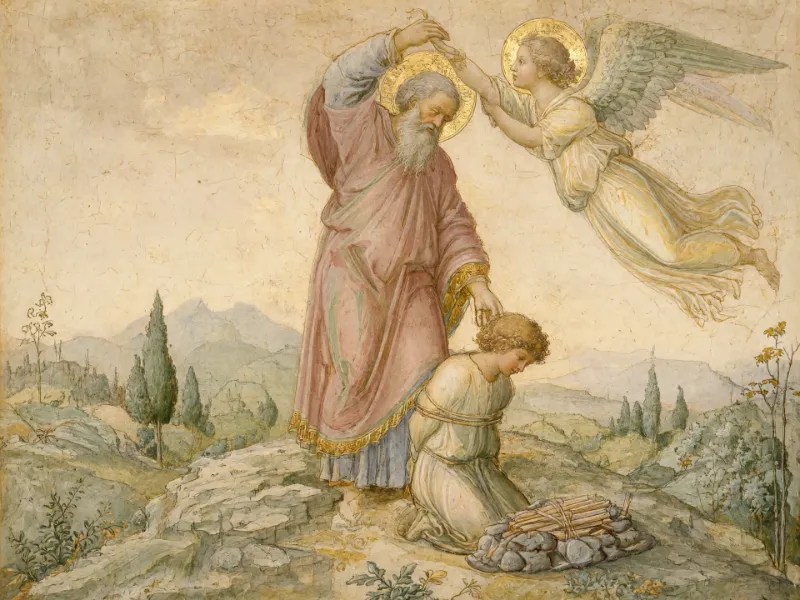
Psalm 92:12-14
“The righteous will flourish like a palm tree, they will grow like a cedar of Lebanon; planted in the house of the Lord, they will flourish in the courts of our God. They will still bear fruit in old age, they will stay fresh and green.”
Reflection: The psalm compares the righteous to the palm and the cedar of Lebanon, “planted in the house of the Lord” and flourishing in its courts. It promises fruit “in old age,” and verse 15 gives the purpose of that long growth: “proclaiming, ‘The Lord is upright; he is my Rock.’”
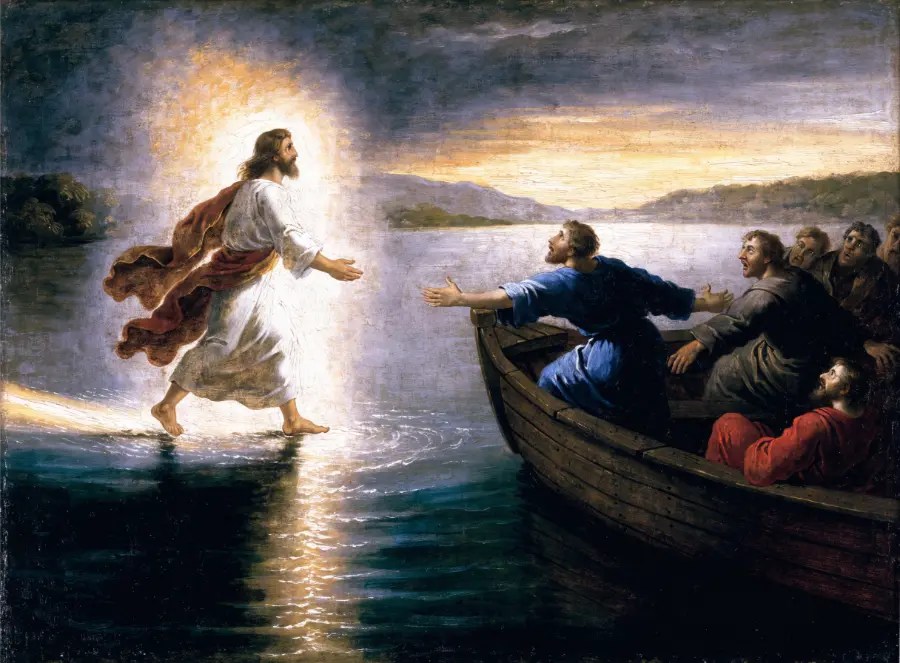
John 15:5
“I am the vine; you are the branches. If you remain in me and I in you, you will bear much fruit; apart from me you can do nothing.”
Reflection: Jesus calls himself the vine and his Father the gardener, who prunes every fruitful branch “so that it will be even more fruitful” (15:2). The branch does not produce fruit by moving or by effort of its own; it bears fruit by remaining in the vine. Verse 8 says the fruit is to the Father’s glory and shows that the branches are Jesus’ disciples.
Contentment where you are
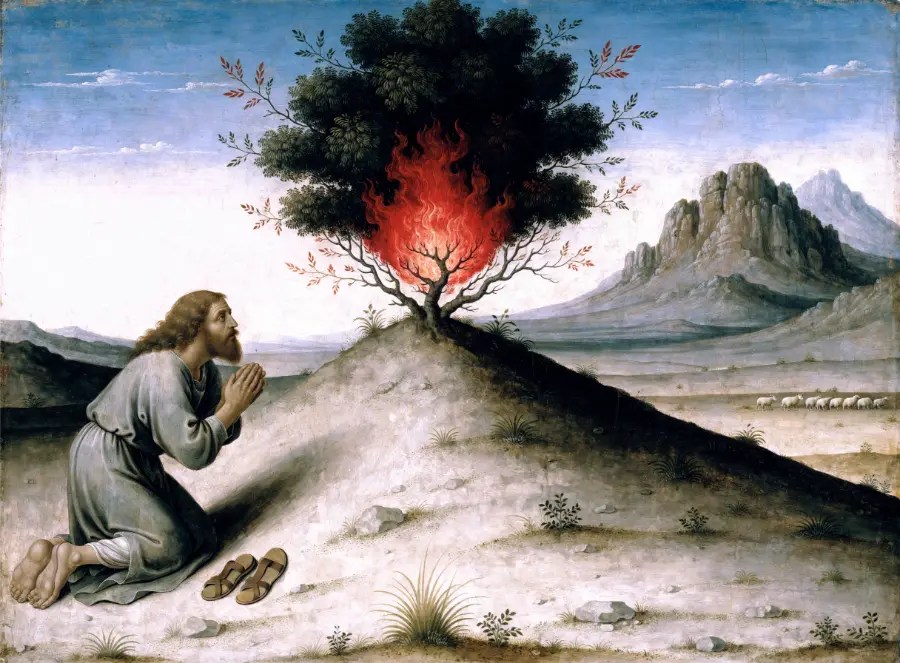
Philippians 4:11-13
“I am not saying this because I am in need, for I have learned to be content whatever the circumstances. I know what it is to be in need, and I know what it is to have plenty. I have learned the secret of being content in any and every situation, whether well fed or hungry, whether living in plenty or in want. I can do all this through him who gives me strength.”
Reflection: Paul is thanking the Philippians for a gift (4:10) and explains that he does not depend on it. He says twice that he “learned” contentment, which describes something acquired over time, through both need and plenty. “I can do all this” in verse 13 refers to that contentment, whether “well fed or hungry.”
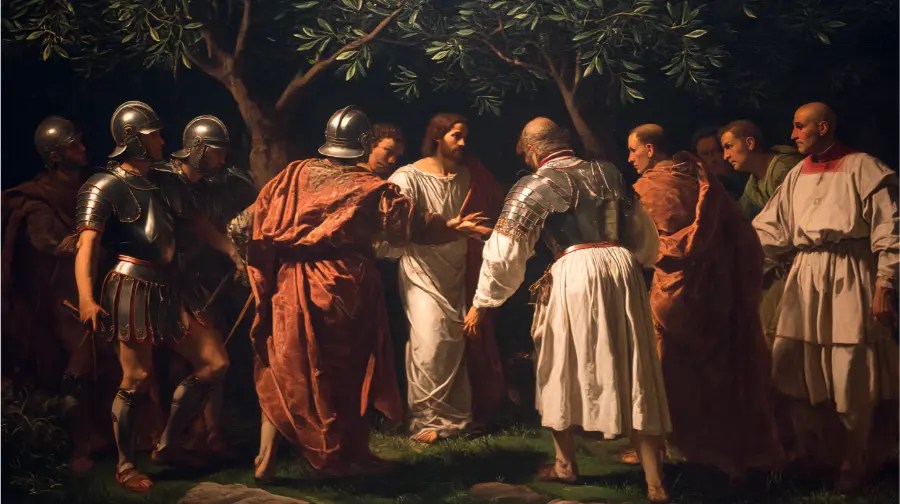
1 Timothy 6:6-8
“But godliness with contentment is great gain. For we brought nothing into the world, and we can take nothing out of it. But if we have food and clothing, we will be content with that.”
Reflection: Paul writes to Timothy that godliness joined to contentment is “great gain,” and that food and clothing are enough. The next verses explain the warning behind this: “Those who want to get rich fall into temptation and a trap,” and “the love of money is a root of all kinds of evil” (6:9-10).
Hebrews 13:5
“Keep your lives free from the love of money and be content with what you have, because God has said, ‘Never will I leave you; never will I forsake you.’”
Reflection: Contentment with what one has is tied here to a promise: God has said he will never leave or forsake his people. The writer draws the response in the next verse: “So we say with confidence, ‘The Lord is my helper; I will not be afraid.’” The reason given for contentment is God’s presence, not the size of what one has.
Faithful work in the place you are given

Colossians 3:23-24
“Whatever you do, work at it with all your heart, as working for the Lord, not for human masters, since you know that you will receive an inheritance from the Lord as a reward. It is the Lord Christ you are serving.”
Reflection: The verse before this one opens with “Slaves, obey your earthly masters” (3:22), so these words were addressed first to people who had not chosen their work or their master. Paul tells them to work with all their heart “as working for the Lord,” and promises them an inheritance from the Lord as their reward. “Whatever you do” widens the instruction to any task.
Matthew 25:21
“His master replied, ‘Well done, good and faithful servant! You have been faithful with a few things; I will put you in charge of many things. Come and share your master’s happiness!’”
Reflection: In Jesus’ parable, a master entrusts different sums to his servants, “each according to his ability” (25:15). The servant with five bags of gold doubles them and hears these words. The servant with two bags also doubles his and hears exactly the same praise (25:23), so the master judges faithfulness with what each was given, not the size of the amount.
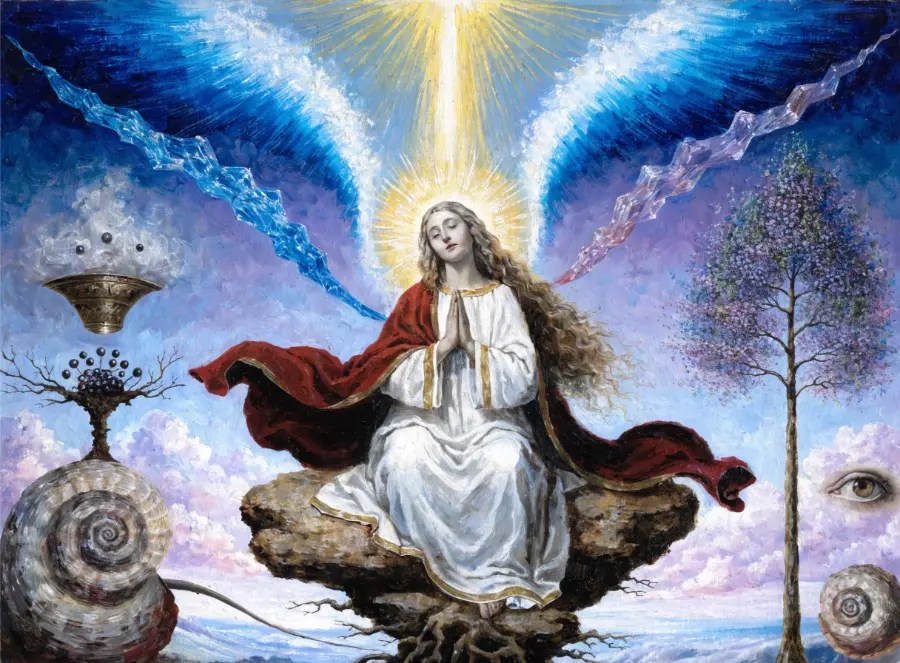
Ecclesiastes 9:10
“Whatever your hand finds to do, do it with all your might, for in the realm of the dead, where you are going, there is neither working nor planning nor knowledge nor wisdom.”
Reflection: The Teacher has just said, “this is your lot in life and in your toilsome labor under the sun” (9:9), and has told his reader to eat, drink and enjoy life with his wife. His reason for working with all one’s might is plain: the grave ends all working and planning, so the time to do the work is now.

Galatians 6:9
“Let us not become weary in doing good, for at the proper time we will reap a harvest if we do not give up.”
Reflection: Paul uses the language of farming: “A man reaps what he sows” (6:7), and a harvest comes “at the proper time.” The condition is “if we do not give up.” Verse 10 says what the sowing is: “as we have opportunity, let us do good to all people, especially to those who belong to the family of believers.”
When staying is not the whole instruction
Jeremiah 29:5-7 told the exiles to settle, and the same letter promised that God would “bring you back to this place” after seventy years (Jeremiah 29:10). 1 Corinthians 7:20 tells believers to remain in their situation, and the next verse tells a slave who can gain freedom to do so.
Psalm 1:3 promises fruit “in season” and Galatians 6:9 a harvest “at the proper time,” and neither says when that time is. Psalm 92:14 extends the fruit into old age.


Leave a Reply