
 English
 Chinese
 Dutch
 Arabic
 Spanish
 Portuguese
 Russian
 French
 Italian
 German
 Japanese
The Bible offers people after a breakup God’s nearness, his steady love, and help with grief and anger, but it does not promise that a better partner is on the way.
The two verses most often quoted after a breakup were written for other situations. Jeremiah 29:11 was sent to exiles facing seventy years in Babylon, and Romans 8:28 comes just after Paul says that believers do not know what to pray for (8:26). The eighteen verses below cover what is promised, those two verses in context, being loved, anger and forgiveness, starting again, and where to go in the meantime.
What is actually promised

Psalm 34:18
“The Lord is near to the brokenhearted and saves the crushed in spirit.”
Reflection: The psalm’s heading ties it to a low point in David’s life, when he pretended to be insane to escape a Philistine king (1 Samuel 21:13). It promises that the Lord is near the brokenhearted, and it says nothing about how quickly things improve.

Psalm 147:3
“He heals the brokenhearted and binds up their wounds.”
Reflection: The next verse says God “determines the number of the stars” (147:4). The psalm puts the care of broken hearts beside the ordering of the heavens.
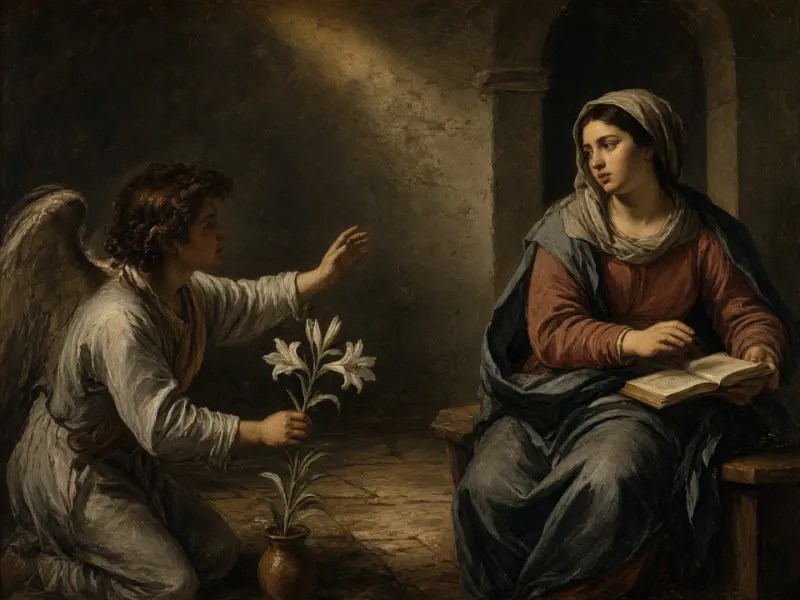
Lamentations 3:22-23
“The steadfast love of the Lord never ceases; his mercies never come to an end; they are new every morning; great is your faithfulness.”
Reflection: The writer is mourning the destruction of Jerusalem. The promise is for each morning, not for the whole trouble at once.
The two verses everyone quotes

Jeremiah 29:11
“For I know the plans I have for you, declares the Lord, plans for welfare and not for evil, to give you a future and a hope.”
Reflection: The verse before sets the timing: the exiles would return after seventy years (29:10), and Jeremiah told them to build houses and plant gardens in Babylon meanwhile (29:5). The hope is real, on God’s timetable.
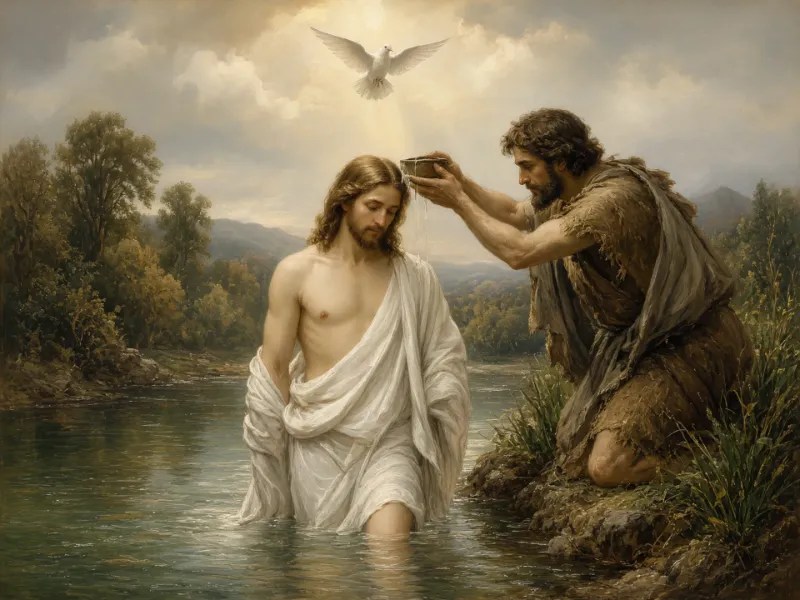
Romans 8:28
“And we know that for those who love God all things work together for good, for those who are called according to his purpose.”
Reflection: Paul writes this just after saying that “we do not know what to pray for as we ought” and that the Spirit intercedes “with groanings too deep for words” (8:26). He does not call every event good; he says God works in all things for the good of those who love him.
Being loved before this, and after it
Jeremiah 31:3
“I have loved you with an everlasting love; therefore I have continued my faithfulness to you.”
Reflection: God speaks this to Israel after judgment, and the next verse promises, “Again I will build you” (31:4). The love is everlasting, older than the present loss.
Zephaniah 3:17
“The Lord your God is in your midst, a mighty one who will save; he will rejoice over you with gladness; he will quiet you by his love; he will exult over you with loud singing.”
Reflection: “He will quiet you by his love”: the picture is of God rejoicing over his people with singing and calming them.

1 Peter 2:9
“But you are a chosen race, a royal priesthood, a holy nation, a people for his own possession, that you may proclaim the excellencies of him who called you out of darkness.”
Reflection: Peter’s readers were rejected by many around them. The next verse reminds them, “Once you were not a people, but now you are God’s people” (2:10).
What to do with the anger
Colossians 3:13
“Bearing with one another and, if one has a complaint against another, forgiving each other; as the Lord has forgiven you, so you also must forgive.”
Reflection: Paul asks believers to forgive as the Lord forgave them. He sets no timetable, so forgiveness can be a decision made while the hurt is still present.

Proverbs 4:23
“Keep your heart with all vigilance, for from it flow the springs of life.”
Reflection: Guarding the heart applies to the weeks after a breakup: what you read late at night, whose profile you check, and what you allow the anger to become.

1 Corinthians 13:4-7
“Love is patient and kind; love does not envy or boast; it is not arrogant or rude. It does not insist on its own way; it is not irritable or resentful; it does not rejoice at wrongdoing.”
Reflection: Read after a breakup, the passage can give words for what was missing in the relationship, and sometimes for what you did not give yourself.
The new thing, at its own pace

Isaiah 43:18-19
“Remember not the former things, nor consider the things of old. Behold, I am doing a new thing; now it springs forth, do you not perceive it? I will make a way in the wilderness.”
Reflection: Isaiah speaks to exiles and promises water in the wilderness and rivers in the desert (43:20). “Do you not perceive it?” allows that the new thing may begin before anyone can see it.

2 Corinthians 5:17
“Therefore, if anyone is in Christ, he is a new creation. The old has passed away; behold, the new has come.”
Reflection: Paul describes what is true of anyone in Christ, whatever they currently feel: a new creation.

Philippians 3:13-14
“Brothers, I do not consider that I have made it my own. But one thing I do: forgetting what lies behind and straining forward to what lies ahead, I press on toward the goal.”
Reflection: Paul does not forget his past in the sense of erasing it; a few verses earlier he lists his background in detail (3:5-6). He refuses to let it set his direction.
Where to go in the meantime

Matthew 11:28
“Come to me, all who labor and are heavy laden, and I will give you rest.”
Reflection: Jesus invites people to come while they are still heavy laden. The rest is given after they come.

Isaiah 41:10
“Fear not, for I am with you; be not dismayed, for I am your God; I will strengthen you, I will help you, I will uphold you with my righteous right hand.”
Reflection: Every verb in the second half belongs to God: strengthen, help, uphold.

Psalm 46:1
“God is our refuge and strength, a very present help in trouble.”
Reflection: “A very present help” means help that is near and readily found. Later the psalm says, “Be still, and know that I am God” (46:10).

James 4:8
“Draw near to God, and he will draw near to you.”
Reflection: James asks the reader to take the first step, and promises that God will draw near in response.
For the first few weeks
None of these verses says the breakup was for the best, or promises that the right person is being prepared somewhere.
They say that God is near the brokenhearted, that his mercies come each morning, that new things can begin before they are visible, and that forgiveness is a decision without a deadline. Let yourself grieve, and watch what the anger becomes. When words will not come at night, there are prayers for hope.


Leave a Reply