
 English
 Chinese
 Dutch
 Arabic
 Spanish
 Portuguese
 Russian
 French
 Italian
 German
 Japanese
Scripture describes focus as narrowing: one thing, eyes forward, a hand on the plough that does not turn.
Paul reduces his life to one thing I do (Philippians 3:13-14) after listing his credentials and writing them off. David asks one thing of the Lord (Psalm 27:4) with enemies around him. Luke says Jesus set his face to go to Jerusalem, and the rest of the Gospel happens on that journey. The instructions that follow are physical rather than mental: eyes looking forward, feet examined, a mind cleared for action, a text said aloud. The nineteen verses below cover the one-thing passages, where to put the eyes, where to put the mind, the practice underneath, and staying at it.
The one-thing verses
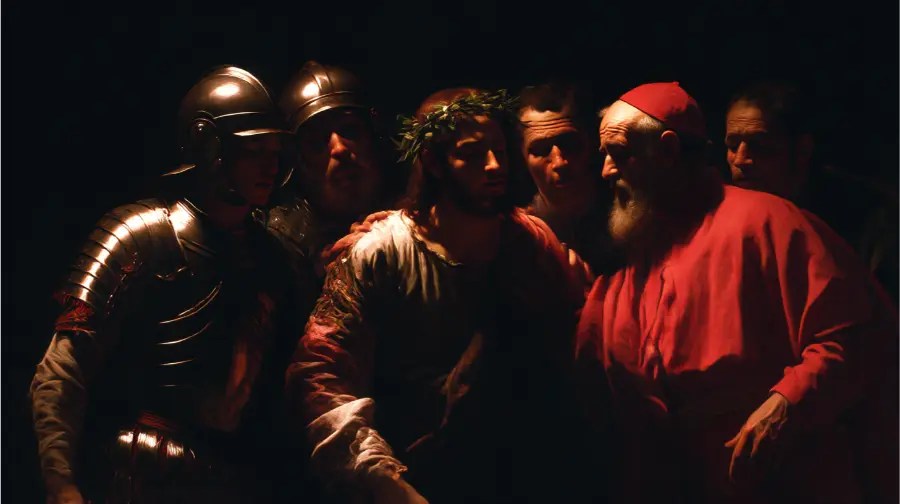
Philippians 3:13-14
“Brothers, I do not consider that I have made it my own. But one thing I do: forgetting what lies behind and straining forward to what lies ahead, I press on toward the goal.”
Reflection: Paul has just listed his credentials and written them off. What follows is one thing rather than several: forgetting, straining forward, pressing on.

Psalm 27:4
“One thing have I asked of the Lord, that will I seek after: that I may dwell in the house of the Lord all the days of my life.”
Reflection: The psalm opens with enemies and an army, and the single request is to live in the house of the Lord. It is the least tactical thing he could have asked for.
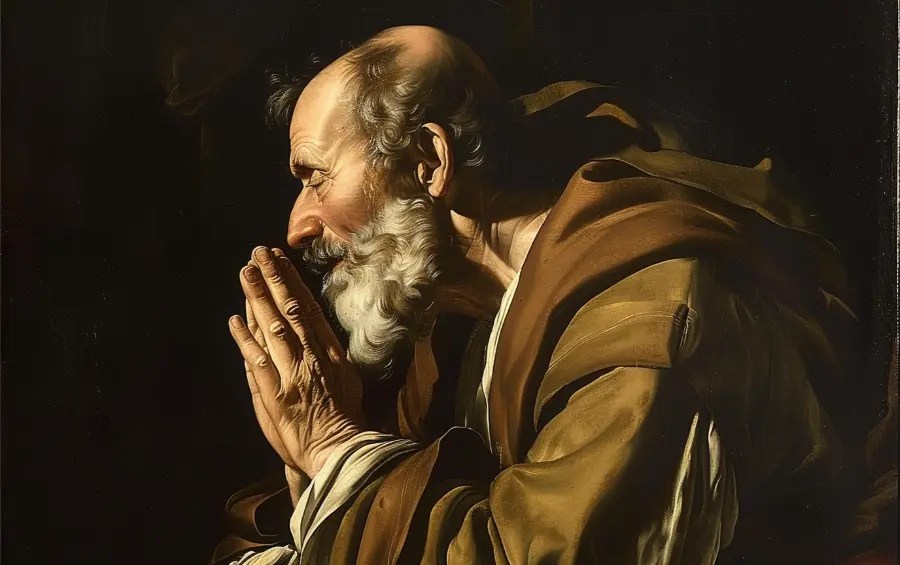
Luke 9:51
“When the days drew near for him to be taken up, he set his face to go to Jerusalem.”
Reflection: Luke marks the turn here, and the journey to Jerusalem runs from this verse to the entry in chapter 19. Most of what follows is described as happening on the way.
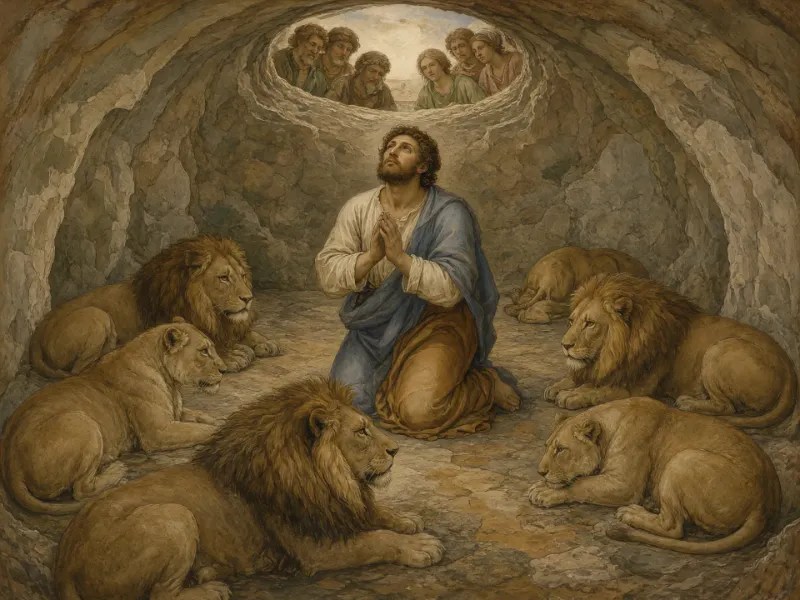
Luke 9:62
“No one who puts his hand to the plough and looks back is fit for the kingdom of God.”
Reflection: A ploughman who looks back puts a bend in the furrow. The objection is practical before it is anything else.
Where to put the eyes
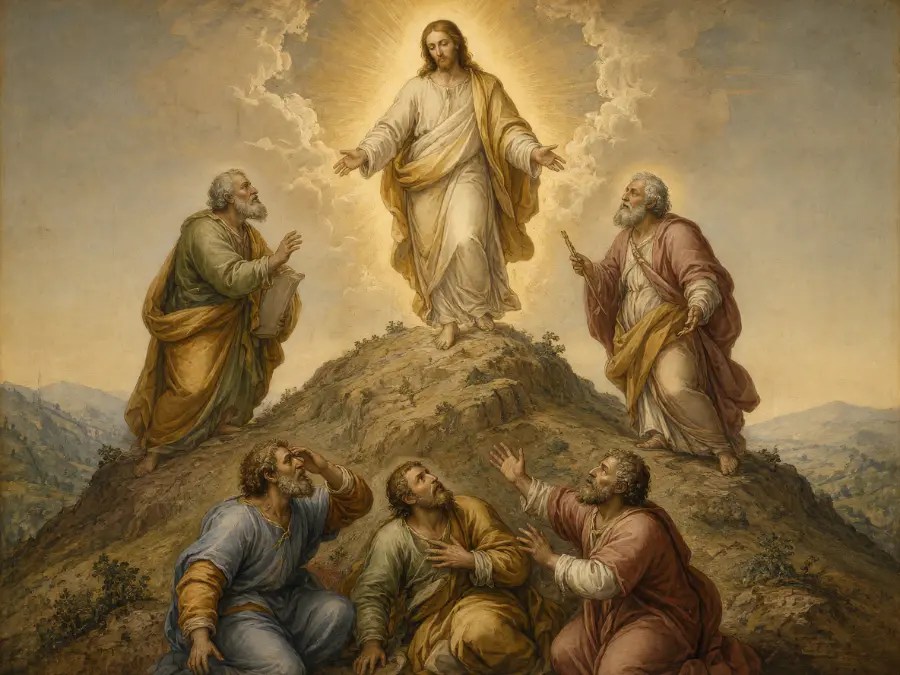
Proverbs 4:25
“Let your eyes look directly forward, and your gaze be straight before you.”
Reflection: Proverbs gives the instruction to the body rather than to the will. The chapter around it works through the heart, the mouth, the eyes and the feet in turn.
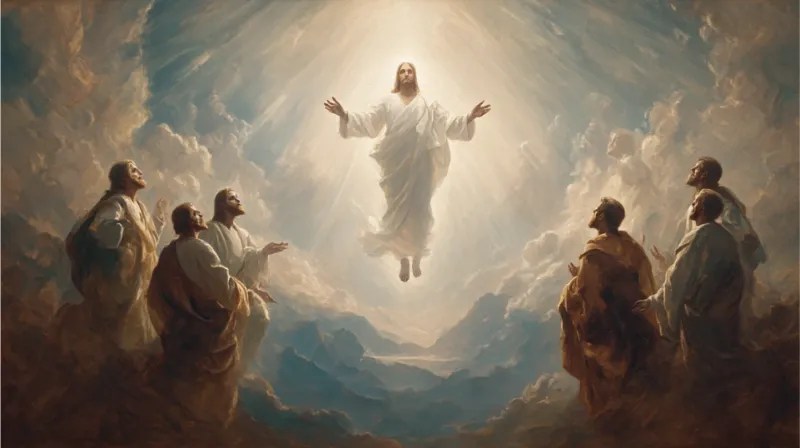
Proverbs 4:26-27
“Ponder the path of your feet; then all your ways will be sure. Do not swerve to the right or to the left.”
Reflection: Ponder the path of your feet asks for a look at where the walking is actually going. The next clause rules out drifting either way.
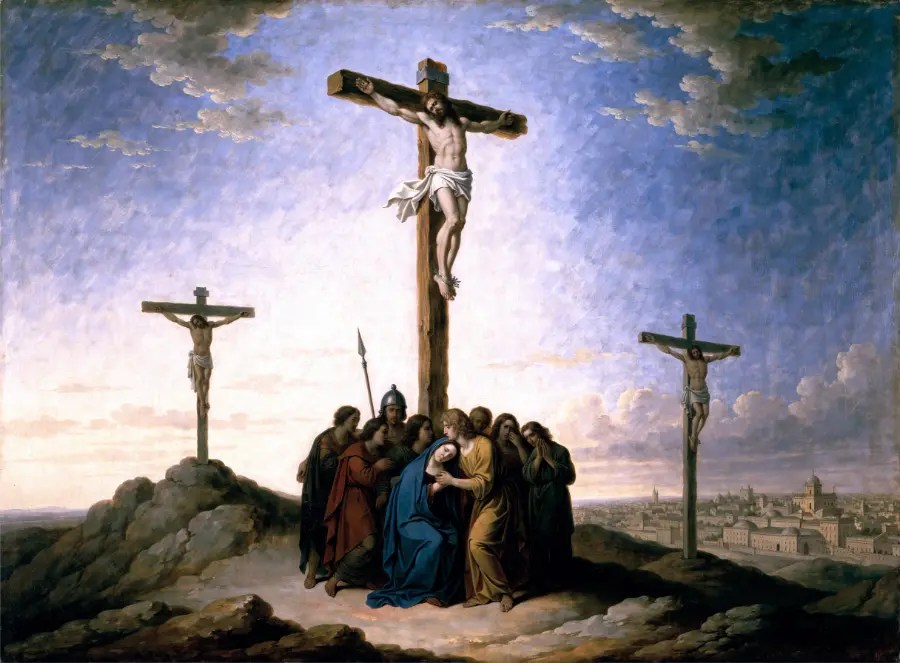
Hebrews 12:2
“…looking to Jesus, the founder and perfecter of our faith.”
Reflection: The verse before this one tells them to lay aside every weight. Looking to Jesus is what is left when that has been done.
Matthew 6:22
“The eye is the lamp of the body. So, if your eye is healthy, your whole body will be full of light.”
Reflection: Jesus says this in a passage about money, with treasure on earth before it and two masters after it. The eye is being described as what sets the direction of the whole body.
2 Corinthians 4:18
“…as we look not to the things that are seen but to the things that are unseen. For the things that are seen are transient, but the things that are unseen are eternal.”
Reflection: Paul writes this straight after saying that outwardly he is wasting away. The unseen things are what make the visible situation bearable to look at.
Where to put the mind
Colossians 3:2
“Set your minds on things that are above, not on things that are on earth.”
Reflection: Set is a deliberate verb, and the things above turn out to be concrete. The next paragraph is about anger, slander, lying and how a household treats each other.
1 Peter 1:13
“Therefore, preparing your minds for action, and being sober-minded, set your hope fully on the grace that will be brought to you.”
Reflection: Preparing the mind for action is a picture of clearing the loose material out of the way. The hope is then set on something still to come.
Isaiah 26:3
“You keep him in perfect peace whose mind is stayed on you, because he trusts in you.”
Reflection: The peace is attached to a mind that stays fixed. The verse gives its reason at the end: because he trusts in you.
James 1:8
“He is a double-minded man, unstable in all his ways.”
Reflection: James is describing a particular person, one who asks God for something while not expecting to receive it. Double-minded is his word for that rather than for general distraction.
The practice underneath it
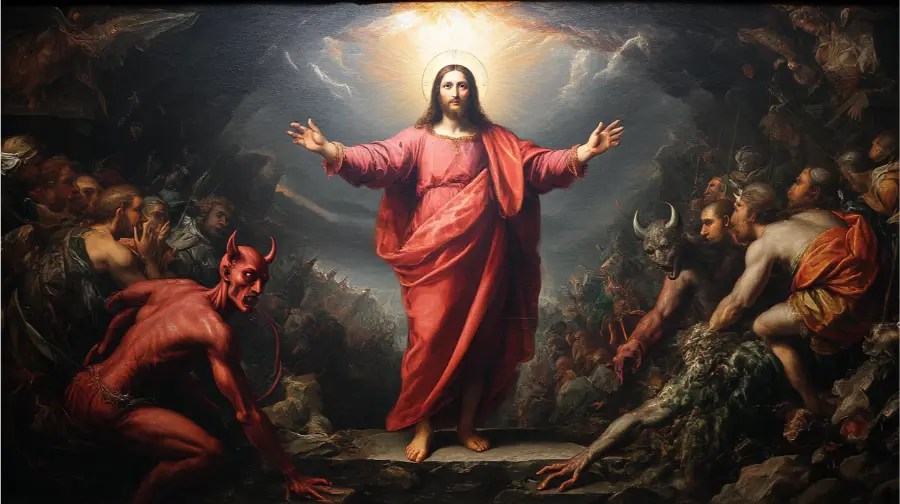
Joshua 1:8
“This Book of the Law shall not depart from your mouth, but you shall meditate on it day and night.”
Reflection: Not depart from your mouth tells us what meditating meant here: the text said aloud. What is promised with it is success in the work Joshua was about to begin.
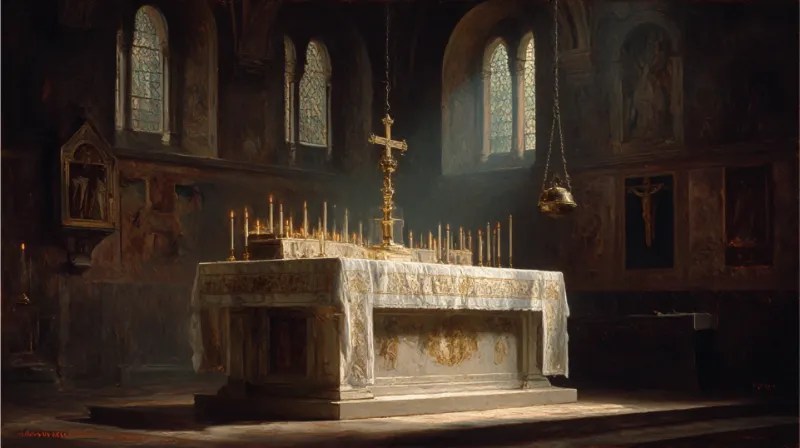
Proverbs 16:3
“Commit your work to the Lord, and your plans will be established.”
Reflection: Commit the work first, and the plans follow. Proverbs puts the handing over before the settling.
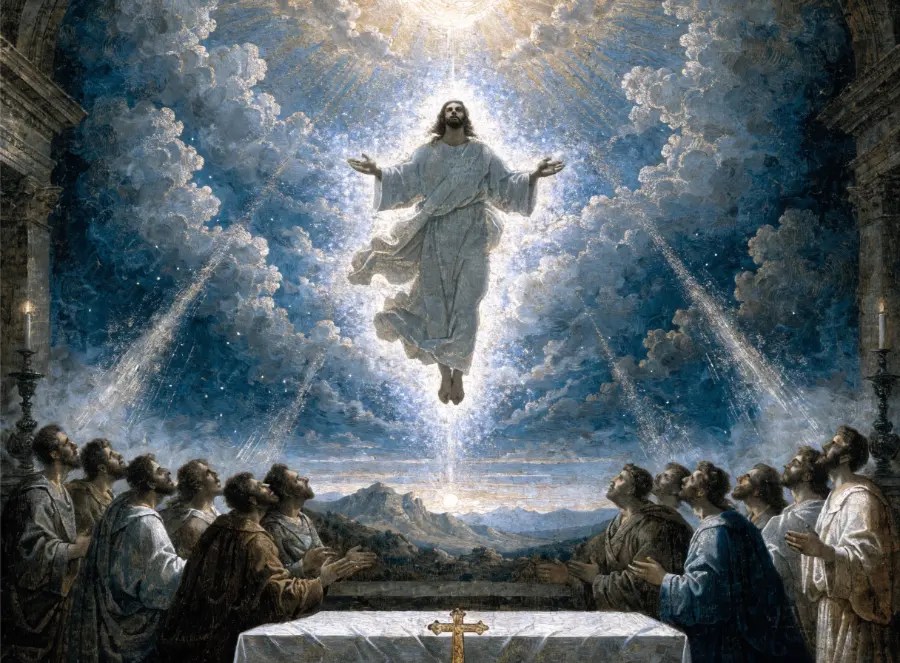
Ephesians 5:15-16
“Look carefully then how you walk, not as unwise but as wise, making the best use of the time, because the days are evil.”
Reflection: Paul’s reason is the state of the days rather than anybody’s potential. Looking carefully at how you walk is the instruction; the days are the argument for it.

1 Corinthians 9:24, 26
“Do you not know that in a race all the runners run, but only one receives the prize? So run that you may obtain it… So I do not run aimlessly; I do not box as one beating the air.”
Reflection: Beating the air is a boxer missing. The wasted effort Paul pictures is energetic rather than lazy.
Staying at it
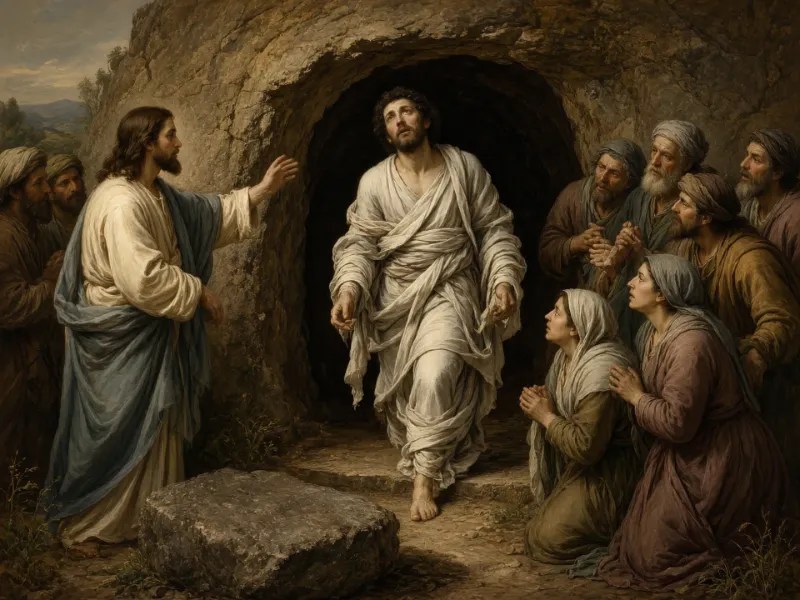
Galatians 6:9
“And let us not grow weary of doing good, for in due season we will reap, if we do not give up.”
Reflection: In due season is the clause that carries the verse. Paul concedes that the timing is not ours and asks only that they not give up.
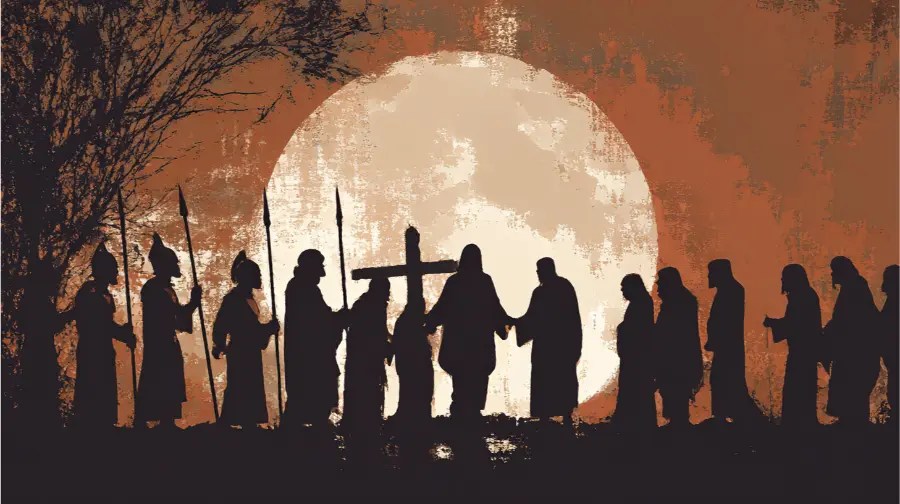
1 Peter 5:8
“Be sober-minded; be watchful. Your adversary the devil prowls around like a roaring lion, seeking someone to devour.”
Reflection: Two instructions, sober-minded and watchful, and then the reason for them. The image is of something actively looking for somebody.
What focus actually looks like here
Focus in these passages is physical. Eyes looking forward. Feet examined before the next step. A mind cleared for action. A ploughman who does not turn his head. A text said aloud until it stays. Paul, with a list of achievements behind him, saying one thing I do.
The thing being looked at is always named. Hebrews has them lay aside the weight first and then look at a person. David asks for one thing with an army nearby. Colossians sets the mind on things above and then talks about anger and lying inside a household. For the related material, see Bible verses about moving forward.


Leave a Reply