
 English
  Chinese
  Dutch
Dutch  Arabic
  Spanish
  Portuguese
  Russian
  French
  Italian
  German
  Japanese
 The Bible treats wealth as a gift from God that can also become a rival to him. Deuteronomy 8:18 credits the ability to produce wealth to God, and Matthew 6:24 says no one can serve both God and money.
Jesus warns that “life does not consist in an abundance of possessions” (Luke 12:15). Proverbs gives sayings on honest gain, debt and inheritance (Proverbs 13:11; 22:7; 13:22), and Paul tells the rich to be “generous and willing to share” (1 Timothy 6:18).
Alongside the promises and the warnings stands a prayer for the middle ground: Agur asks God for “neither poverty nor riches” (Proverbs 30:8), and Hebrews 13:5 ties freedom from the love of money to contentment with what one has.
Wealth as God’s gift
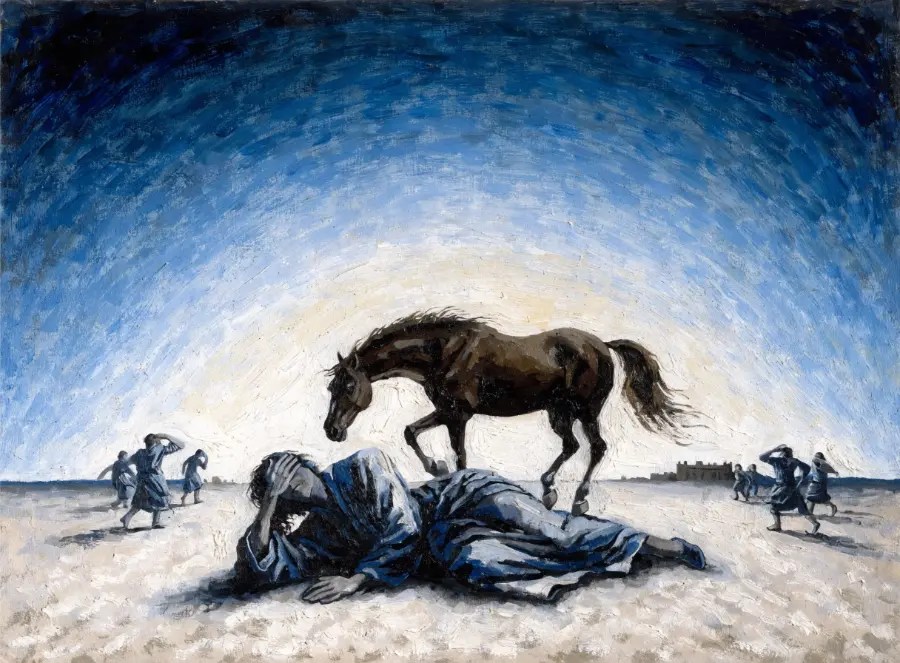
Deuteronomy 8:18
“But remember the Lord your God, for it is he who gives you the ability to produce wealth, and so confirms his covenant, which he swore to your ancestors, as it is today.”
Reflection: Israel is warned that once they build fine houses and their herds, flocks, silver and gold increase, their hearts could become proud and forget the Lord who brought them out of Egypt (verses 12-14). Verse 17 names the thought to guard against: “My power and the strength of my hands have produced this wealth for me.” Verse 18 answers it by crediting the ability to produce wealth to God, who in doing so “confirms his covenant” with their ancestors.

Proverbs 10:22
“The blessing of the Lord brings wealth, without painful toil for it.”
Reflection: The saying credits wealth to the Lord’s blessing and adds that his blessing comes “without painful toil for it.” The same chapter also says, “Lazy hands make for poverty, but diligent hands bring wealth” (Proverbs 10:4), so Proverbs 10 sets God’s blessing and human diligence side by side.
When money becomes a rival master

Matthew 6:24
“No one can serve two masters. Either you will hate the one and love the other, or you will be devoted to the one and despise the other. You cannot serve both God and money.”
Reflection: In the Sermon on the Mount, the saying comes straight after Jesus’ teaching on treasure: “Do not store up for yourselves treasures on earth,” and “where your treasure is, there your heart will be also” (verses 19, 21). Money is set beside God as a second master, and Jesus says a servant cannot be devoted to both. Luke records the same saying at the end of the parable of the shrewd manager (Luke 16:13).
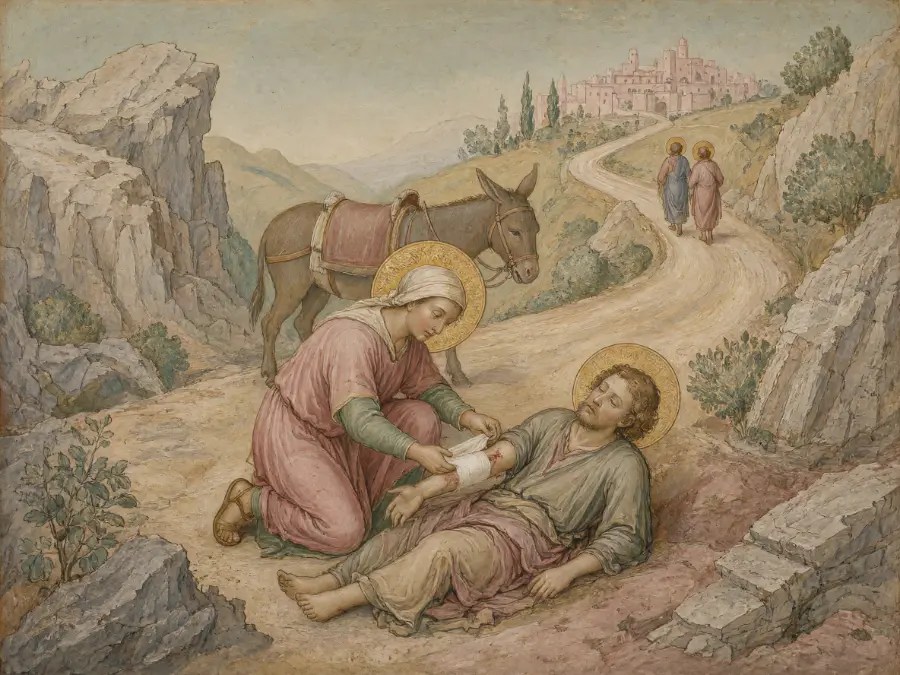
1 Timothy 6:10
“For the love of money is a root of all kinds of evil. Some people, eager for money, have wandered from the faith and pierced themselves with many griefs.”
Reflection: Paul names the love of money as the root, and the familiar shortening “money is the root of all evil” drops “the love of.” The sentence before it warns that “those who want to get rich fall into temptation and a trap” (verse 9), and verses 6-8 give the alternative: “godliness with contentment is great gain,” because “we brought nothing into the world, and we can take nothing out of it.” The harm he describes falls on people “eager for money,” who have wandered from the faith.
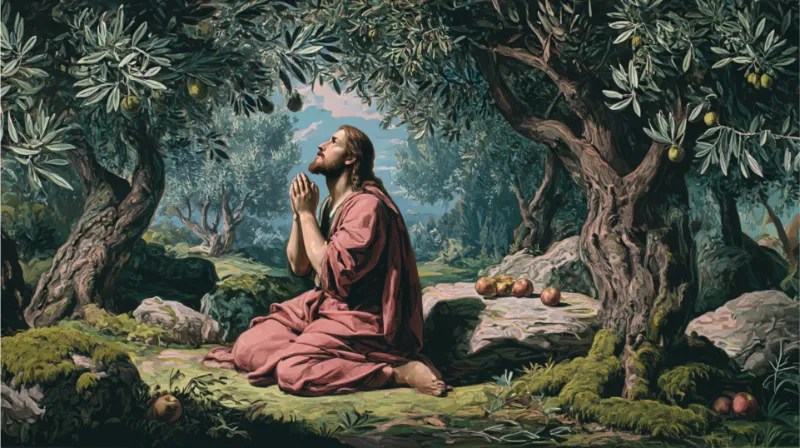
Ecclesiastes 5:10
“Whoever loves money never has enough; whoever loves wealth is never satisfied with their income. This too is meaningless.”
Reflection: The verses after it give the grounds for calling the love of money meaningless. As goods increase, so do the people who consume them (verse 11); the laborer sleeps well while the rich man’s abundance “permits them no sleep” (verse 12); and everyone “comes naked from their mother’s womb” and departs carrying nothing from their toil (verse 15).
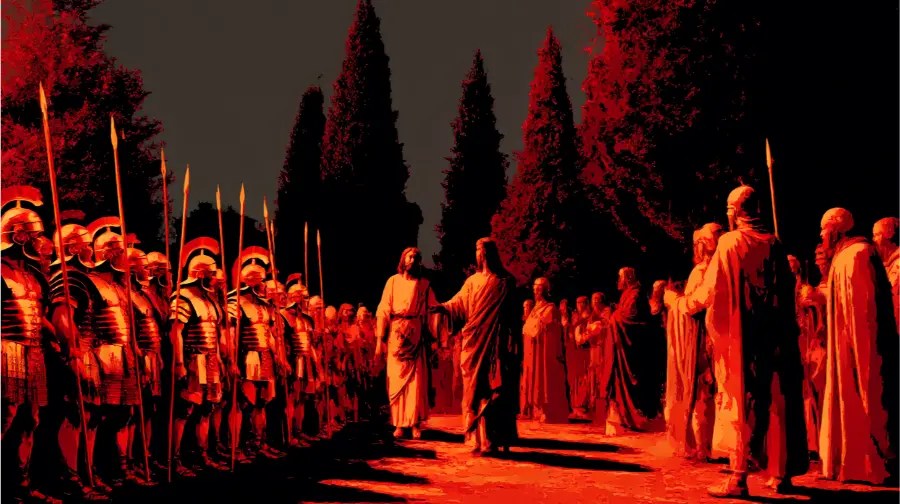
Luke 12:15
“Then he said to them, ‘Watch out! Be on your guard against all kinds of greed; life does not consist in an abundance of possessions.’”
Reflection: A man in the crowd asks Jesus to make his brother divide an inheritance with him, and Jesus declines to act as judge between them (verses 13-14). He turns the request into a warning against greed, then tells of a rich man who plans bigger barns for his surplus grain and hears God say, “You fool! This very night your life will be demanded from you” (verse 20). Verse 21 applies the parable to whoever “stores up things for themselves but is not rich toward God.”

Proverbs 11:28
“Those who trust in their riches will fall, but the righteous will thrive like a green leaf.”
Reflection: The saying sets two kinds of trust against each other: those who trust in riches fall, and the righteous thrive “like a green leaf.” 1 Timothy 6:17 makes a similar point about hope, telling the rich not to put their hope in wealth, “which is so uncertain.”
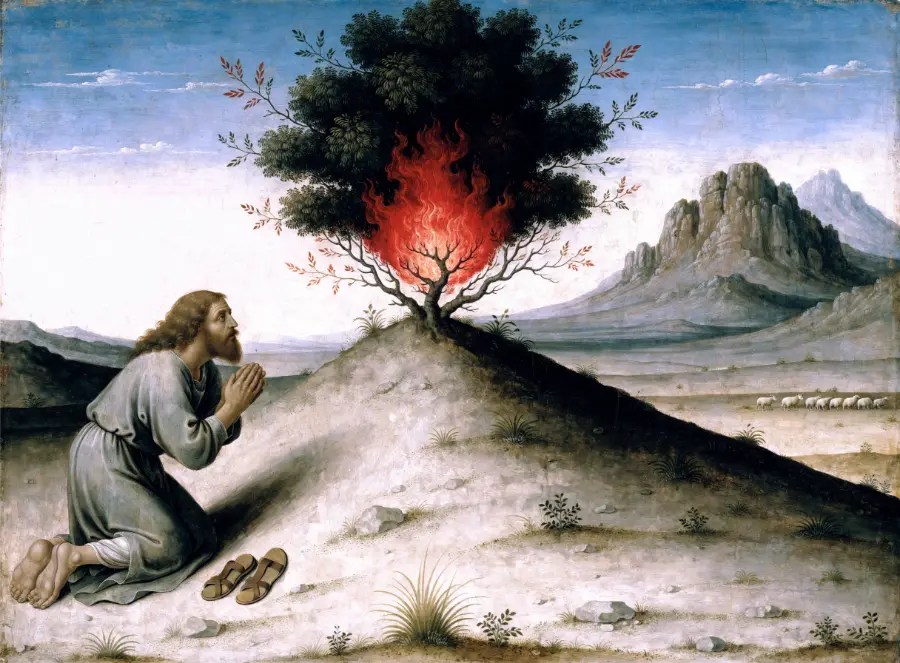
Proverbs 23:4-5
“Do not wear yourself out to get rich; do not trust your own cleverness. Cast but a glance at riches, and they are gone, for they will surely sprout wings and fly off to the sky like an eagle.”
Reflection: The first line warns against wearing oneself out to get rich and against trusting one’s own cleverness. The second gives the reason in a picture: riches can be gone at a glance, flying off “like an eagle.”
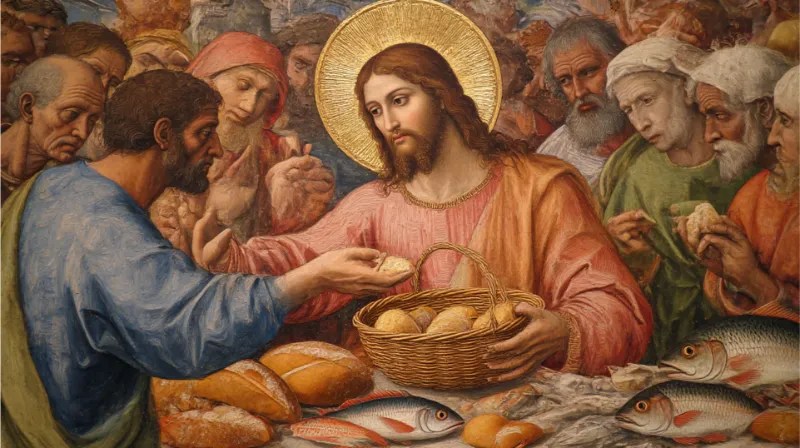
Hebrews 13:5
“Keep your lives free from the love of money and be content with what you have, because God has said, ‘Never will I leave you; never will I forsake you.’”
Reflection: Among the closing instructions of Hebrews, freedom from the love of money is paired with contentment, and the ground given is God’s promise, “Never will I leave you; never will I forsake you.” Verse 6 draws the conclusion: “The Lord is my helper; I will not be afraid.”
Enough, and contentment
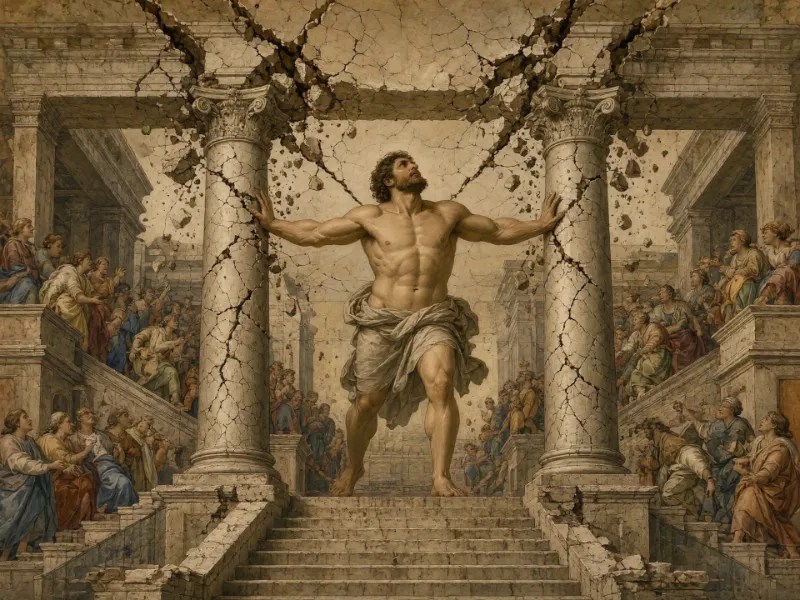
Proverbs 30:8-9
“Keep falsehood and lies far from me; give me neither poverty nor riches, but give me only my daily bread. Otherwise, I may have too much and disown you and say, ‘Who is the Lord?’ Or I may become poor and steal, and so dishonor the name of my God.”
Reflection: Agur son of Jakeh asks God for two things before he dies: that lies be kept far from him, and that he be given “neither poverty nor riches” but only his daily bread. He gives a reason for each side of the request. Too much might lead him to disown God and ask, “Who is the Lord?”, and too little might lead him to steal and dishonor God’s name.
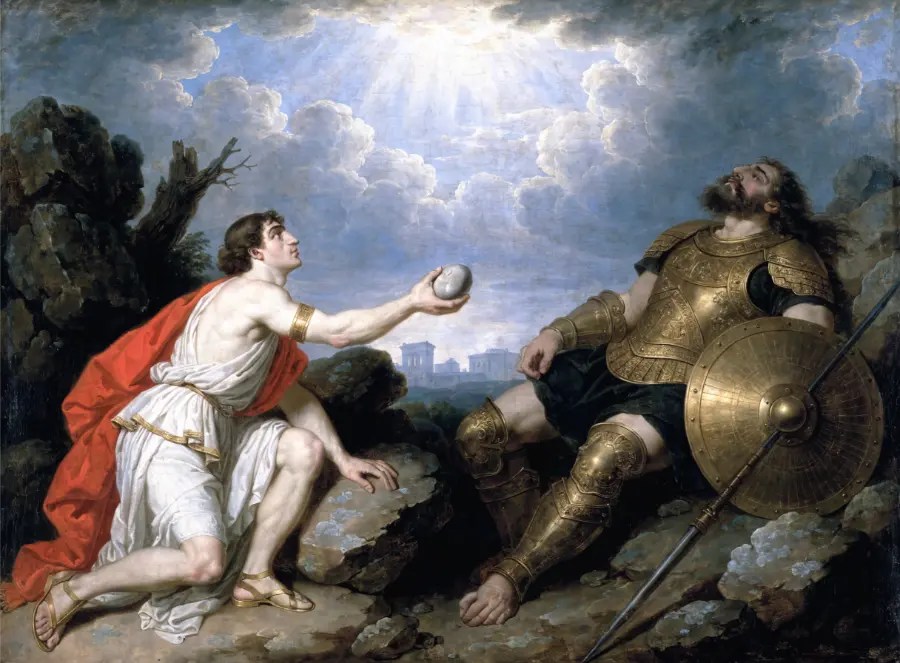
Philippians 4:19
“And my God will meet all your needs according to the riches of his glory in Christ Jesus.”
Reflection: Paul writes this to the church at Philippi after receiving the gifts they sent through Epaphroditus (verse 18). A few lines earlier he says he has learned to be content “whether living in plenty or in want” (verse 12). The promise that God will meet “all your needs” is made to a church that had just given to meet his; more verses on this theme are gathered under God’s provision.
Honest gain, debt and inheritance
Proverbs 13:11
“Dishonest money dwindles away, but whoever gathers money little by little makes it grow.”
Reflection: In the NIV the first line is about dishonest money, which dwindles away; the ESV renders the same line “Wealth gained hastily will dwindle.” Both translations agree on the second line: money gathered little by little grows.

Proverbs 16:8
“Better a little with righteousness than much gain with injustice.”
Reflection: The proverb uses the “better” form to rank a small income gained with righteousness above a large one gained with injustice. Proverbs 15:16 uses the same form for the fear of the Lord: “Better a little with the fear of the Lord than great wealth with turmoil.”
Proverbs 22:7
“The rich rule over the poor, and the borrower is slave to the lender.”
Reflection: The two lines set the rich over the poor and the borrower under the lender, calling the borrower a slave. Later in the same chapter, among the sayings of the wise, a warning against putting up security for debts reads: “if you lack the means to pay, your very bed will be snatched from under you” (Proverbs 22:26-27).

Proverbs 13:22
“A good person leaves an inheritance for their children’s children, but a sinner’s wealth is stored up for the righteous.”
Reflection: A good person’s wealth reaches “their children’s children,” while a sinner’s wealth is “stored up for the righteous.” Ecclesiastes 2:26 says something similar: God gives the sinner “the task of gathering and storing up wealth to hand it over to the one who pleases God.”
Luke 16:11
“So if you have not been trustworthy in handling worldly wealth, who will trust you with true riches?”
Reflection: The verse follows the parable of a manager who, about to lose his job, reduces the debts owed to his master so that people will welcome him later; the master commends him for acting shrewdly (verses 1-8). Jesus then speaks of faithfulness: “Whoever can be trusted with very little can also be trusted with much” (verse 10). The handling of worldly wealth becomes the test of who can be trusted with “true riches.”
Giving from wealth

Proverbs 3:9-10
“Honor the Lord with your wealth, with the firstfruits of all your crops; then your barns will be filled to overflowing, and your vats will brim over with new wine.”
Reflection: A father’s instruction to his son (verse 1) includes honoring the Lord with wealth and with “the firstfruits of all your crops,” the first of the harvest. The promise attached is agricultural: barns filled and vats brimming with new wine.

Malachi 3:10
“Bring the whole tithe into the storehouse, that there may be food in my house. Test me in this,’ says the Lord Almighty, ‘and see if I will not throw open the floodgates of heaven and pour out so much blessing that there will not be room enough to store it.’”
Reflection: The Lord accuses the people of robbing him “in tithes and offerings” and says the whole nation is under a curse (verses 8-9). The command to bring the whole tithe into the storehouse comes with an invitation to “test me in this,” and verses 11-12 describe the blessing as crops kept from pests and vines that hold their fruit until it is ripe.
2 Corinthians 9:6-7
“Remember this: Whoever sows sparingly will also reap sparingly, and whoever sows generously will also reap generously. Each of you should give what you have decided in your heart to give, not reluctantly or under compulsion, for God loves a cheerful giver.”
Reflection: Paul is writing about “the generous gift you had promised,” a collection the Corinthians had pledged for “the Lord’s people” (verses 1, 5). He compares giving to sowing and leaves the amount to each giver’s own decision. Verses 8-11 add that God is able to supply the giver “so that you can be generous on every occasion.”

Luke 12:33-34
“Sell your possessions and give to the poor. Provide purses for yourselves that will not wear out, a treasure in heaven that will never fail, where no thief comes near and no moth destroys. For where your treasure is, there your heart will be also.”
Reflection: Jesus says this to his disciples after the parable of the rich fool and the teaching on worry, and directly after the words “your Father has been pleased to give you the kingdom” (verse 32). Selling possessions and giving to the poor is described as storing treasure where no thief or moth can reach it. Matthew 6:21 records the closing line, about treasure and the heart, in the Sermon on the Mount.
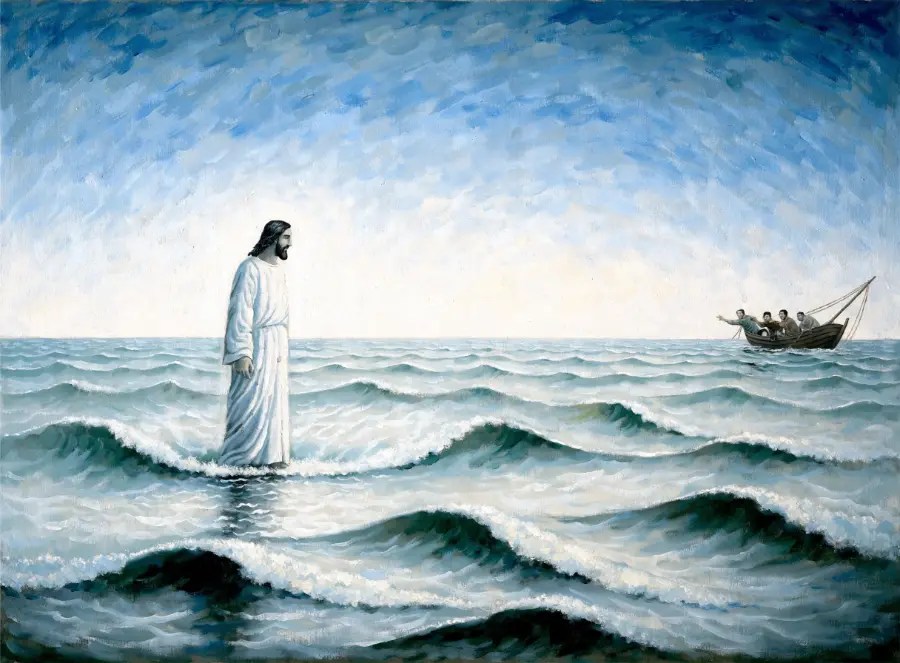
1 Timothy 6:17-19
“Command those who are rich in this present world not to be arrogant nor to put their hope in wealth, which is so uncertain, but to put their hope in God, who richly provides us with everything for our enjoyment. Command them to do good, to be rich in good deeds, and to be generous and willing to share. In this way they will lay up treasure for themselves as a firm foundation for the coming age, so that they may take hold of the life that is truly life.”
Reflection: Near the end of the letter that warns about the love of money, Paul gives Timothy a separate command for “those who are rich in this present world.” They are to avoid arrogance, hope in God “who richly provides us with everything for our enjoyment,” do good, and be “generous and willing to share.” Verse 19 calls this laying up “a firm foundation for the coming age.”
Warnings to the rich
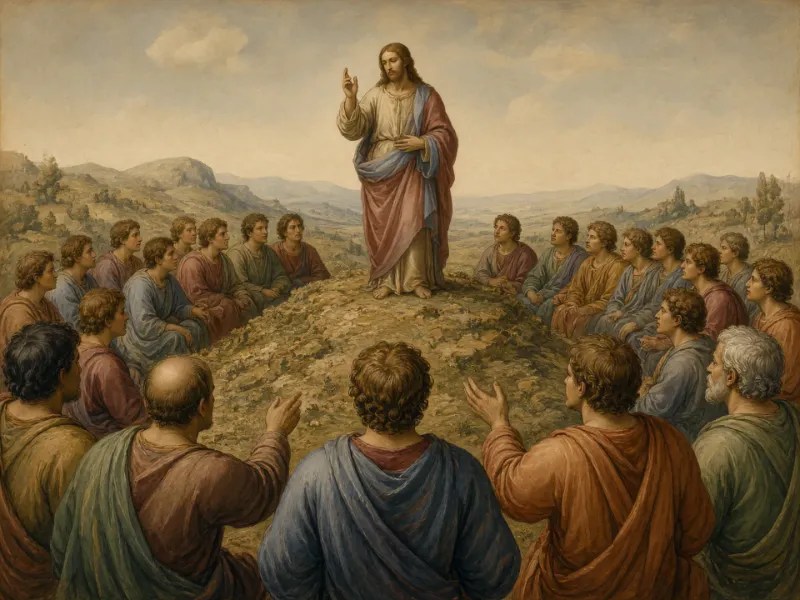
Matthew 19:24
“Again I tell you, it is easier for a camel to go through the eye of a needle than for someone who is rich to enter the kingdom of God.”
Reflection: Jesus says this after a young man who “had great wealth” goes away sad when told to sell his possessions, give to the poor and follow him (verses 21-22). The disciples are astonished and ask, “Who then can be saved?” Jesus answers, “With man this is impossible, but with God all things are possible” (verses 25-26).

James 5:1-3
“Now listen, you rich people, weep and wail because of the misery that is coming on you. Your wealth has rotted, and moths have eaten your clothes. Your gold and silver are corroded. Their corrosion will testify against you and eat your flesh like fire. You have hoarded wealth in the last days.”
Reflection: James addresses the rich directly and speaks of their wealth as already rotted and their gold and silver corroded. Verse 4 names the charge: “The wages you failed to pay the workers who mowed your fields are crying out against you.” Verse 5 adds a life of “luxury and self-indulgence”.


Leave a Reply