
 English
 Chinese
 Dutch
 Arabic
 Spanish
 Portuguese
 Russian
 French
 Italian
 German
 Japanese
The Bible has no zombies. It does tell of dead bodies brought back to life: a man thrown into Elisha’s tomb (2 Kings 13:21), Lazarus after four days (John 11) and holy people raised when Jesus died (Matthew 27:52-53).
Ezekiel 37 gives the vision of dry bones taking on tendons, flesh and breath. Beyond those accounts, the Old and New Testaments promise a resurrection of the dead at the end (Daniel 12:2, John 5:28-29), and Paul describes the raised body as imperishable (1 Corinthians 15:42-44). Zechariah 14:12 describes flesh rotting on people who are still standing, and Ephesians 2:1 calls people dead in their sins while they go on living.
When the dead came back to life
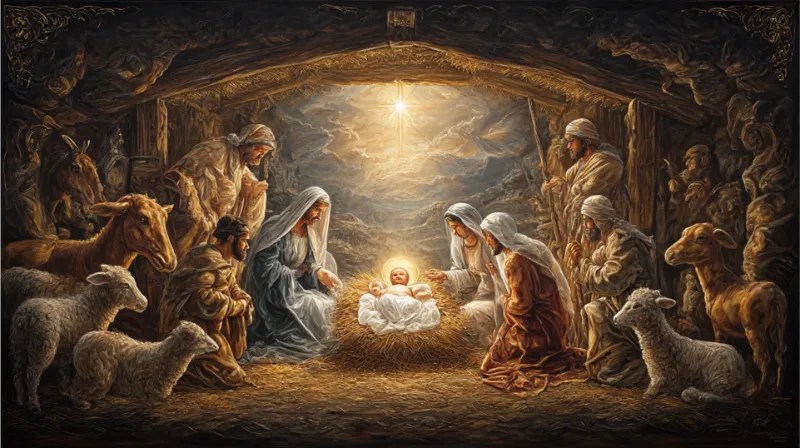
Matthew 27:52-53
“and the tombs broke open. The bodies of many holy people who had died were raised to life. They came out of the tombs after Jesus’ resurrection and went into the holy city and appeared to many people.”
Reflection: Matthew sets this beside the moment Jesus “gave up his spirit”: the temple curtain tore, the earth shook, the rocks split and the tombs opened. The text places the coming out of the tombs “after Jesus’ resurrection”, when these holy people went into Jerusalem and “appeared to many people.” The next verse records the centurion and the guards, terrified by the earthquake, saying, “Surely he was the Son of God!”
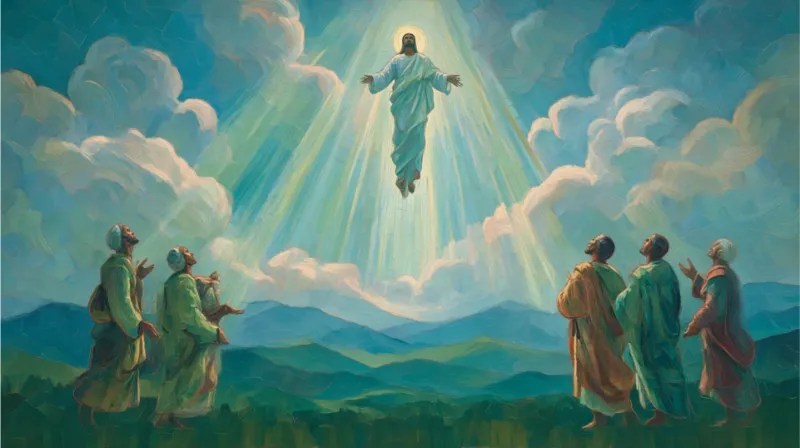
2 Kings 13:21
“Once while some Israelites were burying a man, suddenly they saw a band of raiders; so they threw the man’s body into Elisha’s tomb. When the body touched Elisha’s bones, the man came to life and stood up on his feet.”
Reflection: Elisha had died and been buried. Israelites burying another man saw Moabite raiders coming, threw the body into Elisha’s tomb, and when it touched the prophet’s bones “the man came to life and stood up on his feet.” The narrative records nothing more about him.
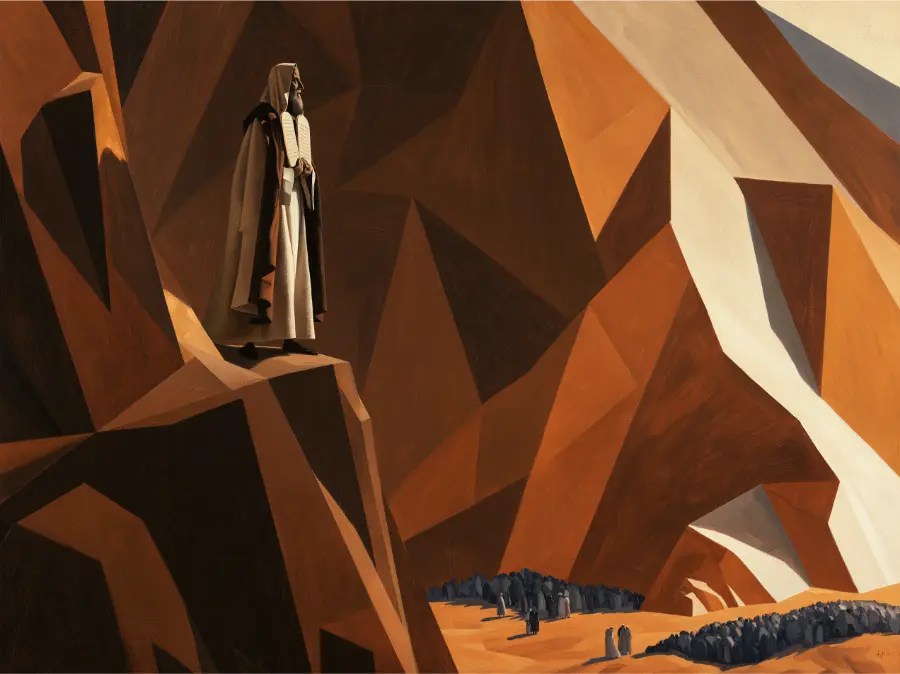
John 11:25-26
“Jesus said to her, ‘I am the resurrection and the life. The one who believes in me will live, even though they die; and whoever lives by believing in me will never die. Do you believe this?’”
Reflection: Jesus says this to Martha, whose brother Lazarus had been in the tomb four days. She had already said she believed he would “rise again in the resurrection at the last day”; Jesus answers that he himself is the resurrection. He then calls “Lazarus, come out!” and the dead man walks out still wrapped in linen strips, and Jesus tells the onlookers to “take off the grave clothes and let him go” (John 11:43-44).
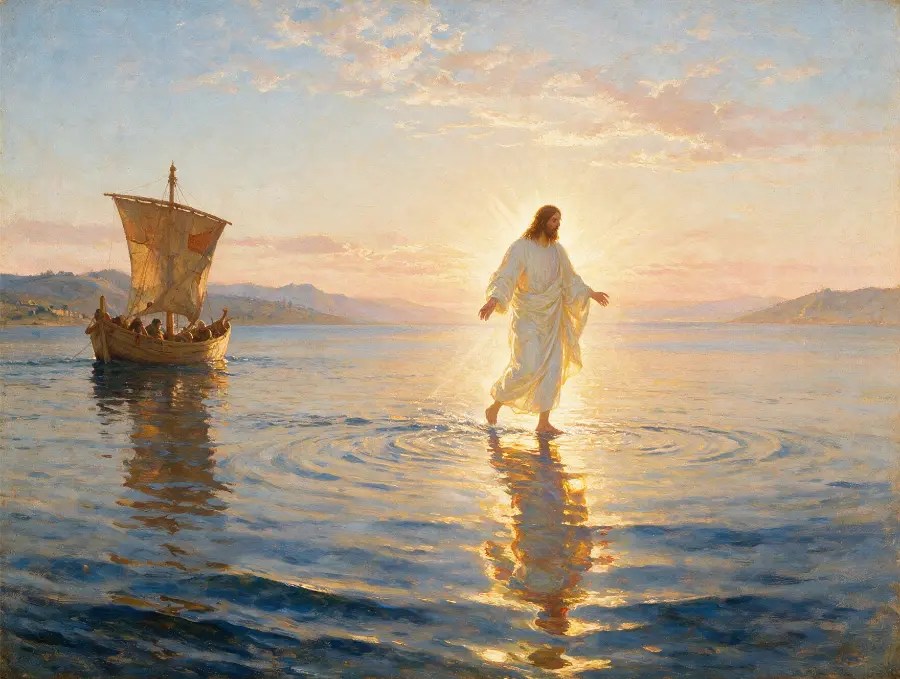
Ezekiel 37:5-6
“This is what the Sovereign Lord says to these bones: I will make breath enter you, and you will come to life. I will attach tendons to you and make flesh come upon you and cover you with skin; I will put breath in you, and you will come to life. Then you will know that I am the Lord.”
Reflection: The Lord, by his Spirit, sets Ezekiel in a valley of very dry bones and asks, “Can these bones live?” As he prophesies, the bones rattle together and take on tendons, flesh and skin, “but there was no breath in them” until he prophesies to the breath, and they stand up “a vast army.” God then explains the vision: “these bones are the people of Israel,” and the promise is to open their graves and bring them back to their land (Ezekiel 37:11-12).
Flesh that rots on the living
Zechariah 14:12
“This is the plague with which the Lord will strike all the nations that fought against Jerusalem: Their flesh will rot while they are still standing on their feet, their eyes will rot in their sockets, and their tongues will rot in their mouths.”
Reflection: The people in this verse are alive, struck by a plague while they stand. Zechariah 14 describes a day of the Lord when all the nations gather to fight against Jerusalem and the Lord fights against them; the plague falls on those nations. The following verse adds that they will be struck with “great panic” and “attack one another.”
The resurrection of the dead

Daniel 12:2
“Multitudes who sleep in the dust of the earth will awake: some to everlasting life, others to shame and everlasting contempt.”
Reflection: The angel speaking to Daniel places this “at that time,” when Michael arises and a time of distress comes, and everyone “whose name is found written in the book” is delivered. Those who sleep in the dust wake to two different ends, everlasting life or everlasting contempt. Verse 3 adds that the wise “will shine like the brightness of the heavens.”
Isaiah 26:19
“But your dead will live, Lord; their bodies will rise—let those who dwell in the dust wake up and shout for joy—your dew is like the dew of the morning; the earth will give birth to her dead.”
Reflection: Earlier in the same song Isaiah says of another group of the dead, “They are now dead, they live no more; their spirits do not rise” (Isaiah 26:14). This verse answers with the opposite promise for God’s own people: their bodies will rise, and the earth “will give birth to her dead.”
John 5:28-29
“Do not be amazed at this, for a time is coming when all who are in their graves will hear his voice and come out—those who have done what is good will rise to live, and those who have done what is evil will rise to be condemned.”
Reflection: Jesus speaks of the dead hearing his voice in two ways. In John 5:25 the dead hear his voice now and live, which follows his words about crossing “from death to life” by believing. Here the dead are in their graves, all of them will hear and come out, and they rise either to live or to be condemned.
Revelation 20:12-13
“And I saw the dead, great and small, standing before the throne, and books were opened. Another book was opened, which is the book of life. The dead were judged according to what they had done as recorded in the books. The sea gave up the dead that were in it, and death and Hades gave up the dead that were in them, and each person was judged according to what they had done.”
Reflection: John sees the dead standing before a great white throne. The sea, death and Hades give up the dead in them, and each is judged by what they had done as recorded in the books. The next verses say death and Hades are thrown into the lake of fire, “the second death,” along with anyone not written in the book of life.
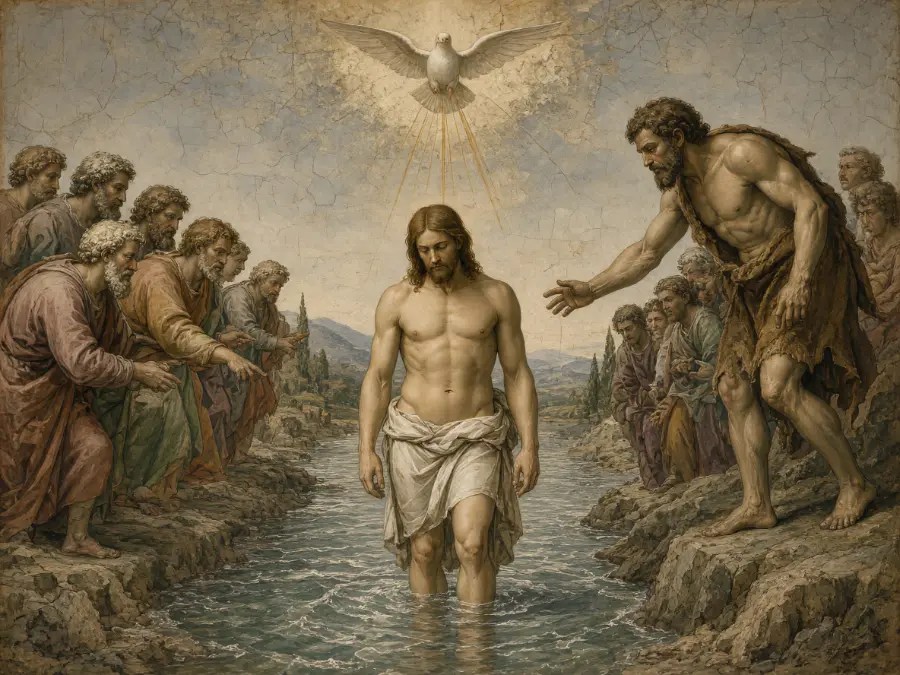
1 Thessalonians 4:16-17
“For the Lord himself will come down from heaven, with a loud command, with the voice of the archangel and with the trumpet call of God, and the dead in Christ will rise first. After that, we who are still alive and are left will be caught up together with them in the clouds to meet the Lord in the air. And so we will be with the Lord forever.”
Reflection: Paul writes to believers grieving “those who sleep in death,” so that they do not grieve “like the rest of mankind, who have no hope.” The dead in Christ rise first, then the living are caught up with them. Verse 18 tells the church to “encourage one another with these words.”
What the raised body is like
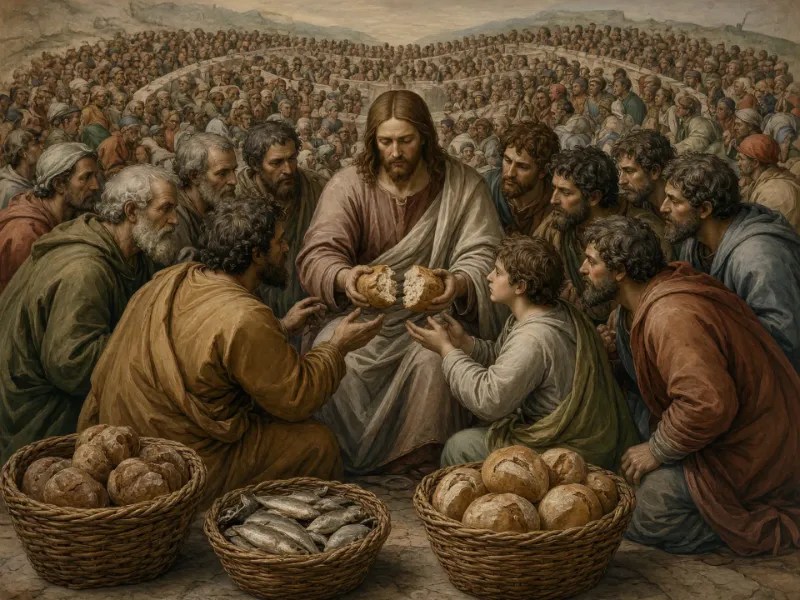
1 Corinthians 15:42-44
“So will it be with the resurrection of the dead. The body that is sown is perishable, it is raised imperishable; it is sown in dishonor, it is raised in glory; it is sown in weakness, it is raised in power; it is sown a natural body, it is raised a spiritual body.”
Reflection: Paul is answering the question “How are the dead raised? With what kind of body will they come?” (1 Corinthians 15:35). He compares the body to a seed that is sown and comes up as a different plant: perishable, dishonoured, weak and natural when it is buried, imperishable, glorious, powerful and spiritual when it is raised.
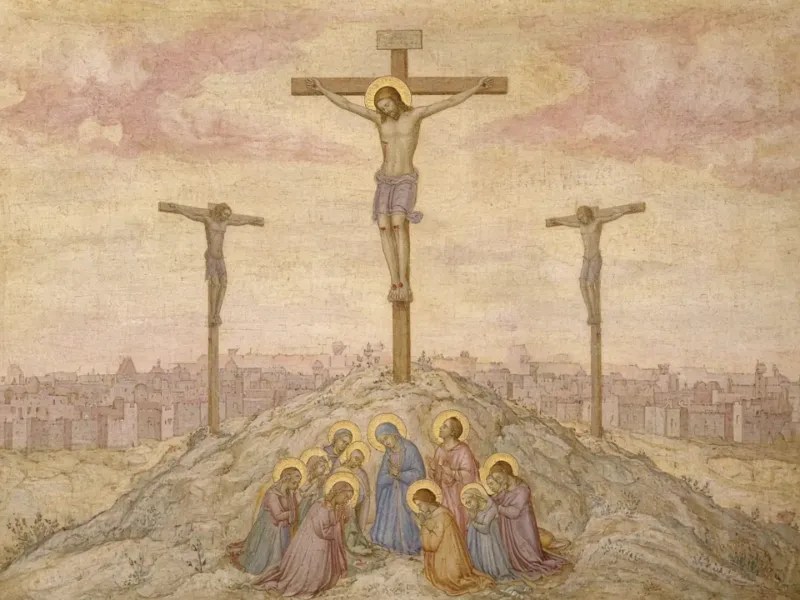
1 Corinthians 15:52
“In a flash, in the twinkling of an eye, at the last trumpet. For the trumpet will sound, the dead will be raised imperishable, and we will be changed.”
Reflection: A few verses later Paul says “flesh and blood cannot inherit the kingdom of God” and calls what follows a mystery: not everyone will die, but everyone will be changed. At the last trumpet the dead are raised imperishable in an instant, and the perishable is clothed with the imperishable.
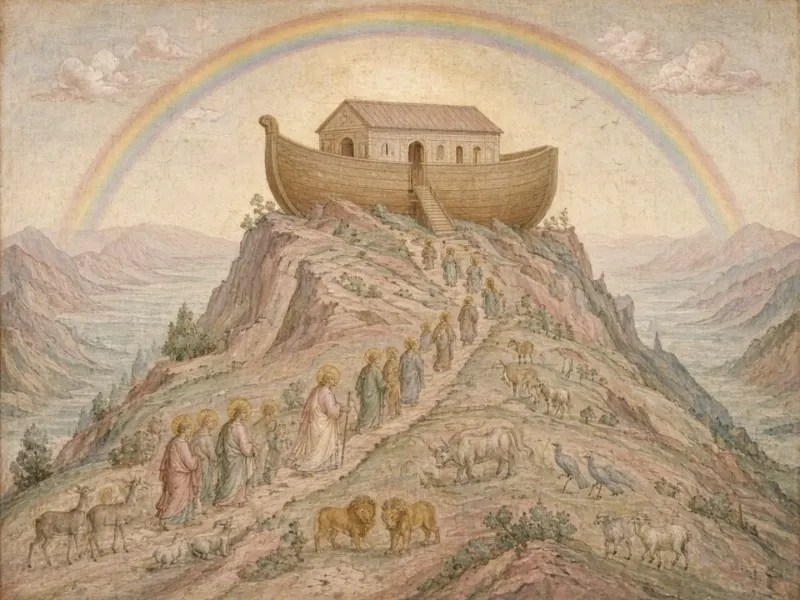
Philippians 3:21
“Who, by the power that enables him to bring everything under his control, will transform our lowly bodies so that they will be like his glorious body.”
Reflection: The verse before says believers’ citizenship is in heaven and that they wait for a Saviour from there. Paul calls the present body “lowly” and says Christ will make it like “his glorious body,” by the same power that brings everything under his control.
Romans 8:11
“And if the Spirit of him who raised Jesus from the dead is living in you, he who raised Christ from the dead will also give life to your mortal bodies because of his Spirit who lives in you.”
Reflection: Paul ties the future of the body to the Spirit already living in believers. The God who raised Jesus will “give life to your mortal bodies” through that Spirit.
Dead while still living
Ephesians 2:1
“As for you, you were dead in your transgressions and sins.”
Reflection: Paul goes on, “in which you used to live”: the readers were dead and still living, following the ways of the world and “the ruler of the kingdom of the air” (Ephesians 2:2). Verses 4-5 say that God, “rich in mercy, made us alive with Christ even when we were dead in transgressions.”
Romans 6:4
“We were therefore buried with him through baptism into death in order that, just as Christ was raised from the dead through the glory of the Father, we too may live a new life.”
Reflection: Paul describes baptism as a burial with Christ into his death, so that the baptised may live a new life as Christ was raised. The next verse looks ahead: “we will certainly also be united with him in a resurrection like his.”


Leave a Reply