
 English
 Chinese
 Dutch
 Arabic
 Spanish
 Portuguese
 Russian
 French
 Italian
 German
 Japanese
In the Bible, God sends people away from home to places they have not seen. Abram is sent “to the land I will show you” (Genesis 12:1), and the apostles “to the ends of the earth” (Acts 1:8).
Between them come Isaiah’s “Send me!” (Isaiah 6:8) and the fishermen who left their nets (Matthew 4:19). Alongside the calls run promises of God’s company: to Jacob, sleeping on a stone on his way to Harran (Genesis 28:15), and to Joshua before the crossing of the Jordan (Joshua 1:9). In Psalm 139:9-10 the psalmist tells God that even “on the far side of the sea” his hand will guide him.
Called to leave and follow

Genesis 12:1
“The Lord had said to Abram, ‘Go from your country, your people and your father’s household to the land I will show you.’”
Reflection: God names what Abram must leave, his country, his people and his father’s household, but gives the destination only as “the land I will show you.” Verse 4 records the answer: “So Abram went, as the Lord had told him.” He was seventy-five when he set out from Harran with Sarai and Lot for the land of Canaan (12:4-5).
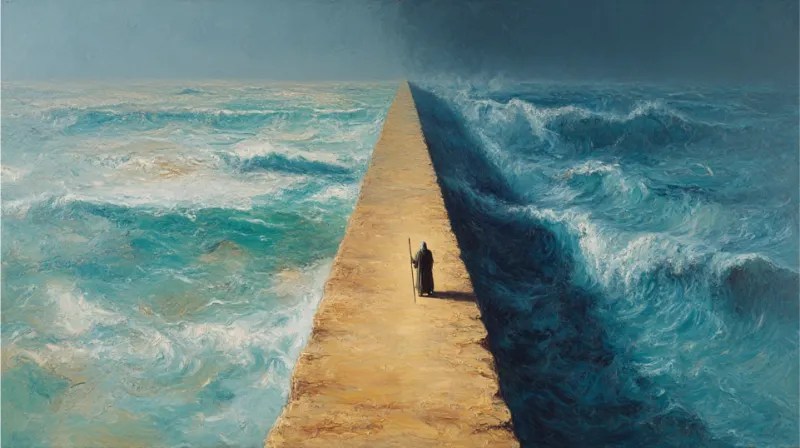
Hebrews 11:8
“By faith Abraham, when called to go to a place he would later receive as his inheritance, obeyed and went, even though he did not know where he was going.”
Reflection: The letter to the Hebrews retells Genesis 12 and draws out what Genesis 12:1 implies: Abraham “did not know where he was going.” The next verse says he lived in tents in the promised land “like a stranger in a foreign country,” and verse 16 says he and his heirs were “longing for a better country—a heavenly one.”
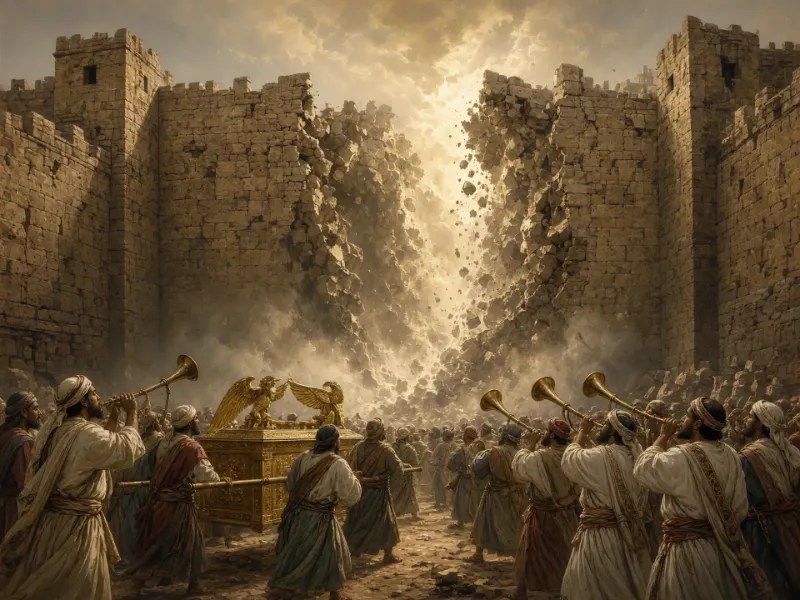
Isaiah 6:8
“Then I heard the voice of the Lord saying, ‘Whom shall I send? And who will go for us?’ And I said, ‘Here am I. Send me!’”
Reflection: Isaiah dates the vision “in the year that King Uzziah died” (6:1). He volunteers after a seraph touches his lips with a coal from the altar and declares his sin atoned for, and before he hears the errand. The errand that follows is hard: to speak to a people who will not understand, “until the cities lie ruined” (6:11).
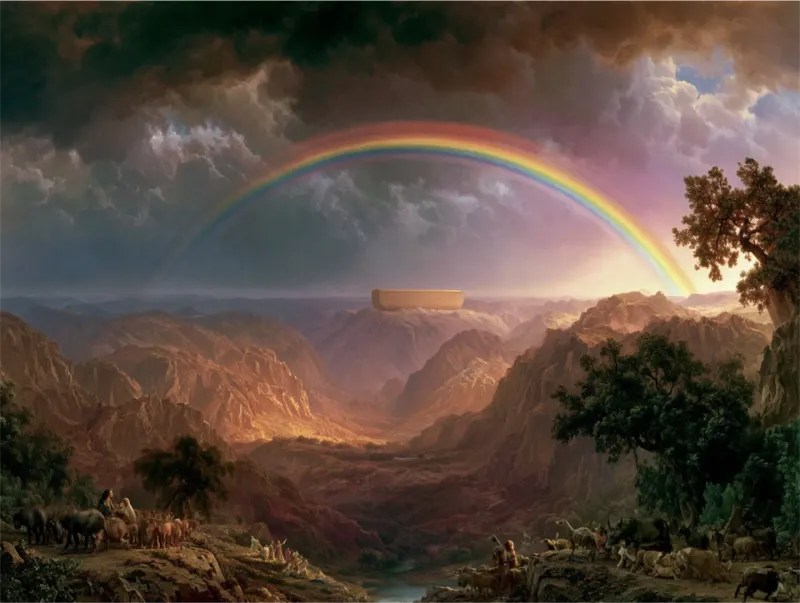
Matthew 4:19
“‘Come, follow me,’ Jesus said, ‘and I will send you out to fish for people.’”
Reflection: Jesus calls Simon Peter and Andrew while they are casting a net into the Sea of Galilee, and the call borrows their trade: they will fish for people. Verse 20 says “at once they left their nets,” and verse 22 says James and John left “the boat and their father” to follow him.
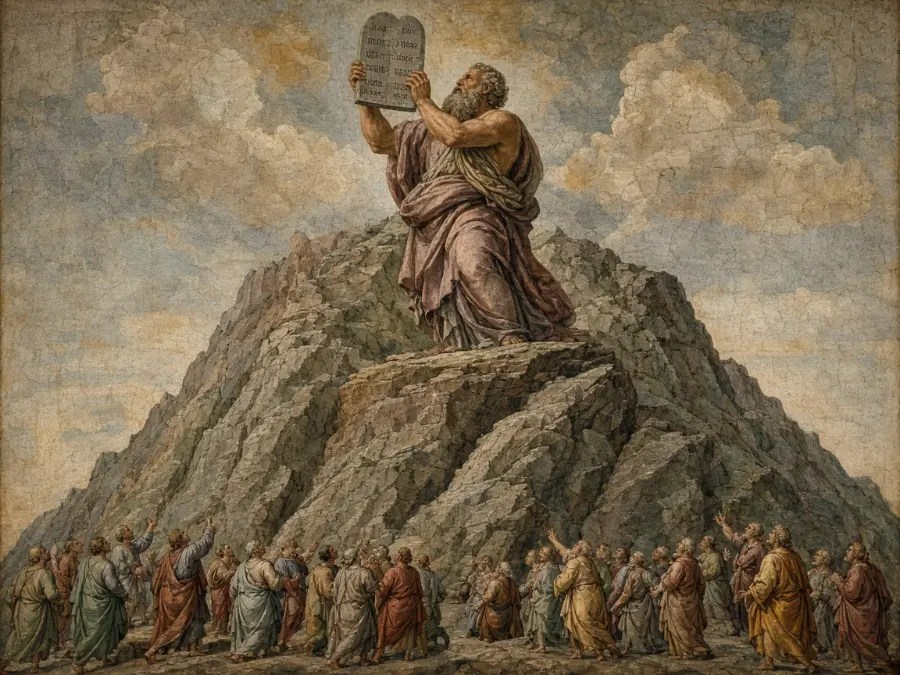
Luke 9:57-58
“As they were walking along the road, a man said to him, ‘I will follow you wherever you go.’ Jesus replied, ‘Foxes have dens and birds have nests, but the Son of Man has no place to lay his head.’”
Reflection: The exchange happens on the road, after Jesus “resolutely set out for Jerusalem” (9:51) and a Samaritan village refused to receive him. A man offers to follow “wherever you go,” and Jesus answers by describing that road: foxes and birds have somewhere to sleep, and he has nowhere. Two more would-be followers in verses 59-62 ask to go home first.
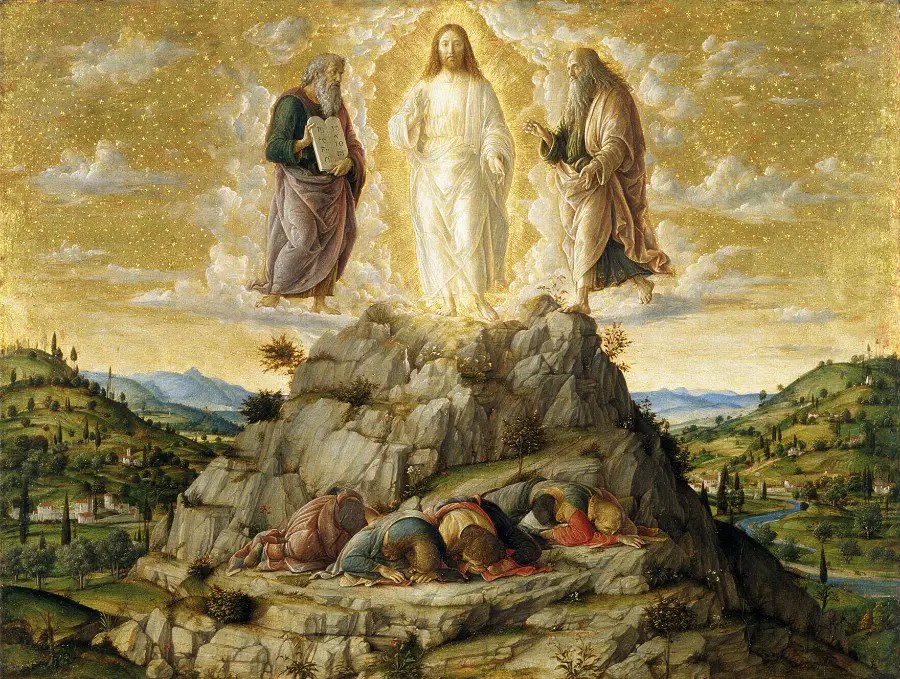
Matthew 14:29
“‘Come,’ he said. Then Peter got down out of the boat, walked on the water and came toward Jesus.”
Reflection: Jesus had sent the disciples across the lake ahead of him (14:22), and the boat was “buffeted by the waves because the wind was against it” (14:24). Peter asks to be told to come, and Jesus says, “Come.” Peter walks on the water until “he saw the wind” and begins to sink (14:30); Jesus catches him and asks, “why did you doubt?”
Sent to the ends of the earth

Matthew 28:19
“‘Therefore go and make disciples of all nations, baptizing them in the name of the Father and of the Son and of the Holy Spirit.’”
Reflection: The risen Jesus speaks to the eleven on a mountain in Galilee, where they worshipped him, “but some doubted” (28:17). The command to go to “all nations” rests on the authority he claims in verse 18, and verse 20 sends a promise with it: “surely I am with you always, to the very end of the age.”
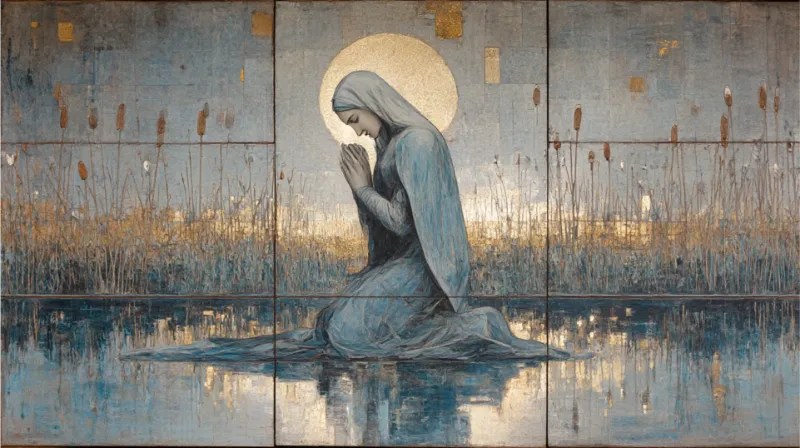
Acts 1:8
“‘But you will receive power when the Holy Spirit comes on you; and you will be my witnesses in Jerusalem, and in all Judea and Samaria, and to the ends of the earth.’”
Reflection: The disciples had asked whether Jesus would now restore the kingdom to Israel (1:6). He answers that the times are not for them to know (1:7), and names the places where they will be his witnesses: Jerusalem, Judea and Samaria, the ends of the earth. Verse 4 had told them not to leave Jerusalem until the gift the Father promised had come. Acts follows the same order of places: in 8:1 persecution scatters the church “throughout Judea and Samaria.”
Promises of company on the journey

Genesis 28:15
“I am with you and will watch over you wherever you go, and I will bring you back to this land. I will not leave you until I have done what I have promised you.”
Reflection: Jacob is travelling alone from Beersheba to Harran, sent away from his brother Esau’s anger after taking Esau’s blessing (Genesis 27:41-43), and he sleeps with a stone under his head. He dreams of a stairway reaching to heaven (28:12), and above it the Lord promises to be with him “wherever you go” and to bring him back. When he wakes, Jacob vows that if God watches over him “on this journey I am taking” and brings him home safely, the Lord will be his God (28:20-21).
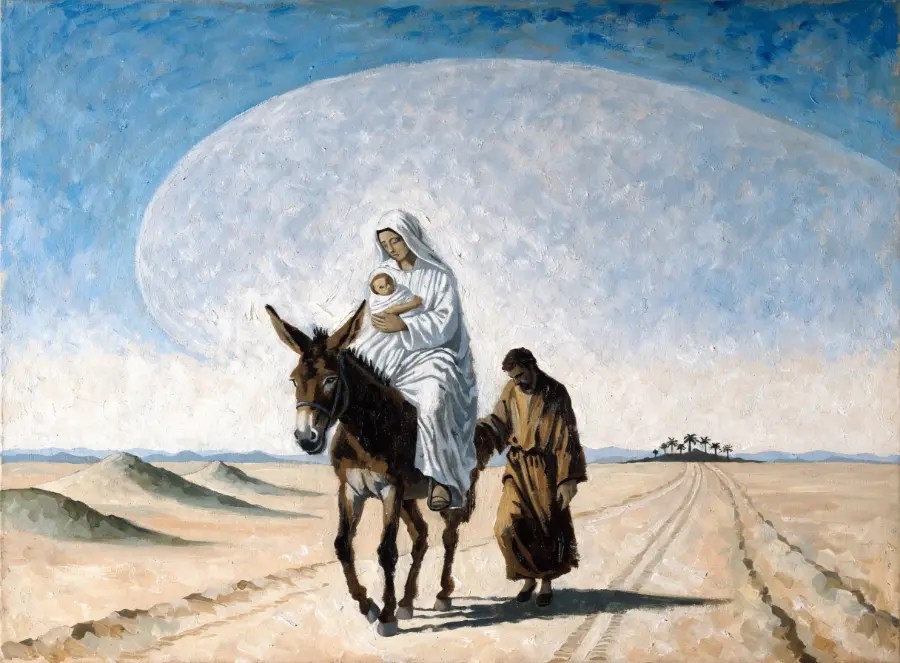
Deuteronomy 31:8
“‘The Lord himself goes before you and will be with you; he will never leave you nor forsake you. Do not be afraid; do not be discouraged.’”
Reflection: Moses, a hundred and twenty years old and barred from crossing the Jordan (31:2), hands the leadership to Joshua in the presence of all Israel. He had just told the people that the Lord would go with them (31:6); here he says it to Joshua by name, adding that the Lord “goes before you.”

Joshua 1:9
“‘Have I not commanded you? Be strong and courageous. Do not be afraid; do not be discouraged, for the Lord your God will be with you wherever you go.’”
Reflection: After Moses dies, the Lord tells Joshua to “get ready to cross the Jordan River” (1:2) and repeats the promise Moses had passed on: “I will never leave you nor forsake you” (1:5). The charge to be strong and courageous comes in verses 6, 7 and 9, and in verse 9 it rests on a promise: God “will be with you wherever you go.”
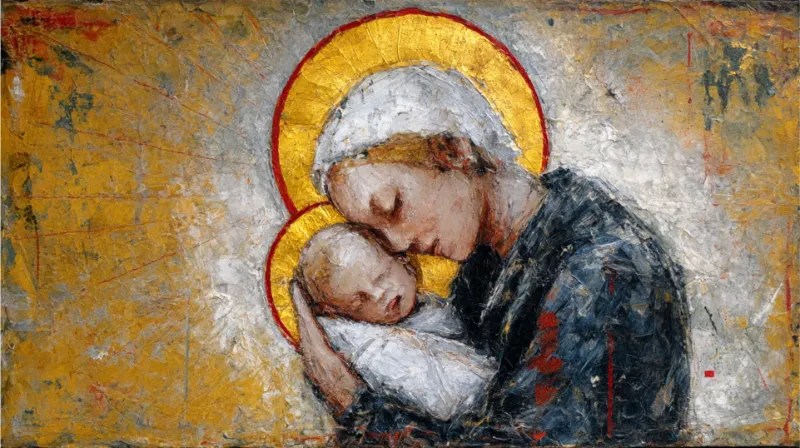
Isaiah 43:19
“‘See, I am doing a new thing! Now it springs up; do you not perceive it? I am making a way in the wilderness and streams in the wasteland.’”
Reflection: The Lord speaks to Israel, and the chapter names Babylon (43:14). Verses 16-17 recall the “path through the mighty waters” and the chariots and horses that lay there, “never to rise again.” Verse 18 tells the people to forget “the former things,” and verse 19 promises a new road, this time through the wilderness, with streams in the wasteland.
Spoken to God in the dark and at a distance
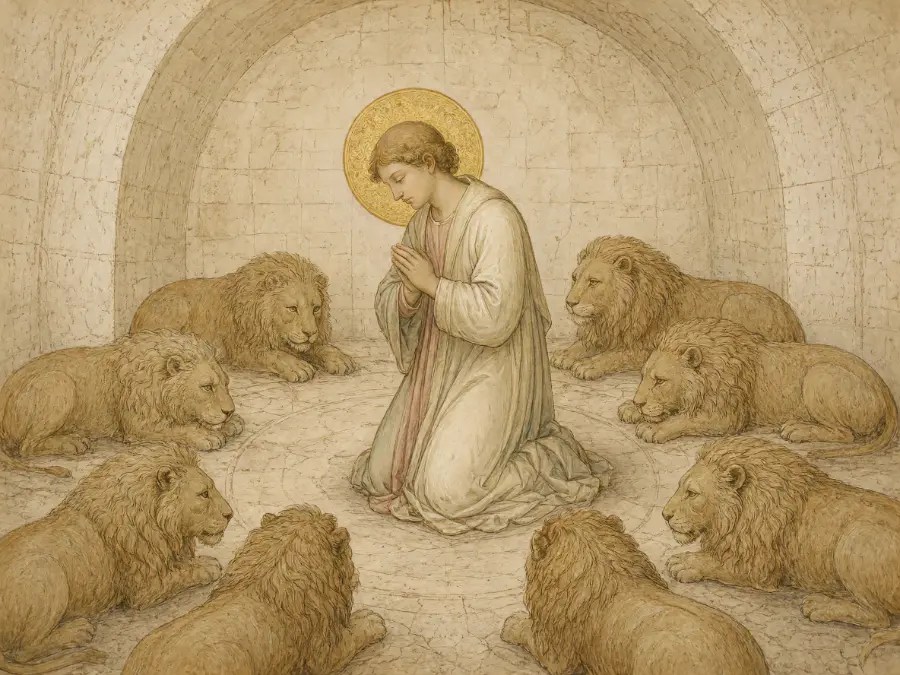
Psalm 23:4
“Even though I walk through the darkest valley, I will fear no evil, for you are with me; your rod and your staff, they comfort me.”
Reflection: The psalm, headed “A psalm of David,” pictures the Lord as a shepherd leading a sheep to pasture, beside quiet waters and “along the right paths” (23:3). In verse 4 the speaker walks through the darkest valley, and the shepherd’s rod and staff comfort him there. At this verse the psalmist stops speaking about God as “he” and speaks to him as “you.”

Psalm 139:9-10
“If I rise on the wings of the dawn, if I settle on the far side of the sea, even there your hand will guide me, your right hand will hold me fast.”
Reflection: The psalm asks, “Where can I flee from your presence?” (139:7), and answers by naming the furthest places a person could reach: the heavens, the depths, the wings of the dawn, the far side of the sea. Even at that distance God’s hand “will guide me” and “hold me fast.”
Setting out without knowing the ending
Hebrews 11:13 carries Abraham’s journey past the end of his life: he and his heirs died without receiving what was promised, “admitting that they were foreigners and strangers on earth.” Hebrews 11:16 says they were looking for “a better country—a heavenly one,” and that God “has prepared a city for them.”
Psalm 23:4 and Psalm 139:9-10 are addressed to God and can be prayed as written. Deuteronomy 31:8, Joshua 1:9 and Matthew 28:20 are promises spoken to people about to set out, and Genesis 28:15 to Jacob already on the road. Each promises company on the way: “I am with you,” “will be with you,” “I am with you always.”


Leave a Reply