
 English
 Chinese
 Dutch
 Arabic
 Spanish
 Portuguese
 Russian
 French
 Italian
 German
 Japanese
The Bible says the outcome of a battle belongs to God. David tells Goliath “the battle is the LORD’s” (1 Samuel 17:47), and a Levite tells King Jehoshaphat “the battle is not yours, but God’s” (2 Chronicles 20:15).
Several of the Old Testament passages were spoken on the eve of real fighting: at the Red Sea as Pharaoh’s army approached (Exodus 14:14), to Israel before the crossing of the Jordan (Deuteronomy 31:6), and to Goliath (1 Samuel 17:47). In the New Testament, Paul uses the same language for a struggle “not against flesh and blood” (Ephesians 6:12), and near the end of his life he writes that he has “fought the good fight” (2 Timothy 4:7).
When God fights for Israel
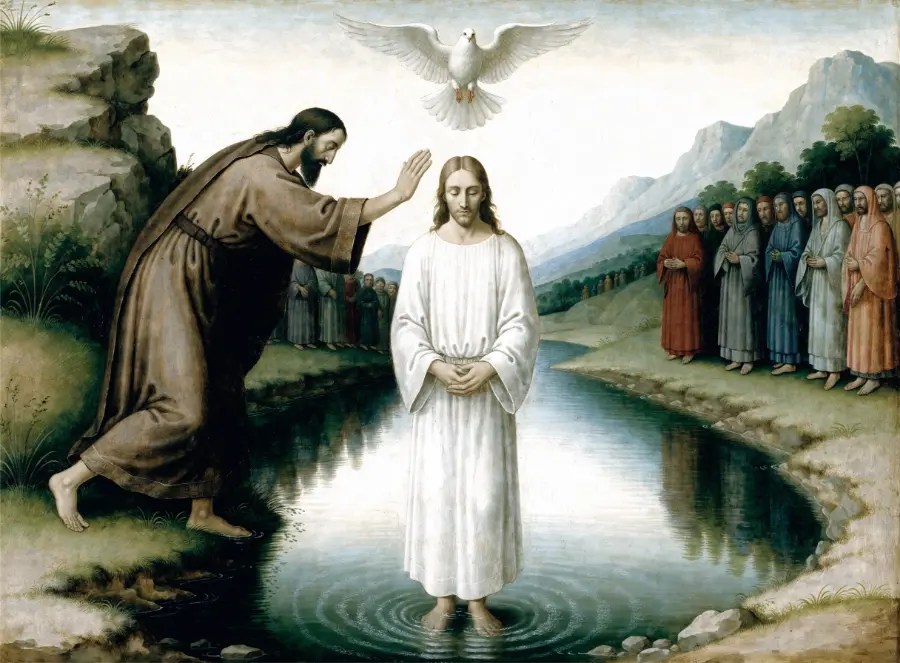
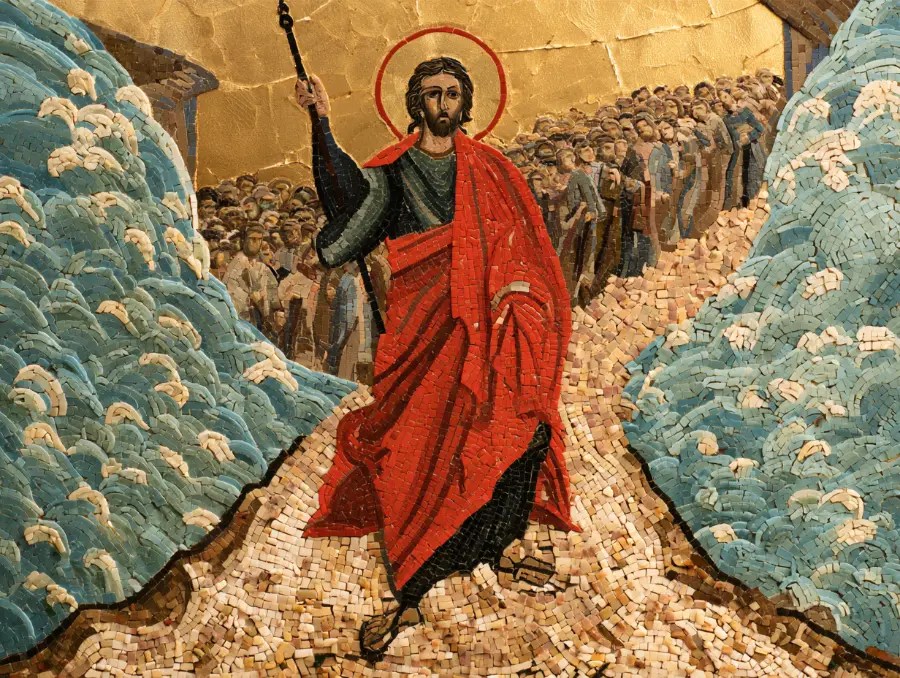
Exodus 14:14
“The LORD will fight for you; you need only to be still.”
Reflection: Moses says this at the edge of the sea, as Pharaoh’s army closes in and the Israelites complain that they would rather have stayed as slaves in Egypt. The verse before it tells them to “stand firm” and watch the deliverance the LORD will bring. The next verse adds an order from God to Moses, “Tell the Israelites to move on,” and the sea later closes over “the entire army of Pharaoh” (Exodus 14:28).
Deuteronomy 20:4
“For the LORD your God is the one who goes with you to fight for you against your enemies to give you victory.”
Reflection: These are the words a priest was to speak to Israel’s army just before a battle, under the laws of war in Deuteronomy 20. Verse 1 gives the setting: an enemy with “horses and chariots and an army greater than yours.” After the priest speaks, the officers send home any man who has built a new house, planted a vineyard or become engaged, and anyone who is afraid, “so that his fellow soldiers will not become disheartened too” (Deuteronomy 20:8).

Deuteronomy 31:6
“Be strong and courageous. Do not be afraid or terrified because of them, for the LORD your God goes with you; he will never leave you nor forsake you.”
Reflection: Moses, now a hundred and twenty years old and told he will not cross the Jordan, speaks to all Israel before they cross to take the land. The “them” of the verse are the nations the LORD will destroy ahead of Israel, as he did the Amorite kings Sihon and Og. Moses repeats the charge to Joshua in front of everyone (31:7-8), and God gives it to Joshua again in Joshua 1:9: “Be strong and courageous. Do not be afraid.”
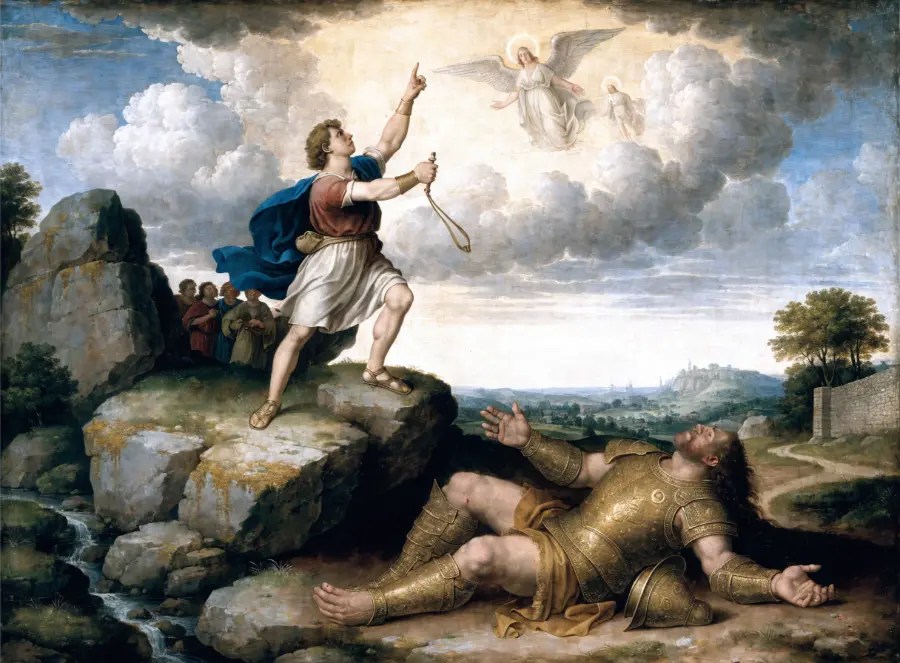
1 Samuel 17:47
“All those gathered here will know that it is not by sword or spear that the LORD saves; for the battle is the LORD’s, and he will give all of you into our hands.”
Reflection: David says this to Goliath, who has come out against him with sword, spear and javelin. He says the watching armies will learn that the LORD does not save “by sword or spear,” and gives the reason: the battle is the LORD’s. The narrator then records that David won with a sling and a stone, “without a sword in his hand” (1 Samuel 17:50).
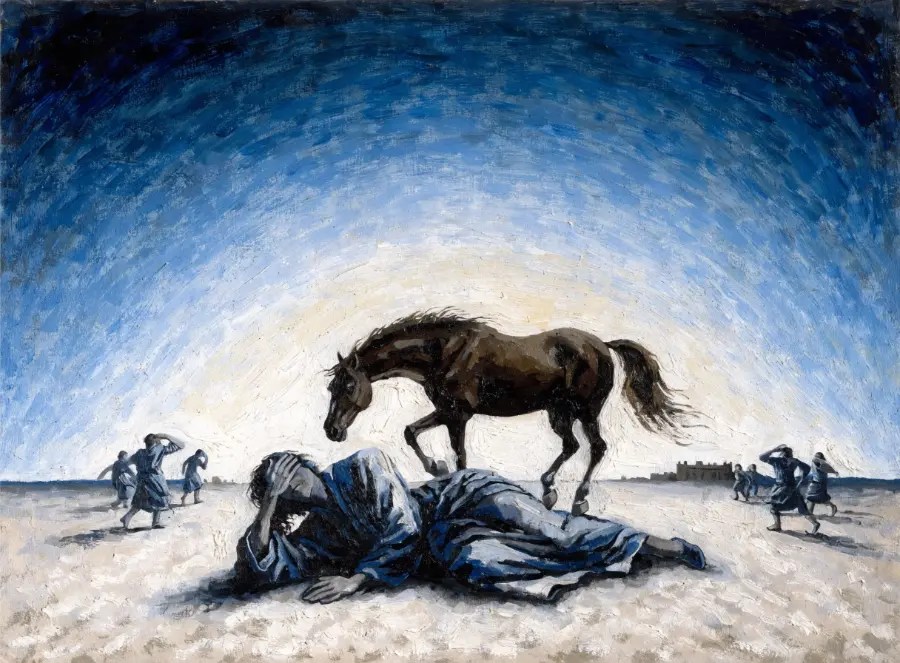
2 Chronicles 20:15
“Do not be afraid or discouraged because of this vast army. For the battle is not yours, but God’s.”
Reflection: Moabites, Ammonites and Meunites had come to wage war on Judah, and King Jehoshaphat proclaimed a fast and prayed, “We do not know what to do, but our eyes are on you” (20:12). The answer comes through Jahaziel, a Levite, who tells the people they “will not have to fight this battle” and yet must march out and take up their positions. As the singers at the head of the army began to praise, the LORD set ambushes against the invaders (20:22).
The soldier’s part and God’s
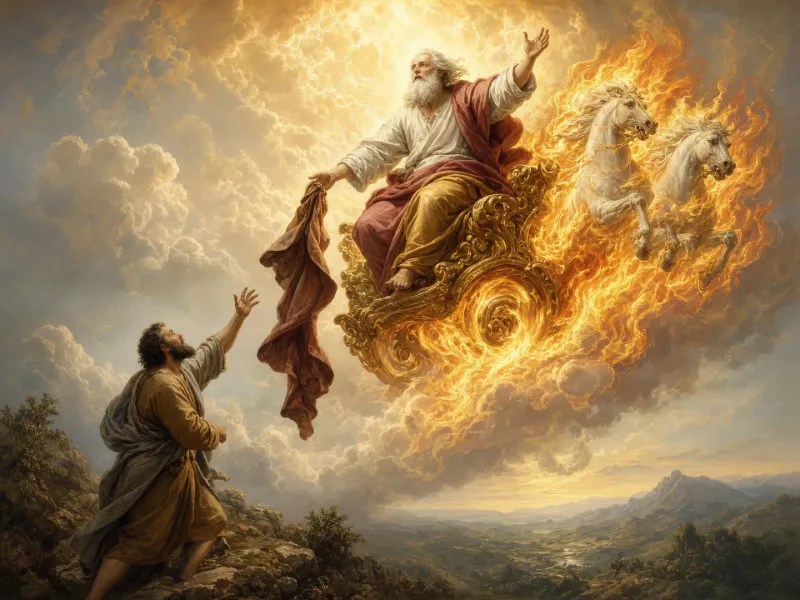
Psalm 144:1
“Praise be to the LORD my Rock, who trains my hands for war, my fingers for battle.”
Reflection: The one praying in this psalm is a fighter, and he thanks God for training him: “my hands for war, my fingers for battle.” Where Exodus 14:14 tells the people to be still, this psalm credits God with the soldier’s skill. Later in the psalm God is the one “who gives victory to kings, who delivers his servant David” from “the deadly sword” (144:10-11).
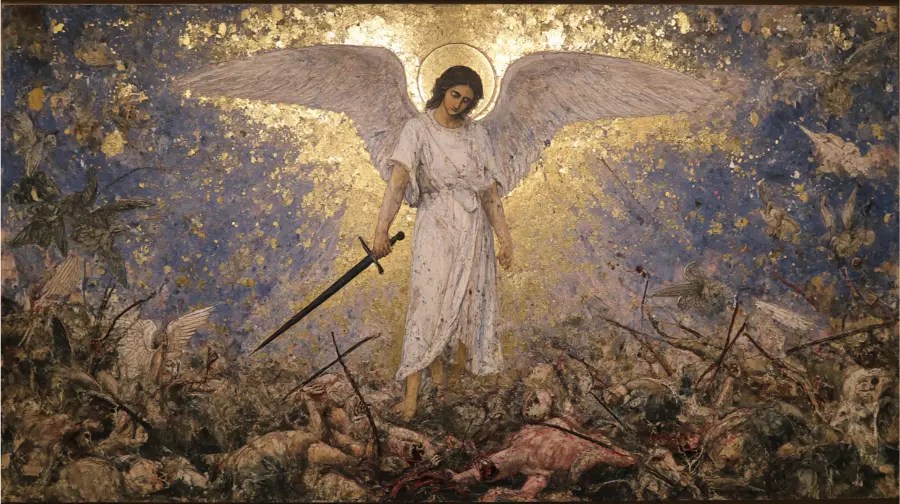
Proverbs 21:31
“The horse is made ready for the day of battle, but victory rests with the LORD.”
Reflection: Both halves of the proverb stand: the horse is made ready, and the victory rests with the LORD. The verse before it makes a related claim about plans: “There is no wisdom, no insight, no plan that can succeed against the LORD” (21:30).
When enemies attack
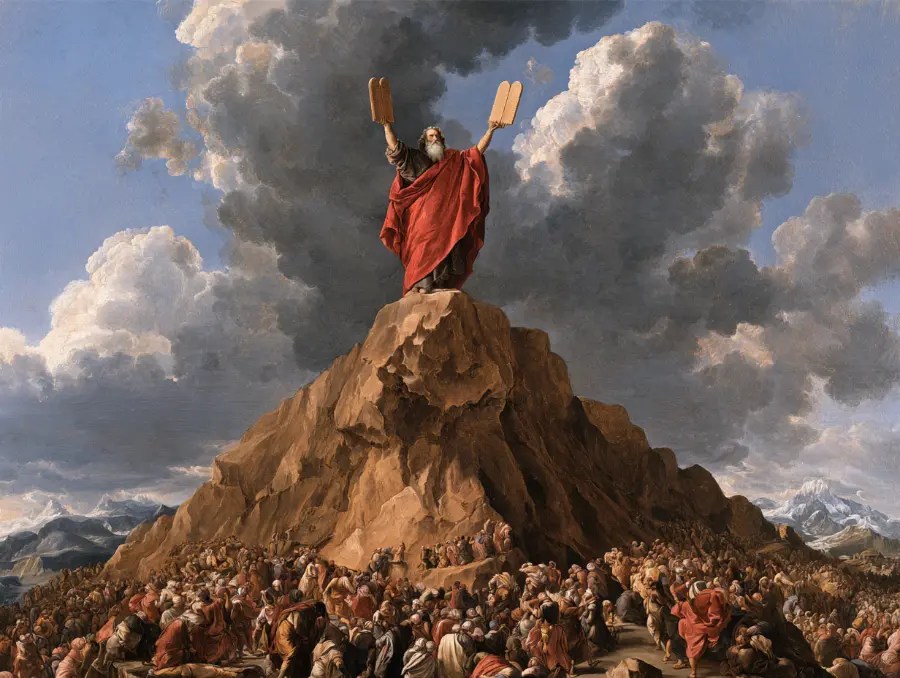
Psalm 27:1
“The LORD is my light and my salvation—whom shall I fear? The LORD is the stronghold of my life—of whom shall I be afraid?”
Reflection: The psalm names the danger two verses later: “Though an army besiege me, my heart will not fear; though war break out against me, even then I will be confident.” The first verse answers each fear with a title for the LORD: light, salvation and stronghold. No battle is described, and the psalm ends by telling the reader to “wait for the LORD” (27:14).
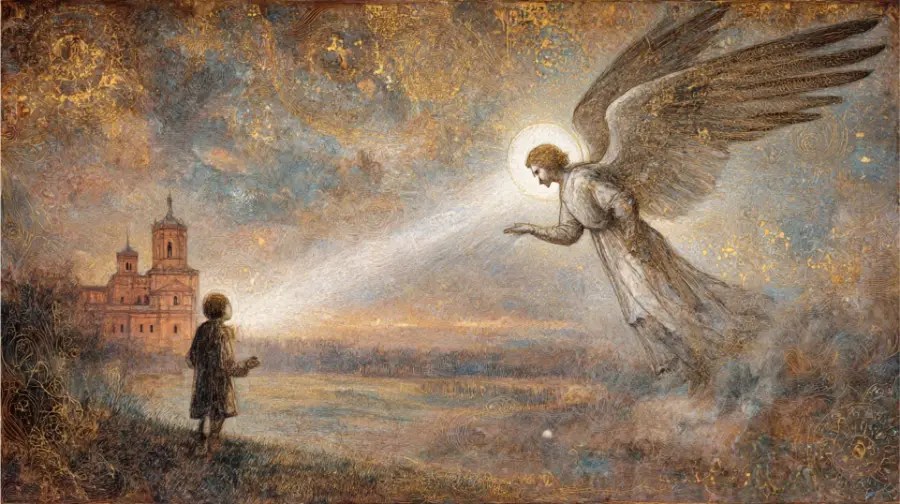
Psalm 46:1
“God is our refuge and strength, an ever-present help in trouble.”
Reflection: The psalm moves from natural disaster, the earth giving way and the mountains falling into the sea, to nations in uproar, and then to God ending war itself: “He makes wars cease to the ends of the earth. He breaks the bow and shatters the spear” (46:9). The line “Be still, and know that I am God” comes in the next verse, after the weapons are destroyed.
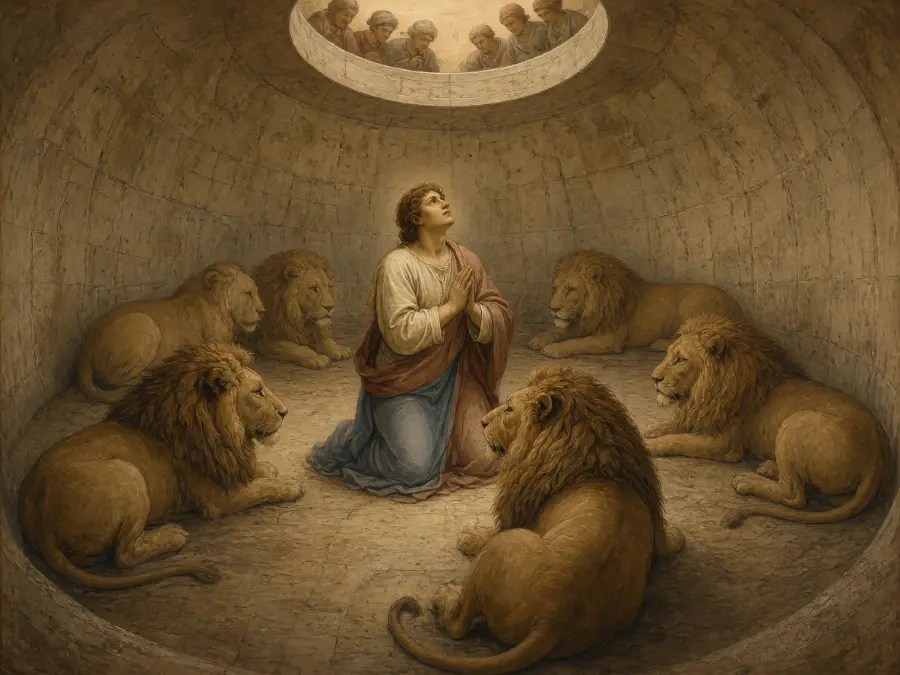
Isaiah 41:10
“So do not fear, for I am with you; do not be dismayed, for I am your God. I will strengthen you and help you; I will uphold you with my righteous right hand.”
Reflection: The promise to strengthen and uphold is followed at once by what happens to Israel’s opponents: “Those who wage war against you will be as nothing at all” (41:12). The right hand returns in verse 13, where the LORD “takes hold of your right hand” and repeats, “Do not fear; I will help you.”
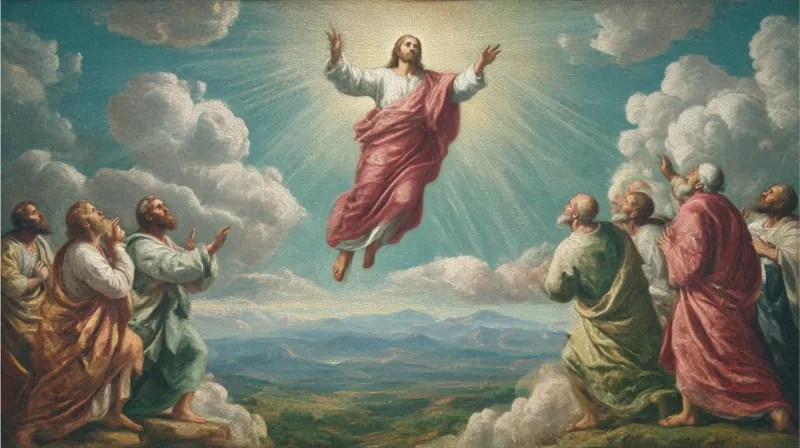
Isaiah 54:17
“no weapon forged against you will prevail, and you will refute every tongue that accuses you. This is the heritage of the servants of the LORD, and this is their vindication from me,” declares the LORD.
Reflection: The verse closes a promise that begins in verse 14: “If anyone does attack you, it will not be my doing; whoever attacks you will surrender to you.” Before saying that no weapon will prevail, God says he created both the blacksmith who forges a weapon and “the destroyer to wreak havoc” (54:16). The promise covers words as well as weapons, since every accusing tongue will be refuted.
The struggle against evil in the New Testament
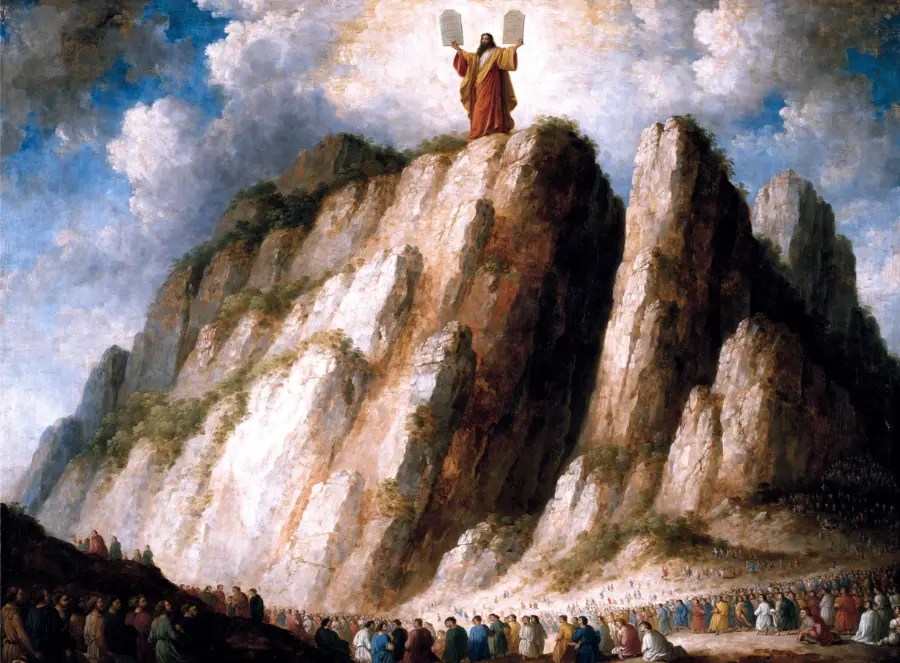
Ephesians 6:11
“Put on the full armor of God, so that you can take your stand against the devil’s schemes.”
Reflection: Near the end of the letter Paul describes a soldier’s equipment, from verse 11 to verse 17: a belt of truth, a breastplate of righteousness, feet fitted with “the gospel of peace,” the shield of faith, the helmet of salvation and the sword of the Spirit. The command in this verse is to put on the full armor, so that the reader can “take your stand”; the word stand comes back three more times in verses 13 and 14. The enemy this verse names is the devil, with his “schemes.”

Ephesians 6:12
“For our struggle is not against flesh and blood, but against the rulers, against the authorities, against the powers of this dark world and against the spiritual forces of evil in the heavenly realms.”
Reflection: The verse says who the struggle is against and who it is not against. “Flesh and blood” means human opponents; the list that follows, rulers, authorities, powers and spiritual forces of evil, is placed “in the heavenly realms.” The next verse begins with “Therefore” and repeats the order to put on the full armor of God, “so that when the day of evil comes, you may be able to stand your ground.”
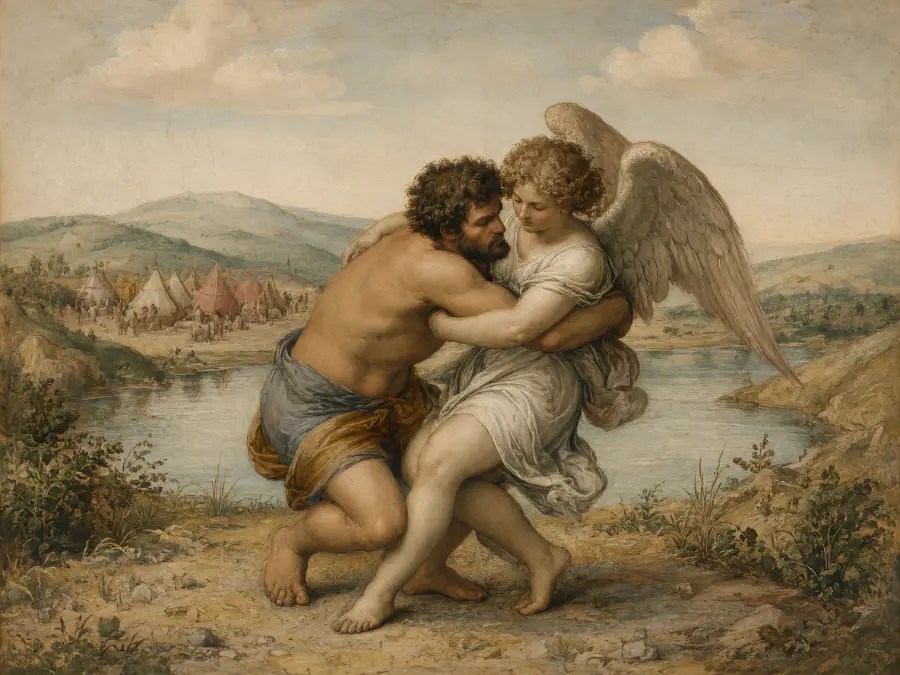
Ephesians 6:17
“Take the helmet of salvation and the sword of the Spirit, which is the word of God.”
Reflection: Of the pieces Paul lists, the sword is the one used to strike, and he names it “the word of God.” The following verse adds prayer, “on all occasions with all kinds of prayers and requests,” without making it a piece of armor.
2 Corinthians 10:3-4
“For though we live in the world, we do not wage war as the world does. The weapons we fight with are not the weapons of the world. On the contrary, they have divine power to demolish strongholds.”
Reflection: Paul says what the strongholds are in the next verse: “arguments and every pretension that sets itself up against the knowledge of God.” The fight in this passage is over what people think, and its aim is to “take captive every thought to make it obedient to Christ” (10:5).
Romans 7:23
“but I see another law at work in me, waging war against the law of my mind and making me a prisoner of the law of sin at work within me.”
Reflection: The war in this verse takes place inside one person. Paul delights in God’s law “in my inner being” and finds another law at work in him fighting against it, until he cries, “What a wretched man I am! Who will rescue me from this body that is subject to death?” The answer follows in the next verse: “Thanks be to God, who delivers me through Jesus Christ our Lord!”

James 4:7
“Submit yourselves, then, to God. Resist the devil, and he will flee from you.”
Reflection: James opens the chapter with a different war: “What causes fights and quarrels among you? Don’t they come from your desires that battle within you?” (4:1). His answer to those quarrels is to submit to God, who “gives us more grace” (4:6), and to resist the devil.
1 Peter 5:8
“Be alert and of sober mind. Your enemy the devil prowls around like a roaring lion looking for someone to devour.”
Reflection: Peter pictures the devil as a lion hunting for prey, and in the next verse he asks for resistance, “standing firm in the faith.” The reason he gives there looks outward: “the family of believers throughout the world is undergoing the same kind of sufferings” (5:9).
Victory and a finished fight
Romans 8:37
“No, in all these things we are more than conquerors through him who loved us.”
Reflection: The list of dangers in verse 35 ends with “danger or sword,” and Paul then quotes Psalm 44:22: “For your sake we face death all day long; we are considered as sheep to be slaughtered.” He claims the victory “in all these things” and credits it to “him who loved us.”
2 Timothy 4:7
“I have fought the good fight, I have finished the race, I have kept the faith.”
Reflection: Paul writes this expecting to die soon: “I am already being poured out like a drink offering, and the time for my departure is near” (4:6). In 1 Timothy 6:12 the same phrase is a charge to Timothy, “Fight the good fight of the faith”; here Paul uses it of himself. The fight ends with “the crown of righteousness,” which Paul says is also for “all who have longed for his appearing” (4:8).
Revelation 12:11
“They triumphed over him by the blood of the Lamb and by the word of their testimony; they did not love their lives so much as to shrink from death.”
Reflection: The verse comes from a vision of war in heaven, in which Michael and his angels fight the dragon, “that ancient serpent called the devil, or Satan,” and he is hurled down to the earth. A loud voice then says how believers defeat the same enemy, called “the accuser of our brothers and sisters”: by the blood of the Lamb, by their testimony, and by not holding on to their lives.
Reading Israel’s battles alongside Paul’s
Exodus 14, Deuteronomy 20 and 31, 1 Samuel 17 and 2 Chronicles 20 were spoken before battles with real armies: at the Red Sea, before the crossing of the Jordan, against Goliath and against the invaders of Judah. Paul uses the same language for something else. He writes that “we do not wage war as the world does” (2 Corinthians 10:3) and that “our struggle is not against flesh and blood” (Ephesians 6:12).
Psalm 27 turns from confidence to prayer at verse 7, “Hear my voice when I call, LORD,” and Psalm 144 moves from praise in verse 1 to a prayer for rescue “from the deadly sword” (144:11); both are in the first person and can be prayed as written. Psalm 46 speaks for a whole community: “The LORD Almighty is with us.”


Leave a Reply