
 English
 Chinese
 Dutch
 Arabic
 Spanish
 Portuguese
 Russian
 French
 Italian
 German
 Japanese
In the Bible, believers are light because they have received it. Jesus calls himself “the light of the world” (John 8:12) and uses the same words of his disciples (Matthew 5:14), and Paul tells the Ephesians they “are light in the Lord” (Ephesians 5:8).
The light given to believers shows itself in good deeds others can see (Matthew 5:16), in blameless conduct in “a warped and crooked generation” (Philippians 2:14-15), in carrying the message to the Gentiles (Acts 13:47), and in bringing hidden deeds into the open (Ephesians 5:11-13).
Where the light comes from
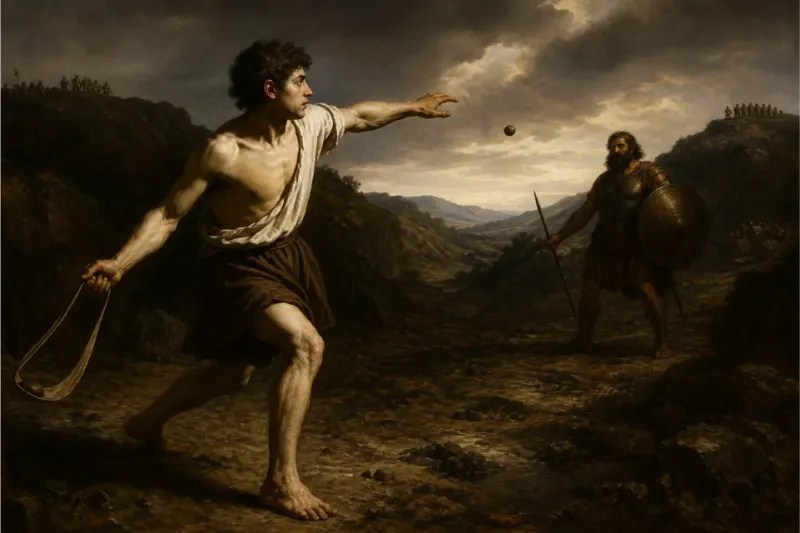
1 John 1:5
“This is the message we have heard from him and declare to you: God is light; in him there is no darkness at all.”
Reflection: John calls this “the message we have heard from him,” the thing he passes on. The next two verses draw the consequence: claiming fellowship with God while walking in darkness is a lie, but “if we walk in the light, as he is in the light, we have fellowship with one another, and the blood of Jesus, his Son, purifies us from all sin” (1 John 1:7).
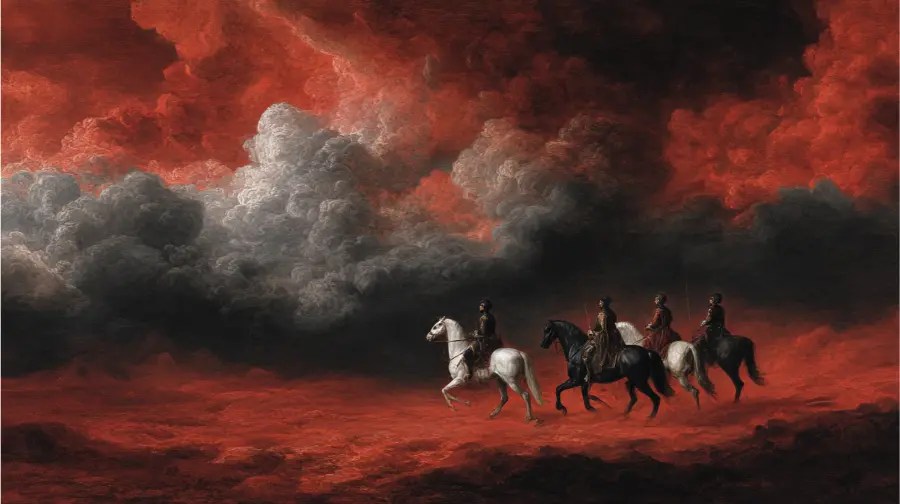
Psalm 27:1
“The LORD is my light and my salvation—whom shall I fear? The LORD is the stronghold of my life—of whom shall I be afraid?”
Reflection: In this psalm of David, light stands beside salvation and stronghold as names for the Lord, and all three answer the question of fear. The following verses say what David faces: the wicked advancing “to devour me” and an army besieging him (Psalm 27:2-3). Here the Lord is the light and David is the one who receives it.
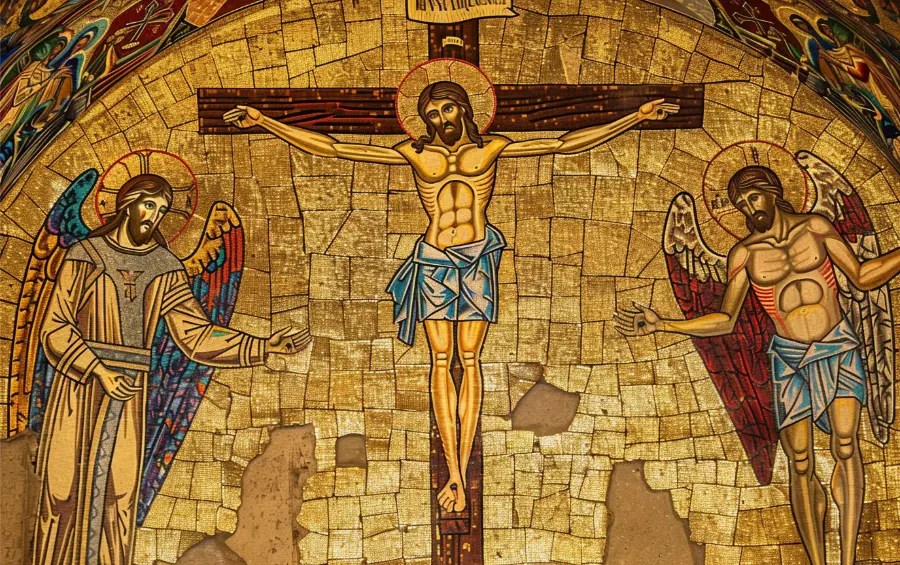
Psalm 36:9
“For with you is the fountain of life; in your light we see light.”
Reflection: Two pictures of God as the source stand side by side: a fountain that gives life, and a light in which everything else is seen. The second half makes God’s light the condition for seeing any light at all.
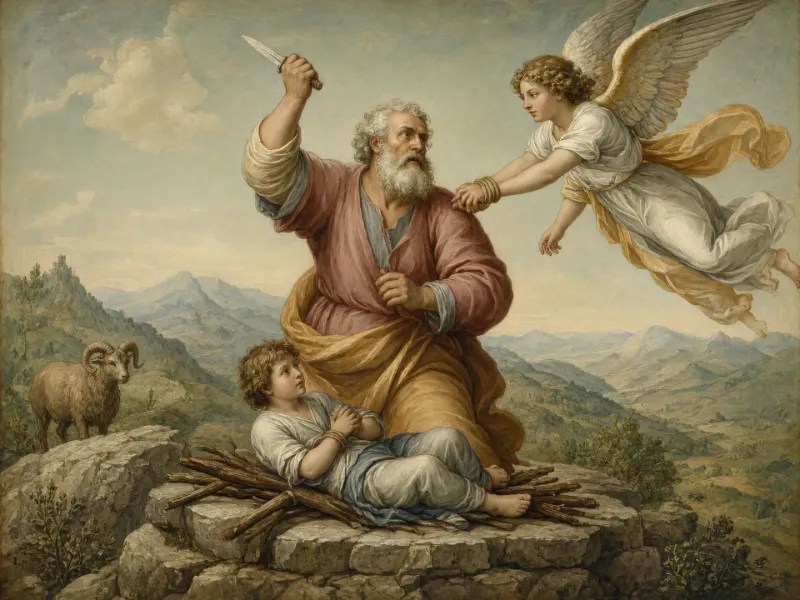
2 Corinthians 4:6
“For God, who said, ‘Let light shine out of darkness,’ made his light shine in our hearts to give us the light of the knowledge of God’s glory displayed in the face of Christ.”
Reflection: Paul echoes the first day of creation, when God said, “Let there be light” (Genesis 1:3), and says the same God has shone in human hearts. Two verses earlier he writes that “the god of this age” has blinded unbelievers so they cannot see “the light of the gospel” (2 Corinthians 4:4). The next verse keeps the credit with God: “we have this treasure in jars of clay to show that this all-surpassing power is from God and not from us.”
Jesus, the light of the world
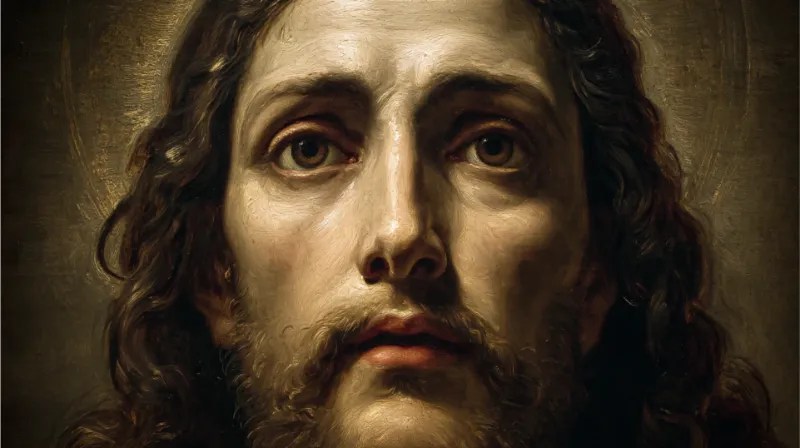
John 1:4-5
“In him was life, and that life was the light of all mankind. The light shines in the darkness, and the darkness has not overcome it.”
Reflection: The opening of John’s Gospel says of the Word that the life in him “was the light of all mankind.” The verses that follow set John the Baptist apart from that light: “He himself was not the light; he came only as a witness to the light” (John 1:8). Verse 9 calls the Word “the true light that gives light to everyone.”
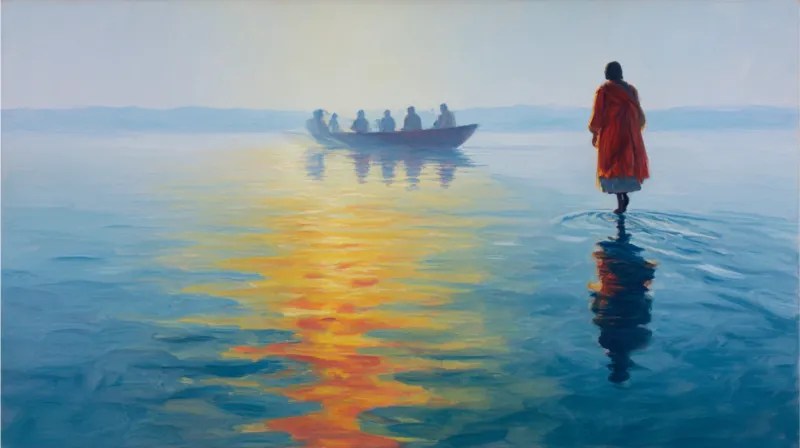
Isaiah 9:2
“The people walking in darkness have seen a great light; on those living in the land of deep darkness a light has dawned.”
Reflection: Isaiah names the land of Zebulun and Naphtali, humbled in the past, and promises that “Galilee of the nations” will be honored (Isaiah 9:1); the people there are the ones walking in darkness. Matthew quotes the verse when Jesus leaves Nazareth and settles in Capernaum, in the area of Zebulun and Naphtali, and presents the move as its fulfillment (Matthew 4:13-16).
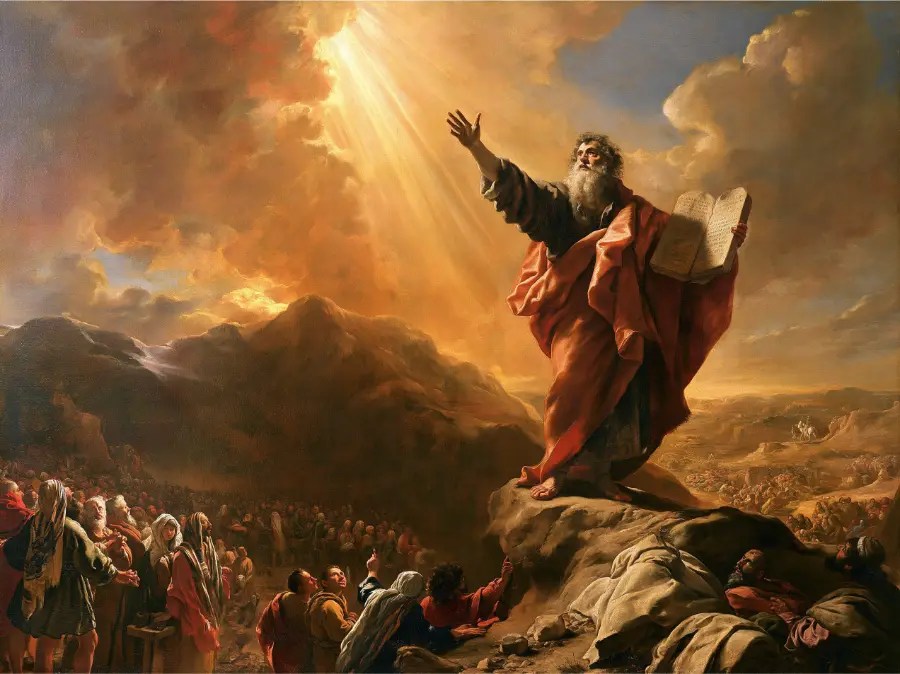
John 8:12
“When Jesus spoke again to the people, he said, ‘I am the light of the world. Whoever follows me will never walk in darkness, but will have the light of life.’”
Reflection: Jesus says this while teaching in the temple courts near the place where the offerings were put (John 8:20). The promise is tied to following him: whoever follows “will never walk in darkness.” The Pharisees answer at once that his testimony about himself is not valid (John 8:13). In the next chapter, with a man born blind in front of him, he says it again: “While I am in the world, I am the light of the world” (John 9:5).
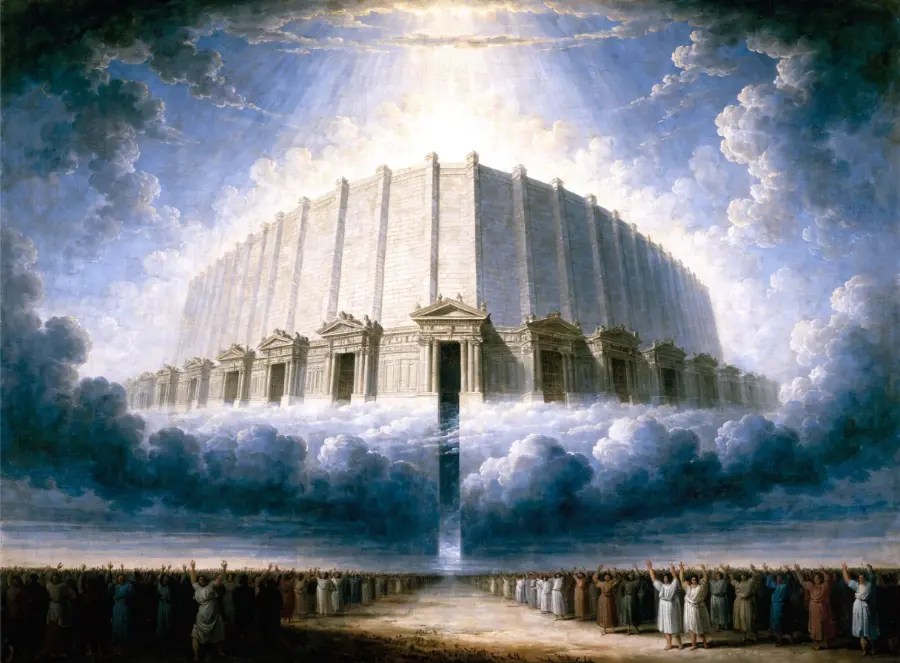
John 3:19-21
“This is the verdict: Light has come into the world, but people loved darkness instead of light because their deeds were evil. Everyone who does evil hates the light, and will not come into the light for fear that their deeds will be exposed. But whoever lives by the truth comes into the light, so that it may be seen plainly that what they have done has been done in the sight of God.”
Reflection: The verdict concerns what people did when the light came: they loved darkness because their deeds were evil, and stayed away for fear of exposure. The third verse gives the other response. Whoever lives by the truth comes into the light “so that it may be seen plainly that what they have done has been done in the sight of God.”
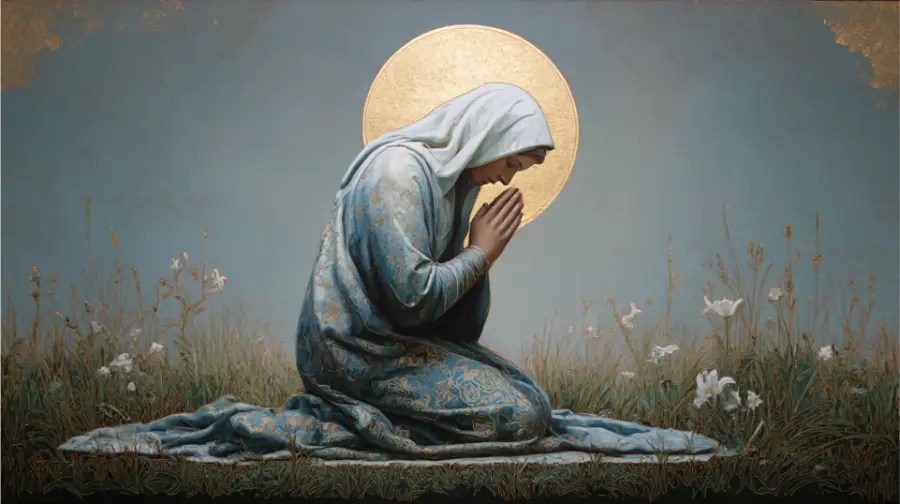
John 12:36
“Believe in the light while you have the light, so that you may become children of light.”
Reflection: The verse before sets a time limit: “You are going to have the light just a little while longer. Walk while you have the light, before darkness overtakes you.” Believing in the light is how a person becomes one of the “children of light.” After saying it, Jesus “left and hid himself from them.”
Disciples called light
Matthew 5:14
“You are the light of the world. A town built on a hill cannot be hidden.”
Reflection: Jesus says this to his disciples in the Sermon on the Mount (Matthew 5:1-2), straight after calling them the salt of the earth. The sentence is a statement, “You are,” and the command comes two verses later. Verse 15 adds a second picture, a lamp, which people do not put under a bowl but on its stand, “and it gives light to everyone in the house.”
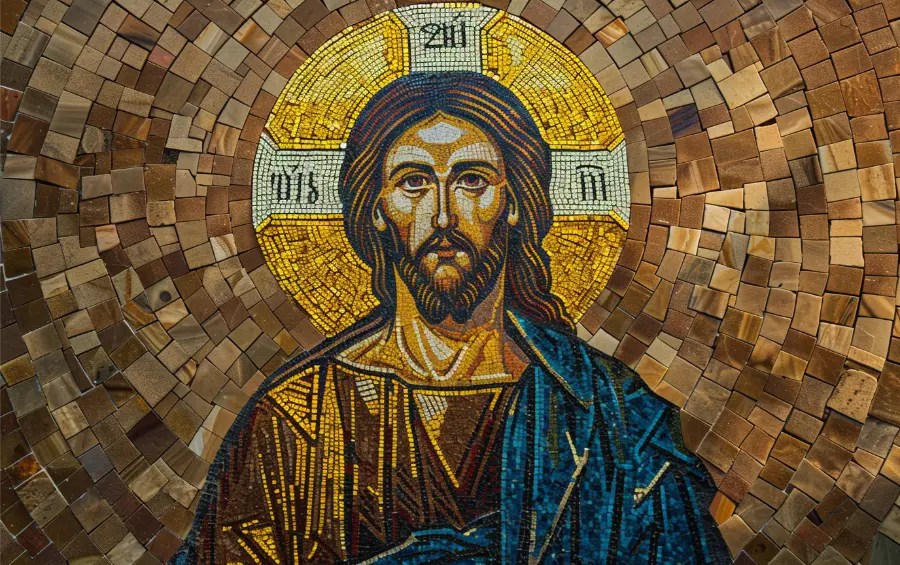
Matthew 5:16
“In the same way, let your light shine before others, that they may see your good deeds and glorify your Father in heaven.”
Reflection: Here the light is good deeds that other people can see, and their purpose is that those people glorify “your Father in heaven.” Peter uses almost the same words in 1 Peter 2:12, urging good lives among the pagans so that “they may see your good deeds and glorify God on the day he visits us.”
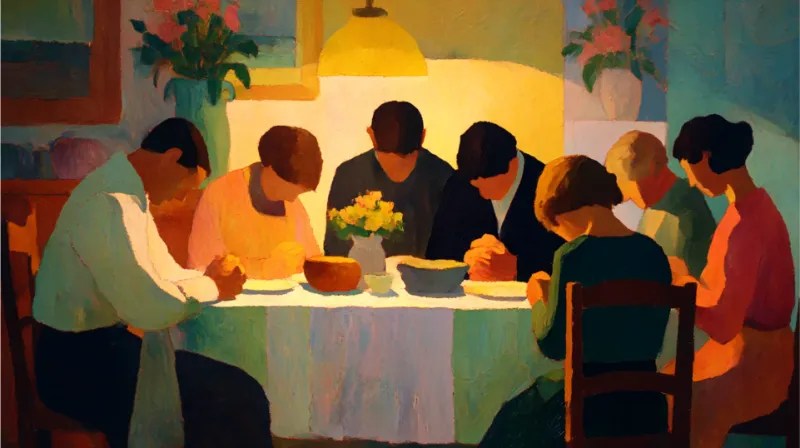
Ephesians 5:8
“For you were once darkness, but now you are light in the Lord. Live as children of light.”
Reflection: Paul’s wording is about identity: the Ephesians were darkness, and now they “are light in the Lord.” The bracketed line that follows says what that light produces: “the fruit of the light consists in all goodness, righteousness and truth” (Ephesians 5:9).
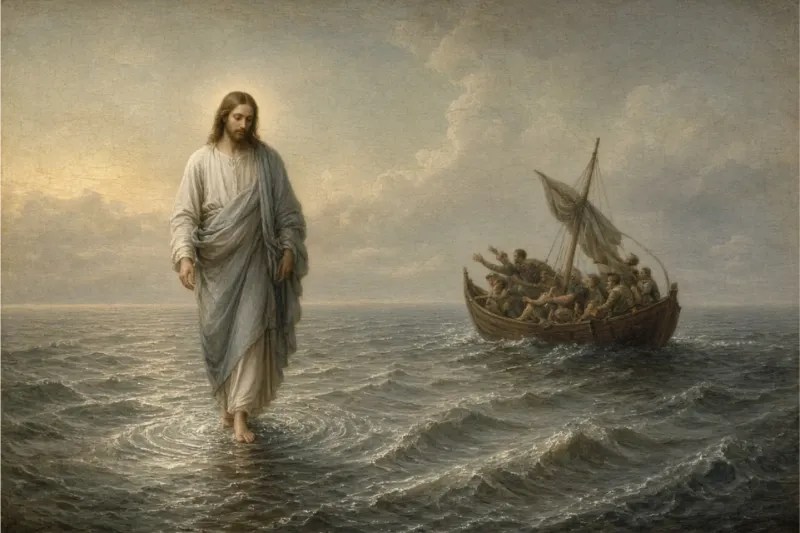
1 Thessalonians 5:5
“You are all children of the light and children of the day. We do not belong to the night or to the darkness.”
Reflection: The setting is “this day,” which will not surprise believers “like a thief” (1 Thessalonians 5:4). Belonging to the day has practical results in the verses that follow: stay awake and sober, “putting on faith and love as a breastplate, and the hope of salvation as a helmet” (1 Thessalonians 5:8).
1 Peter 2:9
“But you are a chosen people, a royal priesthood, a holy nation, God’s special possession, that you may declare the praises of him who called you out of darkness into his wonderful light.”
Reflection: Peter gives the believers he writes to four names, a chosen people, a royal priesthood, a holy nation and God’s special possession, and one purpose: to declare the praises of the God who called them out of darkness into light. Verse 10 states the same change another way: “Once you were not a people, but now you are the people of God.”
Acts 13:47
“For this is what the Lord has commanded us: ‘I have made you a light for the Gentiles, that you may bring salvation to the ends of the earth.’”
Reflection: Paul and Barnabas say this after their hearers reject the word of God: “we now turn to the Gentiles” (Acts 13:46). The quotation is from Isaiah 49:6, where God tells his servant, “I will also make you a light for the Gentiles.” Paul and Barnabas treat the words as a command addressed to them: “this is what the Lord has commanded us.”
Shining where it is dark
Isaiah 60:1
“Arise, shine, for your light has come, and the glory of the LORD rises upon you.”
Reflection: The light in this verse arrives from outside: “your light has come,” and the glory of the Lord “rises upon you.” The next verses set it against darkness covering the earth and say, “Nations will come to your light, and kings to the brightness of your dawn” (Isaiah 60:3).
Philippians 2:14-15
“Do everything without grumbling or arguing, so that you may become blameless and pure, ‘children of God without fault in a warped and crooked generation.’ Then you will shine among them like stars in the sky.”
Reflection: The words in quotation marks come from the Song of Moses, where “a warped and crooked generation” describes Israel (Deuteronomy 32:5). Paul uses the phrase for the world around the Philippians. Their shining is tied to conduct as ordinary as not grumbling or arguing, and to holding “firmly to the word of life” (Philippians 2:16).
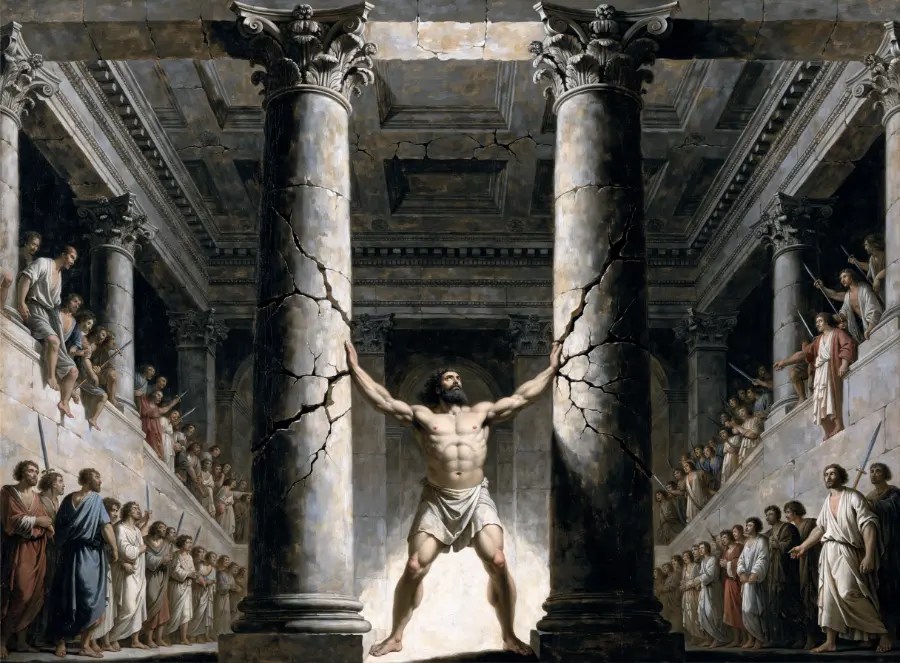
Daniel 12:3
“Those who are wise will shine like the brightness of the heavens, and those who lead many to righteousness, like the stars for ever and ever.”
Reflection: The verse before promises that multitudes who sleep in the dust “will awake: some to everlasting life, others to shame and everlasting contempt” (Daniel 12:2). Those who shine are the wise and those who lead many to righteousness, and their shining lasts “for ever and ever.” Paul’s “like stars in the sky” in Philippians 2:15 uses the same picture.
Living in the light
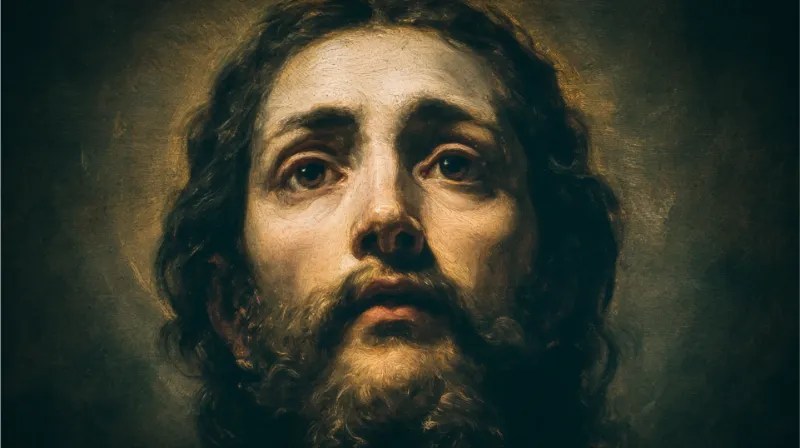
Ephesians 5:11-13
“Have nothing to do with the fruitless deeds of darkness, but rather expose them. It is shameful even to mention what the disobedient do in secret. But everything exposed by the light becomes visible—and everything that is illuminated becomes a light.”
Reflection: Children of light are to have nothing to do with “the fruitless deeds of darkness” and to expose them. Verse 13 goes further: what the light exposes becomes visible, and “everything that is illuminated becomes a light.” Verse 14 follows with a call introduced by “it is said”: “Wake up, sleeper, rise from the dead, and Christ will shine on you.”

Romans 13:12
“The night is nearly over; the day is almost here. So let us put aside the deeds of darkness and put on the armor of light.”
Reflection: Paul tells the Romans that “our salvation is nearer now than when we first believed” (Romans 13:11), and pictures that nearness as the end of night. The next two verses spell out the armor of light: behaving decently, “as in the daytime,” putting aside carousing, drunkenness, sexual immorality, dissension and jealousy, and “clothe yourselves with the Lord Jesus Christ.”
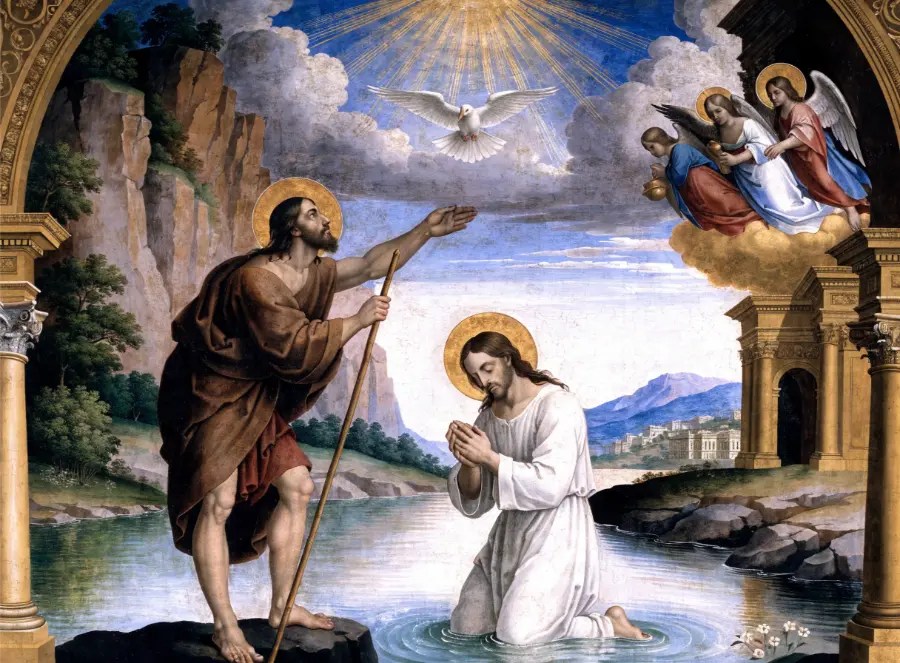
Luke 11:34
“Your eye is the lamp of your body. When your eyes are healthy, your whole body also is full of light. But when they are unhealthy, your body also is full of darkness.”
Reflection: Jesus begins with a lamp that no one hides under a bowl (Luke 11:33), then turns to the eye as the body’s lamp. A healthy eye fills the body with light and an unhealthy one with darkness. The warning follows in verse 35: “See to it, then, that the light within you is not darkness.”
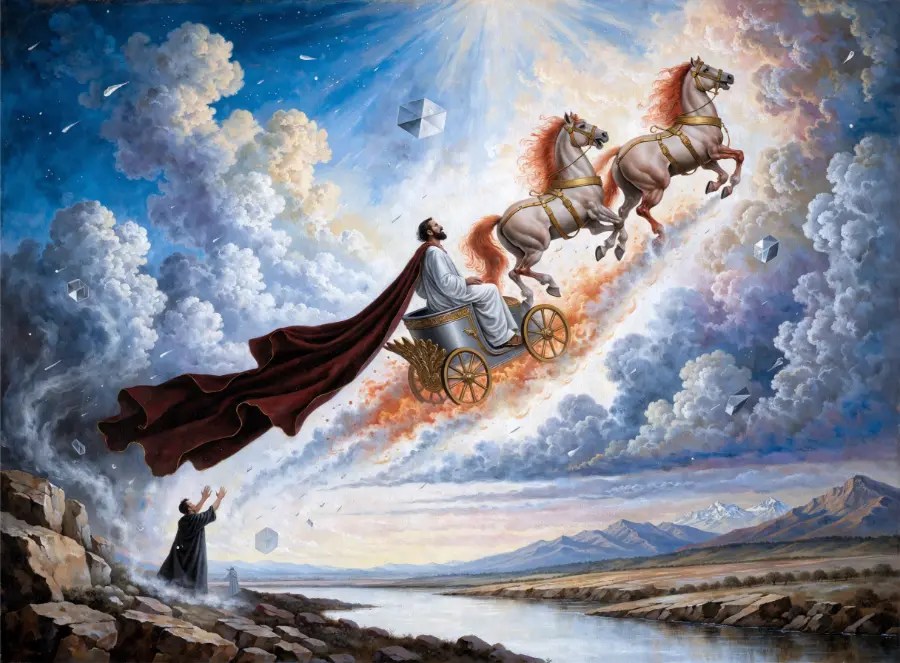
Proverbs 4:18
“The path of the righteous is like the morning sun, shining ever brighter till the full light of day.”
Reflection: A righteous life is compared to dawn, which grows brighter “till the full light of day.” The next verse gives the opposite: “the way of the wicked is like deep darkness; they do not know what makes them stumble.”
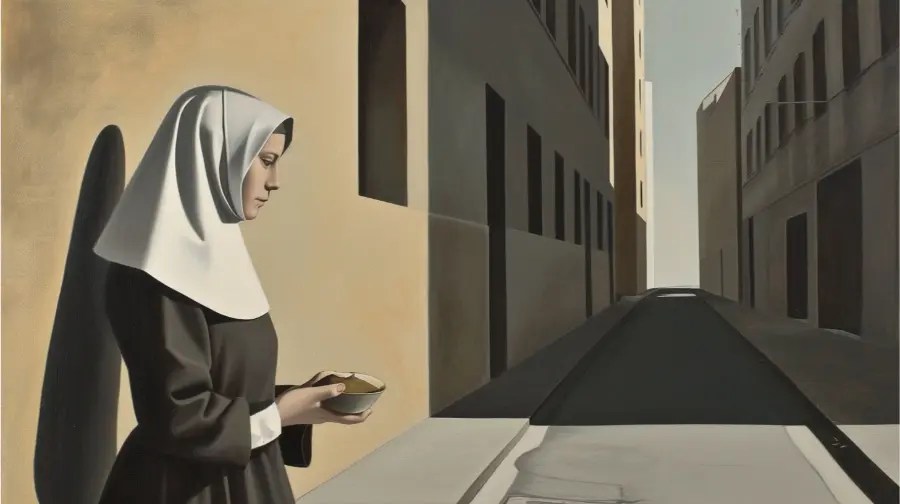
Psalm 119:105
“Your word is a lamp for my feet, a light on my path.”
Reflection: The lamp lights the next step and the light shows the way ahead, and both belong to God’s word, addressed to God in the second person. Verse 130 of the same psalm says the same of “the unfolding of your words,” which “gives light.”


Leave a Reply