
 English
 Chinese
 Dutch
 Arabic
 Spanish
 Portuguese
 Russian
 French
 Italian
 German
 Japanese
The Bible says each person is made and known by God, and that the differences among believers are gifts for the good of others. Psalm 139:13-16 and Jeremiah 1:5 speak of God forming and knowing a person before birth, and 1 Corinthians 12, Romans 12:6 and 1 Peter 4:10 describe the gifts.
Jesus tells his disciples that the hairs of their heads are numbered (Matthew 10:30-31), and God tells Samuel that he looks at the heart (1 Samuel 16:7). Jeremiah 1:5 and Galatians 1:15 each concern one man and the task he was given, and Isaiah 43:1 is addressed to the nation of Israel.
Made by God, each person and all humankind

Psalm 139:14
“I praise you because I am fearfully and wonderfully made; your works are wonderful, I know that full well.”
Reflection: The psalmist praises God for the way he was formed: the verse before says “you knit me together in my mother’s womb,” and verse 16 adds, “Your eyes saw my unformed body; all the days ordained for me were written in your book before one of them came to be.” The praise is directed at God’s work, “your works are wonderful,” and the psalmist speaks of himself as one example of it.
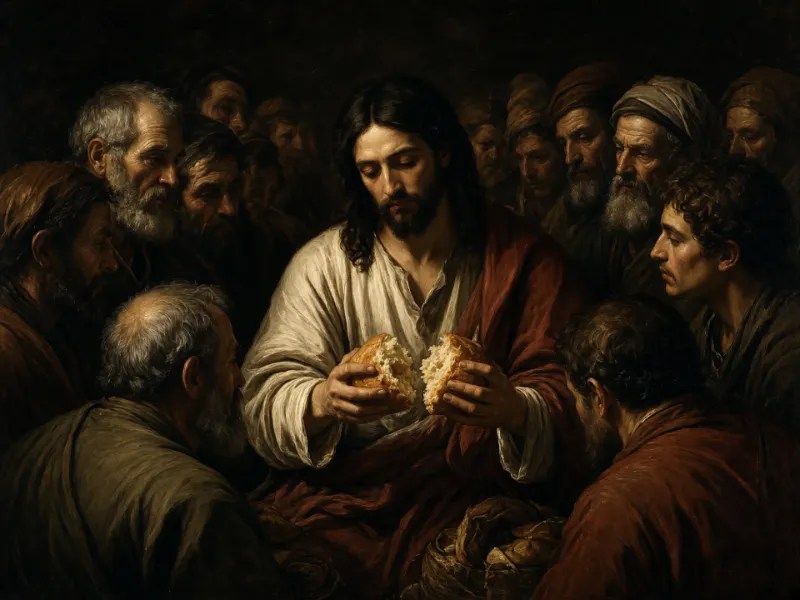
Genesis 1:27
“So God created mankind in his own image, in the image of God he created them; male and female he created them.”
Reflection: Genesis places every human being, male and female, in the image of God. Verse 26 connects that image with ruling over the fish, the birds and the livestock.
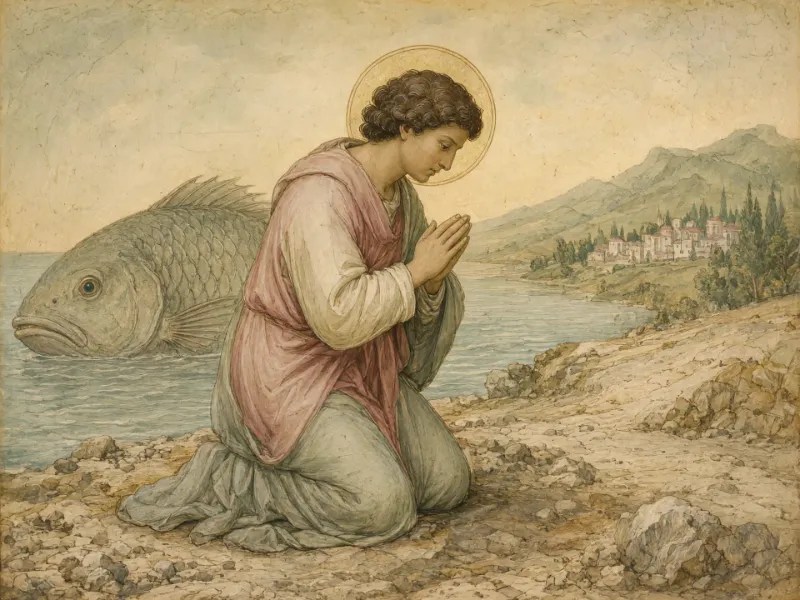
Ephesians 2:10
“For we are God’s handiwork, created in Christ Jesus to do good works, which God prepared in advance for us to do.”
Reflection: Paul writes this to believers in Ephesus directly after saying they were saved “by grace … not by works, so that no one can boast” (verses 8-9). Being God’s handiwork comes first, and the good works follow, prepared by God in advance. In verse 10 Paul moves from “you” to “we”, counting himself among the believers he describes.
Known and called before birth
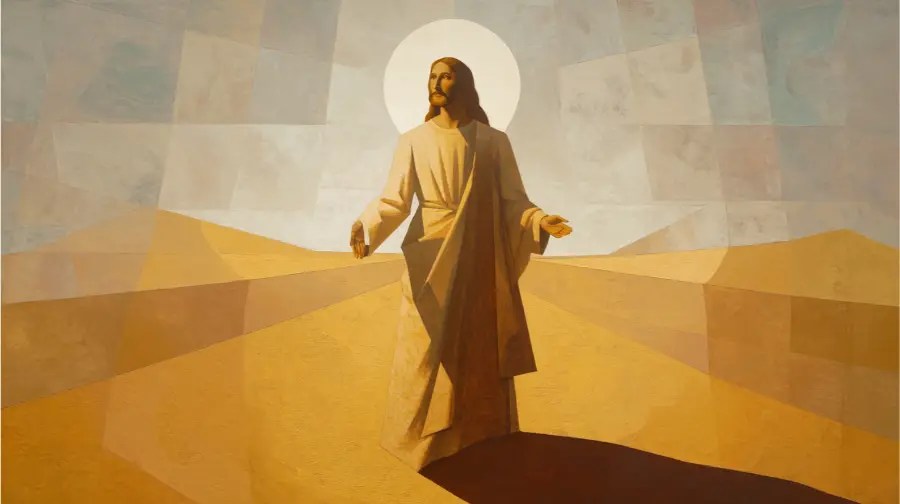
Jeremiah 1:5
“Before I formed you in the womb I knew you, before you were born I set you apart; I appointed you as a prophet to the nations.”
Reflection: God speaks these words to Jeremiah at his call. Jeremiah answers, “I do not know how to speak; I am too young,” and God replies, “You must go to everyone I send you to and say whatever I command you” (verses 6-7). The knowing and setting apart before birth are tied to one task, to be a prophet to the nations.

Galatians 1:15
“But when God, who set me apart from my mother’s womb and called me by his grace, was pleased…”
Reflection: Paul uses language close to Jeremiah 1:5: set apart from his mother’s womb and called by grace, in his case to preach God’s Son among the Gentiles (verse 16). He tells the story to show that his gospel did not come from any human teacher (verses 11-12), and he adds that his immediate response “was not to consult any human being.”
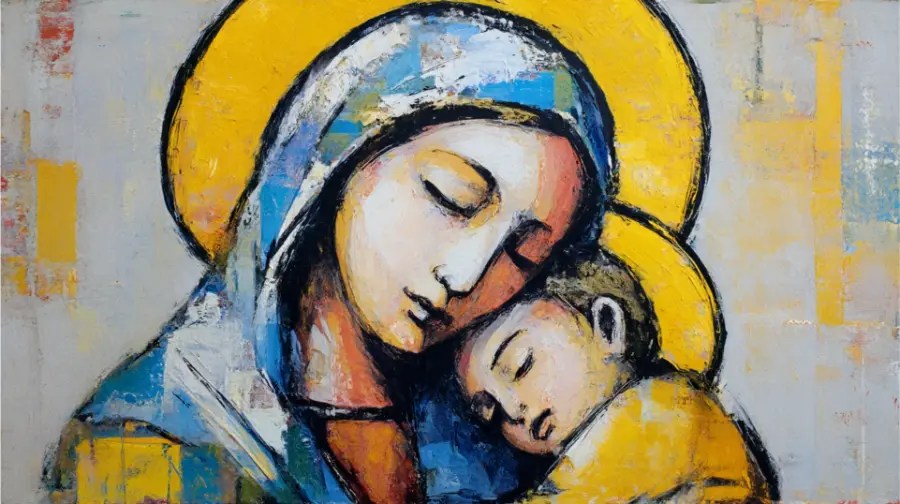
Isaiah 43:1
“But now, this is what the LORD says— he who created you, Jacob, he who formed you, Israel: ‘Do not fear, for I have redeemed you; I have summoned you by name; you are mine.’”
Reflection: The words are addressed to Jacob, that is, to Israel as a nation. God says he created and formed the people, redeemed them and summoned them by name, and verse 4 continues, “you are precious and honored in my sight.”
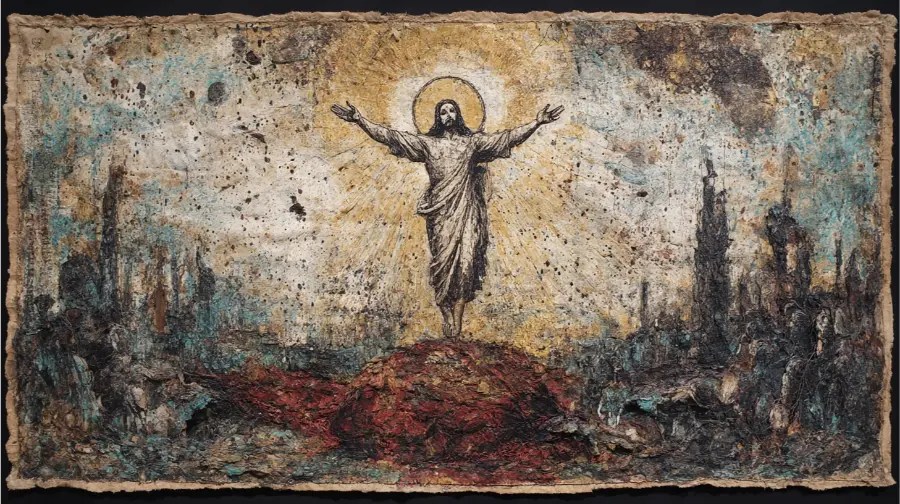
Matthew 10:30-31
“And even the very hairs of your head are all numbered. So don’t be afraid; you are worth more than many sparrows.”
Reflection: Jesus says this while sending out the Twelve (Matthew 10:5), just after warning them not to fear those who can kill the body (verse 28). The verse before says that two sparrows sell for a penny, yet not one falls to the ground outside the Father’s care. Luke 12:6-7 records the same saying with five sparrows sold for two pennies.
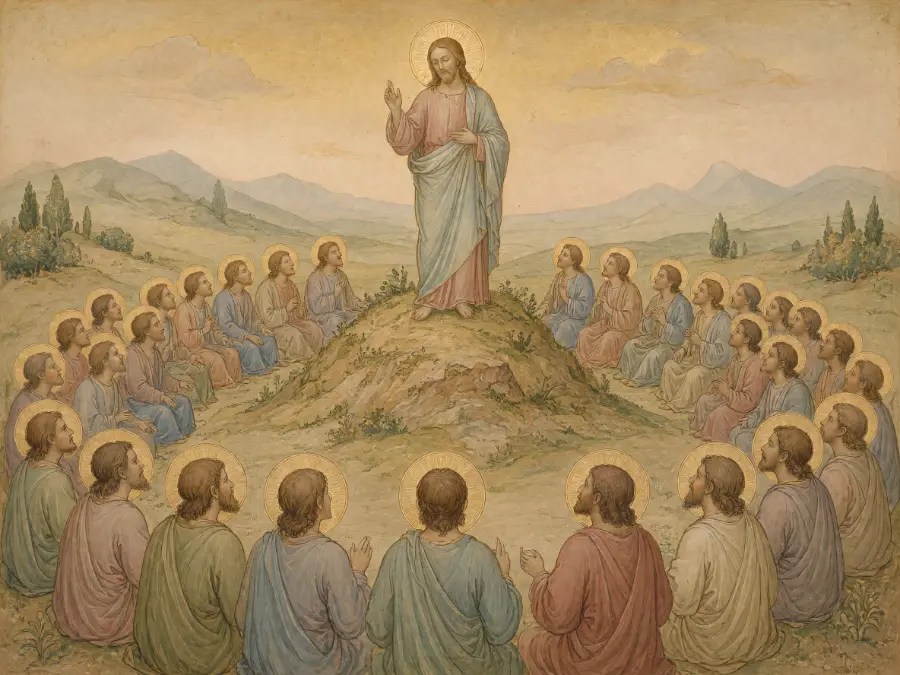
1 Samuel 16:7
“But the LORD said to Samuel, ‘Do not consider his appearance or his height, for I have rejected him. The LORD does not look at the things people look at. People look at the outward appearance, but the LORD looks at the heart.’”
Reflection: God sends Samuel to Jesse of Bethlehem to anoint one of his sons as king. Samuel sees Eliab and assumes he is the one, and God answers with this verse. Seven sons pass by before the youngest, David, is brought in from tending the sheep and anointed (verses 10-13).
Different gifts in one body

1 Corinthians 12:4-6
“There are different kinds of gifts, but the same Spirit distributes them. There are different kinds of service, but the same Lord. There are different kinds of working, but in all of them and in everyone it is the same God at work.”
Reflection: Paul lists three kinds of difference, gifts, service and working, and ties each to the same Spirit, Lord and God. Verse 7 gives the purpose: “to each one the manifestation of the Spirit is given for the common good,” and verse 11 says the Spirit distributes the gifts “to each one, just as he determines.”
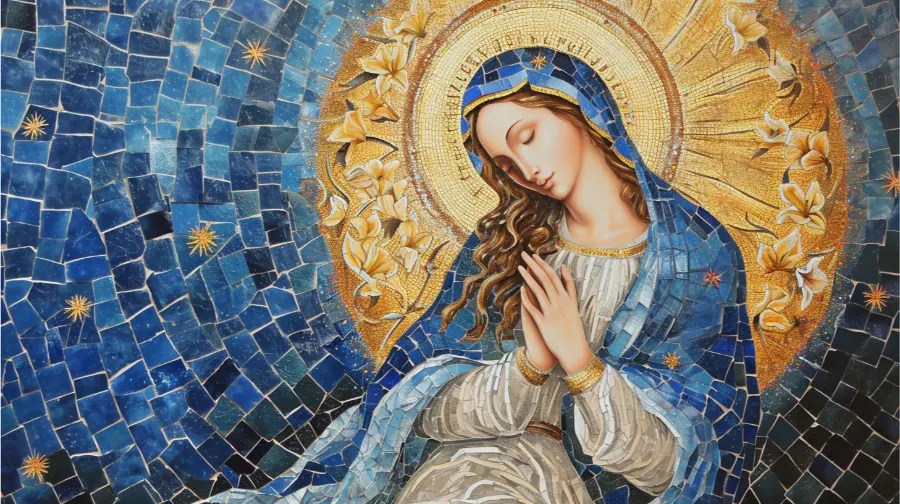
1 Corinthians 12:27
“Now you are the body of Christ, and each one of you is a part of it.”
Reflection: This sentence closes Paul’s picture of the body. Before it, the foot that says “Because I am not a hand, I do not belong to the body” is told it still belongs (verse 15), and verse 18 says that God “has placed the parts in the body, every one of them, just as he wanted them to be.” Verse 22 calls the parts that seem weaker “indispensable.”
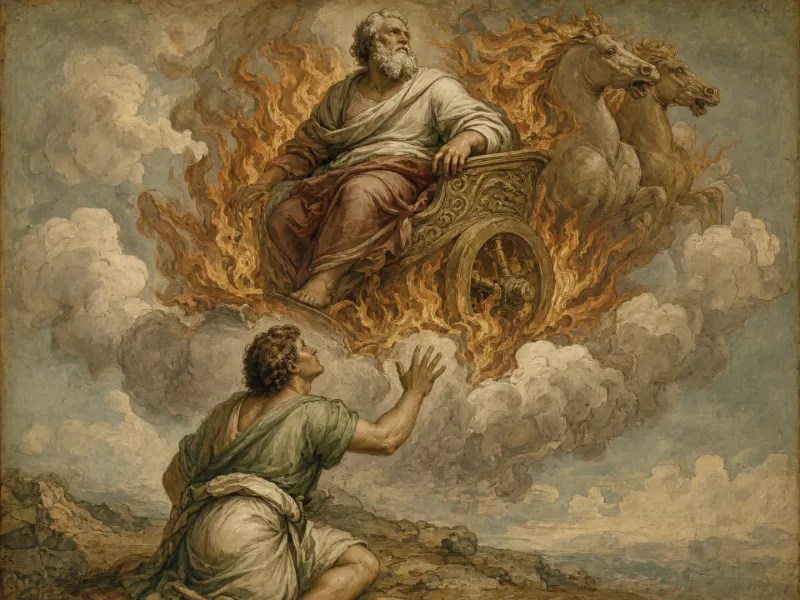
Romans 12:6
“We have different gifts, according to the grace given to each of us. If your gift is prophesying, then prophesy in accordance with your faith;”
Reflection: Paul lists seven gifts in verses 6-8: prophesying, serving, teaching, encouraging, giving, leading and showing mercy. Just before, he tells every reader, “Do not think of yourself more highly than you ought” (verse 3), and compares the church to one body whose members “do not all have the same function” (verse 4).
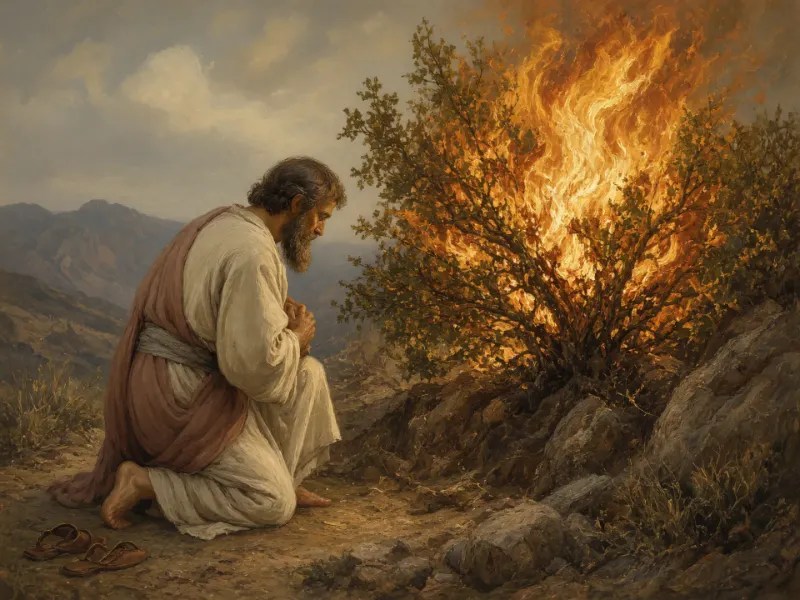
1 Peter 4:10
“Each of you should use whatever gift you have received to serve others, as faithful stewards of God’s grace in its various forms.”
Reflection: Peter calls the gifts God’s grace “in its various forms” and those who hold them stewards, managers of something that belongs to another. Verse 11 names two broad kinds, speaking and serving, and states the aim: “so that in all things God may be praised through Jesus Christ.”


Leave a Reply