
 English
 Chinese
 Dutch
 Arabic
 Spanish
 Portuguese
 Russian
 French
 Italian
 German
 Japanese
A blessing in Scripture is a gift from God, and the first great blessing was given to one man so that others would be blessed through him.
God told Abraham, “all peoples on earth will be blessed through you” (Genesis 12:3), and Paul says that promise reached the Gentiles through Christ (Galatians 3:14). The twenty verses below cover what was promised, blessing passed on to others, blessing that does not depend on circumstances, asking and being answered, and blessing in a household.
What was actually promised
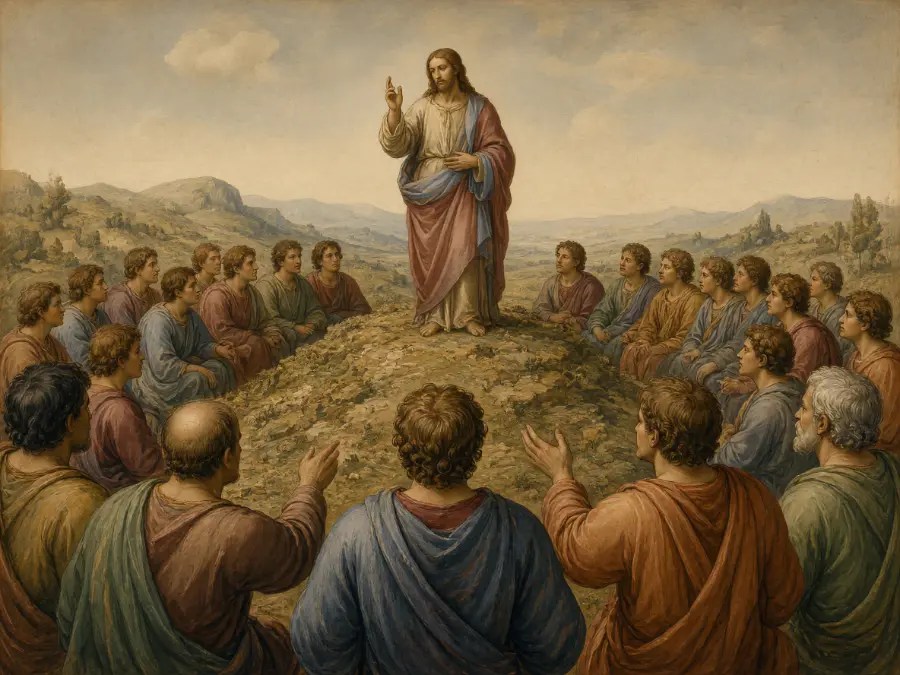
Galatians 3:14
“He redeemed us in order that the blessing given to Abraham might come to the Gentiles through Christ Jesus, so that by faith we might receive the promise of the Spirit.”
Reflection: Paul names what the blessing given to Abraham was: the promised Spirit, received by faith. God had told Abraham that all peoples on earth would be blessed through him (Genesis 12:3), and Paul says that promise reached the Gentiles.
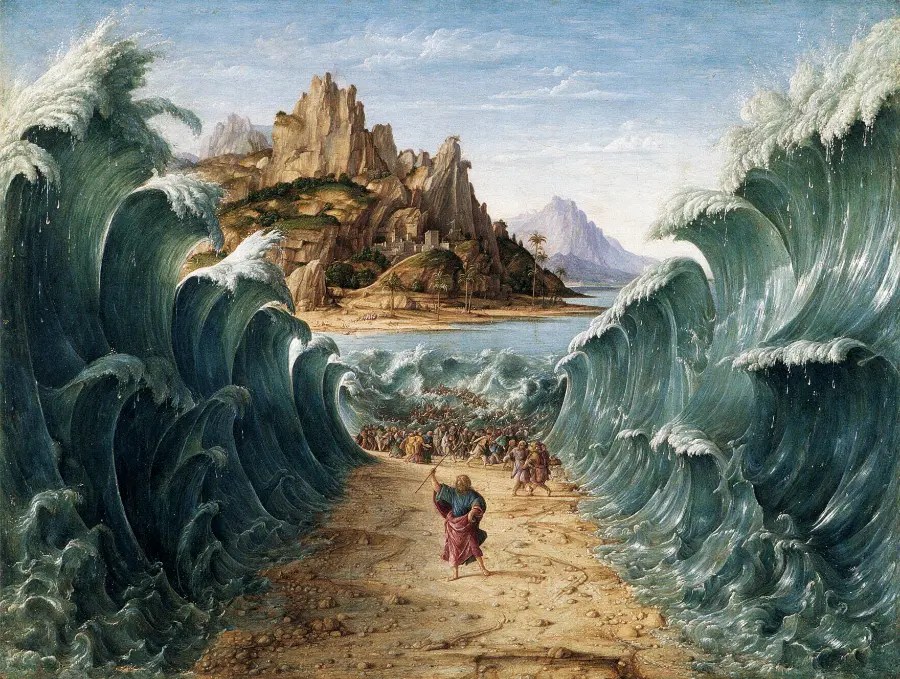
Ephesians 1:3
“Praise be to the God and Father of our Lord Jesus Christ, who has blessed us in the heavenly realms with every spiritual blessing in Christ.”
Reflection: “Has blessed” is past tense. Paul opens the letter by listing what believers already have in Christ: they are chosen, adopted, redeemed and forgiven (1:4-7).
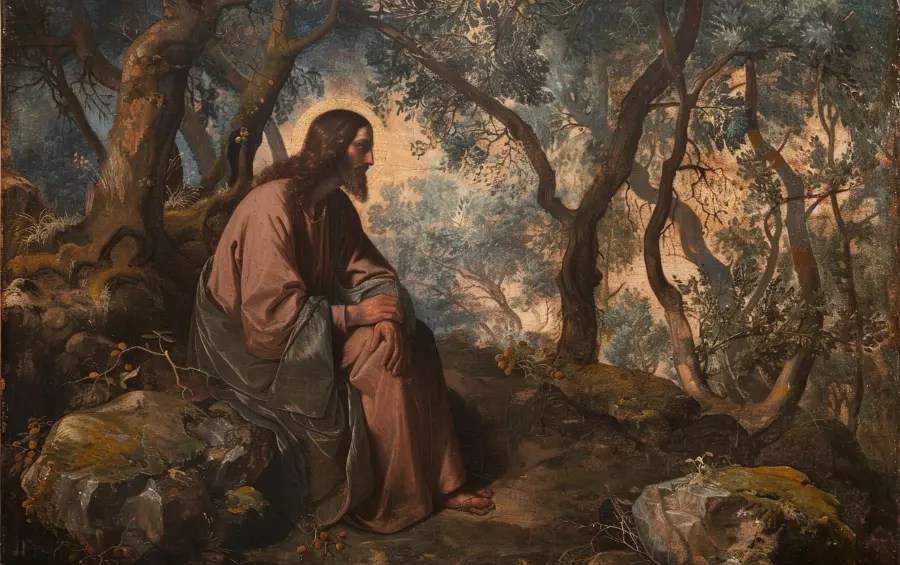
Ephesians 2:8-9
“For it is by grace you have been saved, through faith—and this is not from yourselves, it is the gift of God—not by works, so that no one can boast.”
Reflection: Salvation is described as a gift received through faith, not earned by works, “so that no one can boast.”
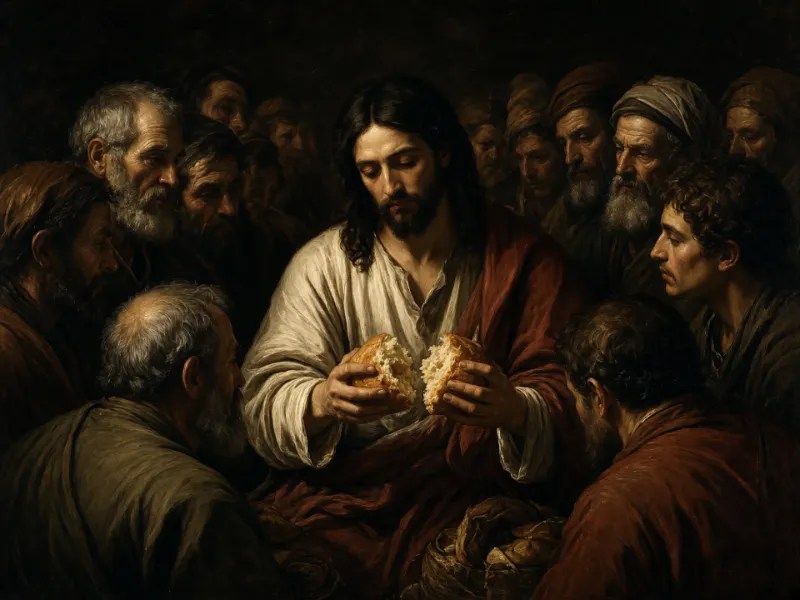
John 3:16
“For God so loved the world that he gave his one and only Son, that whoever believes in him shall not perish but have eternal life.”
Reflection: The verb is “gave.” Jesus says this to Nicodemus, a Pharisee and member of the ruling council who came to him at night (3:1-2).
Blessing as something handed on
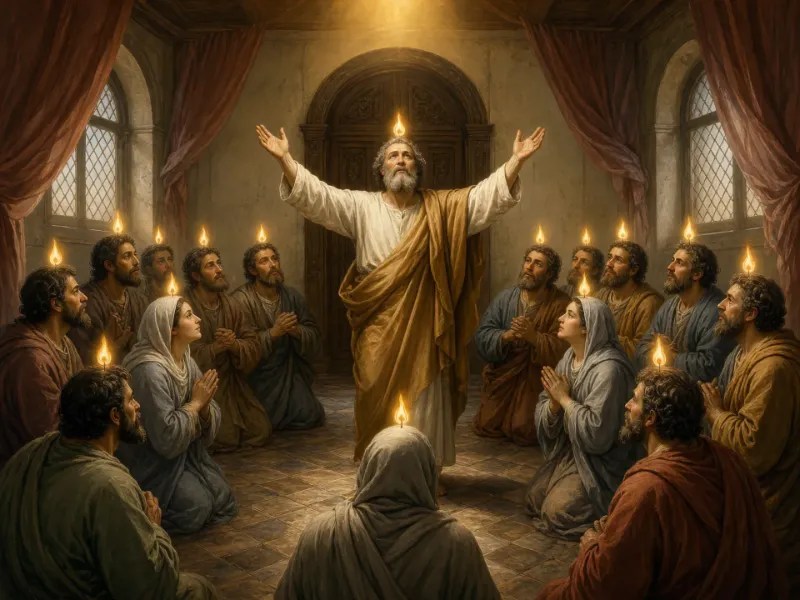
2 Corinthians 9:7
“Each of you should give what you have decided in your heart to give, not reluctantly or under compulsion, for God loves a cheerful giver.”
Reflection: Paul is organizing a collection for the Lord’s people in Jerusalem (9:1), and he asks each person to decide in advance what to give, without pressure.
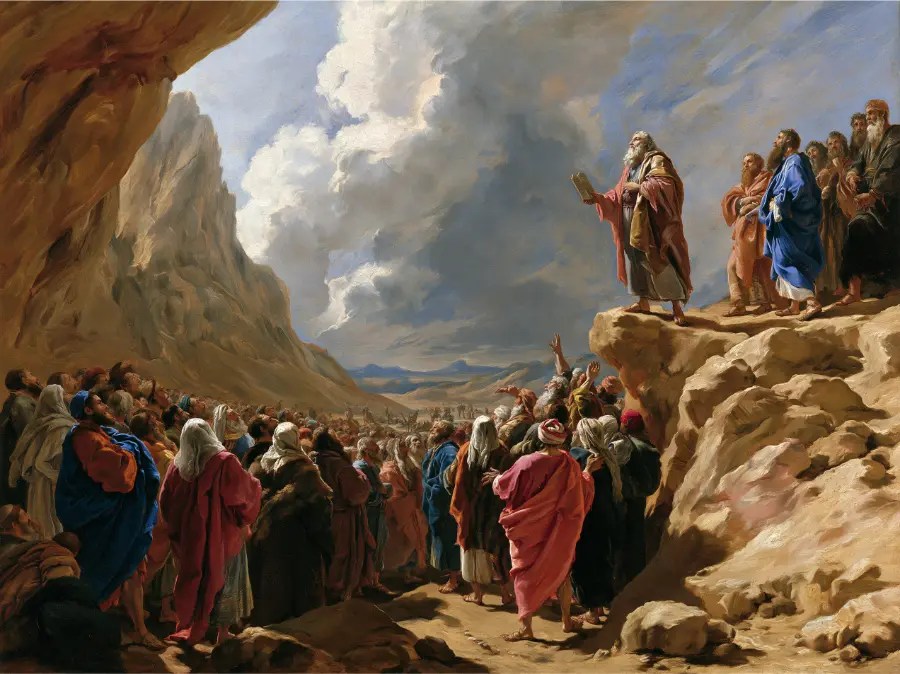
Acts 20:35
“In everything I did, I showed you that by this kind of hard work we must help the weak, remembering the words the Lord Jesus himself said: ‘It is more blessed to give than to receive.’”
Reflection: Paul is saying goodbye to the elders of the church at Ephesus (20:17). The saying of Jesus he quotes does not appear in the four Gospels; it was remembered and passed on.
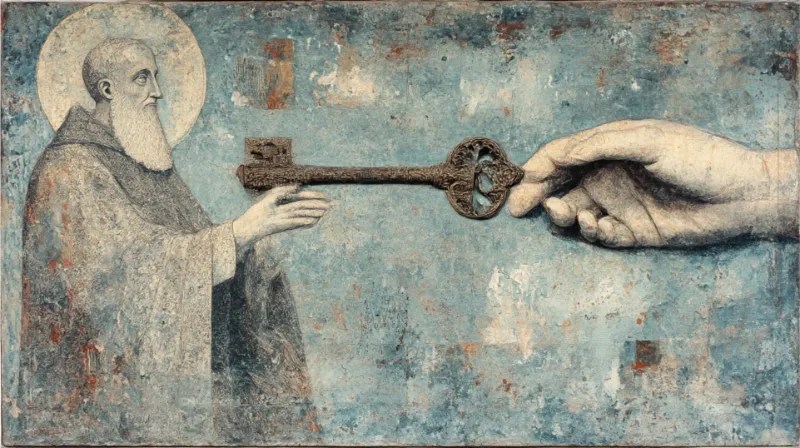
2 Corinthians 1:3-4
“Praise be to the God and Father of our Lord Jesus Christ, the Father of compassion and the God of all comfort, who comforts us in all our troubles, so that we can comfort those in any trouble with the comfort we ourselves receive from God.”
Reflection: Paul gives comfort a purpose: God comforts believers “so that we can comfort those in any trouble.” He had been under such pressure in the province of Asia that he “despaired of life itself” (1:8).
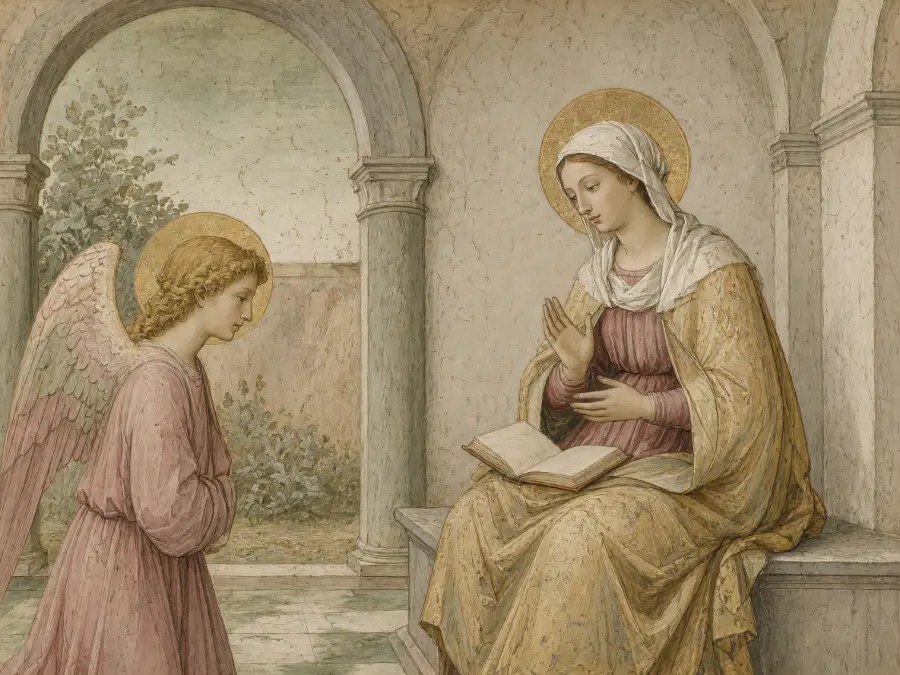
1 John 4:7-8
“Dear friends, let us love one another, for love comes from God. Everyone who loves has been born of God and knows God. Whoever does not love does not know God, because God is love.”
Reflection: John’s test is practical: love for others shows that a person has been born of God, and a lack of love shows that they do not know him.
Blessing that is not circumstance

John 14:27
“Peace I leave with you; my peace I give you. I do not give to you as the world gives. Do not let your hearts be troubled and do not be afraid.”
Reflection: Jesus says this at the Last Supper, the night of his arrest. The peace he gives is different from what the world gives, and it does not depend on circumstances.
Romans 15:13
“May the God of hope fill you with all joy and peace as you trust in him, so that you may overflow with hope by the power of the Holy Spirit.”
Reflection: Paul prays for his readers rather than promising them easier circumstances. The hope he asks for overflows “by the power of the Holy Spirit.”
Philippians 4:19
“And my God will meet all your needs according to the riches of his glory in Christ Jesus.”
Reflection: Paul writes this from prison after the Philippians had sent him gifts (4:18). The promise concerns their needs.

Psalm 91:1-2
“Whoever dwells in the shelter of the Most High will rest in the shadow of the Almighty. I will say of the Lord, ‘He is my refuge and my fortress, my God, in whom I trust.’”
Reflection: The psalm speaks of dwelling in God’s shelter, a settled place to live rather than a place visited only in an emergency.

2 Thessalonians 3:3
“But the Lord is faithful, and he will strengthen you and protect you from the evil one.”
Reflection: Paul has just asked the Thessalonians to pray that he would be delivered from “wicked and evil people” (3:2). He admits the danger and names the Lord’s faithfulness within it.
Asking, and being answered
James 1:5
“If any of you lacks wisdom, you should ask God, who gives generously to all without finding fault, and it will be given to you.”
Reflection: James promises wisdom to anyone who asks, and says God gives it “without finding fault.”

Psalm 32:8
“I will instruct you and teach you in the way you should go; I will counsel you with my loving eye on you.”
Reflection: This promise of guidance follows the psalmist’s confession and forgiveness (32:5).
James 5:16
“Therefore confess your sins to each other and pray for each other so that you may be healed. The prayer of a righteous person is powerful and effective.”
Reflection: James links confession to one another with prayer and healing. The next verses give Elijah as an example of a righteous person whose prayer was effective (5:17-18).
Malachi 3:10
“Bring the whole tithe into the storehouse, that there may be food in my house. Test me in this, says the Lord Almighty, and see if I will not throw open the floodgates of heaven and pour out so much blessing that there will not be room enough to store it.”
Reflection: The storehouse was a room at the temple where tithes were kept to support the Levites and, every third year, the foreigner, the fatherless and the widow (Deuteronomy 14:28-29). Malachi’s hearers had been withholding the tithe (3:8-9).
Blessing across a household

Proverbs 22:6
“Start children off on the way they should go, and even when they are old they will not turn from it.”
Reflection: A proverb describes what usually happens rather than giving a guarantee. Parents whose grown children have walked away from the faith should not read this verse as a verdict on them.

Ephesians 5:25
“Husbands, love your wives, just as Christ loved the church and gave himself up for her.”
Reflection: The model for a husband’s love is Christ, who “gave himself up” for the church.
Psalm 100:4-5
“Enter his gates with thanksgiving and his courts with praise; give thanks to him and praise his name. For the Lord is good and his love endures forever; his faithfulness continues through all generations.”
Reflection: The psalm ends with God’s faithfulness “through all generations,” looking past the people singing it to those who come after them.
What to do with a blessing
These verses describe blessing as something passed on. The blessing given to Abraham was for all peoples on earth, God comforts believers so that they can comfort others, and Jesus said it is more blessed to give than to receive.
A simple test follows from them: name a blessing, and then name who else it is for. For words of thanks, there are prayers of praise and worship.


Leave a Reply