
 English
 Chinese
 Dutch
 Arabic
 Spanish
 Portuguese
 Russian
 French
 Italian
 German
 Japanese
The Bible treats commitment as a choice made in the open and then kept. Joshua asks Israel to “choose for yourselves this day whom you will serve” (Joshua 24:15), and Ruth binds herself to Naomi with an oath (Ruth 1:16-17).
Psalm 37:5 says “Commit your way to the Lord,” and Proverbs 16:3 says “Commit to the Lord whatever you do.” Marriage is called a covenant in Malachi 2:14, and Genesis 2:24 is the verse Jesus quotes when asked about divorce. Behind human commitment stands God’s: Psalm 89:34 has him say, “I will not violate my covenant,” and 2 Timothy 2:13 says that “if we are faithless, he remains faithful.”
Choosing whom to serve

Joshua 24:15
“But if serving the Lord seems undesirable to you, then choose for yourselves this day whom you will serve, whether the gods your ancestors served beyond the Euphrates, or the gods of the Amorites, in whose land you are living. But as for me and my household, we will serve the Lord.”
Reflection: Joshua has assembled the tribes of Israel at Shechem (Joshua 24:1) and tells them to throw away the gods their ancestors worshiped beyond the Euphrates and in Egypt. When the people answer that they will serve the Lord, he replies, “You are not able to serve the Lord. He is a holy God” (24:19), and presses them until they say it again. He then declares them “witnesses against yourselves that you have chosen to serve the Lord” (24:22), and they agree.

Deuteronomy 30:19-20
“This day I call the heavens and the earth as witnesses against you that I have set before you life and death, blessings and curses. Now choose life, so that you and your children may live and that you may love the Lord your God, listen to his voice, and hold fast to him.”
Reflection: Moses calls heaven and earth as witnesses and puts two outcomes before Israel. Choosing life is spelled out as loving the Lord, listening to his voice and holding fast to him, and verse 17 describes the other road: a heart that “turns away” and is “drawn away to bow down to other gods.” Verse 20 gives the reason for the choice: “the Lord is your life.”

Matthew 6:24
“No one can serve two masters. Either you will hate the one and love the other, or you will be devoted to the one and despise the other. You cannot serve both God and money.”
Reflection: In the Sermon on the Mount, this saying follows Jesus’ teaching on treasure, with the saying about the eye as “the lamp of the body” (Matthew 6:22-23) in between. The treasure teaching ends: “where your treasure is, there your heart will be also” (Matthew 6:21). The picture is a servant claimed by two masters, who will end up devoted to one and despising the other. Money is named as the rival master.

Luke 9:23
“Then he said to them all: ‘Whoever wants to be my disciple must deny themselves and take up their cross daily and follow me.’”
Reflection: Jesus says this “to them all” just after Peter calls him “God’s Messiah” and Jesus foretells that he will be rejected, killed and raised on the third day (Luke 9:20-22). Following him means denying oneself and taking up a cross “daily.” Later in the chapter, a man who wants first to say goodbye to his family is told, “No one who puts a hand to the plow and looks back is fit for service in the kingdom of God” (9:62).
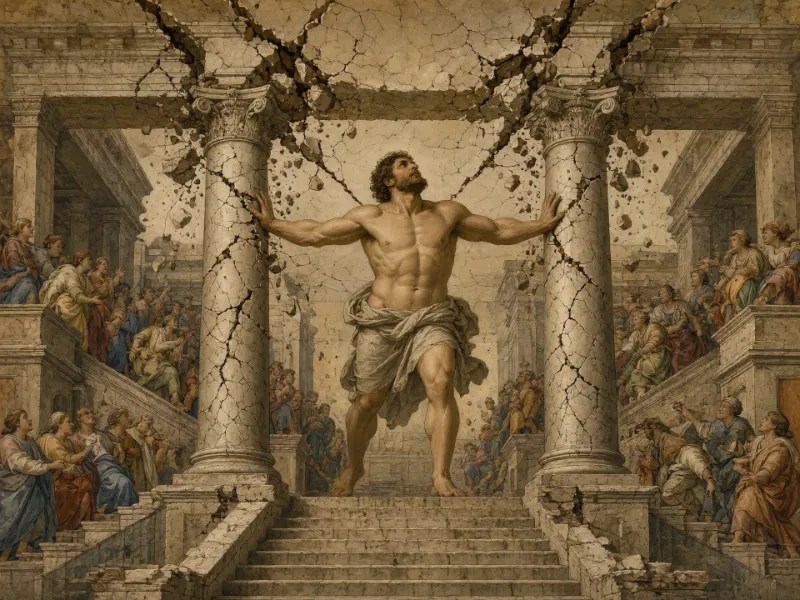
Romans 12:1
“Therefore, I urge you, brothers and sisters, in view of God’s mercy, to offer your bodies as a living sacrifice, holy and pleasing to God—this is your true and proper worship.”
Reflection: Paul’s “therefore” and “in view of God’s mercy” point back to the mercy he has set out in the chapters before. What he asks for is the body, offered whole and still alive, and he calls that offering worship. Verse 2 carries the commitment into the mind: “Do not conform to the pattern of this world, but be transformed by the renewing of your mind.”
Committing plans and promises to God
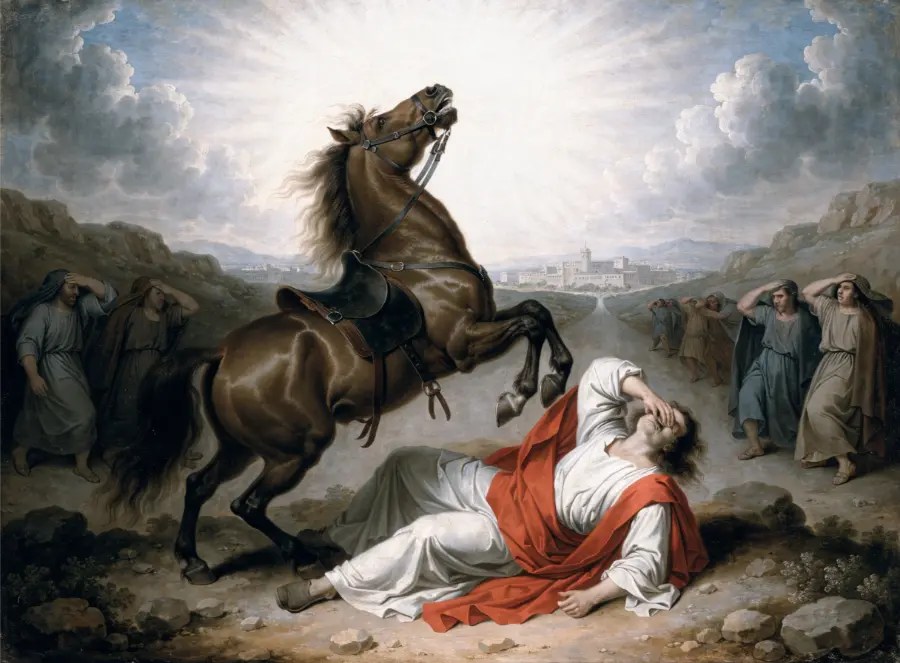
Psalm 37:5-6
“Commit your way to the Lord; trust in him and he will do this: He will make your righteous reward shine like the dawn, your vindication like the noonday sun.”
Reflection: Psalm 37, headed “Of David,” opens with “Do not fret because of those who are evil” (37:1). Committing one’s way to the Lord is paired with trusting him, and the promise is vindication “like the noonday sun.” The next verse describes what committing looks like while the wicked still prosper: “Be still before the Lord and wait patiently for him” (37:7).
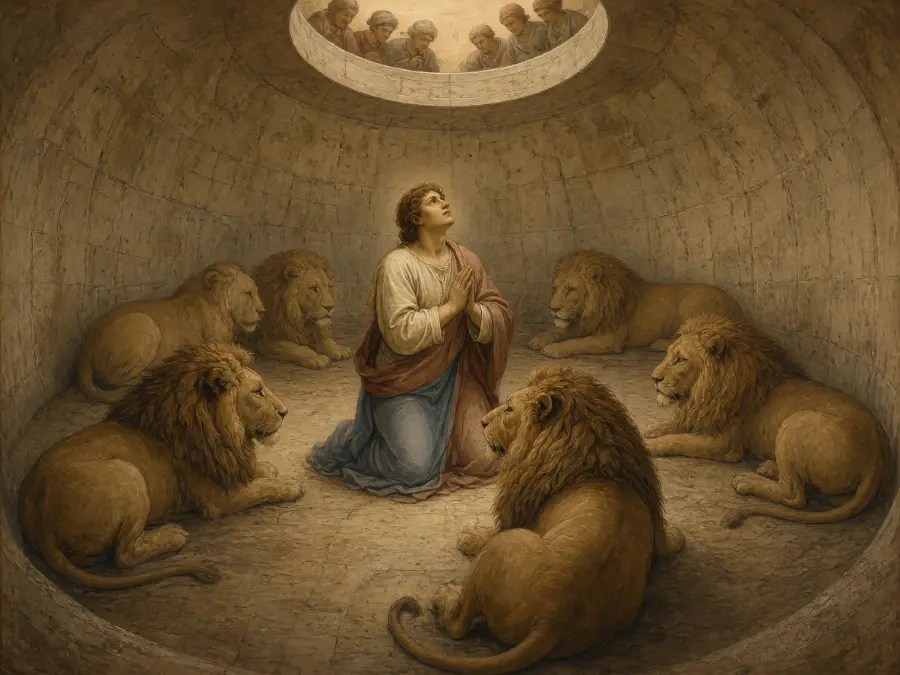
Proverbs 16:3
“Commit to the Lord whatever you do, and he will establish your plans.”
Reflection: The verses around it set human planning beside God’s rule: “To humans belong the plans of the heart” (16:1), and “motives are weighed by the Lord” (16:2). Here the plans are handed over, with the promise that the Lord will establish them. Verse 9 states the same order from the other side: “In their hearts humans plan their course, but the Lord establishes their steps.”
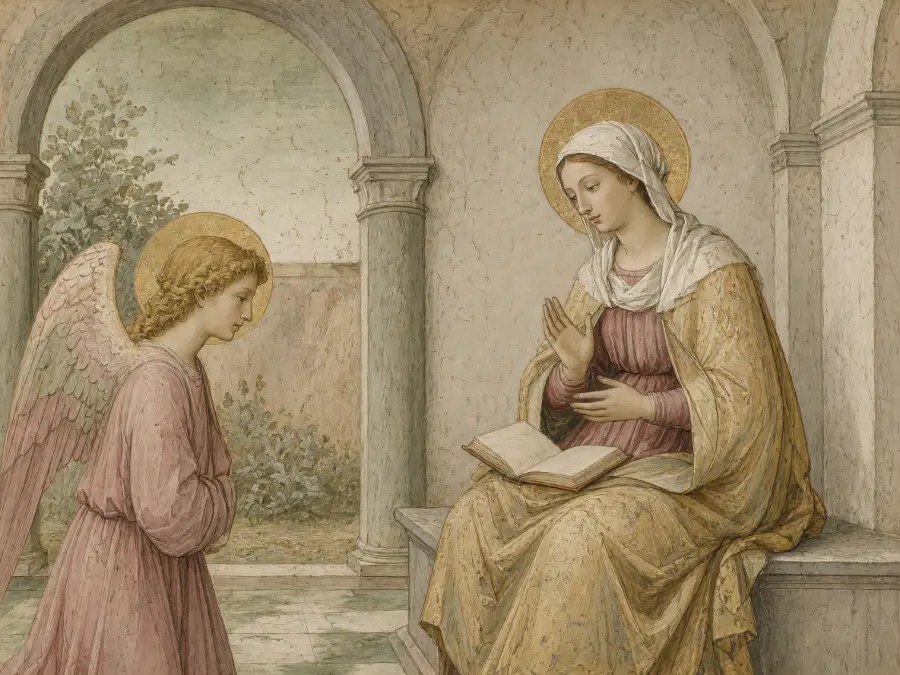
Ecclesiastes 5:4-5
“When you make a vow to God, do not delay to fulfill it. He has no pleasure in fools; fulfill your vow. It is better not to make a vow than to make one and not fulfill it.”
Reflection: The Teacher is giving advice for going to “the house of God” (Ecclesiastes 5:1), where he warns, “Do not be quick with your mouth” (5:2). A vow made to God is to be paid without delay, and an unpaid vow is judged worse than none. Verse 6 closes off the excuse: “do not protest to the temple messenger, ‘My vow was a mistake.’”
Commitment in marriage, family and friendship
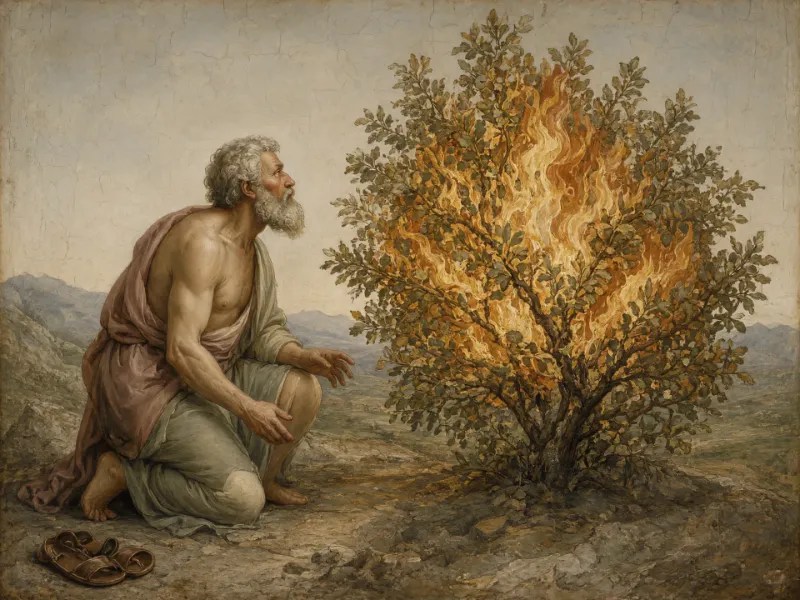
Genesis 2:24
“That is why a man leaves his father and mother and is united to his wife, and they become one flesh.”
Reflection: The verse follows the man’s words over the woman God has made from his rib: “This is now bone of my bones and flesh of my flesh” (Genesis 2:23). When Pharisees ask Jesus whether a man may divorce his wife “for any and every reason,” he quotes this verse and adds, “Therefore what God has joined together, let no one separate” (Matthew 19:3-6). Paul quotes it again in Ephesians 5:31.

Malachi 2:16
“‘The man who hates and divorces his wife,’ says the Lord, the God of Israel, ‘does violence to the one he should protect,’ says the Lord Almighty.”
Reflection: Malachi is speaking to men whose offerings the Lord no longer accepts, and he gives the reason: the Lord is “the witness between you and the wife of your youth” and she is “the wife of your marriage covenant” (Malachi 2:14). The warning “So be on your guard, and do not be unfaithful” comes twice, in verses 15 and 16. Translations render the start of verse 16 differently: the NIV makes the man the one who “hates and divorces,” while the King James Version reads “he hateth putting away,” with the Lord as the one who hates.

Ephesians 5:25
“Husbands, love your wives, just as Christ loved the church and gave himself up for her.”
Reflection: Paul’s instructions to households begin with “Submit to one another out of reverence for Christ” (Ephesians 5:21). The standard he sets for a husband’s love is Christ, who “gave himself up” for the church. A few verses later he quotes Genesis 2:24 and says, “I am talking about Christ and the church” (5:32).
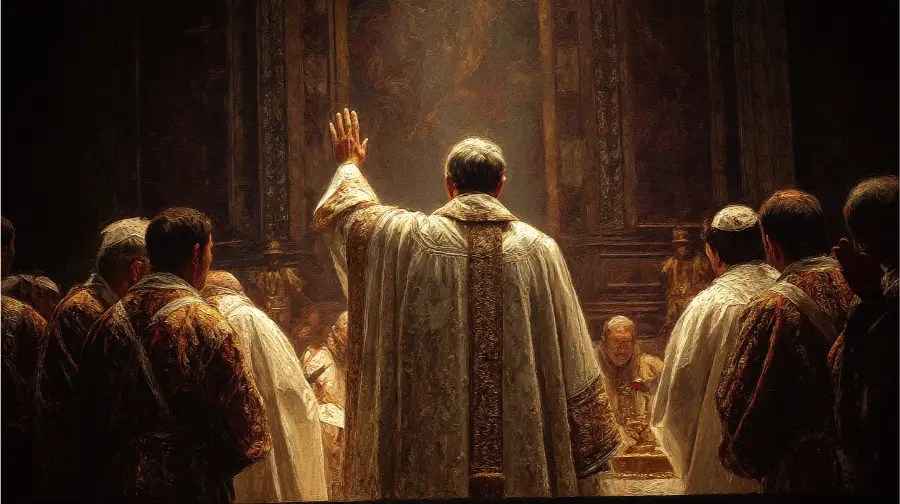
Ruth 1:16-17
“But Ruth replied, ‘Don’t urge me to leave you or to turn back from you. Where you go I will go, and where you stay I will stay. Your people will be my people and your God my God. Where you die I will die, and there I will be buried. May the Lord deal with me, be it ever so severely, if even death separates you and me.’”
Reflection: Naomi has lost her husband and both her sons in Moab, and she urges her two Moabite daughters-in-law to go back to their mothers’ homes (Ruth 1:3-8). Orpah kisses her goodbye, but Ruth “clung to her.” Ruth takes on Naomi’s people and Naomi’s God and seals her words with an oath in the Lord’s name. When Naomi sees that Ruth is “determined to go with her,” she stops urging her (1:18).
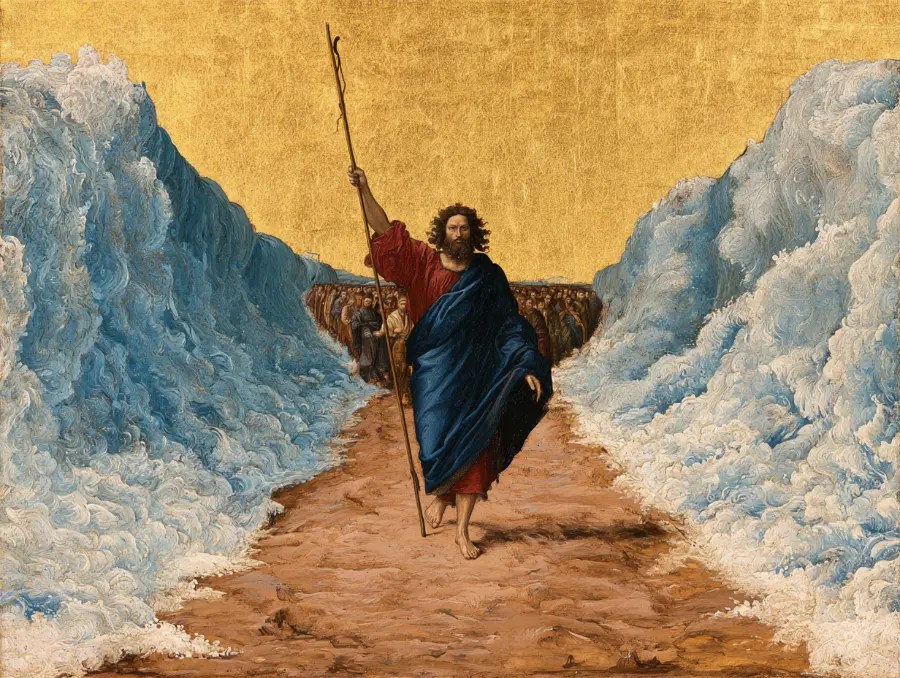
Proverbs 17:17
“A friend loves at all times, and a brother is born for a time of adversity.”
Reflection: The first line says a friend loves at all times; the second says a brother is born for a time of adversity. Proverbs 18:24 sets the two relationships side by side again: “there is a friend who sticks closer than a brother.”
God’s commitment to his people

Psalm 89:34
“I will not violate my covenant or alter what my lips have uttered.”
Reflection: God is speaking of his covenant with David, whom he has sworn to establish “forever” (Psalm 89:3-4). The verses before this one allow for David’s sons breaking God’s law: they will be punished “with the rod,” but “I will not take my love from him” (89:32-33).
Lamentations 3:22-23
“Because of the Lord’s great love we are not consumed, for his compassions never fail. They are new every morning; great is your faithfulness.”
Reflection: Lamentations mourns a city left deserted (Lamentations 1:1), and chapter 3 begins, “I am the man who has seen affliction.” These lines come after “Yet this I call to mind and therefore I have hope” (3:21). The speaker’s answer to God’s faithfulness is stated in the next verse: “The Lord is my portion; therefore I will wait for him” (3:24).
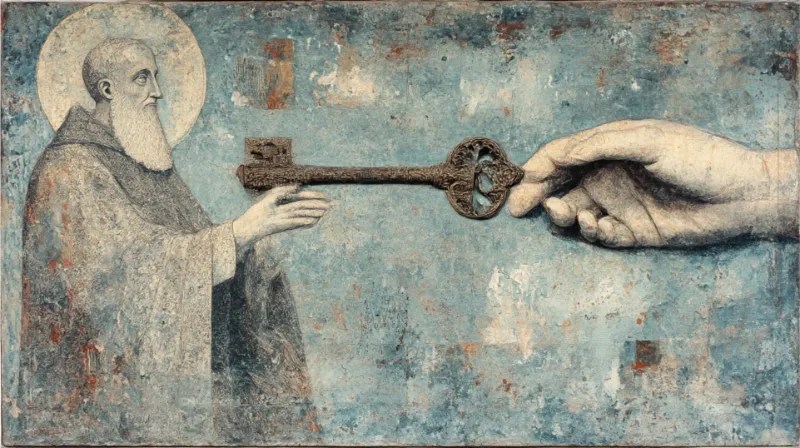
Deuteronomy 31:6
“Be strong and courageous. Do not be afraid or terrified because of them, for the Lord your God goes with you; he will never leave you nor forsake you.”
Reflection: Moses, at a hundred and twenty and told that he will not cross the Jordan (Deuteronomy 31:2), says this to all Israel and then says it again to Joshua in their presence (31:7-8). The courage he asks for rests on God’s presence going with them. Hebrews 13:5 quotes the promise, “Never will I leave you; never will I forsake you,” as the reason to be content without the love of money.

2 Timothy 2:13
“if we are faithless, he remains faithful, for he cannot disown himself.”
Reflection: This is the last line of a “trustworthy saying” (2 Timothy 2:11). The lines before it match each action with a like result: dying with him and living with him, enduring and reigning, disowning and being disowned (2:11-12). Here the pattern breaks. Human faithlessness does not produce divine faithlessness, “for he cannot disown himself.”
Keeping at it to the end

2 Timothy 4:7
“I have fought the good fight, I have finished the race, I have kept the faith.”
Reflection: Paul writes that he is “already being poured out like a drink offering” and that “the time for my departure is near” (2 Timothy 4:6). He describes his life with three images: a fight, a race and a trust kept. The next verse names the crown of righteousness he expects, “and not only to me, but also to all who have longed for his appearing” (4:8).
Galatians 6:9
“Let us not become weary in doing good, for at the proper time we will reap a harvest if we do not give up.”
Reflection: The harvest picks up the sowing of the verses before: “A man reaps what he sows” (Galatians 6:7). Paul’s condition is plain, a harvest “if we do not give up.” Verse 10 turns the principle into practice: “let us do good to all people, especially to those who belong to the family of believers.”
1 Corinthians 15:58
“Therefore, my dear brothers and sisters, stand firm. Let nothing move you. Always give yourselves fully to the work of the Lord, because you know that your labor in the Lord is not in vain.”
Reflection: The “therefore” closes Paul’s long argument for the resurrection of the dead, which ends with “Death has been swallowed up in victory” (1 Corinthians 15:54) and thanks to God who “gives us the victory” (15:57). Paul’s “therefore” draws the call to stand firm and give oneself fully to the Lord’s work from that argument, and the verse gives its own ground: “you know that your labor in the Lord is not in vain.”
Where the promises sit in tension
Joshua 24:19 tells Israel “You are not able to serve the Lord” at the moment they commit to serve him, yet “on that day Joshua made a covenant for the people” (Joshua 24:25).
Psalm 89:34 has God swear that he will not violate his covenant with David, yet the same psalm goes on to say, “You have renounced the covenant with your servant” (Psalm 89:39). Second Timothy 2:12-13 sets “If we disown him, he will also disown us” beside “if we are faithless, he remains faithful” and does not explain how the two lines fit together.


Leave a Reply