
 English
 Chinese
 Dutch
 Arabic
 Spanish
 Portuguese
 Russian
 French
 Italian
 German
 Japanese
In the Bible, to consecrate is to set a person or thing apart for God. The law consecrates the firstborn (Exodus 13:2) and the priests (Exodus 28:41), and God separates the whole people of Israel to be his own (Leviticus 20:26). Before his arrest Jesus says, “for their sake I consecrate myself” (John 17:19).
Joshua and David call on the people to consecrate themselves (Joshua 3:5; 1 Chronicles 29:5). In Exodus 13:2, Exodus 28:41 and Joshua 3:5 the Hebrew verb is qadash, to be set apart or consecrated. In the New Testament the verb is hagiazo, to make holy, consecrate or sanctify, which is why English Bibles render it now one way and now the other: John 17 has “sanctify” in verse 17 and “consecrate” in verse 19, and 2 Timothy 2:21 has “set apart as holy.”
What the law set apart for God
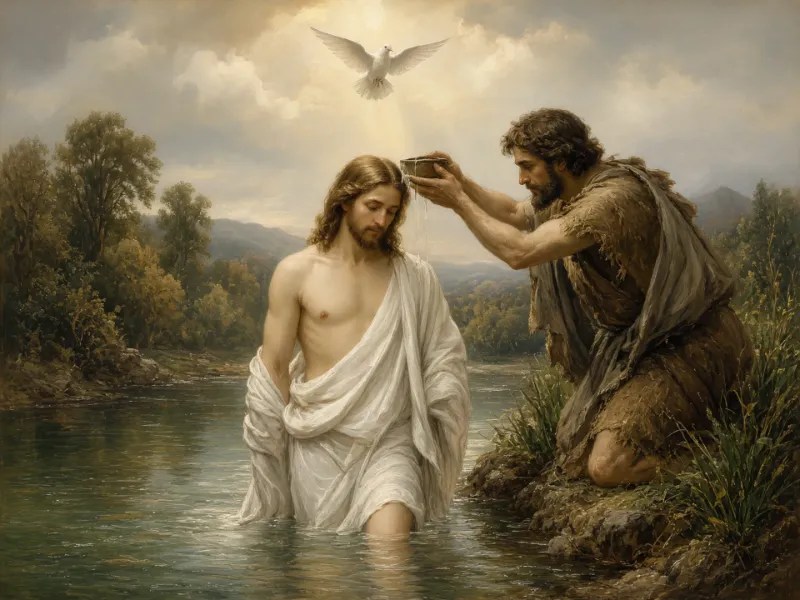
Exodus 13:2
“Consecrate to me all the firstborn. Whatever is the first to open the womb among the people of Israel, both of man and of beast, is mine.”
Reflection: God gives this command just after Israel leaves Egypt, and the reason for “is mine” comes a few verses later: when Pharaoh refused to let the people go, “the LORD killed all the firstborn in the land of Egypt” (Exodus 13:15). Consecrating the firstborn did not mean sacrificing every one of them. The male firstborn of animals belonged to the LORD, a firstborn donkey was redeemed with a lamb, and “every firstborn of man among your sons you shall redeem” (Exodus 13:13), and a father was to explain the practice when his son asked what it meant.
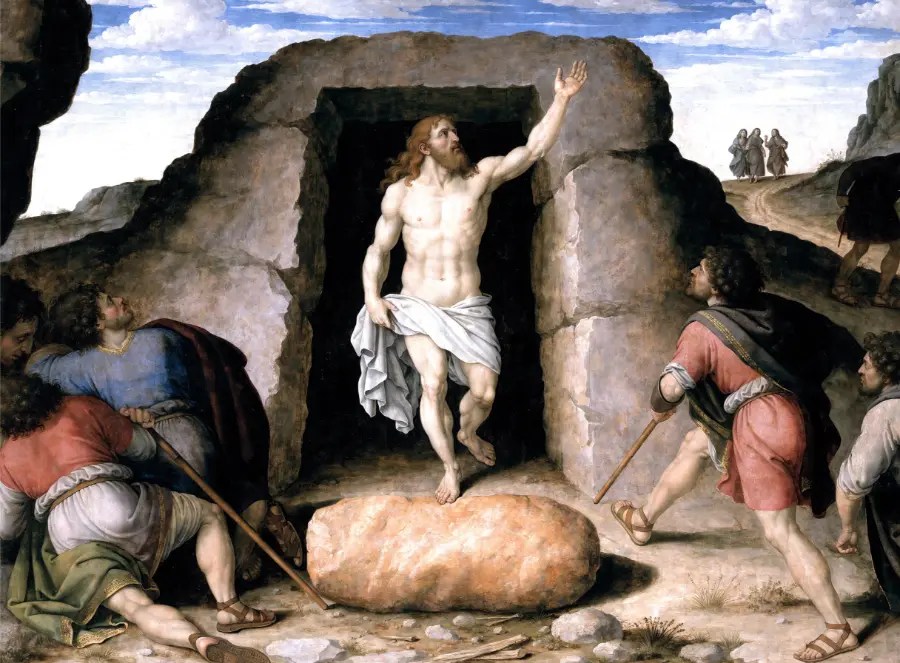
Exodus 28:41
“And you shall put them on Aaron your brother, and on his sons with him, and shall anoint them and ordain them and consecrate them, that they may serve me as priests.”
Reflection: The verse comes near the end of the instructions for the priests’ garments, and three verbs follow the clothing: anoint, ordain, consecrate. Exodus 29 sets out the ceremony, in which Aaron and his sons are washed with water at the entrance of the tent of meeting, dressed, and anointed with oil poured on Aaron’s head (Exodus 29:4-7). At the end of that chapter God names himself as the one acting: “Aaron also and his sons I will consecrate to serve me as priests” (Exodus 29:44).
A people set apart
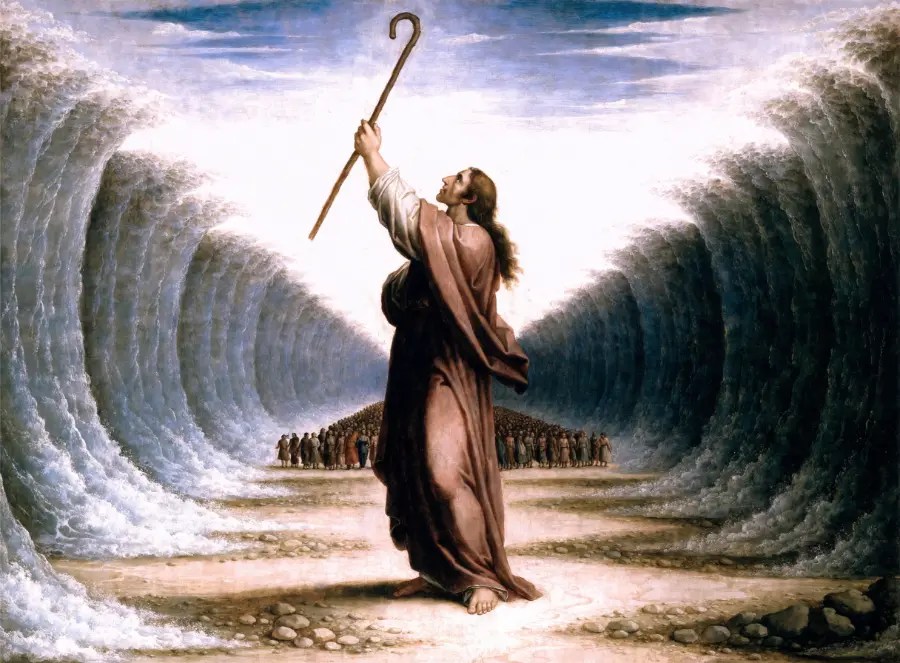
Exodus 19:6
“and you shall be to me a kingdom of priests and a holy nation. These are the words that you shall speak to the people of Israel.”
Reflection: God speaks these words at Sinai, before the law is given, and they rest on what he has already done: “I bore you on eagles’ wings and brought you to myself” (Exodus 19:4). The promise carries a condition in the verse before it, “if you will indeed obey my voice and keep my covenant.” First Peter 2:9 applies the same titles to Christians: “a royal priesthood, a holy nation.”
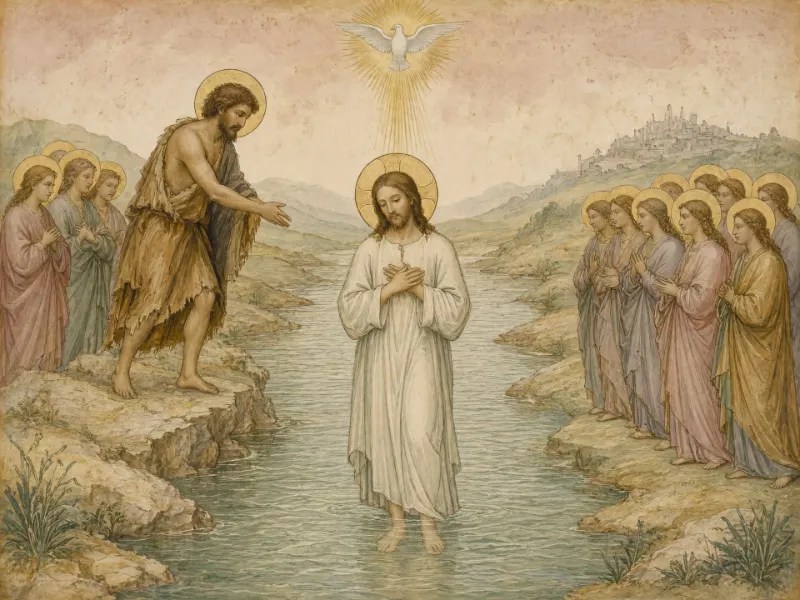
Leviticus 20:26
“You shall be holy to me, for I the LORD am holy and have separated you from the peoples, that you should be mine.”
Reflection: The chapter sets penalties for giving children to Molech, turning to mediums, cursing parents and sexual offenses, and the verse before this one links Israel’s separation to the food laws: “You shall therefore separate the clean beast from the unclean.” Earlier in the chapter the command and the promise sit side by side: “Consecrate yourselves, therefore, and be holy … I am the LORD who sanctifies you” (Leviticus 20:7-8). In this verse God is the one who has separated Israel, “that you should be mine.”
Deuteronomy 7:6
“For you are a people holy to the LORD your God. The LORD your God has chosen you to be a people for his treasured possession, out of all the peoples who are on the face of the earth.”
Reflection: Moses says this while giving orders about the nations of Canaan: no treaties, no intermarriage, and their altars broken down (Deuteronomy 7:2-5), “for they would turn away your sons from following me.” Being holy to the LORD is the reason for that separation. The next two verses say the choice did not rest on Israel’s size, “for you were the fewest of all peoples,” but “because the LORD loves you and is keeping the oath that he swore to your fathers.”
1 Peter 1:15-16
“but as he who called you is holy, you also be holy in all your conduct, since it is written, ‘You shall be holy, for I am holy.’”
Reflection: “It is written” points to a refrain in Leviticus: “You shall be holy, for I am holy” (Leviticus 11:44-45; 19:2). Peter addresses Christians, and the verse just before tells them not to be “conformed to the passions of your former ignorance.” A few lines later he gives the ground for their holy conduct: they were ransomed “with the precious blood of Christ, like that of a lamb without blemish or spot” (1 Peter 1:19).
Titus 2:14
“who gave himself for us to redeem us from all lawlessness and to purify for himself a people for his own possession who are zealous for good works.”
Reflection: Paul describes what Christ’s self-giving was for: to redeem and to purify “a people for his own possession.” Deuteronomy 7:6 used the same idea of Israel, “a people for his treasured possession.” The verses before this one describe such a people “waiting for our blessed hope” (Titus 2:13), and say that grace trains them “to renounce ungodliness and worldly passions” and to live “self-controlled, upright, and godly lives in the present age” (Titus 2:12).
Consecrating oneself
Joshua 3:5
“Then Joshua said to the people, ‘Consecrate yourselves, for tomorrow the LORD will do wonders among you.’”
Reflection: Israel is camped at the Jordan, about to cross into Canaan, when Joshua gives this order. The wonders come the next day: as the feet of the priests carrying the ark touch the water, the river stops flowing and “all Israel was passing over on dry ground” (Joshua 3:15-17). The chapter does not describe what the people did to consecrate themselves; it places the command before the day God acts.

1 Chronicles 29:5
“and for all the work to be done by craftsmen, gold for the things of gold and silver for the things of silver. Who then will offer willingly, consecrating himself today to the LORD?”
Reflection: David asks the question after giving his own gold and silver for the temple Solomon will build. Here consecrating oneself takes the form of a gift. The leaders of the tribes answered with freewill offerings, “and the people rejoiced because they had given willingly, for with a whole heart they had offered freely to the LORD” (1 Chronicles 29:9).
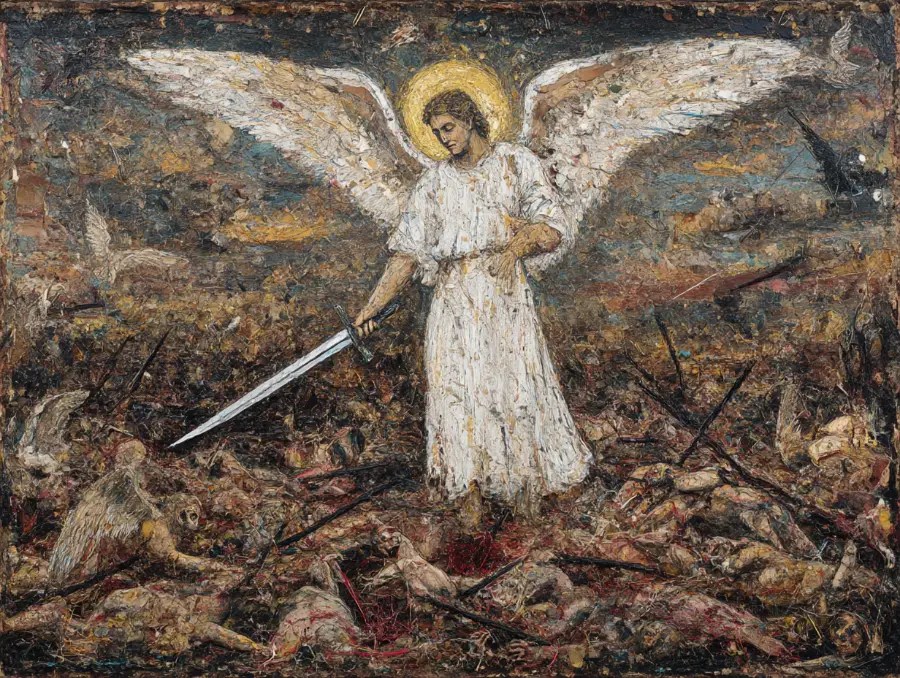
Romans 12:1
“I appeal to you therefore, brothers, by the mercies of God, to present your bodies as a living sacrifice, holy and acceptable to God, which is your spiritual worship.”
Reflection: Paul’s “therefore” opens the practical part of the letter, and he makes his appeal “by the mercies of God.” The body offered is a living sacrifice, set apart to God while still alive. The next verse says what the offering involves: “Do not be conformed to this world, but be transformed by the renewal of your mind” (Romans 12:2).
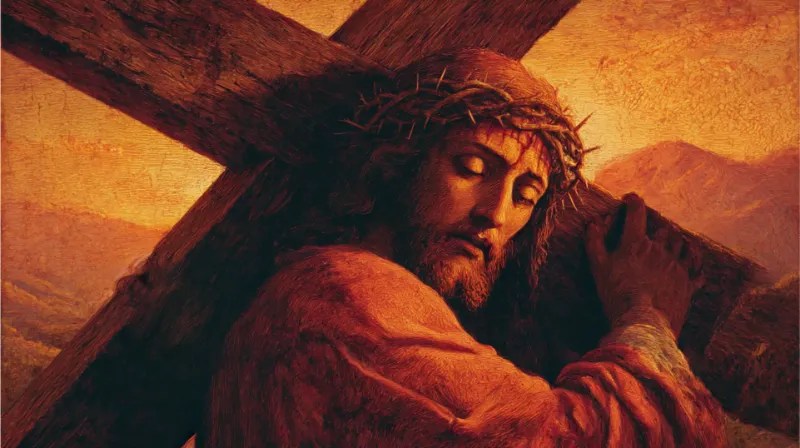
Romans 6:13
“Do not present your members to sin as instruments for unrighteousness, but present yourselves to God as those who have been brought from death to life, and your members to God as instruments for righteousness.”
Reflection: Two verses earlier Paul tells the Romans to “consider yourselves dead to sin and alive to God in Christ Jesus” (Romans 6:11). This verse turns that into an instruction about the members of the body, which can be put at the service of sin or presented to God, and verse 12 names the danger: “Let not sin therefore reign in your mortal body.”
1 Corinthians 6:19-20
“Or do you not know that your body is a temple of the Holy Spirit within you, whom you have from God? You are not your own, for you were bought with a price. So glorify God in your body.”
Reflection: A few verses earlier Paul quotes a Corinthian saying, “Food is meant for the stomach and the stomach for food,” and answers that “the body is not meant for sexual immorality, but for the Lord” (1 Corinthians 6:13). He goes on: “Shall I then take the members of Christ and make them members of a prostitute? Never!” (1 Corinthians 6:15). The temple was the place set apart for God’s presence, and Paul applies the word to the body. “Bought with a price” means the body belongs to someone else, which is why he concludes, “So glorify God in your body.”
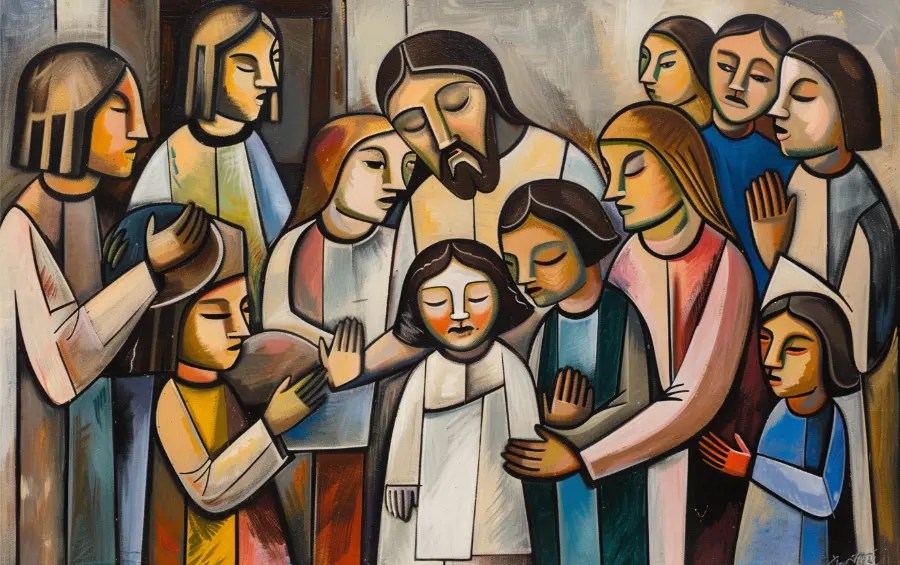
2 Timothy 2:21
“Therefore, if anyone cleanses himself from what is dishonorable, he will be a vessel for honorable use, set apart as holy, useful to the master of the house, ready for every good work.”
Reflection: The image comes from the verse before: a great house holds vessels of gold, silver, wood and clay, “some for honorable use, some for dishonorable.” “Set apart as holy” translates hagiazo, the verb behind “consecrate” in John 17:19. The next verse says what the cleansing looks like in practice: “flee youthful passions and pursue righteousness, faith, love, and peace” (2 Timothy 2:22).
Christ’s consecration and his people’s

John 17:17
“Sanctify them in the truth; your word is truth.”
Reflection: Jesus prays this for his disciples before his arrest, and he has just said he is not asking God to take them out of the world (John 17:15). Two verses later the same Greek verb appears again: “And for their sake I consecrate myself, that they also may be sanctified in truth” (John 17:19). Verse 18 stands between the two: “As you sent me into the world, so I have sent them into the world” (John 17:18).
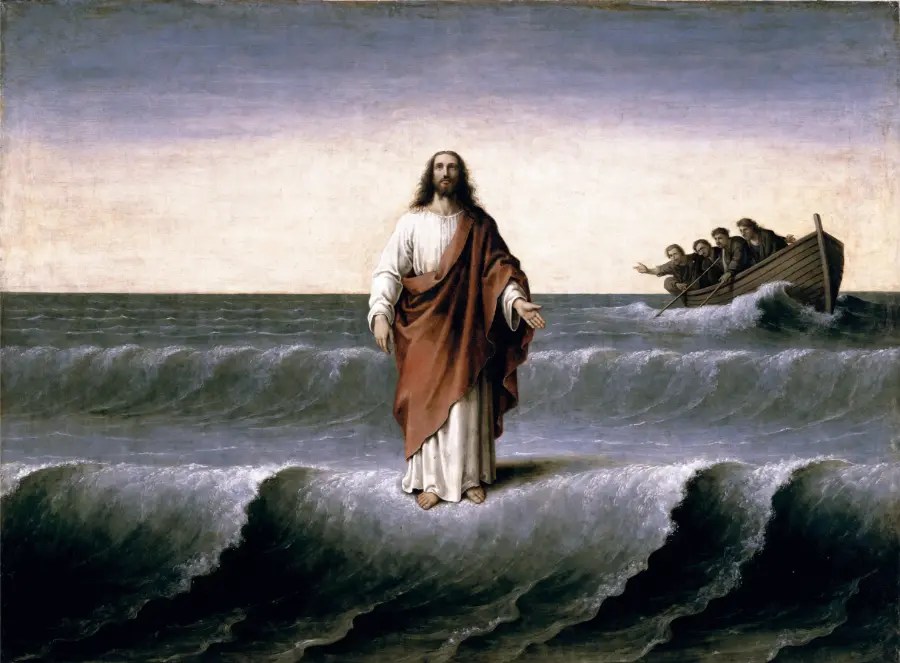
Hebrews 12:14
“Strive for peace with everyone, and for the holiness without which no one will see the Lord.”
Reflection: The command follows a passage on the Lord’s discipline, which is given “that we may share his holiness” (Hebrews 12:10). Earlier the letter speaks of holiness as already given: “we have been sanctified through the offering of the body of Jesus Christ once for all” (Hebrews 10:10). A few verses after that, Christ “has perfected for all time those who are being sanctified” (Hebrews 10:14). In Hebrews 12:14 holiness is something to pursue, alongside peace with everyone.


Leave a Reply