
 English
 Chinese
 Dutch
 Arabic
 Spanish
 Portuguese
 Russian
 French
 Italian
 German
 Japanese
Scripture treats fasting as an ordinary practice: Jesus said “when you fast,” not if, and taught his followers to keep it private.
People in the Bible fast in a crisis, in repentance, before decisions, and as a long habit. Isaiah 58 adds a warning: God rejected the fasts of people who exploited their workers (58:3-4) and described the fast he chooses, which includes freeing the oppressed and sharing food with the hungry. The twenty-one verses below cover each of these, and the freedom Paul allows around food.
When you fast
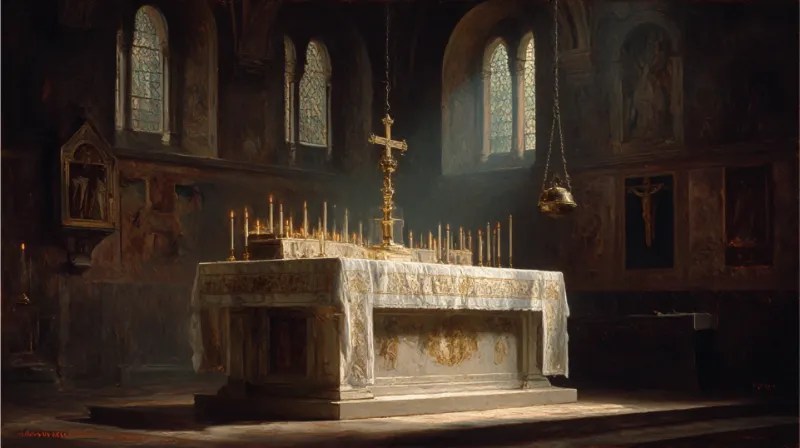
Matthew 6:16-18
“And when you fast, do not look gloomy like the hypocrites, for they disfigure their faces that their fasting may be seen by others. Truly, I say to you, they have received their reward. But when you fast, anoint your head and wash your face, that your fasting may not be seen by others but by your Father who is in secret.”
Reflection: Jesus assumes his followers will fast and gives instructions about how. Anointing the head and washing the face meant looking as usual, so that only the Father would know.

Luke 5:33-35
“And they said to him, ‘The disciples of John fast often and offer prayers, and so do the disciples of the Pharisees, but yours eat and drink.’ And Jesus said to them, ‘Can you make wedding guests fast while the bridegroom is with them?’”
Reflection: Jesus answers with a wedding image: guests do not fast while the bridegroom is with them. He adds that the days will come when the bridegroom is taken away, “and then they will fast in those days” (5:35).
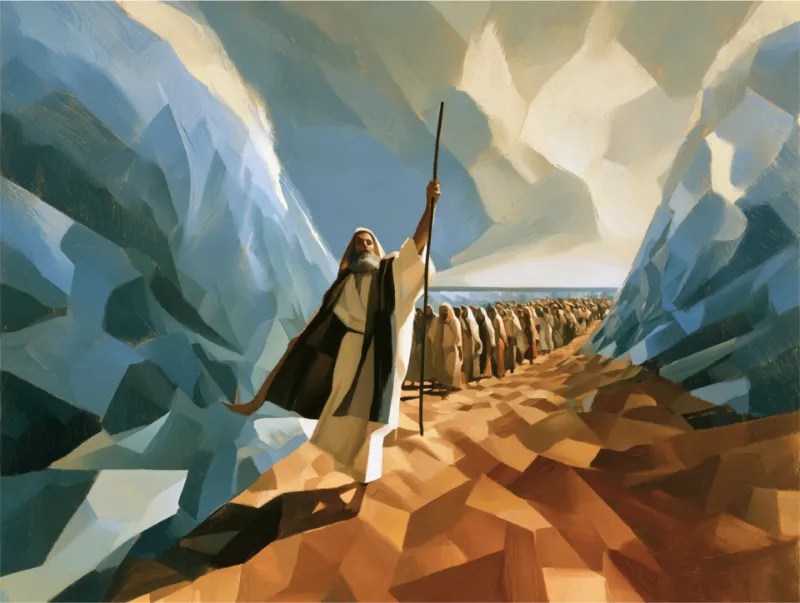
Matthew 4:1-2
“Then Jesus was led up by the Spirit into the wilderness to be tempted by the devil. And after fasting forty days and forty nights, he was hungry.”
Reflection: The first temptation follows at once and is about bread: “command these stones to become loaves of bread” (4:3). Jesus answers from Deuteronomy 8:3, “Man shall not live by bread alone.”
The fast God says he chooses

Isaiah 58:6-7
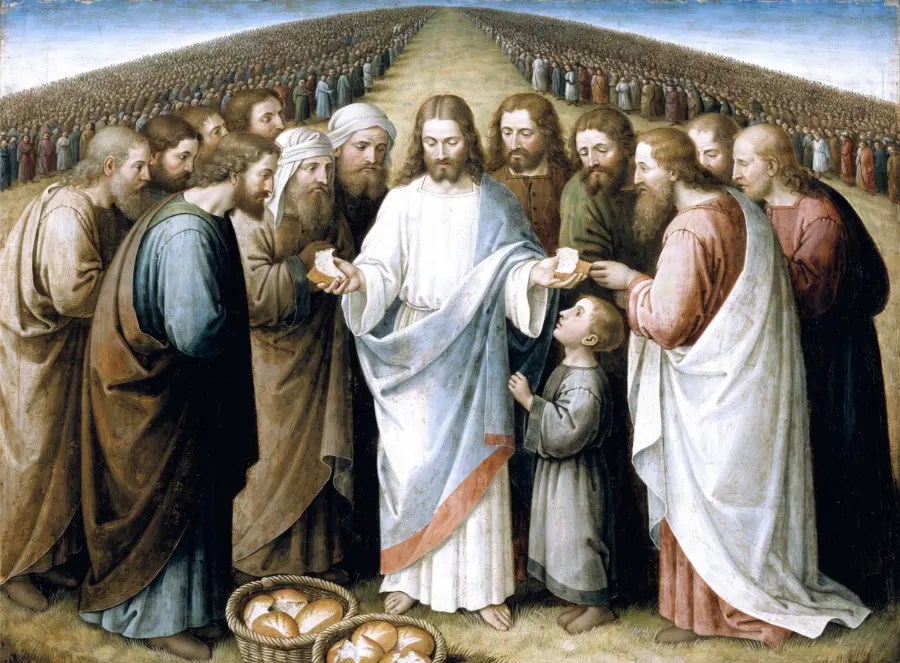
“Is not this the fast that I choose: to loose the bonds of wickedness, to undo the straps of the yoke, to let the oppressed go free, and to break every yoke? Is it not to share your bread with the hungry and bring the homeless poor into your house?”
Reflection: The people had complained that God did not see their fasting (58:3). He answers that they fasted while oppressing their workers and quarreling (58:3-4), and he describes the fast he chooses: freeing the oppressed, sharing bread and sheltering the poor.
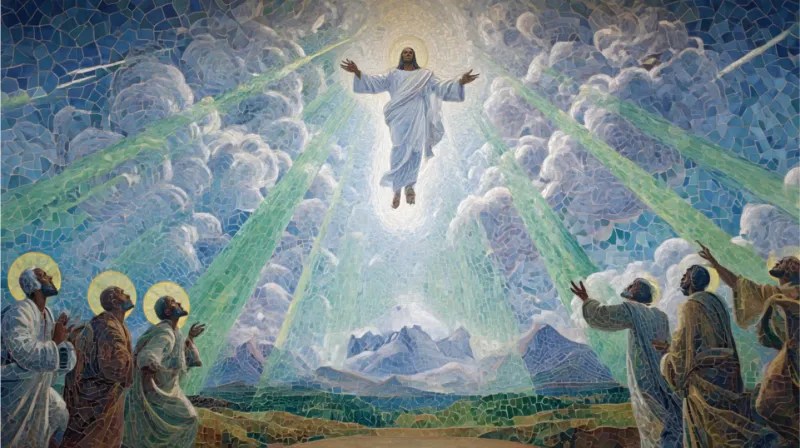
Isaiah 58:8-9
“Then shall your light break forth like the dawn, and your healing shall spring up speedily; your righteousness shall go before you; the glory of the Lord shall be your rear guard. Then you shall call, and the Lord will answer.”
Reflection: The promises begin with “then”: light, healing and answered prayer follow the fast described in verses 6-7.
Fasting in a crisis
Esther 4:15-16
“Then Esther told them to reply to Mordecai, ‘Go, gather all the Jews to be found in Susa, and hold a fast on my behalf, and do not eat or drink for three days, night or day. I and my young women will also fast as you do.’”
Reflection: Esther was about to go to the king without being summoned, which could mean death (4:11). She asks the Jews of Susa to fast for her for three days. God is not named anywhere in the book of Esther.
2 Chronicles 20:3-4
“Then Jehoshaphat was afraid and set his face to seek the Lord, and proclaimed a fast throughout all Judah. And Judah assembled to seek help from the Lord; from all the cities of Judah they came to seek the Lord.”
Reflection: An army from Moab and Ammon was coming against Judah (20:1), and the chronicler says plainly that Jehoshaphat was afraid. His response was to seek the Lord and call all Judah to fast.
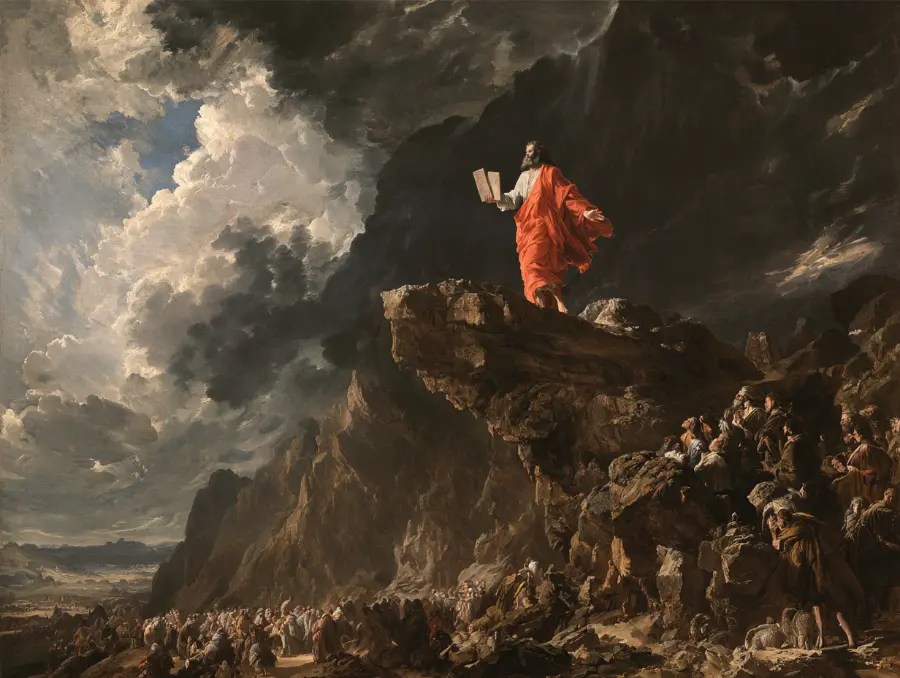
Ezra 8:21-23
“Then I proclaimed a fast there, at the river Ahava, that we might humble ourselves before our God, to seek from him a safe journey for ourselves, our children, and all our goods. For I was ashamed to ask the king for a band of soldiers.”
Reflection: Ezra had told the king, “The hand of our God is for good on all who seek him” (8:22), and he was ashamed to then ask for an armed escort. So the people fasted and prayed, and God listened (8:23).
Nehemiah 1:4
“As soon as I heard these words I sat down and wept and mourned for days, and I continued fasting and praying before the God of heaven.”
Reflection: Nehemiah had just heard that the wall of Jerusalem was broken down and its gates burned (1:3). He fasted and prayed months before he asked the king for leave to rebuild (1:1; 2:1).
Fasting and repentance
Joel 2:12
“‘Yet even now,’ declares the Lord, ‘return to me with all your heart, with fasting, with weeping, and with mourning.’”
Reflection: Joel’s prophecy follows a locust plague that stripped the land (1:4). “Even now” offers a return to God after the damage, and the next verse adds, “rend your hearts and not your garments” (2:13).
Daniel 9:3-5
“Then I turned my face to the Lord God, seeking him by prayer and pleas for mercy with fasting and sackcloth and ashes. I prayed to the Lord my God and made confession.”
Reflection: Daniel had read in Jeremiah that the desolation of Jerusalem would last seventy years (9:2). His confession uses “we”: he prays on behalf of his people.

Jonah 3:5-9
“And the people of Nineveh believed God. They called for a fast and put on sackcloth, from the greatest of them to the least of them. The word reached the king of Nineveh, and he arose from his throne.”
Reflection: Nineveh fasted after Jonah’s short warning, “Yet forty days, and Nineveh shall be overthrown!” (3:4). The king left his throne and put on sackcloth, God relented (3:10), and Jonah was angry that he did (4:1).
Fasting when a decision has to be made
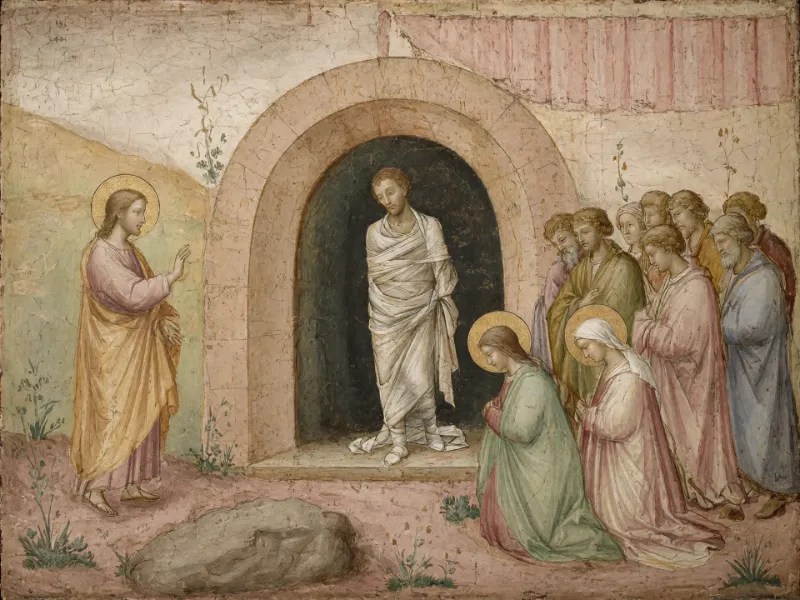
Acts 13:2-3
“While they were worshiping the Lord and fasting, the Holy Spirit said, ‘Set apart for me Barnabas and Saul for the work to which I have called them.’ Then after fasting and praying they laid their hands on them and sent them off.”
Reflection: The church at Antioch fasted twice: while worshiping, when the Holy Spirit spoke, and again before sending Barnabas and Saul on their first missionary journey.
Acts 14:23
“And when they had appointed elders for them in every church, with prayer and fasting they committed them to the Lord in whom they had believed.”
Reflection: On their return journey Paul and Barnabas appointed elders in each church and committed them to the Lord with prayer and fasting.

Mark 9:28-29
“And when he had entered the house, his disciples asked him privately, ‘Why could we not cast it out?’ And he said to them, ‘This kind cannot be driven out by anything but prayer.’”
Reflection: The disciples had failed to cast the spirit out of a boy (9:18). In the earliest manuscripts Jesus’ answer names prayer alone; some later manuscripts add “and fasting,” as the King James Version does.
The long habit

Luke 2:37
“And then as a widow until she was eighty-four. She did not depart from the temple, worshiping with fasting and prayer night and day.”
Reflection: Anna was a prophetess of the tribe of Asher who had lived with her husband seven years before she was widowed (2:36). When the infant Jesus was brought to the temple, she gave thanks and spoke of him to all who were waiting for the redemption of Jerusalem (2:38).
Daniel 10:2-3
“In those days I, Daniel, was mourning for three weeks. I ate no delicacies, no meat or wine entered my mouth, nor did I anoint myself at all, for the full three weeks.”
Reflection: This was a partial fast: for three weeks Daniel ate no delicacies, meat or wine, and did not anoint himself.
Psalm 35:13
“But I, when they were sick— I wore sackcloth; I afflicted myself with fasting; I prayed with head bowed on my chest.”
Reflection: David fasted and prayed for people when they were sick, and the psalm complains that they repaid him evil for good (35:12).
And the freedom around it
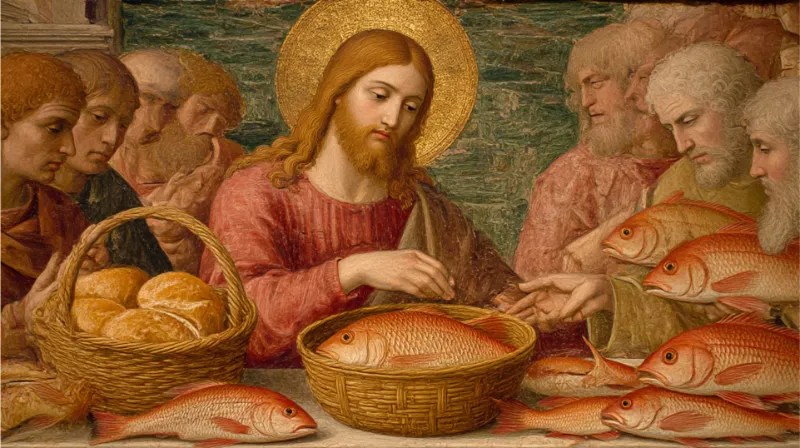
1 Corinthians 8:8
“Food will not commend us to God. We are no worse off if we do not eat, and no better off if we do.”
Reflection: Paul is discussing food offered to idols. Eating or not eating does not bring a person closer to God.
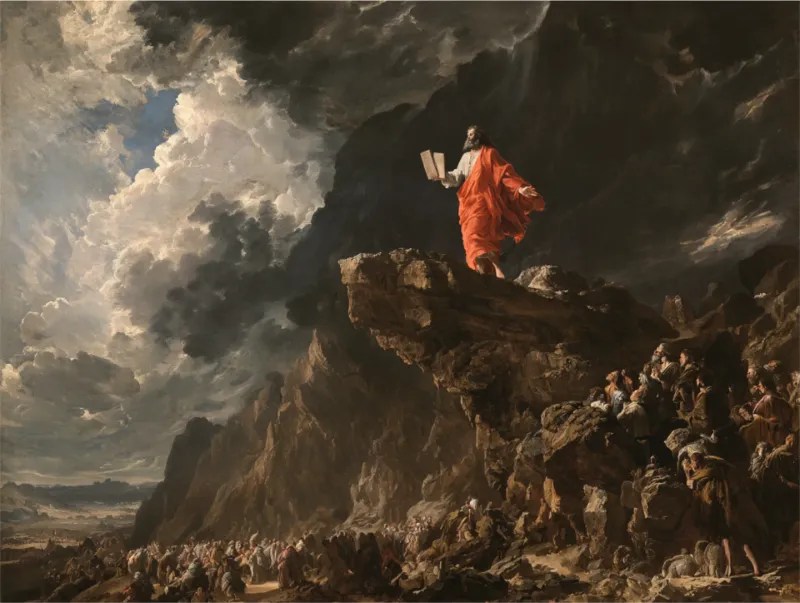
Romans 14:3
“Let not the one who eats despise the one who abstains, and let not the one who abstains pass judgment on the one who eats, for God has welcomed him.”
Reflection: Paul names both kinds of judgment: the one who eats is not to despise the one who abstains, and the one who abstains is not to judge the one who eats. God has welcomed both.
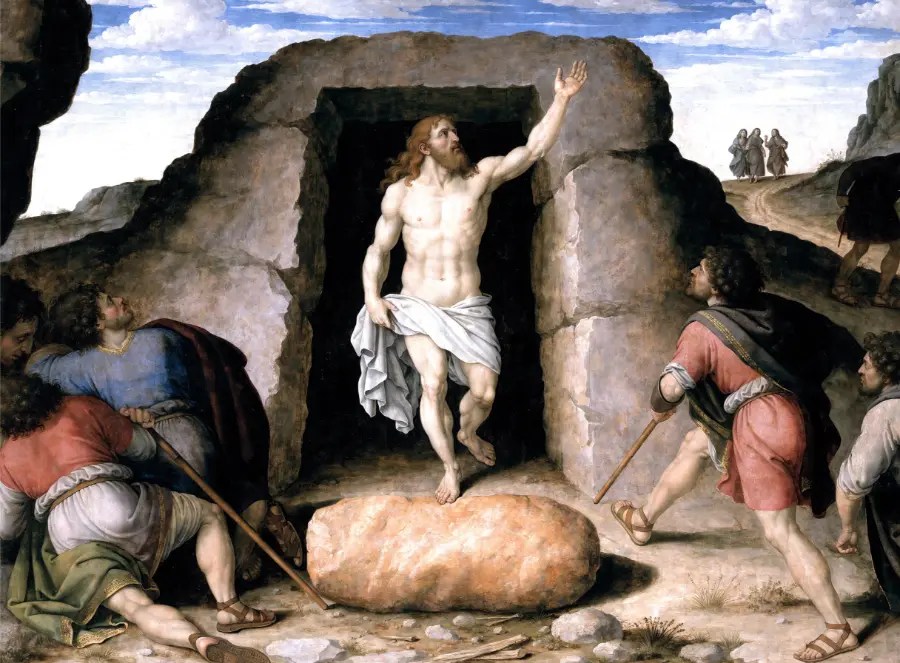
1 Corinthians 7:5
“Do not deprive one another, except perhaps by agreement for a limited time, that you may devote yourselves to prayer; but then come together again.”
Reflection: Paul allows married couples to abstain from sexual relations only by agreement, for a limited time, for prayer, and then to come together again.
If you are thinking about fasting
Jesus’ instruction is the place to start: fast privately and look as usual. Isaiah 58 adds that the fast God chooses includes sharing food and freeing the oppressed.
Beyond that the Bible allows variety. Daniel gave up rich food for three weeks, Esther went without food and water for three days, and Anna fasted over many years. For practical questions about length, frequency, medication and work, see the fuller guide to Christian fasting. Paul adds that food does not bring anyone closer to God: “We are no worse off if we do not eat, and no better off if we do” (1 Corinthians 8:8).


Leave a Reply