
 English
 Chinese
 Dutch
 Arabic
 Spanish
 Portuguese
 Russian
 French
 Italian
 German
 Japanese
The Bible describes hell as the punishment that follows the final judgment, pictured as unquenchable fire and as outer darkness. Jesus speaks of it in his teaching (Mark 9:43-48; Matthew 25:31-46; Luke 16:19-31), and Revelation adds the lake of fire, “the second death” (Revelation 20:14).
English Bibles use the one word hell for more than one word in the original. Gehenna is the Greek form of the Valley of Hinnom at Jerusalem, where Jeremiah 7:31 says the people of Judah burned their sons and daughters in the fire; Jesus uses the name for the place of final punishment. Hades, the realm of the dead, is the Greek counterpart of the Hebrew Sheol, and in Revelation 20:14 Hades itself is thrown into the lake of fire. 2 Peter 2:4 uses the verb tartaroo, meaning to cast into Tartarus.
Jesus’s warnings about Gehenna
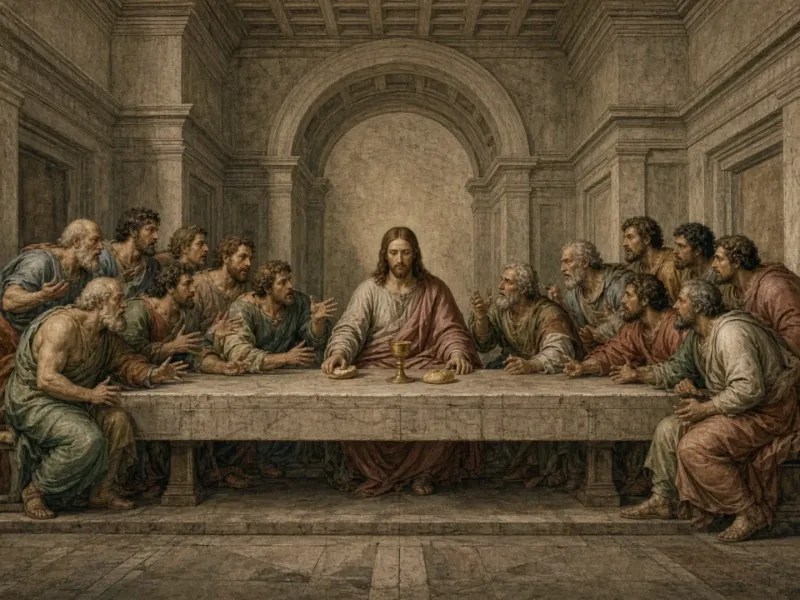
Mark 9:48
“‘Where their worm does not die and the fire is not quenched.’”
Reflection: Jesus is warning the twelve against causing “one of these little ones who believe in me” to sin (Mark 9:42). In verses 43-47 he says it is better to lose a hand, a foot or an eye than to be thrown into hell, Gehenna, which verse 43 calls “the unquenchable fire.” This line quotes the closing verse of Isaiah, where the worshippers of the new creation “go out and look on the dead bodies of the men who have rebelled against me” (Isaiah 66:24).
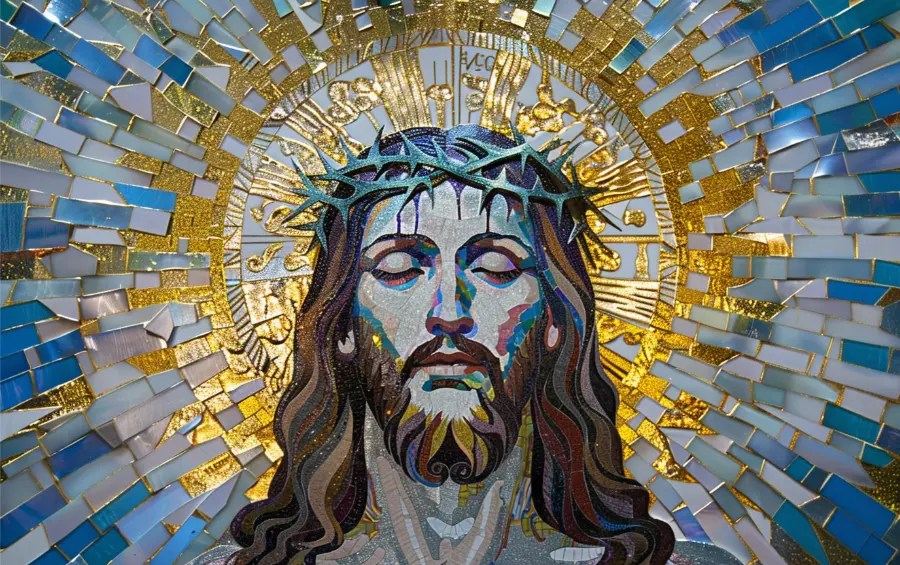
Matthew 10:28
“And do not fear those who kill the body but cannot kill the soul. Rather fear him who can destroy both soul and body in hell.”
Reflection: Jesus says this as he sends the twelve out and warns them they will be persecuted. People can kill the body; God can destroy “both soul and body in hell,” again Gehenna. The next verses turn the fear around: not a sparrow falls without the Father, the hairs of their heads are numbered, and so “Fear not, therefore” (Matthew 10:31). Readers who hold that the lost finally cease to exist cite the verb destroy here, while those who hold that the punishment is conscious and unending read it as ruin rather than extinction.
The final judgment
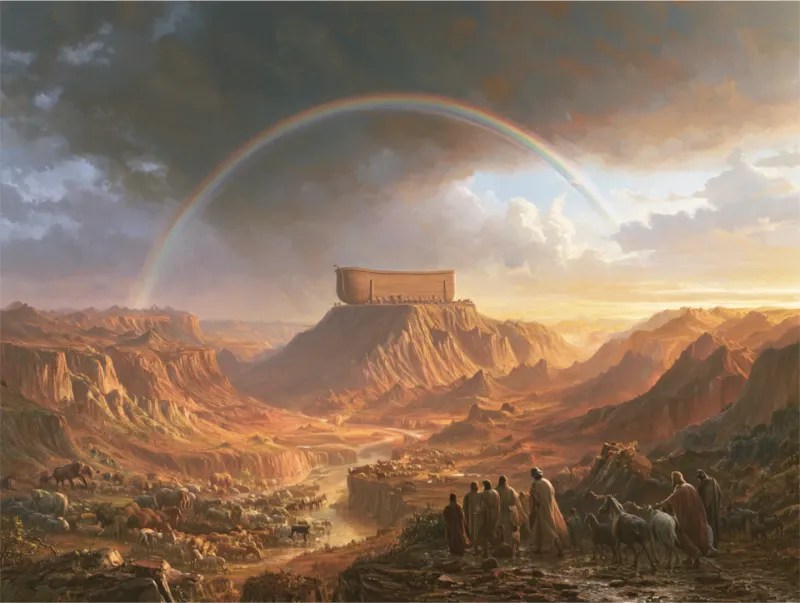
Matthew 25:41
“Then he will say to those on his left, ‘Depart from me, you cursed, into the eternal fire prepared for the devil and his angels.’”
Reflection: The Son of Man separates the nations “as a shepherd separates the sheep from the goats” (Matthew 25:32), and those on his left are sent away. The next verses give the reason: he was hungry, a stranger, naked, sick and in prison, and they did nothing for him, because what they did not do for “one of the least of these” they did not do for him (25:45). The kingdom in verse 34 is prepared for the blessed; the fire in this verse is prepared “for the devil and his angels.”
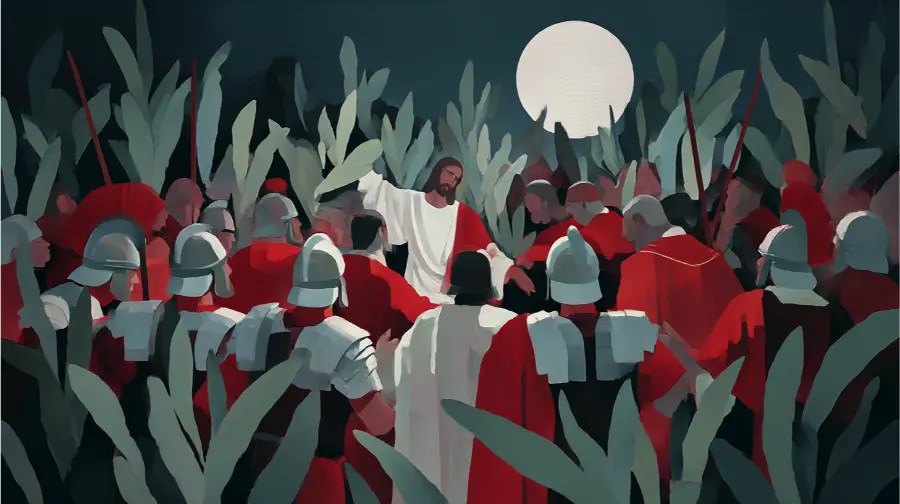
Matthew 25:46
“And these will go away into eternal punishment, but the righteous into eternal life.”
Reflection: The last sentence of the judgment scene sets the two outcomes side by side, and the same word, eternal, describes the punishment and the life. Augustine argued from this verse in The City of God, book 21: “If both destinies are eternal, then we must either understand both as long-continued but at last terminating, or both as endless.”
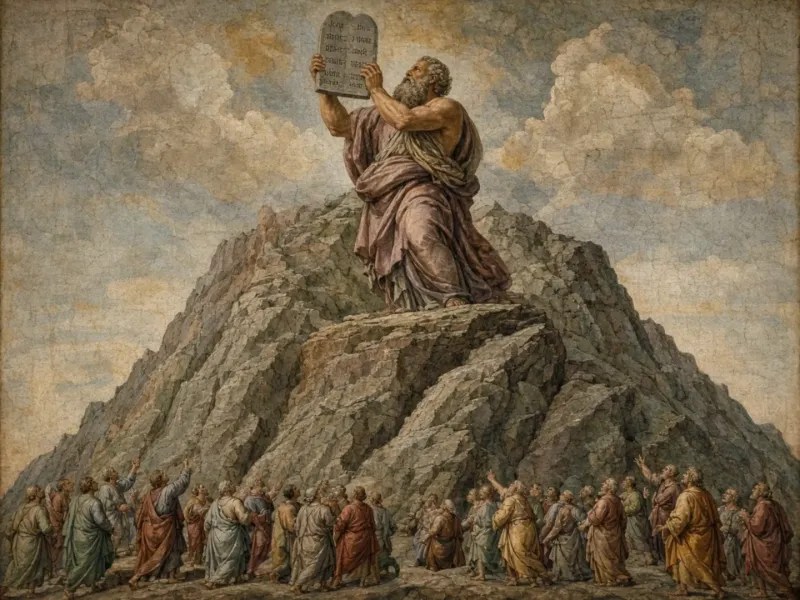
Luke 13:27-28
“But he will say, ‘I tell you, I do not know where you come from. Depart from me, all you workers of evil!’ In that place there will be weeping and gnashing of teeth, when you see Abraham and Isaac and Jacob and all the prophets in the kingdom of God but you yourselves cast out.”
Reflection: Someone asks Jesus, “Lord, will those who are saved be few?” (Luke 13:23), and he answers with a master who has shut the door of his house. Those outside plead that they ate and drank in his presence and heard him teach in their streets, and he answers that he does not know where they come from. The weeping comes when they see Abraham, Isaac, Jacob and the prophets in the kingdom and people from east and west reclining at table there (13:29). Matthew 8:11-12 records the same saying and names the place “the outer darkness.”
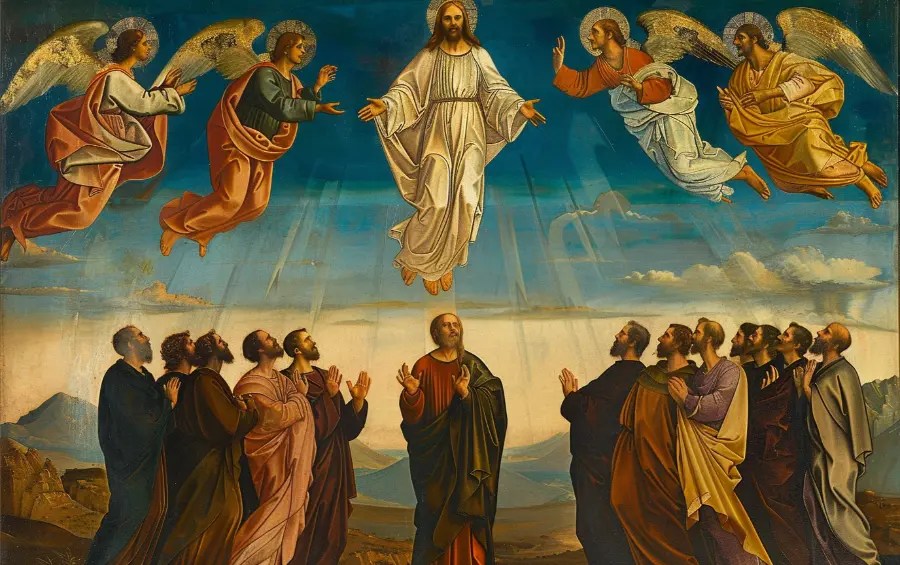
2 Thessalonians 1:9
“They will suffer the punishment of eternal destruction, away from the presence of the Lord and from the glory of his might.”
Reflection: Paul is writing to a church under persecution: God will repay those who afflict them “when the Lord Jesus is revealed from heaven with his mighty angels in flaming fire” (2 Thessalonians 1:7). The punishment is named as eternal destruction and described as exclusion from the Lord’s presence and glory. The Westminster Confession, chapter 33, takes its wording from this verse when it says the wicked will “be punished with everlasting destruction from the presence of the Lord, and from the glory of his power.”
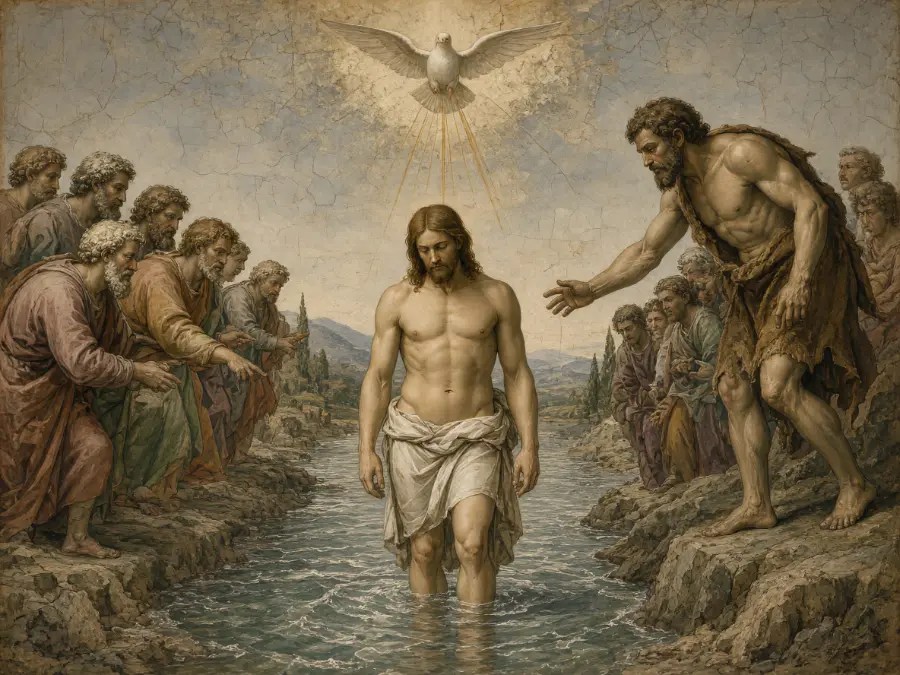
Daniel 12:2
“And many of those who sleep in the dust of the earth shall awake, some to everlasting life, and some to shame and everlasting contempt.”
Reflection: The verse before promises that in “a time of trouble, such as never has been” Daniel’s people will be delivered, “everyone whose name shall be found written in the book” (Daniel 12:1). Then the dead rise to two different ends, everlasting life or everlasting contempt. Revelation 20:12-15 returns to the book: anyone whose name is not written in the book of life is thrown into the lake of fire.
The dead and the fallen angels before the judgment
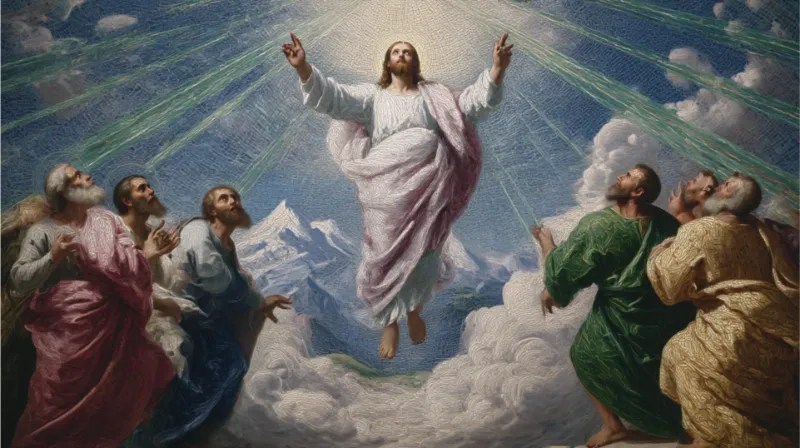
Luke 16:23-24
“And in Hades, being in torment, he lifted up his eyes and saw Abraham far off and Lazarus at his side. And he called out, ‘Father Abraham, have mercy on me, and send Lazarus to dip the end of his finger in water and cool my tongue, for I am in anguish in this flame.’”
Reflection: Jesus tells of a rich man and a poor man named Lazarus. When both die, Lazarus is carried to Abraham’s side and the rich man is in Hades, in torment and in flame. Abraham answers that “a great chasm has been fixed” so that no one can cross either way (Luke 16:26), and refuses to send Lazarus to warn the man’s five brothers, because “They have Moses and the Prophets” (16:29). The story opens “There was a rich man,” as the parable of the manager does at 16:1, and readers differ on how literally to take its details. In this story Hades is the realm of the dead, not the lake of fire: in Revelation 20:13-14 Hades gives up its dead for judgment and is then thrown into the lake.
2 Peter 2:4
“For if God did not spare angels when they sinned, but cast them into hell and committed them to chains of gloomy darkness to be kept until the judgment.”
Reflection: Peter gives three examples of judgment, the angels who sinned, the flood and Sodom and Gomorrah, and concludes that the Lord knows “how to rescue the godly from trials, and to keep the unrighteous under punishment until the day of judgment” (2 Peter 2:9). The phrase “cast them into hell” translates the Greek verb tartaroo, to cast into Tartarus. Jude 6 describes angels kept “in eternal chains under gloomy darkness until the judgment of the great day.”
Jude 1:7
“Just as Sodom and Gomorrah and the surrounding cities, which likewise indulged in sexual immorality and pursued unnatural desire, serve as an example by undergoing a punishment of eternal fire.”
Reflection: Jude sets Sodom and Gomorrah beside Israel in the wilderness and the angels who left their proper dwelling, all as examples of judgment. The fire that fell on the cities is called eternal, and 2 Peter 2:6 says God turned them “to ashes” and “condemned them to extinction.” The verse is therefore part of the discussion over whether eternal punishment means unending pain or a destruction that is final.
The lake of fire in Revelation
Revelation 14:11
“And the smoke of their torment goes up forever and ever, and they have no rest, day or night, these worshipers of the beast and its image, and whoever receives the mark of its name.”
Reflection: A third angel warns that anyone who worships the beast and receives its mark “will drink the wine of God’s wrath” and be tormented with fire and sulfur “in the presence of the holy angels and in the presence of the Lamb” (Revelation 14:10). The next verse turns to the church and calls for “the endurance of the saints, those who keep the commandments of God and their faith in Jesus.”
Revelation 20:10
“And the devil who had deceived them was thrown into the lake of fire and sulfur where the beast and the false prophet were, and they will be tormented day and night forever and ever.”
Reflection: When the thousand years end, Satan is released, gathers the nations against “the camp of the saints and the beloved city,” and fire from heaven consumes them. The devil is thrown into the lake of fire where the beast and the false prophet already are, and the verse says of the three that they “will be tormented day and night forever and ever.” The vision then turns from the devil to the dead, great and small, standing before a great white throne.
Revelation 20:15
“And if anyone’s name was not found written in the book of life, he was thrown into the lake of fire.”
Reflection: At the great white throne the books are opened and the dead are judged “according to what they had done” (Revelation 20:12). Another book, the book of life, is also opened, and this verse says that anyone whose name is not found in it is thrown into the lake. In the verse before, Death and Hades are themselves thrown into the lake, and the lake is named “the second death.”
Revelation 21:8
“But as for the cowardly, the faithless, the detestable, as for murderers, the sexually immoral, sorcerers, idolaters, and all liars, their portion will be in the lake that burns with fire and sulfur, which is the second death.”
Reflection: The list closes the words spoken from the throne in the vision of the new heaven and the new earth. Just before it God promises to “wipe away every tear from their eyes” and to give “from the spring of the water of life without payment” to the thirsty (Revelation 21:4, 21:6). The lake of fire is set against that inheritance: “The one who conquers will have this heritage” (21:7), and those listed here have their portion in the lake instead.
Rescue from perishing
John 3:16
“For God so loved the world, that he gave his only Son, that whoever believes in him should not perish but have eternal life.”
Reflection: The alternative to eternal life in this verse is to perish. The next two verses say that God did not send his Son to condemn the world, and that “whoever does not believe is condemned already” (John 3:18). John 3:36 puts the same contrast as life and wrath: “whoever does not obey the Son shall not see life, but the wrath of God remains on him.”
2 Peter 3:9
“The Lord is not slow to fulfill his promise as some count slowness, but is patient toward you, not wishing that any should perish, but that all should reach repentance.”
Reflection: Scoffers ask, “Where is the promise of his coming?” (2 Peter 3:4), and Peter answers that the delay is patience: God does not wish that any should perish. The next verse says the day of the Lord “will come like a thief.”
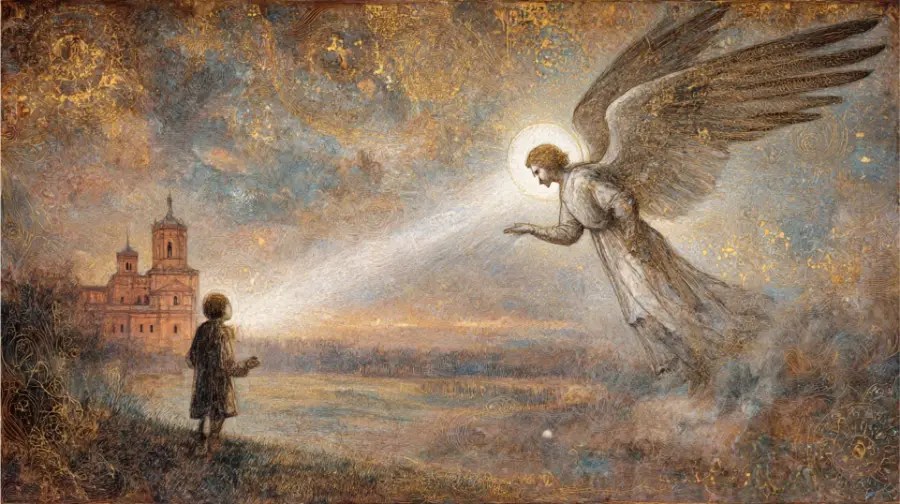
Romans 10:9
“Because, if you confess with your mouth that Jesus is Lord and believe in your heart that God raised him from the dead, you will be saved.”
Reflection: Paul contrasts the righteousness based on the law with the righteousness based on faith, and says the word of faith is near, “in your mouth and in your heart” (Romans 10:8). The next verse divides the two parts: “with the heart one believes and is justified, and with the mouth one confesses and is saved.” Verse 13 quotes Joel to say the promise has no ethnic limit: “everyone who calls on the name of the Lord will be saved.”
How Christians read these passages
The traditional reading takes these passages as teaching a punishment that is conscious and without end. The Catechism of the Catholic Church states that “The teaching of the Church affirms the existence of hell and its eternity” (paragraph 1035), and the Westminster Confession says the wicked “shall be cast into eternal torments.” Augustine’s reading of Matthew 25:46, that eternal must mean the same length for the punishment as for the life, belongs to this reading.
A second reading, called annihilationism or conditional immortality, holds that the lost are finally destroyed and cease to exist. The Seventh-day Adventists hold it, and John Stott argued that it could be held as a legitimate interpretation of the biblical texts. Its supporters point to the language of destruction and perishing in Matthew 10:28, 2 Thessalonians 1:9 and John 3:16, and to Sodom’s “eternal fire” in Jude 7, which left ashes.


Leave a Reply