
 English
 Chinese
 Dutch
 Arabic
 Spanish
 Portuguese
 Russian
 French
 Italian
 German
 Japanese
The Bible calls God patient and asks the same of his people. The Lord is “slow to anger” (Psalm 103:8) and patient because he wants “everyone to come to repentance” (2 Peter 3:9).
For people, patience is part of the fruit of the Spirit (Galatians 5:22-23) and the first quality in Paul’s description of love (1 Corinthians 13:4). Paul asks for patience with everyone (1 Thessalonians 5:14), James asks for it under trials (James 1:2-4) and until the Lord’s coming (James 5:7-8), and Psalm 37:7 and Habakkuk 2:3 tell people to wait for God to act.
James 1:3, Romans 5:3 and Colossians 1:11 use the Greek word hupomone. The NIV translates it “perseverance” in the first two and “endurance” in Colossians 1:11, where it stands next to “patience.” Strong’s gives its range as endurance, perseverance, patience and steadfastness.
God’s own patience

Psalm 103:8
“The Lord is compassionate and gracious, slow to anger, abounding in love.”
Reflection: Psalm 103 is a psalm of David that begins by calling on his own soul to praise the Lord. Verse 7 says God “made known his ways to Moses,” and verse 8 repeats the words of Exodus 34:6, where the Lord passes in front of Moses proclaiming himself “the compassionate and gracious God, slow to anger, abounding in love and faithfulness.” Two verses later the psalm says what that slowness means for people: “he does not treat us as our sins deserve.”
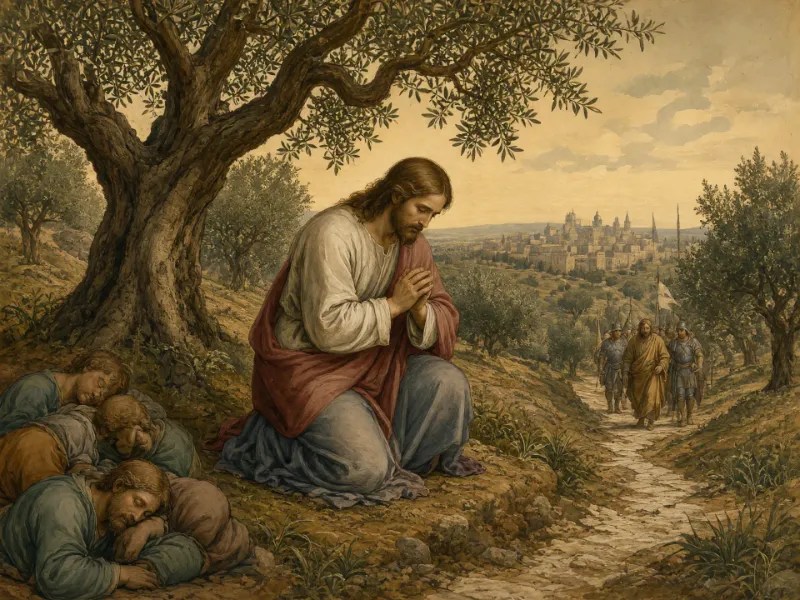
2 Peter 3:9
“The Lord is not slow in keeping his promise, as some understand slowness. Instead he is patient with you, not wanting anyone to perish, but everyone to come to repentance.”
Reflection: Peter is answering scoffers who ask, “Where is this ‘coming’ he promised?” (2 Peter 3:4). He says the delay is patience, since the Lord does not want “anyone to perish.” Verse 15 repeats the point in one line: “our Lord’s patience means salvation.”
Patience as a mark of the Spirit and of love
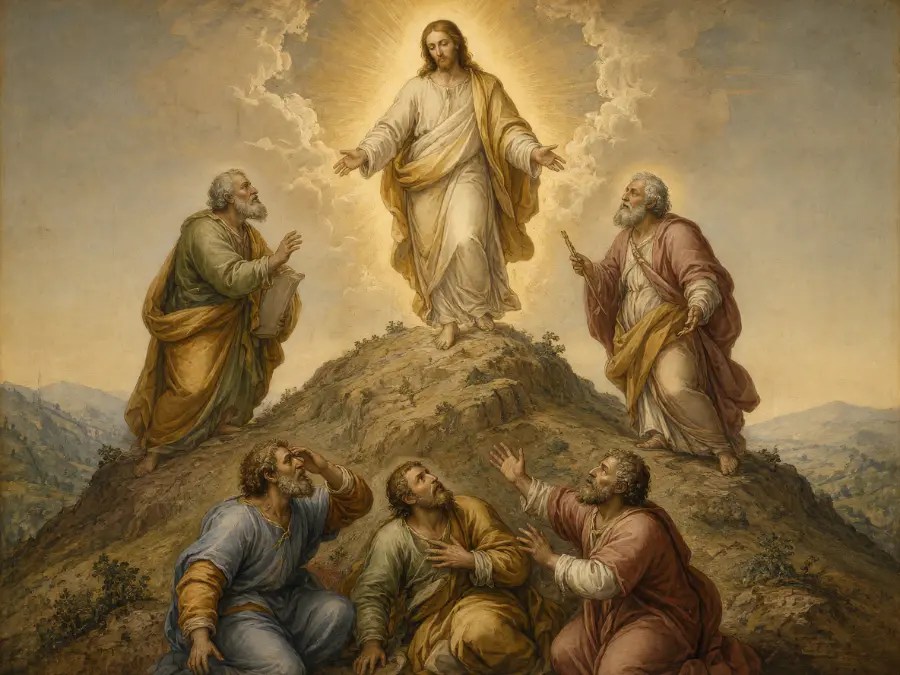
Galatians 5:22-23
“But the fruit of the Spirit is love, joy, peace, forbearance, kindness, goodness, faithfulness, gentleness and self-control. Against such things there is no law.”
Reflection: Paul sets this list against “the acts of the flesh” in verses 19-21, among them “hatred, discord, jealousy, fits of rage.” In the NIV, patience appears here as “forbearance,” the fourth of nine qualities. Verse 25 turns the list into a way of living: “Since we live by the Spirit, let us keep in step with the Spirit.”
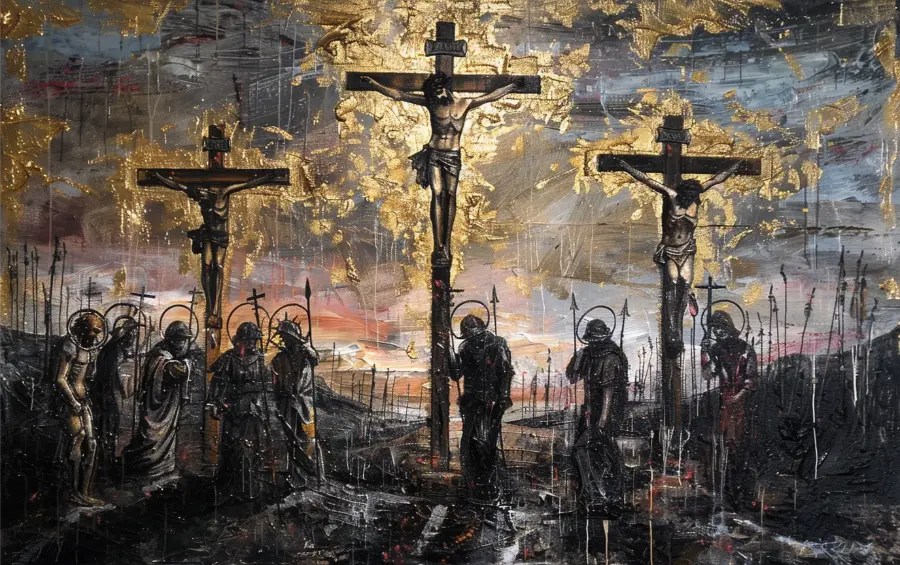
1 Corinthians 13:4
“Love is patient, love is kind. It does not envy, it does not boast, it is not proud.”
Reflection: Paul’s description of love opens with patience and kindness and then lists what love does not do, including keeping “no record of wrongs” (13:5). Verse 7 ends the description: “It always protects, always trusts, always hopes, always perseveres.”
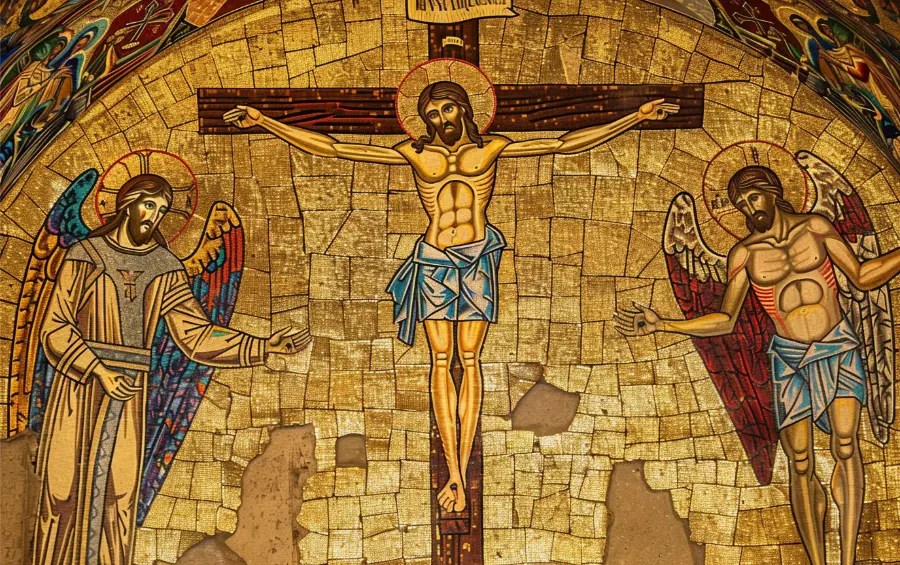
Colossians 3:12
“Therefore, as God’s chosen people, holy and dearly loved, clothe yourselves with compassion, kindness, humility, gentleness and patience.”
Reflection: Paul describes these five qualities as clothing to put on. The next verse follows the whole list with what they look like between people: “Bear with each other and forgive one another if any of you has a grievance against someone.” Over all of them, verse 14 says, goes love, “which binds them all together in perfect unity.”

Ephesians 4:2
“Be completely humble and gentle; be patient, bearing with one another in love.”
Reflection: Paul writes as “a prisoner for the Lord” (4:1) and lists patience among the ways to live “worthy of the calling you have received.” Being patient here means “bearing with one another in love,” and verse 3 adds a related command: “Make every effort to keep the unity of the Spirit through the bond of peace.”
Patience with other people

1 Thessalonians 5:14
“And we urge you, brothers and sisters, warn those who are idle and disruptive, encourage the disheartened, help the weak, be patient with everyone.”
Reflection: In his closing instructions Paul gives different people in the church different treatment: a warning for the idle and disruptive, encouragement for the disheartened, help for the weak. Patience is the one instruction in the verse that covers “everyone.” Verse 15 follows with “Make sure that nobody pays back wrong for wrong.”
2 Timothy 4:2
“Preach the word; be prepared in season and out of season; correct, rebuke and encourage—with great patience and careful instruction.”
Reflection: Paul gives this charge to Timothy “in the presence of God and of Christ Jesus” (4:1). Patience goes with correcting, rebuking and encouraging. Verse 3 gives the reason for the whole charge: “the time will come when people will not put up with sound doctrine.”
Patience set against temper and pride
Proverbs 15:18
“A hot-tempered person stirs up conflict, but the one who is patient calms a quarrel.”
Reflection: The proverb contrasts two kinds of person: the hot-tempered one stirs up conflict, and the patient one calms a quarrel. Proverbs 14:29 makes a related contrast between the patient person, who “has great understanding,” and the quick-tempered one, who “displays folly.”

Proverbs 16:32
“Better a patient person than a warrior, one with self-control than one who takes a city.”
Reflection: The proverb ranks patience above military strength: the patient person over the warrior, self-control over the capture of a city. Its second line pairs patience with self-control, which also closes Paul’s list of the fruit of the Spirit in Galatians 5:23.
Ecclesiastes 7:8
“The end of a matter is better than its beginning, and patience is better than pride.”
Reflection: The Teacher sets two “better than” sayings side by side: the end of a matter over its beginning, and patience over pride. The next verse continues with a warning about anger: “Do not be quickly provoked in your spirit, for anger resides in the lap of fools.”
Patience under trial
James 1:2-4
“Consider it pure joy, my brothers and sisters, whenever you face trials of many kinds, because you know that the testing of your faith produces perseverance. Let perseverance finish its work so that you may be mature and complete, not lacking anything.”
Reflection: James writes to believers facing “trials of many kinds” and tells them to count those trials as joy, because testing “produces perseverance.” The word is hupomone, and verse 4 gives it work to finish: a person “mature and complete, not lacking anything.”
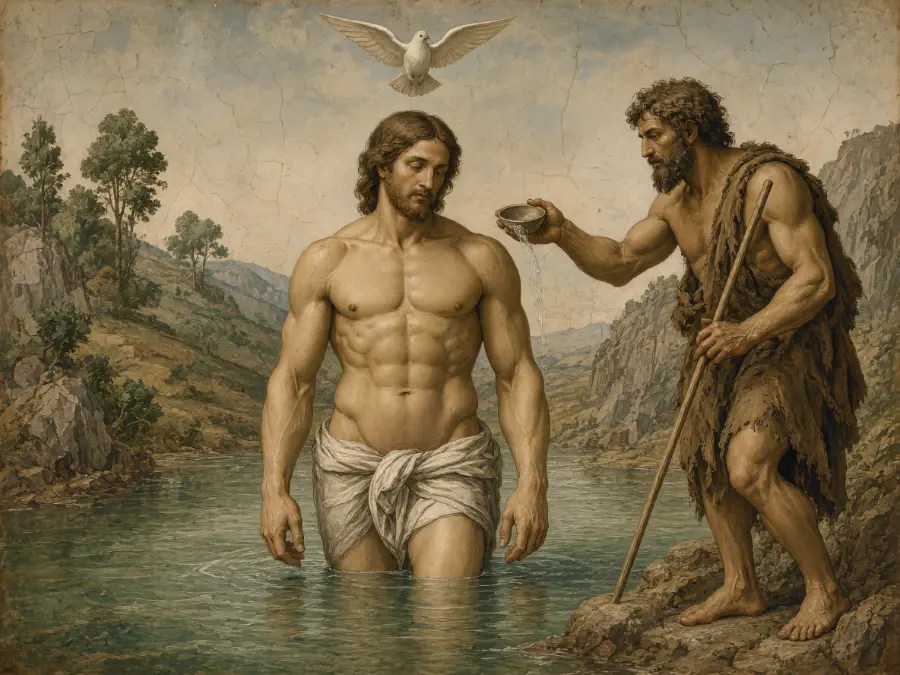
Romans 5:3-4
“Not only so, but we also glory in our sufferings, because we know that suffering produces perseverance; perseverance, character; and character, hope.”
Reflection: Paul places suffering at the start of a chain: suffering, perseverance, character, hope. Earlier in the passage the hope is “the hope of the glory of God” (5:2), and the next verse says it “does not put us to shame, because God’s love has been poured out into our hearts through the Holy Spirit.”

Romans 12:12
“Be joyful in hope, patient in affliction, faithful in prayer.”
Reflection: The verse sits in a run of short commands for a church, from “Love must be sincere” (12:9) to “Practice hospitality” (12:13). The patience it asks for is patience in affliction, placed between joy in hope and faithfulness in prayer.

Colossians 1:11
“…being strengthened with all power according to his glorious might so that you may have great endurance and patience…”
Reflection: Paul tells the Colossians what he has kept asking God for them since he heard about them (1:9). Strength from God’s “glorious might” has a stated purpose, “great endurance and patience,” and the sentence goes on to “giving joyful thanks to the Father” (1:12). Endurance here is hupomone, the word behind “perseverance” in James 1:3.
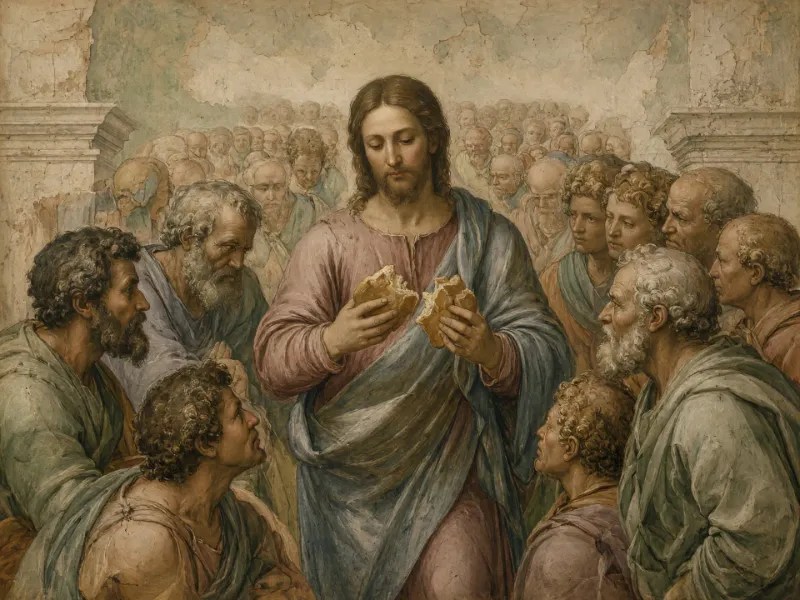
James 5:7-8
“Be patient, then, brothers and sisters, until the Lord’s coming. See how the farmer waits for the land to yield its valuable crop, patiently waiting for the autumn and spring rains. You too, be patient and stand firm, because the Lord’s coming is near.”
Reflection: James points to a farmer who waits for “the autumn and spring rains” before the crop comes. The waiting he asks for lasts until “the Lord’s coming,” and verse 9 adds a warning for the meantime: “Don’t grumble against one another.” Verses 10-11 give two more examples of patience in suffering, the prophets and Job.
Waiting for God to act

Psalm 37:7
“Be still before the Lord and wait patiently for him; do not fret when people succeed in their ways, when they carry out their wicked schemes.”
Reflection: David’s psalm takes up the problem of the wicked prospering. Waiting patiently is set against fretting, which the psalm forbids in verses 1, 7 and 8, and verse 8 says where fretting goes: “it leads only to evil.” Verse 9 promises that “those who hope in the Lord will inherit the land.”
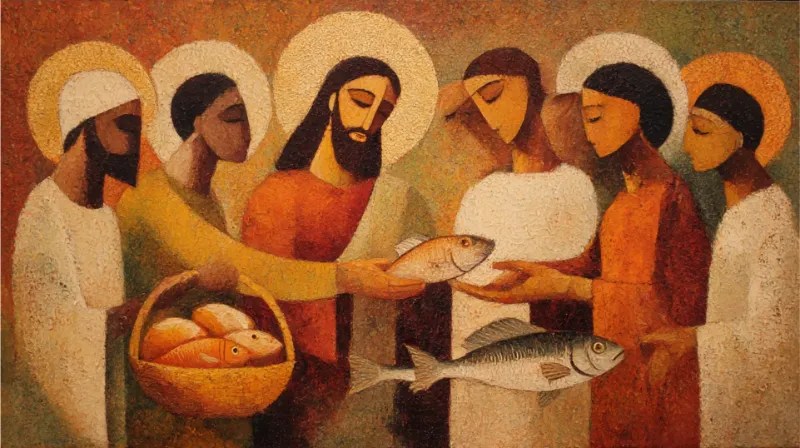
Psalm 40:1
“I waited patiently for the Lord; he turned to me and heard my cry.”
Reflection: David speaks of his waiting in the past tense, after the answer came. The next verses say what the Lord did: “He lifted me out of the slimy pit, out of the mud and mire,” and “He put a new song in my mouth.”
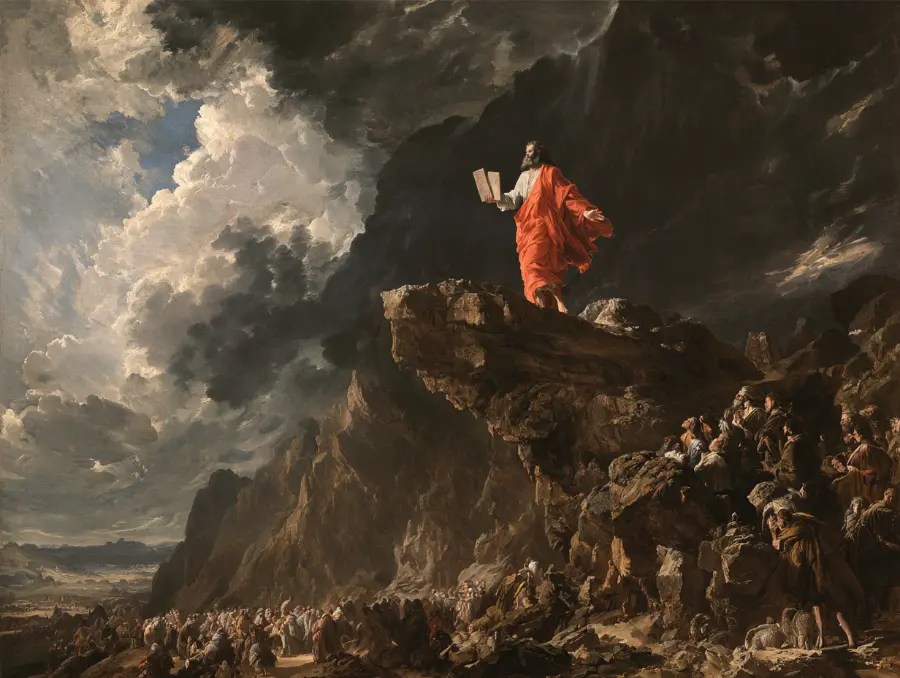
Lamentations 3:25-26
“The Lord is good to those whose hope is in him, to the one who seeks him; it is good to wait quietly for the salvation of the Lord.”
Reflection: Chapter 3 opens with the writer’s own affliction: “I am the man who has seen affliction” (3:1). In the middle of that grief he recalls that the Lord’s compassions “are new every morning” (3:23) and says, “The Lord is my portion; therefore I will wait for him” (3:24). Verse 26 calls the waiting good and describes it as quiet.
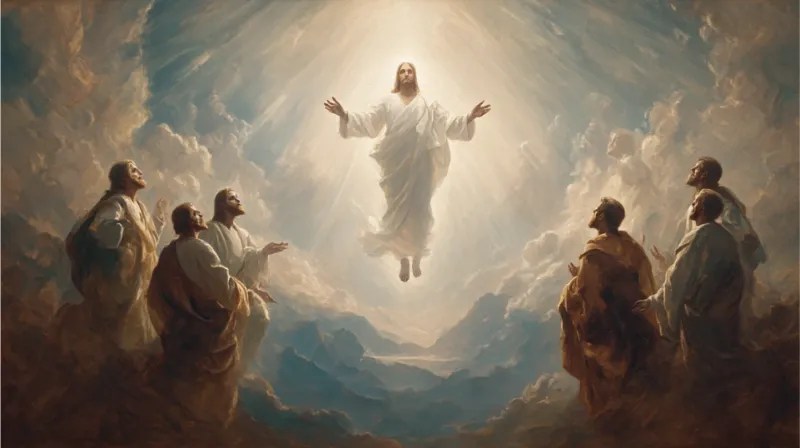
Habakkuk 2:3
“For the revelation awaits an appointed time; it speaks of the end and will not prove false. Though it linger, wait for it; it will certainly come and will not delay.”
Reflection: Habakkuk has stationed himself on the ramparts to see how God will answer his complaint (2:1). The Lord tells him to write the revelation down plainly, because it “awaits an appointed time,” and gives a direct instruction for the delay: “Though it linger, wait for it.”

Romans 8:25
“But if we hope for what we do not yet have, we wait for it patiently.”
Reflection: Paul describes the whole creation “groaning as in the pains of childbirth” (8:22) and believers groaning as they wait for “the redemption of our bodies” (8:23). Verse 24 says that “hope that is seen is no hope at all,” and this verse draws the conclusion: what is hoped for and not yet had is waited for patiently.
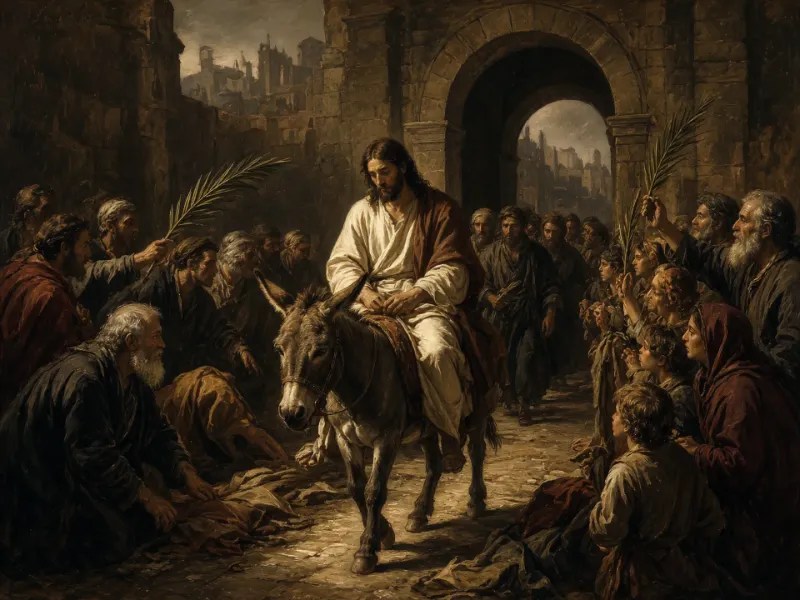
Hebrews 6:12
“We do not want you to become lazy, but to imitate those who through faith and patience inherit what has been promised.”
Reflection: The writer urges readers to keep their diligence “to the very end” (6:11) and to imitate people who inherited the promise through faith and patience. Abraham is the example given: “after waiting patiently, Abraham received what was promised” (6:15).
A verse for how you feel
Choose how you feel today and read a verse from Scripture.
A bruised reed He will not break and a smoldering wick He will not extinguish; He will faithfully bring forth justice.
Get a verse each week
Thank you. Your first verse is on its way.
If nothing arrives in a few minutes, look in your spam or promotions folder.
Keep this for another day. A verse for how you feel has a page of its own, with our verses for each feeling.
Each verse is quoted from the Berean Standard Bible.
Waiting without a date
Habakkuk 2:3 says the revelation “awaits an appointed time” without saying when, James 5:8 says that “the Lord’s coming is near,” and 2 Peter 3:8 answers the question of delay with “With the Lord a day is like a thousand years.” Psalm 40:1 speaks of the waiting in the past tense, and verses 2-3 record the answer.


Leave a Reply