
 English
 Chinese
 Dutch
 Arabic
 Spanish
 Portuguese
 Russian
 French
 Italian
 German
 Japanese
In the Bible, safety comes from God himself, a refuge and a fortress for those who trust him. Psalm 91:1-2 uses those words, Psalm 121 promises the Lord’s watch by day and by night, and Psalm 4:8 ends with David lying down to sleep in safety.
Isaiah 43:1-2 promises God’s presence in the waters and the fire. In Proverbs 1:33 and 2:11, listening to wisdom keeps a person safe. In the law, Leviticus 25:18 ties Israel’s safety in the land to keeping God’s laws. In the New Testament, Jesus prays in John 17:15 that the Father will protect his followers from the evil one without taking them out of the world, and Paul promises the same protection in 2 Thessalonians 3:3.
God as a refuge and a fortress
Psalm 91:1-2
“Whoever dwells in the shelter of the Most High will rest in the shadow of the Almighty. I will say of the Lord, ‘He is my refuge and my fortress, my God, in whom I trust.’”
Reflection: The psalm opens with a person who lives in God’s shelter and then gives that person’s own words: “He is my refuge and my fortress.” The verses that follow speak to that person as “you”, promising cover under God’s wings from the fowler’s snare, the terror of night, the arrow that flies by day, the pestilence that “stalks in the darkness” and the plague that “destroys at midday.” In the last three verses God himself speaks: “I will rescue him; I will protect him, for he acknowledges my name.”
Psalm 91:11-12
“For he will command his angels concerning you to guard you in all your ways; they will lift you up in their hands, so that you will not strike your foot against a stone.”
Reflection: These two verses are the ones the devil quotes in Matthew 4:6, when he sets Jesus on the highest point of the temple and tells him to throw himself down. Jesus answers with Deuteronomy 6:16: “Do not put the Lord your God to the test.” In the psalm the promise follows verse 9, for the one who makes “the Most High your dwelling.”
Psalm 46:1
“God is our refuge and strength, an ever-present help in trouble.”
Reflection: The psalm is headed as a song of the Sons of Korah. Its next verse draws the conclusion from this one: “Therefore we will not fear, though the earth give way and the mountains fall into the heart of the sea.” The refrain, repeated in verses 7 and 11, names God a second way: “the God of Jacob is our fortress.”
Proverbs 18:10
“The name of the Lord is a fortified tower; the righteous run to it and are safe.”
Reflection: The next proverb sets up the contrast: “The wealth of the rich is their fortified city; they imagine it a wall too high to scale.” Both verses use the picture of a fortified place. In verse 10 the righteous run to the Lord’s name and are safe, while in verse 11 the rich only imagine their wealth makes them secure.
Nahum 1:7
“The Lord is good, a refuge in times of trouble. He cares for those who trust in him.”
Reflection: Nahum’s book is an oracle against Nineveh, and this verse sits inside a description of God’s anger, where rocks shatter before him. The same sentence continues into verse 8: “but with an overwhelming flood he will make an end of Nineveh.”
Kept safe by day and by night
Psalm 121:7-8
“The Lord will keep you from all harm— he will watch over your life; the Lord will watch over your coming and going both now and forevermore.”
Reflection: Psalm 121 carries the heading “A song of ascents.” It begins with a question, “where does my help come from?”, and verse 2 answers, “My help comes from the Lord, the Maker of heaven and earth.” Verse 4 adds that the one who watches over Israel “will neither slumber nor sleep.” Verse 6 names the dangers of day and night: “the sun will not harm you by day, nor the moon by night.” These closing verses extend the watch to “your coming and going both now and forevermore.”
Psalm 4:8
“In peace I will lie down and sleep, for you alone, Lord, make me dwell in safety.”
Reflection: David’s psalm begins as a prayer for relief from distress while others turn his glory into shame. Verse 4 tells his opponents to search their hearts “when you are on your beds,” and the psalm ends on a bed as well, with David lying down in peace. The words “you alone, Lord” put the reason for his safety in God.
Psalm 23:4
“Even though I walk through the darkest valley, I will fear no evil, for you are with me; your rod and your staff, they comfort me.”
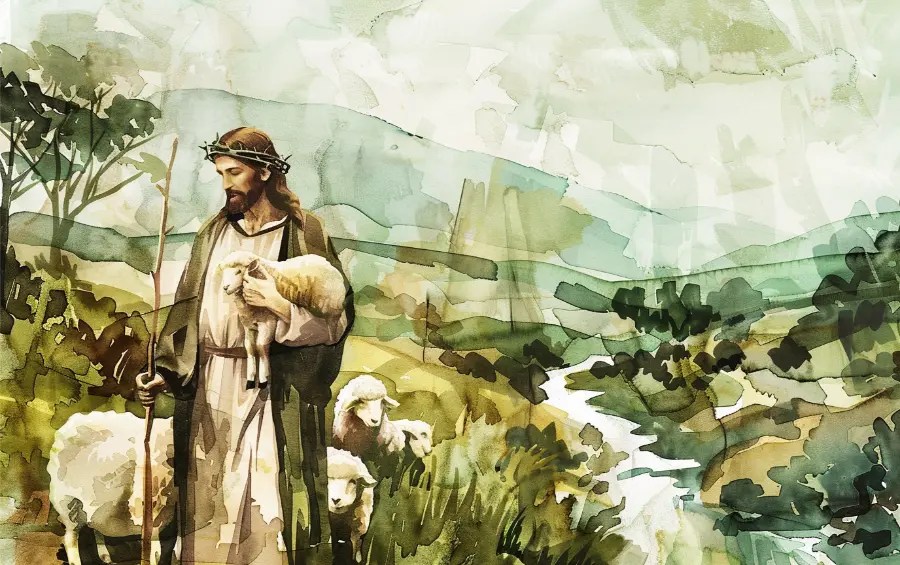
Reflection: In Psalm 23 the Lord is David’s shepherd, and the rod and staff are the shepherd’s tools. David walks through the darkest valley and fears no evil “for you are with me.” The next verse carries the protection into the presence of enemies: “You prepare a table before me in the presence of my enemies.”
Protection in danger
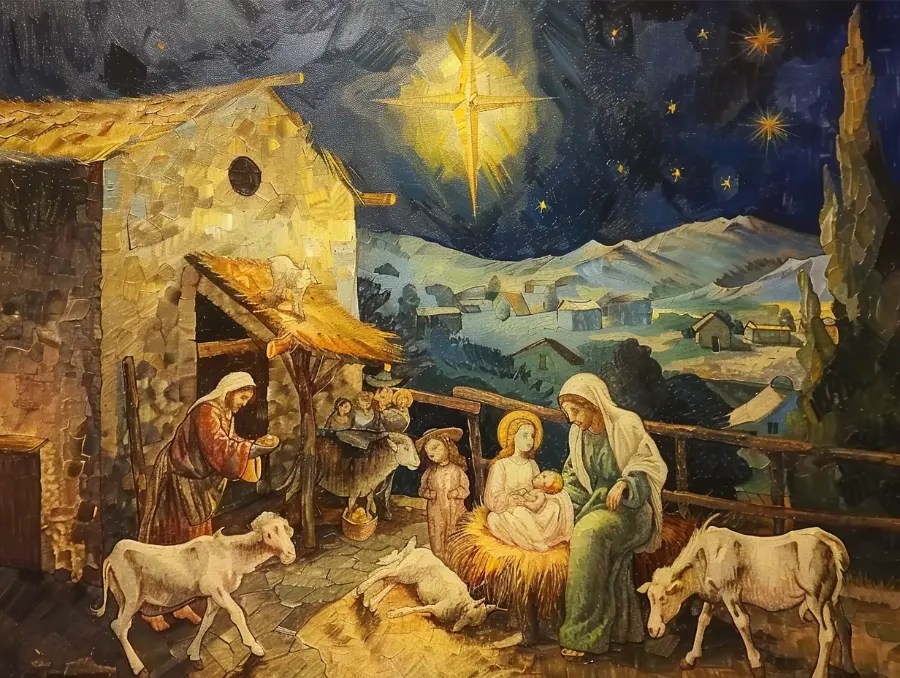
Isaiah 43:1-2
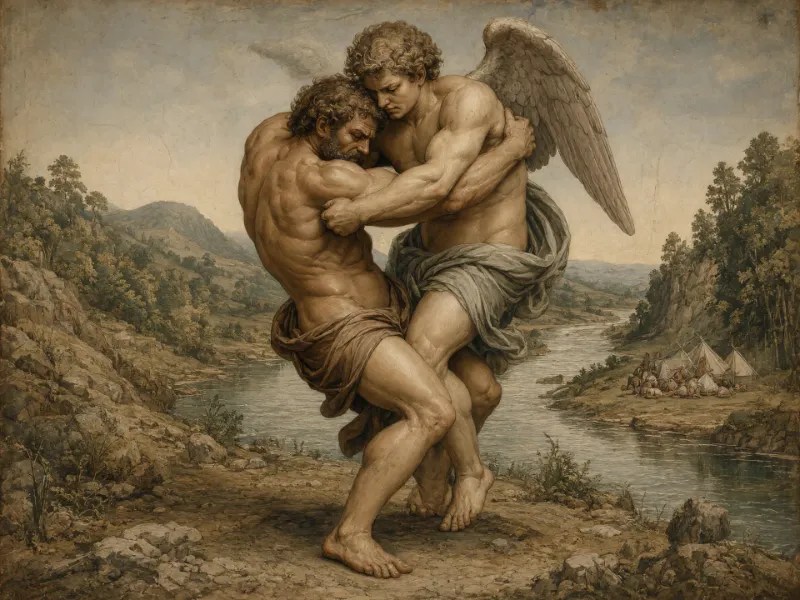
“But now, this is what the Lord says— he who created you, Jacob, he who formed you, Israel: ‘Do not fear, for I have redeemed you; I have summoned you by name; you are mine. When you pass through the waters, I will be with you…’”
Reflection: The Lord speaks to Jacob and Israel, the people he created and formed, and grounds the command not to fear in three facts: he has redeemed them, called them by name, and they are his. The waters, rivers and fire are passed through, and the promise is that they will not sweep over or burn the people. Verse 3 names the Lord as “your Savior” and says he gives Egypt as their ransom.
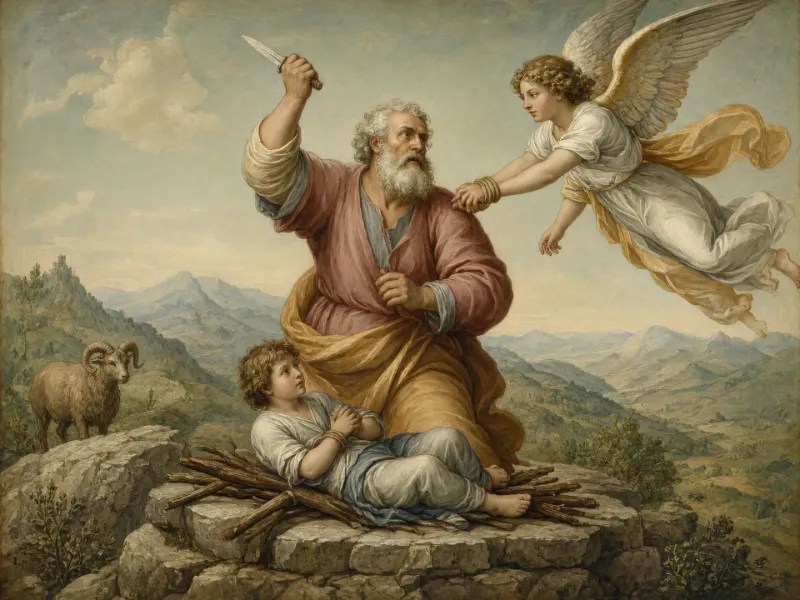
Isaiah 41:10
“So do not fear, for I am with you; do not be dismayed, for I am your God. I will strengthen you and help you; I will uphold you with my righteous right hand.”
Reflection: God addresses Israel as “my servant, Jacob, whom I have chosen” (verse 8). The verses that follow describe the protection in concrete terms: those who rage against Israel will be ashamed, and “those who wage war against you will be as nothing at all.” Verse 14 repeats the command: “Do not be afraid, you worm Jacob, little Israel.”
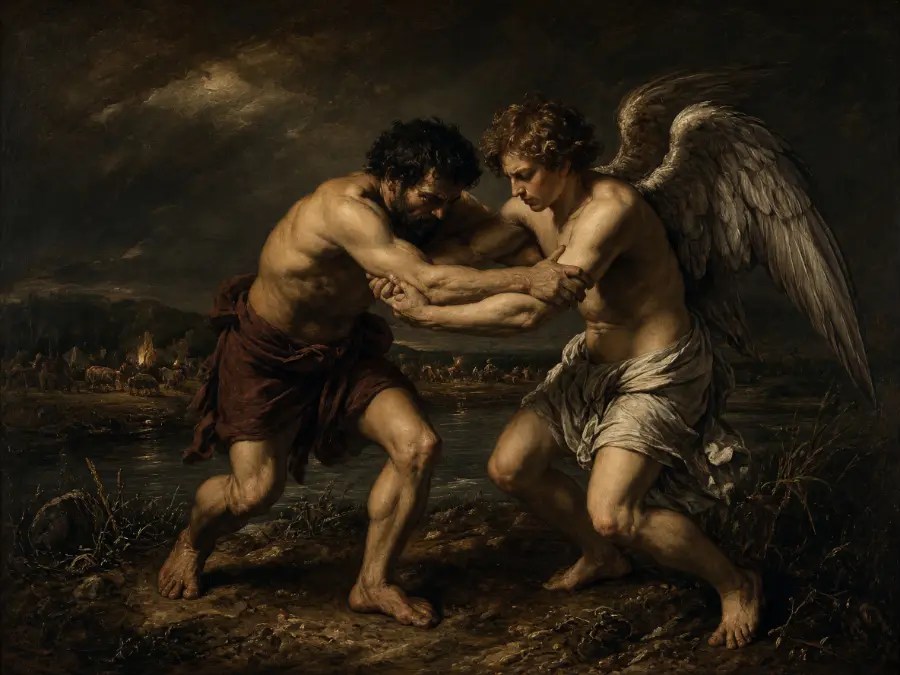
Deuteronomy 31:6
“Be strong and courageous. Do not be afraid or terrified because of them, for the Lord your God goes with you; he will never leave you nor forsake you.”
Reflection: Moses, now a hundred and twenty years old and barred from crossing the Jordan, speaks these words to all Israel before they enter the land. Two verses later he says the same to Joshua in front of the people: “The Lord himself goes before you and will be with you.” Hebrews 13:5 quotes the promise “Never will I leave you; never will I forsake you.”
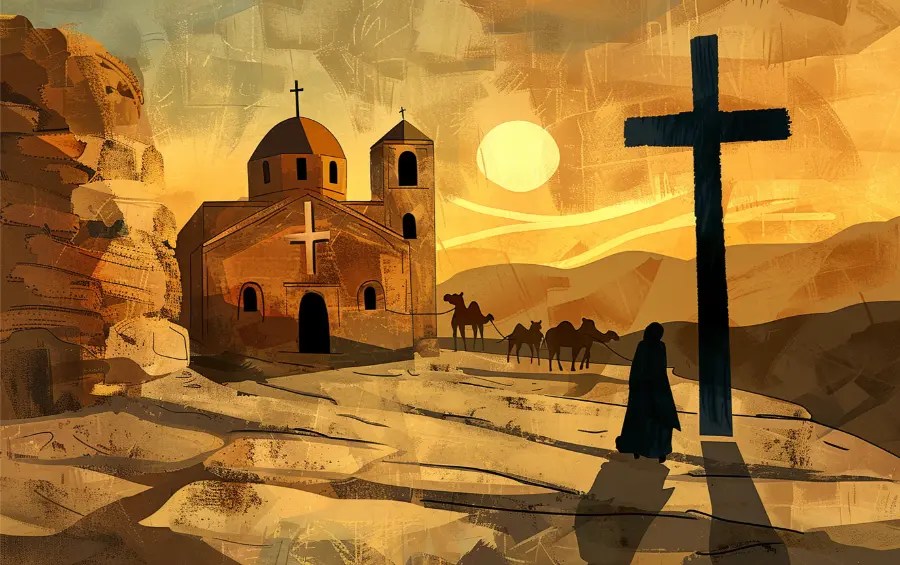
Psalm 56:3-4
“When I am afraid, I put my trust in you. In God, whose word I praise— in God I trust and am not afraid. What can mere mortals do to me?”
Reflection: The heading places this psalm when the Philistines had seized David in Gath. His enemies “watch my steps, hoping to take my life” (verse 6), and in the middle of that he states his trust. The line “in God I trust and am not afraid” returns as a refrain in verses 10 and 11, and the psalm ends with thanks that God “delivered me from death.”
Hebrews 13:6
“So we say with confidence, ‘The Lord is my helper; I will not be afraid. What can mere mortals do to me?’”
Reflection: The writer quotes Psalm 118:6, which Psalm 56:4 closely resembles. Verse 5 grounds contentment, against the love of money, in God’s promise: “Keep your lives free from the love of money and be content with what you have, because God has said, ‘Never will I leave you.’” Verse 6 opens with “So”: the confidence comes from that promise.
Proverbs 29:25
“Fear of man will prove to be a snare, but whoever trusts in the Lord is kept safe.”
Reflection: The proverb sets two things side by side: fear of other people is a snare, and trusting in the Lord keeps a person safe. Psalm 91:3 uses the same picture when it promises rescue “from the fowler’s snare.”
Safety through wisdom and obedience
Proverbs 1:33
“but whoever listens to me will live in safety and be at ease, without fear of harm.”
Reflection: Wisdom is pictured as a woman calling out at the city gate. Most of her speech warns those who refuse her: calamity will overtake them “like a storm” and they will call without an answer. This verse is her last line, the promise for the one who listens: safety, ease and no fear of harm.
Proverbs 2:11
“Discretion will protect you, and understanding will guard you.”
Reflection: The father tells his son that once wisdom enters his heart, discretion and understanding will stand guard over him. Verse 12 says what they guard against: “Wisdom will save you from the ways of wicked men, from men whose words are perverse.” The danger in view is being drawn onto crooked paths by other people.
Leviticus 25:18
“Follow my decrees and be careful to obey my laws, and you will live safely in the land.”
Reflection: The Lord gives this at Mount Sinai, in the chapter that sets out the sabbath year, when the land was to rest every seventh year, and the Year of Jubilee. The verse follows the laws on selling land between Jubilees (verses 13-17). Safety in the land is joined to obedience, and verse 19 repeats that Israel will “live there in safety.” Verses 20-22 return to the sabbath year and answer what the people would eat in a year without harvest: a sixth-year crop large enough for three years.
Protection from the evil one

John 17:15
“My prayer is not that you take them out of the world but that you protect them from the evil one.”
Reflection: Jesus prays this for his disciples shortly before his arrest in John 18. A few verses earlier he says, “While I was with them, I protected them and kept them safe by that name you gave me” (verse 12). He asks the Father to continue that protection while they remain in a world that “has hated them,” without removing them from it.
2 Thessalonians 3:3
“But the Lord is faithful, and he will strengthen you and protect you from the evil one.”
Reflection: Paul has just asked the Thessalonians to pray “that we may be delivered from wicked and evil people, for not everyone has faith.” He turns at once from the unfaithfulness of people to the faithfulness of the Lord. The promise to protect “from the evil one” uses the same phrase as Jesus’ prayer in John 17:15.
A verse for how you feel
Choose how you feel today and read a verse from Scripture.
But Jesus spoke up at once: “Take courage! It is I. Do not be afraid.”
Get a verse each week
Thank you. Your first verse is on its way.
If nothing arrives in a few minutes, look in your spam or promotions folder.
Keep this for another day. A verse for how you feel has a page of its own, with our verses for each feeling.
Each verse is quoted from the Berean Standard Bible.
Safety in the middle of danger
Psalm 23:4 walks through the darkest valley, Isaiah 43:2 passes through waters and fire, the heading sets Psalm 56 when the Philistines had seized David in Gath, and in John 17:15 Jesus prays that his followers not be taken out of the world. When the devil in Matthew 4:6 uses Psalm 91:11-12 as a reason to leap from the temple, Jesus refuses to test God with it.
Psalm 4:8 and Psalm 56:3 are addressed to God and can be prayed as written. Psalm 91:3-13 and Psalm 121:3-8 speak to a listener as “you” and are promises spoken to another person.


Leave a Reply