
 English
 Chinese
 Dutch
 Arabic
 Spanish
 Portuguese
 Russian
 French
 Italian
 German
 Japanese
Peace and strength arrive together in these passages, and both are described as things God gives rather than things a person works up.
Psalm 29:11 puts them in one line: the Lord gives strength to his people and blesses them with peace. The verbs elsewhere are the same kind. God arms David with strength (Psalm 18:32), emboldens him (Psalm 138:3), and renews the strength of those who hope in him (Isaiah 40:31). The peace is offered with the trouble still in the room: Jesus promises trouble in the same sentence (John 16:33), and Nahum places a stronghold inside a book about a city’s destruction. The eighteen verses below cover what kind of peace is offered, where strength is said to come from, the refuge language, and where Scripture says to put the weight.
What the word actually means
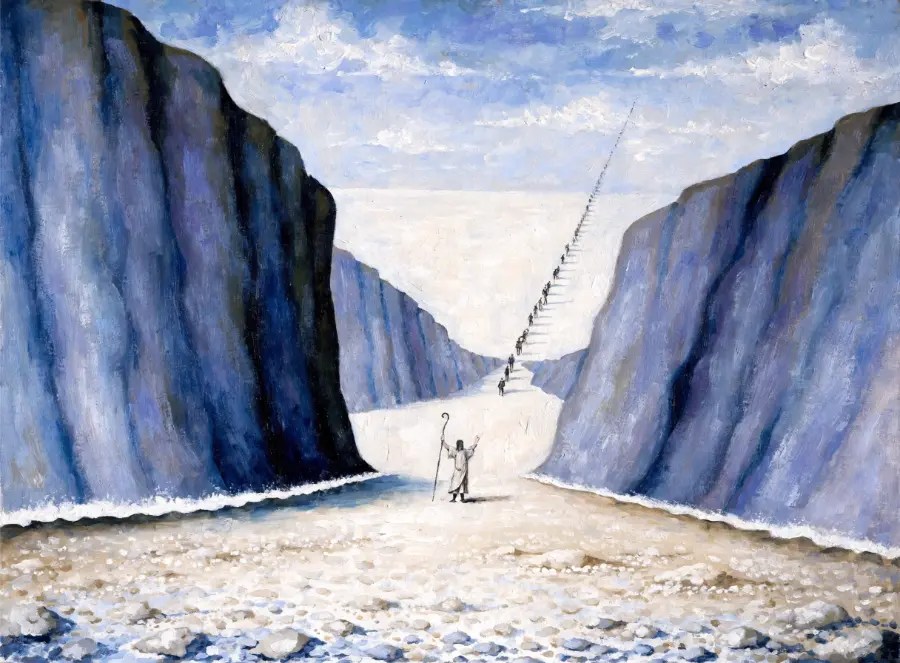
Psalm 29:11
“The Lord gives strength to his people; the Lord blesses his people with peace.”
Reflection: Strength and peace arrive in the same line. The psalm before this verse describes the voice of the Lord breaking the cedars of Lebanon (29:5), so the peace comes at the end of something violent.
Isaiah 26:3
“You will keep in perfect peace those whose minds are steadfast, because they trust in you.”
Reflection: The peace is attached to a mind kept steady. The next verse turns it into an instruction: “Trust in the Lord forever” (26:4).

2 Thessalonians 3:16
“Now may the Lord of peace himself give you peace at all times and in every way.”
Reflection: At all times and in every way. Paul writes it to a church he has just warned about people who were idle and disruptive (3:11).
John 14:27
“Peace I leave with you; my peace I give you. I do not give to you as the world gives.”
Reflection: Said on the night of his arrest. He marks his own giving off from the world’s and leaves the difference unexplained.
Peace offered with the trouble still there
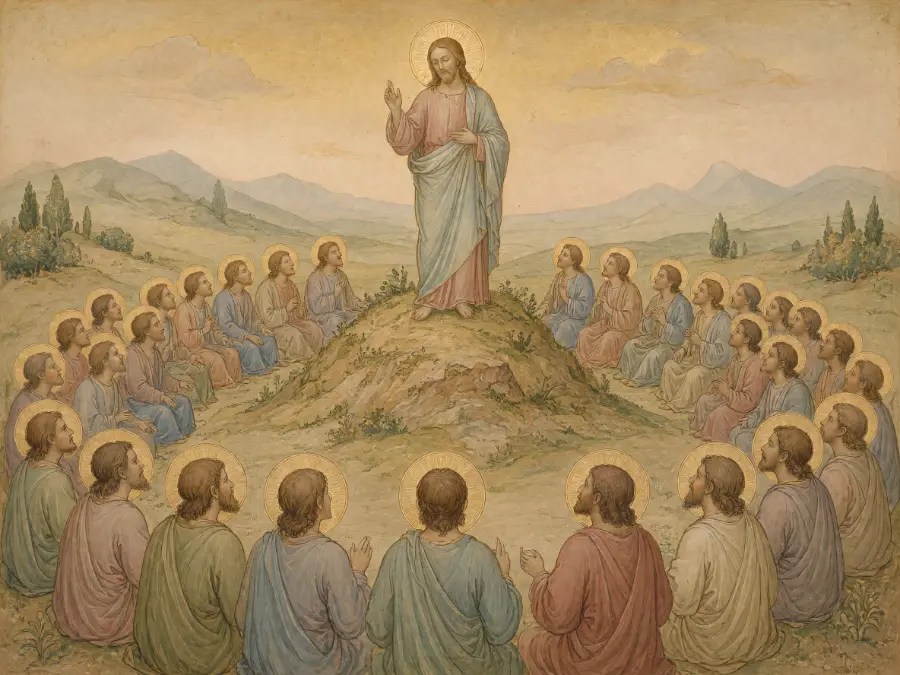
John 16:33
“I have told you these things, so that in me you may have peace. In this world you will have trouble. But take heart! I have overcome the world.”
Reflection: The trouble is promised in the same sentence as the peace. What is on offer does not include removing the trouble.
Philippians 4:6-7
“…and the peace of God, which transcends all understanding, will guard your hearts and your minds in Christ Jesus.”
Reflection: The peace is described as guarding the heart and mind, which is a defensive picture rather than a mood. It follows prayer, petition and thanksgiving (4:6).
Psalm 4:8
“In peace I will lie down and sleep, for you alone, Lord, make me dwell in safety.”
Reflection: The psalm opens asking for relief from distress (4:1) and ends with the writer lying down to sleep.
Strength that is issued rather than owned

Psalm 18:32
“It is God who arms me with strength and keeps my way secure.”
Reflection: Arms me with strength describes equipment issued rather than strength produced. The psalm continues, “He makes my feet like the feet of a deer” (18:33).
Psalm 138:3
“When I called, you answered me; you greatly emboldened me.”
Reflection: The courage arrives as the answer to a prayer. The verse names the sequence: called, answered, emboldened.
Isaiah 40:29-31
“He gives strength to the weary and increases the power of the weak. Even youths grow tired and weary, and young men stumble and fall; but those who hope in the Lord will renew their strength. They will soar on wings like eagles; they will run and not grow weary, they will walk and not be faint.”
Reflection: Isaiah grants that youths grow tired and young men stumble. The promise is not that tiredness stops but that strength can be renewed by hoping in the Lord.
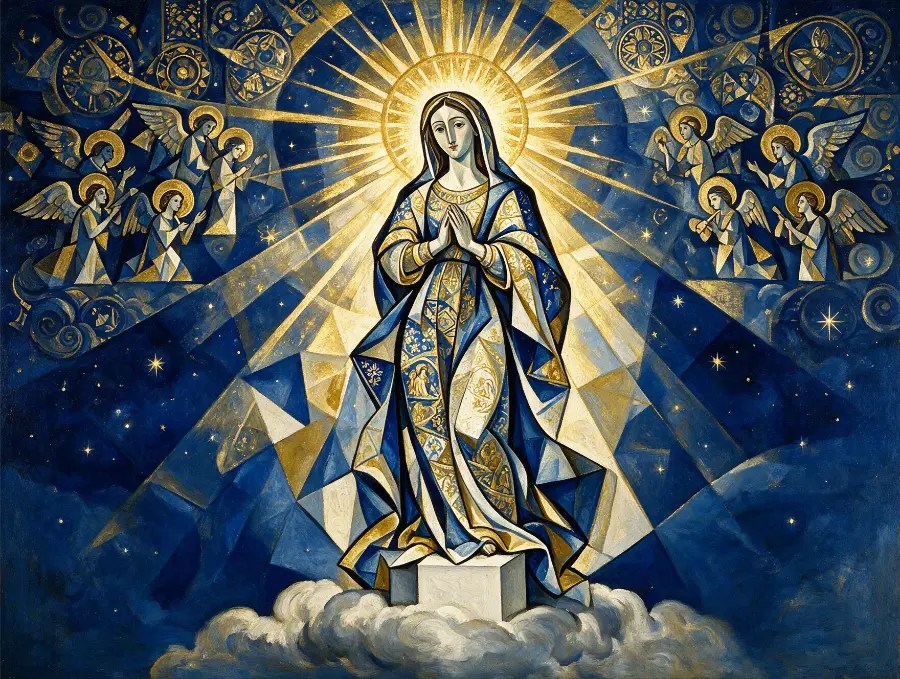
Ephesians 6:10
“Finally, be strong in the Lord and in his mighty power.”
Reflection: Be strong in the Lord and in his mighty power: the strength is placed outside the person twice in one sentence. What follows is the armour of God, which is also issued (6:11).
The refuge words
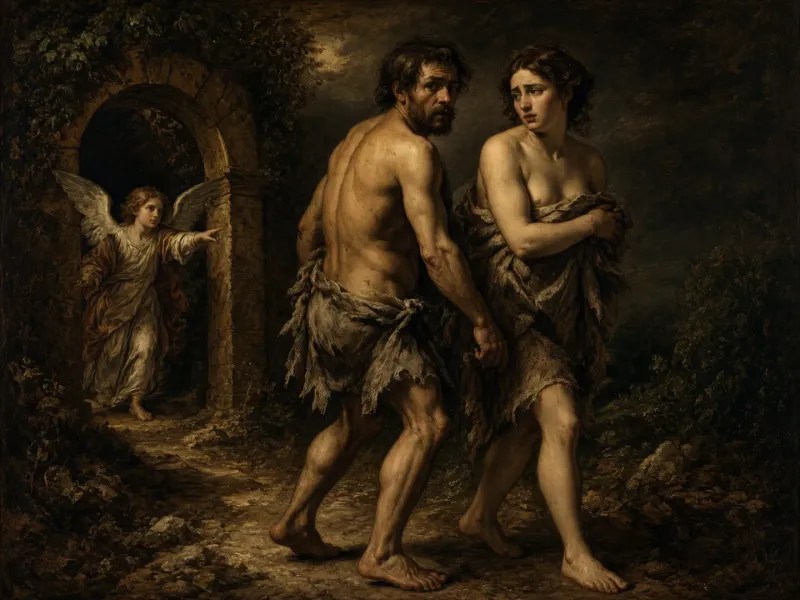
Psalm 46:1-3
“God is our refuge and strength, an ever-present help in trouble. Therefore we will not fear, though the earth give way and the mountains fall into the heart of the sea.”
Reflection: The trouble the psalm imagines is geological, the earth giving way and mountains falling into the sea. Refuge and strength are named in the same phrase.
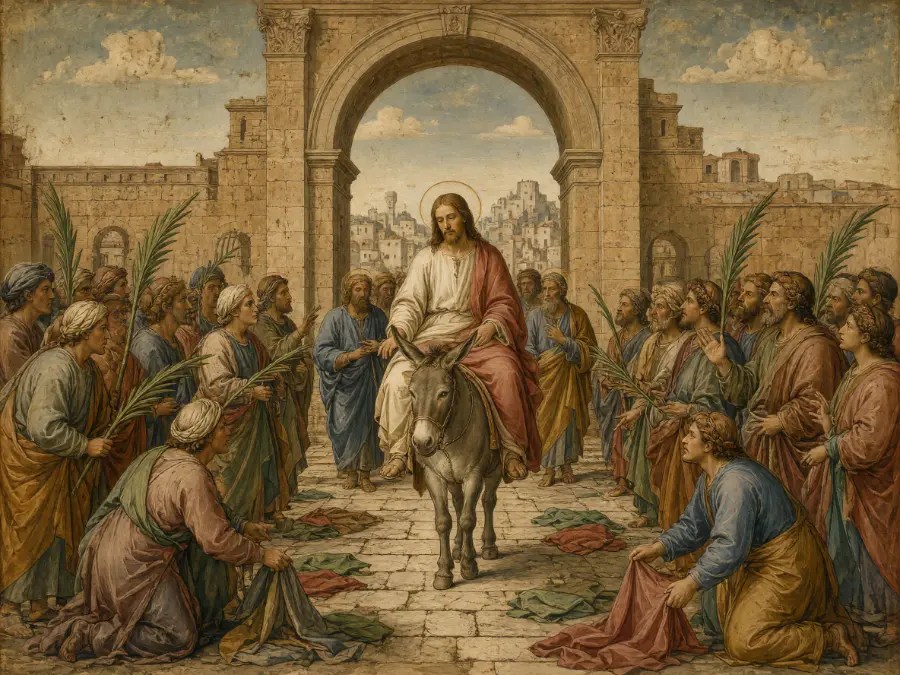
Nahum 1:7
“The Lord is good, a stronghold in the day of trouble; he knows those who take refuge in him.”
Reflection: This stands in a book about the fall of Nineveh, a few verses after a description of God’s anger. The stronghold is placed inside the judgment rather than away from it.
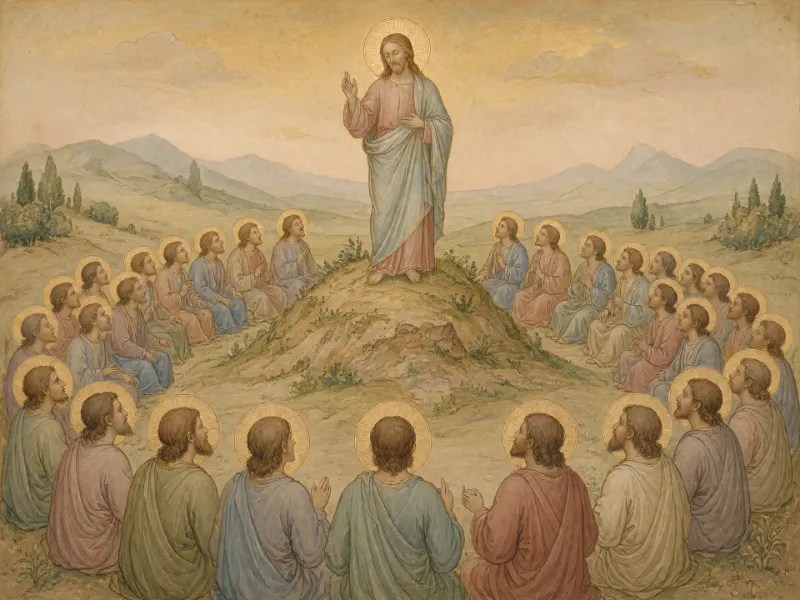
Psalm 27:1
“The Lord is my light and my salvation—whom shall I fear? The Lord is the stronghold of my life—of whom shall I be afraid?”
Reflection: Two questions rather than two statements. The psalm ends with David telling himself to wait: “Wait for the Lord; be strong and take heart” (27:14).
Deuteronomy 31:8
“The Lord himself goes before you and will be with you; he will never leave you nor forsake you.”
Reflection: Goes before you and will be with you, two positions and neither of them behind. Moses says it to people he is not crossing the river with.
Where to put the weight
Psalm 55:22
“Cast your cares on the Lord and he will sustain you; he will never let the righteous be shaken.”
Reflection: The psalm around this verse is about betrayal by a close friend, one the writer had walked to the house of God with (55:13-14).
1 Peter 5:7
“Cast all your anxiety on him because he cares for you.”
Reflection: The verse before attaches the casting to humbling yourself under God’s mighty hand (5:6).
Romans 8:31
“What, then, shall we say in response to these things? If God is for us, who can be against us?”
Reflection: Paul asks the question knowing that plenty are against them; he lists trouble, persecution and sword a few verses later (8:35). The claim is that the opposition has been outranked.
Why the two words belong together
Peace in these passages is offered with the trouble present. Jesus names it in the same sentence. Nahum puts the stronghold inside the judgment. Psalm 46 imagines the mountains falling into the sea and calls God a refuge in the same breath.
Strength is described the same way. David is armed with it, emboldened, given feet like a deer, and Isaiah’s promise is renewal for people who have run out. Every verse about it points away from the person holding it. For more on where that leaves the reader, see Bible verses about being strong.


Leave a Reply