
 English
 Chinese
 Dutch
 Arabic
 Spanish
 Portuguese
 Russian
 French
 Italian
 German
 Japanese
Scripture often tells people to be strong at moments of handover or danger, and it locates the strength in God rather than in the person.
Joshua hears it as he takes over from Moses (Joshua 1:9), Solomon as David is dying (1 Kings 2:2), and Timothy in a letter Paul wrote from prison (2 Timothy 2:1). Paul’s own version is “be strong in the Lord and in the strength of his might” (Ephesians 6:10). The eighteen verses below cover who is told to be strong, where the strength comes from, the best-known strength verses in context, strength in weakness, and strength used for others.
Who gets told to be strong
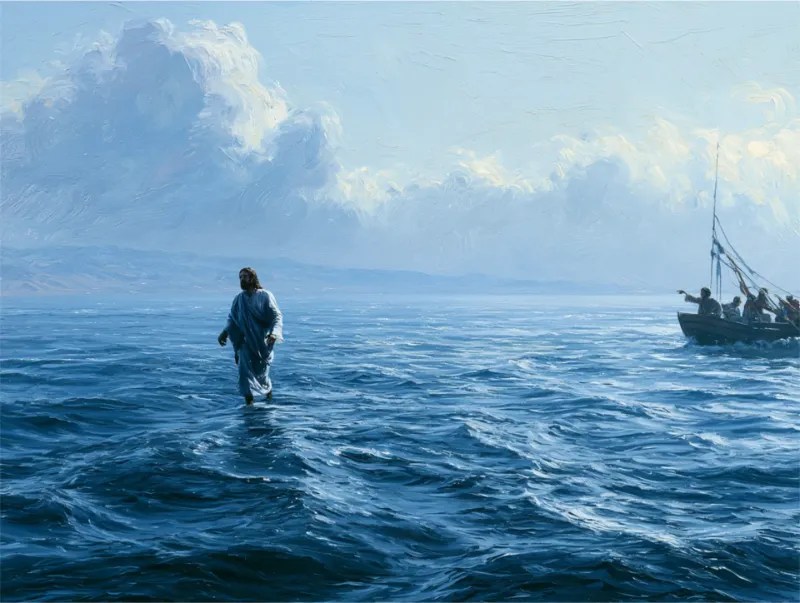
Joshua 1:9
“Have I not commanded you? Be strong and courageous. Do not be frightened, and do not be dismayed, for the Lord your God is with you wherever you go.”
Reflection: God says “Be strong and courageous” three times in Joshua 1 (1:6, 7, 9), just after Moses has died. The reason given is his presence: “the Lord your God is with you wherever you go.”
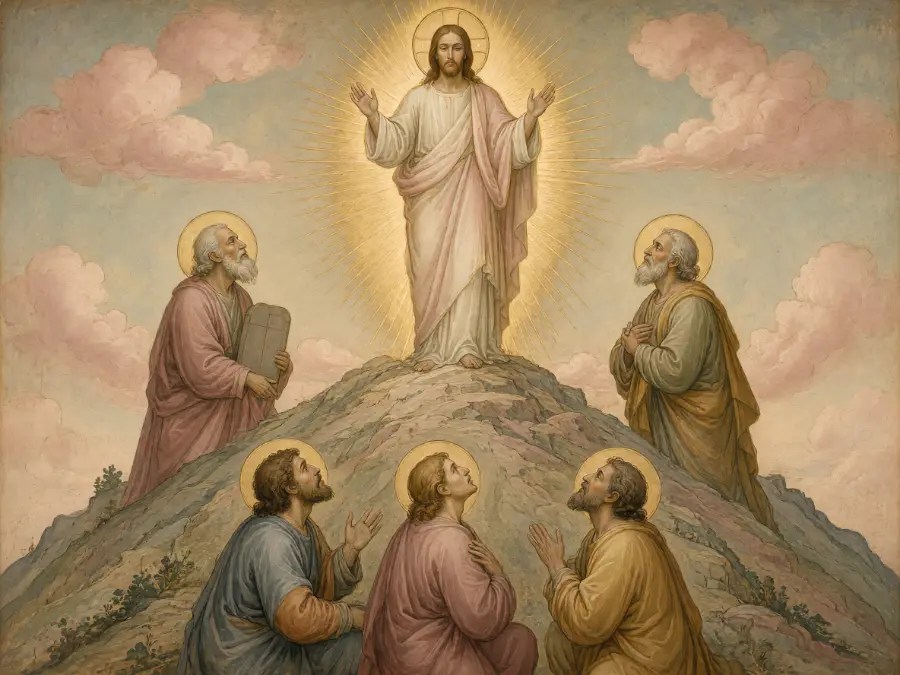
Deuteronomy 31:6
“Be strong and courageous. Do not fear or be in dread of them, for it is the Lord your God who goes with you. He will not leave you or forsake you.”
Reflection: Moses says this to all Israel near the end of his life, knowing he will not cross the Jordan with them (31:2). The reason is again God’s presence: he will not leave them or forsake them.
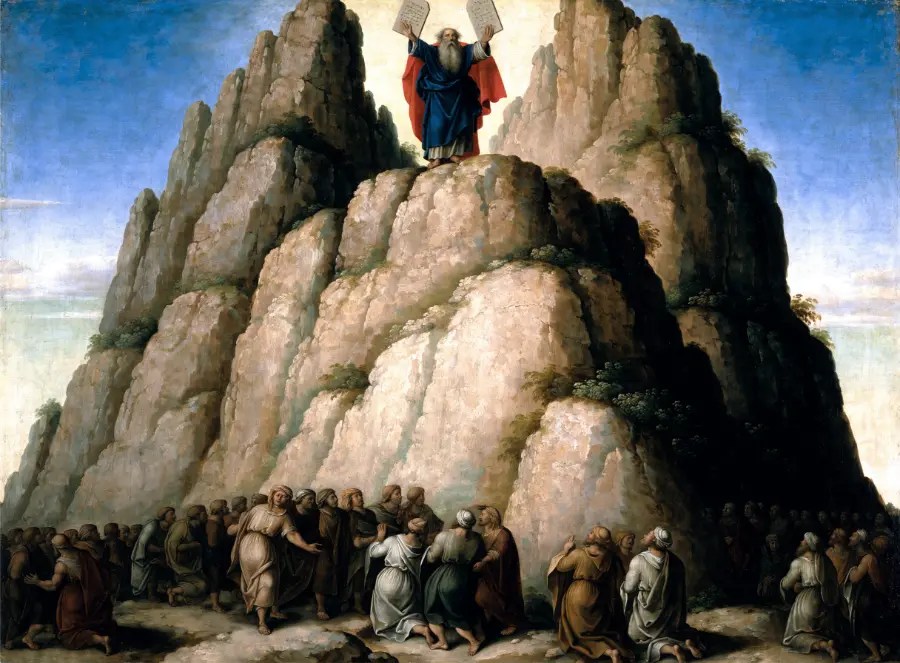
1 Corinthians 16:13
“Be watchful, stand firm in the faith, act like men, be strong.”
Reflection: Four short commands close a letter that has dealt with divisions, lawsuits and disorder at the Lord’s Supper. The next verse adds, “Let all that you do be done in love” (16:14).
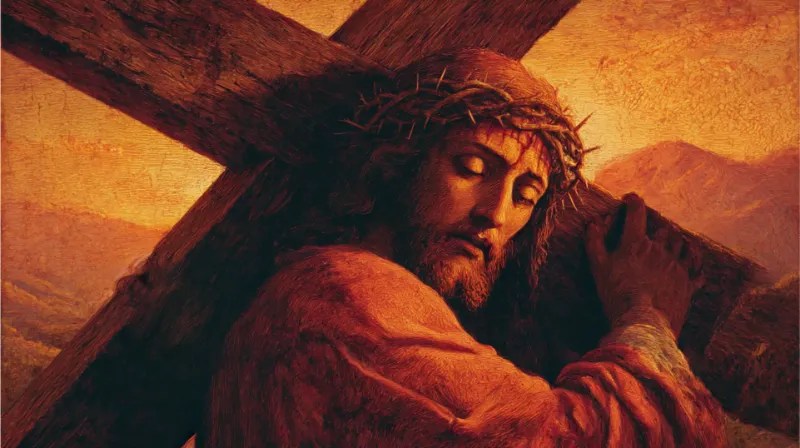
2 Timothy 2:1
“You then, my child, be strengthened by the grace that is in Christ Jesus.”
Reflection: The instruction is to be strengthened, and the strength comes from “the grace that is in Christ Jesus.”
Where the strength actually sits
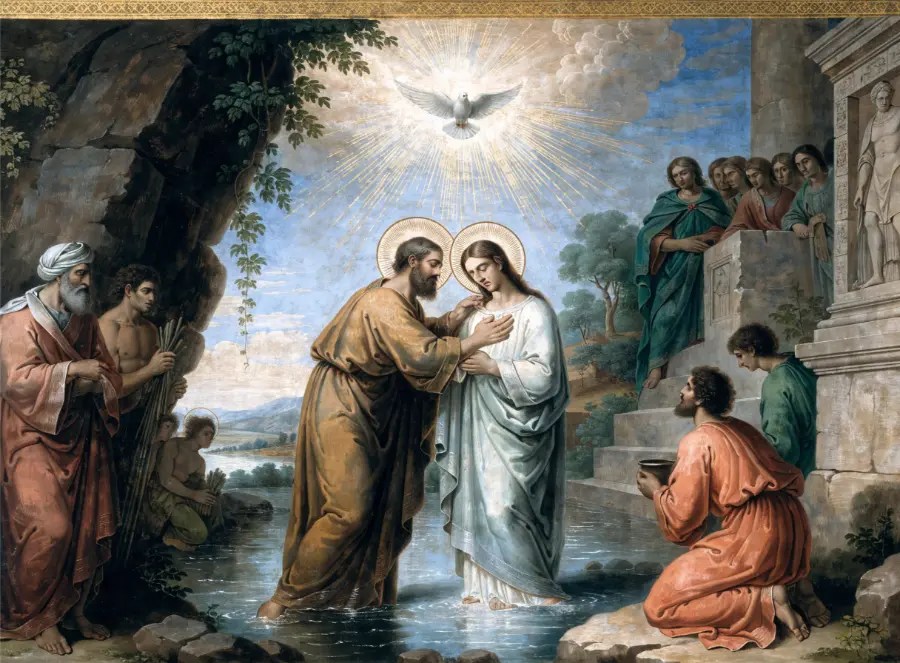
Ephesians 6:10
“Finally, be strong in the Lord and in the strength of his might.”
Reflection: Paul names the source twice, the Lord and his might, and then describes the armor of God (6:11-17).
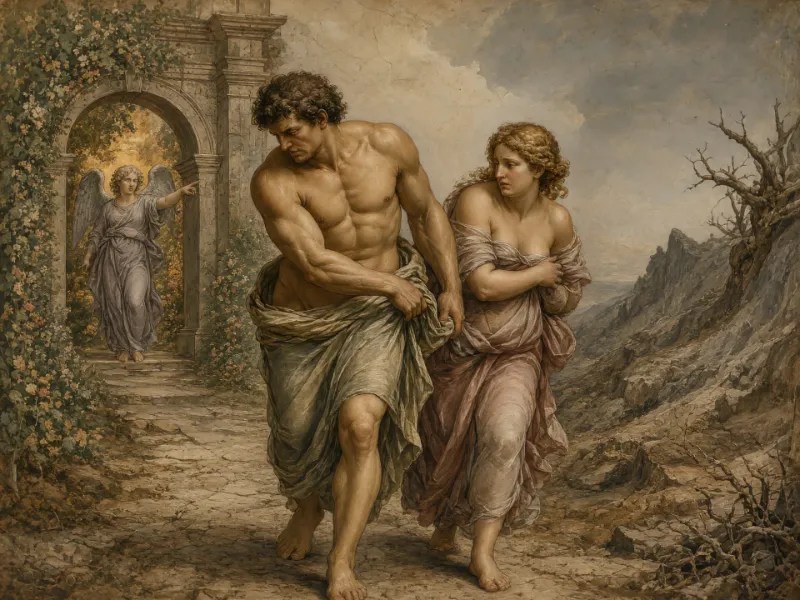
Psalm 46:1
“God is our refuge and strength, a very present help in trouble.”
Reflection: The psalm goes on to the earth giving way and mountains moved into the sea, and still says, “we will not fear” (46:2).
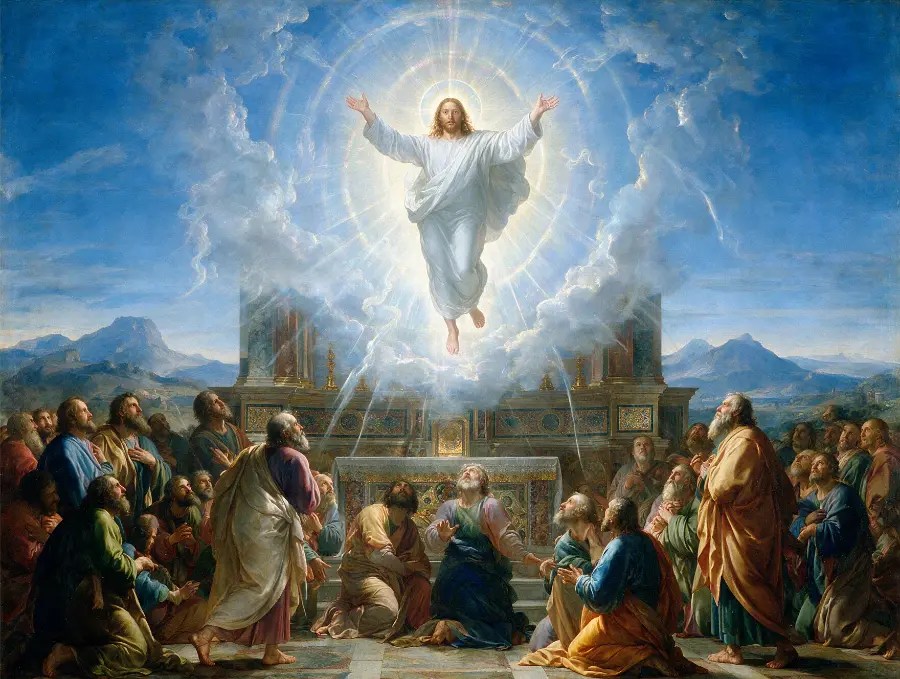
Psalm 27:1
“The Lord is my light and my salvation; whom shall I fear? The Lord is the stronghold of my life; of whom shall I be afraid?”
Reflection: David asks two questions and answers them with the Lord’s name. The psalm ends, “Wait for the Lord; be strong, and let your heart take courage” (27:14).
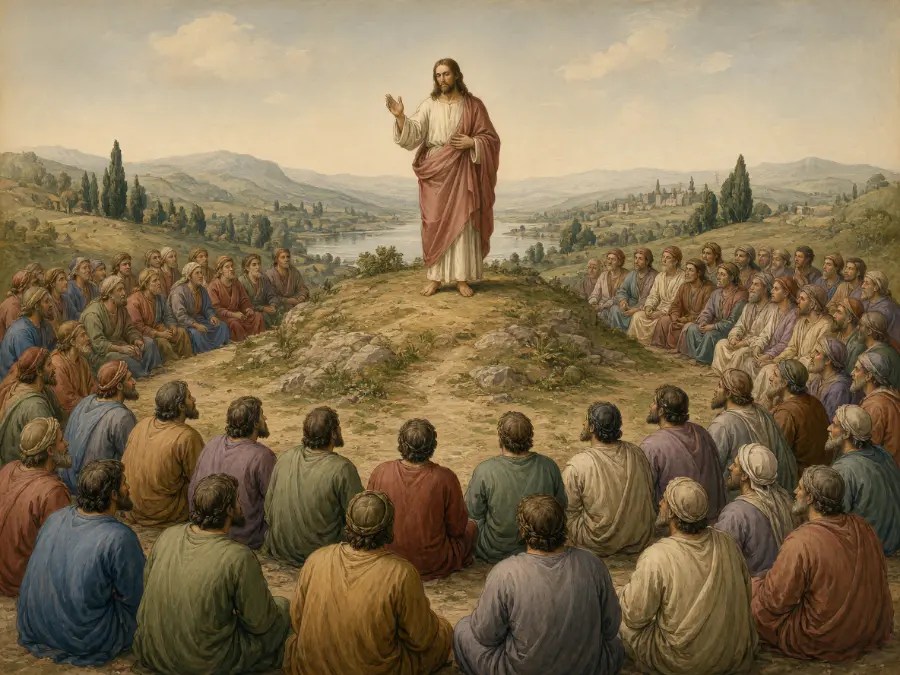
2 Samuel 22:33
“This God is my strong refuge and has made my way blameless.”
Reflection: This song comes near the end of David’s story and is nearly the same as Psalm 18. David credits God with his strength and with his path.
The famous ones, in their own settings

Philippians 4:13
“I can do all things through him who strengthens me.”
Reflection: The verses before give the setting: Paul has learned to be content with plenty and with little (4:11-12). The “all things” are those circumstances.
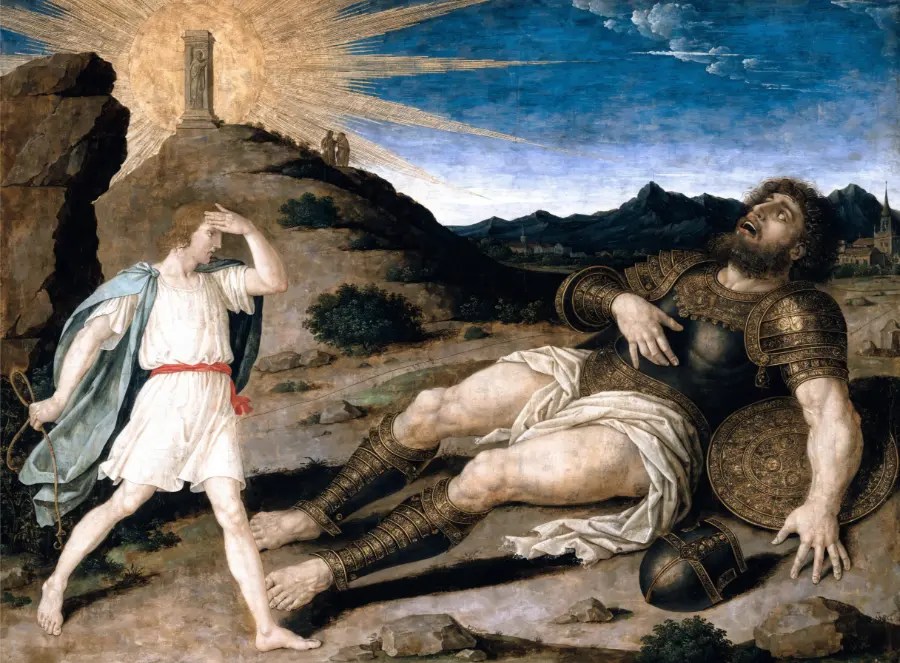
Nehemiah 8:10
“Go your way. Eat the fat and drink sweet wine and send portions to anyone who has nothing ready, for this day is holy to our Lord. And do not be grieved, for the joy of the Lord is your strength.”
Reflection: The people were weeping after hearing the law read (8:9). Nehemiah tells them to eat, drink and send portions to those with nothing, because the day is holy.
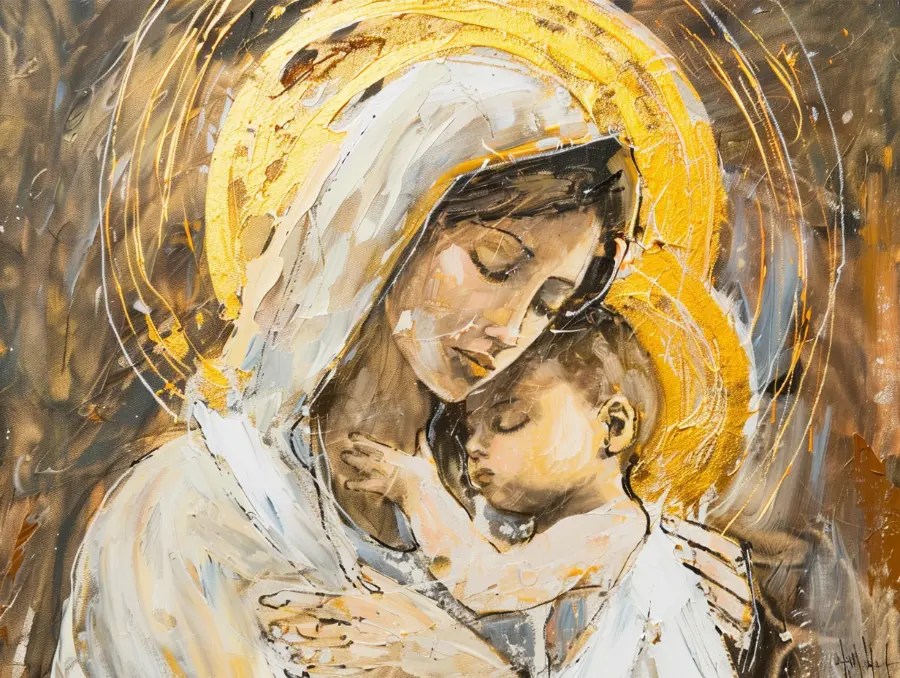
Colossians 1:11
“May you be strengthened with all power, according to his glorious might, for all endurance and patience with joy.”
Reflection: Paul asks for strength “with all power” and names its purpose: endurance and patience with joy.
Strength that looks nothing like it
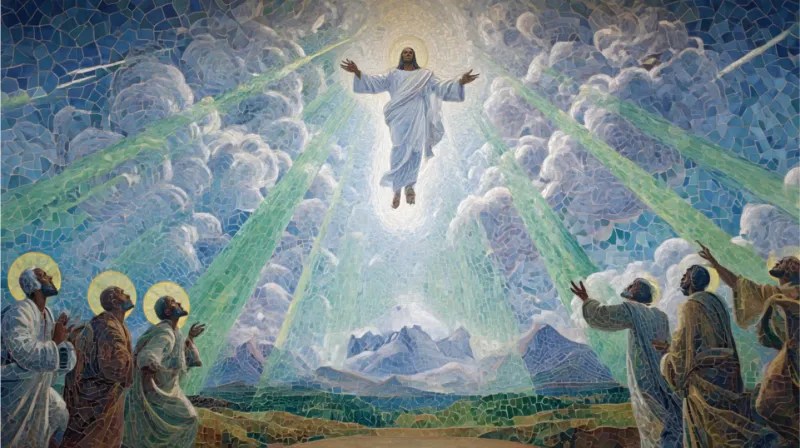
2 Corinthians 12:9-10
“My grace is sufficient for you, for my power is made perfect in weakness. Therefore I will boast all the more gladly of my weaknesses.”
Reflection: This was the answer when Paul asked three times for his thorn to be removed (12:8). He goes on: “For when I am weak, then I am strong” (12:10).

Isaiah 30:15
“In returning and rest you shall be saved; in quietness and in trust shall be your strength.”
Reflection: The verse ends, “But you were unwilling.” In the next verse the people say they will flee on horses instead (30:16).

Hebrews 11:34
“…quenched the power of fire, escaped the edge of the sword, were made strong out of weakness, became mighty in war.”
Reflection: The list continues with people who were tortured, mocked, flogged, stoned and sawn in two (11:35-37), and Hebrews counts them all as examples of faith.
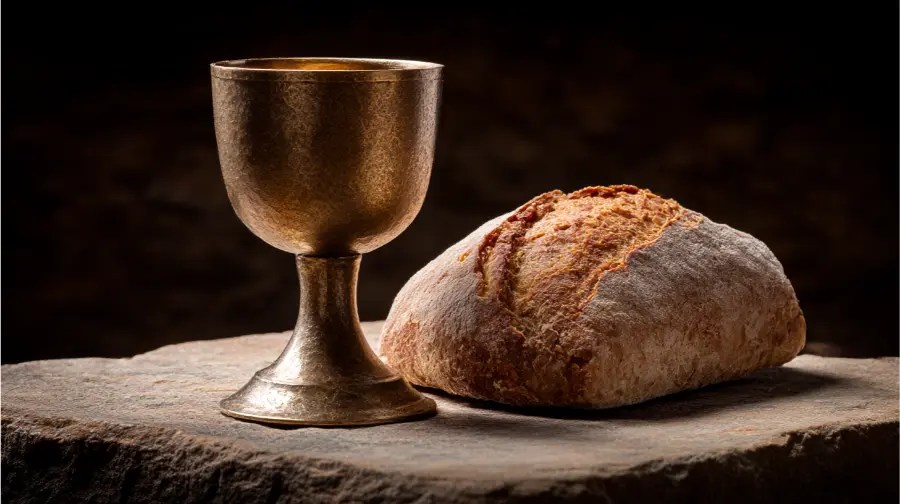
Joel 3:10
“Beat your plowshares into swords, and your pruning hooks into spears; let the weak say, ‘I am a warrior.’”
Reflection: This reverses Isaiah 2:4 and Micah 4:3, where swords are beaten into plowshares. Joel is calling the nations to the valley of judgment (3:12), and the boast is theirs.
Strength that belongs to somebody else

Romans 15:1
“We who are strong have an obligation to bear with the failings of the weak, and not to please ourselves.”
Reflection: Strength here brings an obligation: to bear with the failings of the weak. The next verse adds, “Let each of us please his neighbor for his good” (15:2).
Proverbs 27:17
“Iron sharpens iron, and one man sharpens another.”
Reflection: Iron is sharpened by iron, and people by each other. The picture involves friction, and both pieces are changed.

Habakkuk 3:19
“God, the Lord, is my strength; he makes my feet like the deer’s; he makes me tread on my high places.”
Reflection: Habakkuk closes his book this way after saying that even if the fig tree does not blossom and the fields yield no food, “yet I will rejoice in the Lord” (3:17-18).
What this leaves us holding
In these passages the command to be strong comes with a reason outside the person: God is with Joshua, God goes with Israel, and Timothy is strengthened by grace. Paul’s prayer for power in Colossians is for endurance and patience, and Nehemiah’s famous line comes with an instruction to share food.
Hebrews 11 lists people who were delivered and people who were killed, and calls both faithful, so being strong in Scripture is not a promise about outcomes. For more on holding on through hardship, see Bible verses about resilience.


Leave a Reply