
 English
 Chinese
 Dutch
 Arabic
 Spanish
 Portuguese
 Russian
 French
 Italian
 German
 Japanese
The Bible commands singing to the Lord and gives reasons for it: who God is, what he has done, and what the song does for the people who hear it. The Psalms call the whole earth to sing (Psalm 96:1-2), and Paul tells churches to sing to one another (Colossians 3:16).
Israel sings after crossing the sea (Exodus 15:1-2), and Paul and Silas sing in prison at midnight (Acts 16:25). The singing also runs the other way: in Zephaniah 3:17 the Lord promises that he will exult over Jerusalem “with loud singing,” and in Revelation 5:9-10 the elders around the throne sing a new song to the Lamb.
Calls to sing
Psalm 95:1-2
“Oh come, let us sing to the Lord; let us make a joyful noise to the rock of our salvation! Let us come into his presence with thanksgiving; let us make a joyful noise to him with songs of praise!”
Reflection: The call is in the plural, “let us sing,” spoken by worshippers to one another. The reasons follow in verses 3-5: the Lord is “a great King above all gods,” and the sea and the dry land are his because he made them. Verse 6 moves from singing to kneeling: “let us kneel before the Lord, our Maker!”
Psalm 100:1-2
“Make a joyful noise to the Lord, all the earth! Serve the Lord with gladness! Come into his presence with singing!”
Reflection: The heading calls this “A Psalm for giving thanks,” and the call goes to “all the earth.” Singing is set beside serving: “Serve the Lord with gladness! Come into his presence with singing!” Verse 3 gives the reason, “It is he who made us, and we are his,” and verse 4 brings the singers into “his gates with thanksgiving, and his courts with praise.”
Psalm 47:6-7
“Sing praises to God, sing praises! Sing praises to our King, sing praises! For God is the King of all the earth; sing praises with a psalm!”
Reflection: Verse 6 says “sing praises” four times. The reason is kingship: God is “the King of all the earth.” Verse 5 has just described him going up “with a shout, the Lord with the sound of a trumpet,” and the psalm opens by calling “all peoples” to clap their hands and shout.
1 Chronicles 16:9
“Sing to him, sing praises to him; tell of all his wondrous works!”
Reflection: When the ark was set inside the tent David had pitched for it, “David first appointed that thanksgiving be sung to the Lord by Asaph and his brothers” (16:7), with Levites assigned to harps, lyres and cymbals and priests to trumpets (16:5-6). This line comes from the song they were given. Verses 8-9 of the song match the opening of Psalm 105 (105:1-2), and 1 Chronicles 16:23 repeats Psalm 96:2: “Tell of his salvation from day to day.”
A new song for what God has done
Psalm 33:1-3
“Shout for joy in the Lord, O you righteous! Praise befits the upright. Give thanks to the Lord with the lyre; make melody to him with the harp of ten strings! Sing to him a new song; play skillfully on the strings, with loud shouts.”
Reflection: The call to sing comes with instruments: the lyre, a harp of ten strings, and skilled playing “on the strings.” Verse 4 gives the reason for the new song: “For the word of the Lord is upright, and all his work is done in faithfulness.”
Psalm 96:1-2
“Oh sing to the Lord a new song; sing to the Lord, all the earth! Sing to the Lord, bless his name; tell of his salvation from day to day.”
Reflection: “Sing to the Lord” is repeated three times, and the subject of the song is “his salvation from day to day.” Verse 3 sends the song beyond Israel: “Declare his glory among the nations, his marvelous works among all the peoples!”
Psalm 98:1
“Oh sing to the Lord a new song, for he has done marvelous things! His right hand and his holy arm have worked salvation for him.”
Reflection: The new song has a stated cause, “for he has done marvelous things,” and the next verses name them: the Lord “has made known his salvation” and “remembered his steadfast love and faithfulness to the house of Israel.” Verses 4-6 call on all the earth to join in with the lyre, trumpets and the horn.
Psalm 40:3
“He put a new song in my mouth, a song of praise to our God. Many will see and fear, and put their trust in the Lord.”
Reflection: In this psalm of David the new song follows a rescue. He “waited patiently for the Lord,” who “drew me up from the pit of destruction, out of the miry bog” (40:1-2). The song itself is described as God’s gift, “He put a new song in my mouth,” and it has an audience: “Many will see and fear.”

Psalm 149:1
“Praise the Lord! Sing to the Lord a new song, his praise in the assembly of the godly!”
Reflection: Here the new song is sung “in the assembly of the godly,” with dancing, tambourine and lyre (149:3). Verse 4 gives the reason, “For the Lord takes pleasure in his people,” and verse 5 carries the singing home: “let them sing for joy on their beds.”
Singing after rescue and in danger

Exodus 15:1-2
“Then Moses and the people of Israel sang this song to the Lord, saying, ‘I will sing to the Lord, for he has triumphed gloriously; the horse and his rider he has thrown into the sea. The Lord is my strength and my song, and he has become my salvation.’”
Reflection: Israel has just walked through the sea on dry ground and seen “the Egyptians dead on the seashore” (14:30). The song names the event: “the horse and his rider he has thrown into the sea.” Later in the chapter Miriam, with a tambourine, turns the first line into a call to others, “Sing to the Lord, for he has triumphed gloriously,” and the women follow her dancing (15:20-21). Isaiah 12:2 repeats the line “the Lord God is my strength and my song.”
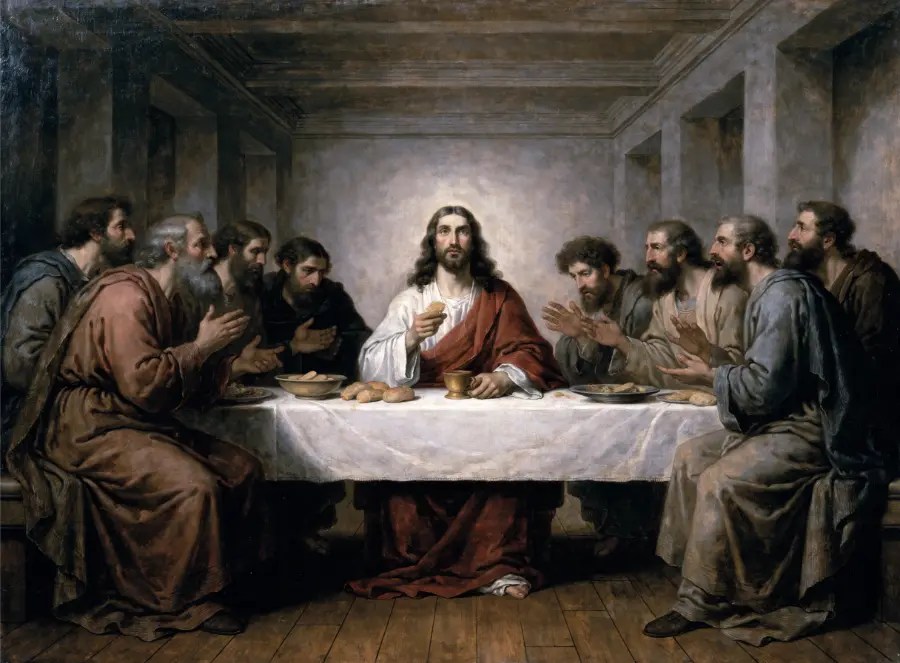
2 Chronicles 20:21-22
“And when he had taken counsel with the people, he appointed those who were to sing to the Lord and praise him in holy attire, as they went before the army, and say, ‘Give thanks to the Lord, for his steadfast love endures forever.’ And when they began to sing and praise, the Lord set an ambush against the men of Ammon, Moab, and Mount Seir…”
Reflection: The Moabites and Ammonites had come against Jehoshaphat, and he had proclaimed a fast throughout Judah (20:1-3). On the morning of the battle he put singers ahead of the army, singing “Give thanks to the Lord, for his steadfast love endures forever.” The chronicler times the victory by the song: “when they began to sing and praise, the Lord set an ambush.” The army came back to the house of the Lord “with harps and lyres and trumpets” (20:28).
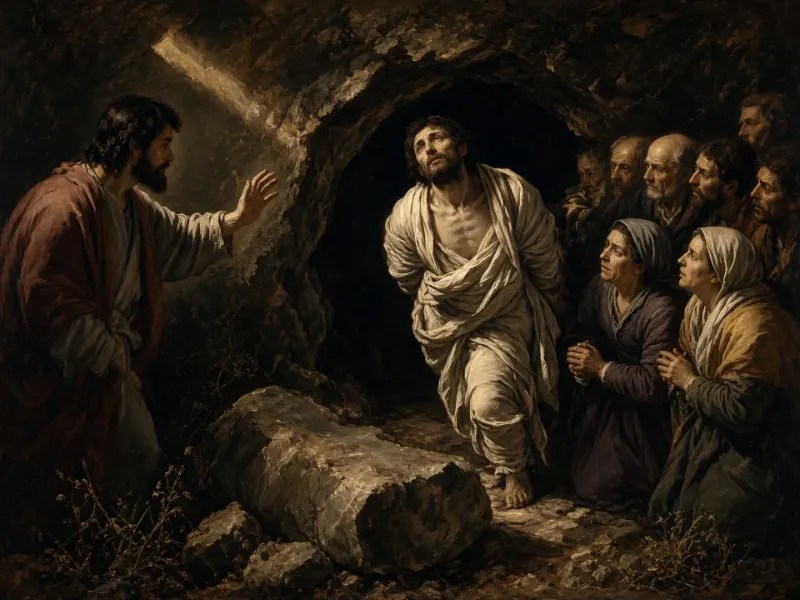
Psalm 59:16-17
“But I will sing of your strength; I will sing aloud of your steadfast love in the morning. For you have been to me a fortress and a refuge in the day of my distress. O my Strength, I will sing praises to you, for you, O God, are my fortress, the God who shows me steadfast love.”
Reflection: The heading places the psalm on the night “when Saul sent men to watch his house in order to kill him.” Verse 14 describes those men coming back each evening, “howling like dogs and prowling about the city,” and David answers with singing “in the morning.” He sings of God as “a fortress and a refuge in the day of my distress.”
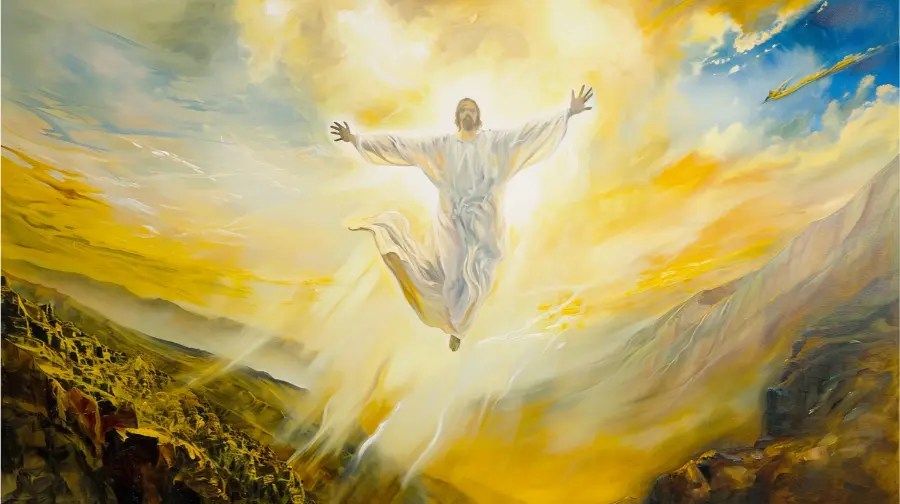
Acts 16:25
“About midnight Paul and Silas were praying and singing hymns to God, and the prisoners were listening to them.”
Reflection: Paul and Silas had been beaten with rods and put in the inner prison with their feet fastened in the stocks (16:22-24). At midnight they were praying and singing, and the other prisoners heard them. An earthquake then opened the doors, and the jailer, trembling, asked them, “Sirs, what must I do to be saved?” (16:30).
Singing among Jesus and his followers
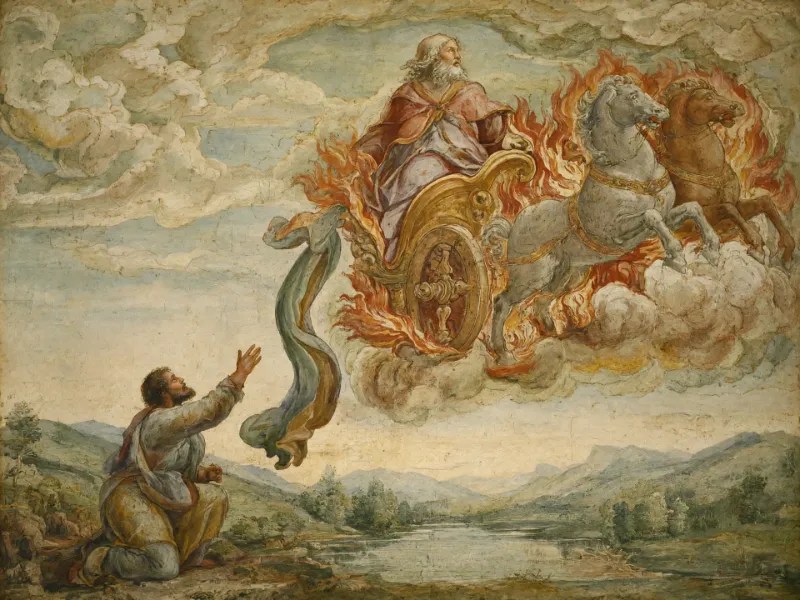
Mark 14:26
“And when they had sung a hymn, they went out to the Mount of Olives.”
Reflection: Jesus and the disciples sang a hymn at the end of the meal at which he gave them the bread and the cup (14:22-25), and then they went out to the Mount of Olives. Mark does not say which hymn they sang.
Ephesians 5:18-19
“And do not get drunk with wine, for that is debauchery, but be filled with the Spirit, addressing one another in psalms and hymns and spiritual songs, singing and making melody to the Lord with your heart.”
Reflection: Paul sets being “filled with the Spirit” against getting drunk, and singing follows in the same sentence. The songs go in two directions at once: “addressing one another” and “making melody to the Lord with your heart.” Verse 20 continues the sentence with “giving thanks always and for everything to God the Father.”
Colossians 3:16
“Let the word of Christ dwell in you richly, teaching and admonishing one another in all wisdom, singing psalms and hymns and spiritual songs, with thankfulness in your hearts to God.”
Reflection: In the parallel to Ephesians 5:19, the singing is tied to “the word of Christ” dwelling in the church. Psalms, hymns and spiritual songs are one of the ways believers teach and admonish “one another in all wisdom.” The verse before ends with the short command “And be thankful.”
1 Corinthians 14:15
“What am I to do? I will pray with my spirit, but I will pray with my mind also; I will sing praise with my spirit, but I will sing with my mind also.”
Reflection: Paul is writing about speaking in tongues when the church meets. He wants singing that engages the mind as well as the spirit, and verse 16 gives the reason: otherwise an outsider cannot “say ‘Amen’ to your thanksgiving when he does not know what you are saying.”
James 5:13
“Is anyone among you suffering? Let him pray. Is anyone cheerful? Let him sing praise.”
Reflection: James pairs two conditions with two responses: the one suffering should pray, and the one cheerful should sing praise. The next verse adds a third case, sickness, in which the elders of the church are called to pray and anoint with oil.
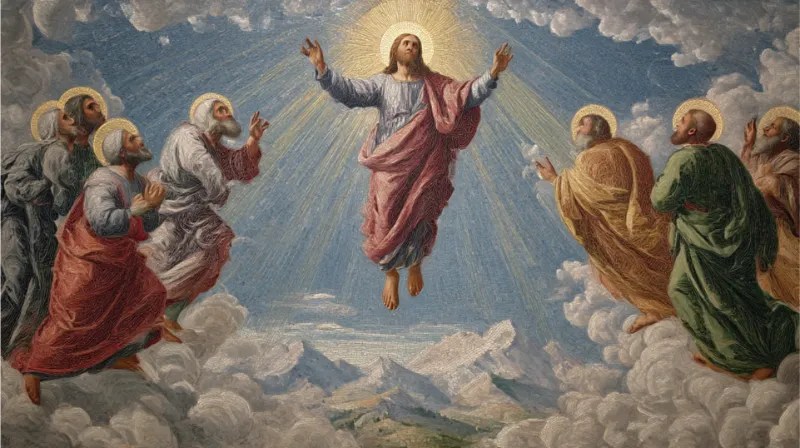
Hebrews 2:12
“saying, ‘I will tell of your name to my brothers; in the midst of the congregation I will sing your praise.’”
Reflection: Hebrews quotes Psalm 22:22 and gives the words to “the founder of their salvation” (2:10), who “is not ashamed to call them brothers” (2:11). The psalm reads “I will praise you”; Hebrews has “I will sing your praise.” Psalm 22 opens with “My God, my God, why have you forsaken me?”, the cry Jesus spoke from the cross in Mark 15:34.
The Lord who sings, and the songs of heaven
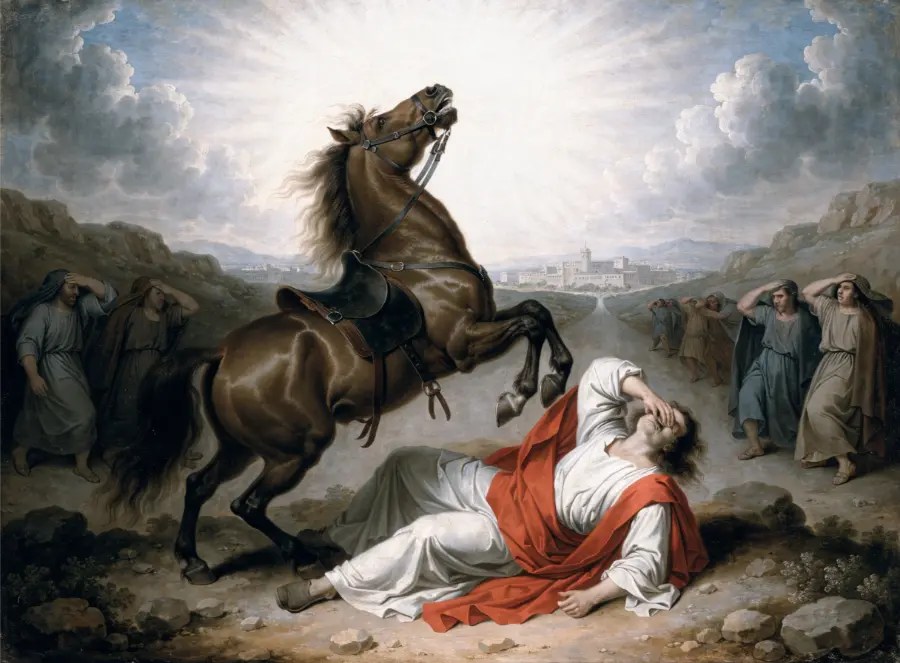
Zephaniah 3:17
“The Lord your God is in your midst, a mighty one who will save; he will rejoice over you with gladness; he will quiet you by his love; he will exult over you with loud singing.”
Reflection: Verse 14 tells Jerusalem to “Sing aloud,” and verse 17 turns the command around: the Lord “will exult over you with loud singing.” The setting is a promise to Jerusalem: the Lord “has taken away the judgments against you” (3:15), and “at that time” he will gather the outcast and “restore your fortunes” (3:19-20).
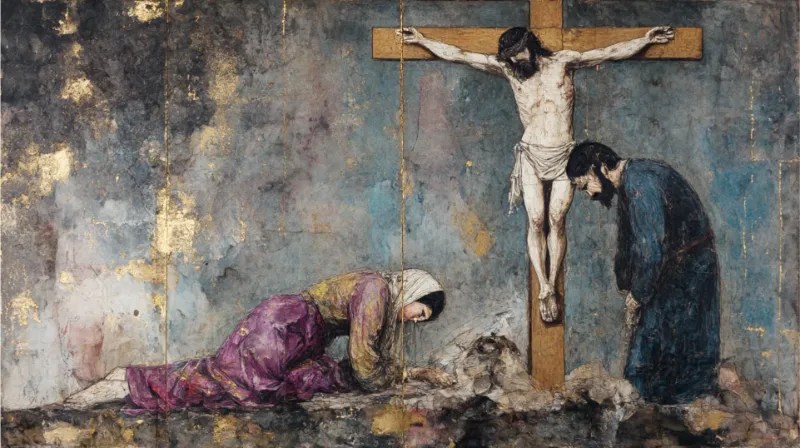
Revelation 5:9-10
“And they sang a new song, saying, ‘Worthy are you to take the scroll and to open its seals, for you were slain, and by your blood you ransomed people for God from every tribe and language and people and nation, and you have made them a kingdom and priests to our God, and they shall reign on the earth.’”
Reflection: The four living creatures and the twenty-four elders, each holding a harp, sing after the Lamb takes the scroll. The new song states its reason, “for you were slain,” and names the people ransomed “from every tribe and language and people and nation.”
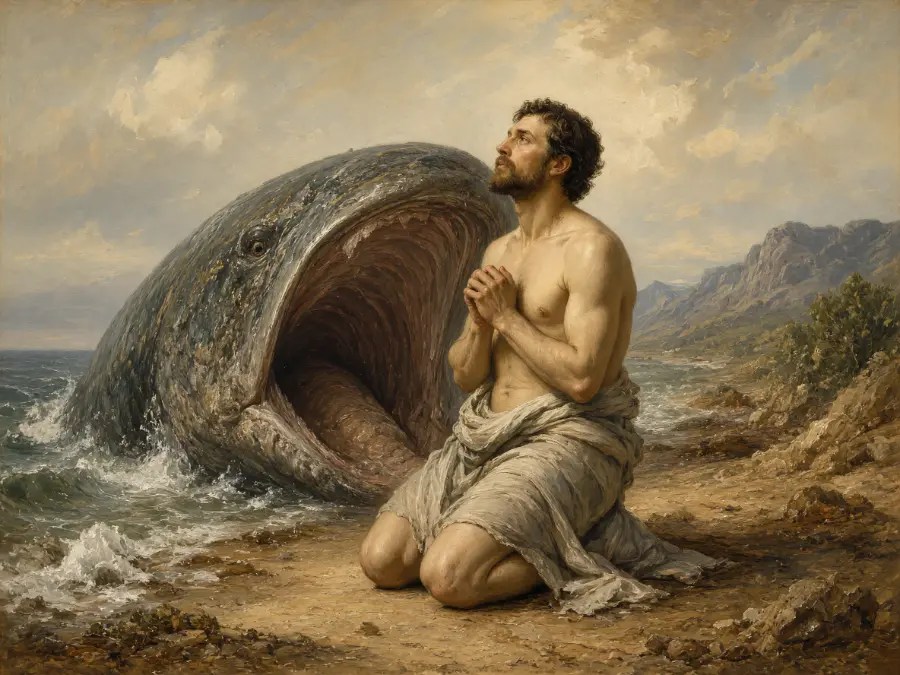
Revelation 15:3-4
“And they sing the song of Moses, the servant of God, and the song of the Lamb, saying, ‘Great and amazing are your deeds, O Lord God the Almighty! Just and true are your ways, O King of the nations! Who will not fear, O Lord, and glorify your name? For you alone are holy.’”
Reflection: Those who “had conquered the beast” stand beside a sea of glass with harps and sing “the song of Moses, the servant of God, and the song of the Lamb.” The name recalls Exodus 15, sung beside the sea Israel had crossed. The song praises God’s deeds and ways and looks ahead: “All nations will come and worship you.”


Leave a Reply