
 English
 Chinese
 Dutch
 Arabic
 Spanish
 Portuguese
 Russian
 French
 Italian
 German
 Japanese
The Foundation of Surrender: Trusting in God’s Plan
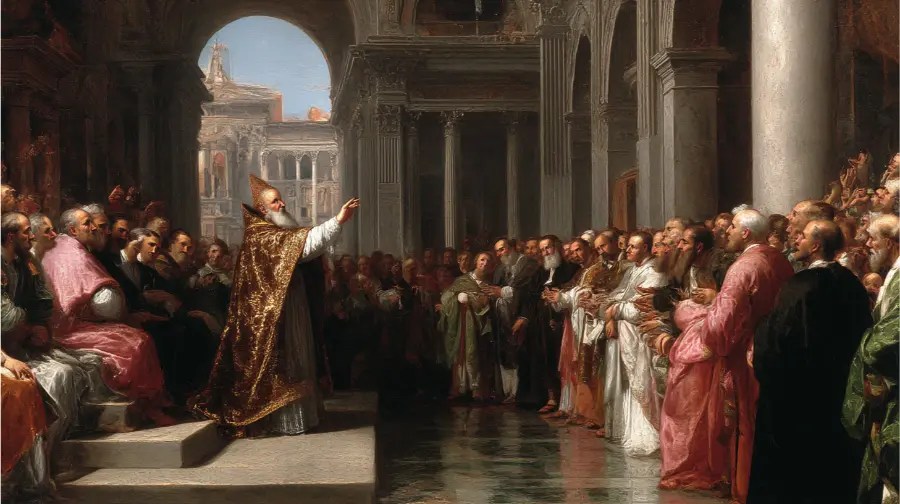
Proverbs 3:5-6
“Trust in the Lord with all your heart and lean not on your own understanding; in all your ways submit to him, and he will make your paths straight.”
Reflection: This verse speaks to the core human tension between our deep need for control and the reality of our limited perspective. To lean on our own understanding is to build a life on the shaky ground of our own fluctuating emotions and incomplete knowledge. Surrender, then, is not a blind leap but a conscious transfer of trust. It is the quiet, courageous decision to believe that God’s map is more reliable than our own, releasing the exhausting burden of having to navigate every twist and turn of the wilderness alone.
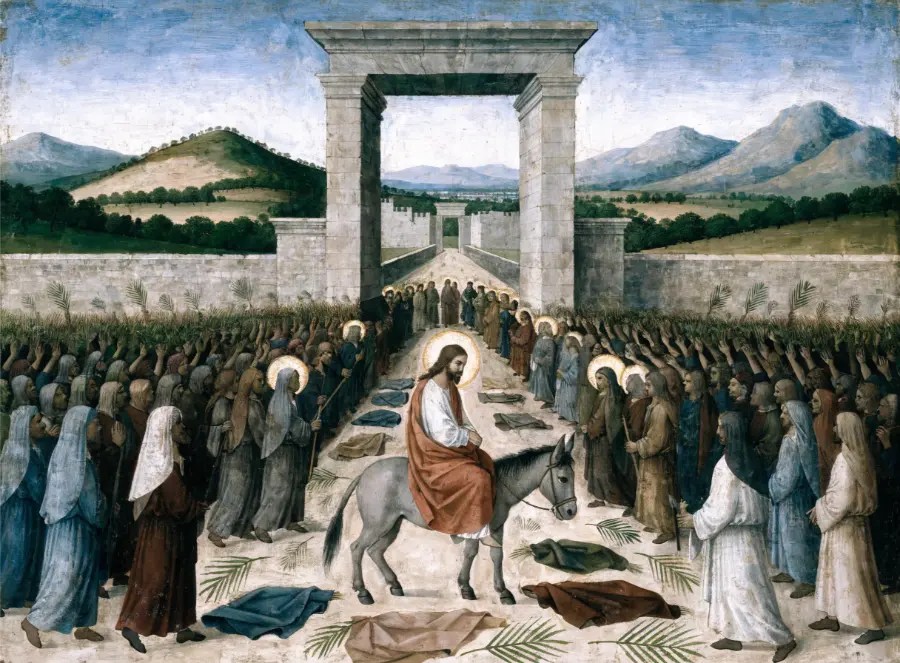
Jeremiah 29:11
“‘For I know the plans I have for you,’ declares the Lord, ‘plans to prosper you and not to harm you, plans to give you hope and a future.’”
Reflection: Surrender is often frightening because we fear the unknown. This verse anchors our surrender not in ambiguity, but in the revealed character of God Himself. It addresses the emotional core of our resistance—the fear of harm or abandonment. To surrender to the God of this promise is to entrust our story to a divine author whose central motivation is our ultimate well-being and flourishing. It reframes surrender from a loss of control to a secure attachment to a perfectly loving and capable protector.
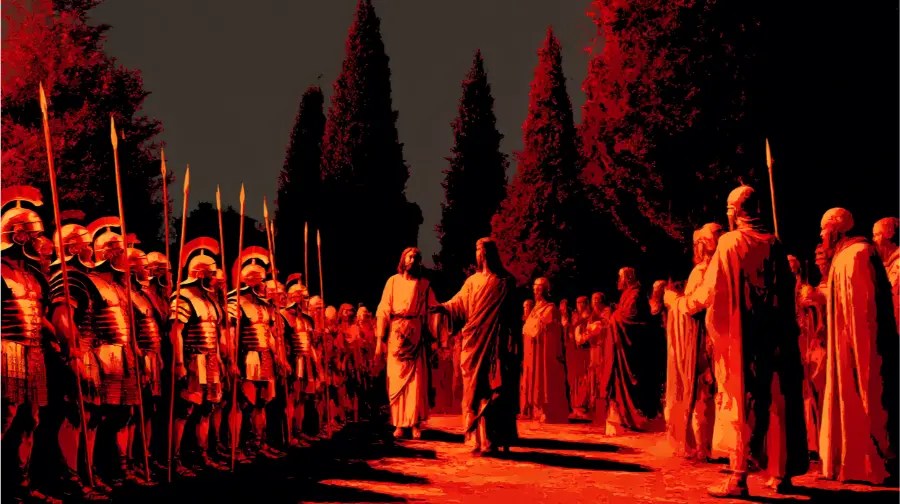
Isaiah 55:8-9
“‘For my thoughts are not your thoughts, neither are your ways my ways,’ declares the Lord. ‘As the heavens are higher than the earth, so are my ways higher than your ways and my thoughts than your thoughts.’”
Reflection: This is a call to profound intellectual humility. We often create immense internal distress by trying to force God’s infinite reality into the finite boxes of our logic. Surrender involves accepting that we will not always understand the ‘why’ behind our circumstances. It is the emotional release that comes from ceasing the struggle to be God’s strategic advisor and instead finding peace in the role of a beloved child, trusting that the cosmic view from the heavens is infinitely more complete and compassionate than our limited view from the earth.
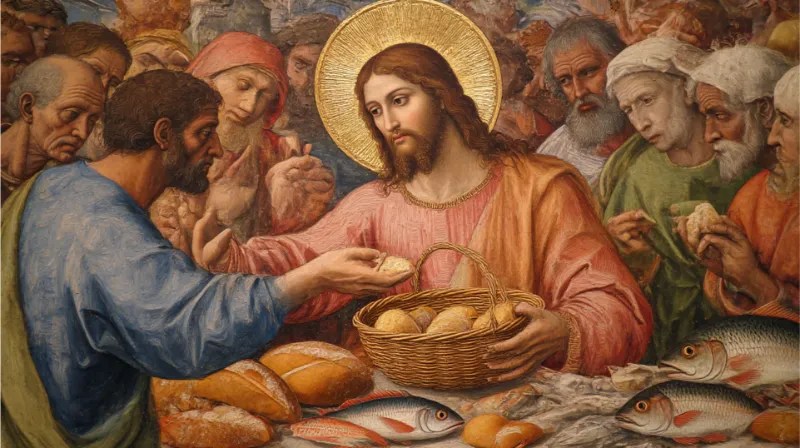
Romans 8:28
“And we know that in all things God works for the good of those who love him, who have been called according to his purpose.”
Reflection: This is not a promise that all things are good, but that a sovereign and loving God is capable of weaving even our pain, failures, and sorrows into a tapestry of ultimate good. Surrendering to this truth allows us to hold our suffering with a different posture. Instead of being defined by our wounds, we can begin to see them as part of a redemptive story God is writing. This provides a deep sense of meaning that can coexist with grief, offering a resilient hope that our pain is not pointless.
Psalm 37:5
“Commit your way to the Lord; trust in him and he will do this.”
Reflection: The word “commit” here implies a deliberate, decisive action—a handing over. It speaks to the integrity of the self. We often live fragmented lives, giving God our Sundays while clutching our careers, relationships, and finances with a white-knuckled grip. To commit our way is to offer our whole, integrated self to God. This act of entrusting our entire life’s direction to Him alleviates the deep-seated anxiety that comes from trying to be our own savior and provider.
Proverbs 16:9
“In their hearts humans plan their course, but the Lord establishes their steps.”
Reflection: This verse beautifully balances human agency and divine sovereignty. It gives us permission to dream, plan, and hope, validating our creative and cognitive faculties. Yet, it invites us to hold these plans with an open hand. Surrender here is the emotional flexibility to not shatter when our plans are rerouted. It is the mature faith that finds peace not in the perfection of our own blueprint, but in the unwavering faithfulness of the one who ultimately establishes our steps.
The Posture of Surrender: Humility and Dying to Self

Galatians 2:20
“I have been crucified with Christ and I no longer live, but Christ lives in me. The life I now live in the body, I live by faith in the Son of God, who loved me and gave himself for me.”
Reflection: This is the language of a total identity shift. The “self” that is crucified is the ego-driven self, the one that demands its own way, defends its own honor, and seeks its own glory. True surrender is an excruciating but liberating process of dethroning this self. The emotional relief comes from no longer having to carry the immense weight of self-preservation and self-justification. We are free to live from a new center—the indwelling Christ, whose life in us is characterized by love and security.
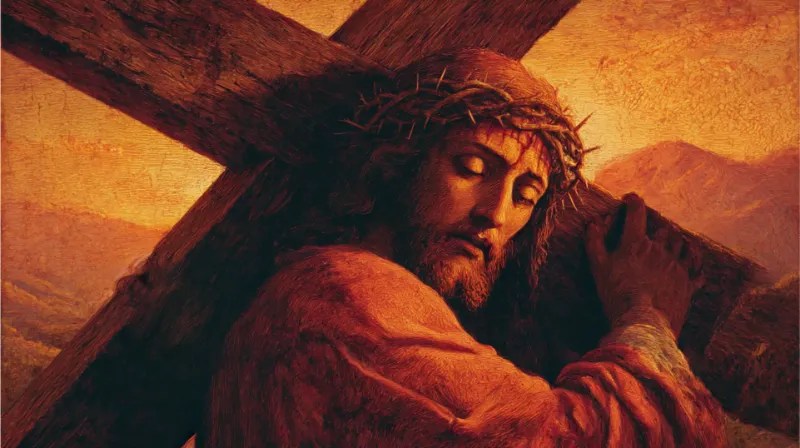
Luke 9:23
“Then he said to them all: ‘Whoever wants to be my disciple must deny themselves and take up their cross daily and follow me.’”
Reflection: Surrender is not a one-time event but a daily, conscious choice. The “cross” represents the point where our will and God’s will diverge. To carry it is to willingly embrace the discomfort, the sacrifice, or the death of our own agenda for the sake of following Jesus. This daily practice builds a kind of moral and spiritual muscle. It trains the heart to find its deepest satisfaction not in self-gratification, but in alignment with the heart of God, which is the only source of enduring joy.
James 4:7
“Submit yourselves, then, to God. Resist the devil, and he will flee from you.”
Reflection: Notice the sequence: submission to God is the prerequisite for resisting evil. We often try to fight our battles in our own strength, leading to exhaustion and repeated failure. This verse reveals a profound truth about our internal world. When we are aligned with and submitted to God’s authority, our will is strengthened and clarified. Submission is not passive weakness; it is the strategic positioning of the soul under the command of an all-powerful ally, which empowers us to stand firm against destructive forces.

Philippians 2:5-8
“In your relationships with one another, have the same mindset as Christ Jesus: Who, being in very nature God, did not consider equality with God something to be used to his own advantage; rather, he made himself nothing by taking the very nature of a servant… he humbled himself by becoming obedient to death—even death on a cross!”
Reflection: This passage presents the ultimate model of surrender. Christ’s humility wasn’t a denial of his strength but a voluntary laying down of his rights for the sake of love. This challenges our worldly notion that power is for exerting control. In God’s kingdom, true strength is shown in the ability to empty oneself for the good of others. Surrendering our pride, our status, and our right to be “right” is how we embody the loving heart of God and find a deeper, more authentic form of human connection.

John 12:24
“Very truly I tell you, unless a kernel of wheat falls to the ground and dies, it remains only a single seed. But if it dies, it produces many seeds.”
Reflection: Jesus uses a metaphor from nature to explain a deep spiritual and psychological principle. The seed’s shell must be broken for life to emerge. Likewise, the hard shell of our ego, our self-sufficiency, and our selfish ambition must be surrendered—must “die”—for the true, fruitful life God intends for us to flourish. This verse speaks to the grief and fear associated with letting go of who we think we are, but it promises that this “death” is not an end but a necessary transformation into a life of greater purpose and impact.

Matthew 16:25
“For whoever wants to save their life will lose it, but whoever loses their life for me will find it.”
Reflection: This is the great paradox of the spiritual life. The frantic, anxious effort to save our own life—to secure our comfort, reputation, and control at all costs—ultimately leads to an empty, shrunken existence. The act of “losing” our life for Christ’s sake, of surrendering our self-centered agenda, is precisely what opens us up to discovering our true, God-given identity. It is in letting go that we are finally able to grasp the authentic, abundant life we were desperately seeking all along.
The Action of Surrender: A Living Sacrifice
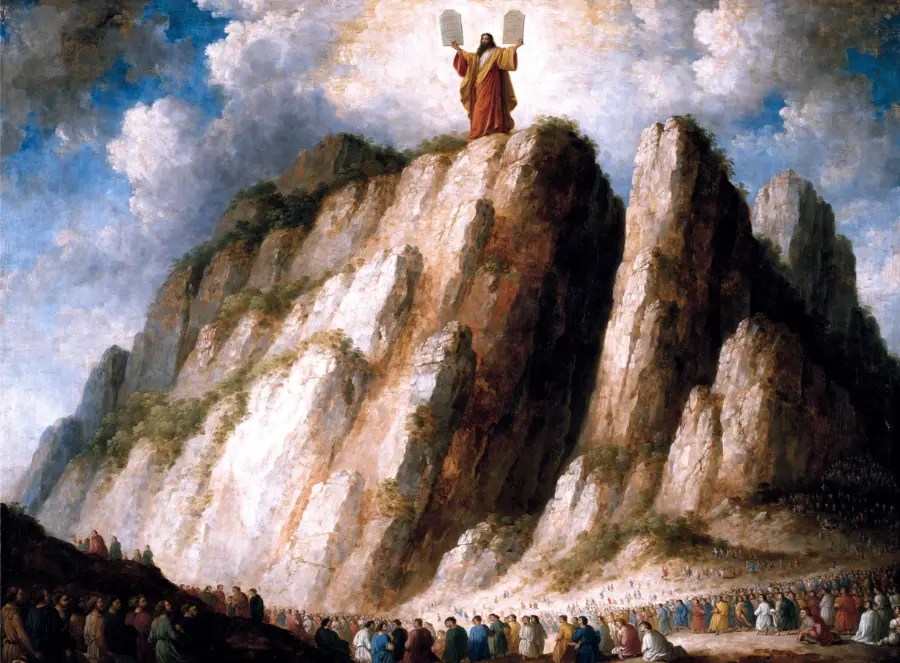
Romans 12:1
“Therefore, I urge you, brothers and sisters, in view of God’s mercy, to offer your bodies as a living sacrifice, holy and pleasing to God—this is your true and proper worship.”
Reflection: Surrender is not merely a mental ascent; it is embodied. To offer our bodies is to offer our time, our energy, our daily tasks, our physical presence. A “living sacrifice” is one that gets up off the altar and walks out God’s will in the world. This is not a reluctant, begrudging offering, but one motivated by gratitude for God’s mercy. It transforms the mundane into the sacred, making every moment an opportunity for worshipful surrender.

Matthew 26:39
“Going a little farther, he fell with his face to the ground and prayed, ‘My Father, if it is possible, may this cup be taken from me. Yet not as I will, but as you will.’”
Reflection: Here in Gethsemane, we witness the most profound act of surrender in human history. Jesus demonstrates that surrender is not the absence of desire or the suppression of honest emotion. He expresses his own will, his own deep human anguish and desire to avoid the “cup” of suffering. The surrender is in the courageous, agonizing choice to align His will with the Father’s, even at an unimaginable cost. This gives us permission to be honest with God about our struggles, while still choosing to trust His ultimate will over our own.
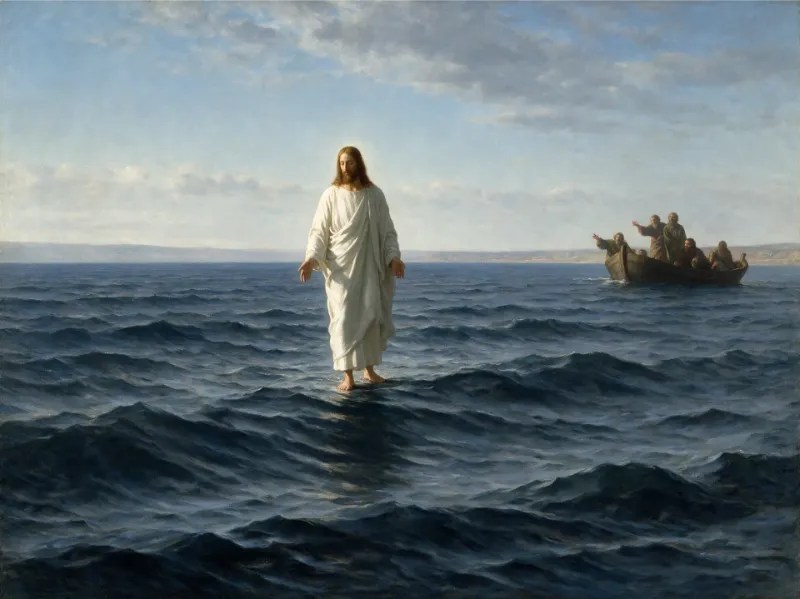
2 Corinthians 10:5
“We demolish arguments and every pretension that sets itself up against the knowledge of God, and we take captive every thought to make it obedient to Christ.”
Reflection: This verse brings the battle of surrender into the mind, the very control center of our being. Our thoughts, especially our anxieties, rebellious arguments, and prideful self-talk, can form internal fortresses against God. Surrender is an active, moment-by-moment cognitive discipline. It’s the practice of noticing a destructive or un-surrendered thought and intentionally redirecting it, making it “obedient” to the truth of Christ. This is the hard, internal work that leads to outer peace and a transformed character.

1 Samuel 15:22
“But Samuel replied: ‘Does the Lord delight in burnt offerings and sacrifices as much as in obeying the Lord? To obey is better than sacrifice, and to heed is better than the fat of rams.’”
Reflection: This is a sharp rebuke to performative religion. It’s possible to make grand gestures of “sacrifice” while harboring a rebellious heart. God is not interested in our religious shows; He is interested in the posture of our will. True surrender is found in the quiet, consistent act of obedience, in heeding His voice in the small, everyday choices. It reveals that the state of our heart and our willingness to align with Him is more valuable than any external offering we could make.

James 1:22
“Do not merely listen to the word, and so deceive yourselves. Do what it says.”
Reflection: This verse exposes a common form of self-deception where we equate knowing the right thing with doing the right thing. We can feel a sense of moral satisfaction from simply agreeing with God’s commands. Surrender shatters this illusion. It demands that we move from passive hearing to active doing. It is the integrity of aligning our behavior with our beliefs, which is the only pathway to genuine spiritual and psychological wholeness. Without action, our surrender is incomplete.
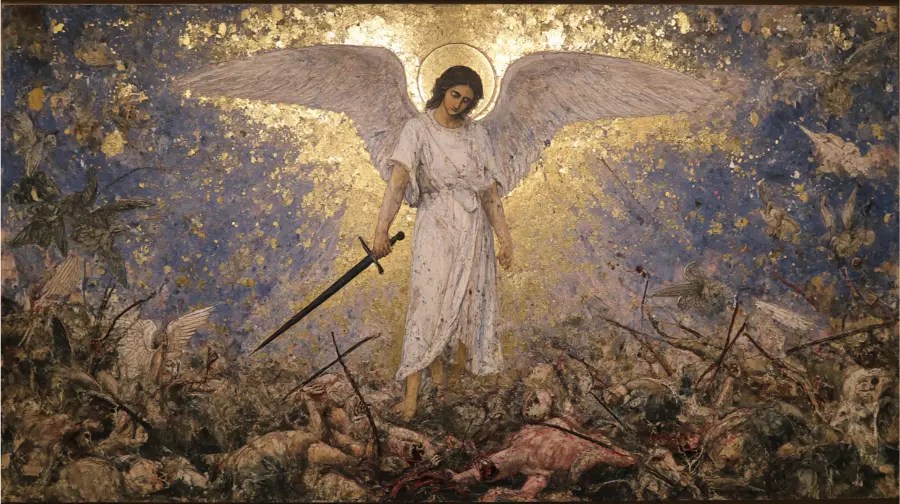
John 14:15
“If you love me, keep my commands.”
Reflection: Jesus reframes obedience entirely. It is not the grudging compliance of a servant to a master, but the joyful expression of love from a child to a father. Surrender, in this light, becomes the natural outflow of a loving relationship. When we are truly captivated by the love of Christ, our desire to follow His commands shifts from a sense of duty to a sense of delight. Keeping his commands becomes the way we emotionally and volitionally say, “I love you, and I trust you” back to God.
The Fruit of Surrender: Rest, Peace, and Freedom
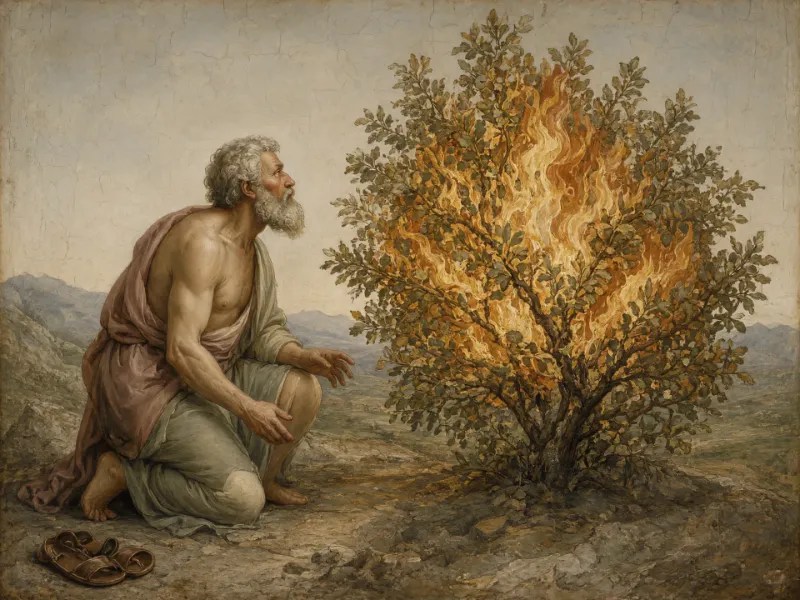
Matthew 11:28-30
“Come to me, all you who are weary and burdened, and I will give you rest. Take my yoke upon you and learn from me, for I am gentle and humble in heart, and you will find rest for your souls. For my yoke is easy and my burden is light.”
Reflection: We are all yoked to something—our ambition, our fear, our need for approval. These yokes are heavy and exhausting. Jesus offers an exchange. The yoke of surrender to Him is “easy” and “light” not because the Christian life is free of difficulty, but because we are no longer pulling the load alone. We are yoked with the gentle and humble Christ. The “rest” He promises is a deep, internal soul-rest that comes from ceasing our striving and allowing Him to lead and carry the weight.
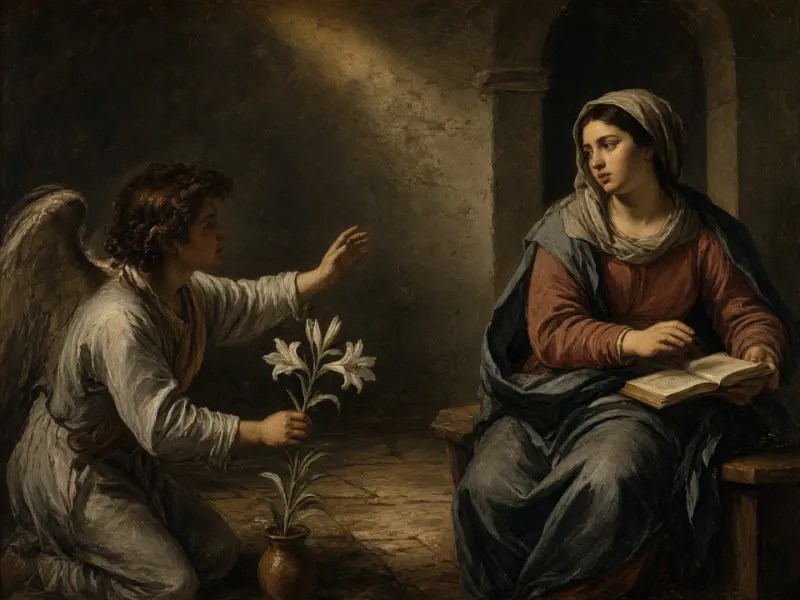
Philippians 4:6-7
“Do not be anxious about anything, but in every situation, by prayer and petition, with thanksgiving, present your requests to God. And the peace of God, which transcends all understanding, will guard your hearts and your minds in Christ Jesus.”
Reflection: This is a direct prescription for the anxious heart. Anxiety is rooted in a mind that is trying to control future outcomes. The act of surrender here is specific: to consciously hand over our anxieties to God through prayer, accompanied by thanksgiving. The result is not necessarily a change in circumstances, but a change in us. A supernatural “peace” that our minds cannot logically produce stands guard over our emotional center (the heart) and our cognitive center (the mind). Surrender is the gateway to this guarded peace.
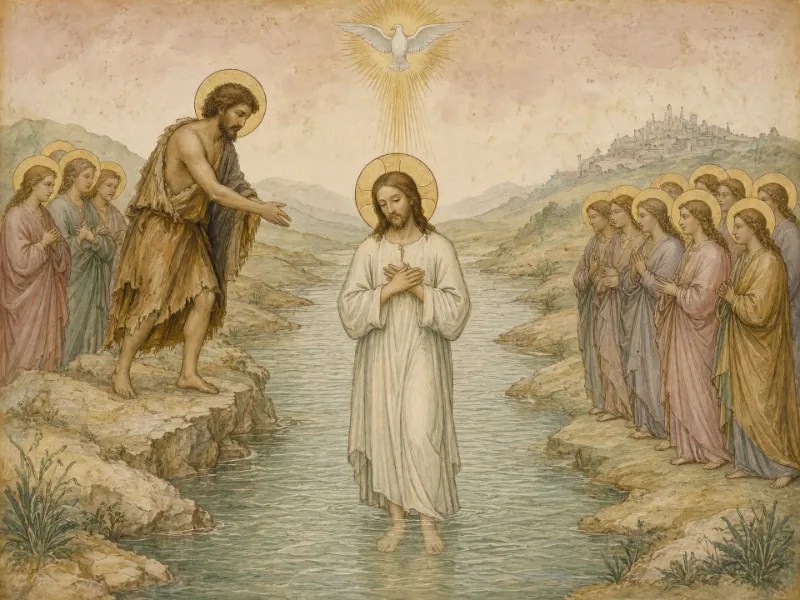
Isaiah 26:3
“You will keep in perfect peace those whose minds are steadfast, because they trust in you.”
Reflection: This verse reveals the connection between our focus and our feelings. “Perfect peace” is not a fleeting emotion but a stable condition, and it is reserved for the mind that is “steadfast,” or stayed, on God. A mind that flits from one worry to another, one fear to the next, will be in turmoil. Surrender is the act of anchoring our thoughts. It is the mental discipline of continually returning our focus to the character and faithfulness of God, which produces a profound and resilient inner tranquility.
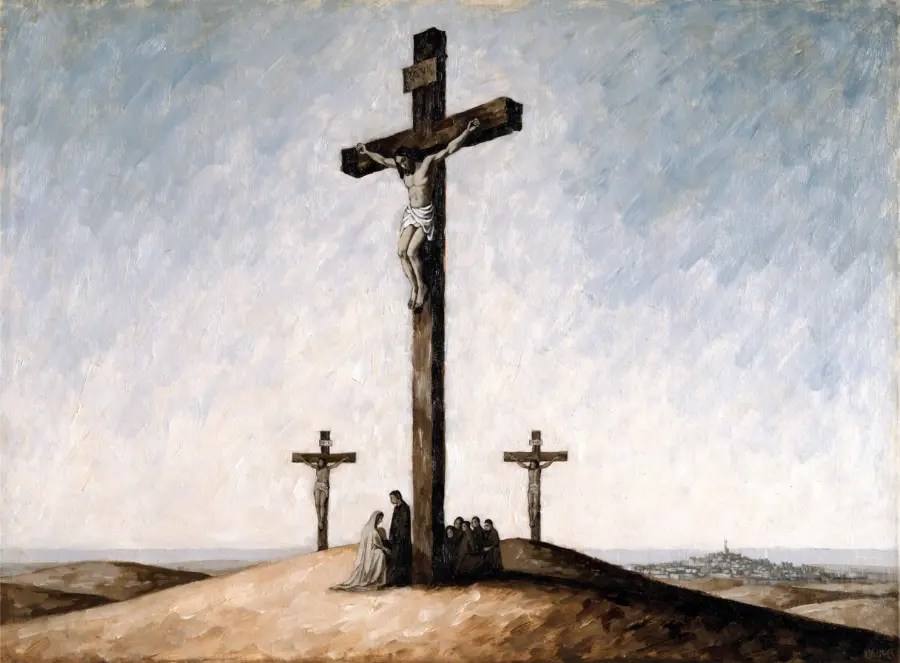
Galatians 5:1
“It is for freedom that Christ has set us free. Stand firm, then, and do not let yourselves be burdened again by a yoke of slavery.”
Reflection: Surrender to God is the ultimate liberation. We are freed from the slavery of sin, from the crushing weight of having to earn our own righteousness, and from the anxieties of self-reliance. This verse urges us to protect this freedom. It’s so easy to slip back into old yokes—legalism, fear, people-pleasing. Standing firm in the freedom of surrender requires daily vigilance, reminding our hearts that in giving up our “right” to run our own lives, we have gained the far greater freedom of being a beloved child of God.

John 8:36
“So if the Son sets you free, you will be free indeed.”
Reflection: This speaks to the absolute and complete nature of the freedom found in Christ. Human systems of freedom are always partial and conditional. The freedom that comes from surrendering to the Son is “free indeed”—a deep, authentic, soul-level liberation. It is freedom from the guilt of the past, the power of negative patterns in the present, and the fear of the future. Surrendering our brokenness to Him is the only path to this inviolable, true freedom of the self.
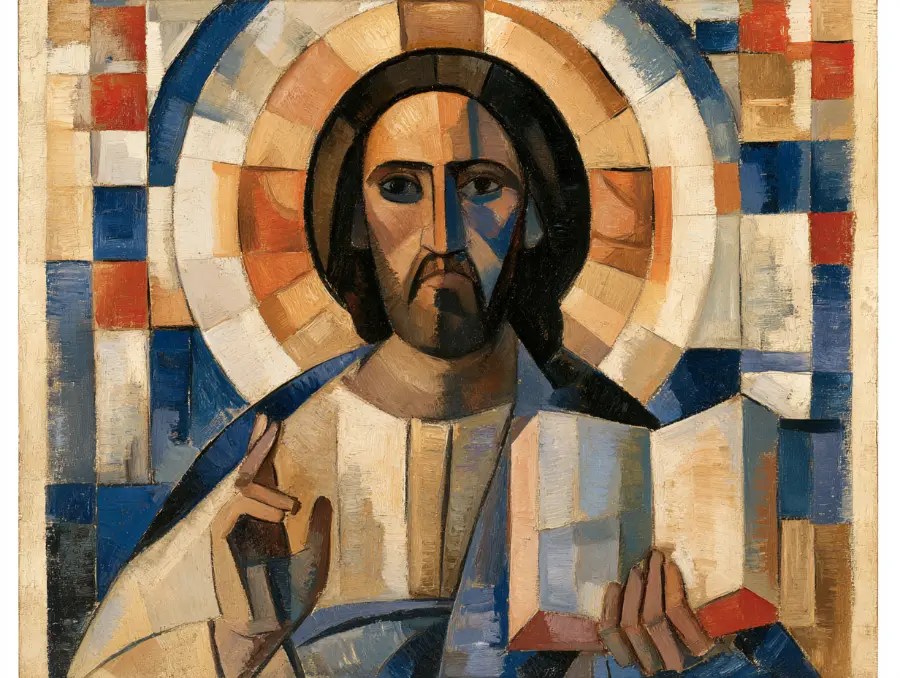
Matthew 6:33
“But seek first his kingdom and his righteousness, and all these things will be given to you as well.”
Reflection: This addresses the practical anxieties that fuel our resistance to surrender—our worries about provision, security, and daily needs. Jesus offers a radical reordering of our priorities. The compulsive, anxious “seeking” of material things is a heavy burden. Surrender is the choice to make God’s kingdom and His way of being in the world our primary pursuit. The promise is that when our ultimate concern is aligned with God’s, He frees us from the secondary concerns by taking on the role of our faithful provider. This is the peaceful heart of a person who knows they are cared for.


Leave a Reply