
 English
 Chinese
 Dutch
 Arabic
 Spanish
 Portuguese
 Russian
 French
 Italian
 German
 Japanese
In the Bible, time belongs to God, and a human life is short. Daniel praises the God who “changes times and seasons” (Daniel 2:21), and Psalm 39:5 calls a lifetime “a mere handbreadth.” Promises such as Habakkuk 2:3 and Jeremiah 29:10-11 come with an appointed time to wait for.
Two of the Greek words the New Testament uses for time are chronos and kairos. Chronos is time as it passes, as in “the fulness of the time” (Galatians 4:4, KJV); kairos is the fitting moment, as in “at the proper time” (Galatians 6:9). Acts 1:7 puts the two side by side.
When God sets the times

Ecclesiastes 3:1
“There is a time for everything, and a season for every activity under the heavens.”
Reflection: The Teacher, “son of David, king in Jerusalem” (Ecclesiastes 1:1), opens a poem of paired opposites with this line: a time to be born and a time to die, to weep and to laugh, for war and for peace. After the list the Teacher asks, “What do workers gain from their toil?” (3:9), and speaks of “the burden God has laid on the human race” (3:10).

Ecclesiastes 3:11
“He has made everything beautiful in its time. He has also set eternity in the human heart; yet no one can fathom what God has done from beginning to end.”
Reflection: The Teacher says God has made each thing beautiful in its own time and has also set eternity in the human heart, yet “no one can fathom what God has done from beginning to end.” The next two verses turn to the present: “there is nothing better for people than to be happy and to do good while they live.”
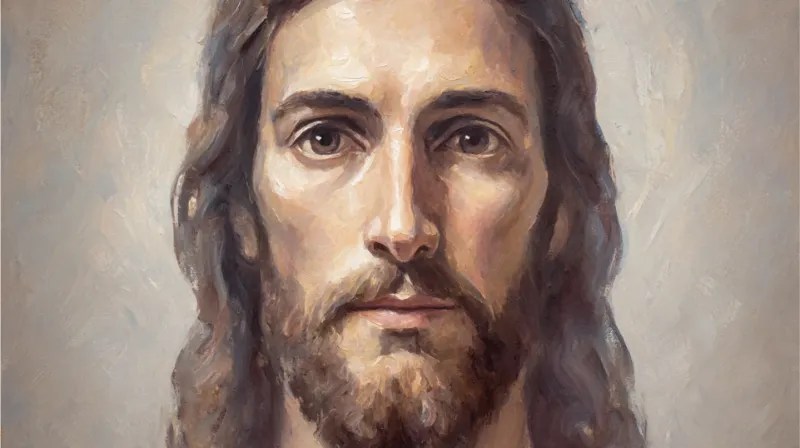
Daniel 2:21
“He changes times and seasons; he deposes kings and raises up others. He gives wisdom to the wise and knowledge to the discerning.”
Reflection: Daniel says this in praise after the mystery of Nebuchadnezzar’s dream “was revealed to Daniel in a vision” during the night (2:19). He sets God’s control of time beside his control of rulers, who are deposed and raised up by the same hand. The Greek translation of Daniel 2:21 uses the same pair of words as Acts 1:7, in the opposite order.

Psalm 31:15
“My times are in your hands; deliver me from the hands of my enemies, from those who pursue me.”
Reflection: In a psalm of David, the two halves of the verse set one pair of hands against another: his times are in God’s hands, and he asks to be delivered from the hands of his enemies. “Times” here means the course and events of his life. The verse before gives the ground for handing them over: “But I trust in you, LORD; I say, ‘You are my God.’”

Acts 1:7
“He said to them: ‘It is not for you to know the times or dates the Father has set by his own authority.’”
Reflection: Just before the ascension the disciples ask, “Lord, are you at this time going to restore the kingdom to Israel?” (1:6). Jesus answers with both Greek words for time, chronoi and kairoi, and says their setting belongs to the Father. In place of a date he gives them a task in the next verse: power when the Holy Spirit comes, and witness “to the ends of the earth.”
God’s time and the length of a life
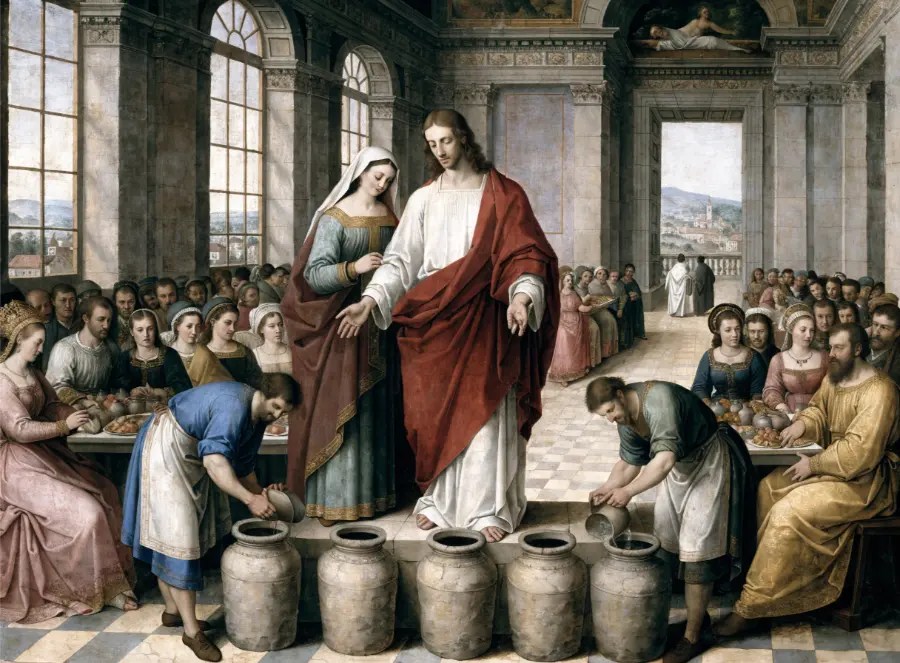
2 Peter 3:8
“But do not forget this one thing, dear friends: With the Lord a day is like a thousand years, and a thousand years are like a day.”
Reflection: Peter is answering scoffers who ask, “Where is this ‘coming’ he promised?” (3:4), on the grounds that everything goes on as it always has. His reply measures time from God’s side, much as Psalm 90:4 does: “A thousand years in your sight are like a day that has just gone by.” The next verse gives the reason for the wait: “The Lord is not slow in keeping his promise… he is patient with you, not wanting anyone to perish.”
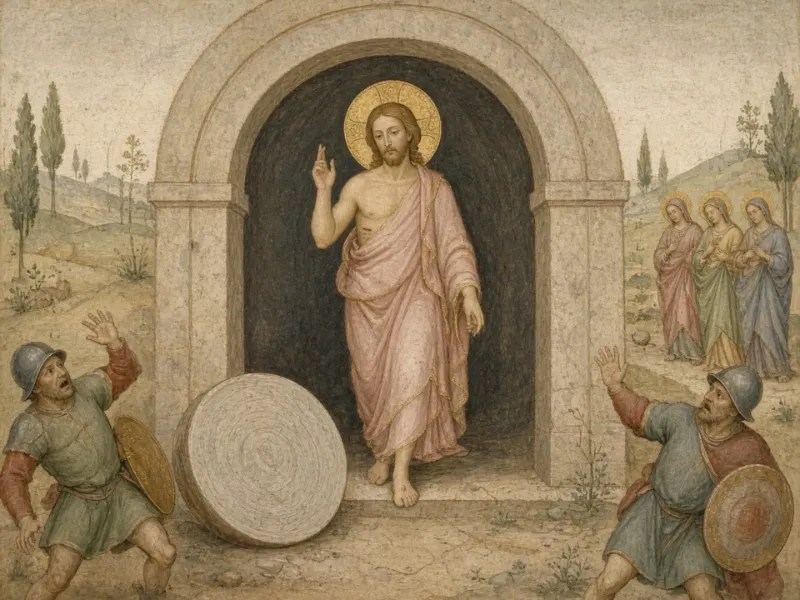
Psalm 39:4
“Show me, LORD, my life’s end and the number of my days; let me know how fleeting my life is.”
Reflection: David asks to be shown his life’s end and how fleeting his life is. In the next verse he says to God, “You have made my days a mere handbreadth; the span of my years is as nothing before you.” Verse 6 applies it to people who “rush about, heaping up wealth without knowing whose it will finally be.”
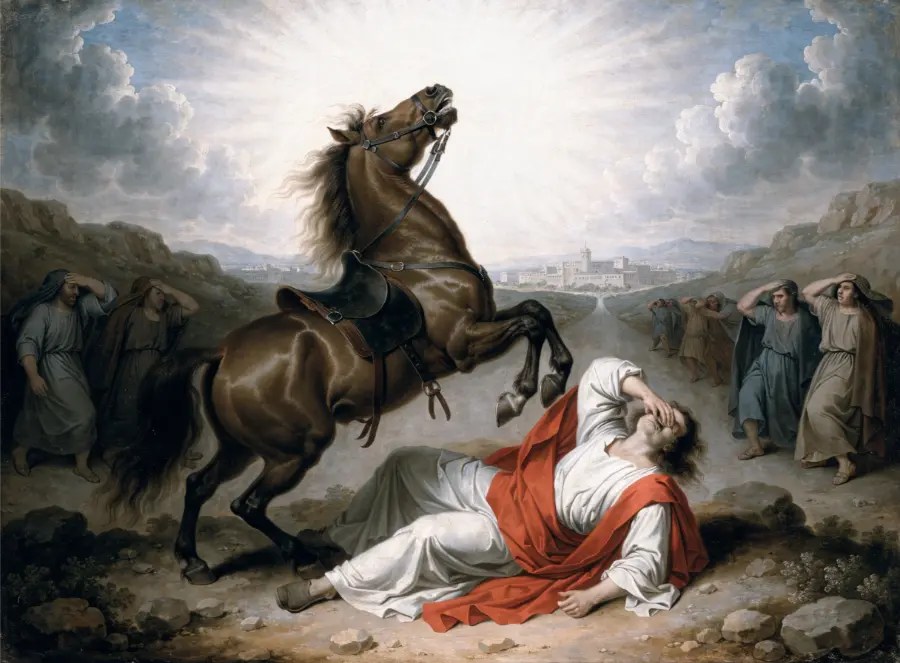
James 4:14
“Why, you do not even know what will happen tomorrow. What is your life? You are a mist that appears for a little while and then vanishes.”
Reflection: James is addressing traders who say, “Today or tomorrow we will go to this or that city, spend a year there, carry on business and make money” (4:13). He does not forbid the plan. He says what they should add to it: “If it is the Lord’s will, we will live and do this or that” (4:15).
Promises with an appointed time
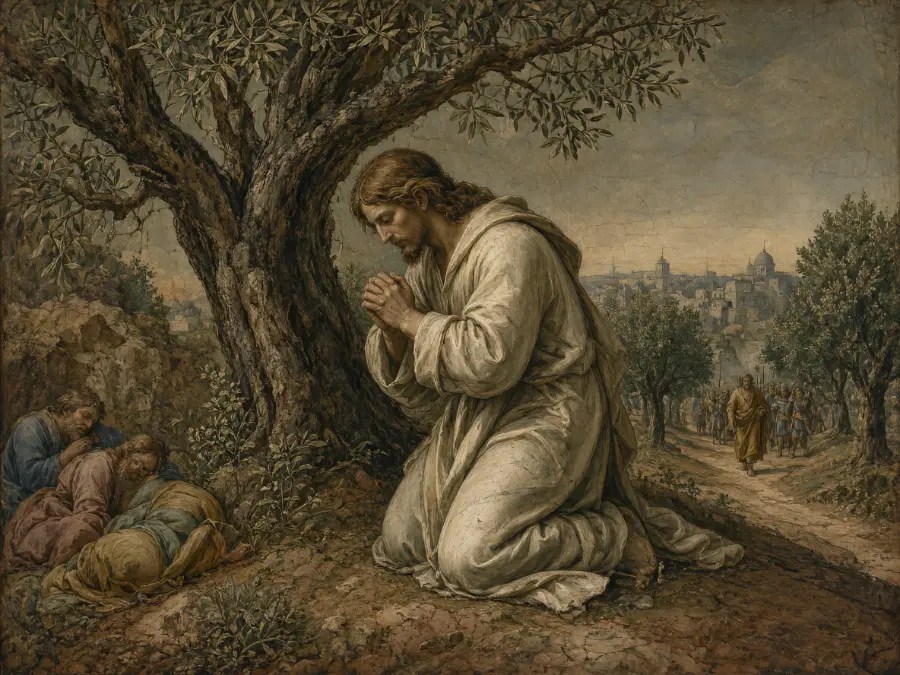
Jeremiah 29:11
“‘For I know the plans I have for you,’ declares the LORD, ‘plans to prosper you and not to harm you, plans to give you hope and a future.’”
Reflection: The verse before sets the timetable: “When seventy years are completed for Babylon, I will come to you and fulfill my good promise to bring you back to this place.” The plans “to give you hope and a future” are spoken to people in exile, and they were to be kept after a set period rather than at once. The verses that follow promise that the exiles will seek God and find him, and be brought back from captivity.

Habakkuk 2:3
“For the revelation awaits an appointed time; it speaks of the end and will not prove false. Though it linger, wait for it; it will certainly come and will not delay.”
Reflection: Habakkuk has stationed himself “on the ramparts” to wait for God’s answer to his complaint (2:1). The LORD tells him to write the revelation down plainly and says it has an appointed time: to the one waiting it may seem to linger, yet it “will not delay.” Hebrews 10:37 quotes the verse as “he who is coming will come and will not delay,” and Romans 1:17 quotes the verse after it, “The righteous will live by faith.”
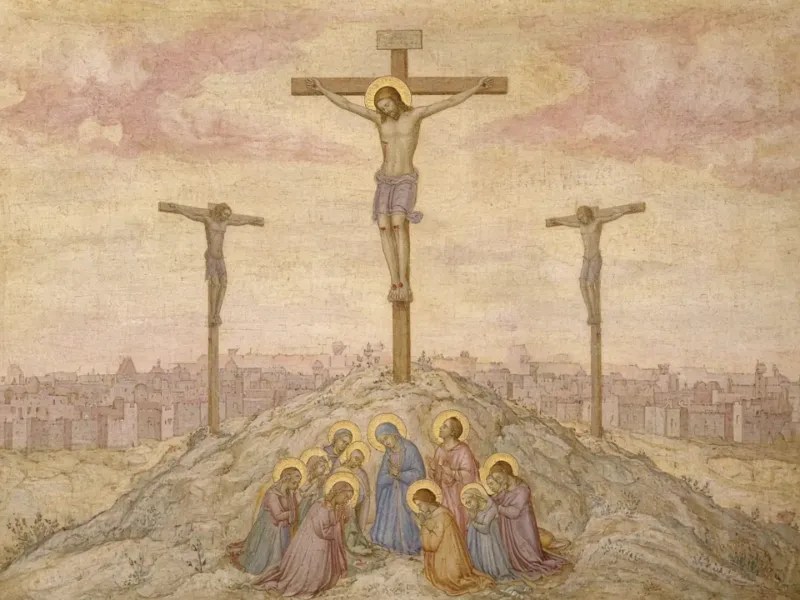
Isaiah 60:22
“The least of you will become a thousand, the smallest a mighty nation. I am the LORD; in its time I will do this swiftly.”
Reflection: The chapter describes Zion’s future, and verse 21 calls its people “the shoot I have planted, the work of my hands.” The last line of the chapter joins a fixed time to speed: God will act “in its time,” and when that time comes he will act “swiftly.”
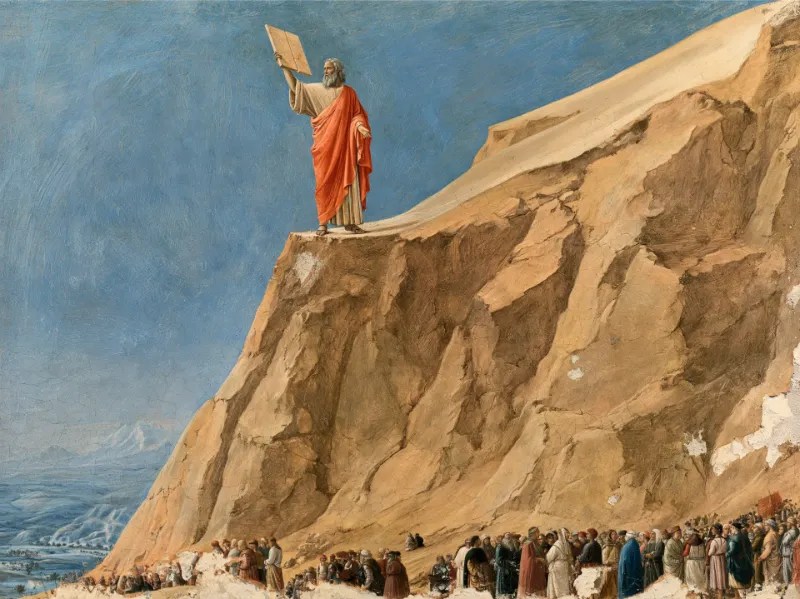
Galatians 4:4
“But when the set time had fully come, God sent his Son, born of a woman, born under the law.”
Reflection: Paul has just compared the people of God to an heir who is “subject to guardians and trustees until the time set by his father” (4:2). The sending of the Son is that set time arriving; the King James Version renders it “when the fulness of the time was come.” Verse 5 gives the purpose: “to redeem those under the law, that we might receive adoption to sonship.”

Mark 1:15
“‘The time has come,’ he said. ‘The kingdom of God has come near. Repent and believe the good news!’”
Reflection: These are the first words Mark records from Jesus’ preaching, spoken in Galilee “after John was put in prison” (1:14). The word for time is kairos, the appointed moment. Mark joins the announcement to two commands: repent and believe the good news.
Waiting for the proper time

Lamentations 3:25-26
“The LORD is good to those whose hope is in him, to the one who seeks him; it is good to wait quietly for the salvation of the LORD.”
Reflection: Lamentations mourns a ruined city, and in the middle of it the poet calls to mind that God’s compassions “are new every morning” (3:23). From that he draws his decision, “The LORD is my portion; therefore I will wait for him” (3:24). The waiting he commends is quiet, and its object is the salvation of the LORD.
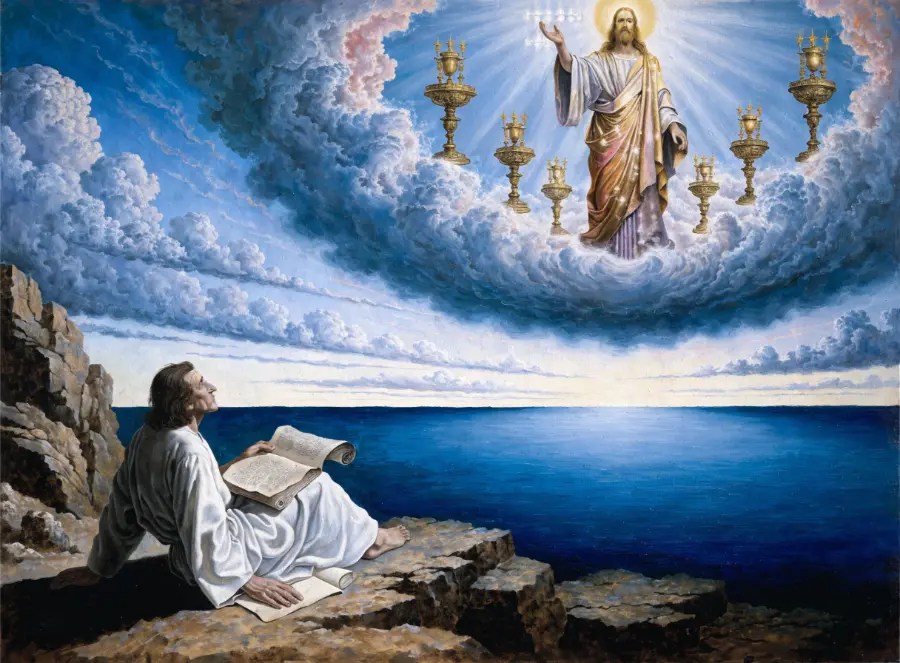
Psalm 37:7
“Be still before the LORD and wait patiently for him; do not fret when people succeed in their ways, when they carry out their wicked schemes.”
Reflection: The waiting in this verse comes with a specific trouble: people who succeed while carrying out “wicked schemes.” The psalm answers with a time frame of its own: “A little while, and the wicked will be no more” (37:10), while “the meek will inherit the land” (37:11).

Galatians 6:9
“Let us not become weary in doing good, for at the proper time we will reap a harvest if we do not give up.”
Reflection: The verses before speak of sowing and reaping: “A man reaps what he sows” (6:7). “At the proper time” translates kairo idio, a time suited to the thing, and the next verse uses kairos again for the present: “as we have opportunity, let us do good to all people.”
1 Peter 5:6
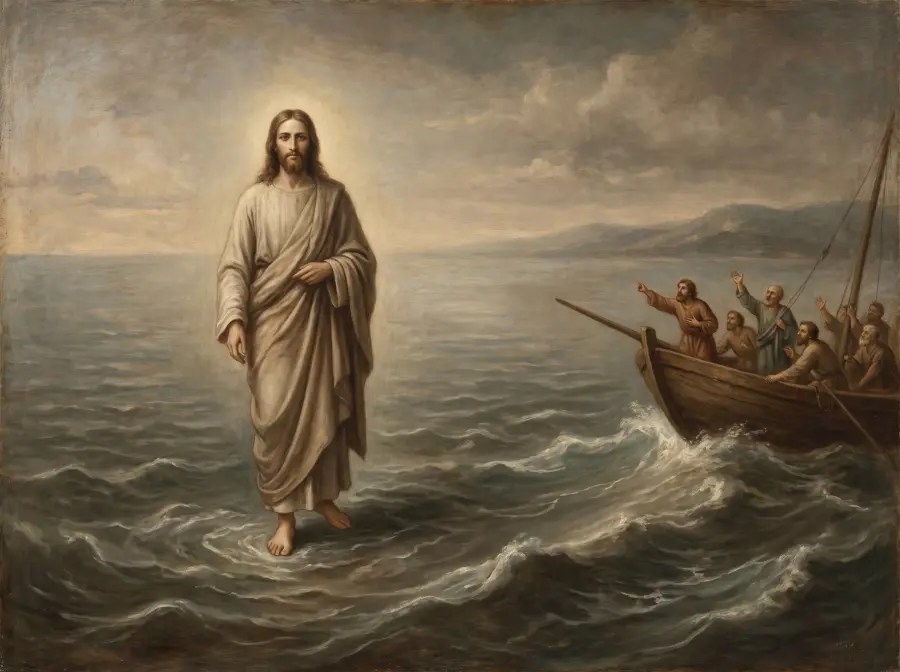
“Humble yourselves, therefore, under God’s mighty hand, that he may lift you up in due time.”
Reflection: Peter writes this after telling his readers to clothe themselves “with humility toward one another, because, ‘God opposes the proud but shows favor to the humble’” (5:5). The lifting up is promised “in due time,” and the verse does not say when. The next verse adds, “Cast all your anxiety on him because he cares for you.”
Using the time that is given

Psalm 90:12
“Teach us to number our days, that we may gain a heart of wisdom.”
Reflection: The heading calls Psalm 90 “a prayer of Moses the man of God.” It sets God, who is “from everlasting to everlasting” (90:2), against human lives of “seventy years, or eighty” that “quickly pass” (90:10). This verse is the request that follows: to count the days so as to gain wisdom.
Ephesians 5:15-16
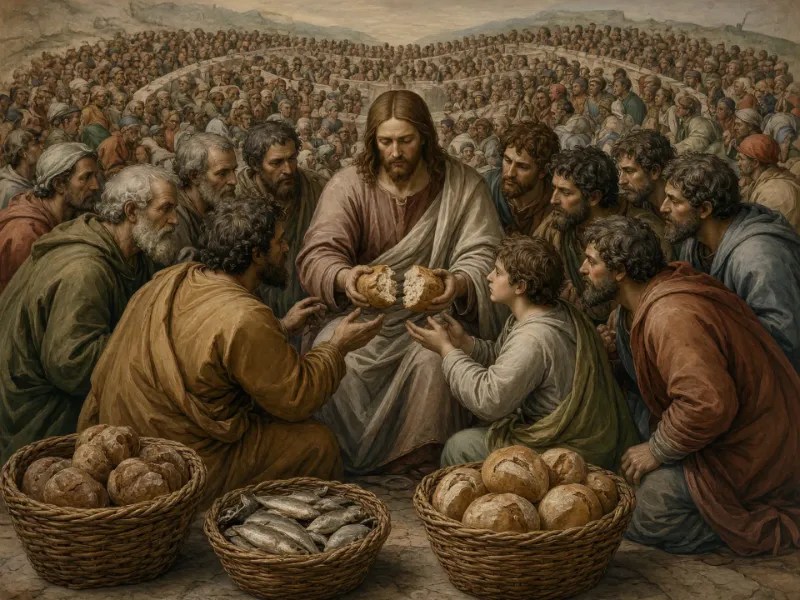
“Be very careful, then, how you live—not as unwise but as wise, making the most of every opportunity, because the days are evil.”
Reflection: The King James Version renders the phrase “Redeeming the time.” The Greek phrase is built on kairos, and Colossians 4:5 uses the same expression for conduct toward outsiders. Paul adds in the next verse, “Therefore do not be foolish, but understand what the Lord’s will is.”
A verse for how you feel
Choose how you feel today and read a verse from Scripture.
But those who wait upon the LORD will renew their strength; they will mount up with wings like eagles; they will run and not grow weary, they will walk and not faint.
Get a verse each week
Thank you. Your first verse is on its way.
If nothing arrives in a few minutes, look in your spam or promotions folder.
Keep this for another day. A verse for how you feel has a page of its own, with our verses for each feeling.
Each verse is quoted from the Berean Standard Bible.
Praying about one’s times and days
Psalm 31:15, Psalm 39:4 and Psalm 90:12 are addressed to God and can be prayed as written: “My times are in your hands”; “Show me, LORD, my life’s end and the number of my days”; “Teach us to number our days.” Acts 1:7 and Habakkuk 2:3 speak to the question of when, and neither gives a date.


Leave a Reply