
 English
 Chinese
 Dutch
 Arabic
 Spanish
 Portuguese
 Russian
 French
 Italian
 German
 Japanese
The Bible teaches that God sets the times for what he does, and that people are often asked to wait without being told when.
When the disciples asked whether the kingdom would be restored now, Jesus said, “It is not for you to know times or seasons that the Father has fixed by his own authority” (Acts 1:7). The two Greek words there are chronos, time as duration, and kairos, the right or appointed moment. The eighteen verses below cover moments Scripture calls appointed, the instruction to wait, the difference between God’s scale and ours, and seasons no one controls.
Two words for time
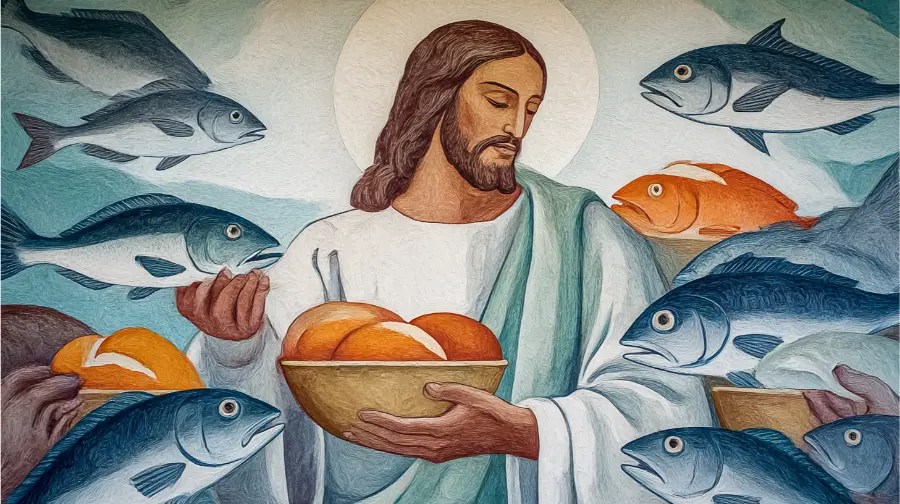
Acts 1:7
“It is not for you to know times or seasons that the Father has fixed by his own authority.”
Reflection: Jesus declines to give a date and turns the disciples to their task: they will receive power and be his witnesses (1:8).
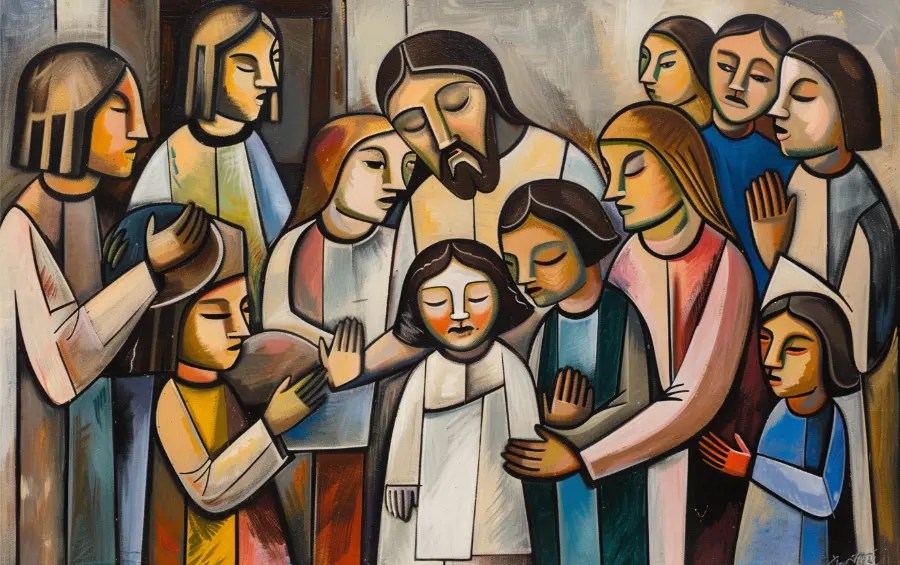
Galatians 4:4-5
“But when the fullness of time had come, God sent forth his Son, born of woman, born under the law, to redeem those who were under the law, so that we might receive adoption as sons.”
Reflection: Paul calls it “the fullness of time,” a moment reached rather than a date announced. The purpose follows: redemption, and adoption as sons.

Romans 5:6
“For while we were still weak, at the right time Christ died for the ungodly.”
Reflection: “At the right time” is described by the condition of the people it was for: still weak. Paul repeats the point two verses later: “while we were still sinners” (5:8).
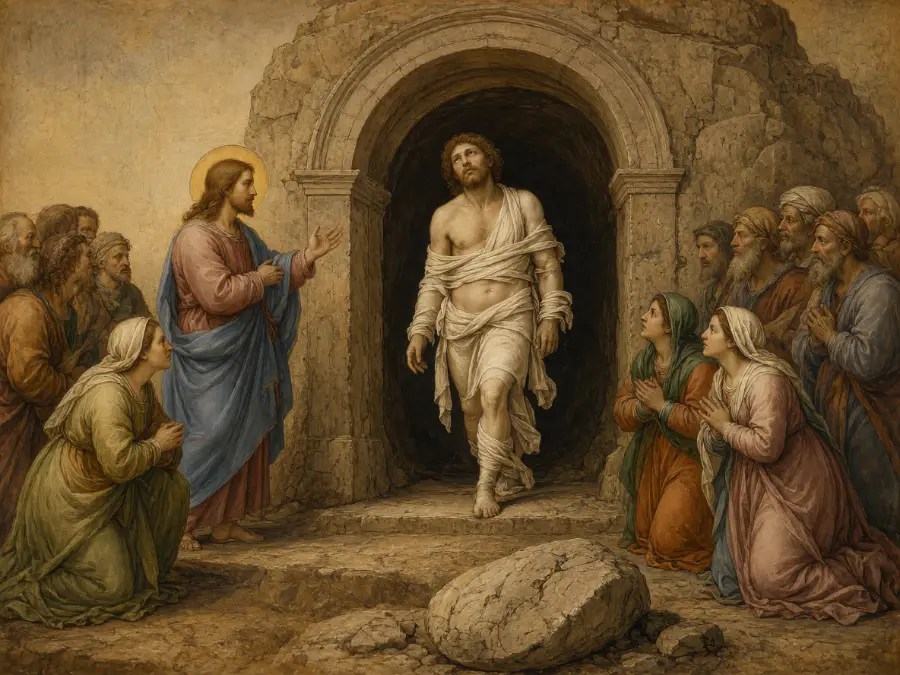
2 Corinthians 6:2
“‘In a favorable time I listened to you, and in a day of salvation I have helped you.’ Behold, now is the favorable time; behold, now is the day of salvation.”
Reflection: Paul quotes Isaiah 49:8 and then applies it: the favorable time is now. In this verse the timing is not something to wait for.
The instruction to wait
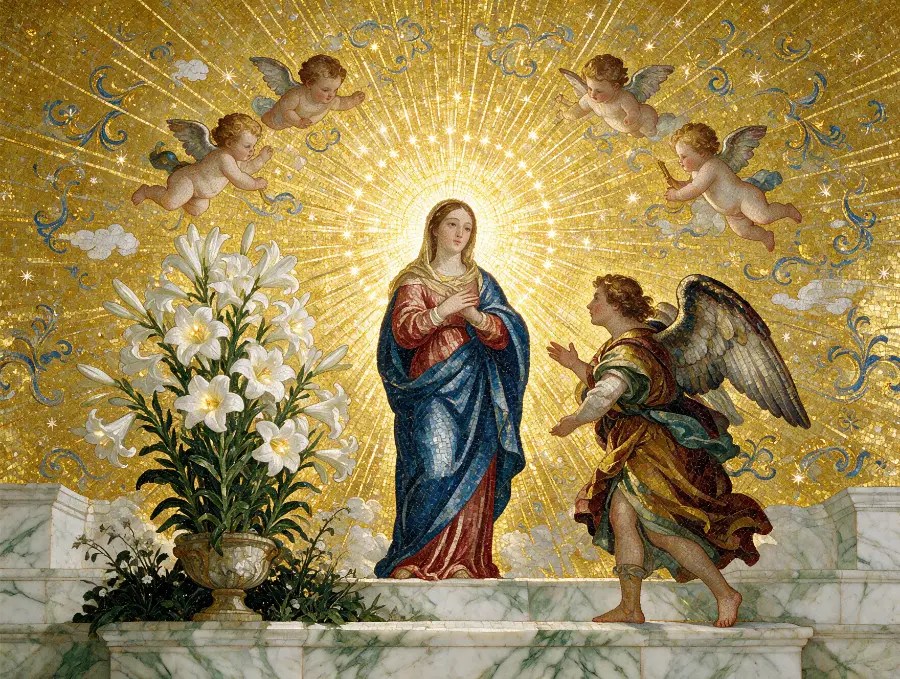
Habakkuk 2:3
“For still the vision awaits its appointed time; it hastens to the end—it will not lie. If it seems slow, wait for it; it will surely come.”
Reflection: “If it seems slow” concedes how the delay looks, inside the promise itself. Habakkuk had asked “How long?” at the start of the book (1:2).

Psalm 27:14
“Wait for the Lord; be strong, and let your heart take courage; wait for the Lord!”
Reflection: The instruction to wait is given twice, with courage between. Waiting here takes nerve as well as patience.

Psalm 31:15
“My times are in your hand; rescue me from the hand of my enemies and from my persecutors!”
Reflection: The psalm sets God’s hand against the hands of enemies. The verse before says, “But I trust in you, O Lord; I say, ‘You are my God’” (31:14).

Isaiah 40:31
“But they who wait for the Lord shall renew their strength; they shall mount up with wings like eagles.”
Reflection: The Hebrew verb for “renew” means to exchange: those who wait exchange their strength for new strength. The promise was given to exiles who said their way was hidden from the Lord (40:27).
God’s scale and ours
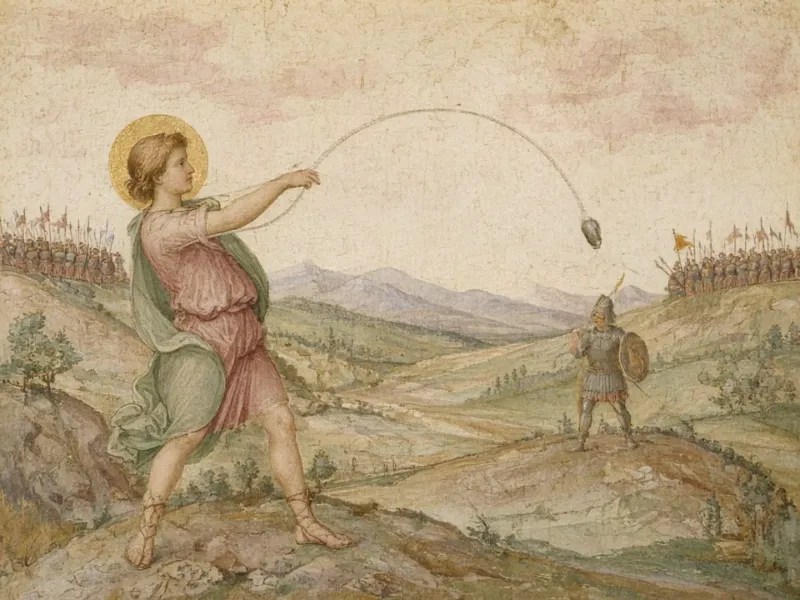
2 Peter 3:8
“With the Lord one day is as a thousand years, and a thousand years as one day.”
Reflection: The sentence runs both ways: a day is also like a thousand years. Peter was answering scoffers who asked, “Where is the promise of his coming?” (3:4), and the next verse calls the delay patience (3:9).
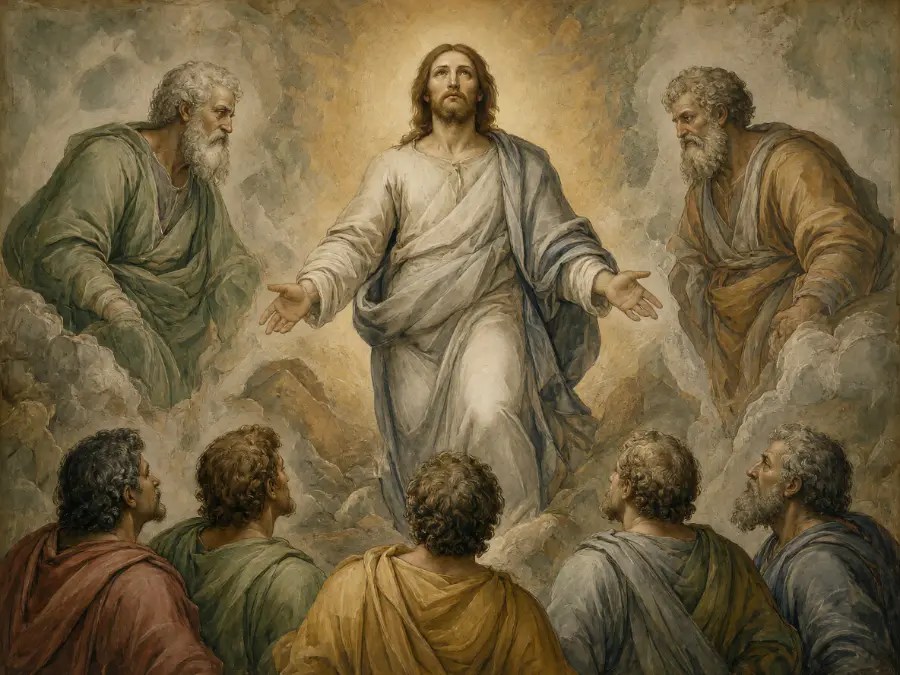
Psalm 90:4
“For a thousand years in your sight are but as yesterday when it is past, or as a watch in the night.”
Reflection: A watch in the night was one of the divisions of the night for guards. The psalm, attributed to Moses, compares a thousand years to one of them.
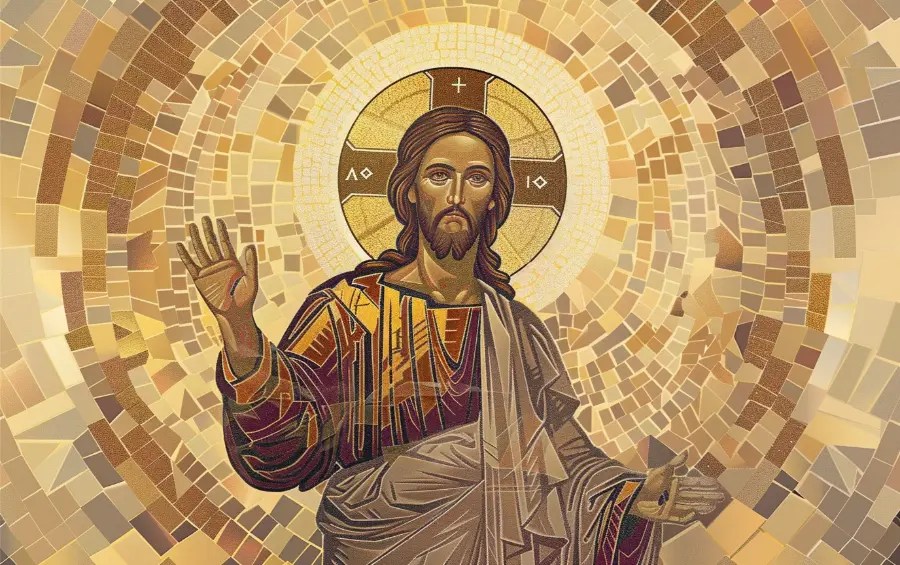
Isaiah 55:8-9
“For my thoughts are not your thoughts, neither are your ways my ways, declares the Lord.”
Reflection: The verse before is about mercy: God “will abundantly pardon” (55:7). The difference between God’s ways and ours is first about how far he will forgive.
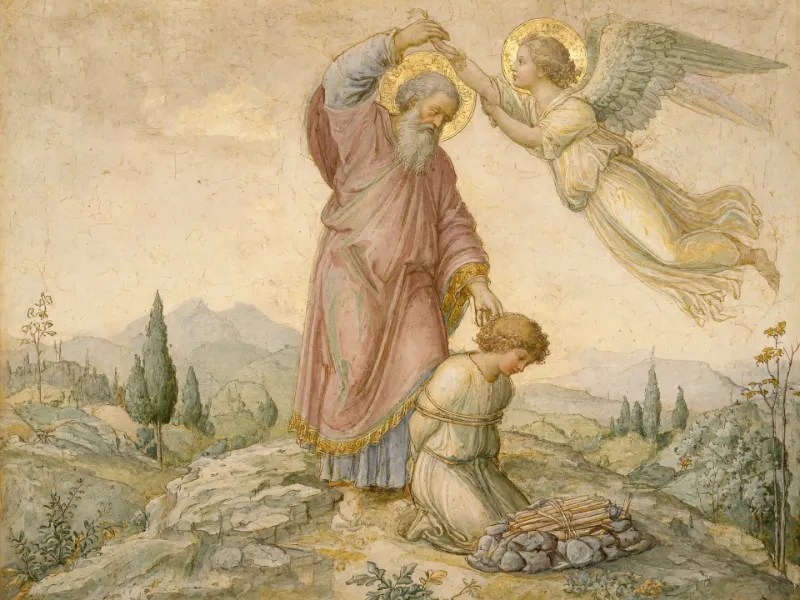
Ecclesiastes 3:11
“He has made everything beautiful in its time. Also, he has put eternity into man’s heart, yet so that he cannot find out what God has done.”
Reflection: The Preacher says God has put eternity into the human heart without letting anyone see the whole of what God has done.
Seasons nobody controls
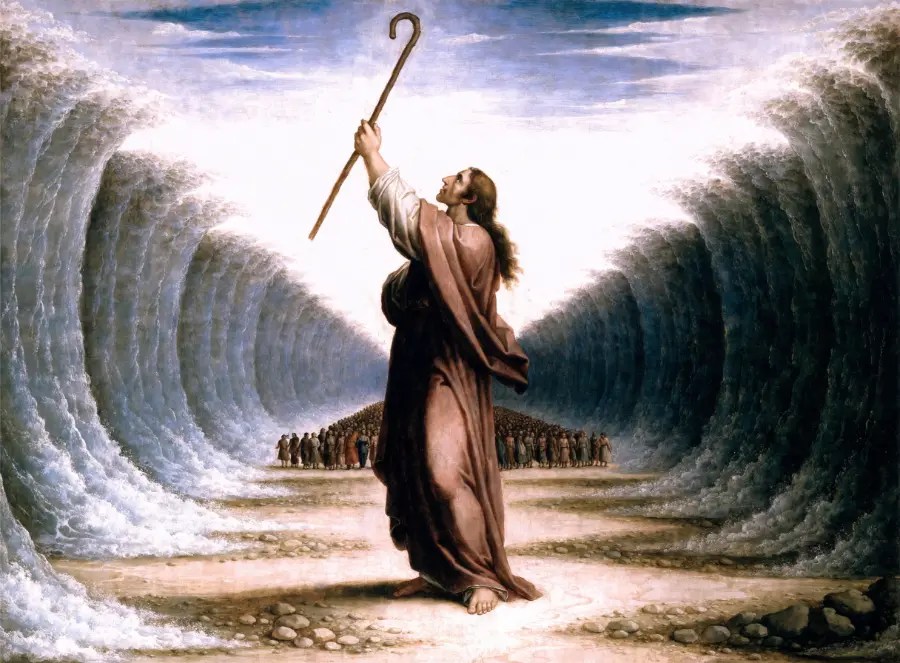
Ecclesiastes 3:1
“For everything there is a season, and a time for every matter under heaven.”
Reflection: The poem that follows lists fourteen pairs of opposites, including killing and weeping, tearing down and losing (3:2-8). It is a list of what a life contains.
Daniel 2:21
“He changes times and seasons; he removes kings and sets up kings; he gives wisdom to the wise.”
Reflection: Daniel says this in Babylon, as a captive, after God revealed Nebuchadnezzar’s dream to him (2:19-20).
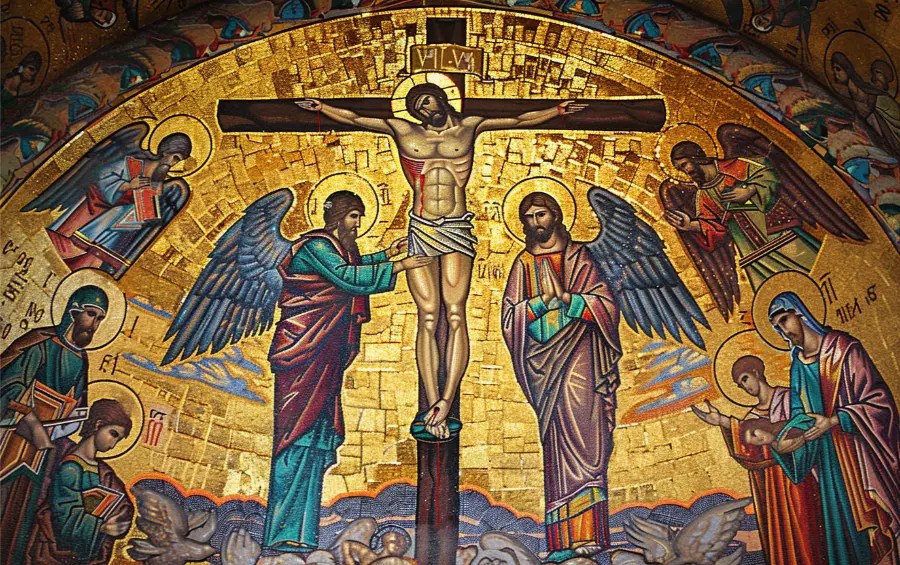
Acts 17:26
“And he made from one man every nation of mankind to live on all the face of the earth, having determined allotted periods and the boundaries of their dwelling place.”
Reflection: Paul says this at the Areopagus in Athens. The purpose he gives is in the next verse: “that they should seek God” (17:27).
The work already begun
Titus 1:2-3
“…which God, who never lies, promised before the ages began and at the proper time manifested in his word.”
Reflection: The promise was made before the ages began and revealed “at the proper time.” Paul treats the long interval as part of the plan.

Philippians 1:6
“And I am sure of this, that he who began a good work in you will bring it to completion at the day of Jesus Christ.”
Reflection: Paul’s confidence rests on who began the work. He sets the completion at the day of Jesus Christ.
Psalm 37:23
“The steps of a man are established by the Lord, when he delights in his way.”
Reflection: The Lord establishes the steps rather than showing the whole route. The next verse adds, “though he fall, he shall not be cast headlong” (37:24).
What waiting is actually being asked of us
In most of these passages waiting takes courage as well as patience. David puts “take courage” between two commands to wait. Habakkuk is told the vision may seem slow in the same breath as being told it will come. In Isaiah, waiting is the condition for new strength.
The passages about God’s scale say less about slowness than they are often taken to. Peter’s sentence runs both ways, and he wrote it to people who had decided the delay meant nothing was coming. The Preacher is plain about the difficulty: eternity is in the heart, and no one can see the whole. For verses about taking the next step, see Bible verses about moving forward.


Leave a Reply