
 English
 Chinese
 Dutch
 Arabic
 Spanish
 Portuguese
 Russian
 French
 Italian
 German
 Japanese
In the Bible, life is breath that God gives and takes back. Genesis 2:7 and Ecclesiastes 12:7 show both, Psalm 90:10 and James 4:14 say how short it is, Micah 6:8 says how to live it before God, and in John 11:25-26 Jesus speaks of a life that outlasts death.
The “breath of life” in Genesis 2:7 and “the breath of the Almighty” in Job 33:4 translate the same Hebrew word, neshamah. Psalm 39:5 calls everyone “but a breath”, and that word is hevel, which the NIV translates “meaningless” in Ecclesiastes 1:2. In the Gospels, the life Jesus gives in John 10:10 and John 17:3 is zoe, while the life he lays down in John 10:11 and the life lost and found in Matthew 16:25 is psyche, the word Matthew 16:26 translates “soul”.
Life as breath God gives
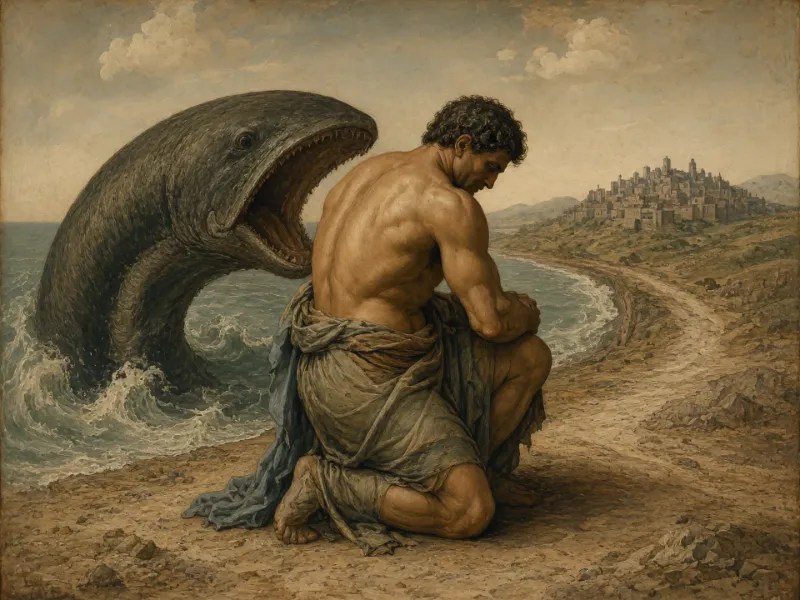
Genesis 2:7
“Then the LORD God formed a man from the dust of the ground and breathed into his nostrils the breath of life, and the man became a living being.”
Reflection: God shapes the man from “the dust of the ground”, and he becomes “a living being” when God breathes into his nostrils. Two verses later the garden holds “the tree of life” (Genesis 2:9). After the man eats from the tree God had forbidden, the sentence passed on him sends him back to the dust: “for dust you are and to dust you will return” (Genesis 3:19).
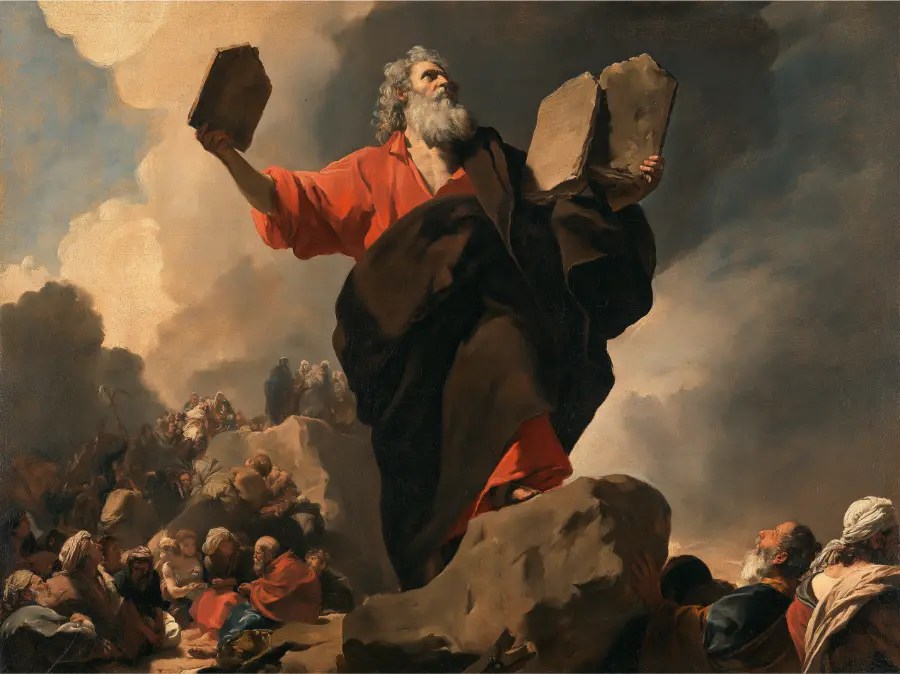
Job 33:4
“The Spirit of God has made me; the breath of the Almighty gives me life.”
Reflection: Elihu speaks after Job’s three friends stop answering him (Job 32:1-2), and in chapter 33 he turns to Job directly: “But now, Job, listen to my words” (33:1). He claims no higher standing than Job: “I am the same as you in God’s sight; I too am a piece of clay” (33:6). Both halves of the verse trace his life to God, the Spirit who made him and the breath that gives him life.
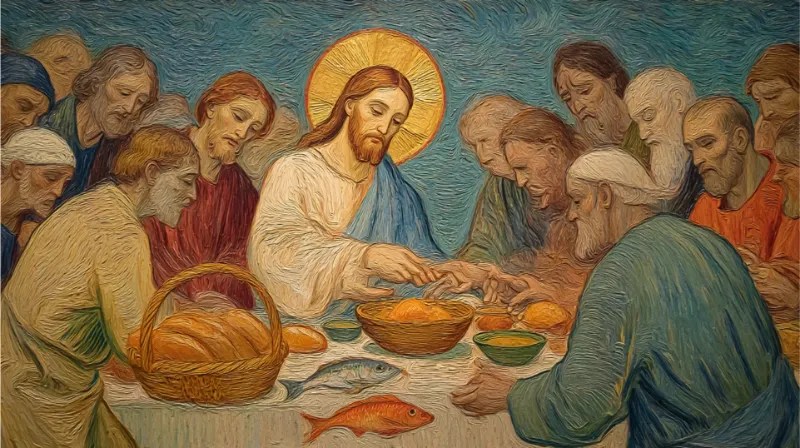
Psalm 104:29-30
“When you hide your face, they are terrified; when you take away their breath, they die and return to the dust. When you send your Spirit, they are created, and you renew the face of the ground.”
Reflection: Psalm 104 praises God for the earth “full of your creatures” and for “the sea, vast and spacious, teeming with creatures beyond number” (104:24-25), and verse 27 says “All creatures look to you” for their food. In Hebrew, “breath” in verse 29 and “Spirit” in verse 30 are the same word, ruach. When God takes it away, creatures “return to the dust”; when he sends it, they are created.
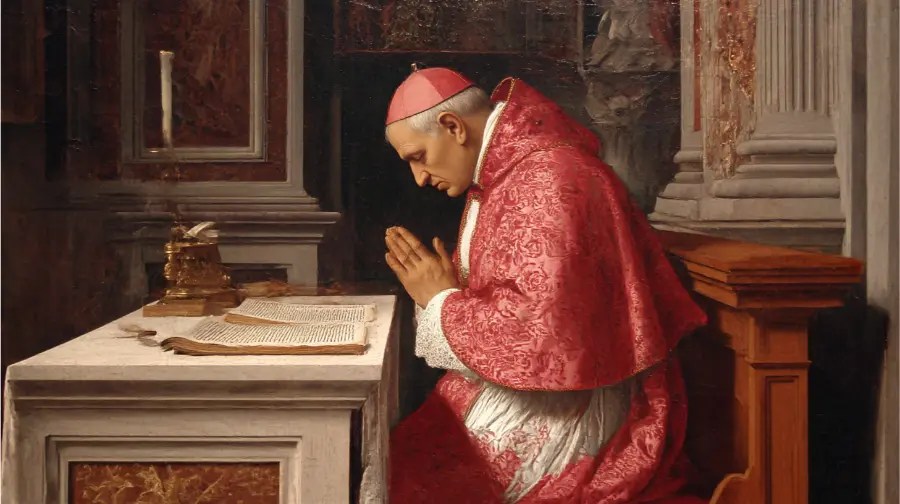
Ecclesiastes 12:7
“and the dust returns to the ground it came from, and the spirit returns to God who gave it.”
Reflection: The verse completes a warning that begins “Remember your Creator in the days of your youth” (12:1) and is repeated in verse 6: “Remember him—before the silver cord is severed.” Verse 7 ends the warning with death: the dust returns to the ground and the spirit to God who gave it. The next verse is the Teacher’s refrain, “Meaningless! Meaningless!” (12:8).
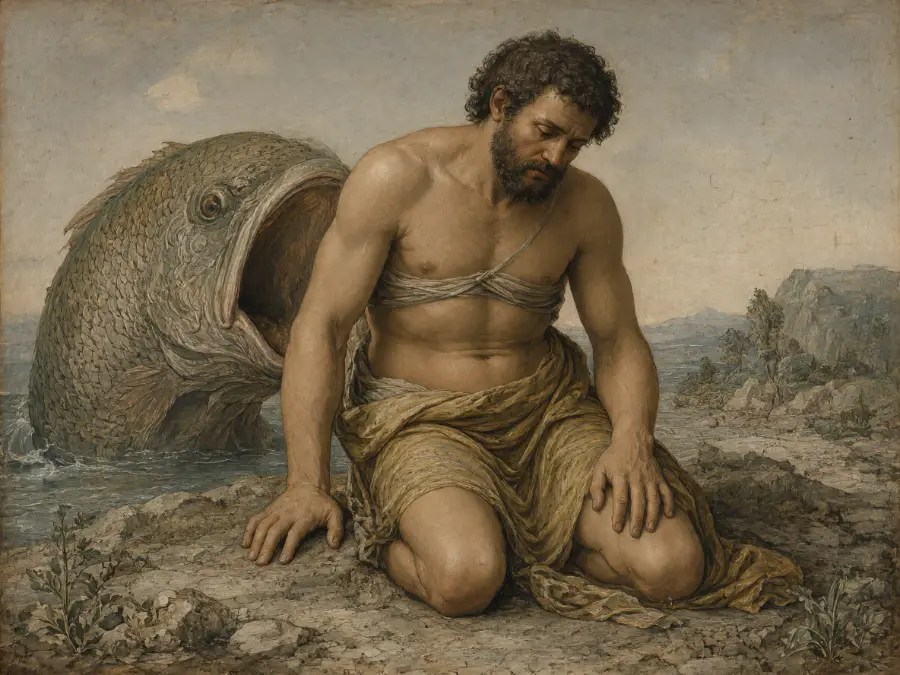
Acts 17:28
“‘For in him we live and move and have our being.’ As some of your own poets have said, ‘We are his offspring.’”
Reflection: Paul is speaking to the meeting of the Areopagus in Athens, where he has found an altar “to an unknown god” (17:23). He tells his hearers that God “gives everyone life and breath and everything else” (17:25) and is “not far from any one of us” (17:27). He then quotes “some of your own poets”, supporting the point with lines from Greek writers rather than from Israel’s Scriptures.
How short a life is
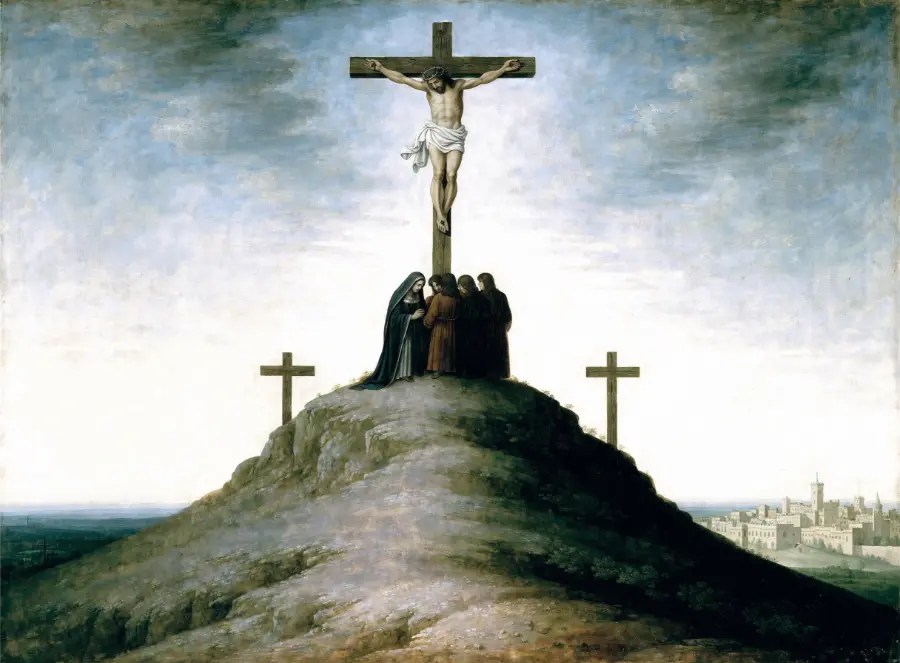
Psalm 39:4-5
“Show me, LORD, my life’s end and the number of my days; let me know how fleeting my life is. You have made my days a mere handbreadth; the span of my years is as nothing before you. Everyone is but a breath, even those who seem secure.”
Reflection: The psalm is headed “A psalm of David”. David has kept silent “in the presence of the wicked” (39:1) until “my heart grew hot within me” (39:3), and this request is what he says when he speaks. “Breath” here is hevel, the word Ecclesiastes uses for “meaningless”. Two verses later he turns from the shortness of life to his hope in God: “But now, Lord, what do I look for? My hope is in you” (39:7).
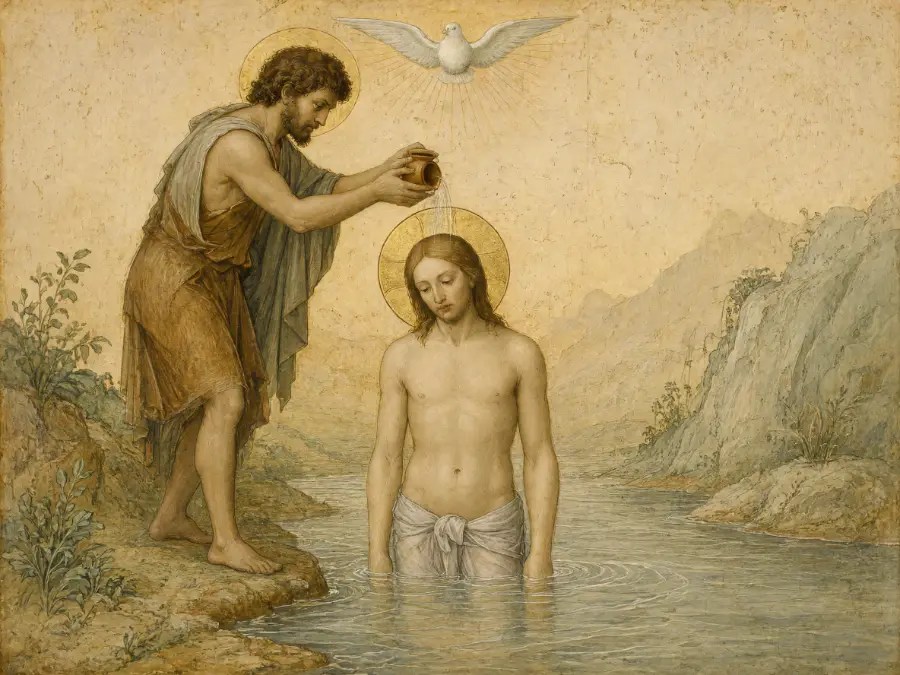
Psalm 90:10
“Our days may come to seventy years, or eighty, if our strength endures; yet the best of them are but trouble and sorrow, for they quickly pass, and we fly away.”
Reflection: Psalm 90 is headed “A prayer of Moses the man of God”, and it sets human years against God’s: “A thousand years in your sight are like a day that has just gone by” (90:4). Earlier verses compare people to “the new grass of the morning” that is “dry and withered” by evening (90:5-6). Seventy or eighty years is the span given here, and even the best of them “quickly pass”.

Psalm 90:12
“Teach us to number our days, that we may gain a heart of wisdom.”
Reflection: The request comes after the psalm says that “all our days pass away under your wrath” (90:9). Moses asks God to teach the people to count their days, and the purpose he gives is a heart of wisdom. The psalm goes on to ask God to “satisfy us in the morning with your unfailing love, that we may sing for joy and be glad all our days” (90:14).
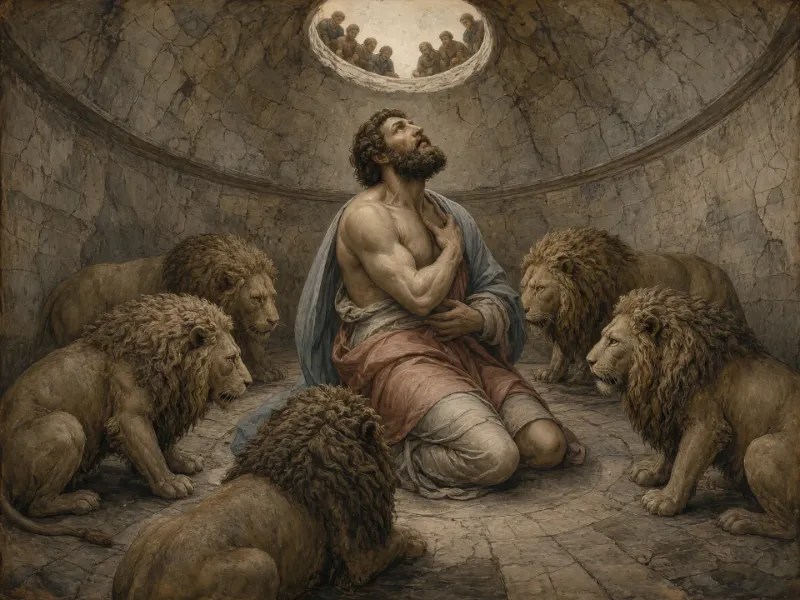
Psalm 103:15-16
“The life of mortals is like grass, they flourish like a flower of the field; the wind blows over it and it is gone, and its place remembers it no more.”
Reflection: David’s psalm says God “knows how we are formed, he remembers that we are dust” (103:14), and then compares a life to a flower of the field that one wind removes. The next verse sets God’s love against it: “But from everlasting to everlasting the LORD’s love is with those who fear him” (103:17).
James 4:14
“Why, you do not even know what will happen tomorrow. What is your life? You are a mist that appears for a little while and then vanishes.”
Reflection: James is addressing people who say, “Today or tomorrow we will go to this or that city, spend a year there, carry on business and make money” (4:13). The question “What is your life?” answers that plan: they do not know what tomorrow will bring. He tells them to say instead, “If it is the Lord’s will, we will live and do this or that” (4:15).
A life lived before God
Deuteronomy 8:3
“He humbled you, causing you to hunger and then feeding you with manna, which neither you nor your ancestors had known, to teach you that man does not live on bread alone but on every word that comes from the mouth of the LORD.”
Reflection: Moses reminds Israel of “these forty years” in the wilderness (8:2), when God let them go hungry and then fed them with manna. The manna was given to teach them that a person lives on what God says as well as on food. Jesus quotes the verse when the devil tells him, after forty days of fasting, to turn stones into bread (Matthew 4:2-4).
Ecclesiastes 3:12-13
“I know that there is nothing better for people than to be happy and to do good while they live. That each of them may eat and drink, and find satisfaction in all their toil—this is the gift of God.”
Reflection: The Teacher has just said that God “has also set eternity in the human heart; yet no one can fathom what God has done from beginning to end” (3:11). What he says he does know is that being happy, doing good, eating, drinking and finding satisfaction in work are “the gift of God”. Verse 14 adds that God acts as he does “so that people will fear him”.
Ecclesiastes 12:13
“Now all has been heard; here is the conclusion of the matter: Fear God and keep his commandments, for this is the duty of all mankind.”
Reflection: “Now all has been heard” comes near the end of a book that has examined work, wealth, pleasure and wisdom, and its “conclusion of the matter” is a command: fear God and keep his commandments. The book’s final verse gives the reason: “For God will bring every deed into judgment, including every hidden thing, whether it is good or evil” (12:14).
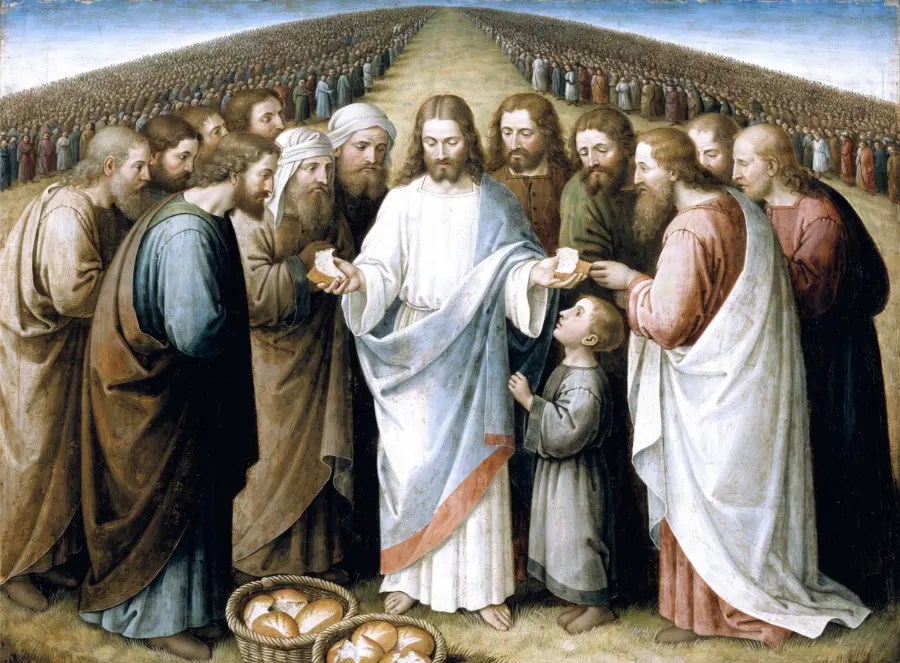
Micah 6:8
“He has shown you, O mortal, what is good. And what does the LORD require of you? To act justly and to love mercy and to walk humbly with your God.”
Reflection: Verses 6 and 7 ask what a person should bring before the LORD: burnt offerings, “thousands of rams”, even “my firstborn for my transgression”. The answer names no offering. What God requires is a way of living: acting justly, loving mercy and walking humbly with him.
Luke 12:15
“Then he said to them, ‘Watch out! Be on your guard against all kinds of greed; life does not consist in an abundance of possessions.’”
Reflection: A man in the crowd has asked Jesus to tell his brother to divide the inheritance (12:13). Jesus warns against greed and tells the parable of a rich man who plans bigger barns and hears God say, “This very night your life will be demanded from you” (12:20). The parable ends with anyone who “is not rich toward God”, and a few verses later Jesus tells his disciples, “life is more than food, and the body more than clothes” (12:23).
The life found in Christ

John 1:4
“In him was life, and that life was the light of all mankind.”
Reflection: John’s Gospel opens with the Word, who “was with God in the beginning” and through whom “all things were made” (1:2-3). Life is in the Word, and that life is light for all people. Verse 14 says that the Word “became flesh and made his dwelling among us”.
John 10:10
“The thief comes only to steal and kill and destroy; I have come that they may have life, and have it to the full.”
Reflection: Jesus calls himself “the gate for the sheep” (10:7) and sets himself against the thief who comes to steal, kill and destroy. The Greek for life here is zoe. In the next verse, “The good shepherd lays down his life for the sheep”, the word is psyche, his own life, which he says he lays down “only to take it up again” (10:17).
Matthew 16:25-26
“For whoever wants to save their life will lose it, but whoever loses their life for me will find it. What good will it be for someone to gain the whole world, yet forfeit their soul? Or what can anyone give in exchange for their soul?”
Reflection: Jesus has just told his disciples that he “must be killed and on the third day be raised to life” (16:21), and Peter has rebuked him for it. The saying begins with the cost of following him: “Whoever wants to be my disciple must deny themselves and take up their cross and follow me” (16:24). “Life” in verse 25 and “soul” in verse 26 are the same Greek word, psyche.
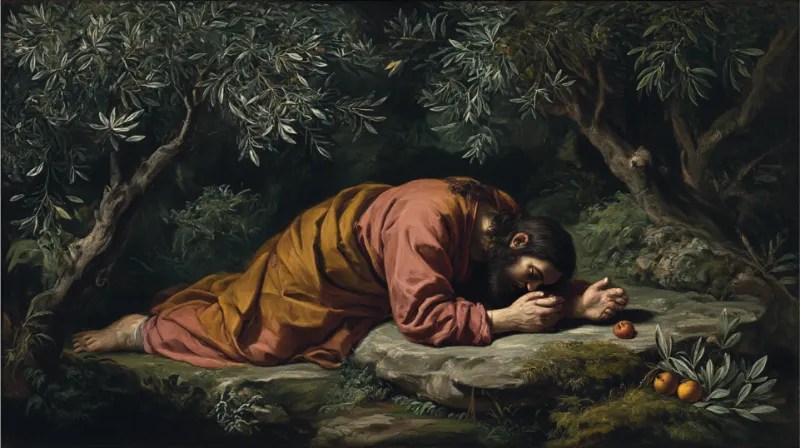
John 11:25-26
“Jesus said to her, ‘I am the resurrection and the life. The one who believes in me will live, even though they die; and whoever lives by believing in me will never die. Do you believe this?’”
Reflection: Martha’s brother Lazarus has died, and she tells Jesus she knows he “will rise again in the resurrection at the last day” (11:24). Jesus answers with a statement about himself, and Martha replies that he is “the Messiah, the Son of God”. Later in the chapter he calls Lazarus out of the tomb: “Lazarus, come out!” (11:43).
John 17:3
“Now this is eternal life: that they know you, the only true God, and Jesus Christ, whom you have sent.”
Reflection: The verse comes in a prayer: Jesus “looked toward heaven and prayed” (17:1), saying the Father granted him authority to “give eternal life to all those you have given him” (17:2). Verse 3 then says what eternal life is: knowing the only true God and Jesus Christ, whom he sent.
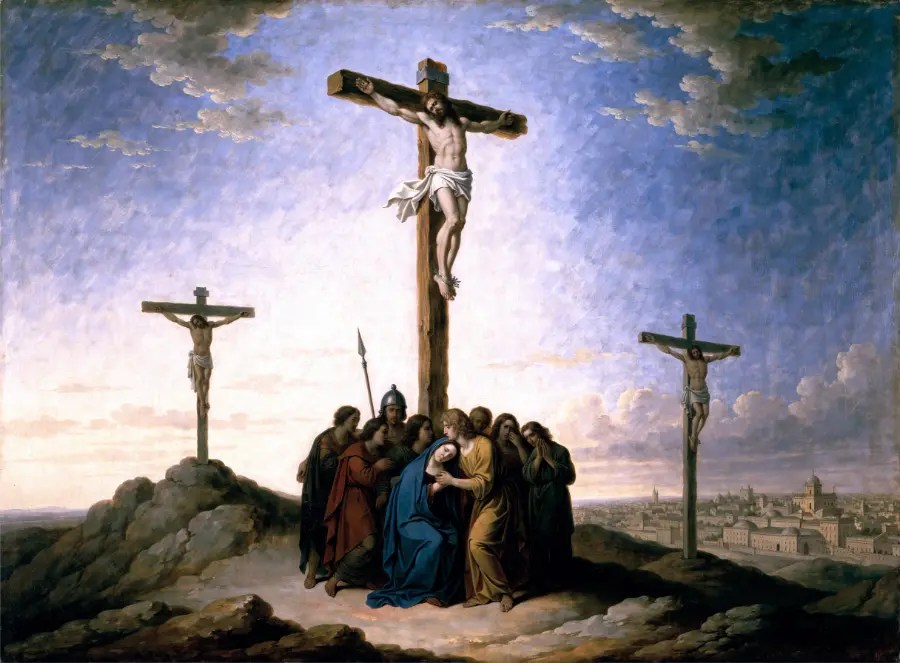
Galatians 2:20
“I have been crucified with Christ and I no longer live, but Christ lives in me. The life I now live in the body, I live by faith in the Son of God, who loved me and gave himself for me.”
Reflection: Paul is writing “to the churches in Galatia” (1:2) about whether a person is justified “by the works of the law” or “by faith in Jesus Christ” (2:16). The verse before says he died to the law “so that I might live for God” (2:19). He still lives “in the body”, and he describes that life as lived by faith in the Son of God, with Christ living in him.
At a funeral, and as prayers
The Book of Common Prayer’s Order for the Burial of the Dead opens with John 11:25-26, “I am the resurrection and the life, saith the Lord”, said or sung on the way “either into the Church, or towards the grave”. It includes Psalm 39, which in Coverdale’s wording asks “Lord, let me know mine end, and the number of my days”, and Psalm 90, with “O teach us to number our days : that we may apply our hearts unto wisdom.”
Psalm 39:4-5 and Psalm 90:12 are addressed to God and can be prayed as written.


Leave a Reply