
 English
 Chinese
 Dutch
 Arabic
 Spanish
 Portuguese
 Russian
 French
 Italian
 German
 Japanese
Denise is not in the Bible, but the name it comes from is. Denise is the French feminine of Denis, and Denis is the French form of Dionysius, the name of an Athenian who became a believer after hearing Paul preach (Acts 17:34).
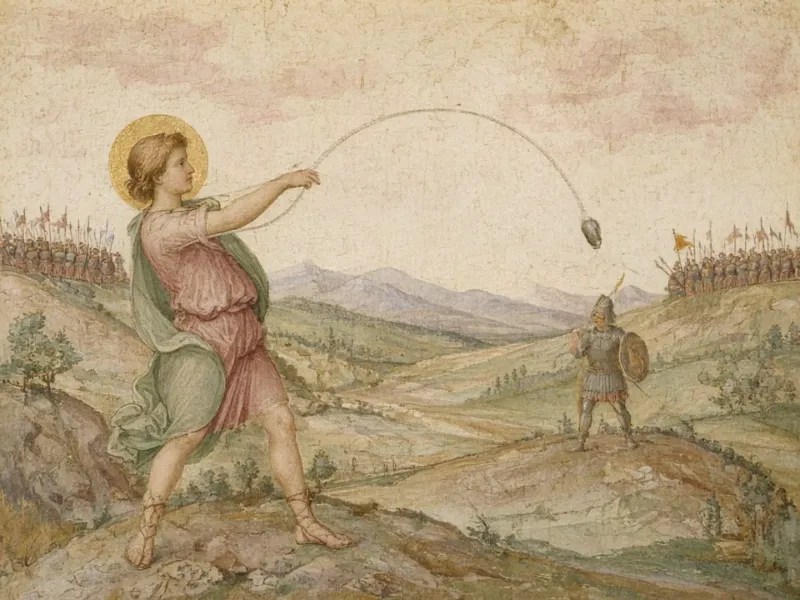
What does Denise mean?
Denise means “of Dionysos.” It goes back through Denis to the Greek name Dionysios, which was formed from Dionysos, the Greek god of wine. The god’s own name probably joins Zeus with Nysa, the mountain where he was said to have been raised. The pagan origin did not keep Christians from using the name: Dionysius was one of the first converts in Athens, and many early saints bore it, including a third-century pope.
Denis and Dennis are the masculine forms. In the United States, Denise was the 29th most common name for girls born in the 1960s.

Is Denise in the Bible?
Not as Denise. The name has no Hebrew form or Hebrew meaning, because it is Greek by way of French. Its source, Dionysius, appears once, in the seventeenth chapter of Acts.
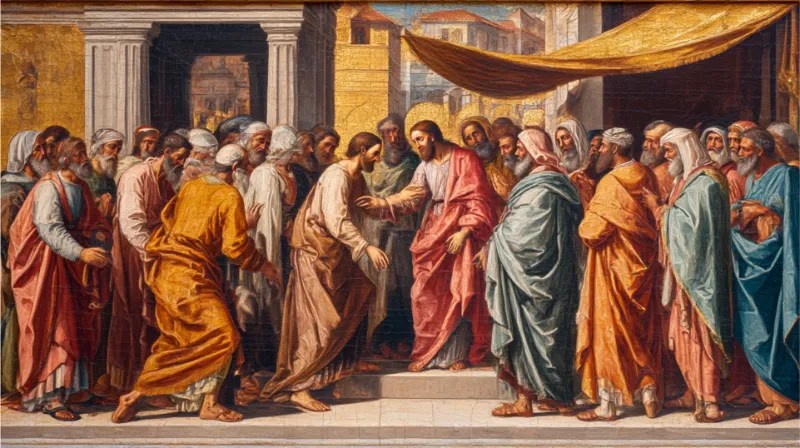
Dionysius the Areopagite
On his second missionary journey Paul came to Athens and was brought before the Areopagus, the city’s council. He told its members that he had found an altar in their city “to an unknown god,” and that he had come to proclaim the God they did not know (Acts 17:23). When he spoke of the resurrection of the dead, “some of them sneered, but others said, ‘We want to hear you again on this subject’” (Acts 17:32).
Luke then names some of those who believed: “Some of the people became followers of Paul and believed. Among them was Dionysius, a member of the Areopagus, also a woman named Damaris, and a number of others” (Acts 17:34). Dionysius was himself a member of the council at whose meeting Paul had just been mocked. A tradition recorded in the second century says he became the first bishop of Athens.

How Dionysius became Denise
The name reached France through Saint Denis, a third-century missionary to Gaul who became the first bishop of Paris and was martyred by beheading. He became a patron saint of France, and his fame made Denis a common name there; the Normans later carried it to England. In the Middle Ages the French went further and identified their Saint Denis with the Dionysius of Acts 17, a merger of two different men that modern scholars reject. Denise, the feminine form, came into use alongside Denis.



Leave a Reply