
 English
 Chinese
 Dutch
 Arabic
 Spanish
 Portuguese
 Russian
 French
 Italian
 German
 Japanese
The Question of Jesus’s Children: A Christian Perspective
Hello, friend! Have you ever heard folks wondering if Jesus, our wonderful Savior, had a wife and children? It’s a thought that comes up sometimes, maybe from a popular book, a movie, or something you saw online.¹ For those of us who love the Lord, knowing the truth about Jesus’s life is so important, isn’t it? Because His amazing life and His powerful teachings are the very rock on which we build our faith! Today, we’re going to lift the lid on this question. We’re going to look at what God’s Holy Word, the Bible, tells us. We’ll see what history has to share. And we’ll discover what the Christian guided by the Spirit, has always understood.
It’s natural to be curious about the lives of famous people, and Jesus is the most influential person who ever walked this earth! Sometimes, that curiosity can lead to ideas about “hidden” or “secret” parts of His life. These ideas can sound exciting because they seem to offer something new or a different way of looking at someone we know so well.¹ Some of these theories try to make Jesus seem just like everyone else by suggesting He had a regular life, with marriage and kids too.⁴ But sometimes these ideas can miss the incredibly special and unique mission of Jesus, who we believe is both fully human and fully God.⁵ This can be a worry for faithful Christians who want to line up these popular ideas with what their faith teaches. When we hear things that seem to go against what we’ve always believed, many of us look for clear, dependable answers that come straight from the Bible and the historical understanding of the Church.⁶ This article is here to bring that clarity, to talk about Jesus’s family life in a way that’s full of information and respects our Christian journey for truth. Get ready to be blessed!
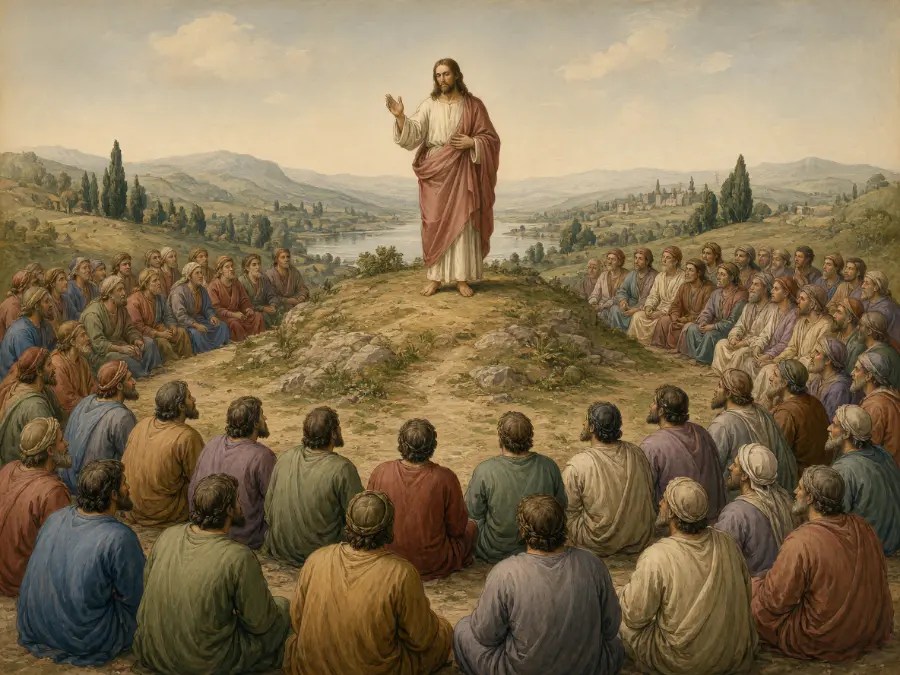
What Does the Bible Say About Jesus Having a Wife or Children?
When you’re looking for answers about Jesus, where’s the first place you go? That’s right, you open up God’s Word, the Bible! The New Testament – with those wonderful Gospels of Matthew, Mark, Luke, and John, and all those powerful letters from the apostles and other writings – that’s our number one guide to knowing Jesus.
And if you read these precious texts carefully, you’ll see there’s not one single mention of Jesus being married or having any children.¹ Isn’t that something? The Gospels tell us so much about His life: His miraculous birth, His family (His mother, His earthly father, His brothers, and His sisters), His amazing disciples, His life-changing teachings, His powerful miracles, His sacrifice on the cross, and His glorious resurrection. But in all these beautiful stories, there’s no talk of a wife, or any sons or daughters of His own. And guess what? Even reliable history books from that time, outside the Bible, don’t give us any good reason to believe Jesus was married or had children.⁹
Some smart folks have said that if Jesus had been married, He probably would have taught us about marriage and family from His own experiences. But while Jesus did teach us how important and holy marriage is (like in Matthew 19:4-6), He doesn’t talk about it like He’s sharing from His own married life. Some people find that very interesting.⁹
And here’s something else to lift your spirit: many Christians believe that the Bible is complete and gives us everything we need to understand God’s amazing plan for our salvation.⁴ The Bible even warns us not to add anything to God’s Word (Revelation 22:18). So, when people start talking about Jesus having a wife and children the Bible doesn’t say so, some see it as adding something that just isn’t there, something God didn’t reveal.⁴ The Gospels always show Jesus completely focused on His divine mission, doing the will of His Father in Heaven, with no sign of a personal family life that might have shared that incredible focus.⁴
The books of the New Testament, they cover so many parts of Jesus’s life and the early Church. They talk about His mother, His earthly father, and even His brothers and sisters.⁹ The apostle Paul, in his powerful letters, talks about marriage and being single. He even mentions that apostles, like Peter, had the right to travel with a believing wife (1 Corinthians 9:5).⁴ Think about it – they even tell us about Jesus healing Peter’s mother-in-law (Matthew 8:14)!9 So, if details like that about other important people are in there, it’s almost impossible to think that every single writer of the New Testament would forget to mention something as huge as Jesus having His own wife and children. That silence, across all the different kinds of writings in the New Testament – the Gospels, Acts, the letters, Revelation – it’s not just a little mistake. It strongly tells us He wasn’t married and didn’t have children.
And this understanding, it just fits perfectly with the New Testament’s constant message about Jesus’s unique identity and His divine mission. His declared purpose, was to do God’s will completely (John 17:4).⁹ His teachings often put spiritual connections even above family ties. Remember when He said that whoever does the will of His Father in heaven is His brother and sister and mother (Matthew 12:48-50)? 1 And His life on earth? It was marked by simplicity, even homelessness. He said, “Foxes have dens and birds of the air have nests the Son of Man has no place to lay his head” (Matthew 8:20).⁹ Living like that, always on the move, would have made it so hard to take care of a family in the usual way. It might have even seemed irresponsible by the standards the apostle Paul later talked about, about providing for your own family (1 Timothy 5:8).⁹ This whole picture of a life completely dedicated to a divine mission just fits so much better with Him being single than with Him having the responsibilities of a husband and father. For us Christians, the fact that the Bible doesn’t mention Jesus having children also reminds us that Scripture has everything we need for our faith and salvation.⁴ We believe the Bible gives us all the wisdom we need for salvation and prepares us for every good work God has for us (2 Timothy 3:15-17).⁴ If having children was a big, unmentioned part of Jesus’s life, it might make us think the Bible is missing something important. But the traditional Christian view is that the Bible is complete for God’s divine purpose. So, the silence about Jesus having children just strengthens our understanding that this detail isn’t essential for knowing who He was, what He did, or how to find salvation. It tells us that theories about it are just extra ideas, beyond what God has shown us.
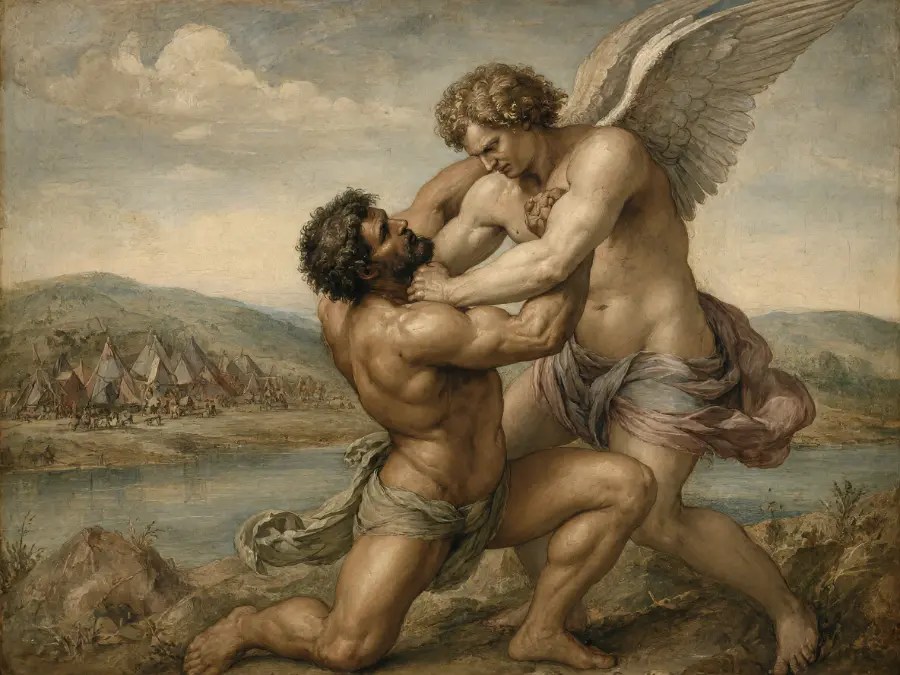
If Jesus Had a Family, Wouldn’t the Gospels Mention Them?
The idea that the Gospels would have surely mentioned Jesus’s wife and children if He had them gets even stronger when you see who is talked about in these amazing accounts. The Gospel writers weren’t shy about sharing details about Jesus’s family and the families of His followers. You just have to open your heart and see!
The Gospels often speak of Jesus’s precious mother, Mary, and His earthly father, Joseph.⁹ They even name His brothers: James, Joses (or Joseph), Simon, and Judas. And His sisters are mentioned too, even if not by name (Matthew 13:55-56; Mark 6:3).⁹ And it doesn’t stop there! The New Testament also talks about the families of His apostles. For example, the Gospels tell us about Jesus healing Peter’s mother-in-law, which clearly shows Peter was married (Matthew 8:14).⁹ The book of Acts even mentions the apostle Paul’s sister and nephew (Acts 23:16).⁹
So, with all these family details included, it’s a fair question to ask: why would Jesus’s own wife or children—who would have been so incredibly important in His life—be completely left out? If Jesus had a wife and children, they would have been so major, not just to Him personally, but also to all His early followers. It just makes sense that they would have been mentioned, just like other family connections that were arguably less central are recorded.¹ The thought that “something as important as a spouse and kids would have merited at least a mention” really connects with how we usually understand what details are included when people write about someone so important.¹
And think about this: the New Testament writers were usually very careful to identify people clearly, especially if there might be some confusion. For instance, there are several wonderful women named Mary who play big roles in the Gospels: Mary the mother of Jesus, Mary Magdalene, Mary of Bethany (sister of Martha and Lazarus), and Mary the wife of Clopas.⁴ The writers use little descriptions like “Magdalene” or “the mother of James and Joseph” to make it clear which Mary they mean. If Mary Magdalene, or any other woman, had been Jesus’s wife, it’s almost certain that the Gospel writers would have used the clearest and most obvious way to say it: “the wife of Jesus”.⁴ That would have been super important to avoid any mix-ups, especially with so many Marys around! The fact that no woman in the New Testament is ever called that is a big sign that no such marriage existed. The silence of the Gospels on this, when you compare it to the details they do give about other families, makes it highly unlikely that Jesus had a wife or children that the Gospel writers just forgot to mention. God’s Word is intentional, friend!

Who Were the “Brothers and Sisters of Jesus” Mentioned in the Bible?
The Bible does talk about “brothers” and “sisters” of Jesus. You might have read it! For example, in Matthew 13:55-56, people in His hometown of Nazareth asked, “Isn’t this the carpenter’s son? Isn’t his mother’s name Mary, and aren’t his brothers James, Joseph, Simon and Judas? And aren’t all his sisters with us?” (You can also see Mark 6:3). These verses have led to different understandings in our Christian family about who these folks were. It’s important to remember, that this discussion is about Jesus’s siblings or other close relatives, not about whether Jesus Himself had children.
There are three main ways people have understood these “brothers” (in Greek, adelphoi) and “sisters” (in Greek, adelphai):
- Literal (Half-)Siblings: This idea, sometimes called the Helvidian view, suggests that James, Joseph, Simon, Judas, and their sisters were the actual children of Mary and Joseph, born after Jesus.¹³ If this is the case, Jesus would have been their older half-brother, sharing the same mother, Mary. This is a common understanding in many Protestant traditions, and it assumes that Mary didn’t stay a virgin her whole life after Jesus’s miraculous birth.
- Step-Siblings: This view, known as the Epiphanian view, suggests that Jesus’s “brothers” and “sisters” were Joseph’s children from an earlier marriage.¹³ If Joseph was a widower when he was engaged to Mary, these individuals would have been Jesus’s step-siblings. This idea supports the belief in Mary’s perpetual virginity (the teaching that she remained a virgin her entire life). A smart scholar named Richard Bauckham thinks this view is historically possible.¹⁴
- Cousins: This view, famously supported by St. Jerome and known as the Hieronymian view, argues that the “brothers” and “sisters” of Jesus were actually His cousins.¹² They might have been the children of Mary’s sister, who is sometimes thought to be Mary, the wife of Clopas (John 19:25). This interpretation also supports Mary’s perpetual virginity and became the traditional view in the Roman Catholic Church.
The Greek word adelphos (brother) and its plural adelphoi usually mean male siblings from the same parent(s). But back in ancient times, the word could also be used more broadly to talk about other close relatives, like cousins, nephews, or even step-brothers. This was especially true in places where Aramaic influenced the Greek language, which was the case for the Gospels.¹² For example, Abraham called his nephew Lot “brother” (Genesis 13:8, 14:14 in the Septuagint, the Greek version of the Old Testament).
No matter which of these ideas a Christian reader feels is most convincing, none of them mean that Jesus Himself was married or had children. The whole discussion about Jesus’s “brothers and sisters” is about figuring out who His other family members were, and it often connects to different beliefs about Mary, especially her perpetual virginity.¹² It doesn’t give us any evidence that Jesus had His own kids.
The fact that people like James, known as “the Lord’s brother,” became important leaders in the early church in Jerusalem is very well known.¹² Think about this: if Jesus had fathered sons, it’s quite possible that these sons, instead of His brothers or cousins, might have been looked to for leadership or given a special status in the early Christian community because they were His direct children. The historical records of the early Church talk about Jesus’s relatives (sometimes called the Desposyni, meaning “belonging to the Lord”) being respected these were His family members like brothers or cousins, not His own children.¹⁵ Their leadership was based on their faith and their witness to Jesus, not on being His direct children. This just highlights again that there’s no tradition or record of Jesus having children of His own. God has a plan, and it’s all in His Word!

What Did the Early Church Fathers Teach About Jesus’s Marital Status and Family?
The teachings of the early Church Fathers – those wise and influential theologians, bishops, and writers from the first few centuries right after the apostles – they give us such precious insight into what the early Christian family believed about Jesus. When we look at what they wrote about Jesus’s life and family, a very clear picture starts to shine through!
The early Christian tradition, as we see it in the writings of these Church Fathers, always shows Jesus as unmarried and celibate.¹⁰ There’s no major writing from these early leaders that even hints Jesus was married or had children.¹⁰ Their silence on this, especially when they talked so much about other parts of Jesus’s life and teachings, really says something. They were so much closer to the time of the apostles and were working hard to define and defend Christian beliefs against all sorts of different ideas and challenges.
For example, Eusebius, a very important Church historian from the early 4th century, wrote about Jesus’s relatives. He mentioned people like James, “the Lord’s brother,” and Simeon, the son of Clopas, identifying them as cousins of Jesus who became leaders in the early Church.¹² What Eusebius wrote shows an early understanding of Jesus’s wider family that doesn’t include any mention of His own wife or children.
Then there’s St. Jerome, a brilliant scholar from the late 4th and early 5th centuries. He famously argued that the “brothers of Jesus” mentioned in the Gospels were actually His cousins.¹² He wrote a lot to defend the teaching of Mary’s perpetual virginity against people like Helvidius, who claimed Mary had other children with Joseph after Jesus was born.²⁰ Jerome’s view became super influential, especially in the Western Church. His arguments were all about Jesus’s immediate family circle, and always within the understanding that Jesus Himself was celibate.
St. Augustine, another giant of faith from that same time, wrote so much about Christian beliefs, including wonderful works on marriage (like De bono coniugali – “On the Good of Marriage”) and virginity (De sancta virginitate – “On Holy Virginity”).²¹ His writings all fit within the established Christian understanding that Jesus was celibate. Augustine’s theology held up celibacy as a high and holy calling, with Christ Himself as the perfect example.²¹ In works like Contra Faustum Manichaeum (“Against Faustus the Manichean”), Augustine defended the true Christian understanding of Jesus’s life against other views, including those that might have challenged traditional beliefs about Him.²³ His Sermons on New Testament Lessons 24 and De consensu evangelistarum (“On the Harmony of the Gospels”) 26 explain the life of Jesus without any hint that He was married or had a family of His own.
The term Desposyni (from Greek, meaning “belonging to the master” or “the Lord’s people”) was used in the early Church to talk about Jesus’s blood relatives.¹⁵ Early Christian historians like Hegesippus (whose writings Eusebius saved for us) mentioned the Desposyni. They were respected in early Christian communities and sometimes had leadership roles because of their family connection to Jesus.¹⁵ But these individuals were Jesus’s kin—like His brothers or cousins—not His own children. Scholar Richard Bauckham points out that these relatives saw themselves as servants of the Lord, not as some kind of “Jesus Dynasty” leaders.¹⁵ The Roman authorities even questioned some of the Desposyni about their family line they were seen as godly people, not as people trying to grab earthly power.¹⁸
The fact that the Church Fathers consistently affirmed Jesus’s celibacy is historically so important. They were the ones carrying on the apostles’ teachings and were busy clarifying Christian doctrine and correcting what they saw as wrong ideas, including various Gnostic beliefs.² If there had been a real, orthodox tradition of Jesus being married and having children, you can be sure they would have mentioned it, supported it, or debated it. Instead, their writings support His celibacy and explain His “brothers” in ways that fit with this understanding. This historical testimony is a strong answer to much later or speculative ideas. The early Church was so focused on defining Christ’s divine and human natures (which was later made official in big church councils like Chalcedon). If Jesus had children, that would have been a huge theological issue to talk about! 29 Questions about their nature—were they divine, partly divine, or just human?—would have definitely come up and been passionately discussed by the Church Fathers.²⁹ The fact that we don’t see these specific debates in their writings about Jesus’s own children further suggests that the idea of Him having children wasn’t part of the tradition they received or thought was a real issue. God’s truth stands firm, friend!

What About Claims from Gnostic Gospels or Other Ancient Texts?
Sometimes you might hear claims that Jesus was married or had children, and these ideas come from texts outside our precious New Testament, especially from a group of writings known as the Gnostic gospels. It’s so important for us as Christians to understand what these texts are and how wise scholars see them.
The Gnostic gospels, like the Gospel of Philip, the Gospel of Thomas, the Gospel of Mary, and a little piece controversially called the “Gospel of Jesus’s Wife,” are a collection of writings that mostly come from the 2nd century AD and even later.² Think about that! This means they were written many, many years, even centuries, after our beloved canonical Gospels of Matthew, Mark, Luke, and John, which we know are from the 1st century.²⁸ These Gnostic texts show a wide variety of beliefs that fall under the big umbrella of “Gnosticism.” Gnosticism was a diverse religious and philosophical movement that had some things in common with early Christianity but was very different in its main teachings.²⁸
You see, key Gnostic beliefs often included the idea that salvation comes through some kind of secret knowledge (gnosis) instead of through faith or God’s grace alone. Many Gnostic groups had a dualistic view of the world, thinking the material world and our physical bodies were evil or not as good, created by a lesser god, while the spiritual world was seen as good.²⁸ This often led them to different ideas about Jesus’s nature. Some Gnostics weren’t comfortable with the idea that Jesus had a real human body that could feel weakness. Instead, they suggested He only appeared to have a body or had some kind of supernatural one.²⁸ They also tended to separate Jesus from His Jewish roots and the God of the Old Testament, whom they sometimes saw as a lesser or even flawed being.²⁸
One text that caused quite a stir was the “Gospel of Jesus’s Wife.” This tiny piece of papyrus, about the size of a credit card, was shown to the public in 2012 and had the words, “Jesus said to them, ‘My wife…’”.² Wow, you can imagine that got a lot of media attention! But right away, scholars started asking questions about whether it was real because no one knew where it came from, and it had other odd things about it. After a lot of scientific and scholarly investigation, they concluded with a high degree of certainty that the “Gospel of Jesus’s Wife” is a modern fake, not an ancient document at all.²
Another Gnostic text people often bring up is the Gospel of Philip. This text calls Mary Magdalene Jesus’s “companion” and says that Jesus “loved her more than all the disciples” and “used to kiss her often”.² Some people have taken these phrases to mean they had a romantic or marital relationship. But, hold on, scholars point out some very important details:
- The word translated as “companion” is the Greek word koinonos, which means an associate, a partner, or a fellow disciple. It’s not the usual Greek word for “wife” or “spouse”.³⁷
- In many Gnostic writings, a “kiss” was a symbolic act. It represented passing spiritual knowledge or divine insight from a teacher to a disciple. It wasn’t necessarily about romance or physical affection.³⁶ In fact, some Gnostic groups thought all physical sexual relations were bad because of their negative view of the material body.³³
Mainstream biblical scholars and historians, the ones who really know their stuff, generally do not think the Gnostic gospels are reliable sources for historical facts about the life of Jesus of Nazareth.² These texts were written much later than our New Testament Gospels and mostly show the theological beliefs and practices of the Gnostic groups that made them in the 2nd, 3rd, and 4th centuries. They are valuable for understanding all the different ideas in early Christian times and the challenges the growing orthodox Church faced not for getting the historical details of Jesus’s earthly ministry right. The Gnostic gospels weren’t included in our New Testament for several good reasons: they were written later, their teachings often went against the apostolic tradition passed down in the churches, and they weren’t widely accepted or used by the broader early Christian community like our four canonical Gospels were.²⁸
When people use Gnostic texts as evidence for a married Jesus, they often forget these big differences in worldview and theology. Taking phrases about a “wife” or “kissing” out of their specific Gnostic theological context—which might be symbolic or reflect a very different understanding of Jesus and salvation—and putting a modern, romantic spin on them can be very misleading. The fact that scholars proved the “Gospel of Jesus’s Wife” was a fake is also a big reminder that we need to be careful and check things historically and textually before we accept sensational claims, especially ones that challenge centuries of what we’ve understood. This shows how important it is for Christians to use discernment, relying on solid evidence rather than unproven or fringe ideas.⁷
Although the Gnostic picture of Mary Magdalene as a spiritually advanced disciple who received special teachings from Jesus is interesting and shows her important role in some early Christian groups 35, this doesn’t mean they were married. It does help us see Mary Magdalene as a key figure in early Christianity, separate from these unfounded theories about her being Jesus’s wife. Let’s stick to the truth God has revealed, friend!
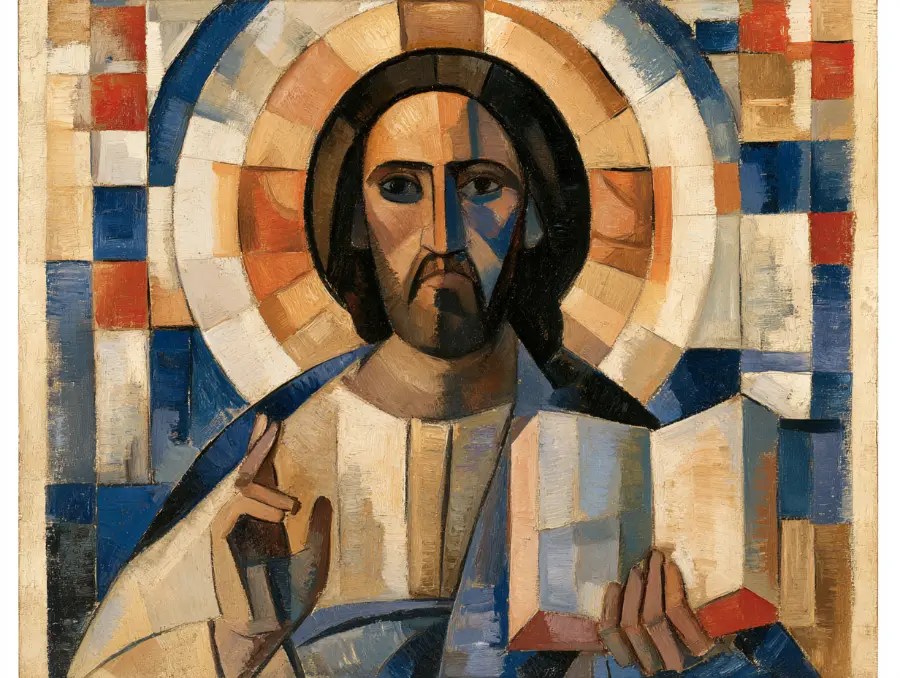
Was Jesus Married to Mary Magdalene, as Some Theories Suggest?
One of the ideas that just keeps popping up and getting a lot of attention is that Jesus was married to Mary Magdalene, and maybe they even had children. This idea has really caught people’s imagination, mostly because of popular novels like Dan Brown’s The Da Vinci Code 2, and even earlier books that were presented as true stories, like The Holy Blood and the Holy Grail.²
But listen closely: despite how popular this idea is in some places, there is absolutely no credible historical evidence from the first centuries of Christianity—not in our precious canonical Gospels, and not in the writings of the early Church Fathers—to support the claim that Jesus was married to Mary Magdalene.¹ In the New Testament, Mary Magdalene is shown as a prominent and devoted follower of Jesus. She was one of the wonderful women who supported His ministry (Luke 8:2-3), she was there at His crucifixion (Matthew 27:55-56), and she was one of the very first to see Him after His glorious resurrection (John 20:11-18).³⁵ But she is never, ever identified as Jesus’s wife.
As we talked about before, references in Gnostic texts like the Gospel of Philip are often taken out of their real context. The word “companion” (koinonos) used for Mary Magdalene in that text doesn’t mean a spouse, and the “kiss” mentioned there likely refers to a spiritual sharing of knowledge, not romantic affection.²
Many of the theories that suggest a marriage between Jesus and Mary Magdalene, and a bloodline from them, actually rely on medieval legends and even modern fakes. For example, some stories try to trace a supposed family line of Jesus and Mary Magdalene through medieval France, often connecting to legends about Mary Magdalene leaving the Holy Land and settling in a place called Provence.³ Historians generally see these stories as “pious frauds”—devotional tales made up in the Middle Ages—or later inventions that have no historical basis.³ A big part of The Holy Blood and the Holy Grail and The Da Vinci Code is something called the “Priory of Sion,” supposedly a secret society protecting this bloodline. But guess what? Investigations have shown that the Priory of Sion, as these books describe it, was a 20th-century hoax, made up in France in the 1950s.²
The overwhelming agreement among biblical scholars, historians, and theologians is that the theory of Jesus being married to Mary Magdalene is just not true and has no credible historical support.² New Testament scholar Bart Ehrman, for instance, in his book Truth and Fiction in The Da Vinci Code, carefully goes through and debunks the historical claims made in Brown’s novel, including the supposed marriage.⁴² Similarly, claims made in 2007 about the “Talpiot Tomb” in Jerusalem, suggesting it held the bone boxes (ossuaries) of Jesus, “Mariamne” (who proponents linked to Mary Magdalene), and a supposed son “Judah,” have been widely rejected by archaeologists and scholars as just speculation and not convincing.³
The reason the Jesus-Mary Magdalene marriage theory keeps going often comes down to a pattern: misinterpreting unclear texts, using sources that have been discredited or are very late, and weaving together unrelated legends into an exciting story of hidden history or conspiracy. This story often hints that the Church has hidden this “truth”.⁶ For some people, this theory isn’t really about historical fact but more about challenging traditional Christian views on sexuality, the role of women, or church authority.¹ It’s so important for us as Christians to be aware of these underlying reasons and to know the difference between real historical searching and fictional or agenda-driven guesswork. Unfortunately, these unfounded marriage theories can also overshadow the genuine scholarly work to understand the true historical role and importance of Mary Magdalene as a leading female disciple in early Christianity. Her role is right there in the Gospels and deserves to be recognized, separate from any made-up marital connection to Jesus.³⁵ Let’s celebrate the truth God has given us!

What Were Jewish Expectations for Marriage and Family in Jesus’s Time?
To get a better picture of Jesus’s life, it’s really helpful to think about what Jewish people in 1st-century Palestine believed about marriage and family. And, did they specifically expect the Messiah to marry and have children? Let’s explore this with an open heart!
Generally speaking, marriage was a very big deal and highly expected for men in 1st-century Jewish society.⁴⁴ The teachings of the rabbis, which were developing during this time, often stressed that marriage was a religious duty. Why? Primarily to have children, to continue the family line, and to keep the Jewish people going.⁴⁴ It was common for men to get married in their late teens or early twenties.⁴⁴ Some rabbis even taught that a man wasn’t truly a complete man until he was married! 44
But being celibate (staying unmarried) wasn’t completely unheard of or condemned in 1st-century Judaism. There were exceptions to the general rule of marriage:
- The Essenes: This was a Jewish group that lived at the time of Jesus. They were known for their devout religious practices, and some of these are written about in the Dead Sea Scrolls. It’s believed that certain communities of Essenes practiced celibacy as part of their commitment to ritual purity and because they were expecting the end times or the coming of the Messiah.⁴⁶ This shows us that a celibate lifestyle, chosen for religious reasons, was a recognized option for some Jews back then.
- Prophetic Celibacy: There was also a tradition of certain prophets in the Old Testament, like Elijah and Jeremiah, being unmarried.⁴⁶ Their celibacy was often seen as connected to the demanding nature of their prophetic work or as a symbolic act related to their message. John the Baptist, who came before Jesus, also seems to have lived a celibate life in the wilderness.⁴⁶
- Rabbinic Exceptions for Study: Even later rabbinic writings acknowledged rare exceptions for celibacy. For example, Rabbi Ben Azzai reportedly stayed unmarried so he could dedicate himself completely to studying the Torah.⁴⁹
About Messianic expectations: the Jewish people in the 1st century had diverse hopes a common idea was the anticipation of a Messiah who would be a descendant of King David.⁵⁰ This Davidic Messiah was expected to be a great leader—a king who would restore the kingdom of Israel, free the people from foreign rule (which was Roman rule at that time), rebuild the Temple in Jerusalem if needed, and bring in an era of justice, peace, and widespread knowledge of God.⁵⁰ The covenant God made with David included the promise of an eternal dynasty through his “seed” or descendants (2 Samuel 7:11-16).⁵³ This promise of a continuing dynasty would naturally suggest that the Messianic king would marry and have children to carry on his family line.
But while the role of a king often involves having a family and heirs, the specific prophecies about the Messiah focused more on his actions, his character (like ruling with wisdom and justice), and the nature of his kingdom, rather than specifically saying he must marry and have children.⁵⁰ There wasn’t a particular prophecy stating, “The Messiah will have a wife and sons,” in the same way there were prophecies about his Davidic lineage or his role in restoring Israel. It’s also important to remember that 1st-century Jewish Messianic expectations were varied; some focused on a triumphant, kingly Messiah (Messiah ben David), while others also spoke of a suffering figure (Messiah ben Yosef).⁵¹ None of these traditional Jewish expectations perfectly matched the person and work of Jesus as Christians understand Him, especially His death and resurrection as an atonement for sin.⁵⁵
So, while marriage was the norm in society, the existence of celibate individuals and groups within Judaism, like the Essenes or figures such as John the Baptist, means that if Jesus chose to be celibate, it wouldn’t have been completely without precedent or impossible to understand in His cultural context. This goes against arguments that suggest Jesus must have been married simply because He was a Jewish man of that time.⁴³
The Messianic expectation of a Davidic king setting up a lasting dynasty could imply marriage and children for the physical continuation of that line. But Jesus spoke of His kingdom as being “not of this world” (John 18:36).⁵⁶ Wow! This changes everything, shifting the understanding of “dynasty” from a purely physical, hereditary line to a spiritual one. The New Testament presents the Church as Christ’s spiritual “bride” and believers as children of God through faith in Him, forming a new, spiritual family. So, the “dynastic” part of Messianic prophecy can be understood as being fulfilled spiritually through the community of believers, rather than through Jesus having physical children. God always has a bigger plan, doesn’t He?
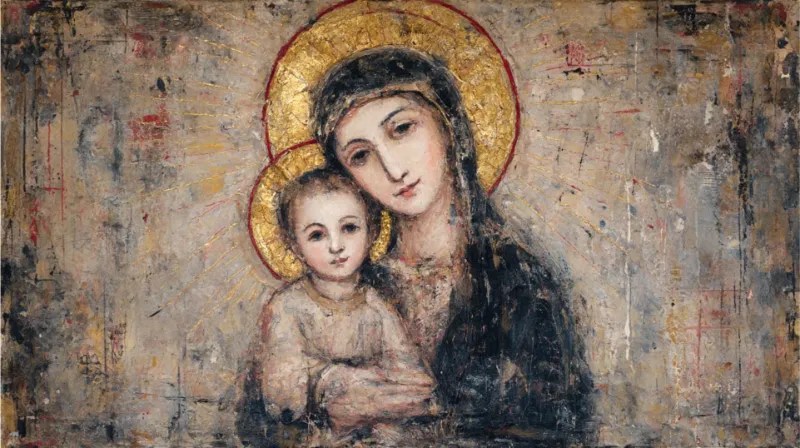
Why Might Jesus Have Chosen to Remain Celibate?
From a Christian heart and understanding, there are several beautiful and interconnected reasons that explain why Jesus likely remained unmarried and didn’t have children. These reasons are so deeply tied to His unique person, His divine mission, and the very nature of the Kingdom He came to establish. Let’s open our hearts to this wisdom!
- Singleness of Purpose and Undivided Devotion: Jesus’s life on this earth was completely dedicated to fulfilling God’s will and accomplishing the amazing work of salvation.⁹ Think about it – the responsibilities and deep affections that come with marriage and raising a family would naturally create divided interests and priorities. His celibacy allowed Him to focus with complete and undistracted devotion on His incredible mission.⁹ The apostle Paul later talked about this very principle in 1 Corinthians 7:32-35, noting that an unmarried person can be focused on the things of the Lord, how to please the Lord, while a married person is also concerned about worldly things, how to please their spouse.⁹
- Itinerant Lifestyle and Lack of a Home: Jesus led such a demanding life, always traveling and ministering, often without a permanent place to call home. He Himself said, “Foxes have dens and birds of the air have nests the Son of Man has no place to lay his head” (Matthew 8:20; Luke 9:58).⁹ This on-the-go and materially simple lifestyle would have made it extremely difficult, if not impossible, to provide for and protect a wife and children in the usual way.⁹
- Knowledge of His Sacrificial Death: The Gospels show us that Jesus knew He had come to suffer and die a sacrificial death for the sins of all humanity (see Mark 8:31, for example).⁵⁶ If He had married and fathered children, He would have been knowingly choosing to leave behind a widow and fatherless children, causing them such deep grief and hardship—a situation He would have foreseen and surely wanted to avoid.⁵⁶
- Avoiding an Earthly Kingdom and Dynastic Issues: If Jesus had married and had children, it could have easily led people to misunderstand His kingdom as an earthly one, with His children seen as heirs to a throne.⁵⁶ This could have created political problems and arguments over who would rule next, distracting everyone from the spiritual nature of the Kingdom of God He proclaimed (John 18:36).
- The Church as His Spiritual Bride: This is a truly powerful theological reason for Jesus’s celibacy: His unique relationship with the Church. In the New Testament, especially in Paul’s writings (like Ephesians 5:25-32), the Church is described as the Bride of Christ.⁵⁶ Jesus’s celibacy can be seen as Him reserving Himself entirely for this spiritual and eternal marriage to His people. A human marriage might have clouded or lessened the powerful meaning of this spiritual union.⁵⁶
- Example of Celibacy for the Kingdom: Jesus Himself spoke about those who choose celibacy for a higher purpose: “For there are eunuchs who were born that way, and there are eunuchs who were made eunuchs by others—and there are those who choose to live like eunuchs for the sake of the kingdom of heaven. The one who can accept this should accept it” (Matthew 19:12).³³ His own life of celibacy can be understood as the ultimate example of this dedicated state. It’s not a command for all His followers, but a special calling for some to serve God with undivided attention.³³
- Anticipating the Resurrection Life: Jesus taught that in the age to come, at the resurrection, people “neither marry nor are given in marriage, but are like angels in heaven” (Matthew 22:30).¹¹ His celibate life on earth can be seen as a beautiful sign pointing towards this ultimate reality and the new order of God’s eternal Kingdom, where our relationship with God will be the most important thing of all.⁵⁷
So, you see, Jesus’s celibacy isn’t viewed by Christian tradition as just Him not being married. It’s seen as a positive and meaningful choice, deeply connected to His identity and His redemptive work. It allowed for an unmatched focus on establishing God’s kingdom and foreshadowed the ultimate union between Christ and the where believers become part of God’s amazing spiritual family.¹¹
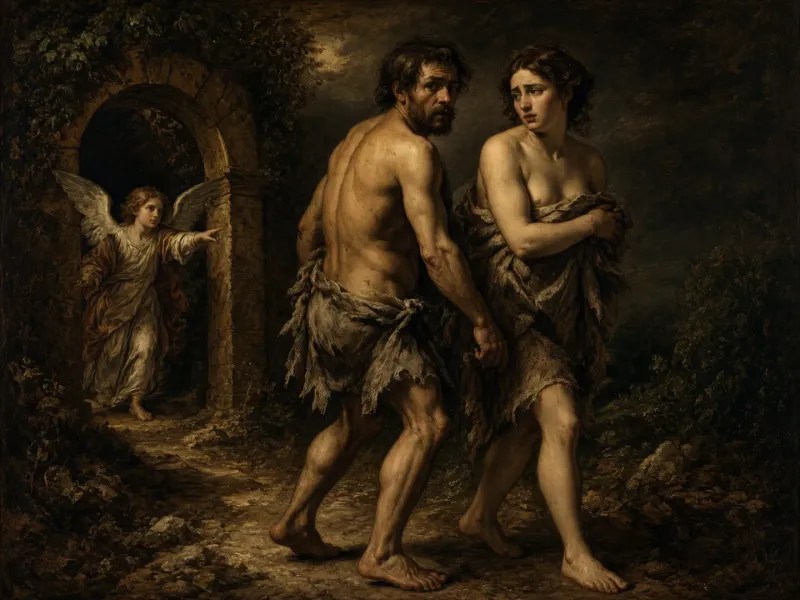
The idea of Jesus as the “New Adam” (1 Corinthians 15:45) adds another wonderful layer to this understanding.⁶⁵ The first Adam’s marriage to Eve led to the physical birth of the human race. The New Adam, Jesus Christ, through His sacrificial death (remember, from His pierced side on the cross flowed blood and water, often seen as symbols of Baptism and the Eucharist, which give spiritual birth to the Church 65) and His spiritual “marriage” to the brings forth spiritual children—that’s us, believers who are born into the family of God through faith! In this light, Jesus’s physical celibacy highlights the spiritual nature of this new creation and the new family He came to establish. His choice of celibacy, in a culture that really valued marriage and children, also shows just how radical the Kingdom He proclaimed was, where spiritual priorities and devotion to God can even come before deeply held cultural norms.⁴⁴ Jesus’s role as the great High Priest (as described in the Letter to the Hebrews) also fits perfectly with His celibacy, showing His total dedication to God and His unique work as the bridge between God and humanity.⁴⁸ His celibacy can be seen as part of His self-emptying (kenosis) and His complete offering of Himself, free from other earthly ties, in order to establish the new covenant. Isn’t God’s plan amazing?

What Are the Theological Implications if Jesus Did Have Children?
While all the good historical and biblical signs point to Jesus not having children, it’s a helpful thought to ask: what if He did? Thinking about this helps us get even clearer on our core Christian beliefs about His amazing nature and His divine mission.
Some folks might say that because Jesus was fully human, He could have married and had children, as these are natural human things to do.²⁹ And from that viewpoint, marriage and having children are good things God created, so Jesus marrying wouldn’t have been a sin in itself.²⁹ If Jesus had fathered children, these children would have been fully human. They wouldn’t have been “demi-gods” or partly divine, no sir.²⁹ Jesus’s divine nature as the Son of God is unique to Him, a result of the Incarnation—God becoming man. Divinity isn’t something that can be passed down through genes like eye color.²⁹ So, any children of Jesus would have inherited His human nature, and just like all other human beings, they would have been born needing salvation.²⁹
But the idea of Jesus having a wife and children brings up some really big theological questions about His mission and who He is:
- Impact on Christ’s Mission and Dedication: A major thought is that an earthly family would have divided Jesus’s focus and dedication.⁶ The Gospels show Him as completely committed to doing the Father’s will and bringing in the Kingdom of God.⁶ The responsibilities of being a husband and father would naturally have competed with the demands of His unique, world-changing mission. This picture of a divided loyalty doesn’t quite fit with the New Testament’s image of His singular, all-in devotion.
- The Church as His Unique Bride: Christian theology talks about the Church as the Bride of Christ, for whom He gave His very life (Ephesians 5:25-32).⁶ If Jesus had an earthly wife, it could make this deep spiritual metaphor a bit confusing or lessen its power and exclusivity. His celibacy is seen as perfectly fitting His role as the one and only Bridegroom of the Church.
- Credibility of Christian Teaching and Tradition: Imagine if it was discovered that Jesus did have children and that this fact was somehow missed or hidden by the Church for two thousand years! It could lead many people to question how reliable Christian tradition and Bible interpretation are on other really important beliefs.⁶ It might make those theories that the Church has actively hidden truths about Jesus seem more believable, like some popular stories claim.⁶
While some theologians suggest that proving Jesus married wouldn’t fundamentally change our core understanding of Him as fully God and fully man, or His ability to be our Savior 29, the biggest theological shake-up would likely be to the story of His unique, all-consuming mission and His exclusive spousal relationship with the Church. The way His life fits so perfectly with His revealed purpose would come into question.
This “what if Jesus had children” idea also helps us get a clearer understanding of how Jesus’s divine and human natures are understood. It reinforces the true Christian teaching, made official at the Council of Chalcedon (way back in 451 AD), that Jesus had “two natures, without confusion, without change, without division, without separation” all in one person.³⁰ Having children is a human act. So, any children would be human, not divine. This just underlines that the Incarnation of the Son of God was a one-time, unrepeatable event, not a new way to pass on divinity.²⁹
The traditional Christian belief that Jesus was not married and had no children is based on the consistent silence of the Scriptures and early Church tradition. It’s not mainly because we think marriage would have been impossible for Him as a human being. Instead, His celibacy is seen as profoundly fitting for His unique person, His unparalleled mission, and His role as the Redeemer of humanity and the Bridegroom of the Church. The concern that “if the Church was wrong about this, what else is it wrong about?” shows that this isn’t just about a biographical detail. It touches on our trust in the sources and traditions that have shaped Christian belief for centuries.⁶ Let’s hold fast to the truth God has revealed!
Why Does It Matter to Christians Whether Jesus Had Children?
The question of whether Jesus had children is so much more than just a historical puzzle for us Christians; it touches the very heart of our faith and how we understand our Lord and Savior, Jesus Christ. Let’s see why this is so important.
- Understanding Jesus’s Unique Nature and Mission: Knowing the truth about Jesus’s family life is directly connected to understanding who He was and what He came to do for us.⁶ The traditional view, the one that fills our hearts with peace, is that His celibacy was a key part of His unique mission as the Son of God. It allowed Him to be completely dedicated to the Father’s will and to establishing His spiritual family, the Church.⁹ If He had an earthly family, it could change how we see His priorities and the very nature of His incredible work.
- The Authority and Sufficiency of Scripture: For most of us Christians, the Bible is God’s inspired and authoritative Word. It gives us everything we need for our faith and life, especially when it comes to salvation.⁴ Since the Scriptures are silent about Jesus having a wife or children, and they even warn us not to add to what is written (Revelation 22:18), accepting such claims based on later, non-biblical, or speculative sources can feel like it’s undermining the authority and completeness of our precious Bible.⁴
- The Foundation of Faith in Truth: Our Christian faith, is meant to be built on truth—truth revealed in Scripture and supported by reliable historical witness.⁷ That’s why it’s so important for us believers to know the difference between teachings that are well-supported and ideas or theories that just don’t have credible evidence.⁹ This means we need to use careful discernment, especially today when misinformation can spread so easily.⁵
- Christ’s Example and Christian Vocation: Jesus’s life is a beautiful model for all His followers. His choices, including His celibacy, have deep theological meaning. While marriage is celebrated as a good and holy path for most, Jesus’s celibacy shows us that it’s not the only way to find fulfillment or serve God. His life demonstrates themes of sacrificial love, singular devotion to God’s kingdom, and the value of different callings, including celibacy for the sake of the kingdom (Matthew 19:12).¹¹ Understanding His celibacy enriches our Christian understanding of both marriage and singleness as valid and honorable ways to live for God.
- Impact on Understanding Christ (Christology): As we’ve talked about, while some might argue that Jesus having children wouldn’t contradict His divine and human natures 29, the traditional Christian understanding is that His celibacy is deeply fitting for His unique role as Redeemer, High Priest, and the Bridegroom of the Church.⁶ Introducing an earthly family could create some tension with these established theological understandings of who He is and what He did.
- Countering Misinformation and Defending Faith: In a world where all sorts of claims about Jesus are made, and some of them go against historical Christian teaching, having clear, evidence-based answers helps us Christians to understand our faith more deeply. It helps us to share it confidently and accurately with others.
The question of Jesus having children touches upon the very core of His identity. Was He mainly an earthly figure whose main legacy might be seen in terms of a physical family line? Or is His primary and eternal significance found in His divine Sonship, His atoning work on the cross, His glorious resurrection, and His ongoing spiritual Headship of the Church? Christian tradition and Scripture overwhelmingly say it’s the latter, friend!56 His “descendants” are understood to be spiritual—all of us who are born into God’s family through faith in Him (John 1:12-13).
For us Christian readers, this discussion isn’t just some academic exercise; it’s also about our spiritual well-being. It’s about holding onto a clear and biblically grounded understanding of Jesus, who is the center of our faith and our relationship with God.⁶ Speculative stories can cause confusion or worry. Providing clear, well-reasoned answers based on Scripture and historic Christian teaching helps us believers navigate these claims and strengthens our confidence in the traditional understanding of Jesus.⁷ It affirms that our faith is built on a solid rock, not on the shifting sands of speculation. The traditional view of Jesus’s celibacy fits so beautifully with a wide range of other core Christian beliefs—His unique mission, the Church as His Bride, the nature of His Kingdom, and His example for a consecrated life. Introducing an earthly family, while not impossible for a human being, would create points of friction with this established theological picture, requiring big adjustments to how His life and work are understood. Let’s rejoice in the clarity God gives!
Conclusion: The Unbroken Focus of the Son of God
after looking closely at the biblical accounts, the teachings of the early Church Fathers, and the nature of historical evidence, the consistent conclusion that mainstream Christian scholarship and tradition have arrived at is that Jesus Christ did not marry or have children.² It’s a truth that brings peace to our hearts! The New Testament, our primary source for Jesus’s life, makes no mention of a wife or any children. This silence is incredibly major, especially when you consider all the details it does provide about other aspects of His family and the families of His followers.
Those theories you might hear, suggesting that Jesus was married, often to Mary Magdalene, and had children? They tend to rely on texts written much, much later, like Gnostic gospels. And these texts, as we’ve seen, are not considered historically reliable for details about Jesus’s earthly life.² Many of these theories have been made popular by fictional books or claims presented as history that just don’t hold up when wise scholars examine them.
The life of Jesus, as shown in our precious canonical Gospels and understood through centuries of Christian faith, was a life of singular and unbroken devotion to His divine mission. What was that mission? To reveal God the Father, to preach the coming of the Kingdom of God, to offer His life as a sacrifice for the sins of all humanity, and to conquer death through His glorious resurrection! His “family” in the deepest and most lasting sense is the Church—that’s all of us who, through faith, become children of God and members of His wonderful household (Matthew 12:48-50; John 1:12-13).¹
Our Christian focus, remains steadfastly on Jesus Christ: His person, His teachings, His atoning death, and His glorious resurrection. These are the truths clearly testified in Scripture, and they are the foundation of our Christian hope and salvation, not speculative details about some supposed hidden earthly family. Jesus’s celibacy is understood not as a denial of His full humanity, but as a powerful affirmation of the unique, all-encompassing nature of His divine mission and His spiritual relationship with all who believe in Him. His life demonstrates an unwavering commitment to the Father’s will and the redemption of humankind, which is the true source of life and hope for the entire world. Let’s celebrate this amazing truth today!


Leave a Reply