
 English
 Chinese
 Dutch
 Arabic
 Spanish
 Portuguese
 Russian
 French
 Italian
 German
 Japanese
Yes. Latter-day Saints celebrate Easter on the same Sunday as most other Christians. Their Easter service is a sacrament meeting given to the death and resurrection of Jesus Christ, with talks, Easter hymns and often a choir. The church holds no Lent or Good Friday services, though it encourages members to study the events of Holy Week.
Their Easter looks toward the risen Christ. There is no cross in their chapels, and since 2020 the church’s symbol has been an image of the risen Lord. Its own teaching on Easter quotes him showing his wounds to the disciples: “Behold my hands and my feet, that it is I myself: handle me, and see” (Luke 24:39). Much divides Latter-day Saints from other Christians, and on that Sunday they still gather to remember a tomb that could not hold him.
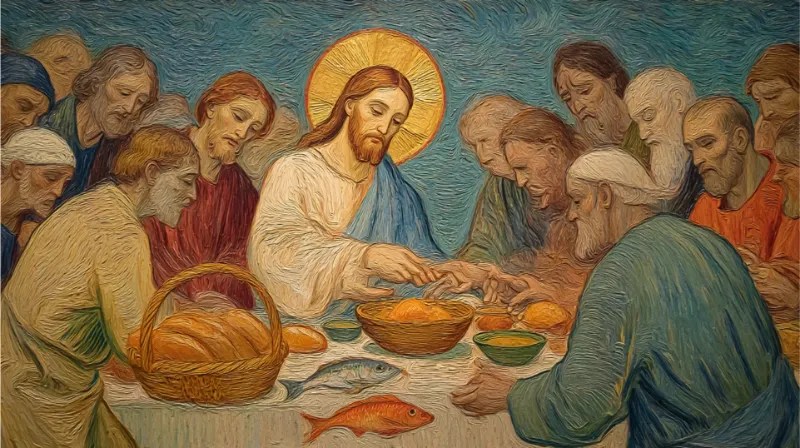
How do Latter-day Saints celebrate Easter Sunday?
The main Sunday service in The Church of Jesus Christ of Latter-day Saints is sacrament meeting. It has prayers, hymns sung by the congregation and sermons, called talks, given by members of the congregation. On Easter Sunday, the church says, the talks “are focused specifically on Jesus’s Resurrection and sacrifice for us.” Congregations sing Easter hymns such as “Christ the Lord Is Risen Today,” ward choirs often perform Easter cantatas, and chapels are often decorated with white lilies. As on every Sunday, members take the sacrament: bread and water, in remembrance of Christ’s body and blood.
The other Sunday meetings, such as Sunday School classes, are canceled on Easter so that families have more time together. Many families read the resurrection accounts at home and share a special meal with family and friends.
Some years Easter coincides with the church’s general conference, held in Salt Lake City on the first weekend of April and broadcast around the world. In 2026 Easter Sunday, April 5, was the last day of the conference, and the church invited the public to its Easter-morning session.

Do Latter-day Saints keep Lent, Palm Sunday or Good Friday?
The church does not keep Ash Wednesday or Lent, and it holds no Maundy Thursday or Good Friday services. Its reference entry on Easter says that Latter-day Saints “conduct Easter Sunday services but do not follow the religious observances of Ash Wednesday, Lent, or Holy Week.” The church follows no calendar of liturgical seasons.
According to the church’s Easter page, many Latter-day Saints mark Palm Sunday and Good Friday “by studying the events of Holy Week, listening to songs about Jesus Christ, and enjoying a special meal with family and friends,” and the church publishes a day-by-day Holy Week study plan.
Palm Sunday has also gained a place in the church’s own worship. In a letter of January 22, 2026, the First Presidency asked congregations to hold a one-hour sacrament meeting on Palm Sunday, March 29, in place of the usual two-hour block of meetings, calling Easter, general conference and Palm Sunday “wonderful opportunities to commemorate the Savior’s Atonement and Resurrection.” In the April 2023 general conference the apostle Ronald A. Rasband called the week that begins on Palm Sunday “the most important week in human history.”
The two Sundays also mark an event in early church history. The Kirtland Temple in Ohio was dedicated on Palm Sunday, March 27, 1836. A week later, on Easter Sunday, April 3, Joseph Smith and Oliver Cowdery recorded a vision of Christ in the temple, now section 110 of the Doctrine and Covenants, in which Christ says: “I am the first and the last; I am he who liveth, I am he who was slain; I am your advocate with the Father” (D&C 110:4).
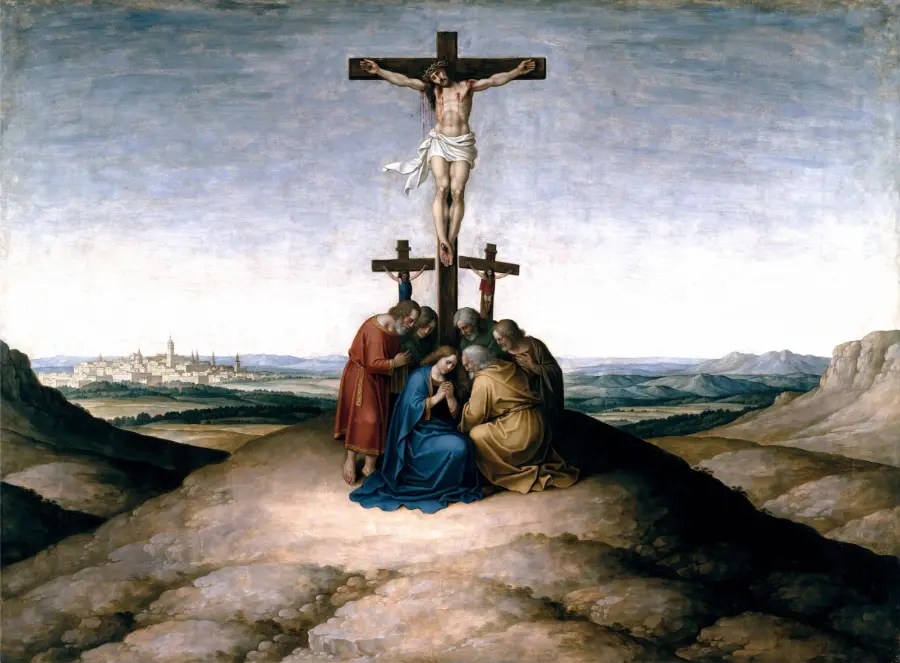
What Easter means in Latter-day Saint teaching
Latter-day Saints believe that Jesus rose bodily, with a body of flesh and bones. The church’s entry on Easter says that after his death his body lay in the tomb, “separated from His spirit, until His Resurrection, when His spirit and His body were reunited.” It quotes the risen Jesus in Luke 24:39: “Behold my hands and my feet, that it is I myself: handle me, and see; for a spirit hath not flesh and bones, as ye see me have.”
The same entry calls Easter “a celebration not only of the Resurrection of Christ but also of the universal Resurrection.” Latter-day Saints teach that every person who has lived will rise, with body and spirit reunited and never separated again. They find this in Paul, “For as in Adam all die, even so in Christ shall all be made alive” (1 Corinthians 15:22), and in the Book of Mormon, where the prophet Amulek teaches that “this restoration shall come to all, both old and young, both bond and free, both male and female, both the wicked and the righteous” (Alma 11:44).
Resurrection comes to everyone; living with God afterward depends on following Christ. The church’s Easter page says that Christ’s victory over death “makes it possible for all of us to live again,” and “if we live Christ’s gospel, we can look forward to living with God and our families for eternity.” Latter-day Saints also place Christ’s suffering for sin in the Garden of Gethsemane as well as on the cross. The same page says that “Jesus suffered for all of our sins as He prayed in the Garden of Gethsemane and was hung on the cross to die.”
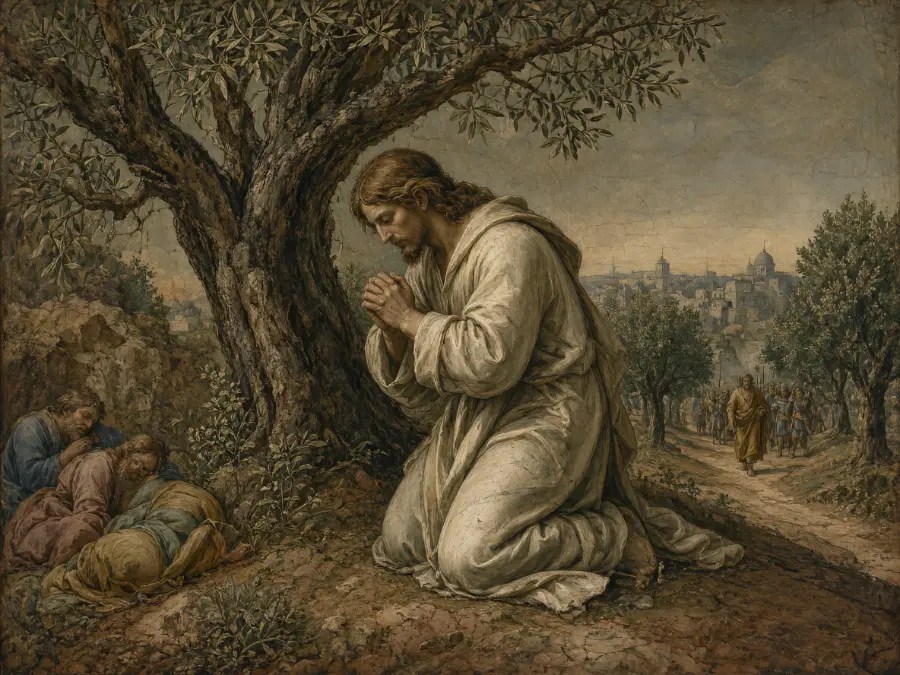
Easter in the Book of Mormon
Latter-day Saint Easter services “traditionally review New Testament and Book of Mormon accounts of Christ’s crucifixion, His Resurrection, and surrounding events.” The Book of Mormon tells of a visit by the risen Christ to people in the ancient Americas, in 3 Nephi 11, which the church calls “the pinnacle event of the Book of Mormon.” Christ invites the crowd to touch his wounds, and “the multitude went forth, and thrust their hands into his side, and did feel the prints of the nails in his hands and in his feet” (3 Nephi 11:15). Latter-day Saints read the account as a witness, alongside the Gospels, that Christ rose in a physical body. Catholic, Orthodox and Protestant churches do not accept the Book of Mormon as scripture, and their Easter readings come from the Bible alone.
Why are there no crosses in Latter-day Saint chapels?
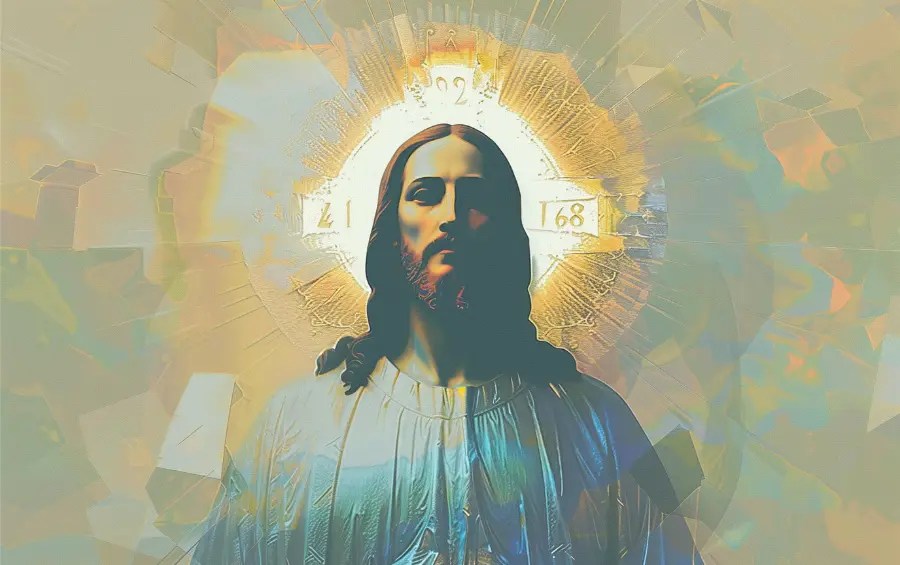
Latter-day Saint chapels have no crosses, at Easter or at any other time. The church’s entry on the cross says that it “does not display the cross on its buildings or in its chapels or classrooms or similar places,” and it also says that Christ’s crucifixion is part of his atoning sacrifice. President Gordon B. Hinckley wrote in 2005: “for us, the cross is the symbol of the dying Christ, while our message is a declaration of the Living Christ.” He added that he did not wish to give offense to other Christians who use the cross. Since 2020 the church’s official symbol has been an image of the risen Christ, based on Thorvaldsen’s marble statue the Christus.
Do Latter-day Saints have Easter eggs and the Easter bunny?
Many do. The church’s Easter page lists decorating eggs, Easter egg hunts, chocolate and other presents, Easter lilies and serving others among the traditions members bring from their own countries. Its reference entry says that Easter bunnies and eggs “are not officially discouraged, though they have no religious significance to Latter-day Saints,” and that “the focus of the holiday is religious.” Behind the eggs and the lilies, the day belongs to the one who said, “handle me, and see” (Luke 24:39).
Related reading
- Do Mormons believe in Jesus Christ?
- Is Easter a Christian holiday?
- Easter eggs in Christian tradition
- Mormonism and Christianity: the main differences
- What Do Mormons Believe? Latter-day Saint Teaching in Their Own Words


Leave a Reply