
 English
 Chinese
 Dutch
 Arabic
 Spanish
 Portuguese
 Russian
 French
 Italian
 German
 Japanese
Latter-day Saints believe that Jesus Christ is the Son of God and the Savior of the world. They believe that after his apostles died the authority of his Church was lost from the earth, and that God gave it back through Joseph Smith, the young American who organized their church in 1830. From that one claim comes nearly everything else that sets them apart: the Book of Mormon beside the Bible, a prophet living among them today, and temples where a family is joined so that death cannot part it.
Family is the word we keep running into when we listen to them. They teach that we were God’s children before we were born, that a husband and wife can stay husband and wife beyond the grave, and that a living person can go down into the water for someone who has died.
We ought to call them what they ask to be called. Their church is The Church of Jesus Christ of Latter-day Saints, a name they say “was given by revelation from God to Joseph Smith in 1838,” and its style guide is direct about the rest: “We ask that the term ‘Mormons’ and ‘LDS’ not be used.” The nickname came from Mormon, the prophet-historian who they believe abridged their scripture. It is still the word most people search for, so it stands in our title, and from here on we will say Latter-day Saints.
Are they Christians? Their church says its members “unequivocally affirm themselves to be Christians,” and their first Article of Faith begins where we would expect: “We believe in God, the Eternal Father, and in His Son, Jesus Christ, and in the Holy Ghost.” Other churches have answered by what they have done. In 2001 the Catholic Church ruled that Latter-day Saint baptism is not valid. The Orthodox Church in America lists them among the “non-Trinitarian groups” whose converts “must be baptized,” and in 2000 the United Methodists said that the Latter-day Saint church “by self-definition, does not fit within the bounds of the historic, apostolic tradition” of the Christian faith. It comes down chiefly to the Trinity of the Nicene Creed, and the Latter-day Saints’ own essay on the question lists first among the reasons usually given that they “do not accept the creeds, confessions, and formulations of post–New Testament Christianity.”
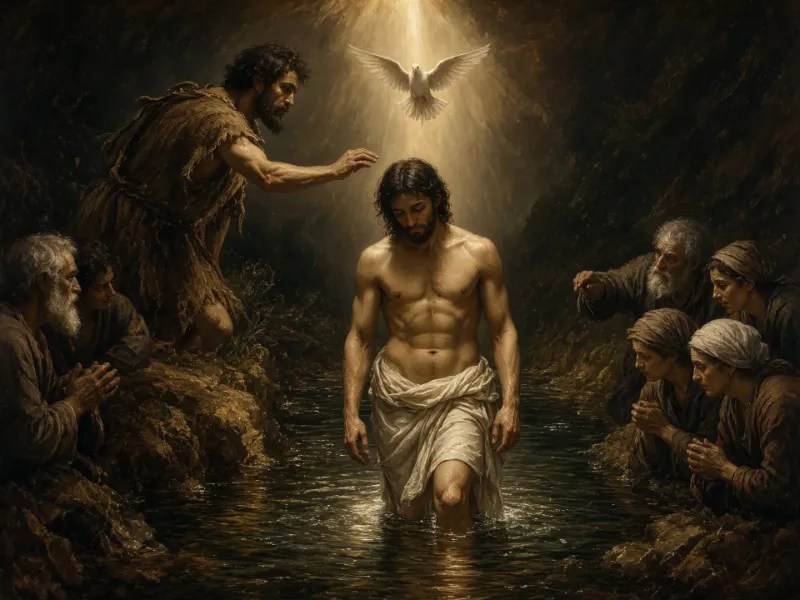
The Godhead and the children of God
Jesus Christ
When Latter-day Saints talk about Jesus, most of what we hear is what we would say ourselves. He is “the Savior of the world and the Son of Heavenly Father,” and “Only by His mercy and grace can anyone be saved.” Joseph Smith was asked once what his people believed, and he answered that the heart of it was the testimony of the apostles and prophets “that he died, was buried, and rose again the third day, and ascended up into heaven,” and that “all other things are only appendages to these.”
On January 1, 2000, the First Presidency and the Quorum of the Twelve Apostles, the men who lead their church, issued a witness of their own called “The Living Christ.” It says of him, “He was the Great Jehovah of the Old Testament, the Messiah of the New,” and “Under the direction of His Father, He was the creator of the earth.” So if a friend asks us whether Latter-day Saints believe in Jesus, we can say yes, and then ask how they understand him and the Father together.
From Gospel Topics: Jesus Christ
The Godhead
Latter-day Saints pray to the Father in the name of Jesus, and when they speak of the Father, the Son and the Holy Ghost together they call them the Godhead. It sounds close to what the rest of us mean by the Trinity, and it means something quite different. “The Father and the Son have tangible bodies of flesh and bones, and the Holy Ghost is a personage of spirit,” and the three are separate beings who share one purpose. So when they read Jesus praying for his disciples, “That they all may be one; as thou, Father, art in me, and I in thee, that they also may be one in us” (John 17:21), they take the oneness of the Father and the Son to be the kind of oneness he asked for his friends.
Those of us who say the Nicene Creed confess the Son as “being of one substance with the Father.” Latter-day Saints have heard that line and set it aside, because they believe the true teaching about the Godhead was lost after the apostles died and had to be given back. Both sides, then, agree on this much, that they are not saying the same thing, and a friend who asks deserves to be told so.
Children of God, and becoming like him
Many of us call God Father every day of our lives, and Latter-day Saints would tell us that the word is more exact than we knew. “We are literally His spirit daughters and sons,” they say, and before we were born we lived with our heavenly parents, a Heavenly Mother as well as a Heavenly Father. Children take after their parents, and so “we each have inherited the potential to develop His divine qualities.”
From Gospel Topics: Children of God
So do they expect to become gods? They do, and the word they use is exaltation. A revelation of July 1843, which tied it to eternal marriage, says of those who keep their covenants, “Then shall they be gods, because they have no end,” and Lorenzo Snow, their fifth President, put it in a couplet, “As man now is, God once was: As God now is, man may be.” About the first half they say very little, and when a reporter raised it with President Gordon B. Hinckley in 1997 he answered, “That gets into some pretty deep theology that we don’t know very much about.” The picture that goes round in the media, of people receiving planets of their own, is one their essay sets aside, saying that “few Latter-day Saints would identify with caricatures of having their own planet.” It grants that the teaching “clearly expands beyond what is understood by most contemporary Christian churches,” and it holds that the children go on being children: “Latter-day Saints believe that God’s children will always worship Him.”
From Gospel Topics Essays: Becoming Like God
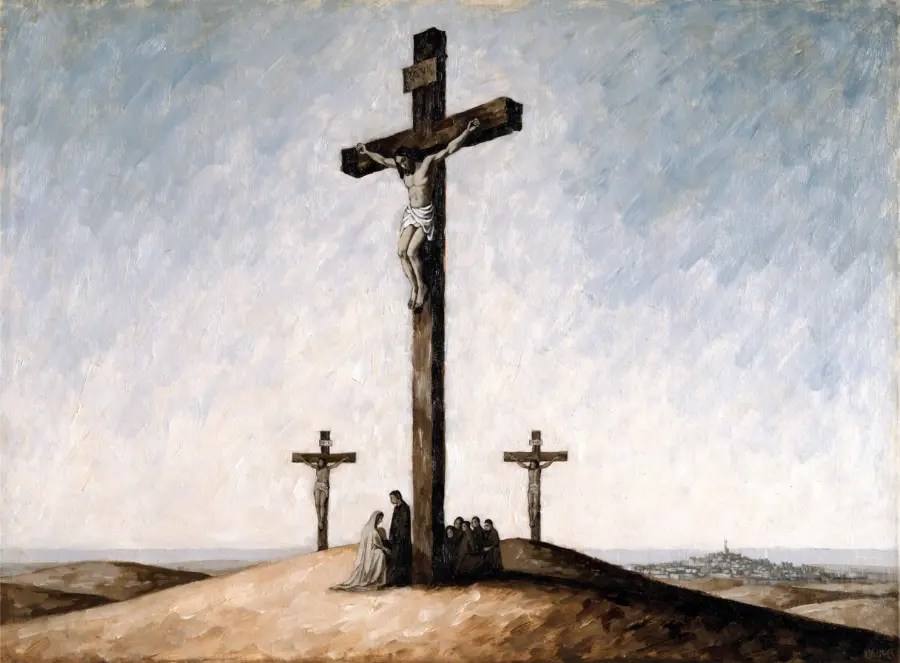
The Restoration, the scriptures and a living prophet
Joseph Smith and the First Vision
All of this goes back to a boy of fourteen who could not decide which church to join. In the spring of 1820, in western New York, Joseph Smith took to heart the line in James, “If any of you lack wisdom, let him ask of God” (James 1:5), and one clear morning he went into a grove near his home to pray. A pillar of light came down on him, he said, and he saw “two Personages, whose brightness and glory defy all description,” and one of them, pointing to the other, said, “This is My Beloved Son. Hear Him!” He asked which church was right and was told to join none of them, since, as the account has it, they believed “in incorrect doctrines,” and “none of them was acknowledged of God as His Church and kingdom.”
From Gospel Topics: First Vision
That is hard to hear if you belong to one of those churches, and Latter-day Saints say it openly. They teach that after the apostles died men corrupted the gospel and the Lord took the authority of the priesthood from the earth, so that what came through Joseph was something given back, and they draw the line themselves: “This is ‘restored,’ not ‘reformed,’ Christianity.” Joseph organized the church in 1830, and fourteen years later, on June 27, 1844, an armed mob killed him and his brother Hyrum. Their church says that its truth rests on the First Vision and the revelations that came after it.
The Book of Mormon
The book that gave them their nickname is, to them, “another witness of Jesus Christ.” They believe prophets in the ancient Americas wrote their words on gold plates, that a prophet-historian named Mormon abridged them, and that Joseph Smith translated them “by the gift and power of God.” Jesus runs all through it, almost 4,000 mentions in its more than 6,000 verses, and its high point, in their telling, is Jesus himself coming to the people of the book after he rose. They ask of every reader what the boy in the grove did with his verse from James, which is to ask God whether the book is true.
From Gospel Topics: Book of Mormon
The Bible
What happens, then, to the Bible? Latter-day Saints love it and read it, and they believe that as it was compiled, translated and copied “many errors entered the text.” That is what their eighth Article of Faith has in mind: “We believe the Bible to be the word of God as far as it is translated correctly; we also believe the Book of Mormon to be the word of God.” Christians who hold the Bible to be without error part from them at those words. Latter-day Saints also believe God has gone on giving scripture, so they read three other books with it, the Book of Mormon, the Doctrine and Covenants and the Pearl of Great Price, and they call the four the standard works.
From Gospel Topics: Bible, Inerrancy of
The prophet and the priesthood
A people who believe God gave back what was lost also believe he has more to say, and their ninth Article of Faith looks ahead to it: “He will yet reveal many great and important things.” The man they listen to first is their President, the senior Apostle, whom they call a prophet, seer and revelator, and they hold that he is “the only person on earth authorized to exercise all priesthood keys.” Most of the speaking they expect is quieter than that, for they teach that God’s word to leaders and members alike comes mostly through the whisperings of the Holy Ghost.
From General Handbook 5: General and Area Leadership
The priesthood, the authority they believe was taken away and given back, is given to worthy men of the church, and their women are not ordained, though every member can act with delegated authority when set apart or assigned to a task. For more than a hundred years, from the mid-1800s until 1978, the church “did not ordain men of black African descent to its priesthood or allow black men or women to participate in temple endowment or sealing ordinances,” and today it “disavows the theories advanced in the past that black skin is a sign of divine disfavor or curse.”
From Gospel Topics Essays: Race and the Priesthood
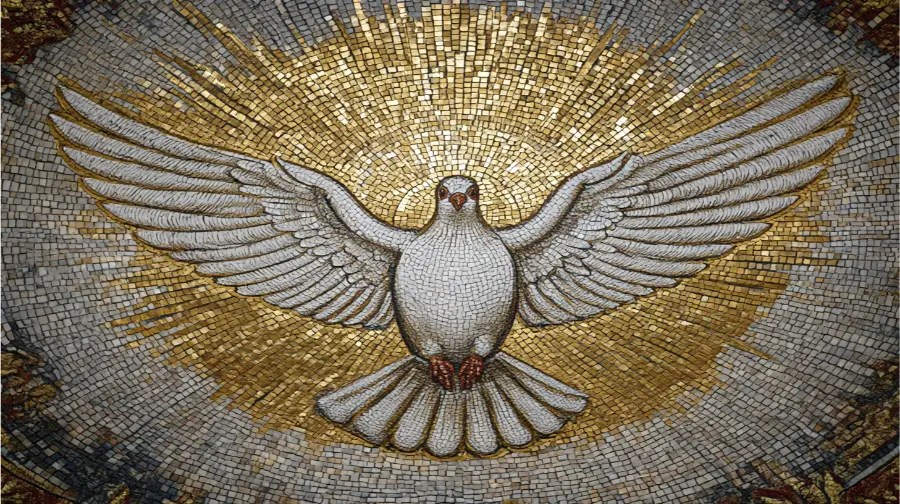
Grace, obedience and what comes after death
Grace and obedience
Suppose we asked a Latter-day Saint, are you saved? Their church says, “The answer might be ‘Yes’ or perhaps it might be ‘Yes, but with conditions,’” because it depends on what we mean. If we mean will you rise from the dead, the answer is yes for everybody, as a free gift from Christ. If we mean are your sins washed away, the answer is yes with conditions, for that takes faith, repentance, baptism and the gift of the Holy Ghost, and it holds as long as a person goes on being faithful. Ask how any of it comes about and they point to Christ and to obedience together, as their third Article of Faith does: “We believe that through the Atonement of Christ, all mankind may be saved, by obedience to the laws and ordinances of the Gospel.” Grace, to them, is the help and strength God gives through that Atonement, and no one, their second Article adds, carries the blame for Adam’s sin.
The three kingdoms of glory
Latter-day Saints hold out a very wide hope for the dead. Those who die wait for the Resurrection in paradise or in spirit prison, and spirit prison, which they also call hell, is a temporary place where the dead are taught the gospel and may repent. After the Resurrection nearly everyone receives a place in one of three kingdoms of glory, and they take Jesus to be speaking of these when he says, “In my Father’s house are many mansions” (John 14:2). The lowest is the telestial, for those who “received not the gospel of Christ, neither the testimony of Jesus,” and who come to it after being redeemed from spirit prison. Above it is the terrestrial, for honorable people “who were blinded by the craftiness of men.” The highest is the celestial, where people “will dwell forever in the presence of God the Father and His Son Jesus Christ.” Only a few, whom they call “the sons of perdition,” are denied a place in any of the three. That is what they mean by the second death, and for those few hell remains.
Joseph Smith had an older brother, Alvin, who died without being baptized. In January 1836 Joseph saw the celestial kingdom in a vision, and Alvin was in it, and the words he heard then reach far beyond his own family: “All who have died without a knowledge of this gospel, who would have received it if they had been permitted to tarry, shall be heirs of the celestial kingdom of God.”
From Gospel Topics: Kingdoms of Glory
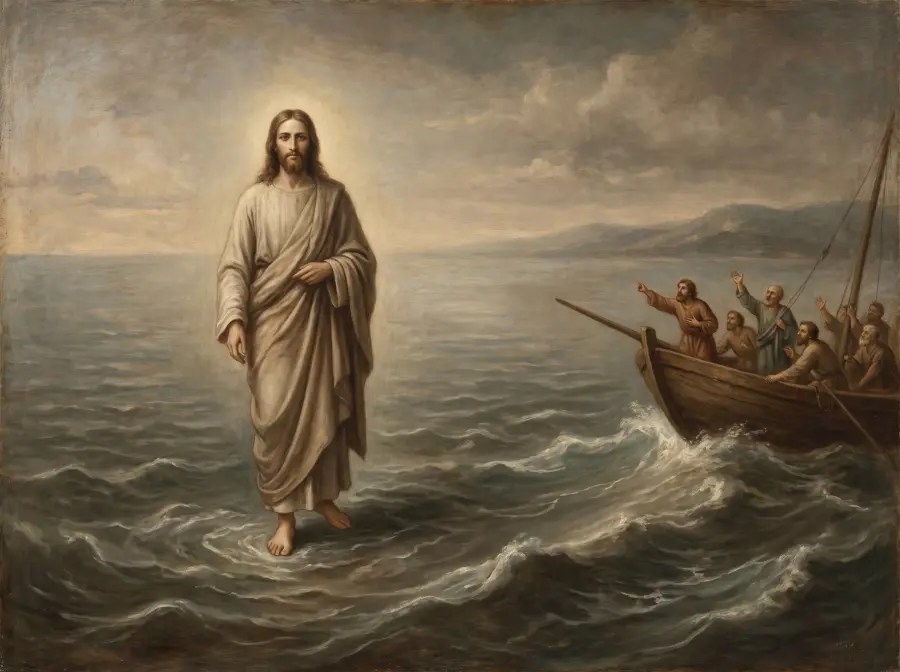
Baptism, the sacrament and the Word of Wisdom
Baptism
For Latter-day Saints baptism is “the first ordinance of salvation and exaltation,” done by immersion “by one having authority,” and we know by now why that authority counts for so much with them. Children wait until they are eight, which they call the age of accountability. The Catholic ruling of 2001 looked at something else, the faith behind the words. Father Luis Ladaria, explaining it in the Vatican’s newspaper, wrote that the Father, Son and Holy Spirit of this teaching “are not the three persons in which subsists the one Godhead, but three gods who form one divinity,” so that the Church “cannot consider true Baptism” this rite. He added in the same article that the decision “obviously does not indicate a judgment on those who are members of the Church of Jesus Christ of Latter-day Saints.”
The sacrament on Sunday
Every Sunday Latter-day Saints share the meal that many of us call Communion and they call the sacrament, and they take bread and water. The bread reminds them of his body and his physical suffering, and “The water is a reminder that the Savior shed His blood in intense spiritual suffering and anguish, beginning in the Garden of Gethsemane and concluding on the cross.” In taking it they renew the covenants they made at baptism, so the promise they made in the water comes round again every week.
The Word of Wisdom
What they will not drink goes back to February 27, 1833, when Joseph Smith received the revelation they call the Word of Wisdom, recorded now as Doctrine and Covenants 89. Their handbook calls it “a commandment of God” and says, “Prophets have clarified that the teachings in Doctrine and Covenants 89 include abstinence from tobacco, strong drinks (alcohol), and hot drinks (tea and coffee).” So the Latter-day Saint who passes up the coffee at our table is keeping what she takes to be a commandment, and we have told the story of why Latter-day Saints avoid coffee on its own page.
From General Handbook 38.7.14: Word of Wisdom and Healthy Practices
Temples and families sealed for eternity
Temples
Temples are where all of this is headed, in their own account. They call them “literally houses of the Lord,” and the meetings, the lessons and the hymns, they say, “all lead to the work done in holy temples.” A member who wants to go in sits down for two interviews with church leaders, and if she is found worthy she is given a temple recommend. Inside she changes her clothes for white, as everyone around her has, and she receives the endowment, a course of instruction and covenants that centers on the Savior. From then on she wears the temple garment, kept out of view, for the rest of her life, as “a constant reminder of the covenants made in the temple.”
Marriage for time and eternity
In the temple a husband and wife “can be sealed to one another for time and all eternity,” and Latter-day Saints believe that afterward “their family can be together forever,” and that “nothing, not even death, can permanently separate them.” They also hold that this marriage is needed for the highest place in the celestial kingdom.
From 1852 until September 1890 Latter-day Saints practiced plural marriage openly. In that month their President issued a Manifesto, and at the April 1904 general conference a Second Manifesto went further and made new plural marriages grounds for excommunication. The church has forbidden new plural marriages since 1904, and it is not affiliated with the polygamous groups of today.
Baptism for the dead
That brings us back to Alvin, and to everyone like him. If baptism is needed and so many have died without it, what becomes of them? “Because God is merciful, He has prepared a way for all people to receive the blessings of baptism,” Latter-day Saints answer, and the way is that in their temples a living person, often a descendant, is baptized on behalf of someone who has died. They find this in Paul, “Else what shall they do which are baptized for the dead, if the dead rise not at all?” (1 Corinthians 15:29), and they believe it was done in his day. Nobody is made a member this way, as they explain it, for the dead “can then choose to accept or reject the ordinances that have been performed on their behalf,” and their names are not added to the church’s records. Other churches do not do this, some of them reject it by name, and we have set out who practices baptism for the dead and how each church reads that verse.
Latter-day Saints hear all of this in the last words of Malachi. Section 138 of their Doctrine and Covenants says that Elijah was to plant in the hearts of the children the promises made to their fathers, “Foreshadowing the great work to be done in the temples of the Lord in the dispensation of the fulness of times, for the redemption of the dead, and the sealing of the children to their parents.” Those of us who read Malachi another way have the same words in our Bibles, and we can want what they promise as much as anyone: “And he shall turn the heart of the fathers to the children, and the heart of the children to their fathers” (Malachi 4:6).
From Gospel Topics: Baptisms for the Dead
How Latter-day Saints differ from their neighbours
- Are Mormons Christian? Latter-day Saints Say Yes, Most Other Churches Say No
- Mormon vs Catholic Beliefs: How the Two Churches Differ on God
- Are Jehovah’s Witnesses and Mormons the Same? How the Two Religions Differ
- Seventh-Day Adventist vs. Mormon Beliefs
- Church of Christ vs. Mormon Beliefs
- Amish vs. Mormon: Two Unrelated Faiths, Born in 1693 and 1830
See every answer for Latter-day Saints and compare with another church
More from this seriesDenominations ComparedSee all 117 articles

Leave a Reply