
 English
 Chinese
 Dutch
 Arabic
 Spanish
 Portuguese
 Russian
 French
 Italian
 German
 Japanese
Catholic, Eastern Orthodox and Coptic Orthodox Christians keep holy images in their churches, painted icons in the Orthodox and Coptic churches and statues as well in Catholic ones, and all three say they venerate the image without worshipping it, because the honour goes on to the person it shows. Protestants answer in several ways, from Luther, who told Wittenberg in 1522 that Christians are free to have images or not, to the Reformed confessions, which forbid any image of God and any image used to worship him. Jehovah’s Witnesses say much the same as the Reformed here, and teach that God “rejects worship given to him through images.”
It is an old quarrel, and both sides of it stand on the same verse. “The Word was made flesh, and dwelt among us” (John 1:14), and because of that, the Orthodox Church in America teaches, “icons are not only permissible, but are spiritually necessary.” The Second Helvetic Confession, the Swiss Reformed confession of 1566, looks at the same mystery and answers, “Although Christ assumed human nature, yet he did not on that account assume it in order to provide a model for carvers and painters.” Both are speaking of the Lord who took a human face for our sake, and they learn opposite things from it about what belongs on a church wall.
| Church | Images in worship? | In its own words |
|---|---|---|
| Catholic | Yes: paintings and statues, venerated | “The honor rendered to an image passes to its prototype” |
| Eastern Orthodox | Yes: icons, venerated | Icons “are spiritually necessary” |
| Coptic Orthodox | Yes: icons, venerated | “We do not worship the pictures or the icons, but we venerate them” |
| Lutheran | Kept, not required; no church statement found | Luther, 1522: “we are free to have them or not” |
| Anglican (Thirty-nine Articles) | Worship of images rejected | Article XXII: “a fond thing vainly invented” |
| Methodist (Articles of Religion) | Worship of images rejected | Article XIV: “grounded upon no warrant of Scripture” |
| Reformed confessions (Heidelberg, Westminster) | No images of God; none used in worship | Heidelberg: “not by dumb images, but by the lively preaching of his word” |
| Reformed Baptists (1689 Confession) | No worship by images | Not “under any visible representations” |
| Church of the Nazarene | Not addressed | “Place the pulpit at the center of the church platform” |
| The Salvation Army | Worshipping images is idolatry | “Traditional ways of worshipping objects and images” |
| Churches of Christ (Apologetics Press) | No veneration | “Not one single biblical text” allows it |
| United Church of Christ, Disciples of Christ | No statement on images | UCC: “the entire creation points to God” |
| Lausanne Movement (evangelical) | Art welcomed; no statement on images | Art “can reflect something of the beauty and truth of God” |
| Pentecostal and Oneness Pentecostal | No statement found | None |
| Amish | Worship in homes, no altars or stained glass | Young Center: “no altars, candles, organs, stained glass windows” |
| Mennonite Church USA | No statement on images | Nothing made by human hands is worthy of “the trust and honor due the Creator” |
| Quaker | Plain worship; no statement on images | William Penn: “the less form in religion the better” |
| Seventh-day Adventist | Religious art, no veneration | “Not part of the Adventist liturgy” |
| Latter-day Saints | Pictures of Christ; no cross | “Does not display the cross on its buildings” |
| Jehovah’s Witnesses | No worship through images | “God rejects worship given to him through images” |
Our free tool, Compare Christian Denominations, sets any two of 23 churches side by side on images and icons and on 54 other questions.
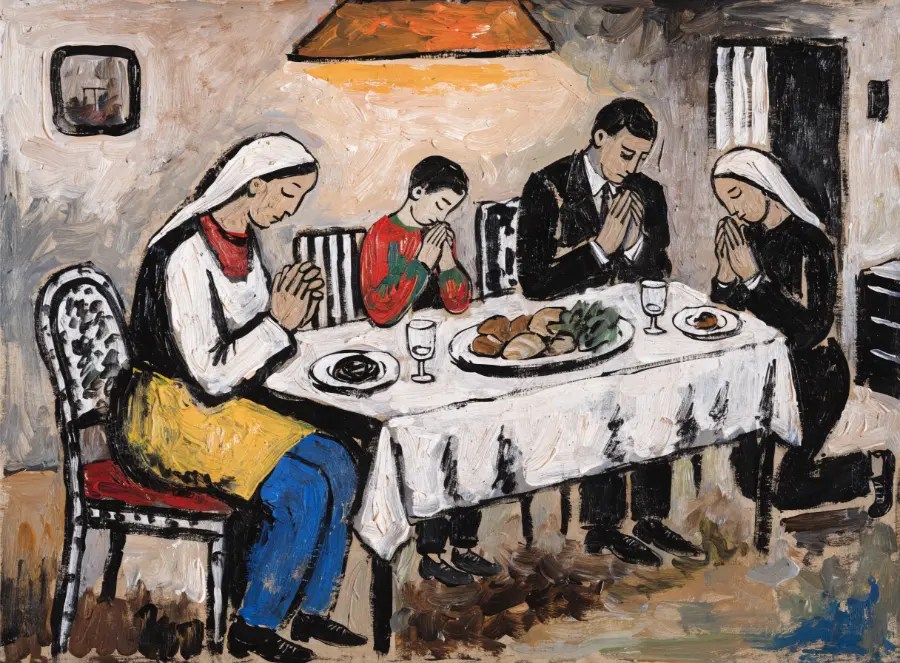
What does the second commandment forbid?
Every church on this page goes back to Sinai: “Thou shalt not make unto thee any graven image, or any likeness of any thing that is in heaven above, or that is in the earth beneath, or that is in the water under the earth. Thou shalt not bow down thyself to them, nor serve them” (Exodus 20:4–5). The Catechism of the Catholic Church counts these words as part of the first commandment and the Reformed catechisms call them the second, which is why the Ten Commandments in order are not numbered alike.
The Heidelberg Catechism, which keeps images out of churches, does not read this as a ban on every picture. “Are images then not at all to be made?” the Heidelberg Catechism asks in Question 97, and it answers, “God neither can, nor may be represented by any means: but as to creatures; though they may be represented, yet God forbids to make, or have any resemblance of them, either in order to worship them or to serve God by them.” So the real quarrel is over two things: whether God himself may be pictured, and whether an image may have a place in worship.
The Bible gives both sides something to hold. Moses reminded Israel that “ye saw no manner of similitude on the day that the Lord spake unto you in Horeb out of the midst of the fire” (Deuteronomy 4:15). Yet God had told him, “thou shalt make two cherubims of gold,” for the lid of the ark (Exodus 25:18), and in the wilderness he told him, “Make thee a fiery serpent, and set it upon a pole: and it shall come to pass, that every one that is bitten, when he looketh upon it, shall live” (Numbers 21:8). Centuries later King Hezekiah “brake in pieces the brasen serpent that Moses had made: for unto those days the children of Israel did burn incense to it” (2 Kings 18:4). The churches have argued over that story ever since.
The Catechism of the Catholic Church grants that the commandment “included the prohibition of every representation of God by the hand of man,” and goes on, “Nevertheless, already in the Old Testament, God ordained or permitted the making of images that pointed symbolically toward salvation by the incarnate Word: so it was with the bronze serpent, the ark of the covenant, and the cherubim.” Apologetics Press, a teaching ministry in the Churches of Christ, answers that “The symbols of the Old Covenant, including the cherubs on the Ark of the Covenant, were never objects of worship.” What Scripture means by an idol is explained in the definition of idolatry.
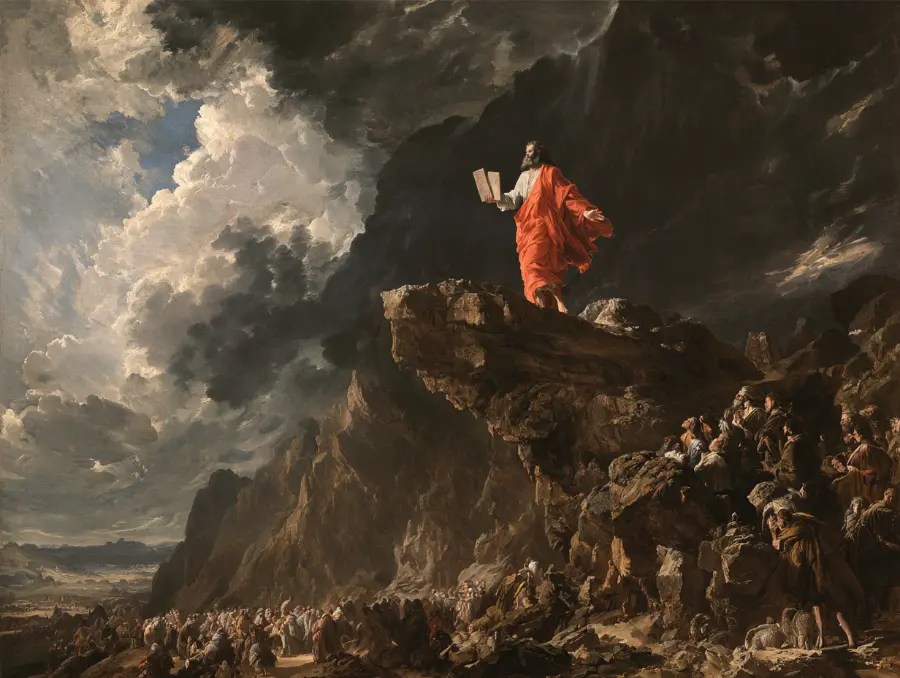
Is venerating an icon the same as worshipping it?
The churches that keep icons say no, and they make the same distinction: the image is honoured, and God alone is worshipped. Catholics and the Orthodox have given the same reason for it since 787. That year the Second Council of Nicaea decreed that images of Christ, of Mary, of the angels and the saints should be set up in churches and homes, and that they were owed “due salutation and honourable reverence,” “not indeed that true worship of faith (latreian) which pertains alone to the divine nature.” Then it gave the reason: “For the honour which is paid to the image passes on to that which the image represents, and he who reveres the image reveres in it the subject represented.”
The Catholic Church still says it in nearly those words. Its Catechism teaches that “The Christian veneration of images is not contrary to the first commandment which proscribes idols,” because “the honor rendered to an image passes to its prototype,” and it calls this honour “a ‘respectful veneration,’ not the adoration due to God alone.”
Coptic Orthodox Christians give the same answer and take their reason from the Gospel. Pope Shenouda III, in his Comparative Theology, points to Jesus’ promise that the Father will honour whoever serves him, and asks, “If the Father venerates His saints, should we not venerate them?” So, he writes, “we do not worship the pictures or the icons, but we venerate them, thus venerating those to whom they belong.”
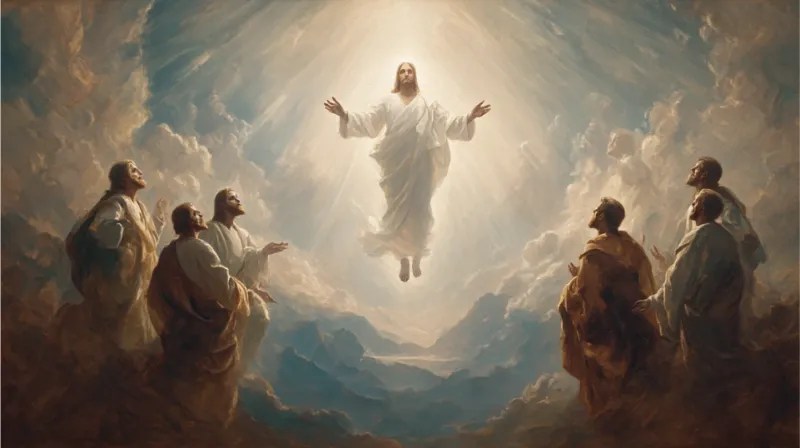
Why do Orthodox Christians say icons are necessary?
Because God became a man who could be seen. John of Damascus made the case in his defence of the holy images, here in Mary Allies’ translation of 1898:
“Of old, God the incorporeal and uncircumscribed was never depicted. Now, however, when God is seen clothed in flesh, and conversing with men, … I make an image of the God whom I see. I do not worship matter, I worship the God of matter, who became matter for my sake, and deigned to inhabit matter, who worked out my salvation through matter. I will not cease from honouring that matter which works my salvation. I venerate it, though not as God.”
Was not the wood of the cross matter, he asks, and the book of the Gospels? “Do not despise matter, for it is not despicable.” The Orthodox Church in America teaches today that icons are “spiritually necessary” and that they are “the witnesses of the presence of the Kingdom of God to us.” Paul calls Christ “the image of the invisible God” (Colossians 1:15), and Jesus told Philip, “he that hath seen me hath seen the Father” (John 14:9).
In 815 the Emperor Leo V had the icons in the churches hung “above the reach of the faithful so that they could not be honored and kissed,” and Theodore the Studite, abbot of the Studion Monastery in Constantinople, was exiled for carrying them in procession that Palm Sunday. The icons came back under the Empress Theodora, with a great procession on March 11, 843, and that Triumph of Orthodoxy “has been celebrated ever since in the Orthodox Church on the first Sunday of Great Lent—known as the Sunday of Orthodoxy.”
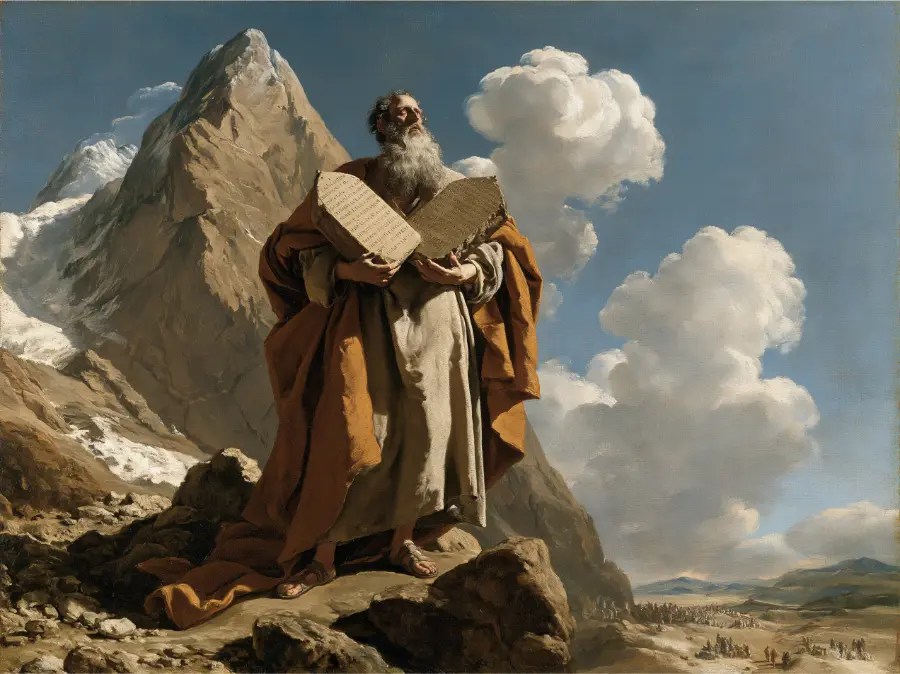
Why do Catholics have statues?
Because the councils Catholics follow never tied holy images to paint. The Second Council of Nicaea asked for them “as well in painting and mosaic as of other fit materials,” and two of the Old Testament images the Catechism points to, the serpent Moses made of brass and the cherubim of beaten gold over the ark, were not paintings at all. The Council of Trent, in its last session in December 1563, took its teaching “especially” from that council at Nicaea. It taught that “the images of Christ, of the Virgin Mother of God, and of the other saints, are to be had and retained particularly in temples, and that due honour and veneration are to be given them,” though “not that any divinity, or virtue, is believed to be in them.” The honour goes on to the ones they show, so that “by the images which we kiss, and before which we uncover the head, and prostrate ourselves, we adore Christ; and we venerate the saints, whose similitude they bear.”
Trent wanted the images to teach as well. Through the stories of our redemption “portrayed by paintings or other representations, the people is instructed,” it said, and Gregory the Great had made the same point long before, in a letter to Serenus, bishop of Massilia. Serenus had broken the images of saints in his church, and most of his own people had stopped receiving communion with him. Gregory praised him for forbidding anyone to adore the images and blamed him for breaking them. “For to adore a picture is one thing, but to learn through the story of a picture what is to be adored is another,” he wrote. “For what writing presents to readers, this a picture presents to the unlearned who behold, since in it even the ignorant see what they ought to follow; in it the illiterate read.”
Where do Lutherans, Anglicans and Methodists stand?
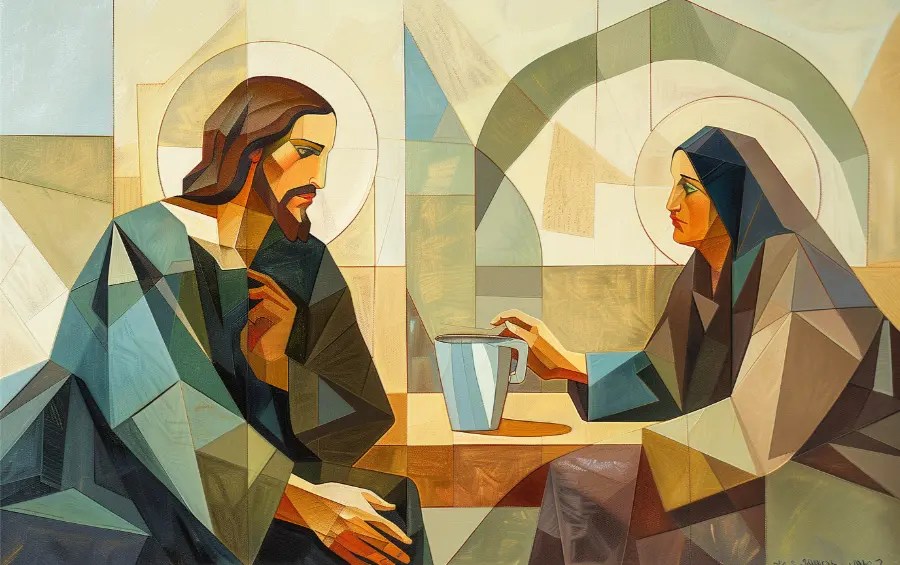
In the winter of 1522, with Luther away at the Wartburg, Carlstadt taught Wittenberg that images in churches were “contrary to the first commandment,” and the townspeople “invaded the church, tore images and pictures from the walls and burned them up.” Luther came home in March and preached, “But we must come to the images, and concerning them also it is true that they are unnecessary, and we are free to have them or not, although it would be much better if we did not have them. I am not partial to them.” He set the commandment beside the serpent and the cherubim and concluded, “we may make images and have images but we must not worship them, and when they are worshiped, they should be put away and destroyed, just as King Hezekiah brake in pieces the serpent erected by Moses.” What he would not allow was force. Paul in Athens, he reminded them, “preached against their idols, but he overthrew none by force.”
We found no statement on images from a Lutheran church body, so for Lutherans we have Luther’s sermons rather than a church’s teaching. The Lutheran Witness, the magazine of the Lutheran Church–Missouri Synod, wrote in 2021 that the crowned Christus Rex crucifix is “an older variation occasionally seen in Lutheran sanctuaries.” More on Lutheran teaching is in what Lutherans believe.
The Church of England’s Thirty-nine Articles, agreed in London in 1562, say in Article XXII that “The Romish Doctrine concerning Purgatory, Pardons, Worshipping, and Adoration, as well of Images as of Reliques, and also invocation of Saints, is a fond thing vainly invented, and grounded upon no warranty of Scripture, but rather repugnant to the Word of God.” The Episcopal Church prints the same Articles among the historical documents in its 1979 Book of Common Prayer. The Methodist Articles of Religion, published by the United Methodist Church, keep nearly the same sentence in Article XIV, calling the worship and adoration of images “a fond thing, vainly invented, and grounded upon no warrant of Scripture.” Read closely, both reject a teaching about worshipping images, and neither says whether a church may have a picture on its wall or a cross on its altar.
Why do the Reformed confessions keep images out of worship?
The Heidelberg Catechism, approved by a synod in Heidelberg in January 1563, puts Gregory’s thought as a question and answers it the other way. “But may not images be tolerated in the churches, as books to the laity?” it asks in Question 98. “No: for we must not pretend to be wiser than God, who will have his people taught, not by dumb images, but by the lively preaching of his word.”
The Second Helvetic Confession teaches that God “cannot really be expressed by any art or image. For this reason we have no fear pronouncing with Scripture that images of God are mere lies.” The Lord, it says, “instituted sacraments, but nowhere did he set up images.” The Westminster Shorter Catechism says it in one line: “The second commandment forbiddeth the worshiping of God by images, or any other way not appointed in his word.” The Presbyterian Church (U.S.A.) holds all three in its Book of Confessions.
Other Protestants share the thought behind these confessions, that worship is shaped by the Word and nothing made by hands is to be bowed to, though each puts it in its own way and some say nothing about images at all. Reformed Baptists confess in the Second London Confession of 1689 that God “may not be worshipped according to the imagination and devices of men, nor the suggestions of Satan, under any visible representations, or any other way not prescribed in the Holy Scriptures.” Mennonite Church USA has no article on images, but its Confession of Faith in a Mennonite Perspective comes close in its article on creation: “Neither the work of human hands, nor the forces of the natural world around us, nor the power of the nations among which we live are worthy of the trust and honor due the Creator on whom they depend.” The Church of the Nazarene says nothing directly about images, though its Nazarene Essentials of 2024 tells us what stands at the front of its churches: “We affirm the sermon as a central feature of the worship experience and place the pulpit at the center of the church platform.” The Salvation Army’s Handbook of Doctrine warns that idolatry “sometimes takes the form of traditional ways of worshipping objects and images,” and in the same breath it names “the worship of the state, of wealth, of status,” which leaves none of us outside the warning. Apologetics Press, a teaching ministry in the Churches of Christ, asks for a text and finds none: “There is not one single biblical text that approves or allows the veneration of images.”
Is it wrong to have pictures of Jesus?
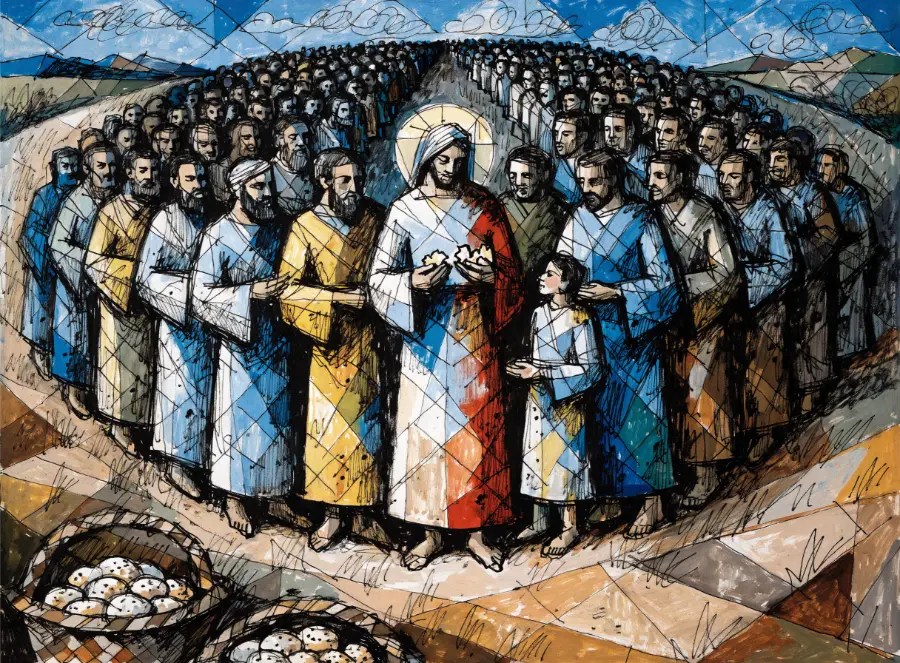
The Westminster Larger Catechism, in Question 109, forbids “the making any representation of God, of all or of any of the three persons, either inwardly in our mind, or outwardly in any kind of image or likeness of any creature whatsoever.” The Son is one of the three persons it names.
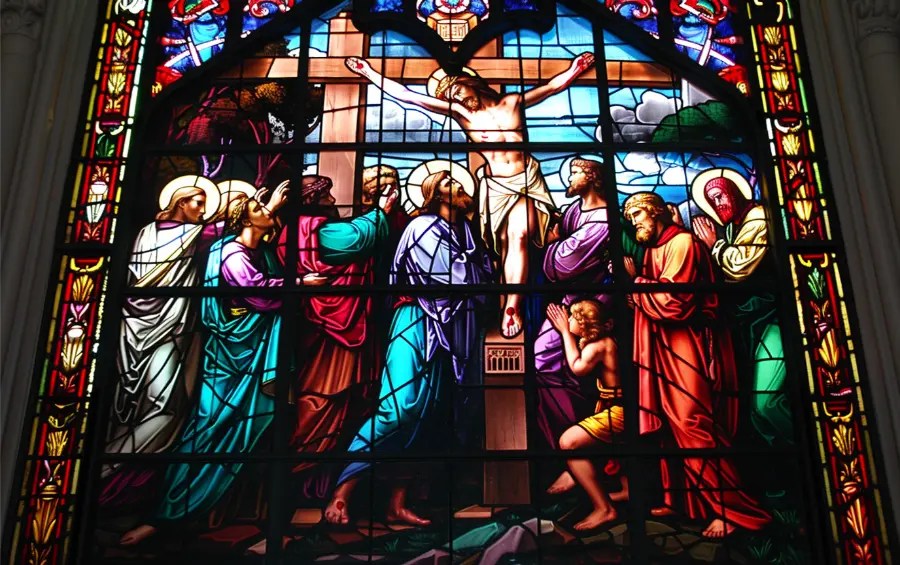
Adventists and Latter-day Saints both make room for pictures of Christ, and each says where it draws its own line. The Biblical Research Institute of the Seventh-day Adventist General Conference says, “The veneration of images or icons is not part of the Adventist liturgy. We instinctively dislike the veneration of objects that represent God and Christ because it suggests the violation of the second commandment,” and yet “some of our churches have stained-glass windows with religious motifs.” The Church of Jesus Christ of Latter-day Saints “does not display the cross on its buildings or in its chapels or classrooms or similar places,” and yet “the official symbol for the Church is an image of the resurrected, living Christ.”
Some churches have never taken up images in worship, and speak of art instead, or of nothing. The United Church of Christ’s Book of Worship says, “To hearts of faith, the entire creation points to God. The arts are called to do the same.” The evangelical Lausanne Movement says in its Cape Town Commitment of 2010 that “Art in its many forms is an integral part of what we do as humans and can reflect something of the beauty and truth of God.” We found no teaching on images from the Christian Church (Disciples of Christ), only its emblem, a chalice marked with Saint Andrew’s cross, of which it says, “The chalice symbolizes the central place of communion in worship.” We found no statement on images from the Assemblies of God or the United Pentecostal Church International either.
Jehovah’s Witnesses, asked on jw.org whether we should worship images, answer, “No, we should not,” and explain, “Since God requires ‘exclusive devotion,’ he is not pleased if we praise or worship images, pictures, idols, icons, statues, or symbols.” In their words, “God rejects worship given to him through images.” They point to the last line of John’s first letter, “Little children, keep yourselves from idols” (1 John 5:21).
Which churches keep worship plainest?
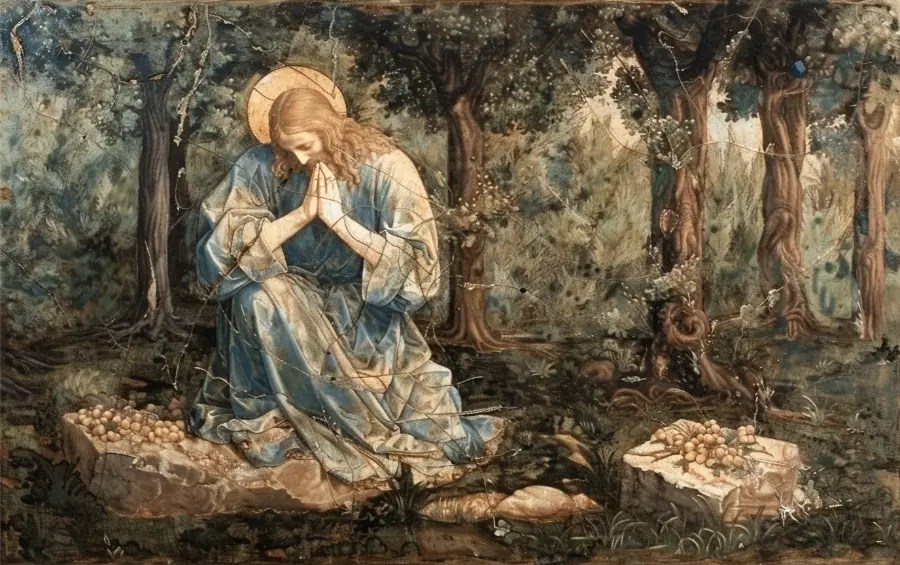
The Amish publish no statement on images, but the Young Center for Anabaptist and Pietist Studies at Elizabethtown College describes their worship: “Because the Amish do not have church buildings, they hold church services in their homes,” and “There are no altars, candles, organs, stained glass windows, choirs, or pulpits.” How their Sunday goes is told in how the Amish worship.
We found no statement on images from the Quakers either, but Britain Yearly Meeting’s Quaker faith & practice keeps a sentence William Penn, the founder of Pennsylvania, wrote in 1693: “the less form in religion the better, since God is a Spirit; for the more mental our worship, the more adequate to the nature of God.” He was leaning on Jesus’ words at the well in Samaria, “God is a Spirit: and they that worship him must worship him in spirit and in truth” (John 4:24).
Hezekiah broke the bronze serpent, and Luther held him up as the pattern for any image that is worshipped. Yet Jesus took that same serpent as a picture of himself: “And as Moses lifted up the serpent in the wilderness, even so must the Son of man be lifted up: That whosoever believeth in him should not perish, but have eternal life” (John 3:14–15). Some of us look to him on a painted panel, some on a crucifix, some with the eyes of the heart in a silent room, and in every one of those places we are looking at the same lifted-up Lord.
Related reading
- Compare Christian Denominations: what 23 churches teach on 55 questions
- Baptist vs Eastern Orthodox beliefs
- Why Catholics pray to Mary: to ask her prayers, not to worship her
- Protestant and Reformation symbols and what they mean
- Jehovah’s Witnesses vs Catholics: how the two faiths differ
- 21 Bible verses about idolatry


Leave a Reply