
 English
 Chinese
 Dutch
 Arabic
 Spanish
 Portuguese
 Russian
 French
 Italian
 German
 Japanese
The Bible never uses the word “self-esteem”, but it shows the way out of it: we learn to trust what God says about us over the voice inside. Our worth does not rest on how we rate ourselves. It rests on the God who made us in his image and loves us.
Gideon knew that voice. When the angel found him, he was threshing wheat down in a winepress, hiding his harvest from the Midianites. The first words he heard were “The LORD is with thee, thou mighty man of valour” (Judges 6:12). Gideon could not see it. “Behold, my family is poor in Manasseh, and I am the least in my father’s house,” he answered (Judges 6:15). God did not argue with him about his family. He said, “Surely I will be with thee” (Judges 6:16). God named Gideon before Gideon believed a word of it. Our healing starts in the same place.
If the feeling of worthlessness has grown into thoughts of ending your life, please speak to someone today. In the United States you can call or text 988, the Suicide and Crisis Lifeline, free and at any hour. Anywhere else, call your local emergency number.
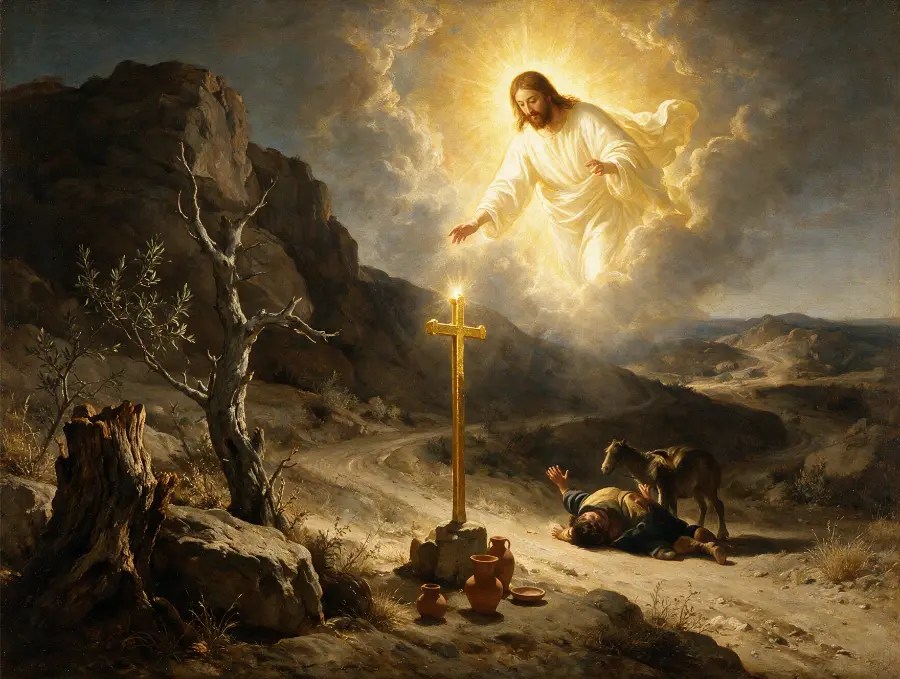
Does the Bible talk about self-esteem?
Not in those words. The King James Bible uses “esteem”, “esteemed”, “esteemeth” and “esteeming” 21 times, and never for our opinion of ourselves. When Paul uses the word, he turns it outward: “in lowliness of mind let each esteem other better than themselves” (Philippians 2:3). And the saddest use of all is about Christ. Isaiah sees a servant who “is despised and rejected of men; a man of sorrows, and acquainted with grief,” and he ends the verse, “he was despised, and we esteemed him not” (Isaiah 53:3). When an Ethiopian official asked whom this chapter meant, Philip “began at the same scripture, and preached unto him Jesus” (Acts 8:35). The Lord we come to with our low opinion of ourselves knows what it is to be held cheap.
What Scripture does give us is the ground under the question. “So God created man in his own image, in the image of God created he him; male and female created he them” (Genesis 1:27). The psalmist looks at his own body and says, “I will praise thee; for I am fearfully and wonderfully made: marvellous are thy works” (Psalm 139:14). The Catechism of the Catholic Church draws the plain conclusion that every person made in God’s image “possesses the dignity of a person, who is not just something, but someone” (paragraph 357). That dignity does not go up on a good day or down on a bad one. It was given, and it stays. There is more on what the image of God means for each of us.
Paul asks for one more thing, and it matters here. He tells every believer “not to think of himself more highly than he ought to think; but to think soberly” (Romans 12:3). To think soberly is to think truly. Pride thinks too much of itself. Low self-esteem thinks too little. Both have stopped listening to God’s own account of us.

Who in the Bible had low self-esteem?
Many of the people God used most began by telling him they were the wrong choice.
Moses asked, “Who am I, that I should go unto Pharaoh?” (Exodus 3:11). God did not answer the question about Moses. He answered with himself: “Certainly I will be with thee” (Exodus 3:12). Then Moses pleaded his weakness: “I am not eloquent… but I am slow of speech, and of a slow tongue” (Exodus 4:10). Again God’s reply was not a speech about Moses’ gifts: “Now therefore go, and I will be with thy mouth, and teach thee what thou shalt say” (Exodus 4:12).
Jeremiah was sure he was too young: “Ah, Lord GOD! behold, I cannot speak: for I am a child.” And God answered, “Say not, I am a child… Be not afraid of their faces: for I am with thee to deliver thee” (Jeremiah 1:6–8).
Mephibosheth, Jonathan’s son, was lame in both feet and the grandson of a fallen king. When King David sent for him, he fell on his face. David promised him his grandfather’s land and a place at the royal table for life: “thou shalt eat bread at my table continually” (2 Samuel 9:7). Mephibosheth could only answer, “What is thy servant, that thou shouldest look upon such a dead dog as I am?” (2 Samuel 9:8). The king did not take back a word. Scripture closes the story with Mephibosheth eating “continually at the king’s table” (2 Samuel 9:13).
Leah lived with being the wife who was not loved, and the Bible says it without softening: “the LORD saw that Leah was hated” (Genesis 29:31). She named her first sons in hope that her husband would love her at last. With the fourth, something turned. “Now will I praise the LORD,” she said, and called him Judah (Genesis 29:35). From Judah came King David, and from David’s line, Jesus.
Paul called himself “the least of the apostles, that am not meet to be called an apostle, because I persecuted the church of God.” In the next breath he said, “But by the grace of God I am what I am” (1 Corinthians 15:9–10).
Look at what God says to each of them. He hardly ever tells them they are better than they think. He tells them he will be with them. The answer to Moses’ “Who am I?” was “Certainly I will be with thee”.
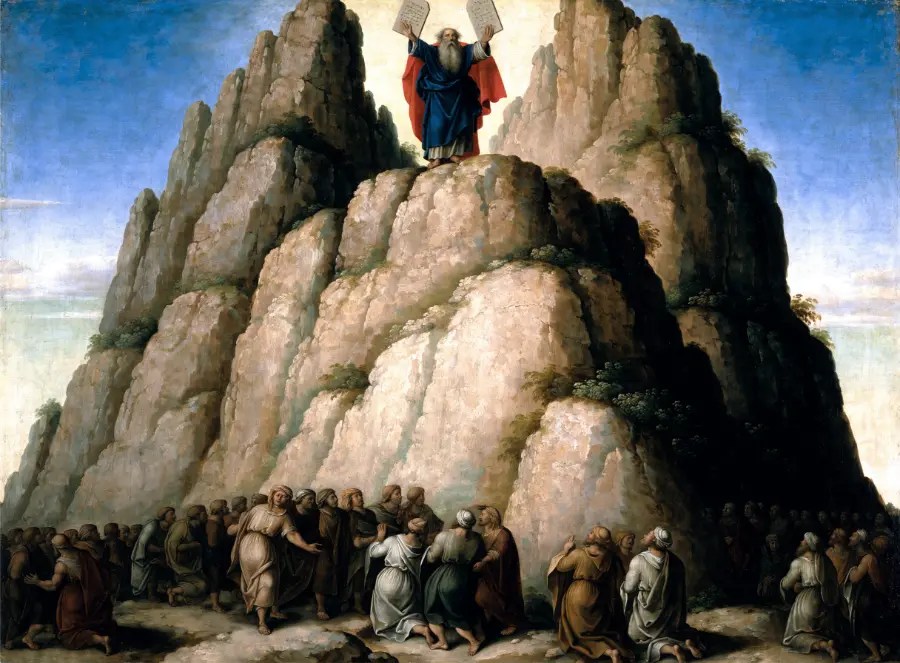
Is low self-esteem a sin?
No. Scripture never calls the feeling of being worthless a sin. It is a wound, and God draws near to wounds. “The LORD is nigh unto them that are of a broken heart” (Psalm 34:18). “Like as a father pitieth his children, so the LORD pitieth them that fear him. For he knoweth our frame; he remembereth that we are dust” (Psalm 103:13–14). He is not waiting for us to feel better about ourselves before he comes close.
The feeling can lead somewhere harder, though. When we keep calling ourselves useless, we can start refusing what God offers: his forgiveness, his call, the people he sends to love us. Gideon came close to that. He asked for a sign that God was really speaking (Judges 6:17), and then for two more with a fleece of wool (Judges 6:36–40). God was patient with him, and he is patient with us. Jesus said the second great commandment is “Thou shalt love thy neighbour as thyself” (Mark 12:31). That command does not ask us to despise the one person we cannot get away from.
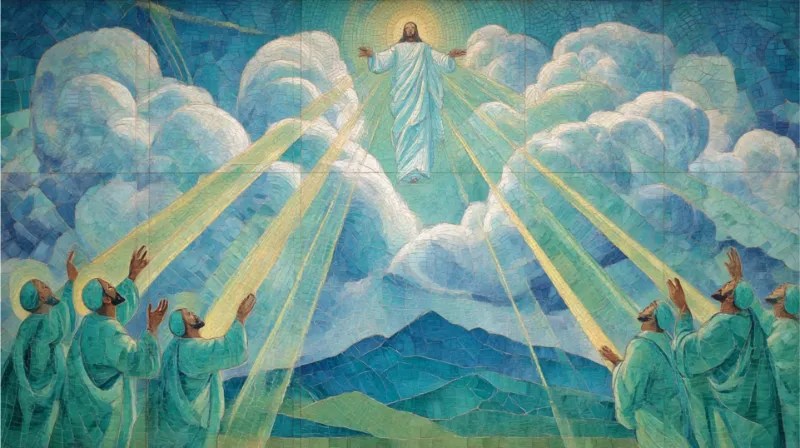
Bible verses for low self-esteem
These are verses to keep where you will see them, to read slowly when the old voice starts up:
- “I will praise thee; for I am fearfully and wonderfully made” (Psalm 139:14). You were made with care.
- “Fear not: for I have redeemed thee, I have called thee by thy name; thou art mine” (Isaiah 43:1). You belong to someone.
- “Since thou wast precious in my sight, thou hast been honourable, and I have loved thee” (Isaiah 43:4). God spoke these words to Israel, and many Christians hear them as spoken to every believer.
- “For we are his workmanship, created in Christ Jesus unto good works” (Ephesians 2:10). God has good works prepared for you to walk in.
- “Behold, what manner of love the Father hath bestowed upon us, that we should be called the sons of God” (1 John 3:1). We are his children.
- “For the LORD seeth not as man seeth; for man looketh on the outward appearance, but the LORD looketh on the heart” (1 Samuel 16:7). He sees what others miss.
- “My grace is sufficient for thee: for my strength is made perfect in weakness” (2 Corinthians 12:9). Weakness is where his strength shows.
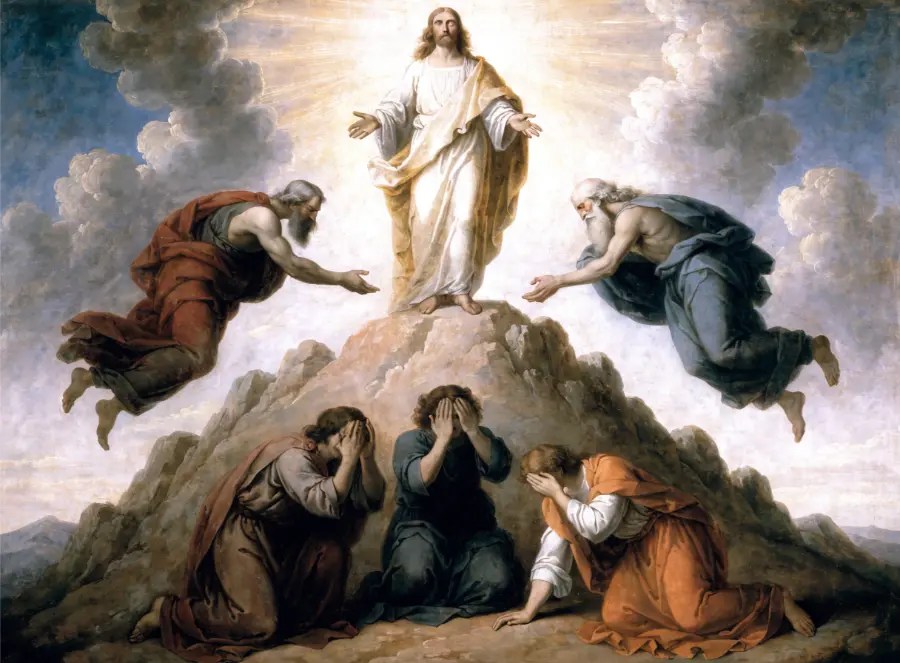
How can a Christian overcome low self-esteem?
Slowly, and not alone. Each of these steps can begin this week.
Answer the voice with what God says
Most of us carry sentences about ourselves that we have repeated for years: I always fail, nobody would miss me, I am the least in my father’s house. Write them down. Then, beside each one, write what God says, from the verses above or from your own reading. Paul calls this “bringing into captivity every thought to the obedience of Christ” (2 Corinthians 10:5). Britain’s NHS gives much the same advice. It tells people with low self-esteem to “identify the negative beliefs you have about yourself, then challenge them”, and to keep a list of good things others have said about them where they can see it.
Bring the feeling to God in prayer
The Psalms are full of people telling God exactly how low they feel. We are allowed to do the same. Pray the truth as it is, and then pray one verse back to him. Leah did not stop being unloved by Jacob, but she found a way to say “Now will I praise the LORD.” Praise did not change her marriage. It changed where she looked.
Let other believers carry some of it
“Bear ye one another’s burdens” (Galatians 6:2). Tell one trusted friend, a pastor or a priest what you have been telling yourself. Low self-esteem grows in hiding, and Gideon was hiding when God found him. The NHS gives the same counsel from another side: spend less time with people who bring you down and more with people who appreciate you.
Do one thing you are afraid of
God’s word to Gideon, to Moses and to Jeremiah was the same: go. We do not wait to feel worthy before we serve. Visit someone lonely, offer to help at church, say yes to one small task you would normally refuse. Then say no to one demand you would normally accept out of fear. Small acts done with God teach us, over time, that he meant what he said.
Get help when it runs deep
Sometimes low self-esteem is part of something heavier. The NHS warns that over time it “can harm your mental health and lead to problems such as depression and anxiety,” and that talking therapies “like counselling or cognitive behavioural therapy (CBT) can help.” Seeing a counsellor or a doctor is not a failure of faith. Being depressed is not a sin either, and the God who made our minds works through those who care for them.
If your deeper question is who God says you are, our page Who does God say I am? takes it up verse by verse.
Gideon went down to the winepress that morning thinking he was nobody, and God called him mighty before he had done a thing. The same God speaks over us now, in the words the prophet Zephaniah spoke to Jerusalem: “he will rejoice over thee with joy; he will rest in his love, he will joy over thee with singing” (Zephaniah 3:17).



Leave a Reply