
 English
 Chinese
 Dutch
 Arabic
 Spanish
 Portuguese
 Russian
 French
 Italian
 German
 Japanese
That word “predestination” might sound a little heavy, maybe even a bit confusing. For many of us who love the Lord, it can bring up some deep thoughts or even a little worry. It’s a topic that good people have talked about and explored for a long, long time in our Christian family, and it touches on some really big and wonderful questions about God’s incredible power, our freedom to choose, and the amazing gift of salvation.¹ But you know what? At its very heart, this idea of predestination is all about the Bible telling us that our good God has a wonderful plan and a special purpose for everything He created, and that includes you and me! This article is all about shining a light on what the Bible says about this, giving you a clear and hopeful look to help you understand this sometimes tricky subject with more peace and confidence. We’re not here to settle every single debate to give you a friendly guide to understanding all the different sides of this important discussion, all based on God’s Word.
What does “predestination” really mean in our Christian walk?
So, when we talk about “predestination” as believers, what are we really saying? Well, it generally means believing that our amazing God, way back before He even started creating everything, already knew and decided that certain things would happen, especially when it comes to His wonderful plan to save people.¹ It’s all about God knowing things beforehand and working out His beautiful purposes in the world.
One of the most well-known ways to think about it came from a great teacher from way back in the 16th century, John Calvin. He said predestination is like “the eternal decree of God, by which he determined with himself whatever he wished to happen with regard to every man”.³ That’s a powerful way of saying God has a big, loving hand in how things turn out.
It’s super important to know that this isn’t the same as “fatalism” – that’s the idea that everything is just stuck on one track and our choices don’t make a bit of difference. And it’s not just “determinism” like some philosophers talk about, where every single thing is just an automatic result of what happened before.¹ No, even though Christian predestination teaches that our salvation is ultimately because of God’s big, eternal decision, many of our traditions also say loud and clear that we humans make real choices, and we’re responsible for them!1 How those two big ideas – God’s amazing plan and our ability to choose – fit together, well, that’s what this whole wonderful discussion is about.
The truth is, not everyone agrees on the exact dictionary definition of “predestination,” and that’s okay! It often depends on the way different folks understand God’s Word.¹ This just shows how big and awesome this topic is, trying to hold two powerful truths together.
Throughout history, different ways of understanding predestination have come up. We can see about three main kinds of ideas 1:
- Predestination based on God knowing beforehand: This view, which you might hear called Arminianism, suggests that God, in His incredible wisdom, predestined for salvation those people He knew, from way back, would freely choose to believe in Him.
- Double predestination: This idea, often connected with Calvinism, teaches that God, from all eternity, didn’t just decide who would be saved (He calls them the elect) also who would not be saved (He calls them the reprobate).
- Predestination to salvation because of God’s grace, with not being saved as a result of human choices: This way of looking at it, which you can find in the writings of some really influential people like St. Augustine, Martin Luther, and Thomas Aquinas, says that salvation is all because of God’s undeserved kindness, His grace, and so it’s His predestination. But if someone isn’t saved, it’s because of their own sin and choices.
The fact that this idea of predestination has been talked about since way back in the 4th century, and great thinkers like Augustine, and later the Reformers in the 16th century, really dug into it, shows that its meaning has been explored and polished over hundreds of years, often as people asked tough questions.² So, understanding “predestination” means understanding these different ways of thinking and the times they came from, not just looking for one simple definition. It’s about seeing the bigger picture of God’s amazing ways!
Where does the Bible talk about predestination?
The wonderful idea that God has an amazing, sovereign plan and makes choices based on His perfect will isn’t just in one little corner of the Bible; you can see it shining through in both the Old and New Testaments!4 Even though the exact word “predestination” pops up more in the New Testament, the beautiful truth of God’s choosing purpose is woven all through His Word.
In the Old Testament – God’s Plan from the Start!
The Old Testament lays a wonderful foundation for understanding God’s sovereign choices.
- Think about God’s choice of Abraham and his family to be His special people (you can read about it in Genesis 12:1-3). This amazing selection was all God’s idea, His purpose, not because Abraham was perfect or had earned it.⁴
- And the prophet Jeremiah! God told him something so powerful: “Before I formed you in the womb I knew you, before you were born I set you apart; I appointed you as a prophet to the nations” (Jeremiah 1:5).⁴ Wow! That shows God knew him and had a special plan for him even before he was born.
- Proverbs 16:4 tells us, “The LORD works out everything to its proper end— even the wicked for a day of disaster”.⁵ That’s a big thought, suggesting God’s incredible plan covers everything.
These Old Testament examples, even if they don’t always use the word “predestinate,” show us again and again that God is in control, He takes the first step, and He plans things out with love and wisdom.
In the New Testament – God’s Plan Revealed Even More Clearly!
The New Testament, especially when the Apostle Paul is writing, gives us even more direct language about predestination. The Greek word that often gets translated as “predestined” or “foreordained” is proorizo. It literally means “to mark out before, to decide before, predetermine in advance”.⁶ Isn’t that something?
- Romans 8:29-30 is a real cornerstone passage, friends: “For those God foreknew he also predestined to be conformed to the image of his Son, that he might be the firstborn among many brothers and sisters. And those he predestined, he also called; those he called, he also justified; those he justified, he also glorified.” This beautiful sequence is often called the “golden chain of salvation,” and it shows how God lovingly leads us from knowing us beforehand all the way to glory, all started and finished by Him!1
- Ephesians 1:4-5 is another powerful one: “For he chose us in him before the creation of the world to be holy and blameless in his sight. In love he predestined us for adoption to sonship through Jesus Christ, in accordance with his pleasure and will.” This tells us that God’s choice and His predestination of us believers happened “before the creation of the world”! And it was all because of “his pleasure and will.” That just shows God’s amazing initiative and His incredible love for us.⁴
- Ephesians 1:11 goes on to say, “In him we were also chosen, having been predestined according to the plan of him who works out everything in conformity with the purpose of his will”.⁵
- And there are other really important New Testament verses too:
- Acts 13:48: “…and all who were appointed for eternal life believed.” 5
- John 6:44: Jesus Himself says, “No one can come to me unless the Father who sent me draws them…” 5
- John 15:16: Jesus tells His disciples, “You did not choose me, but I chose you and appointed you…” 5
- 1 Peter 1:2: Believers are described as “chosen according to the foreknowledge of God the Father.” 5
- 2 Timothy 1:9: Paul writes that God “has saved us and called us to a holy life—not because of anything we have done but because of his own purpose and grace. This grace was given us in Christ Jesus before the beginning of time”.⁵
It’s good to remember that how we understand these amazing verses is often where the different loving discussions about predestination come from. For example, what does “foreknew” in Romans 8:29 really mean? Is it God just knowing ahead of time what we’ll choose, or is it a more active, choosing love? How you see that can really shape your view of predestination.¹ And people also talk about who exactly is predestined: is it certain people, just the apostles, or a whole group of people who are “in Christ”?⁶ So, just listing verses isn’t quite enough; as believers, we should know that the exact meaning of these powerful words from God is a big part of the ongoing, wonderful discussion.
How does predestination fit with our free will? Can they both be true? (Yes, with God, all things are possible!)
how God’s amazing plan of predestination and our own God-given free will work together is probably one of the biggest, most thought-about parts of this whole discussion.⁴ For hundreds of years, wise theologians and everyday believers just like us have wondered how these two incredible ideas can both be true. And you know what? The Bible itself seems to say yes to both God’s sovereign power and our human responsibility.
The Bible Shows Us We Have Free Will:
God’s Word gives us so many examples where people are clearly making choices:
- Think about Adam and Eve in that beautiful Garden of Eden (you can read it in Genesis 2-3). God gave them a clear instruction they had the freedom to obey or not. Their choice to eat the fruit they weren’t supposed to is a big example of using free will.⁴
- In Deuteronomy 30:19, Moses put a clear choice before the Israelites: “This day I call the heavens and the earth as witnesses against you that I have set before you life and death, blessings and curses. Now choose life, so that you and your children may live”.⁴ Choose life! That’s a powerful invitation to use their will.
- And in the New Testament, when Jesus invited people with those wonderful words, “Come, follow me” (Matthew 4:19), it sounds like people had a choice to make, doesn’t it? And that picture of Jesus standing at the door and knocking in Revelation 3:20 (“If anyone hears my voice and opens the door, I will come in…”) – that suggests He’s waiting for us to willingly open up.⁴
The Big Question in Our Hearts:
The question that seems to pop up is this: if God has already planned everything, including who will be saved, some folks wonder if our free will is just an illusion. And on the other side, if we humans have the ultimate free will to choose or say no to salvation, some wonder if that means God’s predestination depends on what we decide, which might seem to limit His amazing power. It’s interesting that way back when people first started talking about predestination, they were already thinking about free will too, so these ideas have always been linked.²
Ways to See Them Working Together in Harmony:
Wise people of God have thought of different ways these two truths – God’s plan and our free will – might beautifully work together:
- Compatibilism – They Can Be Friends!: This is the idea that free will and God’s sovereign plan (maybe even a kind of God-ordained direction) can actually get along just fine. It suggests that God’s amazing purposes and our free choices can happen at the same time, maybe in different ways or like two parts of a beautiful song.⁴
- Proverbs 16:9 gives us a hint: “In their hearts humans plan their course, but the LORD establishes their steps”.⁴ We make our plans, but God guides our steps!
- Philippians 2:12-13 gives us another angle: “…continue to work out your salvation with fear and trembling, for it is God who works in you to will and to act in order to fulfill his good purpose”.⁴ This sounds like our effort and God’s work go hand-in-hand.
- God’s Amazing Foreknowledge: Some wonderful Christian traditions, like Arminianism, suggest that God’s predestination is based on Him knowing, way ahead of time, who would freely choose to believe in Him.¹ St. Augustine, who had some really deep thoughts, also talked about how God’s knowing things beforehand, since He’s outside of our kind of time, doesn’t necessarily force our choices in a way that takes away our freedom.⁸ Thinkers from the Eastern tradition, like Origen and John Chrysostom, also talked about God knowing our choices in advance, because God’s relationship with time (He sees it all at once, like an eternal which they called kairos) is different from how we experience it, one day at a time.¹⁰ This idea suggests that maybe the problem we see comes from our limited, time-bound way of understanding things.
- What is “Free Will” Really Like After the Fall?: This is a really important part of the discussion. Many great thinkers, including Augustine and Martin Luther, said that while we might be “free” from being forced by outside things, our human will got tangled up with sin after Adam and Eve’s choice. So, without God’s amazing grace, our will isn’t truly free to choose what’s spiritually good or to start the journey to salvation on its own.⁸ From this viewpoint, “free will” when it comes to being saved isn’t some unlimited power to choose God a will that, if left to its own sinful ways, won’t choose God. That’s why God’s predestining grace is so absolutely essential for anyone to be saved. This changes how we even start to think about “free will.” Augustine, for example, taught that even though we have free will, we need God to step in for us to be saved. And God, knowing who won’t choose to be saved, makes predestination work together with this understanding of free will.²
- It’s a Divine Mystery – And That’s Okay!: In the end, many wise theologians say that the exact way God’s absolute power and our genuine human responsibility work together is a deep, powerful mystery, something our human minds can’t fully grasp.⁴ Isaiah 55:8-9 reminds us with such beauty: “‘For my thoughts are not your thoughts, neither are your ways my ways,’ declares the LORD. ‘As the heavens are higher than the earth, so are my ways higher than your ways and my thoughts than your thoughts.'” God’s ways are so much higher and better!
A lot of this discussion really comes down to how we define “free will.” If it means we’re totally on our own, completely independent, then it does seem to clash with strong ideas about predestination. But if we understand it in a way that can work with God’s loving influence or His grace shaping our desires, then it becomes much more possible for many of us to see them working together.
What are the main different Christian views on predestination (like Calvinism and Arminianism)?
Within our big Christian family, especially since that amazing time called the Reformation back in the 16th century, two major ways of thinking have offered different perspectives on predestination: Calvinism and Arminianism. These aren’t just little points of disagreement; they’re like whole frameworks for understanding God’s incredible character, who we are as humans, what sin is, how we’re saved, and how we read God’s Word.
Calvinism (You might hear it called Reformed Theology):
Named after that great French Reformer John Calvin (who lived from 1509-1564), this way of thinking really emphasizes that God is absolutely in charge of everything, especially our salvation.¹² The key ideas of Calvinism about salvation are often remembered with the acronym TULIP:
- T – Total Depravity: This means that because of Adam’s choice way back then, all of us humans are spiritually affected by sin in every part of who we are – our minds, our wills, our feelings. We’re just not able to choose God or do anything to save ourselves on our own.¹³
- U – Unconditional Election: This is the idea that before the world even began, God, in His amazing wisdom and goodness, chose certain people for salvation. This choice wasn’t because He saw they would have faith, or do good things, or anything special about them. It was all based on God’s own free and unconditional decision.¹ For Calvin, this also meant that others were “passed over” or “reprobated,” meaning they weren’t chosen for salvation. This leads to the idea of double predestination, where God decided from the start who would have eternal life and who would face eternal separation.¹
- L – Limited Atonement (or some call it Particular Redemption): This means that when Christ died on the cross, His sacrifice was specifically meant to save the elect, those people the Father had chosen. Christ’s sacrifice is powerful enough to save everyone it was designed to actually save only the elect.¹³
- I – Irresistible Grace (or Efficacious Grace): When God calls His chosen ones to salvation through the Holy Spirit, His grace is so powerful that it can’t ultimately be resisted. This doesn’t mean people are forced to believe against their will. Instead, the Holy Spirit works in their hearts to change their rebellious wills, making them want to turn to God and believe.¹³
- P – Perseverance of the Saints (or Preservation of the Saints): This is the wonderful promise that those whom God has chosen, called, and given new life will definitely keep their faith until the very end and be saved forever. They are kept safe by God’s power and can’t ever truly fall away from His grace.¹³
Calvin saw predestination as God’s eternal decision by which He decided the final destiny of every single person.³ He thought that reprobation (God’s decision to pass over some for salvation) was a necessary part of the same picture as election.¹²
Arminianism:
Named after a Dutch theologian named Jacob Arminius (who lived from 1560-1609), who had some questions about the Calvinistic views of his time, Arminianism emphasizes God’s universal love, His desire for every single person to be saved, and the part that human free will (which God’s grace makes possible) plays in saying “yes” to God’s offer of salvation.¹⁴ The main ideas of Arminianism were written down by his followers in a document called the Five Articles of Remonstrance (back in 1610), and you can see how they offer a different perspective from the points of Calvinism:
- Total Depravity with Prevenient Grace: Arminians also believe that humanity is fallen and totally depraved, unable to save ourselves.¹³ But, they teach that God gives something called “prevenient grace” (or “grace that goes before”) to all people. This grace helps to counteract the effects of sin just enough so that people can freely choose to work with God’s saving grace and believe the Good News.¹³
- Conditional Election: God’s choice of people for salvation depends on Him knowing beforehand who would freely choose to have faith in response to the Gospel.¹ God chooses those He foresaw would believe.
- Unlimited Atonement (or General Atonement): Christ’s death on the cross was for every single person, making salvation possible for everyone. The wonderful benefits of Christ’s sacrifice are available to anyone who believes.¹⁸
- Resistible Grace: God’s saving grace, even though it’s freely offered and helps us, can be resisted and turned down by people. Individuals can choose not to say “yes” to God’s call to salvation.¹³
- Possibility of Falling from Grace: While some Arminians believe that once you’re saved, you’re always saved, classical Arminianism generally teaches that it’s possible for true believers, through their own free will, to turn away from their faith and lose their salvation.¹⁸ But there’s some variety on this point among Arminian thinkers.²⁰
These two ways of thinking, Calvinism and Arminianism, start from different places and lead to different conclusions. For example, how you see God’s sovereignty – whether it’s absolutely controlling every little thing, or whether God, in His amazing power, chooses to give us humans a real measure of freedom that He then works with – will really shape everything else you believe about predestination and salvation. This discussion isn’t just about abstract ideas; it touches deeply on how we see God’s justice, His love, and His fairness, as well as our own responsibility and the wonderful assurance we can have of being saved. These bigger feelings often lead people to feel more at home with one way of thinking over the other.
It’s also good to remember that while Calvinism and Arminianism are often shown as complete opposites, there are different shades and details within both traditions. For example, Lutheranism, another big part of Protestant Christianity, believes that people are predestined to be saved but not predestined to be lost, which is another different way of looking at it.²
Here’s a little table to help see some of these views side-by-side, along with other major Christian traditions. It’s a simplified look hopefully helpful!
Key Views on Predestination: A Comparison
| Feature | Calvinism (e.g., Presbyterian, some Baptists) | Arminianism (e.g., Methodist, some Baptists, Pentecostals) | Lutheranism | Catholicism | Eastern Orthodoxy |
|---|---|---|---|---|---|
| Primary Emphasis | God’s Absolute Sovereignty | God’s Universal Love & Human Free Response | God’s Grace in Christ | God’s Universal Salvific Will & Church | Synergy (God & Human Cooperation) |
| Election | Unconditional (God’s sovereign choice alone) | Conditional (based on foreseen faith) | To salvation (not to damnation) | God’s plan includes free human response | Conditional (based on free response to grace) |
| Free Will | Fallen, in bondage to sin; efficacious grace acts on the will | Fallen, but enabled by prevenient grace to choose God | In bondage to sin regarding salvation; grace is resistible | Affirmed; cooperates with grace | Affirmed; essential for synergy |
| Atonement | Limited (Christ died effectively for the elect) | Unlimited (Christ died for all, making salvation possible for all) | Christ died for all | Christ died for all | Christ died for all |
| Grace | Irresistible (for the elect) | Resistible | Resistible | Resistible | Resistible |
| Perseverance | Elect will persevere (eternal security) | Possible to fall from grace / lose salvation (though some may hold to perseverance) | Possible to fall from grace | Possible to lose salvation through mortal sin | Possible to fall from grace |
| Predestined to Damnation? | Yes (Reprobation as part of God’s decree for some forms of Calvinism) | No (Damnation is due to person’s rejection of God) | No (Damnation is due to unbelief) | No (God predestines no one to hell) | No (Damnation is self-exclusion) |
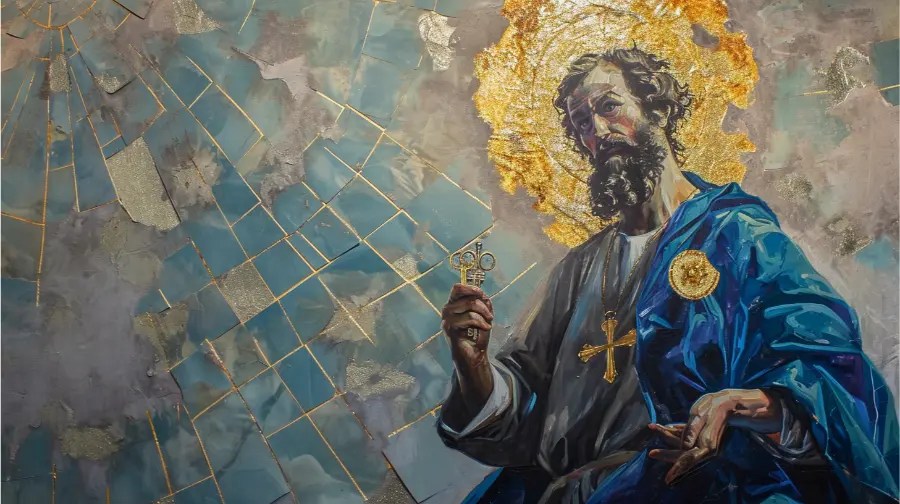
What did the early Church Fathers (like Augustine and others) teach about predestination and free will?
This whole wonderful discussion about God’s sovereign plan and our human choice didn’t just start with the Reformation. Christian thinkers from the very first centuries, who we call the Church Fathers, also thought deeply about these amazing themes. Their views give us an important historical background to the discussions that came later.
Before Augustine – Voices for Free Will:
Before the incredibly influential work of Augustine of Hippo, many of those early Christian wise men really emphasized human free will.²¹ They often talked about it to show how different Christianity was from some of the pagan ideas of their time, like Stoicism or Gnosticism, which sometimes taught that everything was just fated or determined.²¹
- Origen of Alexandria (who lived around 185–254 AD) taught that God, in His amazing foreknowledge, knows who will freely choose Him. He really stressed that every thinking soul has free will and the power to choose, arguing against those fatalistic ideas that would make human responsibility meaningless.¹⁰
- John Chrysostom (around 347–407 AD), who lived around the same time as Augustine was starting out, also taught that God knows beforehand who will choose Him. He believed in a balance, saying something like, “Everything depends on God not in a way that our free will is taken away.” He thought it was a sign of God’s generosity that He lets things depend partly on us.² This idea that God allows us to play a part, not because He’s weak because He’s good and wants us to grow and freely love Him back, is a beautiful thought that marks an important starting point in how Christians have thought about this.²
Augustine of Hippo (354–430 AD) – A Deep Thinker on Grace:
Augustine’s teachings on God’s grace, our free will, and predestination became incredibly important, especially in Western Christianity. His ideas are deep and rich, and people who study him notice that his thinking developed, or at least he emphasized different things, throughout his life, especially when he was involved in important theological discussions.⁸
- In some of his earlier writings, like a book called On Free Choice of the Will, Augustine strongly argued for human free will.⁸
- But, especially in his later writings and during his intense discussions with a man named Pelagius, Augustine put a much stronger emphasis on God’s sovereign grace and predestination being absolutely necessary for anyone to be saved.² He argued that because of original sin (the sin that came from Adam and Eve), humans just aren’t capable of choosing what’s spiritually good or coming to God without God stepping in with His grace.⁸
- Augustine taught that God’s foreknowledge, which is outside of our kind of time, doesn’t take away our free choices. Yet, he also strongly believed that salvation depends completely on God’s predestined grace.⁸ Exactly how these two ideas – God’s foreknowledge/predestination and our human freedom – fit together perfectly in Augustine’s mind is something scholars still talk about. Some think his views changed over time, or that maybe we misunderstand what he meant by “predestination” today.⁸
- People also have different ideas about whether Augustine taught “double predestination” (that God actively decided who would be saved AND who would be lost). Some of his writings seem to suggest that.¹ Other ways of reading him suggest that while he said salvation is all God’s unearned grace (and so, predestination), he saw being lost (reprobation) as a result of human sin and guilt.¹
- Augustine’s views on baptizing babies and on original sin are widely seen as having really shaped his understanding of grace and predestination.²¹ If babies are affected by original sin and need baptism to be saved, it brings up questions about God’s choice and grace even before a baby can do anything.
Pelagius (A Contemporary of Augustine with Different Ideas):
Pelagius was a monk from Britain whose teachings led to a big discussion with Augustine. Pelagius taught that humans have the natural ability (free will) to follow God’s commands and live a sinless life. He didn’t think Adam’s sin affected human nature as much, saying that babies are born blameless.²⁴ Pelagius’s ideas, which seemed to make God’s grace less necessary for salvation, were strongly opposed by Augustine and were eventually called heretical by church councils, like the Council of Carthage in 418 AD.²⁴
That intense discussion between Augustine and Pelagius had a huge impact that lasted for centuries, really shaping how Western Christian theology thought about sin, grace, free will, and predestination.²⁴ The reasons these discussions happened – whether it was arguing against pagan ideas of fate for the earlier Fathers, or against Pelagius’s ideas about human self-sufficiency for Augustine – really influenced how these doctrines were explained and what parts were emphasized. Augustine’s own wrestling with these big questions, and the different ways people understand his deep thoughts, just show us how powerful and important this doctrine of predestination really is.
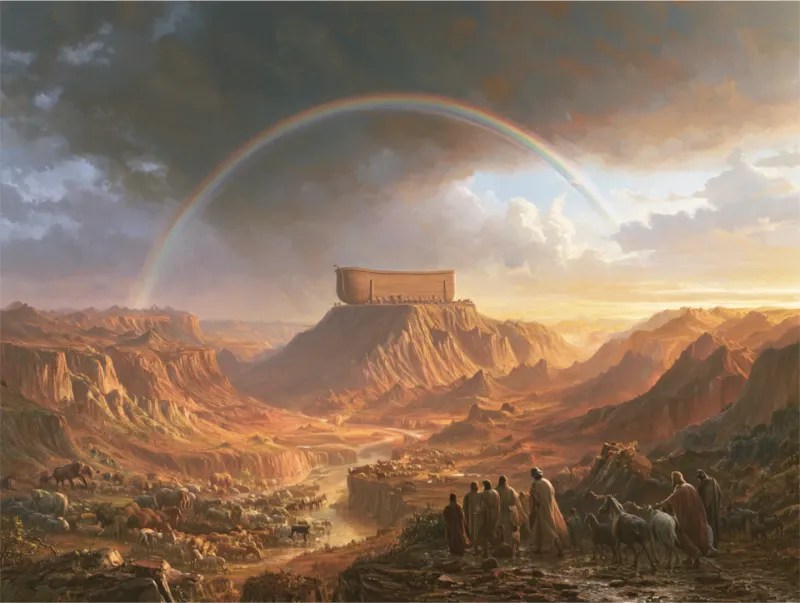
What about those challenging passages like Romans 9? How do we understand them in light of predestination? (God’s Word is always good!)
the ninth chapter of Paul’s letter to the Romans is one of those really major and deeply discussed parts of the Bible when it comes to predestination and God’s amazing sovereignty. It has some powerful statements about God’s choices and purposes, and that’s led to different understandings, especially between our Calvinistic and non-Calvinistic brothers and sisters in Christ.³¹
Calvinistic/Reformed View (God’s Unconditional Choice):
From a Calvinistic perspective, Romans 9 is seen as a clear teaching of the doctrine of unconditional election. This view believes that God chooses certain people for salvation and passes over others, all based solely on His sovereign will and purpose, not because He foresaw any faith, good works, or anything special in them.³¹
- The example of Jacob and Esau is really key here: “though they were not yet born and had done nothing either good or bad—in order that God’s purpose of election might continue, not by works but by him who calls—she was told, ‘The older will serve the younger.’ As it is written, ‘Jacob I loved Esau I hated'” (Romans 9:11-13).³¹ This is understood to mean God’s choice was made before they had done anything at all, showing it was unconditional.
- God’s declaration, “I will have mercy on whom I have mercy,…source(http://garymcmurray.blogspot.com/2010/02/sermon-daniel-4-1-30-gods-graffiti.html) have compassion on whom I have compassion” (Romans 9:15, which quotes Exodus 33:19), is seen as confirming that God’s mercy isn’t a reaction to human faith or effort He saw coming it’s a gift He gives out of His own sovereign goodness.³¹ Verse 16 then says: “So then it depends not on human will or exertion on God, who has mercy.”
- That analogy of the potter and the clay (Romans 9:20-21) is taken to really emphasize God’s absolute right as the Creator to do whatever He wills with what He has made. This includes making “vessels of wrath prepared for destruction” and “vessels of mercy, which he has prepared beforehand for glory” (Romans 9:22-23).⁷
- The questions that Paul himself brings up in the chapter, like “Is there injustice on God’s part?” (Romans 9:14) and “Why does he still find fault? For who can resist his will?” (Romans 9:19), are seen by Calvinists as the natural questions we humans have when we face this deep and challenging teaching about God’s absolute sovereignty in choosing some and passing over others. Paul’s answer, they believe, doesn’t water down the teaching but instead gently corrects the questioner for doubting God’s wisdom and rights.³¹
Arminian/Non-Reformed View (God’s Big Plan for History, Our Choice Matters):
Non-Reformed ways of understanding, including Arminian views, see Romans 9 differently. They often say that this chapter isn’t mainly about God’s eternal decision about whether specific individuals will be saved or lost forever. Instead, they believe it’s about God’s sovereign plan in the story of redemption, especially how He dealt with the nation of Israel and then included the Gentiles (non-Jewish people) into His family of faith.³²
- The choice of Jacob over Esau is often seen as being about their roles in the story of redemption and their descendants as nations, rather than about their individual eternal destinies. For example, Jacob (who became Israel) was chosen to be the family line through whom the Messiah would come and to have a special covenant relationship with God. This was a choice for a special job or role in history, not necessarily an unconditional choice for every single Israelite to be saved forever or for every Edomite (Esau’s descendants) to be unconditionally lost.³²
- God hardening Pharaoh’s heart (Romans 9:17-18) is often understood as God justly responding to Pharaoh’s own earlier and ongoing rebellion and unbelief, rather than God just arbitrarily making Pharaoh sin.³³
- The potter and clay analogy, when you look at it in its Old Testament setting (especially in Jeremiah 18), can be seen as showing God’s freedom to change His plans for a nation based on how they respond to Him (meaning, it’s a conditional relationship). If the clay (the nation) chooses to rebel, the potter can reshape it for a different, less honorable purpose.³²
- A really important theme in Romans 9, according to this view, is that being right with God comes through faith (which the Gentiles were finding) rather than by trying to earn it by following the law (which is where Israel, as a whole, had stumbled).³² So, the chapter is seen as explaining why many in Israel weren’t experiencing salvation, while many Gentiles were.
- The “vessels of wrath” are understood to be those who, by their own free and ongoing choice, reject God and His Messiah. Their “preparation for destruction” is a result of their own sin and unbelief, not an unconditional decision by God to condemn them no matter what they chose.³²
So, how we understand Romans 9 is a really key point where views differ. The meaning we get from this chapter is very much shaped by the bigger picture of how we see God working and the ideas we bring with us when we read it. Whether we see the main point as God’s detailed plan for each person’s eternal destiny, or His amazing overall plan for Israel and the Gentiles in the story of redemption, that really shapes our understanding of predestination. And how we see Paul answering those tough questions – is he confirming a hard teaching, or is he exploring deep things before pointing us to God’s ultimate justice and His welcoming grace? – that also plays a huge part. It’s all about digging into God’s Word with an open heart!
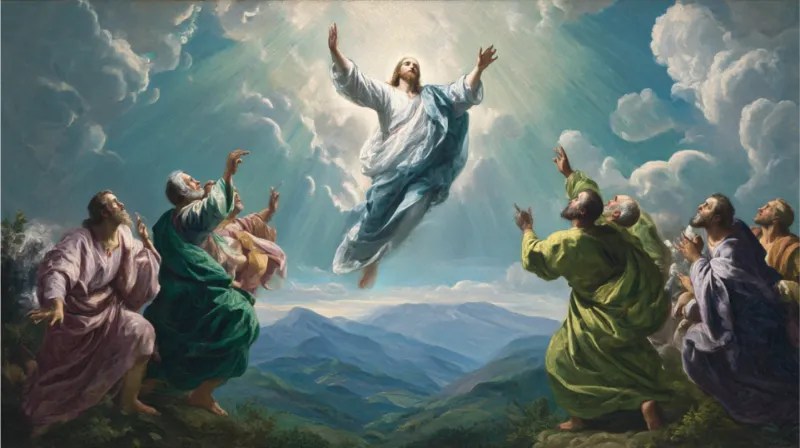
If God predestines, does that mean some people are predestined to be damned (double predestination)?
This question of whether God’s predestination also means He decides who will be lost is one of the toughest and often most troubling parts of this whole discussion. “Double predestination” is the theological term for believing that God, from way back in eternity, decided not only who He would save (that’s election) but also who He would condemn to be lost (that’s reprobation), and that this decision isn’t based on anything He saw them doing or any good things about them.¹
Views that Say Yes, or Seem to Imply It:
This view is most often connected with classical Calvinism and was talked about at important historical meetings like the Synod of Dort (way back in 1618-19).¹
- John Calvin himself taught that “eternal life is fore-ordained for some, eternal damnation for others”.¹² He saw reprobation not just as God allowing some to be lost, but as part of God’s eternal plan, something that naturally went along with choosing others for salvation.¹² The thinking often goes like this: if God, in His sovereign power and without any conditions, chooses some people for salvation out of a world where everyone has fallen and deserves to be separated from Him, then by that same sovereign will, He either actively decides the condemnation of the rest, or at the very least, He consciously passes them by, leaving them in their sin to face the fair consequences.
- Some writings of St. Augustine and Martin Luther have also been understood as supporting or suggesting a kind of double predestination.¹ Luther, in his book On the Bondage of the Will, says some very strong things about God’s absolute power over everything, which some people see as leading to this idea.¹¹
- Bible passages like Romans 9:22, which talks about “vessels of wrath prepared for destruction,” are often brought up to support this view.⁷ Other verses sometimes mentioned include 1 Peter 2:8, which talks about those who “stumble because they disobey the word, as they were destined to do,” and Proverbs 16:4, “The LORD works out everything to its proper end— even the wicked for the day of disaster”.⁷
Views that Say No, God Doesn’t Predestine to Damnation:
Many wonderful Christian traditions, while believing in God’s sovereignty and some form of predestination to salvation, clearly say no to the idea that God predestines any person to be lost.
- These traditions usually emphasize God’s universal love and His desire for every single person to be saved, like we read in passages such as 1 Timothy 2:4 (“who wants all people to be saved and to come to a knowledge of the truth”) and 2 Peter 3:9 (“The Lord…is patient with you, not wanting anyone to perish, but everyone to come to repentance”).⁵
- From these perspectives, being lost isn’t because God decided to condemn someone it’s the sad result of human sin, ongoing unbelief, and a person willfully rejecting God’s loving offer of grace.¹
- Lutheranism, for example, generally teaches a “single predestination”: God predestines His chosen ones to salvation He doesn’t predestine anyone to be lost. Condemnation is because of human fault.²
- The Catholic Church is very clear: “God predestines no one to go to hell; for this, a willful turning away from God (a mortal sin) is necessary, and persistence in it until the end” (CCC 1037).²⁵
- Eastern Orthodoxy also rejects the idea that God predetermines damnation, emphasizing our free will and responsibility in accepting or rejecting God’s grace.³⁰
- Arminianism, with its focus on conditional election and grace that can be resisted, naturally says no to double predestination, seeing damnation as the outcome of a person’s free choice to reject God.
It’s important to see that even within traditions that have a very strong view of God’s sovereignty, there can be different ways of understanding reprobation. Some might make a distinction between God’s active plan for the salvation of the elect and a more passive plan for the non-elect, where God “passes over” them and leaves them to the fair consequences of their sin, rather than actively creating them just to be damned. Calvin, for instance, while saying reprobation was a divine decision, also argued that the “closest cause” of a person’s ruin is found in themselves, trying to show that God is still just and humans are still accountable.¹²
The words we use here are so important, friends. The term “predestined to damnation” sounds very strong, like God is directly and actively causing someone to be condemned in the same way He causes salvation. Many theologians, even those who believe strongly in God’s sovereignty, are careful with words like that. They prefer to emphasize that God’s condemnation is always just and always a response to sin. This idea of double predestination is still one of the most sensitive and debated topics related to the bigger doctrine of predestination, because it touches right on our understanding of God’s justice, His love, and His amazing character. Let’s always approach it with a humble heart, trusting in God’s goodness.
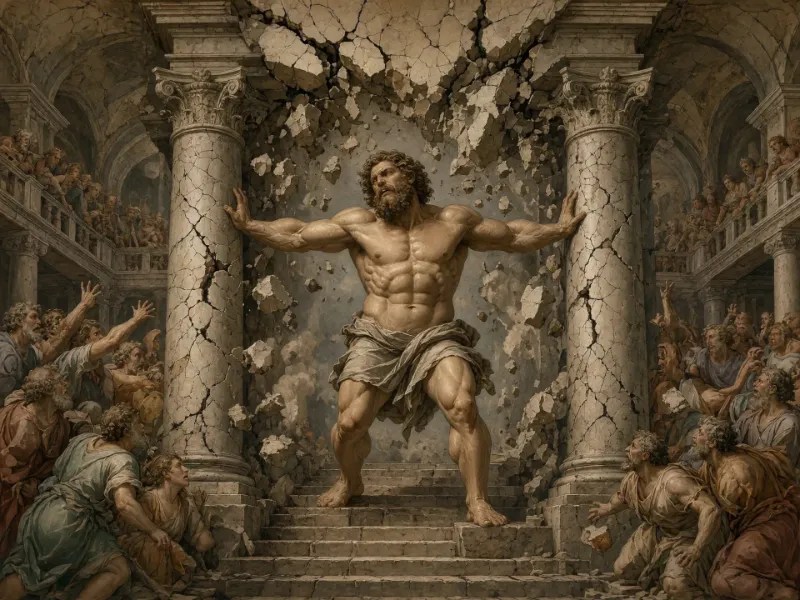
Conclusion: Resting in God’s Amazing Plan
this doctrine of predestination, which is all about God’s eternal plan and His sovereign purposes, especially when it comes to our salvation, has been something Christians have thought about deeply, discussed with love, and understood in different ways all throughout our history. From those early Church Fathers who wrestled with free will and God’s grace, to the clear systems of thought from Reformers like Calvin and Arminius, and the special perspectives of our Lutheran, Catholic, and Orthodox brothers and sisters, believers have always sought to understand how God’s amazing sovereignty and our human responsibility dance together.
Key passages in the Bible, especially in the powerful writings of the Apostle Paul, talk about God choosing and predestining believers “before the foundation of the world,” all according to His good pleasure and will. Yet, God’s Word also tells us that we make choices and we’re accountable for them. The wonderful challenge has always been to hold these beautiful truths together in a way that is faithful and makes sense. Different theological systems offer various paths to walk this out, leading to different views on how election works (is it unconditional or conditional?), how far Christ’s atonement reaches, whether grace can be resisted, and how we can be sure of our salvation.
But even with all the complexities and different viewpoints, some common, beautiful threads shine through. The doctrine of predestination, in all its forms, often points us to the incredible grace of God, His loving first move in the work of salvation, and the ultimate security that we as believers can find in our relationship with Him through Jesus Christ. It challenges any human pride or thinking we can do it on our own, calling us instead to a deep, joyful reliance on God.
For us as Christians today, when we approach this topic, it calls for a humble heart, knowing that we’re dealing with divine mysteries that might be bigger than our full human understanding. It encourages us to keep on studying God’s Word with prayer, asking the Holy Spirit to guide us into understanding. And most importantly, it calls us to live a life that responds to God’s revealed will: to trust in Jesus Christ for our salvation, to grow in holiness day by day, to love and serve others with all our hearts, and to joyfully share the good news of the Gospel. In the end, even when we don’t fully understand all of God’s amazing ways, we can rest in the sure knowledge of His infinite wisdom, His unfailing love, and His perfect justice, all revealed to us in the person and work of our wonderful Savior, Jesus Christ.⁴ God bless you!


Leave a Reply