
 English
 Chinese
 Dutch
 Arabic
 Spanish
 Portuguese
 Russian
 French
 Italian
 German
 Japanese
Most nondenominational churches believe what evangelical Christians believe. They hold the Bible to be the inspired word of God and the last word on faith, and they confess one God in three persons. They teach that each of us must be born again, that salvation is God’s free gift received by faith in Jesus Christ, and that Jesus is coming back. No headquarters, convention or synod writes those things down for them. Each church writes its own statement of faith, and when we lay a few of those statements side by side, the same convictions come up again and again. Most of these churches also baptize only people who already believe, as the Baptists do, and keep the Lord’s Supper in remembrance of Jesus’ death. Where they part from one another, on the gifts of the Spirit, the order of the last days and whether a woman may be a pastor, they part much as the wider evangelical family does, and we will say by name who holds what.
Scott Thumma of the Hartford Institute for Religion Research has tried twice to find every one of these churches in the United States. In 2010 he confirmed 35,000. His second count, made in 2019 and 2020, came to over 60,000 churches with at least 12 million people in them, from a listing he says was “still being finalized,” and if they were counted as one group they would be the third largest in the country, after the Catholics and the Southern Baptists. Most of them, he found, are evangelical churches that carry no denomination’s name: in his words, “the vast majority of nondenominational churches would and should be categorized as evangelical.”
Since nobody can speak for all of them, we take the common ground from two statements that evangelicals of many churches share. One is the Statement of Faith of the National Association of Evangelicals, seven short articles it has left uncopyrighted so that anyone may use them. The other is the Lausanne Covenant, made in July 1974 by evangelicals from more than 150 nations who met at Lausanne for the International Congress on World Evangelization. Where the churches differ, we let three of them speak, each only for itself. The first is the Calvary Chapel Association, the fellowship of churches that grew from Chuck Smith’s ministry at Calvary Chapel Costa Mesa, which began in 1965. Costa Mesa itself is no longer part of it: in 2016 the church, under its pastor Brian Brodersen, left the Association and formed the Calvary Global Network. The second is Gateway Church, with its campuses around Dallas and Fort Worth in Texas, and the third is Grace Community Church in Los Angeles, founded as a nondenominational church in 1956.

The Bible, and the God it shows us
The Bible as the last word
The first article of the evangelical Statement of Faith is about the Bible: “We believe the Bible to be the inspired, the only infallible, authoritative Word of God.” All three churches we read put Scripture first in their own statements too, and all three lean on Paul’s words to Timothy, “All scripture is given by inspiration of God, and is profitable for doctrine, for reproof, for correction, for instruction in righteousness” (2 Timothy 3:16).
For a church with nobody above it, the Bible does the work that a synod or a bishop does elsewhere. The Calvary Chapel Association says the Word of God “is the foundation upon which the church operates and is the basis for which the church is governed.” Gateway Church says its authority “is ultimate, final, and eternal.” The Lausanne Covenant calls the Bible “without error in all that it affirms, and the only infallible rule of faith and practice,” and it adds, “Through it the Holy Spirit still speaks today.”
From The Lausanne Covenant (1974), section 2, The Authority and Power of the Bible
One God in three persons
Nondenominational churches confess the Trinity as the old creeds do, in plain words. “We believe that there is one God, eternally existent in three persons: Father, Son and Holy Spirit,” says the evangelical Statement of Faith. The Calvary Chapel Association calls the three persons “equal in power and glory.” Grace Community Church calls them “three coequal and consubstantial Persons.” The next article of the evangelical statement turns to Jesus, believing “in the deity of our Lord Jesus Christ, in His virgin birth, in His sinless life, in His miracles, in His vicarious and atoning death through His shed blood, in His bodily resurrection, in His ascension to the right hand of the Father, and in His personal return in power and glory.”
From National Association of Evangelicals, Statement of Faith
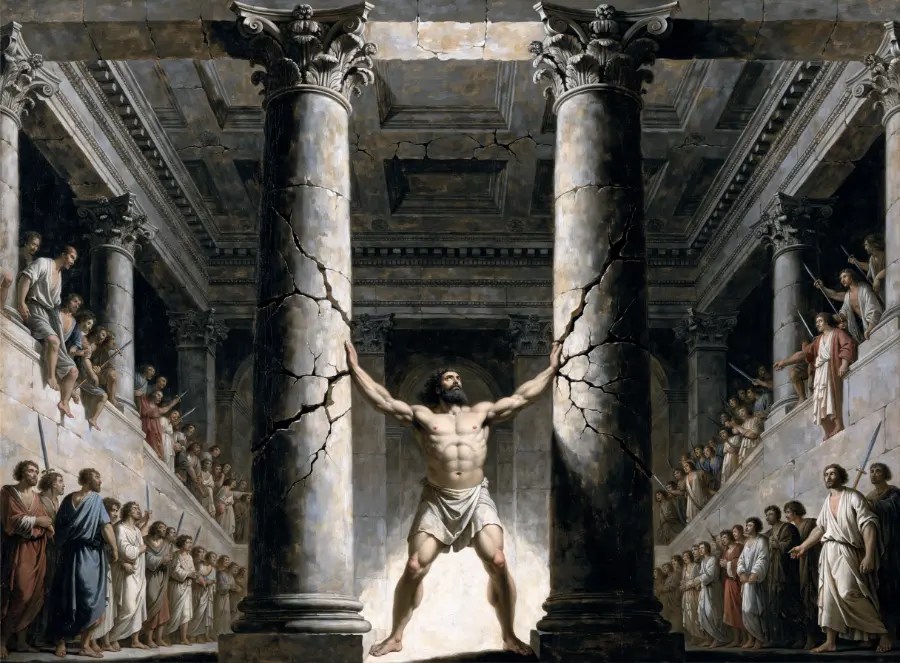
Born again, and saved by grace through faith
You must be born again
Jesus told Nicodemus, “Except a man be born again, he cannot see the kingdom of God,” and then, “Marvel not that I said unto thee, Ye must be born again” (John 3:3, 7). Nondenominational churches take him at his word. “We believe that for the salvation of lost and sinful people, regeneration by the Holy Spirit is absolutely essential,” says the evangelical Statement of Faith, and the Lausanne Covenant gives the whole of it to the Spirit: “Conviction of sin, faith in Christ, new birth and Christian growth are all his work.”
When the National Association of Evangelicals describes its own people, it borrows four marks from the historian David Bebbington, and the first is “the belief that lives need to be transformed through a ‘born-again’ experience and a life long process of following Jesus.” So the new birth starts something, and the following goes on for the rest of our lives. Our page on what Jesus meant by being born again reads John 3 slowly.
From National Association of Evangelicals, What is an Evangelical?
Saved by grace through faith
Gateway Church says it in one sentence: “salvation is a free gift of God, based on the merits of the death of His Son, and is appropriated by faith.” It is Paul’s teaching, “For by grace are ye saved through faith; and that not of yourselves: it is the gift of God: Not of works, lest any man should boast” (Ephesians 2:8–9), and the Calvary Chapel Association adds that the door stands open to everyone, for “the invitation to believe is open to all, and whoever desires may come unto Jesus for new life and the forgiveness of sins.”
The same statements hold that Christ is the only way to God. The Lausanne Covenant says that Jesus “is the only mediator between God and people. There is no other name by which we must be saved,” and it says soberly what is at stake: “those who reject Christ repudiate the joy of salvation and condemn themselves to eternal separation from God.”
From Gateway Church, What We Believe
Chosen by God, and kept by him?
Whether God chooses who will believe, and whether a believer can fall away, are questions nondenominational churches answer differently, as evangelicals always have. The Lausanne Covenant says only that God “governs all things according to the purpose of his will.” Grace Community Church says a good deal more. God “unconditionally chose in Christ all those whom He would ever graciously regenerate, save, and sanctify,” it teaches, and “all the redeemed, once saved, are kept by God’s power and are thus secure in Christ forever.” Those who turn away, it says, “demonstrate by their going out from us that they were never truly saved in the first place.” The Calvary Chapel Association’s statement has no article on election at all and puts its weight on the open invitation, that “whoever desires may come.”
From Grace Community Church, Doctrinal Statement
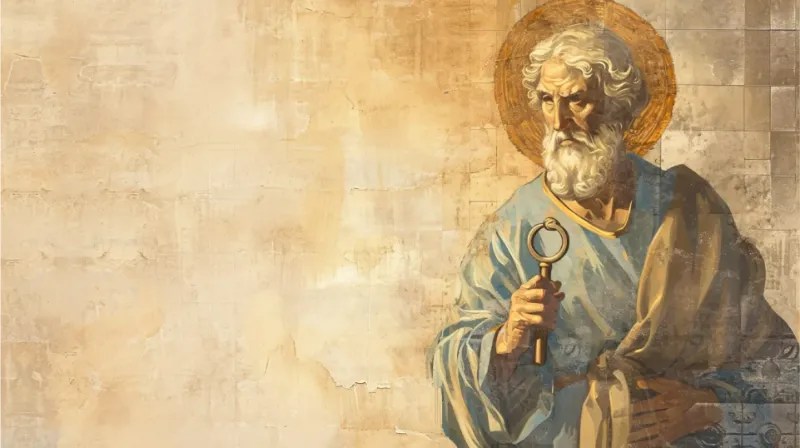
Water and bread
Baptism after believing
Most nondenominational churches baptize people who have come to believe in Jesus, and all three of the churches we read take them all the way under the water. Gateway Church calls baptism “the outward sign of what God has already done in the individual’s life,” and its baptism page says that “Water baptism does not impact your salvation; rather, the physical act of being immersed in water symbolically shows your participation in Jesus’ death, burial, and resurrection.” The Calvary Chapel Association speaks of “the full-immersion water baptism of believers,” and Grace Community Church points to the Ethiopian on the desert road, who said to Philip, “See, here is water; what doth hinder me to be baptized?” and went down into the water with him (Acts 8:36–38).
The evangelical Statement of Faith says nothing about baptism, so baptizing believers is a mark of these churches rather than of every evangelical, and each church sets its own details. At Gateway children may be baptized once they can say in their own words that they trust Jesus and why they want to be baptized, because “Readiness is not determined by age but by understanding.”
From Gateway Church, Water Baptism
Communion in remembrance
Jesus took bread, “and gave thanks, and brake it, and gave unto them, saying, This is my body which is given for you: this do in remembrance of me” (Luke 22:19), and nondenominational churches keep the Lord’s Supper in that spirit. Gateway Church calls it “a commemoration of the death of the Lord” which “is done in remembrance of Him until He comes again.” Grace Community Church teaches that “the elements of communion are only representative of the flesh and blood of Christ,” and still that the Supper “is nevertheless an actual communion with the risen Christ, who indwells every believer.” The Calvary Chapel Association and Grace both call baptism and the Supper the “two ordinances” of the church.
From Grace Community Church, Doctrinal Statement

Sunday morning, and who leads
The worship you will find
Thumma asked churches how well certain words described their Sunday worship: contemporary, informal, innovative, an electric guitar, projection screens. Set beside churches of the evangelical denominations, he writes, “Clearly, more nondenominational churches have embraced a contemporary worship style,” and more of them call their worship innovative, which he puts down to “not relying on denominational traditions and practices but having to invent worship practices.” The Calvary Chapel Association calls its own way “a relaxed, casual style,” and one of its pastors remembers learning from its founder, Chuck Smith, as they “sat and listened chapter by chapter and verse by verse through the Bible.”
Elders and the local church
With no bishop or convention over them, these churches govern themselves, and each one decides who leads it. Grace Community Church teaches “the autonomy of the local church, free from any external authority or control,” and says that “The biblically designated officers serving under Christ and over the assembly are elders” along with deacons, and that “The elders should determine all other matters of membership, policy, discipline, benevolence, and government.” It finds that pattern in the churches Paul and Barnabas planted, where “they had ordained them elders in every church” (Acts 14:23).
From Grace Community Church, Doctrinal Statement
Women in ministry
Here practice varies from church to church, and the evangelical family says so openly. The Cape Town Commitment, made by the Third Lausanne Congress in October 2010, sets both sides down fairly: “Some interpret apostolic teaching to imply that women should not teach or preach, or that they may do so but not in sole authority over men. Others interpret the spiritual equality of women, the exercise of the edifying gift of prophecy by women in the New Testament church, and their hosting of churches in their homes, as implying that the spiritual gifts of leading and teaching may be received and exercised in ministry by both women and men.” And it asks both sides to “Accept one another without condemnation in relation to matters of dispute.”
The Calvary Chapel Association holds the first view. “We believe this limits the roles of pastoral leadership and doctrinal authority to qualified men,” it says, citing Paul’s letter to Timothy, and Grace Community Church’s elders are “spiritually qualified men.” Gateway Church’s statement of beliefs does not speak to the question. Calvary Chapel Costa Mesa, where the movement began, holds the second view. On 1 November 2026, the news site ChurchLeaders reported, the church announced that it “believes and practices the ordination of both men and women to pastoral ministry as a recognition of the priesthood of all believers,” and its lead pastor, Char Brodersen, told the congregation that it had been ordaining women “for almost a decade.” One of the Association’s regional teams answered that it keeps the office of elder and pastor for “qualified men.” Across the country, Thumma found nondenominational churches “led predominantly by male clergy, even more so than evangelical churches.”
From The Cape Town Commitment (2010), Part II, IIF.3 Men and women in partnership
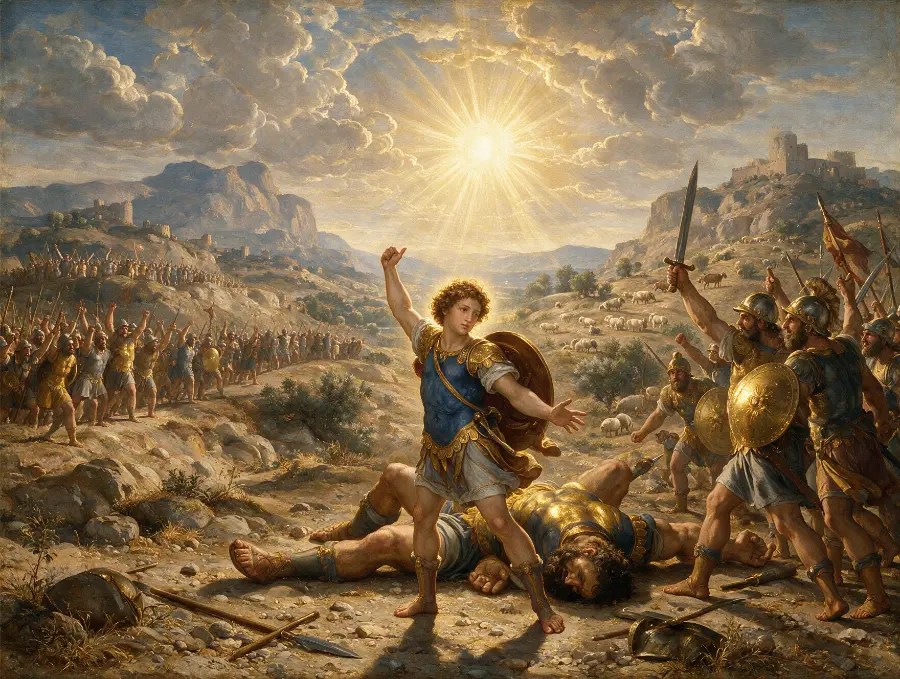
The Holy Spirit and his gifts
Tongues and the other gifts
The evangelical Statement of Faith believes “in the present ministry of the Holy Spirit by whose indwelling the Christian is enabled to live a godly life.” Whether he still gives tongues, prophecy and healing as he did in the first churches is another question, and on it nondenominational churches stand far apart. The Calvary Chapel Association believes “in the present day ministry of the Holy Spirit in regard to the exercise of all biblical gifts of the Holy Spirit according to the instructions given to us (I Corinthians 12-14),” the chapters where Paul wrote, “covet to prophesy, and forbid not to speak with tongues. Let all things be done decently and in order” (1 Corinthians 14:39–40). Grace Community Church teaches that “speaking in tongues and the working of sign miracles in the beginning days of the church have now ceased.” Gateway Church’s statement of beliefs does not speak of the gifts of the Spirit at all.
The Lausanne Covenant was written for evangelicals on both sides, and it asks all of us to pray “that all his fruit may appear in all his people and that all his gifts may enrich the body of Christ.” Which churches speak in tongues and which do not is set out church by church on our page on speaking in tongues.
From Calvary Chapel Association, Statement of Faith
Between Baptists and Pentecostals
Is a nondenominational church closer to the Baptists or to the Pentecostals? Some lean one way and some the other. When Thumma asked their leaders which label best described their people, his chart of the answers sets charismatic and Pentecostal beside fundamentalist, moderate, missional, progressive and liberal, and he found “some definite theological labeling diversity,” though evangelical was the clear answer. The National Association of Evangelicals says its own family “brings together Reformed, Holiness, Anabaptist, Pentecostal, Charismatic and other traditions.” The Southern Baptists’ confession says that “Christian baptism is the immersion of a believer in water” and calls a church “an autonomous local congregation of baptized believers,” and the churches we read baptize believers by immersion and govern themselves in just that way. They belong to no convention and sign no shared confession.
The Calvary Chapel Association shows how near to the Pentecostals a nondenominational church can come, and where it stops. It believes “in the Baptism with the Holy Spirit as a distinct and separate experience to that of regeneration,” as Pentecostals do, and then it says, “The supreme evidence of the Spirit-filled life is the fruit of the Spirit, love.” The Assemblies of God, a Pentecostal church, teaches that the same baptism “is witnessed by the initial physical sign of speaking with other tongues as the Spirit of God gives them utterance.”
From National Association of Evangelicals, What is an Evangelical?
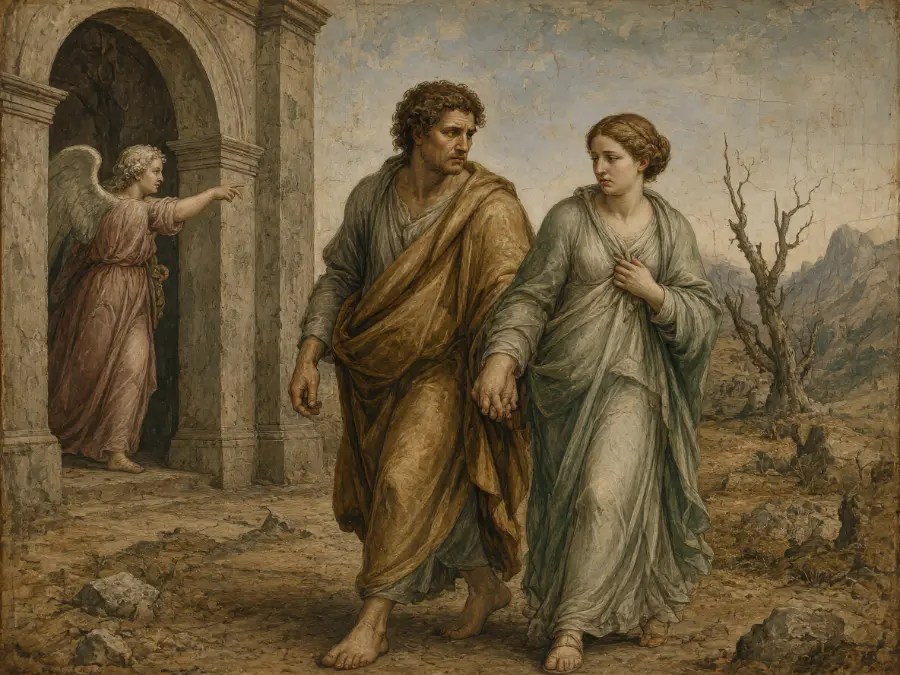
Jesus coming again
The rapture and the last days
Every statement we read waits for Jesus to come back in the body. The Lausanne Covenant says he “will return personally and visibly, in power and glory, to consummate his salvation and his judgment.” On the order of the last days, though, the churches differ. The Calvary Chapel Association believes “in the Pre-Tribulation Rapture of the Church where all believers will meet the Lord in the air and be taken out of this world prior to the Tribulation that will come upon the earth,” and it takes that from Paul, “we which are alive and remain shall be caught up together with them in the clouds, to meet the Lord in the air” (1 Thessalonians 4:17). Grace Community Church teaches the same, a coming of Christ “before the seven-year tribulation.” Gateway Church affirms “the bodily, personal, second coming of the Lord Jesus Christ; the resurrection of the Saints; the Millennium; and the final judgment” and leaves the timing unsaid. The wider picture is on our page on which churches believe in the rapture.
From Calvary Chapel Association, Statement of Faith
Marriage and the home
One man and one woman
The statements we read hold marriage to be the lifelong union of a man and a woman. The National Association of Evangelicals calls “Marriage as a lifetime covenantal relationship between one man and one woman” a “normative biblical symbol of God’s relationship with his people.” Gateway Church says that “marriage is a sacred institution between one man and one woman,” and the Calvary Chapel Association that “God instituted monogamous marriage between male and female as the foundation of the family and the basic structure of human society.”
Churches that answer to no one but Christ and his word still belong to one another, and the last article of the evangelical Statement of Faith reaches past every church door: “We believe in the spiritual unity of believers in our Lord Jesus Christ.” When the evangelicals at Lausanne wrote about unity in 1974, the first verse they cited was Jesus’ own prayer for us, “That they all may be one; as thou, Father, art in me, and I in thee, that they also may be one in us: that the world may believe that thou hast sent me” (John 17:21). They affirmed “that the Church’s visible unity in truth is God’s purpose,” they confessed, as any of us might, “that our testimony has sometimes been marred by a sinful individualism and needless duplication,” and they made a promise: “We pledge ourselves to seek a deeper unity in truth, worship, holiness and mission.”
How nondenominational churches differ from their neighbours
- Baptist vs Nondenominational: Baptism, Communion and Who Leads
- Evangelical vs Catholic: Born Again, Baptism and the Bible Compared
- Evangelical vs Pentecostal Church: Pentecostals Are Evangelicals Who Seek Spirit Baptism
- Pentecostal vs Charismatic vs Evangelical: How They Differ
- Evangelical vs Protestant: Evangelicals Are One Kind of Protestant
- Lutheran vs. Non-Denominational: A Faith Comparison
- Calvary Chapel vs. Pentecostal Beliefs
- What Do Baptists Believe? Baptism, the Bible and Local Churches
- What Is A Non-Denominational Church?
See every answer for nondenominational and evangelical churches and compare with another church
More from this seriesDenominations ComparedSee all 157 articles

Leave a Reply