
 English
 Chinese
 Dutch
 Arabic
 Spanish
 Portuguese
 Russian
 French
 Italian
 German
 Japanese
A novena is a Catholic practice of praying for nine days in a row, usually for one particular need or to get ready for a feast, and the word is simply the Latin for nine, novem. The old Catholic Encyclopedia of 1911 calls it “a nine days’ private or public devotion in the Catholic Church to obtain special graces.”
The first people said to have prayed this way were the apostles, and they had a promise to go on and not much of a timetable. Jesus told them to “wait for the promise of the Father,” and what he said about how long was “not many days hence” (Acts 1:4–5). So they went back to Jerusalem and up to a room and began to pray.
Where does the nine come from?
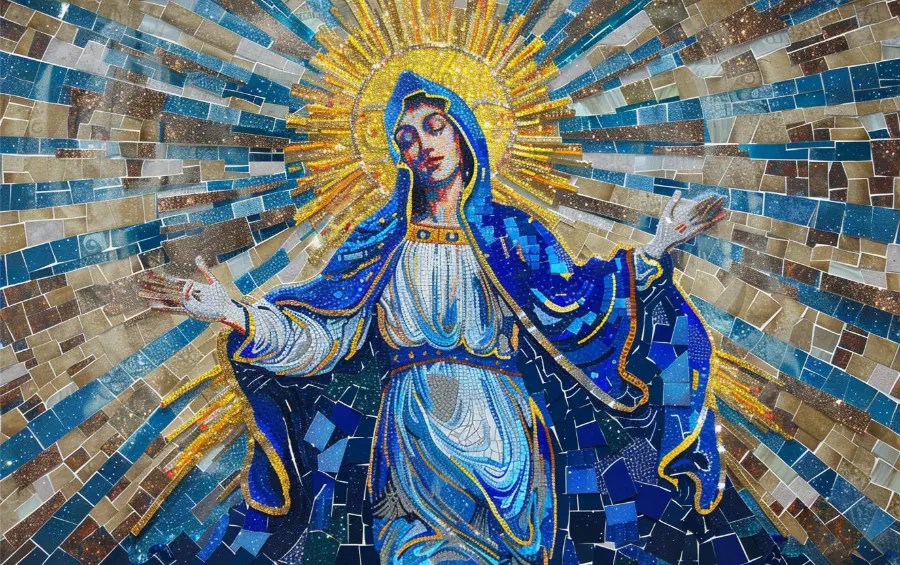
In that room, Luke says, “These all continued with one accord in prayer and supplication, with the women, and Mary the mother of Jesus, and with his brethren” (Acts 1:14), and Catholic writers take their nine from there. The Marian Fathers, who publish the Divine Mercy devotion, write that “novenas take their origin from the nine days of prayer before Pentecost.” The Vatican’s Directory on Popular Piety says that the Pentecost novena “emerged from prayerful reflection on this salvific event,” and Acts itself never uses the word novena and never counts nine days. The only number of days Luke gives in that chapter is the “forty days” in which the risen Lord was seen by his apostles (Acts 1:3).
The ancient Romans kept nine days of sacrifice and nine days of mourning, the Catholic Encyclopedia tells us, and it says that St. Augustine warned Christians not to imitate the pagan custom, “as there is no example of it in Holy Writ.” Christians went on keeping a ninth day for their dead all the same, along “with those of the third and seventh,” and of that old habit the encyclopedia says, “Even if it was connected with an earlier practice of the pagans, it nevertheless had in itself no vestige of superstition.” The Christmas novena has a root of its own, which it traces to “the nine months Our Lord was in His Blessed Mother’s womb.” Official approval came late, for the same article says the novena “is permitted and even recommended by ecclesiastical authority, but still has no proper and fully set place in the liturgy of the Church,” and that “Not until the nineteenth century did the Church formally recommend novenas by the concession of Indulgences.”
How do you pray a novena?
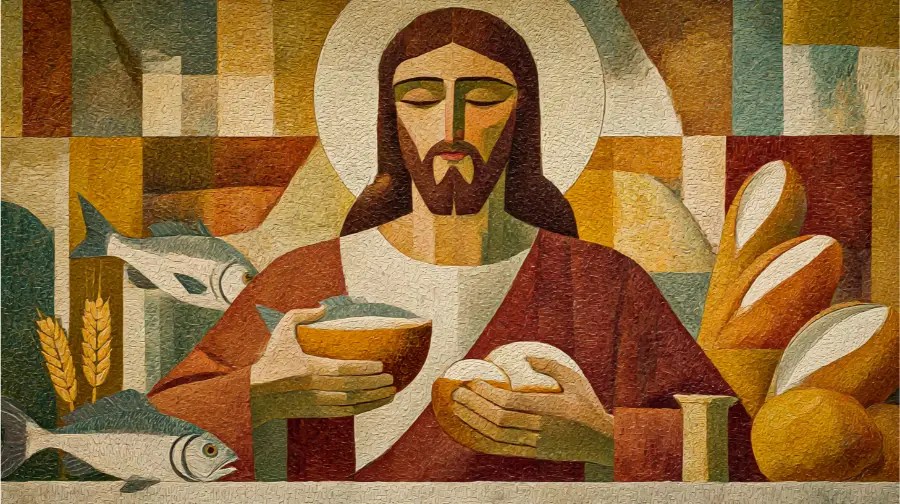
You choose what you are bringing to God and the prayer you will bring it in, and then you look for a time of day you can really keep for nine days running, which is the advice FOCUS, a Catholic ministry on university campuses, gives to anyone praying the novena to the Holy Spirit. The Marian Fathers describe a novena as “a prayer or Holy Mass that is offered for nine consecutive days,” so the prayer can be the Mass itself. Some novenas are one prayer said the same way each day, and others give every day its own, as the Divine Mercy novena does with its nine intentions. And the nine are not always days, for the first Fridays of the Sacred Heart run over “nine consecutive months.”
Which novenas are the best known?
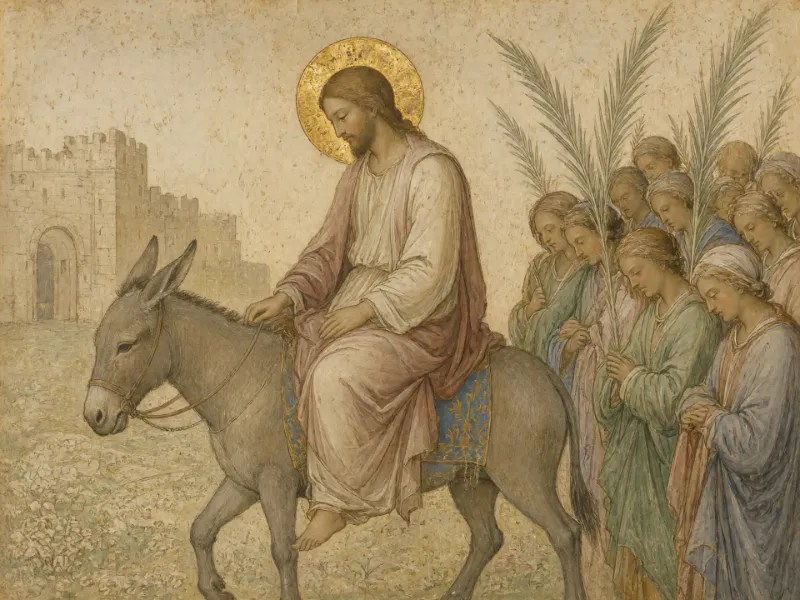
Here are four of them, and when each one is prayed:
| Novena | When it is prayed | Where it comes from |
|---|---|---|
| Holy Spirit (Pentecost) | From the Friday after Ascension Thursday to the Saturday before Pentecost | Acts 1; Pope Leo XIII ordered it every year, 9 May 1897 |
| Divine Mercy | From Good Friday to the Saturday after Easter | Jesus’ request to St. Faustina, as she recorded it in her Diary |
| St. Jude | The nine days before his feast on 28 October | Observed at the National Shrine of St. Jude in Chicago |
| Christmas | 16 to 24 December | The Directory says it began to share the riches of the Liturgy |
Pope Leo XIII wrote the Pentecost novena into the life of every Catholic parish on 9 May 1897. “We decree and command that throughout the whole Catholic Church, this year and in every subsequent year, a Novena shall take place before Whit-Sunday, in all parish churches,” he wrote in Divinum illud munus, his encyclical on the Holy Spirit, and he had the reunion of Christians on his mind when he wrote it. Two years earlier, in his letter Provida Matris, he had asked Catholics for special prayers at Pentecost “for the Re-union of Christendom,” and these new decrees, he said, were “on the same subject.”
We have the Divine Mercy novena from St. Faustina Kowalska, who was canonized on 30 April 2000. According to her Diary (1209) the Lord asked her to make it from Good Friday through the Saturday after Easter and to bring a different group of souls to him on each of the nine days, from “All mankind, especially sinners” on the first to “souls who have become lukewarm” on the ninth.
The novena to St. Jude is kept on the nine days before his feast on 28 October, but people in trouble do not wait for October. His National Shrine in Chicago says he is invoked for “lost causes, desperate situations, and hospitals,” and people often begin the nine days after an illness is diagnosed.
We have told the story of the Christmas novena on its own page, and the short of it is that, in the Directory’s words, it “began as a means of communicating the riches of the Liturgy to the faithful who were unable easily to grasp it,” and that Vespers from 17 to 23 December, seven evenings with the “major antiphons,” would make an ideal one.
Which churches pray novenas?
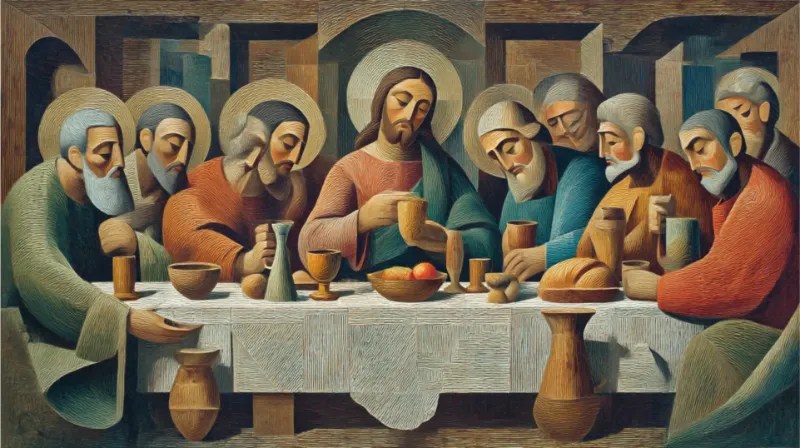
Catholics pray novenas all through the year, before feasts and in times of trouble, and the Directory asks that such devotions keep in step with the Church’s worship and never “substitute for the Liturgy.” Among Anglicans, the Church of England offers its parishes resources for Thy Kingdom Come, a global ecumenical prayer movement that invites Christians “to pray from Ascension to Pentecost,” and the resources for 2026 include “a new Novena by Archbishop Sarah Mullally.”
Lutherans have the Augsburg Confession, which says that Scripture “teaches not the invocation of saints or to ask help of saints, since it sets before us the one Christ as the Mediator, Propitiation, High Priest, and Intercessor.” Presbyterians have the Westminster Confession, which says that worship goes to God “and to him alone; not to angels, saints, or any other creature.” It also says that God may not be worshiped in “any other way not prescribed in the Holy Scripture,” and that prayer is to be made “not for the dead.” Neither confession mentions novenas, though a novena that asks for St. Jude’s help is the kind of asking the Lutheran confession has in mind. Why Catholics ask the saints for their prayers, and what Protestants make of the saints, are longer conversations, and we have had them in Why Do Catholics Pray to Mary? and Do Protestants Believe in Saints?
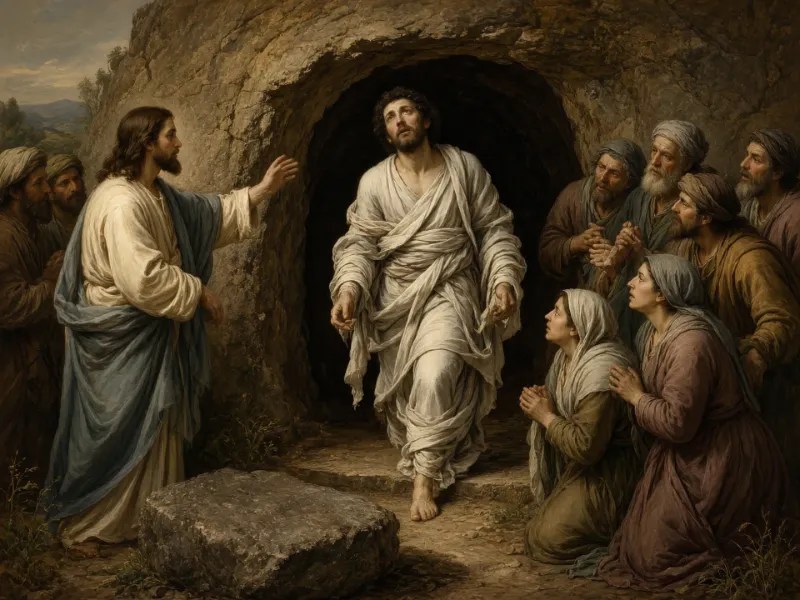
Is a novena a formula for getting what we want?
It can be turned into one, and the people who pray novenas are the ones who say so. The Marian Fathers write that some “view novenas as extraordinarily powerful prayers with guaranteed results — like a legal contract with God.” A novena “if misunderstood can become an act of superstition rather than prayer,” they say, and of any promised result, “There are no absolute guarantees. Prayer must always be made according to the will of God.” Jesus had told us as much on the mountain: “when ye pray, use not vain repetitions, as the heathen do: for they think that they shall be heard for their much speaking,” and then, “your Father knoweth what things ye have need of, before ye ask him” (Matthew 6:7–8).
So if our Father knows already, why do we ask him at all, for nine days or for one? The Catechism of the Catholic Church (paragraphs 2735–2737) turns the question back on us: “What is the image of God that motivates our prayer: an instrument to be used? or the Father of our Lord Jesus Christ?” And then it says why we ask: “Our Father knows what we need before we ask him, but he awaits our petition because the dignity of his children lies in their freedom.”
Asking does not mean we will get what we asked for. The National Shrine of St. Jude, the saint of lost causes, says, “Our intention may be granted long after the ninth day of prayer, or maybe it won’t be granted at all.” To anyone still waiting, the Catechism says, “Do not be troubled if you do not immediately receive from God what you ask him; for he desires to do something even greater for you, while you cling to him in prayer.”
The Marian Fathers point us instead to the Gospel’s own pictures of asking and not stopping, the friend who knocks at midnight (Luke 11:5–9) and the widow who kept coming to the judge (Luke 18:1–8), a story Luke tells “to this end, that men ought always to pray, and not to faint” (Luke 18:1). Luke also gives us what Jesus himself prayed: “Father, if thou be willing, remove this cup from me: nevertheless not my will, but thine, be done” (Luke 22:42). A novena prayed that way has no contract in it, and it looks a good deal like what went on in that upper room, where his friends and his mother and his brethren kept at it on the strength of a promise and the words “not many days hence,” and were still together when the promise was kept: “And when the day of Pentecost was fully come, they were all with one accord in one place” (Acts 2:1).
Related reading
- What Is the Christmas Novena? Nine Days of Prayer Before Christmas
- Prayer to the Holy Spirit: “Come, Holy Spirit,” the Veni Creator and Short Prayers
- Pentecost Sunday: What Happened on The Day Of pentecost?
- Why Do Catholics Pray to Mary? To Ask Her Prayers, Not to Worship Her
- Do Protestants Believe in Saints?


Leave a Reply