大麦在圣经中象征什么?


  • 大麦在圣经中被提到大约30到35次,突出了它在古代以色列文化和圣经历史中的重要性。
  • 在旧约中,大麦出现在像露丝和基甸这样的故事中,象征着生计,经济重要性和神圣的干预。
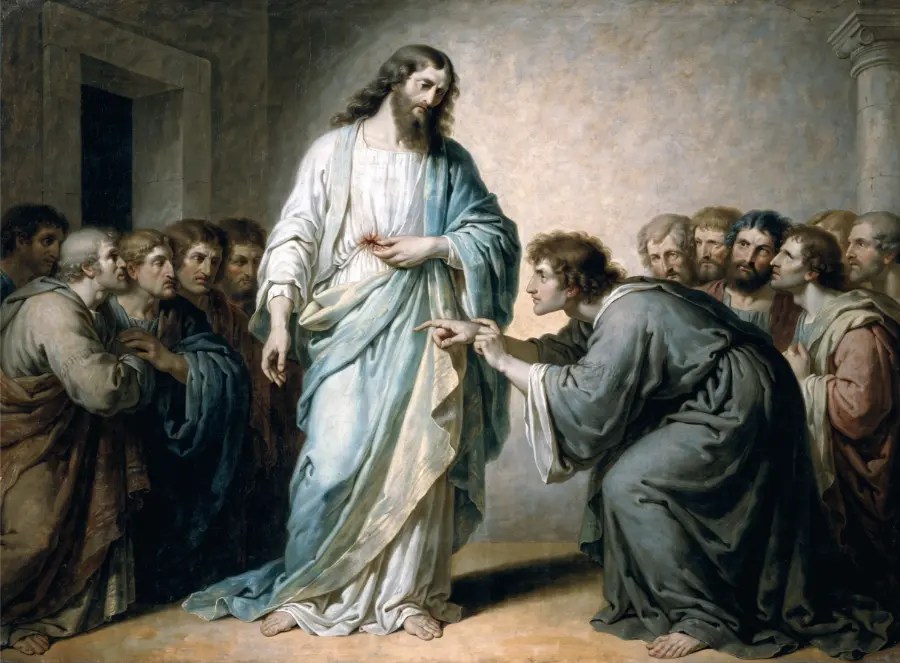
  • 在新约中,大麦在耶稣喂养五千人的奇迹中具有重要意义,象征着谦卑和上帝的供应。
  • 大麦在宗教仪式象征感恩,神圣供应,谦卑,并在精神成长和圣经事件中发挥作用。

圣经中提到过多少次大麦?

虽然确切的计数可能略有不同,但大麦通常在圣经中提到大约30到35次。 这种频率说明了它在古代以色列人的日常生活和圣经时代的周围文化中的重要性。 我发现这简单的谷物是如何通过圣经历史的挂毯编织的,从宗主教时代到新约时代,令人着迷。

在旧约中,我们发现大麦在不同的语境中提到。 它出现在五经,历史书籍,甚至在诗意和预言文学。 例如,在露丝的书中,我们看到大麦在露丝和波阿斯的故事中扮演着至关重要的角色,象征着维持生计和新开端的潜力。 在出埃及记,大麦是被冰雹瘟疫摧毁的作物之一,突出了它在古埃及的经济重要性。

新约虽然更多地关注属灵问题,但并没有忽视大麦的重要性。 也许最值得注意的是约翰福音,大麦面包被耶稣在五千人的神奇喂养中使用。 这一事件不仅展示了基督的力量,而且通过这种卑微的粮食的象征意义将旧约和新约联系起来。

从心理上讲,圣经中反复出现的大麦有助于在人们的日常经历中扎根神圣的叙事。 它提醒我们,神的工作常常表现在我们生活中平凡和熟悉的方面。 经常提到大麦也说明了古代以色列社会的农业基础,反映了人民,土地和信仰之间的密切联系。

当我们考虑这些提及时,我们必须记住,圣经中对大麦的提及不仅仅是一个历史细节,而且是一个更深入的灵性反思的机会。 無論是在法律、敘事或預言中出現的,大麥經常是肉體和精神領域之間的有形連結,邀請我們在看似平凡的生活方面看到神聖。

大麦在圣经中多次提到大麦 - 大约30到35次 - 强调了它在圣经历史中上帝的子民的物质和精神生活中的重要性。 当我们在阅读圣言时遇到这些引用时,让我们注意它们所携带的丰富层次的意义,以及它们可以为我们自己的灵性旅程提供信息的方式。

大麦在古代以色列的意义是什么?

从历史上看,大麦在喂饱五千人的神迹中所扮演的角色,教导我们关于将我们仅有的微薄之物献给上帝所蕴含的神迹般的潜能。在我们的生活中,我们可能会觉得自己的资源或才干微不足道,但大麦饼提醒我们,在上帝的手中,即使是我们最微小的奉献也能被倍增,从而祝福许多人 (Gowler, 2019)。

圣经中关于审判与复兴的预言使用了大麦,这呼召我们对上帝的本性持有平衡的观点。它提醒我们上帝公义的真实性,同时也让我们确信上帝关于更新与和好的终极计划。这能激励我们在各自的影响范围内为公义和复兴而努力,信靠上帝那统摄万有的旨意。

对于担任领导职务的人来说,教父们将大麦解释为代表使徒,这挑战我们在服侍他人时体现出谦卑和属灵滋养的品质。它提醒我们,真正的基督徒领导力在于提供属灵的供应,而非寻求个人荣耀。这种理解与……中所发现的基本教导相一致

,它强调群体支持以及引导他人走向属灵成长的重要性。通过营造相互尊重和服侍的环境,领导者可以真实地反映出教父们所期望的原则。最终,领导层中对谦卑的呼召穿越时空,敦促我们将群体的需求置于个人野心之上。

让我们让大麦丰富的象征意义加深我们的信心,激励我们的行动,并使我们更亲近上帝的心。愿它每天提醒我们上帝信实的供应,呼召我们进行谦卑的服侍,并鼓励我们信靠将生命完全献给基督所带来的改变力量。

Barley in ancient Israel was not just a crop but a layered symbol of God’s provision, human labor, and the covenant relationship between the divine and the human. Its significance touched every aspect of Israelite life, from the practical to the spiritual, reminding us of the holistic nature of faith and the sacredness of our daily bread.

哪些重要的圣经故事涉及大麦?

關於大麥最尖銳的故事之一是在露絲書中找到的。 这种忠诚,救赎和神圣的天意的叙述是在大麦收获的背景下展开的。 露丝,Moabite的寡妇,跟随她的岳母娜奥米回到伯利恒,发现自己在博阿斯的大麦田里收集。 这里的大麦收获成为善良,信仰和大卫王和耶稣基督血统的美丽故事的舞台。 在心理上,这个故事讲述了人类对归属的需要和无私爱的变革力量。

Another major mention of barley occurs in the Gospel of John, in the miracle of the feeding of the five thousand. Here, Jesus multiplies five barley loaves and two fish to feed a multitude. This miracle not only demonstrates Christ’s divine power but also echoes the Old Testament story of Elisha multiplying barley loaves. The use of barley in this context symbolizes God’s ability to take our humble offerings and transform them into abundant blessings for many. Psychologically this miracle addresses our deepest anxieties about scarcity and our trust in divine provision.

In the Old Testament, we find barley playing a role in the story of Gideon. When Gideon is called by God to deliver Israel from the Midianites, he overhears a Midianite soldier recounting a dream of a loaf of barley bread tumbling into their camp and destroying a tent. This dream is interpreted as a sign of Gideon’s impending victory, with the barley bread symbolizing the seemingly insignificant Israelites overcoming their powerful oppressors. This narrative speaks to the theme of God using the humble and ordinary to accomplish extraordinary feats.

先知以西结在他的象征性行动中,被上帝指示吃由各种谷物制成的面包,包括大麦,并用人类粪便作为燃料烘烤它 - 生动地表示将来到耶路撒冷的污辱和稀缺。 这个强大的图像使用大麦作为审判信息的一部分和不服从上帝的后果。

In the book of Hosea, the prophet is instructed to buy back his unfaithful wife with fifteen shekels of silver and a homer and a lethek of barley. This action, rich in symbolism, represents God’s enduring love for Israel despite her infidelity. The inclusion of barley in the price of redemption may symbolize the humility and repentance required in the process of restoration.

These stories, among others, demonstrate how barley serves as more than just a backdrop in biblical narratives. It becomes a symbol of God’s provision, human faith, divine judgment, and redemption. I am struck by how these stories reflect the agricultural realities of ancient Israel while simultaneously conveying timeless spiritual truths.

These biblical stories involving barley invite us to see the sacred in the ordinary, to recognize God’s hand in the simple aspects of life, and to understand that even the humblest elements can be vehicles of divine grace and revelation.

大麦是如何用于宗教仪式和祭品的?

In the Mosaic Law, barley played a major role in various offerings and rituals. Perhaps the most notable was the ‘omer offering, presented during the Feast of Unleavened Bread. This offering consisted of the first fruits of the barley harvest, symbolizing gratitude to God for His provision and acknowledging His sovereignty over the land(Álvarez-Martí-Aguilar, 2023, pp. 323–336). The priest would wave a sheaf of barley before the Lord, a gesture rich in meaning – it was both a thanksgiving for the current harvest and a petition for blessing on the crops still in the field.

在数字5中描述的嫉妒祭品的仪式也涉及大麦。 在这种情况下,在仪式上使用了大麦面粉,以确定涉嫌通奸的妻子是否有罪或无罪。 在这里使用大麦,而不是更有价值的小麦,可能象征了与指控相关的羞辱(图尔祖特,2019年,第31-43页)。

大麦也是纳粹主义者日常生活的一部分,他们特别发誓要献身于上帝。 在分离期间,他们放弃了葡萄的任何产品,包括大麦啤酒,这是古代常见的饮料。

从心理上讲,在这些仪式中使用大麦有多种用途。 它把崇拜者与土地和他们的日常生计联系起来,将他们的精神实践植根于他们的土地生活的现实中。 向上帝提供第一个和最好的收获的行为也培养了一种感恩和信任的态度,承认所有美好的事物都来自神。

Historically, we see that barley offerings were often associated with the poor or with times of hardship. For instance, the grain offering described in Leviticus 5:11 for those who could not afford animal sacrifices could be made with barley flour. This provision ensured that even the poorest members of society could participate in the ritual life of the community, reflecting God’s concern for all His people regardless of their economic status.

In the prophetic literature, we find barley used symbolically in rituals that conveyed divine messages. The prophet Ezekiel, for example, was instructed to make bread from various grains, including barley, as a symbolic action representing the coming siege of Jerusalem(Nuri & Hamad, 2023). Here, the everyday staple of barley bread becomes a powerful medium for conveying God’s word. Additionally, barley’s significance is often paralleled with other food items in the scriptures, emphasizing themes of sustenance and divine provision. Milk symbolism in biblical texts also complements this idea, illustrating the abundance and nurturing qualities attributed to God’s blessings. Together, these elements highlight the multifaceted ways in which everyday provisions serve to convey deeper spiritual truths. Furthermore, the use of barley alongside other food symbols like milk creates a rich tapestry of imagery that reflects the relationship between the mundane and the sacred. In contrast, locusts as biblical symbols serve to illustrate themes of destruction and divine judgment, providing a stark counterpoint to the nurturing aspects of barley. This juxtaposition further enriches our understanding of how various elements in biblical texts come together to convey complex spiritual narratives.

虽然大麦被用于这些仪式,但它通常被认为不如小麦。 这种较低的地位往往使大麦产品具有谦卑,悔改或净化的内涵。 在敬拜中使用更卑微的谷物可能提醒我们,上帝不看祭品的货币价值,而是在给予者的核心。

大麦在圣经时代宗教仪式和祭品中的使用反映了对信仰的整体方法,其中神圣和世俗之间的界限模糊,甚至日常生活中最卑微的元素也可以成为奉献和神圣相遇的载体。

圣经中的大麦有什么属灵意义?

Barley in Scripture often symbolizes God’s providence and sustenance. As one of the earliest cultivated grains, barley represents God’s care for His people, providing for their basic needs. This symbolism is powerfully illustrated in the miracle of the feeding of the five thousand, where Jesus multiplies five barley loaves to feed a multitude. Here, barley becomes a symbol of God’s abundant provision, reminding us that in God’s hands, even our meager resources can be transformed into blessings for many(Dziurdziak et al., 2022).

Barley is also associated with humility and simplicity in Scripture. Being less valued than wheat, barley was often the food of the poor or used in times of hardship. This humble status makes it a powerful symbol of God’s concern for the lowly and marginalized. Psychologically this symbolism speaks to the biblical theme of God exalting the humble and using the weak things of the world to confound the strong.

In the agricultural cycle of ancient Israel, the barley harvest marked the beginning of the grain harvest season. This timing imbues barley with symbolism related to new beginnings, renewal, and spiritual awakening. The offering of the first fruits of the barley harvest during the Feast of Unleavened Bread symbolized not only gratitude for God’s provision but also the dedication of the entire year’s produce – and by extension, one’s whole life – to God(Álvarez-Martí-Aguilar, 2023, pp. 323–336).

Barley also carries connotations of judgment and purification in Scripture. In the jealousy offering described in Numbers 5, barley flour is used in a ritual to determine guilt or innocence. Here, barley becomes associated with truth-revealing and the exposure of hidden things. This aspect of barley’s symbolism reminds us of the refining nature of God’s judgment and the call to live in truth and integrity before Him.

Barley in Scripture often appears in contexts of redemption and restoration. In the book of Ruth, the barley harvest provides the backdrop for a beautiful story of loyalty, kinsman-redeemer love, and the lineage of Christ. This narrative infuses barley with associations of hope, divine orchestration, and the fulfillment of God’s promises even in the midst of difficult circumstances.

I find it major that barley’s spiritual meanings in Scripture often reflect its practical uses and cultural context in ancient Israel. This grounding of spiritual symbolism in everyday realities reminds us that our faith is not meant to be divorced from our daily lives but rather to infuse every aspect of our existence with sacred meaning.

在心理上,圣经中与大麦相关的各种精神意义涉及人类的基本需求和经验 - 供应的需要,对新开始的渴望,与真理和审判的斗争,以及救赎的希望。 这些意义邀请我们通过灵性镜头看到我们自己的生活经历,在我们生活的平凡方面找到神圣的意义。

The spiritual meanings associated with barley in Scripture are layered, encompassing themes of divine provision, humility, renewal, judgment, and redemption. As we encounter barley in our reading of Scripture, let us be mindful of these rich layers of meaning, allowing them to deepen our understanding of God’s ways and our own spiritual journey.

耶稣如何在他的教导或比喻中使用大麦?

The most notable use of barley in Jesus’ ministry is found in the miraculous feeding of the five thousand, recounted in all four Gospels. In John’s account, we learn that the loaves used in this miracle were specifically made of barley (John 6:9). This detail, seemingly small, carries great significance.

Barley, was considered the bread of the poor in ancient Palestine. By choosing to multiply barley loaves, Jesus demonstrates His solidarity with the marginalized and His concern for their physical and spiritual nourishment. This miracle, rooted in the humble barley loaf, becomes a powerful symbol of God’s abundant provision and care for all people, regardless of their social status.

The use of barley in this context evokes the Old Testament story of Elisha feeding a hundred men with twenty barley loaves (2 Kings 4:42-44). Jesus, in multiplying five barley loaves to feed thousands, surpasses this earlier miracle, signaling the inauguration of a new era of God’s kingdom.

While Jesus does not explicitly use barley in His parables, the feeding miracle becomes a living parable of God’s generosity and the transformative power of sharing. The boy who offers his meager barley loaves becomes an example of how God can use our small contributions to accomplish great things.

Psychologically we can see how Jesus uses this familiar staple food to connect with His audience’s daily experiences. By elevating the humble barley loaf to a central role in one of His most famous miracles, He affirms the dignity of common people and their simple offerings.

Historically, we must remember that in the agrarian society of Jesus’ time, barley was a crop closely tied to the rhythms of life and the providence of God. Its use in this miracle would have resonated deeply with the crowd, reminding them of God’s faithfulness through the cycles of planting and harvest.

As we contemplate Jesus’ use of barley, let us be reminded of our call to share what we have, no matter how insignificant it may seem. Let us also remember that in God’s hands, even the humblest of offerings can become a source of abundant blessing for many.

In our modern world, where we often seek complex solutions to life’s challenges, Jesus’ use of barley reminds us of the power of simplicity and the extraordinary potential of ordinary things when placed in service of God’s love.

大麦在圣经中的先知异象中象征什么?

In the book of Revelation, we encounter a striking image of barley in the context of divine judgment. As the third seal is opened, a voice cries out, “A quart of wheat for a denarius, and three quarts of barley for a denarius” (Revelation 6:6). This proclamation, set against the backdrop of the four horsemen, speaks of economic distress and scarcity. Barley, being the cheaper grain, symbolizes here the dire circumstances that will befall humanity. Yet, even in judgment, we see God’s mercy, as basic sustenance remains available, albeit at a high cost.

The prophet Ezekiel, in his vision of the restored temple, is instructed to use specific measures of wheat and barley in grain offerings (Ezekiel 45:13). Here, barley becomes part of the renewed worship, symbolizing the restoration of right relationship between God and His people. It reminds us that in God’s redemptive plan, even the simplest elements of daily life are sanctified and become means of communion with the Divine.

In the book of Hosea, we find a poignant use of barley as a symbol of God’s restorative love. The prophet is instructed to buy back his unfaithful wife for “fifteen shekels of silver and a homer and a lethech of barley” (Hosea 3:2). This act, rich in symbolism, portrays God’s persistent love for Israel despite her infidelity. Barley, as part of the price of redemption, becomes a tangible sign of God’s covenant faithfulness and His desire for reconciliation.

Psychologically the use of barley in these prophetic visions taps into the deep-seated human experiences of hunger, provision, and belonging. It speaks to our fundamental needs and our dependence on God’s grace, reminding us that even in times of scarcity or alienation, God remains faithful.

Historically, we must remember that for the ancient Israelites, barley was often the first crop to be harvested in the spring. Its appearance in prophetic visions would have evoked associations with new beginnings, God’s provision, and the fulfillment of divine promises.

In our modern world, where we often feel overwhelmed by complexity and uncertainty, the prophetic symbolism of barley reminds us of God’s attention to the details of our lives and His commitment to bringing about justice, restoration, and new life.

大麦与上帝的供应和祝福有什么关系?

Throughout Scripture, we see barley closely associated with God’s provision for His people. In the book of Ruth, we witness how God uses the barley harvest as a means of sustenance and hope for Naomi and Ruth in their time of need. The gleaning of barley in Boaz’s field becomes not only a source of physical nourishment but also the setting for a beautiful story of redemption and restoration.

The offering of the first fruits of the barley harvest, as prescribed in Leviticus 23:10-14, serves as a powerful reminder of God’s faithfulness and the people’s dependence on His provision. This act of worship acknowledges that all blessings flow from God’s hand and expresses trust in His continued care.

In times of scarcity, God’s provision of barley becomes even more major. We recall the prophet Elisha multiplying twenty barley loaves to feed a hundred men (2 Kings 4:42-44), prefiguring Christ’s own miracle with the five barley loaves. These accounts remind us that in God’s economy, scarcity can become abundance when we place our trust in Him.

Psychologically the connection between barley and divine provision speaks to our deep-seated need for security and sustenance. It addresses the fundamental human anxiety about having enough and offers reassurance of God’s attentive care for our needs.

Historically, we must remember that barley, being one of the earliest cultivated grains, has long been associated with the development of agriculture and settled communities. Its abundance or scarcity could mean the difference between prosperity and hardship for entire societies. Thus, a good barley harvest was seen as a clear sign of God’s blessing and favor.

The Psalms often use agricultural imagery, including that of abundant harvests, to speak of God’s blessings. While not always specifically mentioning barley, these poetic expressions would have evoked images of fields ripe with grain, including barley, as tangible signs of God’s goodness and provision.

In the New Testament, Jesus’ use of barley loaves in the feeding of the five thousand elevates this humble grain to a symbol of God’s superabundant provision and the miraculous potential of what we offer in faith, no matter how meager it may seem.

In our modern world, where we often take for granted the sources of our daily bread, the biblical significance of barley challenges us to reconnect with the rhythms of nature, to recognize God’s hand in our sustenance, and to cultivate a spirit of thankfulness and wonder at the abundance that surrounds us.

早期的教父们对大麦的象征意义有何教导?

The Church Fathers, in their wisdom, often saw in barley a symbol of the Old Testament, the law, and the initial stages of spiritual growth. St. Augustine, in his commentary on John’s Gospel, reflects on the five barley loaves used in the feeding of the five thousand. He sees in the coarseness of barley bread a representation of the Old Testament, with its outer husk of literal meaning concealing the inner spiritual nourishment(St-Jacques, 1969, pp. 217–230).

Origen以其寓言解释而闻名,也看到了在这个奇迹中使用大麦面包的重要性。 对他来说,大麦代表了更基本的灵性食物,适合那些在精神旅程开始时的人。 他将其与小麦进行了对比,他认为小麦象征着更高级的精神营养(St-Jacques,1969年,第217-230页)。

亚历山大的圣西里尔,在他的评论约翰,扩展了这个象征意义。 他在大麦面包中看到预言词的表示,它像大麦一样,提供必需的营养,但需要更多的努力来充分消化。 这种解释突出了旧约和新约之间的连续性,基督履行和提升先知的应许(圣雅克,1969年,第217-230页)。

从心理上讲,我们可以欣赏到这些解释如何讲述人类精神成长的经验。 大麦作为信仰初始阶段的象征意义承认,我们的灵性旅程往往始于更简单的理解,逐渐加深和成熟。

歷史上,我們必須記住,對於沉浸在希臘羅馬世界的早期教會教父來說,符號的解釋是從文本中提取更深層意義的常見方法。 他们对待大麦的方法反映了这种解经的传统,同时也表明了他们在整个旧约中看到基督的承诺。

一些教父在大麦上也看到了忏悔和谦卑的象征。 它与穷人的联系及其在禁食时期的使用,使他们将其视为对基督徒生活中精神纪律和自我否定的重要性的提醒。

尊贵的Bede后来写作,但借鉴了教父的传统,在大麦面包中看到使徒本身的象征。 正如大麦是第一种成熟的谷物一样,使徒们是用生命面包滋养他人的第一个水果(St-Jacques,1969年,第217-230页)。

In our modern world, where we often seek quick and easy answers, the Church Fathers’ reflections on barley remind us of the value of patient meditation on God’s word and the symbols of our faith. They challenge us to look beyond the surface and to seek the deeper spiritual realities that can nourish and transform our lives.

基督徒如何将大麦的圣经象征意义应用到他们今天的生活中?

The association of barley with the poor and humble invites us to embrace simplicity and solidarity with those in need. In our consumer-driven society, the symbolism of barley challenges us to find contentment in the basics of life and to share generously with others. It reminds us of Christ’s own identification with the poor and marginalized, calling us to do likewise in our communities.

大麦在心理上象征着精神成长的初始阶段,鼓励我们在信仰的旅程中对自己和他人保持耐心。 它提醒我们,精神成熟是一个过程,即使是最基本的信仰和服从行为也可以是强大的精神转变的种子。

Historically, barley’s role in the feeding of the five thousand teaches us about the miraculous potential of offering what little we have to God. In our own lives, we may feel that our resources or talents are inadequate, but the barley loaves remind us that in God’s hands, even our smallest offerings can be multiplied to bless many(Gowler, 2019).

The use of barley in biblical prophecies of judgment and restoration calls us to a balanced view of God’s nature. It reminds us of the reality of divine justice while also assuring us of God’s ultimate plan for renewal and reconciliation. This can inspire us to work for justice and restoration in our own spheres of influence, trusting in God’s overarching purpose.

在我們的敬拜和靈性紀律中,我們可以從大麥的象徵中汲取靈感。 正如大麦是圣殿粮食供应的一部分一样,我们可以看到我们的日常工作和例行公事是把自己献给上帝的机会。 这种观点甚至可以为最平凡的任务注入精神意义。

For those in leadership roles, the Church Fathers’ interpretation of barley as representing the apostles challenges us to embody the qualities of humility and spiritual nourishment in our service to others. It reminds us that true Christian leadership is about providing spiritual sustenance, not seeking personal glory. This understanding aligns with the fundamental teachings found in a 耶和华见证人信仰概述, which emphasizes community support and the importance of guiding others toward spiritual growth. By fostering an environment of mutual respect and service, leaders can truly reflect the principles that the Church Fathers intended. Ultimately, the call to humility in leadership echoes through time, urging us to prioritize the needs of our community above personal ambition.

当我们面临稀缺或不确定的时代时,让大麦的圣经象征性加强我们的信仰。 無論是在個人試驗還是全球性的挑戰中,我們都可以從神使用這種卑微的糧食來展示祂的能力和供給的許多實例中獲得安慰。

Let us allow the rich symbolism of barley to deepen our faith, inspire our actions, and draw us closer to the heart of God. May it remind us daily of God’s faithful provision, call us to humble service, and encourage us to trust in the transformative power of offering our lives fully to Christ.

-


克里斯蒂安 纯洁

................

啊 啊 啊

分享到...