了解贵格会信仰:他们对耶稣、基督教和上帝的看法


  • Inner Light: Quakers believe in the "Inner Light" or "that of God in everyone," a direct connection to the divine present in each person.
  • Unique Worship: Quaker worship centers around silent waiting and listening for the Holy Spirit, with anyone potentially moved to speak or pray.
  • Social Action: Rooted in their belief in equality and peace, Quakers are known for their social activism, historically advocating for abolition, peace, and human rights.
  • Emphasis on Experience: Quakers prioritize direct spiritual experience and continuing revelation over strict adherence to scripture or external rituals.

What do Quakers believe about Jesus Christ?

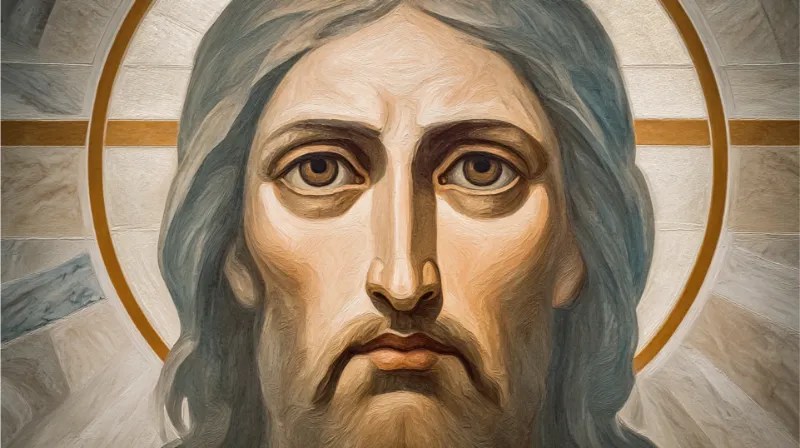
Quakers, also known as the Religious Society of Friends, have a unique and powerful understanding of Jesus Christ that has evolved over time. At the core of their belief is the conviction that there is “that of God” in every person, a divine spark that connects us all to the Creator. This concept, often referred to as the “Inner Light,” is closely associated with their understanding of Christ.

For many Quakers, Jesus Christ is seen as the ultimate embodiment of this divine presence. They view Him not only as a historical figure but as a living spiritual reality that continues to guide and inspire believers. This perspective emphasizes a direct, personal experience of Christ rather than adherence to specific doctrinal statements.

Quaker beliefs about Jesus have varied throughout history and continue to do so among different branches of Quakerism. Some Quakers hold a more traditional Christian view of Jesus as the Son of God and Savior, while others may interpret His role in more metaphorical or symbolic terms.

Psychologically this emphasis on personal experience and individual interpretation of Christ’s nature allows for a deeply meaningful and personalized faith journey. It encourages believers to engage actively with their spirituality rather than passively accepting prescribed beliefs.

Historically, early Quakers like George Fox spoke of the “Christ within” and emphasized the importance of listening to this inner voice as a guide for living. This focus on direct spiritual experience led to a de-emphasis on outward religious rituals and hierarchies, which continues to characterize Quaker practice today.

In our journey of faith, let us be inspired by the Quaker emphasis on personal spiritual experience and their dedication to following Christ’s example in daily life. May we all strive to recognize and nurture that divine spark within ourselves and others, fostering a world of greater understanding and compassion.

Are Quakers considered Christians? How do their beliefs compare to mainstream Christianity?

Quakers, or the Religious Society of Friends, have their roots firmly planted in Christian soil. They emerged in 17th century England as part of the Protestant Reformation, seeking a purer form of Christianity. In this sense, their origins are undeniably Christian. But the question of whether contemporary Quakers are considered Christians is more complex and varies depending on the branch of Quakerism and individual beliefs.

Many Quakers do identify as Christians and share fundamental Christian beliefs. They recognize Jesus Christ as a central figure in their faith, draw inspiration from His teachings, and seek to follow His example of love and service. But their interpretation and expression of Christianity often differ from mainstream denominations in major ways.

One key difference lies in the Quaker emphasis on direct, personal experience of the divine. While mainstream Christianity generally places great importance on scripture, sacraments, and clergy, Quakers believe in the possibility of immediate, unmediated communion with God. This belief in the “Inner Light” or “that of God in everyone” leads to a more individualistic and less hierarchical approach to faith.

Psychologically this emphasis on personal spiritual experience can foster a deep sense of individual responsibility and engagement with one’s faith. It allows for a more flexible and evolving understanding of religious truth, which can be both liberating and challenging for believers.

Historically, Quakers have often found themselves at odds with established Christian churches due to their rejection of many traditional Christian practices. They do not typically have ordained clergy, formal creeds, or sacraments in the traditional sense. This has led some to question their Christian identity.

But it is crucial to recognize that Christianity is a diverse faith with many expressions. The Quaker focus on simplicity, peace, integrity, community, equality, and stewardship (often referred to as the SPICES) aligns closely with core Christian values, even if expressed in unique ways.

In our modern context, some branches of Quakerism have moved towards a more universalist perspective, welcoming individuals from various faith backgrounds. This inclusivity, while broadening the Quaker community, has also led to further questions about their Christian identity.

Do Quakers believe in the Trinity (Father, Son, and Holy Spirit)?

Traditionally, many Quakers have been hesitant to adopt or emphasize the doctrine of the Trinity as it is understood in mainstream Christianity. This hesitation stems not from a rejection of the divine nature of Christ or the Holy Spirit rather from a desire to avoid what they perceive as speculative theology that might distract from direct spiritual experience.

Early Quakers, such as George Fox, spoke more of the “Light of Christ” or the “Inward Light” than of a triune God. This focus on immediate, personal experience of the divine led to a less defined theology regarding the nature of God. Psychologically this approach allows for a more intuitive and experiential relationship with the divine, potentially fostering a deeper sense of personal connection and responsibility in one’s spiritual journey.

But Quaker views on the Trinity are not monolithic. Some Quakers, particularly those in more evangelical branches, do affirm a belief in the Trinity that aligns closely with mainstream Christian doctrine. Others may accept the concept of the Trinity but interpret it in ways that differ from traditional formulations.

Many Quakers prefer to speak of the various aspects or manifestations of God’s nature rather than defining God in strictly trinitarian terms. They might acknowledge God as Creator (akin to the Father), Christ as the revealer of God’s will and nature (the Son), and the Holy Spirit as the continuing presence of God in the world and in individual hearts. This approach allows for a recognition of God’s diverse modes of interaction with creation while maintaining an emphasis on the unity and ineffability of the divine.

Historically, this less dogmatic approach to the Trinity has sometimes led to tensions between Quakers and other Christian denominations. But it has also allowed Quakerism to remain open to diverse interpretations and experiences of the divine, fostering a rich tradition of spiritual exploration.

In our contemporary context, where interfaith dialogue and understanding are increasingly important, the Quaker approach to the Trinity offers valuable insights. It reminds us that the mystery of God’s nature transcends human formulations and that our understanding of the divine is always partial and evolving.

In this way, we can honor the spirit of Quaker faith while remaining open to the diverse ways in which God reveals Himself to humanity. Let us continue to seek unity in our shared love for God and neighbor, even as we respect the different paths by which we approach these eternal truths.

How do Quakers view and use the Bible in their faith and practices?

Quakers have historically held the Bible in high regard, recognizing it as a source of divine wisdom and guidance. But their approach to Scripture differs significantly from many other Christian denominations. For Quakers, the Bible is not seen as the sole or final authority in matters of faith and practice. Instead, they view it as a vital tool for spiritual growth and discernment, to be read in conjunction with personal spiritual experience and the guidance of the Inner Light.

This perspective on Scripture stems from the Quaker belief in continuing revelation. They hold that God’s truth is not confined to the pages of the Bible but continues to be revealed to individuals and communities through direct spiritual experience. As George Fox, the founder of Quakerism, famously stated, “You will say, Christ saith this, and the apostles say this; but what canst thou say?” This emphasis on personal spiritual authority encourages a dynamic and engaged relationship with Scripture.

This approach to the Bible can foster a deep sense of personal responsibility in one’s spiritual journey. It encourages individuals to wrestle with the text, seeking its relevance for their own lives and contexts, rather than simply accepting prescribed interpretations. This can lead to a more internalized and meaningful engagement with biblical teachings.

Historically, Quakers have been known for their careful and contemplative reading of Scripture. In their meetings for worship, passages from the Bible are often read aloud and followed by periods of silent reflection. This practice allows for communal discernment of the text’s meaning and relevance. Quakers do not typically read the Bible(Hildebrandt et al., 2021).

While Quakers value the Bible, they do not view it as infallible or inerrant in the way some other Christian groups do. They recognize that the Bible was written by humans inspired by God subject to human limitations and historical contexts. This perspective allows for a more flexible and nuanced interpretation of Scripture, one that can evolve with new insights and understandings.

Quaker views on the Bible have varied over time and across different branches of Quakerism. Some more evangelical Quaker groups may place greater emphasis on biblical authority, while more liberal branches might view the Bible more metaphorically or symbolically.

What are the core beliefs and practices that define Quaker spirituality?

At the core of Quaker spirituality lies the belief in the “Inner Light” or “that of God in everyone.” This fundamental concept posits that each person has direct access to the divine, without the need for intermediaries. Psychologically this belief fosters a deep sense of individual worth and spiritual autonomy, encouraging personal responsibility in one’s faith journey.

Quaker practices are characterized by simplicity and a focus on direct spiritual experience. Their meetings for worship, often held in silence, provide a space for collective listening and individual reflection. This practice of silent worship allows for a deep, contemplative engagement with the divine, free from the distractions of formal liturgy or preaching.

The Quaker commitment to peace and non-violence is another defining aspect of their spirituality. This pacifist stance, rooted in their interpretation of Christ’s teachings, has led Quakers to be at the forefront of peace activism and conflict resolution throughout history. This commitment extends beyond mere abstention from violence to active peacemaking in all aspects of life.

Equality is another cornerstone of Quaker belief and practice. The recognition of the divine in all people has led Quakers to be early advocates for social justice, including women’s rights, abolition of slavery, and fair treatment of indigenous peoples. This emphasis on equality is reflected in their non-hierarchical church structure and decision-making processes based on consensus.

Integrity, or truthfulness in all dealings, is a key Quaker value. This commitment to honesty has historically led Quakers to refuse to swear oaths, believing that one should always speak the truth. this emphasis on integrity can foster a strong sense of personal authenticity and ethical living.

Quaker spirituality also emphasizes simplicity in lifestyle and worship. This simplicity is not merely about material possessions but extends to a clarity of purpose and a focus on what is truly important in life. This aspect of Quaker spirituality can be particularly relevant in our modern context of consumerism and information overload.

Community is another vital aspect of Quaker spirituality. While emphasizing individual spiritual experience, Quakers also recognize the importance of communal discernment and support. Their practice of making decisions through a process of silent reflection and consensus-building reflects this balance between individual and communal spirituality.

Historically, Quakers have been known for their social activism, seeing their faith as inseparable from their actions in the world. This integration of spirituality and social concern has led Quakers to be at the forefront of various reform movements throughout history.

Do Quakers celebrate Christian holidays like Easter and Christmas?

Traditionally, Quakers have not formally celebrated Easter, Christmas, or other liturgical holidays in the same manner as many other Christian denominations. This practice stems from their belief that every day should be lived as holy, with equal reverence and attention to the divine. The early Quakers, in their quest for a pure and unmediated relationship with God, sought to strip away what they saw as unnecessary rituals and ceremonies that might distract from the inner light of Christ present in all believers.

But Quaker practices have evolved over time and vary among different branches of the Society of Friends. Some more progressive Quaker meetings may acknowledge these holidays in some form, while others maintain the traditional stance of not marking them as special days.

For many Quakers, the essence of Easter – the resurrection of Christ and its powerful meaning for humanity – is something to be contemplated and celebrated every day, not just on a designated Sunday. Similarly, the spirit of Christmas – the incarnation of divine love in human form – is seen as a continuous reality rather than an annual event.

This approach reflects a deep psychological insight into the nature of spiritual practice. By integrating the meanings of these holy days into daily life, Quakers seek to maintain a constant awareness of the divine presence, rather than relegating it to specific times of the year. It is a call to live out the teachings of Christ in every moment, embodying the resurrection hope and incarnate love in our interactions with all of creation.

I have noticed that this Quaker practice has roots in the early Christian where believers were encouraged to live every day in the light of Christ’s resurrection. It also resonates with the apostle Paul’s exhortation to “pray without ceasing” (1 Thessalonians 5:17).

While this approach may seem austere to some, it carries a powerful message for all Christians. It challenges us to consider how we might bring the spirit of Easter and Christmas into our daily lives, making every day an opportunity to encounter the living Christ and share His love with others.

What do Quakers believe about heaven and the afterlife?

Traditionally, Quakers have not placed great emphasis on speculative doctrines about the afterlife. Their focus has been primarily on the present reality of the divine presence, what they call the “Inner Light” or the “Light of Christ” within each person. This approach reflects a deep psychological insight: by focusing on the immediate experience of the divine, one can cultivate a sense of heaven on earth, transforming daily life into a foretaste of eternal communion with God.

But it would be an oversimplification to say that Quakers do not believe in heaven or an afterlife. Rather, their beliefs on this matter tend to be diverse and often individually held. Some Quakers do affirm a traditional Christian understanding of heaven as a place of eternal life in the presence of God. Others may interpret heaven more metaphorically, as a state of being in perfect harmony with the divine will.

The Quaker emphasis on continuing revelation – the idea that God’s truth is not confined to scripture but continues to be revealed directly to individuals – means that beliefs about the afterlife can vary widely among Friends. Some may hold views similar to other Christian denominations, while others may embrace more universalist perspectives or even agnostic positions.

What unites Quakers in their approach to the afterlife is a focus on the quality of life lived here and now. They believe that by living in accordance with divine guidance, seeking to embody love, peace, and justice in the present, one prepares for whatever may come after death. This perspective aligns with the words of Jesus in the Gospel of Luke: “The kingdom of God is within you” (Luke 17:21).

This approach has roots in the early Christian where the emphasis was often on the present reality of Christ’s kingdom rather than speculation about the future. It also resonates with the mystical traditions within Christianity that speak of union with God as the ultimate goal of the spiritual life.

Psychologically this focus on present spiritual reality can be deeply transformative. By encouraging individuals to seek and respond to divine guidance in their daily lives, it fosters a sense of meaning, purpose, and connection that can alleviate anxiety about the unknown future.

Let us reflect on how this Quaker perspective might enrich our own spiritual lives. While holding fast to the hope of eternal life promised in Christ, can we also cultivate a deeper awareness of God’s presence here and now? Can we, like our Quaker brothers and sisters, strive to make our present reality a reflection of the divine kingdom, trusting that in doing so, we prepare ourselves for whatever eternity may hold?

In this way, we might find that heaven is not just a future hope a present reality that we are called to embody and share with all of creation.

How do Quaker worship services differ from other Christian denominations?

At the heart of Quaker worship is the practice of silent waiting. Unlike many Christian services with structured liturgies, hymns, and sermons, a traditional Quaker meeting for worship begins in silence. This silence is not empty or passive rather a active, expectant waiting for the movement of the Holy Spirit. It is a communal practice of turning inward to listen for the “still, small voice” of God (1 Kings 19:12).

This approach reflects a powerful psychological insight into the nature of spiritual experience. By creating a space of silence, Quakers seek to quiet the noise of the external world and the chatter of the mind, allowing for a deeper attunement to the divine presence. It is a practice that resonates with the Psalmist’s exhortation to “Be still, and know that I am God” (Psalm 46:10).

In this silence, any member of the congregation may feel moved by the Spirit to speak, pray aloud, or even sing. These spoken messages are seen as a form of ministry, arising not from personal desire but from divine prompting. This practice embodies the Quaker belief in the “priesthood of all believers,” recognizing that God may speak through any person, regardless of their formal education or ordination.

Historically, this form of worship developed as a reaction against what early Quakers saw as empty rituals and formalities in the established churches of their time. It represents a radical attempt to return to the simplicity and directness of early Christian worship, as described in the New Testament.

Psychologically this form of worship can be deeply transformative. It encourages self-reflection, mindfulness, and a heightened awareness of one’s inner spiritual state. It also fosters a sense of community and equality, as all participants share in the responsibility of listening and potentially ministering.

But not all Quaker meetings follow this traditional unprogrammed format. Some, particularly in parts of the United States, have adopted more structured services with pastors, music, and prepared messages, while still maintaining periods of open worship.

What did the early Church Fathers teach about beliefs similar to those held by Quakers?

One of the most striking correspondences is the emphasis on the inner spiritual experience. The Quaker concept of the “Inner Light” or “Light of Christ” within each person finds echoes in the writings of several Church Fathers. For instance, Origen of Alexandria spoke of the “divine spark” present in every human soul, while Augustine of Hippo famously wrote, “You have made us for yourself, O Lord, and our heart is restless until it rests in you.” These ideas reflect a deep understanding of the human psyche’s innate longing for divine connection.

The Quaker practice of silent worship and waiting on the Spirit also has precedents in early Christian thought. The Desert Fathers, in particular, emphasized the importance of silence and contemplation in spiritual life. John Cassian, drawing on their teachings, wrote extensively about the practice of “pure prayer” – a state of wordless communion with God that bears similarities to Quaker worship.

The Quaker belief in continuing revelation – that God’s truth is not confined to scripture but continues to be revealed directly to individuals – finds parallels in the writings of Irenaeus of Lyons. He spoke of the Holy Spirit as the “eternal youth” of the constantly renewing and revealing God’s truth to believers.

The Quaker emphasis on pacifism and non-violence resonates with the teachings of many early Church Fathers. Tertullian, for example, wrote strongly against Christians participating in military service, stating, “The Lord, in disarming Peter, disarmed every soldier.” Similarly, Origen argued that Christians should not take up arms but instead pray for the emperor and his armies.

The Quaker commitment to social justice and equality also finds precedents in patristic thought. Basil the Great, for instance, preached powerfully against economic inequality and the exploitation of the poor, ideas that align closely with Quaker social testimonies.

But there are also major differences between Quaker beliefs and those of the early Church Fathers. The Quaker rejection of outward sacraments, for example, stands in contrast to the sacramental theology developed by many patristic writers.

I have noticed that these parallels do not imply a direct lineage from the early church to Quakerism rather demonstrate how certain spiritual insights can emerge in different historical contexts. I see in these correspondences a reflection of deep human spiritual needs and experiences that transcend specific theological frameworks.

How has Quaker philosophy influenced modern Christianity and society?

One of the most major contributions of Quaker philosophy has been in the realm of social justice and human rights. The Quaker belief in the equality of all people before God, stemming from their concept of the “Inner Light” present in every individual, has been a powerful force for social change. This conviction led Quakers to be at the forefront of the abolitionist movement, prison reform, and the fight for women’s rights. In our modern context, this legacy continues to inspire Christians of all denominations to work for justice and equality.

The Quaker commitment to pacifism and non-violence has also had a powerful impact on Christian thought and practice. While not all Christians embrace absolute pacifism, the Quaker witness has challenged the Church to grapple more deeply with Jesus’ teachings on peace and non-violence. This influence extends beyond Christianity, inspiring secular peace movements and contributing to the development of conflict resolution techniques.

In the realm of education, Quaker philosophy has left an indelible mark. The emphasis on the value of each individual and the importance of experiential learning has influenced educational theory and practice. Many schools and universities founded by Quakers continue to be respected institutions, known for their commitment to academic excellence and ethical development.

The Quaker approach to business ethics, emphasizing integrity, fair dealing, and social responsibility, has also had a major impact. The concept of ethical business practices, now widely accepted, owes much to Quaker influence. This has challenged both Christian and secular business leaders to consider the moral implications of their economic activities.

In the political sphere, Quaker advocacy for democratic processes, civil liberties, and international cooperation has been influential. The United Nations’ Universal Declaration of Human Rights, for instance, was significantly shaped by Quaker input.

Within Christianity, Quaker emphasis on direct spiritual experience and the priesthood of all believers has influenced many denominations, contributing to a broader acceptance of lay ministry and a more experiential approach to faith. This resonates with the growing interest in contemplative spirituality across Christian traditions.

Psychologically the Quaker practice of silent worship and discernment has offered valuable insights into mindfulness and mental well-being, influencing both religious and secular approaches to mental health.

I have noticed that Quaker influence often operates subtly, through the gradual permeation of ideas rather than dramatic doctrinal shifts. Their emphasis on “letting one’s life speak” has led to a form of witness that is often more lived than preached.

Let us reflect on how this Quaker legacy might continue to challenge and inspire us. How can we, in our own contexts, embody the Quaker commitment to integrity, equality, and peace? How might their emphasis on direct spiritual experience enrich our own faith journeys?


了解 Christian Pure 的更多信息

立即订阅以继续阅读并访问完整档案。

继续阅读

分享至...