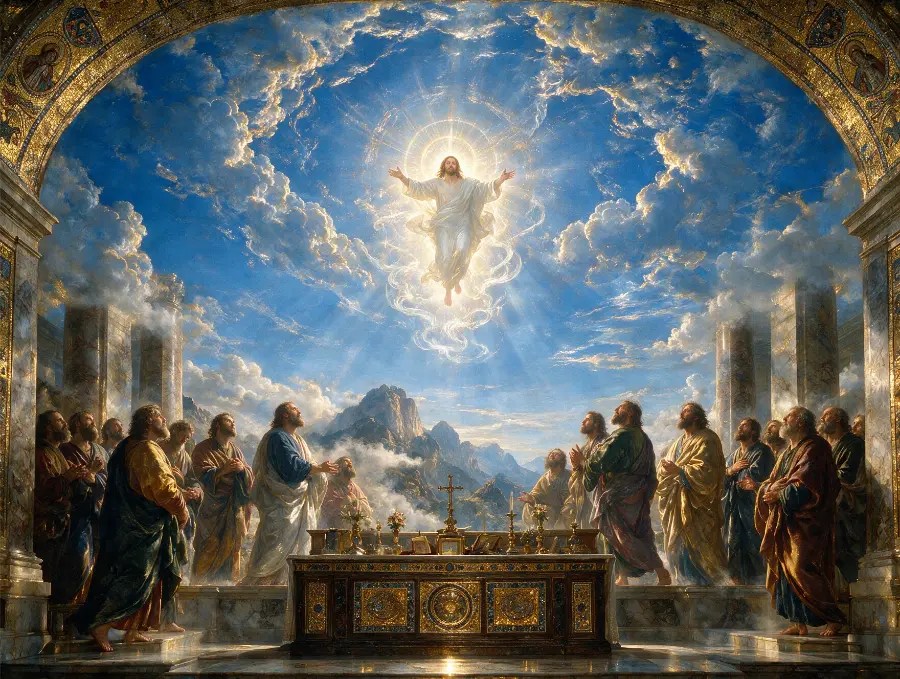
أساسيات الكتاب المقدس: ما هي نعمة الله؟


  • تُعرف نعمة الله بأنها نعمة الله الحرة وغير المستحقة ، وتقدم اللطف والخير لجميع الناس بغض النظر عن أفعالهم.
  • النعمة أمر بالغ الأهمية للخلاص، وتعليم المؤمنين كيفية عيش حياة صالحة، وكشف محبة الله وعدالته، وتحويلهم من خلال الإيمان بيسوع المسيح.
  • أنواع مختلفة من نعمة تشمل نعمة مشتركة (للجميع) ، حفظ نعمة (للخلاص) ، وتبرير نعمة (إعلان البر) ، وتقديس نعمة (النمو الروحي المستمر).
  • نعمة الله تقدم المغفرة والمصالحة من الخطيئة، ولكن يمكن للأفراد أن يختاروا أن يرفضوا أو ينأوا بأنفسهم عنها، في حين أن التوبة هي مفتاح العودة إلى نعمة الله.

معرفة نعمة الله المدهشة: إجابات لأهم أسئلتك

نعمة الله هي فكرة جميلة وقوية في الإيمان المسيحي. ‫يتحدث عنها في الأغاني والعظات‬ ‫والمحادثات اليومية بين المؤمنين.‬ لكن ما هو بالضبط؟ كيف يعمل ذلك في حياتنا؟ يسعى هذا الاستكشاف إلى الإجابة على الأسئلة الشائعة حول نعمة الله ، مما يجعل هذه الحقيقة القوية أكثر مفهومة وشخصية للقراء المسيحيين. استعد لاكتشاف شيء رائع!

ما هي نعمة الله بعبارات بسيطة؟

اسمحوا لي أن أقول لكم، في قلبها، نعمة الله نعمة الله الحره وغير المستحقهنعم، هذا صحيح! فكر في الأمر على أنه تلقي هدية رائعة لم تكسبها ولا تستحقها - أليس هذا رائعًا؟ الله يظهر اللطف والخير للناس، ليس لأنهم جيدون بما فيه الكفاية لأنه محب جدا وكريم.

يستخدم الكتاب المقدس بضع كلمات مهمة لمساعدتنا على فهم هذه النعمة المذهلة. في العهد القديم، الكلمة العبرية خين خين can mean charm, beauty, or favor. When someone “found خين خين in another’s eyes,” it meant a person of higher status was showing special kindness to someone of lower status, treating them better than their position would normally allow.³ And listen to this: God Himself is described as being full of خين خين, وهذا يعني أنه كريم! إنه مليئ بالخير لك!

ثم ، في العهد الجديد ، فإن الكلمة اليونانية للنعمة هي خاريس (charis). This beautiful word also points to God’s merciful behavior towards humankind.⁴ It describes God’s loving character and His kind actions towards us. Ephesians 2:8-9 famously says, “For by grace you have been saved through faith. And this is not your own doing; it is the gift of God, not a result of works, so that no one may boast”.⁴ This verse clearly shows that grace is a gift, not something we achieve through our efforts. It’s all Him!

So, you see, grace is not just a “thing” God gives; it’s also a part of His very nature. That’s who He is! God is naturally gracious. He consistently looks upon people with favor – yes, that includes you! – offering healing and freedom as an undeserved gift, even when they have made mistakes or turned away from Him.³ This means God’s grace is both who He is (His loving and generous character) and what He does (His actions of showing unearned kindness and offering salvation). This wonderful understanding helps us see that God’s desire to show favor isn’t a rare event but flows from His constant love for humanity. He’s always looking for an opportunity to be good to you!

لماذا نعمة الله مهمة جدا في المسيحية؟ إنها لعبة مغيرة!

God’s grace is incredibly important because it’s the foundation of a Christian’s relationship with God and the way to eternal life. That’s right, without grace, no one could be saved or live a life that pleases God. It’s that vital!

نعمة تجلب الخلاص: the most important aspect of grace is that it brings salvation. The Bible teaches that all people have sinned and fallen short of God’s standards, deserving punishment.⁶ But because God is gracious, He made a way for people to be forgiven and reconciled to Him. And that way is through Jesus Christ! God’s grace appeared in the person of Jesus – His life, death, and resurrection – to offer salvation to everyone.⁷ Ephesians 2:8-9 highlights that salvation is “by grace… Through faith… It is the gift of God”.⁷ This means we are not saved because we are good enough or do enough good things because God freely gives us this gift. What a generous God!

Grace Teaches and Empowers Daily Living: ‫ولا يتوقف عند هذا الحد! نعمة لا تتوقف عند الخلاص. كما أنه يعلم المؤمنين كيفية العيش بطريقة تكرم الله. يرشد المسيحيين أن يبتعدوا عن العيش الفاحش والرغبات الدنيوية ، وأن يعيشوا مع ضبط النفس والبر والتركيز على الله. توفر النعمة المساعدة الإلهية اللازمة لاتباع شريعة الله الأخلاقية والتغلب على قوة الخطيئة في الحياة اليومية. يكمل حريتنا بمساعدتنا على التحرر من الخطيئة ، وهي العقبة الحقيقية أمام الحرية الحقيقية. إنه معك في كل خطوة على الطريق!

النعمة تكشف عن محبة الله وعدالته: كما ترى ، نعمة الله تظهر حبه الهائل للبشرية. إنه يقدم هذه الهبة غير المستحقّة لأنه يرغب في إقامة علاقة معنا. إن ذبيحة يسوع على الصليب هي المكان الذي تلتقي فيه عدالة الله ورحمته. أخذ يسوع العقاب على خطايانا ، وإرضاء عدالة الله ، والتي سمحت بعد ذلك لله أن يمد نعمته وغفر لنا.

فهم أهمية النعمة يعني أيضًا التعرف على تكلفتها. في حين أن النعمة مجانية بالنسبة لنا ، إلا أنها كانت مكلفة بشكل لا يصدق على الله. هناك أيضًا "تكلفة" لعدم الاستجابة لنعمة الله - فقدان السلام مع الله ، وفرح الانتماء إليه ، وقدرته العاملة في حياتنا. يساعدنا هذا الفهم المزدوج للتكلفة على رؤية النعمة ليست رخيصة كنز ثمين يتطلب التضحية النهائية من الله ويدعونا إلى استجابة صادقة منا. إنه يدعوك إلى شيء مذهل!

كيف نحصل على نعمة الله في حياتنا؟ افتح قلبك لخيره!

بما أن نعمة الله هي هبة مجانية ، فلا يمكننا كسبها. هذا هو الخبر السار! ولكن الكتاب المقدس يبين لنا طرقا لتلقي وتجربة هذه الهدية الرائعة في حياتنا. هل أنت مستعد للاستقبال؟

Through Faith: The primary way to receive God’s saving grace is through faith in Jesus Christ. It’s that simple! As Ephesians 2:8-9 states, “For by grace you have been saved through faith”.⁴ Faith is like the open hand that receives the gift God is offering. It’s trusting in what Jesus has done for us rather than relying on our own efforts. Just believe!

اسأل عن ذلك: نعم ، يمكنك أن تسأل الله بنشاط عن نعمته. يقدم الله نعمته وتمكينه كل يوم ، ونشجعنا على طلب النعمة التي نحتاجها.¹ يمكن أن تكون هذه صلاة من أجل القوة لمواجهة التحدي ، والحكمة لاتخاذ قرار ، أو المساعدة على التغلب على خطيئة معينة. هذا الطلب اليومي يبني اعتمادًا مستمرًا على الله ، مما يجعل النعمة موردًا عمليًا لحظة بلحظة بدلاً من مجرد فكرة مجردة. إنه يستمع!

الاستقبال النشط وتحديد المواقع: في حين أن النعمة مجانية ، إلا أنها تحتاج إلى تلقي بنشاط للاستفادة منها. ² هذا لا يعني العمل من أجل النعمة بدلاً من وضع أنفسنا لتجربة ذلك. يقترح أحد الكتاب أن "طريقة الحصول على عطية تمكين الله لأفعالنا هي القيام بالأعمال" ³ وهذا يعني الخروج في طاعة لما يدعونا الله إلى القيام به، والثقة في أن نعمته ستمكننا. أنت يُمْكِنُ أَنْ تَعمَلُ هو!

يمكن للمسيحيين وضع أنفسهم في ما يسمى في كثير من الأحيان "وسيلة النعمة" أو "التخصصات الروحية". وتشمل هذه المسائل ما يلي:

  • بسم الله الرحمن الرحيم: القراءة والدراسة والتأمل في الكتاب المقدس بانتظام. دع حقيقته تغرق!
  • صلاة: التواصل مع الله، ومشاركة قلوبنا، والاستماع لهدايته. يريد أن يسمع منك!
  • (ب) الزمالة: التواصل مع المؤمنين الآخرين من أجل الدعم والتشجيع المتبادلين. نحن أفضل معاً! الانخراط في هذه الممارسات لا يخلق نعمة بل يربطنا بالإمداد الذي وعد به الله بالفعل.

انظر إلى الله كمزود لك: وجهة نظرنا مهمة. إن التركيز على موارد الله غير المحدودة بدلاً من قيودنا أو ظروفنا الصعبة يساعدنا على الحصول على نعمته.(1) كيف ننظر إلى الله - كمقدم كريم قادر وعلى استعداد للمساعدة - يؤثر على قدرتنا على الحصول على نعمته. توقعوا صلاحه!

الامتنان: وهذا مهم جداً: إن الاقتراب من الله بقلب شاكر لما فعله المسيح بالفعل يجعلنا أكثر وعيًا بنعمة تحويله في حياتنا.¹² الامتنان يفتح قلوبنا للاعتراف بصلاحه وتلقيه أكثر. ابدأ بشكره اليوم!

قد يبدو وكأنه تناقض أن النعمة حرة تمامًا ، ومع ذلك فهي تنطوي على استجابة بشرية نشطة لتلقيها وتجربة ذلك. هذا لا يعني أننا نكسب النعمة من أفعالنا. لا، على الإطلاق! بدلاً من ذلك ، هذا يعني أننا نشارك في تلقي الهدية. فكر في الأمر مثل شخص يقدم لك هدية. الهدية مجانية ، ما زلت بحاجة إلى التواصل معها وأخذها. وبالمثل ، من خلال السؤال والإيمان والانخراط في الممارسات التي تقربنا من الله ، فإننا نفتح أنفسنا على تدفق نعمته غير المستحق. هذا يمكّن المؤمنين من خلال إظهار دورهم في زراعة حياة مليئة بالنعمة ، دون جعلهم مصدر تلك النعمة. لديك دور لتلعبه في هذه النعمة!

هل هناك أنواع مختلفة من نعمة الله مذكورة في الكتاب المقدس؟

The Bible speaks of God’s grace in many situations, and wise theologians have found it helpful to describe different ways God’s grace works. These “types” of grace aren’t separate things rather different aspects or functions of God’s one amazing grace, helping us understand how comprehensively His favor interacts with the world and with individuals. Isn’t He good?

فيما يلي بعض أنواع النعمة الرئيسية التي غالبًا ما تتم مناقشتها:

  • Common Grace: هذه هي النعمة التي يظهرها الله لجميع الناس وكل الخليقة ، سواء كانوا يؤمنون به أم لا. (1) يشمل جمال الطبيعة ، والمطر الذي يتساقط على حقول الجميع ، والضمير البشري (إحساسنا الداخلي بالصواب والخطأ) ، والهدايا الفكرية ، والنظام العام في المجتمع الذي يمنع الفوضى التامة. إنه جيد للجميع!
  • حفظ النعمة (أو النعمة الخاصة): This is the grace that brings people to salvation through faith in Jesus Christ.¹⁴ It’s the specific, focused grace that forgives sins, declares a person righteous before God, and grants eternal life. This grace is a free gift and cannot be earned. It’s His gift to you!
  • Prevenient Grace: This term, meaning “grace that comes before,” describes God’s grace working in people’s lives قبل they are even aware of it or respond to God’s call.¹⁰ It’s the divine initiative that prepares a person’s heart and enables them to freely choose to respond to the offer of salvation. Theologian John Wesley emphasized that this grace is extended to all people.¹⁴ The idea is that because sin affects everyone, people wouldn’t even be able to seek God or believe in Him without God first extending this enabling grace.¹⁵ This concept helps explain how anyone can come to faith; God takes the first step by drawing people to Himself, making a response possible. He’s always reaching out!
  • Justifying Grace: This is the grace by which God declares a believing sinner righteous in His sight.¹⁰ It’s not about making the person instantly perfect in their behavior about giving them a right legal standing before God based on Christ’s work. This happens at the moment of salvation when a person puts their faith in Jesus, and it brings pardon and forgiveness. You are made right with Him!
  • Sanctifying Grace: هذا هو العمل المستمر لنعمة الله في حياة المؤمن الذي يجعلهم أشبه بالمسيح. هذه عملية مدى الحياة لتصبح أكثر مثله!
  • النعمة الفعلية (خاصة في التدريس الكاثوليكي): These are God’s specific, timely interventions and divine impulses that help individuals to do good and avoid evil in particular situations.⁸ It’s like a boost of divine help for specific actions or choices. He’s there for you in the moment!
  • النعمة المعتادة (أو تقديس النعمة في التدريس الكاثوليكي): يوصف هذا بأنه نوعية مستقرة خارقة للطبيعة يغرسها الله في الروح ، مما يمنحها شخصية دائمة للعيش والعمل وفقًا لنداء الله ، والعيش مع الله ، والتصرف بمحبته.

مصطلحات أخرى مثل الحفاظ على النعمة (مساعدتنا من خلال التجارب) ، تمكين النعمة (وَإِذَا هُوَ الْحَيَاةُ الَّذِينَ عَلَيْهِ وَ خدمة النعمة (empowering us to serve others) also describe specific ways God’s favor works.¹⁴ The term Sola Gratia, "اللاتينية" هي اعتقاد أساسي ، خاصة في التقاليد البروتستانتية ، مؤكدًا على أن الخلاص هو فقط من خلال نعمة الله وليس الأعمال البشرية.

إن فهم هذه الفروق يمكن أن يساعد المؤمنين على التعرف على نشاط الله بشكل أكثر وضوحًا في العديد من مجالات حياتهم والعالم - من البركات العامة للخليقة (النعمة المشتركة) إلى الدعوة المحددة للخلاص (نعمة اليقظة والخلاص) والرحلة المستمرة للنمو الروحي (النعمة المقدسة والتمكينية). إنه يضيف عمقًا إلى إدراكنا لمشاركة الله المستمرة والمحبة مع الإنسانية. إنه متورط في كل جزء من حياتك!

كيف تساعدنا نعمة الله في الخطيئة والمغفرة؟ اختبر قوته التطهيرية!

نعمة الله ضرورية للغاية عندما يتعلق الأمر بالتعامل مع الخطيئة والحصول على المغفرة. إنه الأساس الذي يقوم عليه مسامحتنا. ‫هذه أخبار سارة!

النعمة هي مصدر الغفران: يعلم الكتاب المقدس أن " أعظم عطية من نعمة الله هي مغفرة خطايانا ". لأن الله مقدس وعادل ، يجب التعامل مع الخطيئة. فالله سبحانه وتعالى يغفر له ويرحمه ويرحمه ويغفر له. عندما نعترف بخطايانا ونعترف بها ، فإن الله ، بنعمته ، يغفر لنا.

النعمة تصالحنا مع الله: إن المغفرة التي تأتي من خلال النعمة تعيد علاقتنا مع الله. فالخطيئة تلحق الضرر بالغرض الذي خلقنا من أجله - لنعرف الله ونكرمه. الغفران المليء بالنعمة يزيل حاجز الخطية ، مما يسمح لنا بالتصالح مع خالقنا والعيش في شركة معه.

جريس تتعامل مع عقوبة الخطيئة: من خلال ذبيحة يسوع المسيح ، توفر نعمة الله طريقة لـ "تغطية خطايانا".[1] عندما مات يسوع على الصليب ، أخذ العقاب الذي تستحقه خطايانا. هذا العمل يرضي عدالة الله. لأن العدالة قد خدمت من خلال المسيح، يمكن لله أن يمد رحمته ونعمته بحرية ليغفر لأولئك الذين يؤمنون. هذه هي الطريقة التي يمكن أن يكون الله "عادلًا ومبررًا لمن يؤمن بيسوع" (رومية 3: 26). مغفرة الله لا تتجاهل الخطيئة فقط. إنه علاج نشط ومكلف يدعم بره بينما يظهر حبه القوي. هذا يجعل المغفرة التي نتلقاها من خلال النعمة ثمينة للغاية. يا لها من تضحية قام بها من أجلك!

نعمة التطهير والتحولات: عندما نعترف بخطايانا ، يكون الأمر مثل إفراغ "سلة الخطيئة" ، والله ، بنعمته ، يملأها بالمغفرة. & # 8221 & # 8221 يصف أحد الكتاب نعمة الله بأنها دش يجعلنا "نظيفين تمامًا وفورًا ودائمًا". كما أنه يمكّن المؤمنين من التغلب على قوة الخطيئة في حياتهم والعيش بطريقة ترضي الله.

فعل الحصول على هذا المغفرة ينطوي على ردنا. يجب أن نعترف بخطايانا ونعترف بها لله. هذا العمل من التواضع والصدق يفتح الباب لتجربة ملء نعمته الغفورة. بمجرد الغفران والتصالح ، يتم تحريرنا للعيش من أجل الله ، وتحقيق هدفنا الذي خلقناه. خطوة إلى مغفرة له اليوم!

ماذا علّم آباء الكنيسة الأوائل عن نعمة الله؟

كان لدى قادة الكنيسة المسيحية في القرون التالية مباشرة للرسل ، وغالبا ما يطلق عليهم آباء الكنيسة ، الكثير ليقولوه عن نعمة الله. تظهر كتاباتهم إيمانًا قويًا بأن الخلاص هو هبة من الله ، يتم تلقيها من خلال الإيمان ، وليس من خلال الأعمال البشرية. وهذا يوفر مرساة تاريخية مهمة لفهم هذه العقيدة المسيحية الأساسية. لقد عرفوا كم هو الله الصالح! أكد قادة الكنيسة الأوائل على قوة النعمة التحويلية ، مؤكدين أن محبة الله هي التي تمكن المؤمنين من العيش بشكل صحيح. كما أنها تنعكس في كثير من الأحيان على أهمية ذبيحة المسيح، وتسليط الضوء على عمق معاناته كما هو موضح فييؤكد الكتاب المقدس على مركزية الإيمان بيسوع المسيح. فكما نقرأ في يوحنا 3: 16: «لأنه هكذا أحب الله العالم حتى بذل ابنه الوحيد، لكي لا يهلك كل من يؤمن به، بل تكون له الحياة الأبدية». (بولوك، 2022) لكن هذا الإيمان ليس مجرد موافقة فكرية، بل هو ثقة تحويلية تشكل حياتنا بأكملها.هذه الفكرة تعزز اقتناعهم بأن النعمة تُعطى بحرية ومتاحة لجميع الذين يؤمنون، والتي تجسد جوهر رسالة المسيح للفداء.

لقد علم العديد من آباء الكنيسة الأوائل بوضوح أننا مبررون (مصنوعون مع الله) بالنعمة من خلال الإيمان:

  • كليمنت من روما (أواخر القرن الأول) كتب "نحن لسنا مبررين بأنفسنا ، ولا بحكمتنا ، أو فهمنا ، أو تقوى ، أو أعمالنا ...source(https://trinitypastor.wordpress.com/2011/09/25/what-did-the-early-church-fathers-have-to-say-about-the-gospel-of-grace/) وبرر جميع الناس ".
  • المجهول رسالة بولس الرسول إلى ديوغنيتوس (القرن الثاني) تحدث عن "تبادل حلو": فالمسيح الصالح قد أُعطي للظالمين، وبره يغطي خطايانا. ويتساءل: "بأي شخص آخر كان من الممكن أن نبرر نحن الأشرار والفاسقين، أكثر من ابن الله الوحيد؟".
  • جستن شهيد (حوالي 100-165 م) علمنا أن الناس يطهرون "بالإيمان من خلال دم المسيح، ومن خلال موته"، وليس بالذبائح القديمة.
  • اوريجانوس (حوالي 185-254 م) ذكر أنه لأن الله عادل، فإنه لا يستطيع تبرير الظالمين من تلقاء نفسه. لذلك، وقال انه "طلب تدخل من المستمعين يسوع, so that by having faith in Him those who could not be justified by their own works might be justified”.¹⁸ Faith is the key!
  • هيلاري بواتييه (حوالي 300-368 م) affirmed, “God has given free grace to all men by the justification of faith,” and “faith alone justifies”.¹⁸ Grace for everyone!
  • جيروم (حوالي 347-420 م) simply put it: “We are saved by grace rather than works”.¹⁸ So simple, yet so powerful!
  • جون كريسوستوم (حوالي 349-407 م) explained that being saved by grace “is, being saved by grace. Here he shows God’s power, in that He has not only saved has even justified… Without needing works looking for faith only”.¹⁸ God’s power at work!
  • Theodoret of Cyrus (around 393 – c. 458/466 AD) wrote, “All we bring to grace is our faith. But even in this faith, divine grace itself has become our…source(https://godentranced.blogspot.com/2010/02/justification-reader-review.html) come to belief after having been called”.¹⁸ Even our faith is touched by His grace!

أوغسطينوس من هيبو (354-430 م) was a particularly influential voice on grace. He strongly defended salvation by grace through faith, famously arguing that “Abraham, then, was justified by faith”.¹⁸ He wrote a key work called “On Grace and Free Will” to argue against the teachings of Pelagius, who taught that humans could achieve righteousness through their own efforts and that grace was mostly a reward for merit.¹⁹ Augustine contended that while humans have free will (God’s commands wouldn’t make sense otherwise), this will is weakened by sin and is not enough to live a godly life or achieve salvation without God’s grace actively working in us, both to forgive and to enable good choices.¹⁹ For Augustine, grace must come first. God always takes the first step!

The consistent testimony of these early leaders shows that the core ideas of salvation by grace alone (Sola Gratia) and through faith alone (Sola Fide)—which became central slogans of the Protestant Reformation in the 16th century—were not new inventions. No, sir! Instead, these beliefs have deep historical roots in the early centuries of Christian thought. For Christians today, this can bring confidence that these teachings are part of the historic faith passed down through generations. Augustine’s arguments against Pelagius were especially important in shaping how the Western Church understood the relationship between God’s divine initiative in grace and human responsibility, emphasizing that salvation truly begins with God. He’s the author and finisher of our faith!

هل تفهم الكنائس أو الطوائف المسيحية المختلفة نعمة الله بشكل مختلف؟

While most Christian denominations agree on the fundamental importance of God’s grace for salvation and see Jesus Christ as the Savior 20, there are some differences in how they understand the details of how grace works. These differences often involve the nature of justification (being made right with God), the role of human free will, and the significance of works and sacraments.

As people seek to understand this amazing grace, different streams of faith may highlight different facets of God’s incredible goodness. It’s all about His love for us! Here’s a simplified look at some of these perspectives, and remember, God’s grace is bigger than any one explanation:

25.7 مليون 11الفكرة الأساسية للنعمةكيف تبرر النعمةدور الإرادة البشريةدور الأسرار المقدسة / الأعمال
الكاثوليكية الرومانيةGod’s free, undeserved help and a share in divine life.9An ongoing process of forgiveness, inner renewal (sanctification), and infusion of God’s righteousness.22أن يتعاون مع نعمة الله. الإرادة الحرة ضرورية للرد.23الأسرار المقدسة (مثل المعمودية والتوبة) هي قنوات نعمة. الأعمال الصالحة، التي تتم بالنعمة، تساهم في الخلاص.20
الأرثوذكسية الشرقية"الطاقات غير مخلوقة من الله" المشاركة في الطبيعة الإلهية.21عملية "الثيوسية" (الإلهاء أو أن تصبح أكثر مثل الله) من خلال التآزر (التعاون) مع طاقات الله.21يجب أن تتعاون مع النعمة الإلهية (synergism).21الأسرار المقدسة هي وسيلة حيوية للمشاركة في الحياة الإلهية. الممارسات الزاهدة والصلاة مهمة.
LutheranGod’s undeserved favor, declaring sinners righteous because of Christ.23A legal declaration by God, imputing Christ’s righteousness to believers through faith alone.23إرادة الإنسان ملزمة بالخطيئة، غير قادرة على اختيار الله. الإيمان نفسه هو عطية نعمة.23Sacraments (Baptism, Communion) are means of grace that deliver God’s promise; good works follow faith but don’t save.
إصلاح (كالفينية)God’s sovereign, electing love for specific individuals.23A legal declaration by God, imputing Christ’s righteousness to the elect through faith alone.23إرادة الإنسان ملزمة تماما بالخطيئة. نعمة لا تقاوم بالنسبة للانتخاب.23الأعمال الصالحة هي دليل على الانتخاب والإيمان الحقيقي ولكنها لا تساهم في الخلاص.
أرمينيان (ميثوديست)God’s universal love, offering grace freely to all people.23Justification by faith alone; God’s pardon is received when a person chooses to believe.23Prevenient grace enables free will to accept or reject God’s offer of salvation.23الأعمال الصالحة هي ثمرة الخلاص وضرورية لاستمرار النمو في النعمة.

المصادر:.20

These differing views are not just academic debates; they can shape how believers experience their faith and walk in victory. For example, if justification is seen as an ongoing process that can be lost, a person’s assurance of salvation might depend more on their continuous efforts and participation in church rituals. But if it’s a one-time declaration by God based on Christ’s finished work, well, that assurance can be more firmly rooted in what God has already done for you! Similarly, beliefs about free will affect how evangelism is approached and how personal responsibility in salvation is understood – how we can step into all God has for us.

And listen to this, the Eastern Orthodox understanding of grace as God’s “uncreated energies” leading to “theosis” (becoming like God) offers a particularly distinct perspective.²¹ It emphasizes a deep, mystical union with God, a partaking in the divine nature itself. This is different from many Western views that often focus more on legal standing (justification) or moral transformation (sanctification). It just shows the rich diversity within Christian thought about the ultimate aim and experience of God’s grace – He’s so vast! Understanding these varied perspectives can foster respect between different Christian traditions and help individuals clarify their own beliefs, so you can walk confidently in the grace God has for أنت.

هل من الممكن للمسيحي أن يخسر أو يبتعد عن نعمة الله؟

This is a question that Christians have discussed for centuries, and different believers and denominations hold different views. But let me encourage you with this: God’s love for you is strong!

God’s Grace is Constant, Human Response Can Vary: Many believe that God’s grace and love are unchanging.²⁴ That’s right, His love never fails! The famous story of the Prodigal Son (Luke 15:11-32) is often used to illustrate this: the father’s love and willingness to welcome his son back never wavered, even though the son turned away and wasted his inheritance. This suggests that grace is always available from God’s side people can, through their choices, reject it or distance themselves from it.²⁴ He’s always waiting with open arms!

تحذيرات في الكتاب المقدس: Some Bible passages warn about the possibility of “falling from grace” (Galatians 5:4), receiving God’s grace “in vain” (2 Corinthians 6:1), or failing to obtain it (Hebrews 12:15).²⁴ There are also warnings against abusing, frustrating, or rejecting grace.²⁴ How these verses are understood often depends on broader theological beliefs about salvation. God wants us to stay close to Him! Understanding the nature of grace is essential, as it reflects God’s unmerited favor towards humanity. Additionally, what number 5 symbolizes in scripture can reveal deeper insights into the divine message of grace and its implications for our lives. Embracing grace fully helps believers maintain a strong relationship with God and encourages a life marked by gratitude and devotion.

Losing “Restraining Grace”: One specific aspect is what some call God’s “restraining grace”.²⁵ This is a kind of common grace that works in people’s lives, even unbelievers, to help keep sin in check through conscience and societal norms. The Bible suggests that if a person willfully and persistently sins without repentance, God might withdraw this restraining influence, allowing them to experience the fuller consequences of their sinful desires.²⁵ The story of King David is a sobering example. His unconfessed sin with Bathsheba led to further sins like deception and murder, as if a divine restraint was lessened.²⁵ Even though David was eventually forgiven after repenting, the consequences of his actions were severe and long-lasting. This shows that while forgiveness is available, sin, especially willful sin, can lead to a diminished experience of God’s restraining grace and painful consequences in this life. But even then, God’s desire is for restoration!

Distinction from “Saving Grace”: It’s important to distinguish between different aspects of grace. Many theologians, particularly those who believe in the eternal security of the believer (often called “once saved, always saved”), would argue that while a Christian can sin, grieve the Holy Spirit, damage their fellowship with God, and lose rewards or the joy of their salvation, they cannot lose their actual حفظ النعمة—the grace that brought them into God’s family and guarantees eternal life.²⁴ From this perspective, true salvation is a gift secured by God’s power, not by human ability to hold onto it. One commenter noted, “You can’t lose salvific grace by sinning… Grace is designed to hyper abound above sin”.²⁴ God’s grip is strong!

أهمية التوبة: Regardless of the specific theological view on losing salvation, the Bible is clear that if someone has strayed from God, the way back is through repentance—turning away from sin and back to God. God promises mercy and pardon to those who sincerely return to Him.²⁴ He’s always ready to welcome you home!

The discussion around “losing grace” is complex because the term “grace” can refer to different things (e.g., the experience of God’s favor in daily life versus the foundational grace of justification). A Christian can turn away from living في God’s grace or reject its sanctifying work, leading to spiritual decline. Whether this means losing eternal salvation is a point of ongoing theological discussion, deeply connected to views on God’s sovereignty and human free will. But always remember, God’s heart is for you!

ما هي بعض قصص الكتاب المقدس التي تظهر نعمة الله في العمل؟

The Bible is filled with stories that beautifully illustrate God’s grace. These narratives make the concept of grace come alive, showing how God interacts with real, flawed people in surprising and merciful ways. Prepare to be amazed by His love!

Old Testament Examples:

  • نوح (تكوين 6: 8): In a world consumed by wickedness, “Noah found grace in the eyes of the Lord”.²⁶ He and his family were saved from the great flood, not because Noah was perfect because God chose to show him unmerited favor. God’s favor can change everything!
  • يوسف (تكوين 37-50): After being betrayed and sold into slavery by his brothers, Joseph endured many hardships. Years later, when he had the power to take revenge, he instead showed incredible grace by forgiving them and providing for them during a famine, saying, “You intended to harm me God intended it for good” (Genesis 50:20). Joseph’s actions reflect God’s own redemptive grace.²⁶ God can turn any situation around!
  • روث (كتاب روث): Ruth was a woman from Moab, a nation often at odds with Israel. After her husband died, she loyally stayed with her mother-in-law, Naomi. In a foreign land, she received unexpected kindness and protection (grace) from Boaz, a relative of Naomi. She eventually married Boaz and became an ancestor of King David and Jesus, showing how God’s grace can include those considered outsiders.²⁶ God’s grace knows no boundaries!
  • ديفيد (2 صموئيل ، المزامير): King David was called “a man after God’s own heart,” yet he committed terrible sins, including adultery and murder. When confronted, he repented deeply (Psalm 51). God forgave David and remained faithful to His covenant promises with him, demonstrating powerful grace and mercy.²⁶ God’s forgiveness is powerful!

أمثلة العهد الجديد:

  • المرأة التي اشتعلت في الزنا (يوحنا 8: 1-11): When religious leaders brought a woman accused of adultery to Jesus, expecting Him to condemn her to stoning, Jesus instead challenged her accusers (“Let any one of you who is without sin be the first to throw a stone at her”). He then showed her grace, not condemning her but urging her to “go now and leave your life of sin”.²⁶ Jesus is full of compassion!
  • مثل الابن الضال (لوقا 15: 11-32): This is perhaps the most famous story about grace. A father joyfully welcomes back his rebellious son who had squandered his inheritance. The father runs to meet him, embraces him, and throws a celebratory feast, illustrating God’s extravagant, unconditional grace and eagerness to forgive repentant sinners.²⁶ That’s how much God loves you!
  • Peter’s Restoration (John 21:15-17): After vehemently denying Jesus three times, Peter must have felt immense shame. Yet, after His resurrection, Jesus didn’t rebuke Peter but lovingly restored him, asking him three times, “Do you love me?” and then commissioning him to “feed my sheep.” This was an act of incredible grace and reinstatement.²⁶ God restores and lifts you up!
  • تحويل شاول (بول) (أعمال 9:1-19): Saul was a fierce persecutor of Christians. On his way to Damascus to arrest more believers, he had a blinding encounter with the risen Christ. This enemy of the church received overwhelming grace, was forgiven, and transformed into Paul, the greatest apostle and missionary, who wrote extensively about God’s grace.²⁶ No one is too far for God’s grace!
  • اللص على الصليب (لوقا 23: 39-43): As Jesus was dying, one of the criminals crucified next to Him recognized Jesus as King and asked to be remembered. Jesus promised him, “Truly I tell you, today you will be with me in paradise.” This man received the gift of salvation by grace in his final moments, with no time to do good works to earn it.²⁶ It’s never too late for His grace!

These stories, with their diverse characters and situations, powerfully demonstrate that God’s grace is truly unmerited, redemptive, inclusive, restorative, and transformative. They show that no one is beyond the reach of God’s grace, and that grace often invites a turning point, leading to a new direction in life, empowered by God Himself. Expect His grace to work in your life!

(ب) الاستنتاج: العيش في نور نعمة الله المدهشة! توقع أفضل ما لديك!

God’s grace is truly one of the most wonderful truths of the Christian faith. It begins with the simple yet powerful idea of God’s unmerited favor—His undeserved kindness and love freely given to us. This grace is the very foundation of salvation, offered through Jesus Christ, and it is received by faith, not by our own efforts. It’s all a gift!

But grace doesn’t stop at forgiveness and the promise of eternal life. No, it’s so much more! It is a dynamic and ongoing power that works throughout a believer’s life, teaching us how to live, empowering us to overcome sin, and transforming us more and more into the likeness of Christ. From the common grace evident in the beauty of creation to the specific grace that meets us in our deepest needs, God’s favor is layered and ever-present. He’s working in your life right now!

Early Church Fathers affirmed this grace, and though different Christian traditions may emphasize various aspects of its operation, the core belief in God’s gracious initiative remains. Although we can, sadly, turn away from experiencing the fullness of God’s grace in our lives, the Bible is rich with stories of restoration and the Father’s welcoming arms for those who return. He’s always ready to bring you back!

Having experienced such amazing grace, the call for every believer is to live in its light—to receive it thankfully, to depend on it daily, and to extend it generously to others through forgiveness, kindness, and compassion. As the beloved hymn says, “‘Twas grace that taught my heart to fear, and grace my fears relieved; How precious did that grace appear the hour I first believed!” May an ever-deepening understanding of God’s grace lead to a life filled with His peace, purpose, and joy. Expect great things, because God’s grace is upon you!

: يمثل يسوع بصفته "حمل الله" الذي بذل نفسه من أجل خطايا البشرية.

تم ذكر النعمة أكثر من 170 مرة في الكتاب المقدس

Paul’s epistles account for 86 mentions of grace

يحتوي العهد الجديد على 131 إشارة إلى النعمة

كلمة "نعمة" تظهر 39 مرة في العهد القديم

مفهوم النعمة هو محور اللاهوت المسيحي

الاستطلاعات تظهر 85% يعتقد المسيحيون أن النعمة ضرورية للخلاص

غالبًا ما ترتبط النعمة بالرحمة والمحبة والمغفرة في نصوص الكتاب المقدس.

الكلمة اليونانية للنعمة ، "شاريس" ، تظهر 156 مرة في العهد الجديد


اكتشف المزيد من Christian Pure

←الآن خلاصة عام في ~ ~________

متابعة القراءة

مشاركة إلى...