
 Arabic
 English
 Chinese
 Dutch
 Spanish
 Portuguese
 Russian
 French
 Italian
 German
 Japanese
Apostolic Pentecostals believe there is one God, and that this one God came to us himself as Jesus Christ. “Jesus Christ is God manifested in flesh. He is both God and man,” says the United Pentecostal Church International, the largest of their churches. They believe we answer the gospel the way Peter told the crowd to answer it on the Day of Pentecost: “Repent, and be baptized every one of you in the name of Jesus Christ for the remission of sins, and ye shall receive the gift of the Holy Ghost” (Acts 2:38). So they baptize in the name of Jesus, they look for the Holy Spirit to come with speaking in tongues as he came that day, and they are waiting for Jesus to come again soon. They share the experience of Pentecost with the other الكنائس الخمسينية, but they do not hold the doctrine of the Trinity. That is where the two families of Pentecostals part, and it sets Apostolic believers apart from the Catholic Church, the Orthodox churches and most Protestant churches as well, which confess the Trinity as the قانون الإيمان النيقاوي sets it down.
They call themselves Apostolic because they want to believe and worship as the apostles did in the Book of Acts. Their other name, Oneness Pentecostals, which the UPCI uses too, comes from what they teach about God: “By recognizing the almighty God in Jesus Christ, we restore correct biblical belief and experience apostolic power,” the UPCI says. Their critics call them “Jesus Only,” and a reader who knows only that name may think they leave out the Father and the Spirit. They do not. Even as they set aside the words Trinity and persons, says Christian History magazine, “Oneness Pentecostals worshiped God as Father, Son, and Holy Spirit.” Not every church called Apostolic is one of theirs, either. The Apostolic Church in the United Kingdom, which came out of the Welsh revival and was formed in 1916, calls itself “a trinitarian, Pentecostal movement” and believes in “The one true and living God who eternally exists in three persons in unity: Father, Son and Holy Spirit.” This page is about the Oneness churches, and it calls them Apostolic, as they call themselves.
The largest of those churches is the United Pentecostal Church International, formed in 1945 “by the merger of the Pentecostal Church Incorporated and the Pentecostal Assemblies of Jesus Christ.” By its own count in 2026 it has “more than 49,000 churches (including preaching points)” around the world. The Pentecostal Assemblies of the World have their headquarters in Indianapolis, and the Apostolic Assembly of the Faith in Christ Jesus, registered in California in 1930, prints its constitution in Spanish and English. Many other bodies stand beside these three; in 1975 the UPCI spoke of “forty, fifty, or more different factions, organizations, and/or groups who believe the same gospel.” They speak alike about God, baptism and the Spirit, but they do not always agree about the rules of daily life.
The movement began with a question about baptism, asked at a Pentecostal-Holiness meeting at Arroyo Seco, in California, in April 1913. A respected Canadian minister, Robert Edward McAlister, observed there that Jesus had told his disciples to baptize “in the name of the Father, and of the Son, and of the Holy Ghost” (Matthew 28:19), while the apostles in Acts are recorded baptizing in the name of Jesus. By January 1915 the message had spread across the continent, and many Pentecostals had been baptized again. “For most of the new adherents, this was just a different formula for baptism, not a conscious rejection of the Trinity,” says Christian History magazine, but in time “the terms Trinity and persons were rejected as unbiblical.” When the Assemblies of God met in St. Louis in October 1916 and adopted a Statement of Fundamental Truths, “More than a quarter of those attending, 156 members, were forced to leave the AG and form new organizations,” and from them came the Pentecostal Assemblies of the World and, after later mergers, the United Pentecostal Church.
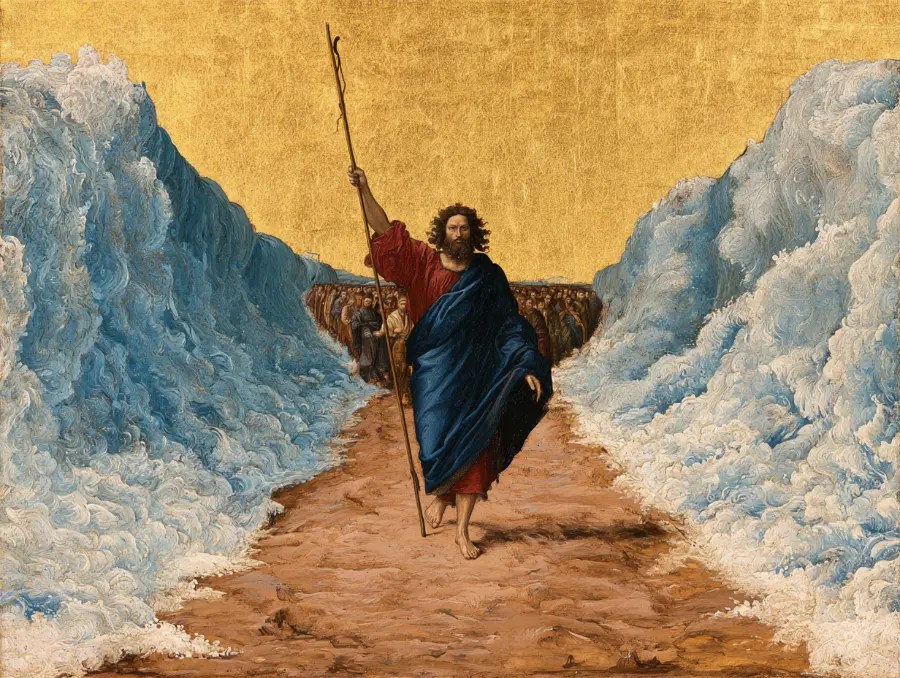
الإله الواحد الحقيقي
One God, not three persons
The UPCI’s Articles of Faith confess “the one ever-living, eternal God: infinite in power, holy in nature, attributes and purpose; and possessing absolute, indivisible deity,” and they rest it on what Jesus called the first of all the commandments, “Hear, O Israel; The Lord our God is one Lord” (Mark 12:29). Father, Son and Spirit are, for Apostolic believers, the ways this one God has shown himself to us: “Before the incarnation, this one true God manifested Himself in divers ways. In the incarnation, He manifests Himself in the Son, who walked among men. As He works in the lives of believers, He manifests Himself as the Holy Spirit.” The Apostolic Assembly says that God “has specially revealed Himself as Father in the creation of the universe, as Son in the redemption of humanity, and as the Holy Spirit pouring out in the hearts of believers.”
The Assemblies of God, the church those 156 members had to leave in 1916, believes something different, and it said so that same year: “The terms ‘Trinity’ and ‘persons’ as related to the Godhead, while not found in the Scriptures, are words in harmony with Scripture.” So, it went on, we may speak of the Lord our God “as a trinity or as one Being of three persons,” and those words still stand in its statement today. Apostolic churches do not speak of God that way, and none of their statements calls him three persons.
Each side has had a hard word for the other. Some on the Oneness side have said that Trinitarians believe in three gods, and some Trinitarians have called the Oneness view the old heresy of Sabellianism reborn. So from 2002 to 2007 leading theologians of both families sat down together, in a dialogue sponsored by the Society for Pentecostal Studies, to reach “a clearer understanding of their positions and not the winning over of one side to the other.” The Trinitarians on the team said, “We as Trinitarian Pentecostals wish to stress that we believe in One God and not in three gods,” and that Father, Son and Holy Spirit are “three distinct but inseparable persons of one divine nature.” Daniel Segraves, a Oneness scholar who answered the dialogue’s final report, granted that “many Oneness Pentecostals have understood the word ‘person’ in the modern sense,” as a separate mind and will, and that “a great deal of the debate centers around the use of the word ‘person.’” He asked both sides to be fair. It is doubtful, he wrote, that any Trinitarian Pentecostal has ever professed to believe in three gods, “and Oneness Pentecostals should not claim that they do”; and “Oneness Pentecostals do not embrace the sequential modalism of Sabellianism, and Trinitarian Pentecostals should acknowledge this.”
من الرسولية مقابل الخمسينية: ما يؤمن به الخمسينيون الوحدويون
God manifest in the flesh
The UPCI tells the heart of its message about Jesus in a few plain sentences: “The beautiful message of Scripture is that our Creator became our Savior. The God against whom we sinned is the One who forgives us. God loved us so much that He came in flesh to save us. He gave of Himself; He did not send someone else.” Apostolic believers take Paul at his word, that “God was manifest in the flesh” (1 Timothy 3:16) and that “in him dwelleth all the fulness of the Godhead bodily” (Colossians 2:9), and so “Jesus in His humanity was man; in His deity was and is God.” In the statement of doctrine on its website in 2002, the Pentecostal Assemblies of the World said, “We believe that Jesus was Mary’s son and Mary’s God, Creator and creature, God manifest in the flesh,” and that “Jesus was the Eternal Father made visible, apart from whom there is no God.”
That is why the name of Jesus means so much in an Apostolic church. Under the heading “The Name,” the UPCI’s Articles set Isaiah’s promised child, whose “name shall be called Wonderful, Counsellor, The mighty God, The everlasting Father, The Prince of Peace” (Isaiah 9:6), beside the word to Joseph in Matthew, “thou shalt call his name Jesus: for he shall save his people from their sins” (Matthew 1:21), and beside the word of Acts, “there is none other name under heaven given among men, whereby we must be saved” (Acts 4:12). “This prophecy of Isaiah was fulfilled when the Son of God was named,” the Articles say.
من Our Beliefs, United Pentecostal Church International
The Bible, and the King James Version
“The Bible is the only God-given authority which man possesses,” the Articles begin. In 2022 the UPCI’s General Board said where the old English Bible stands among them: “We continue to recognize the King James Version of the Bible, because of its historic influence, as a trusted and prominent translation of the Scriptures to be used in our churches and among our people.” It does not ask the whole church to read English, though, for the UPCI is in more than two hundred nations, and there “Many, if not most, use Bibles translated from the original languages rather than being re-translated from an English version.”
من Bible Translations, UPCI position paper (2022)
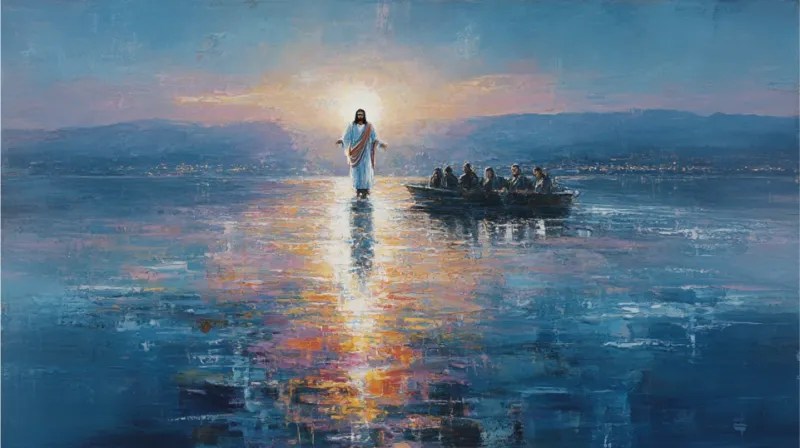
The new birth of Acts 2:38
Repentance, baptism and the Spirit
The gospel, the UPCI says, “is the good news that Jesus died for our sins, was buried, and rose again,” and Apostolic believers take part in it in three steps that answer to those three. “We obey the gospel,” it goes on, “by repentance (death to sin), water baptism in the name of Jesus Christ (burial), and the baptism of the Holy Spirit with the initial sign of speaking in tongues as the Spirit gives the utterance (resurrection).” Those are the three things Peter told the crowd at Pentecost to do and to receive, and together they are what Apostolic believers call the new birth, the birth Jesus spoke of when he said, “Except a man be born of water and of the Spirit, he cannot enter into the kingdom of God” (John 3:5). The Pentecostal Assemblies of the World said the same in 2002. Their statement points to Peter’s sermon at Pentecost (Acts 2:38) and says that all must be “born of water and Spirit” if they want their names written in heaven.
Salvation, the UPCI says, “comes by grace through faith based on the atoning sacrifice of Jesus Christ,” and “the application of grace and the expression of faith come as a person obeys Acts 2:38, thereby receiving the new birth promised by Jesus.” Of those who have not received all of it, it says, “We do not reject those who have not received the complete New Testament experience, but we encourage them to receive everything God has for them. Ultimately, each of us is accountable to God for our response of faith.” What has been received can still be lost. The Articles warn that “When a person transgresses and sins against God and does not repent, he will eventually be lost,” and the Apostolic Assembly asks its people not to listen to “the idea that ‘once saved, always saved.’”
من About Oneness Pentecostalism, United Pentecostal Church International
Baptism in the name of Jesus
So the UPCI and the Apostolic Assembly baptize by immersion, and over the water they say the name of Jesus Christ. Baptism, say the UPCI’s Articles, is to be given “in the name of our Lord Jesus Christ, according to the Acts of the Apostles 2:38, 8:16, 10:48, 19:5; thus obeying and fulfilling Matthew 28:19.” Apostolic believers do not set Matthew against Acts. Jesus commanded baptism “in the name of the Father, and of the Son, and of the Holy Ghost,” and for them, as Christian History puts it, “Jesus was the name of the Father, the Son, and the Holy Spirit,” the name spoken over the believers in Acts who “were baptized in the name of the Lord Jesus” (Acts 19:5).
At the water, then, anyone can see the plainest difference between the two Pentecostal families. Trinitarian Pentecostal churches, such as the Church of God of Cleveland, Tennessee, baptize with the threefold words of Matthew 28:19.
من Articles of Faith (2023), United Pentecostal Church International
التكلم بألسنة
On the Day of Pentecost the disciples “were all filled with the Holy Ghost, and began to speak with other tongues, as the Spirit gave them utterance” (Acts 2:4), and Apostolic churches look for the same in every believer who receives the Spirit. “It is scriptural to expect all who receive the gift, filling, or baptism of the Holy Spirit to receive the same physical, initial sign of speaking with other tongues,” say the UPCI’s Articles.
Trinitarian Pentecostals look for the same sign, and where they part from Apostolic believers is in when it comes. The Assemblies of God teaches that the Spirit’s baptism “is distinct from and subsequent to the experience of the new birth.” In the dialogue the Oneness theologians affirmed that repentance, water baptism and the baptism in the Spirit “are integral aspects of conversion/initiation,” so for them it belongs to the new birth itself. The UPCI holds that “The supernatural gifts of the Spirit, including healing, are for the church today,” and the Apostolic Assembly says that a member who needs a doctor’s care “should not be criticized by his fellow church members.”
من What We Believe, Apostolic Assembly of the Faith in Christ Jesus
Holiness, inside and out
Hair and dress
The UPCI calls holiness “a joyful privilege; a part of abundant life; a blessing from God’s grace,” and says that “For the Spirit-filled believer who loves God, holiness is the normal—indeed the only—way to live.” It begins within, and the church’s 1977 paper on holiness says, “Holiness is not only an inward presence of God, but it is also reflected in the outward life of the Christian.” The Articles quote the verse in Hebrews, “Follow peace with all men, and holiness, without which no man shall see the Lord” (Hebrews 12:14).
For hair and clothes the UPCI turns to Paul and to the law of Moses. From Paul’s words, “if a woman have long hair, it is a glory to her: for her hair is given her for a covering” (1 Corinthians 11:15), it asks for “long, uncut hair for women and short hair for men.” From the law, “The woman shall not wear that which pertaineth unto a man, neither shall a man put on a woman’s garment” (Deuteronomy 22:5), it teaches that “Attire should be distinctive to one’s own sex,” and our page on why United Pentecostal women wear dresses and skirts tells the rest. The holiness paper adds that “the wearing of ornamental jewelry and expensive, showy clothing is not in harmony with the Christian lifestyle.”
من Gender Distinction, UPCI position paper (2014)
Television, sport and strong drink
The Articles of Faith name the amusements a member should keep away from: “theaters, dances, mixed bathing or swimming, women cutting their hair, make-up, any apparel that immodestly exposes the body, all worldly sports and amusements, and unwholesome radio programs and music.” Then they go on, “because of the display of all these evils on television, we disapprove of any of our people having television sets in their homes.” The church added that paragraph in 1954. In 2013, with television merging into computers, phones and tablets, its General Conference called the old stand “important, principled, and correct,” and for the new screens it said, “we teach responsible use that is strictly in accord with wholesome Christian principles,” resting the whole matter on one verse: “I will set no wicked thing before mine eyes” (Psalm 101:3). And of strong drink the UPCI says, “We oppose the drinking of alcoholic beverages, either moderately or otherwise.”
من Media Technology, UPCI position paper (2013)
Where the churches draw the lines
Members of the Apostolic Assembly keep rules of their own. Its 2024 constitution says they “must abstain from the use of rings, jewelry, facial makeup, tattoos after baptism,” and in its services “men must uncover their heads and women must cover their heads with an appropriate veil.” Its women “must neither cut nor plait their hair.” Yet the same church warns against going too far: “in the practice of holiness we believe that we must avoid all extremes, asceticisms and deprivations.” The Pentecostal Assemblies of the World put excerpts from its minute book on its website in 2002. They call “a wholly sanctified life” “the only true standard of Christian life,” and they name no rules of dress. So two Apostolic congregations may look quite different on a Sunday, and still baptize the same way and confess the same God.
من Constitution 2024, Apostolic Assembly of the Faith in Christ Jesus
Worship and ministry
Hands raised and instruments playing
David K. Bernard, the UPCI’s general superintendent, wrote with Loretta Bernard a chapter on worship in which they gather from the Psalms the lifting of hands, singing and the playing of instruments, a joyful noise, clapping and dancing, and they conclude, “These examples show that sincere worshipers of God express their emotions freely.” The last psalm says the same, calling on trumpet and harp, timbrel and organs and “the high sounding cymbals,” and ending, “Let every thing that hath breath praise the Lord. Praise ye the Lord” (Psalm 150:5–6).
من Worship, Emotions, and Music, by David K. Bernard and Loretta A. Bernard
The Lord’s Supper and washing feet
At the Lord’s table the UPCI uses “literal bread and the fruit of the vine, which are partaken of literally, as emblems of His broken body and shed blood,” and it adds, “There is also a spiritual significance and blessing in partaking of the sacrament.” Its people also wash one another’s feet, as Jesus washed his disciples’ feet when the Passover supper was ended (John 13:4–5), because “This first example was given by our Lord, and it is a divine institution.” The Apostolic Assembly keeps the two together as well, with “unleavened bread” and “unfermented wine.”
من الرسولية مقابل الخمسينية: ما يؤمن به الخمسينيون الوحدويون
Women who preach
Women were preaching among them early on. “In the earliest Oneness Pentecostal ministerial directory that we have (1919), 203 of 704 ministers, or twenty-nine percent, were women,” David Bernard wrote in 2012, and the UPCI “has always recognized the ministry of women, including ordination to the preaching and teaching ministry.” Its women serve as pastors, evangelists, teachers and missionaries, though when he wrote, some offices, “all district board members” among them, were still “restricted to males.” The Apostolic Assembly reads the Scriptures another way. It holds that men and women are equal before God, “but that God has ordained distinct and separate spiritual functions for men and women in the home and the Church,” and so “only men are eligible for initiation and ordination by the Church.” In the Pentecostal Assemblies of the World, the presiding bishop, Richard D. Howell Jr., has said he will “expand leadership pathways for women” through a programme called She Leads.
من Women in Ministry, by David K. Bernard (Forward, 2012)
مجيء الرب
Caught up to meet him
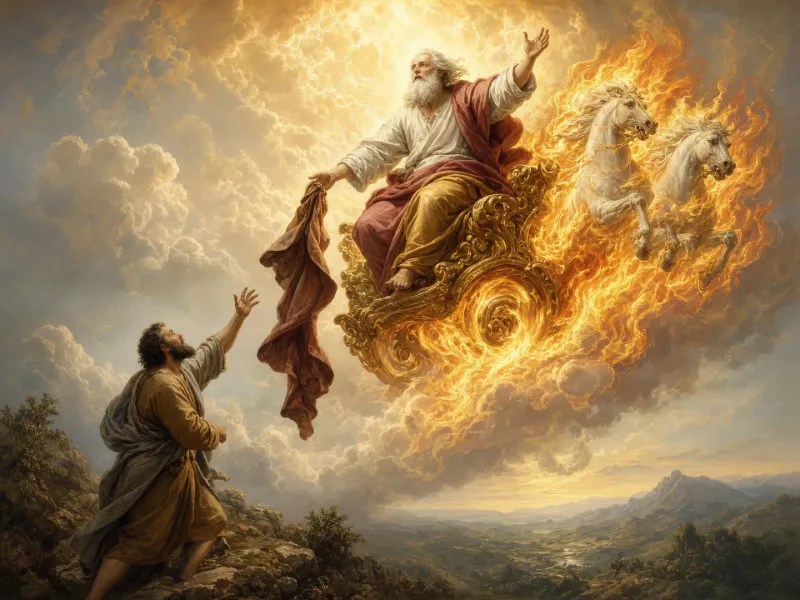
Apostolic churches hold the hope Paul gave the Thessalonians, that “the dead in Christ shall rise first: Then we which are alive and remain shall be caught up together with them in the clouds, to meet the Lord in the air” (1 Thessalonians 4:16–17). “We believe that the time is drawing near when our Lord shall appear,” say the UPCI’s Articles, and a 2005 paper names what they are waiting for: “the catching away of the saints, the return of the Lord Jesus Christ to earth, the establishing of Christ’s millennial kingdom, and ultimately the institution of the new heaven, the new earth, and the New Jerusalem.” On the order of events the UPCI “allows diversity in views regarding the timing of the coming of the Lord, particularly with reference to the Tribulation,” while the Apostolic Assembly places the Great Tribulation before the thousand years. At the end, the UPCI says, “The righteous will inherit eternal life, and the unrighteous eternal death.”
من ما هي الطوائف التي تؤمن بالاختطاف؟
When the crowd at Pentecost asked Peter what they should do, he answered with Acts 2:38, and he did not stop there. “This life-changing promise still holds true today,” the UPCI says of the words that came next, and Apostolic Pentecostals hear them as spoken to their own day as much as to his: “For the promise is unto you, and to your children, and to all that are afar off, even as many as the Lord our God shall call” (Acts 2:39).
How Apostolic Pentecostals differ from their neighbours
- الرسولية مقابل الخمسينية: ما يؤمن به الخمسينيون الوحدويون
- الخمسينيون والثالوث: ماذا يؤمنون؟
- أي الكنائس لا تؤمن بالثالوث؟
- الرسولية مقابل الكاثوليكية: ماذا تعني كلمة "رسولية"، وكيف تختلف الكنائس الرسولية
- التحدث بألسنة: أي الكنائس تمارسه وأيها لا تمارسه
- معمودية الروح القدس: هل هي عند الاهتداء، أم التثبيت، أم لاحقاً؟
See every answer for Apostolic Pentecostals and compare with another church
المزيد من هذه السلسلةمقارنة بين الطوائفشاهد جميع الـ 163 مقالات

اترك تعليقاً