
 Japanese
 English
 Chinese
 Dutch
 Arabic
 Spanish
 Portuguese
 Russian
 French
 Italian
 German
Easter celebrates the resurrection of Jesus Christ, the man who was crucified and buried and whom his friends met alive again. In John’s Gospel Mary Magdalene goes to the tomb while it is still dark. Seeing it open, she runs to Peter and the disciple Jesus loved. Later, still weeping beside the tomb, she recognizes the risen Lord when he calls her by name (John 20:1–18). That meeting gives Christians a reason to sing at Easter even in a year when we have buried someone we love.
Why does the Resurrection matter to Christian faith?
Paul tells the Corinthians what he himself received. Christ died for our sins, was buried, was raised on the third day and appeared to Cephas and the Twelve. Paul goes on to name more than five hundred at once, James, all the apostles and finally himself. Many of the five hundred were still alive when he wrote (1 Corinthians 15:3–8). These are claims about a person and what happened to him. In Luke 24 the disciples on the road to Emmaus recognize him in the breaking of bread. Later Jesus shows the gathered disciples his hands and feet and eats before them. In John 20 Thomas is invited to see the wounds.
Matthew tells of Mary Magdalene and the other Mary, an earthquake and an angel who tells the women Jesus has risen and sends them to the disciples (28:1–10). Mark names Mary Magdalene, Mary the mother of James and Salome, bringing spices and wondering who will roll away the stone. Inside they hear a young man’s message, and fear seizes them (16:1–8). In Luke two figures remind the women of Jesus’ words, and the apostles at first find their report hard to believe (24:1–12). John lingers with Mary long enough for us to hear Jesus call her name. These accounts give several witnesses a voice.
What if the dead are never raised? Paul follows the question through. Then Christ has not been raised, the apostles have borne false witness, faith is in vain, believers remain in their sins and those who died in Christ have perished (1 Corinthians 15:12–19). His answer is that Christ has been raised, the firstfruits of those who have died. In Israel the first sheaf of a harvest was brought before the Lord (Leviticus 23:10–11). It was the beginning of something more. Paul expects those who belong to Christ to follow him at his coming (15:20–23). At the chapter’s end he asks believers to keep working because their labor in the Lord is not in vain (15:58).
Good Friday remembers Jesus’ suffering and death. Easter discloses what God has done through the crucified one. Romans 4:25 holds together his being handed over for our trespasses and raised for our justification. Romans 6:3–11 links baptism with burial and new life in Christ. Christians can speak of forgiveness, reconciliation with God and hope for their own resurrection because the wounds and the life belong to the same Lord. When a friend asks what Easter means, you might begin with Mary’s encounter in the garden or the disciples eating with Jesus. Let the friend ask what they find hard to believe.
What does Easter have to do with Passover?
Jesus went to Jerusalem at Passover. In Exodus the lamb’s blood marks the doorposts, families share the meal and Israel is led out of slavery and through the sea. At a Jewish Seder today, questions, foods and the telling of the Exodus keep that deliverance in living memory. At the Last Supper Jesus gives the disciples bread and wine and speaks of the new covenant in his blood. Christians hear that story at Easter alongside Paul’s words about Christ our Passover (1 Corinthians 5:7–8). The Gospel accounts arrange the supper and passion in relation to the feast in different ways. Passover remains the living Jewish celebration of the Exodus. Knowing what it commemorates helps us understand the meal Jesus shared and the language his Jewish followers used about him.
ギリシャ語の パスハ is behind French イースター, Spanish イースター, 、ポルトガル語の イースター and Dutch Pasen. In Acts 12:4 the King James translators used the English word Easter for the Passover at which Herod held Peter. It is the only occurrence of 復活祭 in that edition. The eighth-century English monk Bede connected the English month name with Eostre. His account of a word cannot tell us the origin of every egg, rabbit or springtime custom a family may associate with the holiday. Eggs can suggest the emergence of life. Christians who follow the seasons on the other side of the equator celebrate the Resurrection in autumn.
When did Christians begin keeping the feast?
John gives the first day of the week as the day Mary went to the tomb (20:1). Acts describes Christians breaking bread at Troas on the first day (20:7), and Revelation speaks of the Lord’s day (1:10). Those passages tell us about the week in Christian life. The early evidence about an annual feast comes into sharper focus when churches disagree about when to keep it.
Eusebius preserves their disagreement in his 教会史 (5.23–25). In Asia some churches ended their fast on the fourteenth day of the lunar month, the date of Passover, whatever the weekday. Other churches waited for Sunday. Irenaeus remembered Polycarp of Smyrna and Anicetus of Rome disagreeing about the observance and sharing the Eucharist all the same. Around AD 190 Polycrates of Ephesus appealed to the examples of John, Philip and Melito. When Victor of Rome sought to exclude the Asian churches, Irenaeus urged him to keep the peace. Melito’s On Pascha also witnesses to Christians preaching on Christ’s death and resurrection through the Exodus story.
The Council of Nicaea in 325 sought a common celebration. The date most Western churches now use comes from an ecclesiastical calendar. Easter falls on the Sunday after the first ecclesiastical full moon on or after March 21, the conventional equinox. It can fall from March 22 through April 25. A family need not watch for a local full moon to find the date. The Gregorian calendar reform came in 1582. Many Eastern churches use a different calendar for the calculation, so the Sundays sometimes coincide and sometimes fall weeks apart.
What happens in Holy Week and at the Easter Vigil?
In much of the Church a forty-day Lent prepares Christians for Easter through prayer, fasting and almsgiving. The Roman Catholic Triduum begins on Holy Thursday evening and ends with evening prayer on Easter Sunday. On Good Friday the faithful may venerate the cross, follow the Stations of the Cross or hear meditations on the Seven Last Words. Those observances give people time to stay with the story of the death whose outcome they celebrate on Sunday.
On Palm Sunday the church remembers Jesus’ entry into Jerusalem. On Holy Thursday Christians recall the Last Supper and Jesus washing his disciples’ feet. On Good Friday they hear the Passion and mourn at the cross. Holy Saturday holds the silence of the tomb. Then, after nightfall, a congregation can gather around a new fire and follow the light of the Paschal candle into a dark church. The light of the Paschal candle passes from hand to hand during the procession. Then, in the Roman Catholic Easter Vigil, the Exsultet announces the feast. Readings tell the story of creation, the crossing of the sea and God’s promises. The congregation hears the Resurrection Gospel, blesses baptismal water, welcomes the newly baptized, who receive confirmation, and renews baptismal promises before sharing the first Eucharist of Easter.
Baptism at Easter has deep roots. Tertullian calls the Passover a particularly solemn occasion for baptism in ON BAPTISM 19. He commends Pentecost as well and says other times are open to it. In Easter baptism a new Christian goes into the water in a church proclaiming that the Lord who went into death has come out alive. A candle, the water and a shared table give a whole congregation ways to welcome that person.
How do different churches celebrate?
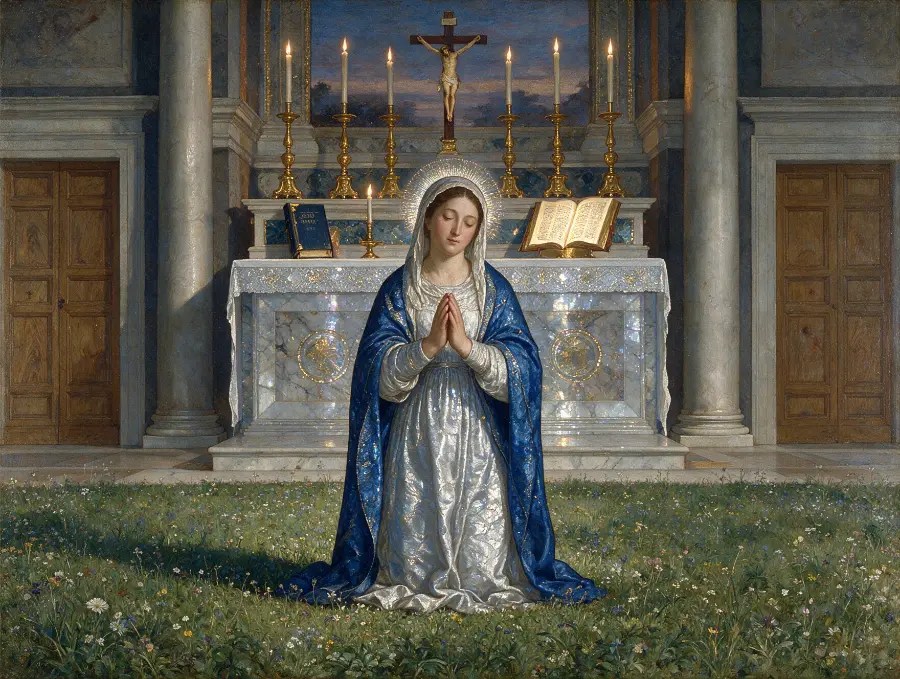
The Catholic Catechism calls Easter the feast of feasts (1163–1173). Catholics keep an Easter season of fifty days ending at Pentecost. Orthodox Christians call the feast Pascha. In many churches people gather for the midnight office, carry lights in procession, sing of Christ trampling down death and greet each other with the news that Christ is risen. The Orthodox Church in America places Pascha above even the Twelve Great Feasts. The greeting “Christ is risen!” receives the answer “Indeed He is risen!” At the Divine Liturgy the faithful gather at the Lord’s table. Families may break their fast afterward with red eggs, and in some Slavic households with kulich bread or paskha made with cheese. At Rome the pope gives the Easter blessing Urbi et Orbi, to the city and the world.
Anglican and Lutheran parishes may gather for a vigil, baptism and Holy Communion. Many Protestant congregations hold a sunrise service, sing Resurrection hymns and gather for preaching and a meal. A Methodist congregation may meet at sunrise; an evangelical church may retell the Gospel in a drama. Christian practice has never been uniform. The Westminster Directory of 1645 rejected religious festival days without scriptural warrant. Jehovah’s Witnesses mark a Memorial of Christ’s death. The United Church of God keeps biblical festivals including Passover rather than the customary Easter Sunday festival. These differences concern what congregations are authorized to observe as well as how they pray.
What can Easter change on Monday?
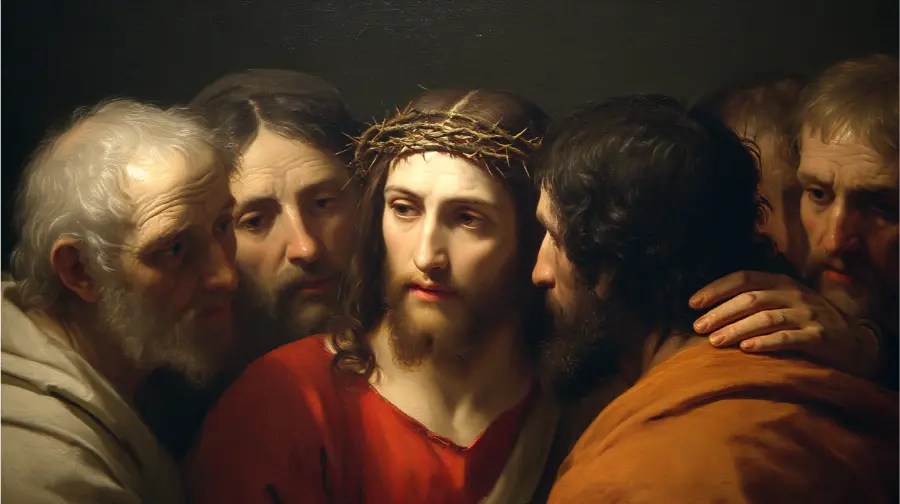
Athanasius, writing about the Incarnation, sees Christ entering death and breaking its hold. John Chrysostom’s Paschal homily welcomes those who have fasted and those who arrive late to the same feast. John Paul II used the expression Easter people in his Adelaide Angelus of 1986 and linked it to the Christian’s Alleluia. A Christian who sings through tears can belong to that people as fully as one whose joy comes readily.
The hope Christians confess concerns our bodies and the world God made. Romans 8 pictures creation itself longing to be freed from decay; Acts 3:21 looks toward the restoration of all things. To a grieving neighbor that is a larger promise than being remembered fondly. It also gives a reason to care for the earth and for a human body that needs food, shelter or comfort today.
At home you might begin the day with the Resurrection Gospel and a prayer of thanks for someone who has helped you. If you have wronged another person, name what you did, apologize and make the repair that is still possible. Catholics may also take the wrong to Confession. At work there may be an occasion to refuse a dishonest shortcut. If a friend asks why Easter matters, tell them a particular time when hope in the risen Christ sustained you, then give them time to tell you what questions that raises for them.
Hope in resurrection gives a reason to visit the bereaved, feed someone hungry, seek forgiveness and do work whose fruit we may never see. A season or a story can help people find courage after loss. The particular Christian hope is that the dead will live. At the tomb Mary’s grief does not disappear because the garden is lovely or because a new season has come. Jesus knows her, calls her by name and sends her to the others with news.


コメントを残す