
 English
 Chinese
 Dutch
 Arabic
 Spanish
 Portuguese
 Russian
 French
 Italian
 German
 Japanese
The Bible does not describe dating. The verses that bear on it concern whom a believer marries, sexual conduct and character, among them 1 Corinthians 7:39 on whom a widow may marry 1 Thessalonians 4:3-5 on sexual immorality, Song of Songs 2:7 on awakening love, and Proverbs 31:30 on charm and beauty.
In Genesis 24 a marriage is arranged between households: Abraham sends his senior servant to find Isaac a wife among his own relatives, and Rebekah’s brother Laban and her father Bethuel agree to the marriage (Genesis 24:50-51).
Marrying in the Lord
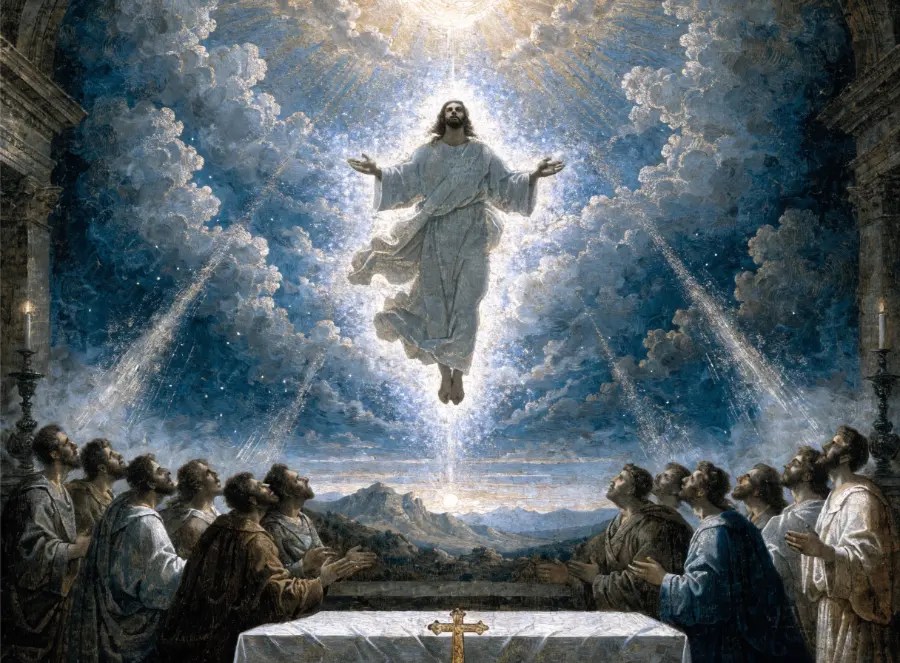
1 Corinthians 7:39
“A woman is bound to her husband as long as he lives. But if her husband dies, she is free to marry anyone she wishes, but he must belong to the Lord.”
Reflection: Paul closes a chapter answering matters the Corinthians had written to him about (7:1) with this word to a widow: she may marry “anyone she wishes,” but the man “must belong to the Lord.” His words earlier in the chapter to the unmarried and the engaged (7:8-9, 7:25-28, 7:36-38) do not state that condition. For believers already married to unbelievers, Paul says they must not divorce a spouse who is willing to stay (7:12-13).
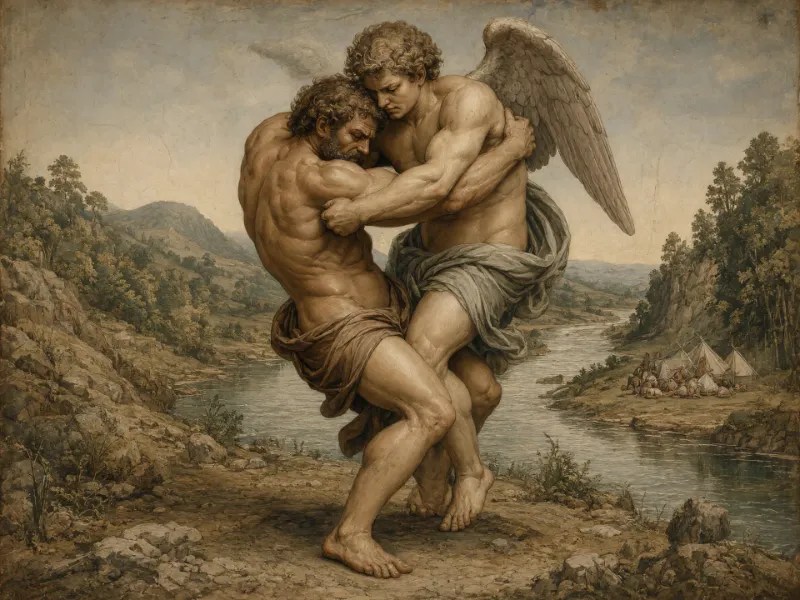
Genesis 24:67
“Isaac brought her into the tent of his mother Sarah, and he married Rebekah. So she became his wife, and he loved her; and Isaac was comforted after his mother’s death.”
Reflection: Abraham made his senior servant swear to find Isaac a wife among Abraham’s own relatives and not “from the daughters of the Canaanites” (24:3-4). Laban and Bethuel agreed to the marriage, saying “This is from the Lord” (24:50-51). When her brother and mother asked to keep Rebekah ten days more, they called her and asked, “Will you go with this man?” and she answered, “I will go” (24:55-58). The verse records that Isaac brought her into his mother Sarah’s tent, married her and loved her, and was comforted after his mother’s death.
Partnership with unbelievers

2 Corinthians 6:14
“Do not be yoked together with unbelievers. For what do righteousness and wickedness have in common? Or what fellowship can light have with darkness?”
Reflection: The Law of Moses uses a similar picture: “Do not plow with an ox and a donkey yoked together” (Deuteronomy 22:10). The paragraph around Paul’s command does not mention marriage. His questions move from light and darkness to “the temple of God and idols,” he quotes the Lord’s call to “come out from them and be separate” (6:16-17), and he concludes, “let us purify ourselves from everything that contaminates body and spirit” (7:1).
Avoiding sexual immorality
1 Thessalonians 4:3-5
“It is God’s will that you should be sanctified: that you should avoid sexual immorality; that each of you should learn to control your own body in a way that is holy and honorable, not in passionate lust like the pagans, who do not know God.”
Reflection: Paul reminds the church at Thessalonica of instructions he had already given “by the authority of the Lord Jesus” (4:2). Being sanctified includes learning to control one’s own body, and the next verse adds that “in this matter no one should wrong or take advantage of a brother or sister” (4:6). Verse 6 treats sexual sin as a wrong done to another person as well as a failure of self-control.
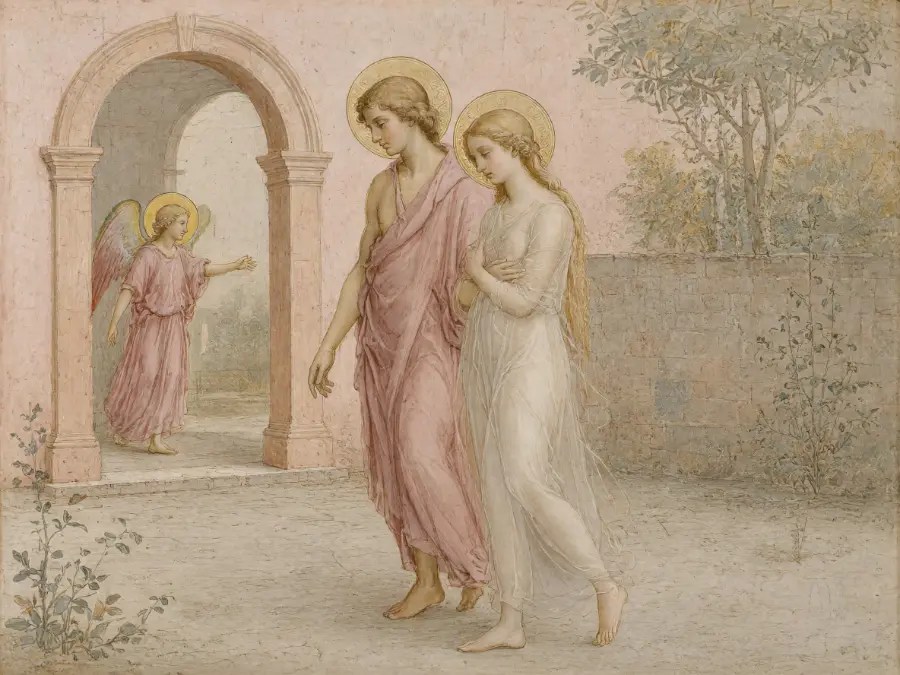
1 Corinthians 6:18
“Flee from sexual immorality. All other sins a person commits are outside the body, but whoever sins sexually, sins against their own body.”
Reflection: Paul is answering members of the Corinthian church who said “I have the right to do anything” (6:12), and his example is a man uniting himself with a prostitute. He quotes Genesis 2:24, “The two will become one flesh,” to show that sexual union joins two bodies (6:16). The verses after the command give its reason: “your bodies are temples of the Holy Spirit” and “You are not your own; you were bought at a price” (6:19-20).
1 Timothy 5:1-2
“Do not rebuke an older man harshly, but exhort him as if he were your father. Treat younger men as brothers, older women as mothers, and younger women as sisters, with absolute purity.”
Reflection: Paul tells Timothy how to treat members of the church according to their age, as he would his own father, brothers, mothers and sisters. Younger women are to be treated “as sisters, with absolute purity.”
Love in its own time

Song of Songs 2:7
“Daughters of Jerusalem, I charge you by the gazelles and by the does of the field: Do not arouse or awaken love until it so desires.”
Reflection: The woman in the Song gives this charge to “the daughters of Jerusalem” just after describing her beloved’s embrace (2:6). She repeats it at 3:5 and, in a shorter form, at 8:4, and each time it follows a scene of the two lovers together. The charge warns against waking love “until it so desires.”
Character and how to treat each other
Proverbs 31:30
“Charm is deceptive, and beauty is fleeting; but a woman who fears the Lord is to be praised.”
Reflection: The verse comes near the end of the poem that opens “A wife of noble character who can find?” (31:10). Her children and her husband praise her in the verses just before it (31:28-29), and the final verse calls for her to be honored “for all that her hands have done” (31:31). Against charm, which deceives, and beauty, which is fleeting, the verse sets a woman who fears the Lord as the one to be praised.
Proverbs 4:23
“Above all else, guard your heart, for everything you do flows from it.”
Reflection: A father is speaking to his son (4:20). After the heart he names the mouth, the eyes and the feet: keep “corrupt talk far from your lips,” “fix your gaze directly before you,” and “give careful thought to the paths for your feet” (4:24-26). The next chapter turns to a warning against the adulterous woman, whose lips “drip honey” but who in the end is “bitter as gall” (5:3-4).

1 Corinthians 13:4-5
“Love is patient, love is kind. It does not envy, it does not boast, it is not proud. It does not dishonor others, it is not self-seeking, it is not easily angered, it keeps no record of wrongs.”
Reflection: Paul wrote the chapter between his teaching on spiritual gifts in chapter 12 and his instructions on tongues and prophecy in chapter 14, calling love “the most excellent way” (12:31). The list describes love by what it does and what it refuses to do, including “it is not self-seeking” and “it keeps no record of wrongs.” In its setting, the description concerns how members of the church treat one another.


Leave a Reply