
 English
 Chinese
 Dutch
 Arabic
 Spanish
 Portuguese
 Russian
 French
 Italian
 German
 Japanese
The Bible tells a man to love his wife, to be faithful to her and to treat her with respect, and to treat the other women in his life as family. The instructions to husbands come in three New Testament letters (Ephesians 5:21-33; Colossians 3:18-19; 1 Peter 3:1-7), which address wives and husbands side by side.
The Old Testament adds warnings about “the wife of your youth” in Proverbs 5 and Malachi 2. Beyond marriage, the passages speak of a man’s mother, the older and younger women of a church, widows, and a woman a Pharisee looked down on at his own table (Luke 7).
What husbands are told to do
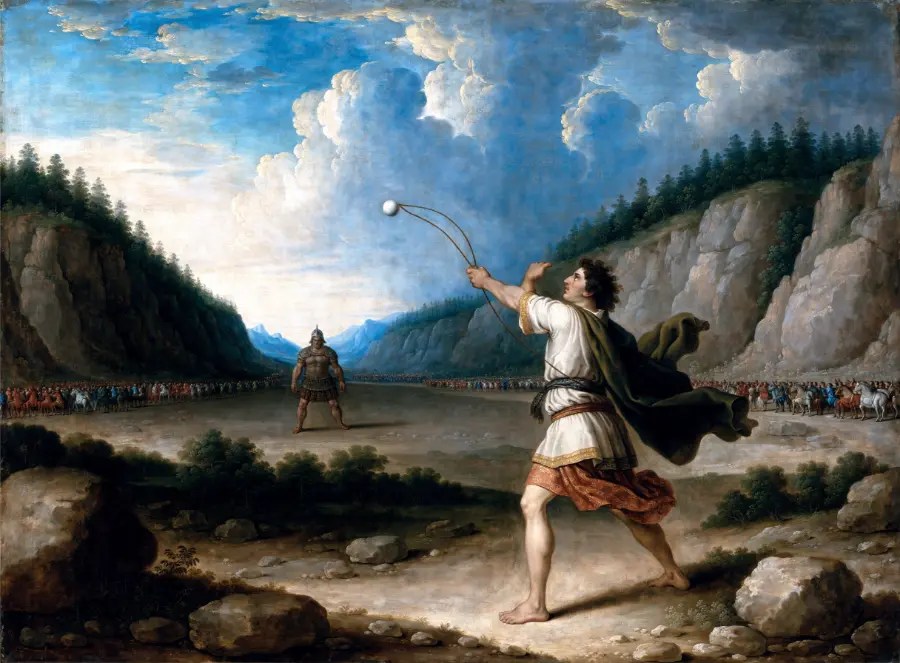
Ephesians 5:25
“Husbands, love your wives, just as Christ loved the church and gave himself up for her.”
Reflection: The verse sits inside Ephesians 5:21-33, which opens with “Submit to one another out of reverence for Christ” and then tells wives to submit to their husbands, because “the husband is the head of the wife as Christ is the head of the church” (5:22-24). The measure given to husbands is Christ, who “gave himself up” for the church, and verses 28-29 tell them to love their wives “as their own bodies,” which no one hates and everyone feeds and cares for. Christians read the headship in this passage differently. The Danvers Statement of the Council on Biblical Manhood and Womanhood asks husbands to “forsake harsh or selfish leadership,” while Christians for Biblical Equality reads the husband’s role as head as “self-giving love and service” within “mutual submission.”
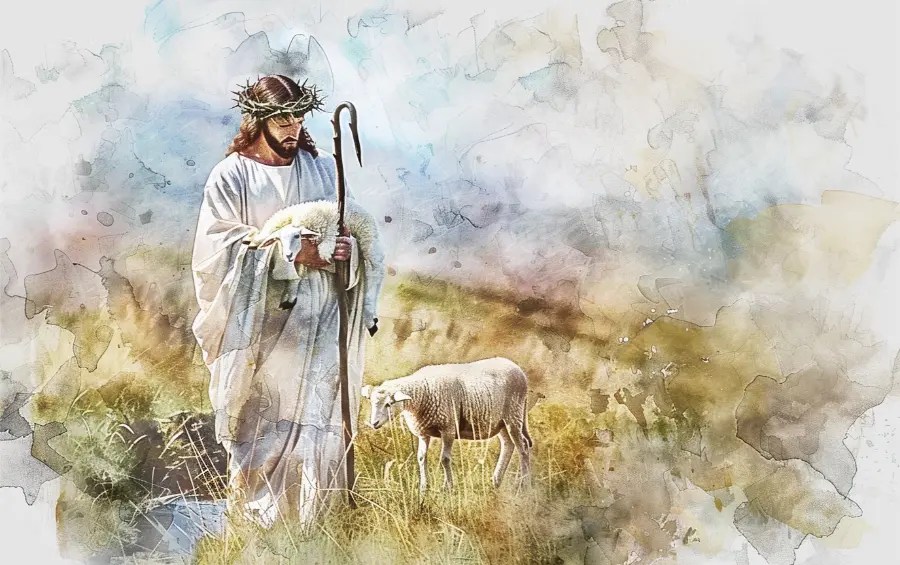
Colossians 3:19
“Husbands, love your wives and do not be harsh with them.”
Reflection: Colossians gives wives one sentence, “Wives, submit yourselves to your husbands, as is fitting in the Lord” (3:18), and husbands one. The husband’s sentence joins a command to a prohibition, love and do not be harsh, and Paul goes straight on to children and fathers in the next two verses.
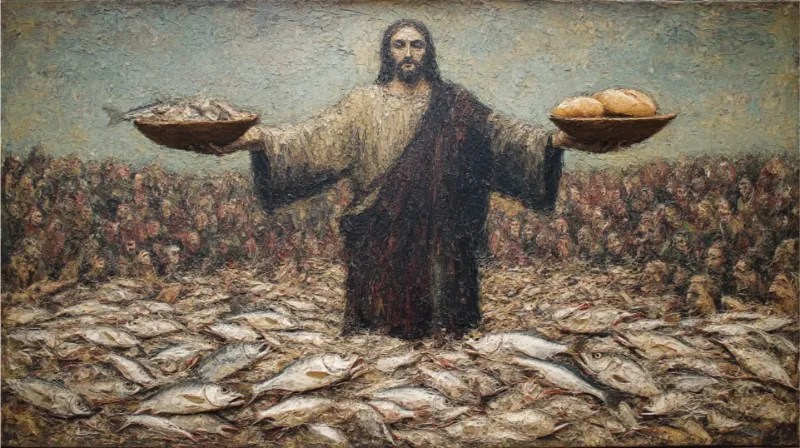
1 Peter 3:7
“Husbands, in the same way be considerate as you live with your wives, and treat them with respect as the weaker partner and as heirs with you of the gracious gift of life, so that nothing will hinder your prayers.”
Reflection: Peter first tells wives to submit to their own husbands, so that husbands who “do not believe the word” may be won over by their wives’ conduct (3:1-6), and then gives husbands a single verse. In it the wife is called both “the weaker partner” and an heir “with you” of the gracious gift of life, and both descriptions are reasons for the husband to be considerate and to treat her with respect. The verse ends with a consequence for the husband: how he treats his wife bears on whether his prayers are hindered.

1 Corinthians 7:3-4
“The husband should fulfill his marital duty to his wife, and likewise the wife to her husband. The wife does not have authority over her own body but yields it to her husband. In the same way, the husband does not have authority over his own body but yields it to his wife.”
Reflection: Paul is answering a letter from Corinth, and the NIV prints one line of it as a quotation: “It is good for a man not to have sexual relations with a woman” (7:1). His reply makes the marital duty run both ways, and each sentence about the wife is matched by one about the husband: neither has authority over his or her own body alone. Verse 5 allows abstaining only “by mutual consent and for a time.”
Keeping faith with a wife and delighting in her
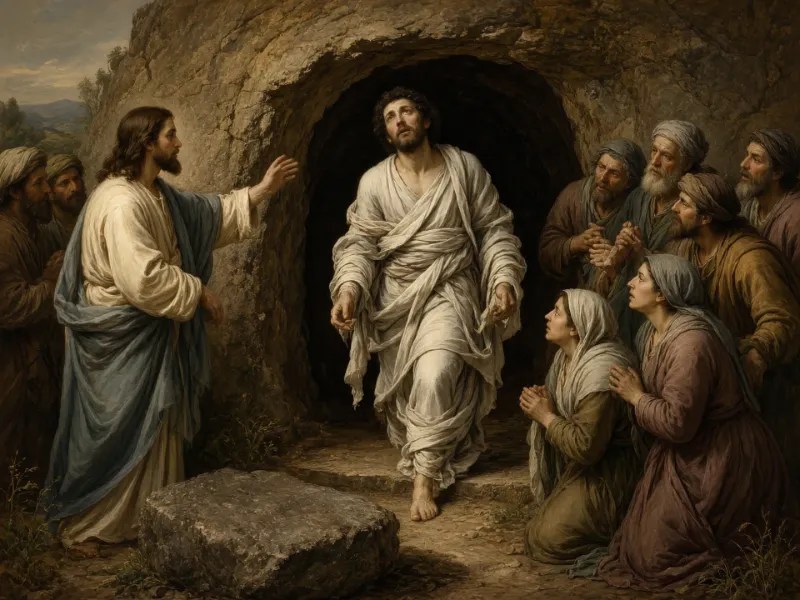
Malachi 2:15
“Has not the one God made you? You belong to him in body and spirit. And what does the one God seek? Godly offspring. So be on your guard, and do not be unfaithful to the wife of your youth.”
Reflection: Malachi is answering men who weep at the altar and ask why God no longer accepts their offerings. His answer is that “the Lord is the witness between you and the wife of your youth” and that they have been unfaithful to her, “your partner, the wife of your marriage covenant” (2:14). Verse 16 says the man who hates and divorces his wife “does violence to the one he should protect,” and repeats the warning of verse 15: “do not be unfaithful.”
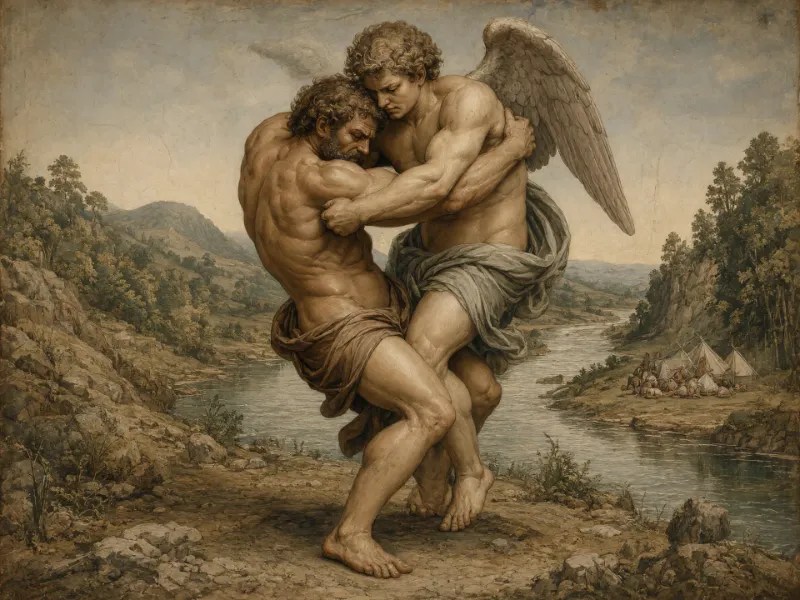
Proverbs 5:18-19
“May your fountain be blessed, and may you rejoice in the wife of your youth. A loving doe, a graceful deer— may her breasts satisfy you always, may you ever be intoxicated with her love.”
Reflection: A father is warning his son against the “wayward woman” and “another man’s wife” (5:20). Against that warning he sets the son’s own wife, first in the images of a cistern, a well and a fountain (5:15-18) and then of a doe and a deer. The instruction is to rejoice in her and be “intoxicated with her love,” and verse 20 asks why he would be intoxicated with anyone else.
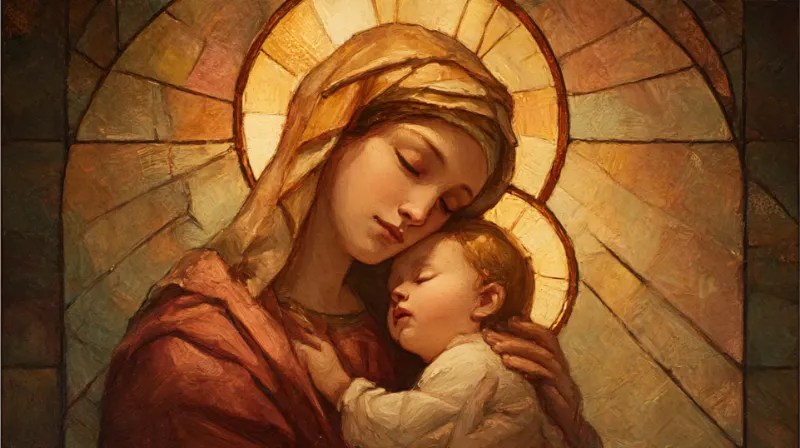
Ecclesiastes 9:9
“Enjoy life with your wife, whom you love, all the days of this meaningless life that God has given you under the sun—all your meaningless days. For this is your lot in life and in your toilsome labor under the sun.”
Reflection: The verse is one of a run of commands to the reader: go, eat your food with gladness, drink your wine with a joyful heart, be clothed in white (9:7-8). Life with a wife “whom you love” belongs to that list, and the Teacher calls it “your lot in life and in your toilsome labor under the sun.”

Proverbs 18:22
“He who finds a wife finds what is good and receives favor from the Lord.”
Reflection: The proverb describes a wife as something good that a man finds and as favor he receives from the Lord. Proverbs 19:14 says the same from another side: “Houses and wealth are inherited from parents, but a prudent wife is from the Lord.”
Praising a wife of noble character
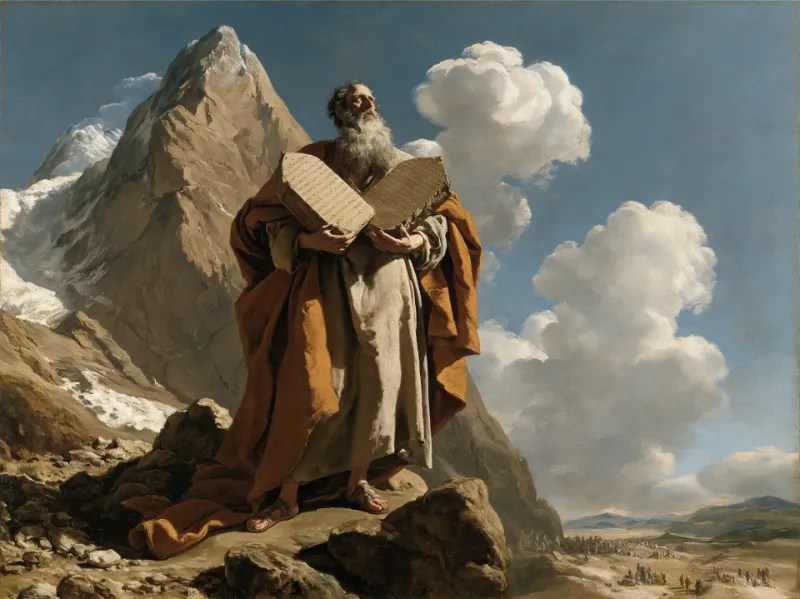
Proverbs 31:10
“A wife of noble character who can find? She is worth far more than rubies.”
Reflection: The last twenty-two verses of Proverbs are a poem about a wife of noble character, and it opens with her worth, set above rubies. The poem goes on to her work: she trades, buys a field, plants a vineyard, provides for her household and opens her arms to the poor (31:13-20). Verse 11 describes the husband’s side: he “has full confidence in her and lacks nothing of value.”

Proverbs 31:28-29
“Her children arise and call her blessed; her husband also, and he praises her: ‘Many women do noble things, but you surpass them all.’”
Reflection: Near the end of the poem her household answers her work with words. Her children call her blessed, and her husband praises her in her hearing, ranking her above the “many women” who “do noble things.”
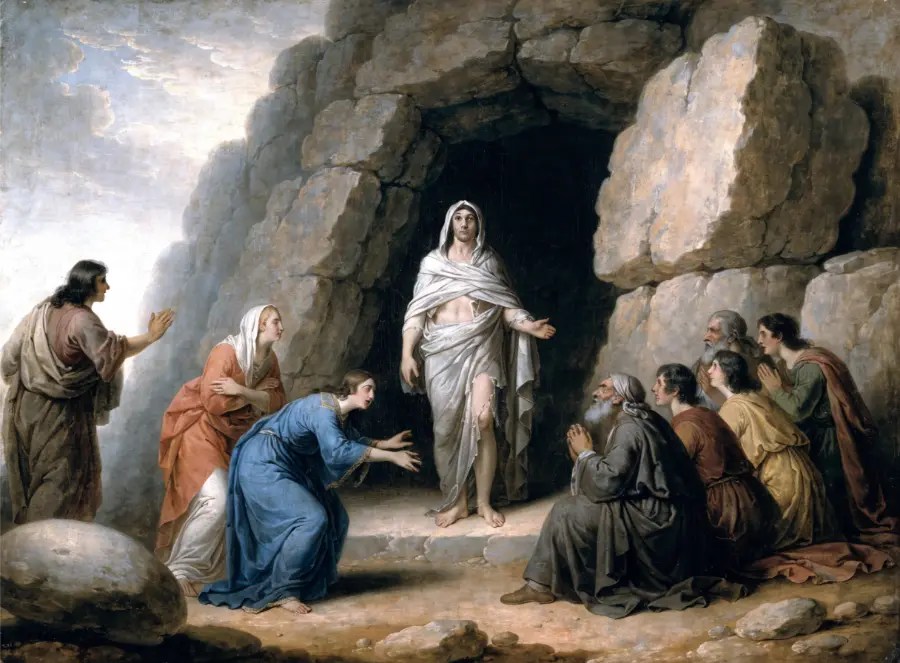
Proverbs 31:30
“Charm is deceptive, and beauty is fleeting; but a woman who fears the Lord is to be praised.”
Reflection: The poem names what is to be praised in a woman: charm is deceptive and beauty fleeting, and the praise goes to “a woman who fears the Lord.” The verse after it, the last in the book, makes the praise public: “Honor her for all that her hands have done, and let her works bring her praise at the city gate.” The city gate is where verse 23 seats her husband among the elders.
Man and woman before God
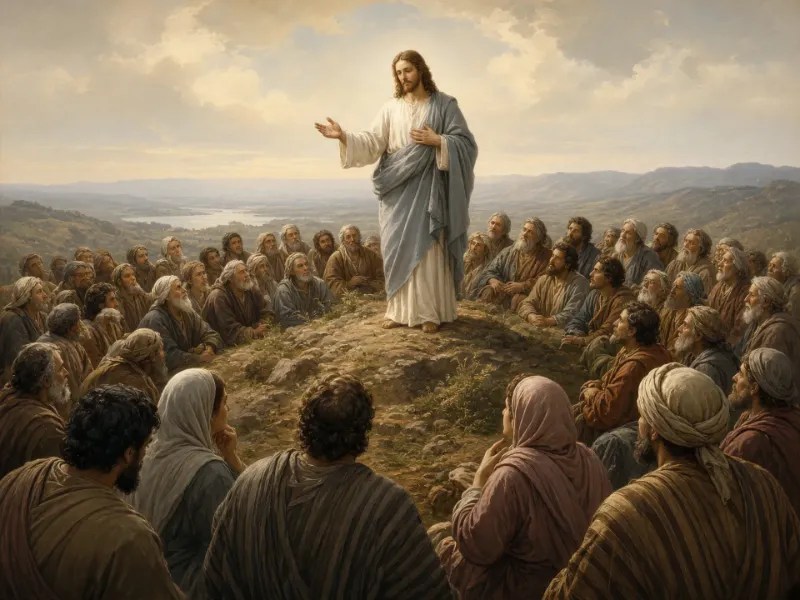
Genesis 2:18
“The Lord God said, ‘It is not good for the man to be alone. I will make a helper suitable for him.’”
Reflection: After the animals are brought to the man, “no suitable helper was found” (2:20), and God makes the woman from one of the man’s ribs. He greets her with “This is now bone of my bones and flesh of my flesh” (2:23), and the next verse draws the conclusion for marriage: the two “become one flesh.” The Hebrew word for helper, ezer, is also used of God, as in Psalm 33:20: “he is our help and our shield.”
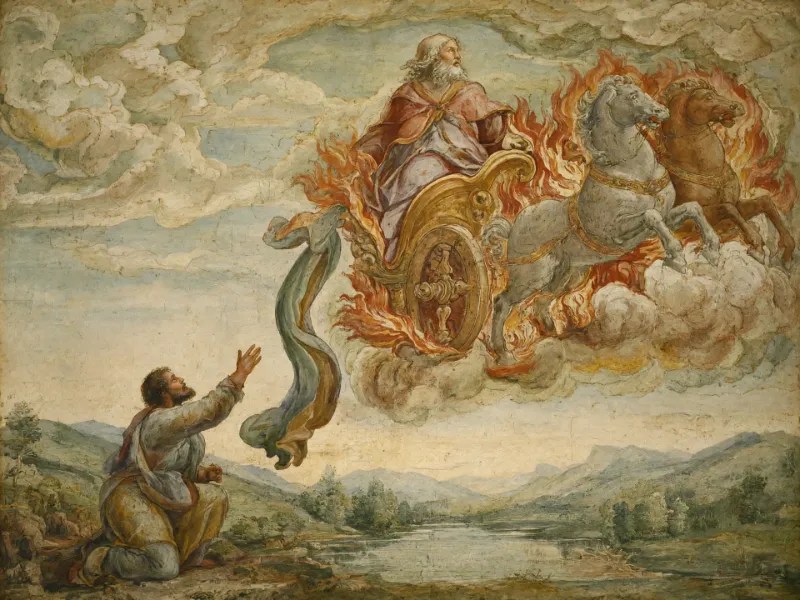
1 Corinthians 11:11-12
“Nevertheless, in the Lord woman is not independent of man, nor is man independent of woman. For as woman came from man, so also man is born of woman. But everything comes from God.”
Reflection: In his instructions on head coverings in worship, Paul has just written that “woman is the glory of man” and that woman was created “for man” (11:7-9). Verses 11 and 12 qualify those lines with “Nevertheless”: in the Lord neither is independent of the other, since woman came from man and every man is born of a woman, and everything comes from God.
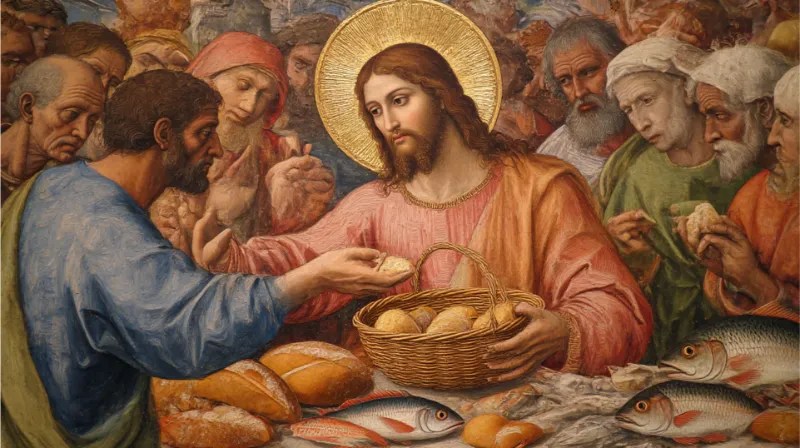
Galatians 3:28
“There is neither Jew nor Gentile, neither slave nor free, nor is there male and female, for you are all one in Christ Jesus.”
Reflection: Paul’s argument here is about who belongs to Abraham’s family. All who were baptized into Christ have clothed themselves with Christ (3:27) and are heirs “according to the promise” (3:29), and the three pairs he names, Jew and Gentile, slave and free, male and female, are all included in that one inheritance.
Mothers, sisters, widows and strangers
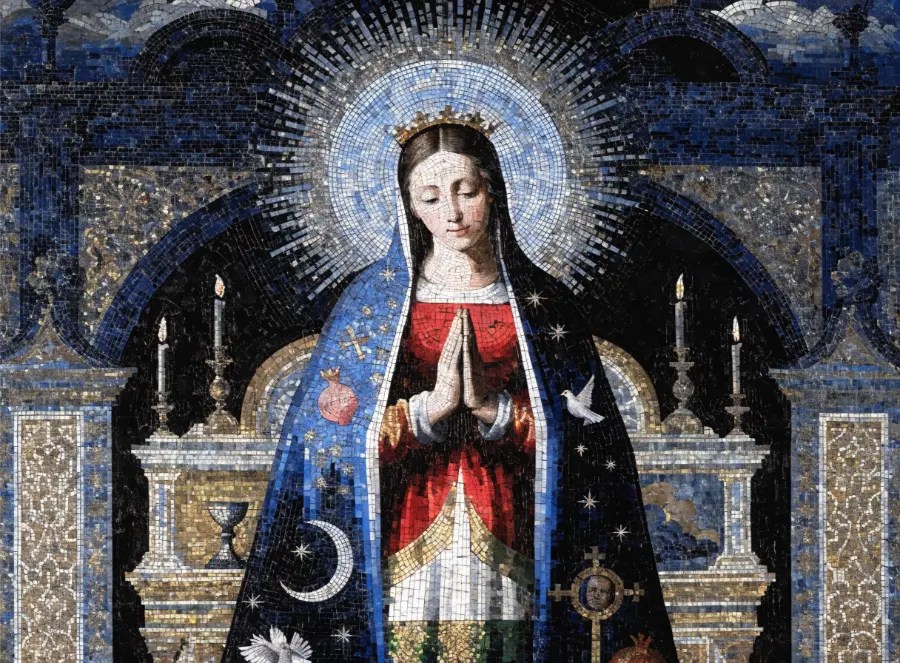
1 Timothy 5:2
“older women as mothers, and younger women as sisters, with absolute purity.”
Reflection: The verse finishes a sentence that begins in verse 1, where Paul tells Timothy to exhort an older man “as if he were your father” and to treat younger men as brothers. The members of a church are to be treated as family, and for younger women Paul adds “with absolute purity.” The verses that follow turn to widows, and verse 8 says that anyone who does not provide for their own household “has denied the faith.”
Proverbs 23:22
“Listen to your father, who gave you life, and do not despise your mother when she is old.”
Reflection: The saying sets the mother beside the father “who gave you life” and names one particular time not to despise her: when she is old. It closes three verses later with a wish for her: “may she who gave you birth be joyful!”
Isaiah 1:17
“Learn to do right; seek justice. Defend the oppressed. Take up the cause of the fatherless; plead the case of the widow.”
Reflection: The command follows “Wash and make yourselves clean… stop doing wrong” (1:16). Among the right things listed, the widow is named with the fatherless, and the verb for her is a court one: plead her case.

Ruth 3:10
“The Lord bless you, my daughter,” he replied. “This kindness is greater than that which you showed earlier: You have not run after the younger men, whether rich or poor.”
Reflection: Ruth has come to Boaz at night on the threshing floor and asked him to spread the corner of his garment over her as a guardian-redeemer of the family (3:9). He blesses her, tells her not to be afraid, and says the whole town knows she is “a woman of noble character” (3:11), the same words “noble character” that Proverbs 31:10 uses of a wife. He sends her home before anyone can recognize her, with six measures of barley (3:14-15), and in the harvest field he had already told his men “not to lay a hand on you” (2:9).
Luke 7:44-46
“Then he turned toward the woman and said to Simon, ‘Do you see this woman? I came into your house. You did not give me any water for my feet, but she wet my feet with her tears and wiped them with her hair. You did not give me a kiss, but this woman, from the time I entered, has not stopped kissing my feet. You did not put oil on my head, but she has poured perfume on my feet.’”
Reflection: Simon the Pharisee had said to himself that a prophet would know “what kind of woman she is—that she is a sinner” (7:39). Jesus turns to her while he speaks to Simon, asks him “Do you see this woman?” and sets what Simon as host did not do, water for his feet, a kiss, oil for his head, beside what she did: tears on his feet, kisses on his feet and perfume poured on them. He ends by speaking to her directly: “Your faith has saved you; go in peace” (7:50).


Leave a Reply